
You are here
Balkan News
Will the General Assembly Continue to be Subservient to the P-5 Refusing to Challenge the Nominee for UN Chief?
Credit: Cia Pak / UN
By Thalif Deen
UNITED NATIONS, Sep 15 2026 (IPS)
As the race for the election of a new Secretary-General (UNSG) gathers momentum, the spotlight is on the 193-member General Assembly, the highest policy making body at the United Nations, which has refused to assert itself and continues to play a subservient role in the elections of UNSGs.
Perhaps this year will be no exception either.
According to Article 97 of the United Nations Charter, the Secretary-General is appointed by the General Assembly upon the recommendation of the Security Council (SC), which puts forward a single recommended candidate.
Traditionally, the General Assembly (GA) has always approved that recommendation, usually by acclamation or a resolution
But the GA has never rejected a SC nominee. Despite a growing demand for a female SG in the 81- year history of the UN, what if the SC nominee this year is a male candidate.?
Isn’t it time for the GA to assert its authority and reject any candidates– male or female—who lacks the right credentials for the post of Chief Administrative Officer of the United Nations? Isn’t it also time for the GA to cease being a mere rubber stamp — approving without questioning the Security Council decision?
Richard Gowan, Director for Global Issues and Institutions and a longtime UN watcher at the Brussels-based Crisis Group, told Inter Press Service (IPS): “I really, really doubt that the General Assembly would reject a candidate approved by the Security Council– unless he or she was a certified axe murderer. And even then, it might be a close call.”
There has been a lot of talk about the General Assembly asserting itself more in the selection process. But member states are also worried that the veto powers in the Council will not be able to agree on anyone at all. There is more and more talk of the Council reaching the end of the year without making a recommendation, he said.
“ I think that there will be a deal in the end, but to be frank if the veto powers do agree on a candidate, a lot of countries will conclude that they have to accept him or her. Even if diplomats in New York think the person on offer is sub-standard, their political bosses in capitals will not want to offend Washington, Beijing and Moscow by challenging the choice”.
* I can imagine a situation in which the veto powers force through a candidate from outside Latin America and the Caribbean, leading the Latin Americans to abstain or vote against them in protest over the breach of the regional rotation principle. Although a lot of members do really want a female Secretary-General, I find it less likely that a lot of states would vote against a man on principle.”
* I think that a lot of diplomats would worry about damaging their relations with the next Secretary-General before they even take office. And in the final analysis, there will be a tendency to say that it is better to give the next UN chief a broad endorsement for the sake of the organization. Turning the next Secretary-General into a lame duck in advance would look bad, declared Gowan.
Jesselina Rana, UN Advisor, CIVICUS, a global alliance of civil society organisations and activists, told IPS in theory the GA can push back if a woman is not recommended, once voting starts. It only takes a simple majority present and voting to appoint the SG. In practice, it never has happened.
Real pressure has to come earlier. This means the GA asking for multiple candidates before the Security Council makes its recommendation or even holding GA straw polls to gauge preferences., she said.
Dr Palitha Kohona, former Chief of the UN Treaty Section, told IPS to seek clarity from the Charter, which substantially reflects the reality of the world after the Second World War, would not be particularly helpful in the appointment of a new SG.
“We continue to be dominated by that reality which in the view of some commentators, including the present writer, is outdated. Practices have been developed which essentially perpetuate that reality. Whatever the P5 decides is likely to prevail.”
The Charter itself says little on the appointment process of the SG. Article 97 stipulates that the General Assembly will appoint a Secretary-General on the recommendation of the Security Council. Resolutions 11/1 of 1946 and 54/246 of 1997 are important in this regard, said Dr Kohona, a former Permanent Representative of Sri Lanka to the United Nations.
The Security Council (SC) has continued to play the preeminent role in the selection of a candidate for the position of SG. In fact, the role played by the veto wielding Permanent 5 (P5) is critical.
In the first instance, he pointed out, the SC will seek consensus prior to recommending a candidate to the GA, although 9 votes in favour of a candidate in the Council would suffice to progress the matter. If consensus is not feasible, the Council will vote on the candidates available.
The practice of conducting straw polls among the members of the SC has become popular in recent times. To the disconcert of many members of the world body, the recommendation is adopted at a private meeting in accordance with Rule 48 of the Provisional Rules of Procedure. The P5 has fiercely hung on to this privilege.
“It is now almost mandatory for aspirants to the post of SG to undertake visits to the capitals of the P5 to seek their blessings and not say or do anything that would cause them unease”.
In South Asia, people are familiar with the somewhat similar practice of making offerings to deities in order to obtain divine blessings prior to undertaking any important task.
This was not always the case. When, in 1951, Trygve Lie was vetoed by the Soviet Union, as he sought his second term, the US had him appointed through a clear majority of votes in the GA.
Given the difficulties that Trygve Lie faced subsequently, especially in dealing with a hostile Soviet Union, it would be unlikely that such a break from accepted practice would be adopted today. The life of a SG appointed in this manner would simply be too difficult, he argued.
While many would consider that at least now a woman should occupy the position of SG, the present writer subscribes to the view, that the best candidate should be picked to head this supremely important global position, irrespective of gender.
“The ideal candidate should be able to work effectively with the P5, maintain the confidence of the members of the Organization, manage a complex universal bureaucracy and advance the goals and ideals of the Character without fear or favour, declared Dr Kohona.
Meanwhile, in an article published in PassBlue last month, Graca Machel, a co-founder and the Deputy Chair of The Elders, an independent group of global leaders, said historically, the selection of a new secretary-general has been treated as the domain of the UN Security Council, especially its five permanent members, known as “the P5.”
But the wording of the UN Charter is clear that while the Council should recommend a candidate, the appointment is made by the General Assembly. If the P5 propose an unsuitable candidate for reasons of realpolitik, the states of the General Assembly can and should reject them and insist that more suitable individuals be put forward said Machel, the only woman in modern history to have served as First Lady of two countries: South Africa and Mozambique.
“The concentration of such power in the hands of only five member states — Britain, China, France, Russia and the US — has never been consistent with the democratic spirit of multilateralism. It is particularly indefensible today, when two permanent members, Russia and the US, have recently breached the Charter through launching unilateral wars of aggression,” she pointed out.
The concentration of such power in the hands of only five member states — Britain, China, France, Russia and the US — has never been consistent with the democratic spirit of multilateralism. It is particularly indefensible today, when two permanent members, Russia and the US, have recently breached the Charter through launching unilateral wars of aggression.
“As an African woman who fought in my country’s liberation struggle and has spent decades working for peace, justice and human dignity, I find it profoundly troubling that the UN still reflects, at its uppermost levels of the Security Council, the power hierarchies of 1945 and the colonial era”, she declared.
All 193 members of the General Assembly bear responsibility for ensuring a credible process and must affirm their commitment to multilateralism, universal human rights and the rules-based international order. They have an obligation to ensure that those principles are reflected in the candidate they support.
“If the Security Council presents a candidate who lacks the independence, experience, integrity and broad confidence required for the office, the General Assembly is not bound to rubber-stamp that choice. Member states have the right and responsibility to demand a candidate worthy of the Charter and of the peoples in whose name the UN acts”.
The next secretary-general cannot be merely an administrator of international consensus, especially when consensus itself is often paralyzed. The office requires a leader with moral courage, political judgment and strategic independence — someone to speak truth to power, to work quietly and effectively behind the scenes and to retain the trust of governments without becoming beholden to any of them, declared Machel.
IPS UN Bureau Report
Categories: Africa, Balkan News
Hydrocarbures : Après Londres, Rome et Pékin, le Bid Round 2026 séduit aussi Jakarta
À quelques semaines de la clôture de l’appel d’offres international, le géant indonésien confirme ses ambitions d’extension dans le Sahara algérien, emboîtant le pas à […]
L’article Hydrocarbures : Après Londres, Rome et Pékin, le Bid Round 2026 séduit aussi Jakarta est apparu en premier sur .
Categories: Afrique, Balkan News
Migration : la route depuis l’Algérie vers l’Espagne en forte hausse
Tandis que la plupart des flux migratoires ralentissent en Europe, une traversée bat des records. D’après les données dévoilées par Frontex pour la période de […]
L’article Migration : la route depuis l’Algérie vers l’Espagne en forte hausse est apparu en premier sur .
Categories: Afrique, Balkan News
Durchzogenen Saisonstart aufpoliert: Dennoch mahnt GC-Captain Abrashi zur Vorsicht
Trotz Meinungsverschiedenheit zwischen GC-Captain Abrashi und Trainer Zeidler siegen die Hoppers gegen Thun 1:0. In Überzahl blieb die Leistung durchwachsen, doch die Zürcher feiern drei ungeschlagene Spiele in Folge.
Categories: Balkan News, Swiss News
Spannende Natur: Älteste Pflanze der Welt verblüfft Forscher mit elektrischen Signalen
Moos wirkt unscheinbar und simpel. Doch neue Messungen zeigen: In den kleinen Pflänzchen entstehen erstaunlich komplexe elektrische Signale. Manche erinnern sogar an Nervenimpulse.
Categories: Balkan News, Swiss News
Noch mehr als 100 Vermisste: Fähre verschwindet vor Indonesien vom Radar
Eine Fähre mit 243 Passagieren ist vor Indonesien offenbar gekentert. Mehr als 100 Personen werden noch vermisst. Kommt es zu weiteren Todesopfern?
Categories: Balkan News, Swiss News
Affaire Houris : Kamel Daoud relaxé par la justice française, la plainte de Saâda Arbane rejetée
Poursuivi en diffamation par Saâda Arbane, qui l’accusait d’avoir utilisé sans consentement son parcours personnel pour nourrir le roman Houris, le romancier franco-algérien Kamel Daoud […]
L’article Affaire Houris : Kamel Daoud relaxé par la justice française, la plainte de Saâda Arbane rejetée est apparu en premier sur .
Categories: Afrique, Balkan News
GNL : Face au déclin de la production en mer du Nord, le Royaume-Uni se tourne vers l’Algérie
Face à l’effondrement de la production en mer du Nord et à une dépendance aux importations qui pourrait grimper à 85 %, l’Algérie consolide ses […]
L’article GNL : Face au déclin de la production en mer du Nord, le Royaume-Uni se tourne vers l’Algérie est apparu en premier sur .
Categories: Afrique, Balkan News
Ballon d’Or 2026 : Maza nommé pour ce prix
Le football algérien tient une nouvelle raison de bomber le torse. Ibrahim Maza vient d’être retenu dans la liste des dix joueurs en lice pour […]
L’article Ballon d’Or 2026 : Maza nommé pour ce prix est apparu en premier sur .
Categories: Afrique, Balkan News
Refus de mariage et OQTF : Robert Ménard visé par une nouvelle plainte en France
À quelques jours de son procès au tribunal de Montpellier, le maire de Béziers replonge dans la tourmente judiciaire. En cause : de nouvelles déclarations […]
L’article Refus de mariage et OQTF : Robert Ménard visé par une nouvelle plainte en France est apparu en premier sur .
Categories: Afrique, Balkan News
Midwives: The Workforce That Will Determine Maternal and Newborn Survival and Africa’s Future
Ouattara, senior midwife and head of the maternity unit at the Ayaou-Sokpa Health Centre in Côte d'Ivoire, consults with Awa, a pregnant woman, during a routine antenatal visit. Credit: UNFPA Côte d'Ivoire/Miléquêm Diarassouba
By Diene Keita and Jean Kaseya
NEW YORK / ADDIS ABABA, Sep 7 2026 (IPS)
Tonight, thousands of women across Africa will give birth. Whether they survive to see daylight will largely depend on where they live, how quickly they reach care, and whether the health system around them is ready to respond.
Maternal deaths in Africa have dropped 40 percent since 2000, but progress is now stalling. Africa still accounts for more than 70 percent of all maternal deaths worldwide. A woman facing pregnancy complications on the continent is around 130 times more likely to die than a woman in Europe or North America.
Most of these deaths are preventable. Postpartum hemorrhage remains the leading direct cause of maternal death, while indirect causes such as HIV, malaria, and anemia also account for a substantial share. What connects them is delay: delay in seeking care, delay in reaching a health facility, and delay in providing the best treatment to save a woman’s life. The fact that so many maternal deaths occur within health facilities is telling: the problem is not only the absence of care but also weaknesses in facility readiness, referral systems, teamwork, and emergency response.
Throughout the continuum of maternal care, a well-educated midwife can recognize danger signs before they become emergencies: managing complications, including coordinating timely referrals; and delivering respectful and high-quality care. Midwives already deliver up to 90 percent of essential sexual, reproductive, maternal, and newborn health services, often in communities where health systems are weakest. But midwives cannot do this alone and their impact depends on the strength of the health system: functioning primary health care, community referral and transportation systems, reliable medicines and blood supplies, and access to emergency obstetrical and neonatal care when complications arise. Despite this indispensable role, midwives remain one of Africa’s most overlooked and underfunded health workers.
Based on the latest comparable WHO and UNFPA data, only four of 51 reporting African countries meet the WHO needs-based benchmark of 9.23 midwifery personnel per 10,000 population. Forty-seven remain below the benchmark. But the numerical shortage is only part of the story. Even where midwives are educated, roughly 34 percent of midwifery personnel in reporting countries are unemployed. The challenge, in other words, is not simply to educate more midwives—it is to integrate those already educated and deploy and retain them where needs are greatest.
Ending preventable maternal mortality by 2030 has become one of the continent’s greatest tests of leadership, equity, and health sovereignty.
With the appointment of H.E. Dr. Samia Suluhu Hassan, President of the United Republic of Tanzania, as the AU Champion on Maternal and Child Health, our collective quest to end maternal deaths is elevated with the highest level of political support. In a recent op-ed, President Hassan called on African leaders and partners to rally around a simple yet powerful roadmap: the Three Zeros framework. It includes achieving zero home deliveries where women are cut off from skilled care and emergency referrals; zero preventable maternal and newborn deaths by shifting from access alone to quality, respectful, and emergency-ready care; and zero unvaccinated children by placing zero-dose children at the center of primary health care and last-mile delivery. Investing in midwives is fundamental to achieving these Three Zeros.
The case for investment is not just moral — it is economic. The UNFPA midwifery investment case reveals that investing in midwives can generate as much as a ten-fold return through combined social and economic gains. In Sierra Leone, modeling shows that universal care provided by midwives could save 2,278 maternal lives, save 19,029 newborn lives, prevent 39,970 stillbirths, and avert almost 860,000 unintended pregnancies by 2035. Beyond these clinical and economic gains, midwifery is also a powerful engine for women’s economic empowerment. Since the vast majority of midwives are female, expanding this workforce translates directly into thousands of stable, skilled, and dignified formal-sector jobs for women—particularly in rural and underserved communities where employment opportunities are often scarce. Converting informal, unpaid caregiving into salaried careers saves lives and builds financial independence for women, while strengthening Africa’s broader economic development.
Investing in midwives alongside multi-skilled community health workers creates a stronger continuum of care—from the household and community to the primary health facility and referral hospital. Community health workers can support early identification of pregnancy risks, promote antenatal care attendance, encourage skilled birth attendance, strengthen immunization uptake, and facilitate timely referrals, while midwives provide the skilled clinical care required to prevent maternal and newborn deaths. Together, this workforce forms the backbone of a people-centered primary health care system capable of delivering the AU’s vision of health sovereignty.
Africa has already shown political leadership in achieving a strong health workforce. In 2016, Africa committed to train and deploy two million community health workers as part of addressing the chronic health workforce gap—a target already half met. Under the leadership of H.E. Bola Ahmed Tinubu, President of the Federal Republic of Nigeria and AU Champion for Human Resources for Health and Community Health Delivery Partnership (CHDP), the continent is committed to accelerating progress towards the target of two million multi-skilled community health workers by 2030.
Midwifery deserves the same political ambition, together with a clear continental target to close the midwifery gap.
Any midwifery target must sit within a broader health workforce agenda. Accelerating the reduction of maternal deaths depends on a wider multidisciplinary workforce, including nurses, doctors, anesthesia providers, laboratory personnel, pharmacists, blood service staff, and emergency transport teams. This model promotes integrated community health systems where trained, supported, and professional community health workers deliver a comprehensive package of essential services, including health promotion for maternal and child health, disease prevention, immunization, early identification of pregnancy risks, referrals, and links to health facilities.
Just as Africa united around scaling up community health workers, leaders should now rally around a target to educate, deploy and retain the midwives needed to end preventable maternal and newborn deaths on the continent and enhance the health outcomes.
The following priorities, supported by the evidence-driven global initiative The Midwifery Accelerator, offer a practical roadmap:
First, increase and institutionalize financing for the health workforce, including midwives, as a strategic investment for health security and sovereignty.
This means accelerating the Lusaka Agenda and Accra Reset and prioritizing domestic funding for workforce compacts to strengthen primary health care systems in high-burden countries for maternal and child deaths. Establishing dedicated workforce budget lines, and improving the efficiency of workforce financial management through digitalization will require strengthened public finance management capacity and capabilities and cross-ministerial coordination. Aligning partner contributions strategically with national health workforce development plans will improve efficiency and address issues linked to the transition from donor support.
Second, expand equitable access to skilled maternal and newborn care by deploying midwives strategically to underserved high-burden and rural areas.
We must educate, deploy, and retain enough midwives to improve the quality, continuity, and responsiveness of maternal and newborn care. This will require ensuring quality midwifery education aligned to international and national standards, financing new posts and absorbing unemployed midwives, educating more only where the needs are unmet. Retention is equally critical as poor conditions; limited career growth, low pay and migration continue to drain skilled midwives from many African countries. Building a resilient workforce requires investing in decent work, professional recognition, and supportive, accountable workplaces.
Third, we must advocate and empower midwives, building midwifery leadership, strengthening coalitions, and amplifying the voices of women and communities.
Midwives should play a central role in designing models of care, not just delivering them. Professional associations must be seated at policy and financing tables, the Chief Midwifery Officer Network should be formalized, and communities need a stronger say in holding health systems accountable.
Fourth, maternal survival must be addressed as a whole-of-government responsibility.
Backed by political and financial commitments, this requires engagement beyond health ministries, including the finance, education, gender, and planning portfolios, alongside local government and civil society partners.
Through the AU Champion Roadmap on Maternal and Child Health, the AU Commission is collaborating with Member States, Africa CDC, UNFPA, and other partners to strengthen accountability, data systems and peer-to-peer learning. Accountability must drive this agenda: every maternal death should be counted, reviewed, and used to strengthen health systems. What gets measured gets prioritized, and what gets prioritized gets funded.
The AU Champion Roadmap calls for sustained, African-led domestic financing for maternal, newborn and child health. Investing in midwives is an investment in maternal and newborn survival, women’s economic empowerment, resilient primary health care systems, and Africa’s future prosperity. Preventing maternal deaths protects families, creates decent jobs, strengthens trust in public institutions, and safeguards the continent’s greatest asset—its people.
Africa has shown that shared ambition can drive transformative change. That same ambition must be matched with sustained resolve and support to ensure that no woman or newborn’s life is cut short for reasons we can prevent. A strong and resilient midwifery health workforce is within our collective reach – let us use it to secure Africa’s health sovereignty, sustainable development, and future prosperity.
Dr. Diene Keita, Executive Director, United Nations Population Fund (UNFPA), and
Dr. Jean Kaseya, Director General, Africa Centres for Disease Control and Prevention (Africa CDC)
IPS UN Bureau
Categories: Africa, Balkan News
IMAD 26 - repülőnap Pöstyénben
Kellemes hangulatú, mondhatni családias és szerencsére jóidős repülőnapot rendeztek idén is Pöstyénben északi szomszédaink - nem mellékesen ingyenes részvétellel és ingyenes parkolással az érdeklődő adófizetők számára.
Surfin' Orca :-)
Balti méhecskére szigorúan csíkos lepkefogóval kell menni.
Zord
Categories: Balkan News, Biztonságpolitika
Davoser Firma Heldstab trauert nach 50-Jahr-Jubiläum gleich um zwei junge Männer (beide †18): «In unseren Herzen lebt ihr weiter»
Am letzten Augustwochenende starben in Davos zwei junge Männer nach einem Verkehrsunfall auf der Flüelastrasse. Eine Frau wurde verletzt. Beide jungen Männer sind mit dem Familienunternehmen Heldstab verbunden – und waren im Rahmen des 50-Jahr-Jubiläums unterwegs.
Categories: Balkan News, Swiss News
Történelmi választás Németországban
Szeptember 6-án tartanak tartományi választást a németországi Szász-Anhalt (Sachsen Anhalt) tartományban. Szász-Anhalt tele van történelmileg jelentős helyekkel, itt található például Wittenberg, a reformáció bölcsője, valamint Quedlinburg és Magdeburg csodálatos városai, melyek a középkori Németország, a Német-Római Császárság ékkövei voltak.
A sajtó figyelmének középpontjába azonban nem a régió szépsége vagy a választás puszta ténye repítette a tartományt. Történelmi jelentőségét az adja ennek a választásnak, hogy először fordulhat elő olyan, hogy a hagyományos pártoktól jobbra található csoportosulás egyedül kormányozzon egy tartományt. Az AfD most erre készül. A jelenlegi felmérések alapján reális esélye lehet a pártnak a szükséges mandátumok összegyűjtésére. Az INSA legfrissebb felmérése szerint az AfD 43%-on, a centrumban elhelyezkedő CDU 22%-on, a szélsőbaloldali Linke 12%-on, míg a szociáldemokrata párt 7%-on áll. Ők úgy tűnik, biztosan bekerülnek a tartományi döntéshozásba. Akiknél ez még kérdés, azok a Zöldek (5% körül), valamint a szélsőbaloldali BSW (4%).
Az Alternatíva Németországért párt népszerűségének hátterében a mainstream pártokkal szembeni elégedetlenség áll. A német választók szerint az elmúlt évtizedek CDU-SPD kormányzata nem adott megfelelő választ a migráció, a klímaváltozás, az orosz–ukrán háború, valamint az európai versenyképesség helyzetét érintő kérdésekre. A rendelkezésre álló információink alapján kétféle eredménye lehet ennek a választásnak. Vagy az AfD sikeresen megszerzi a mandátumok 50%-át (42 helyet a 83-ból), vagy az összes többi párt összefogva (CDU-Linke-SPD-Zöldek) próbál meg valamiféle tartományi kormányzást végezni. Az AfD sikere a központi források elvesztésével járhat, míg a négypárti koalíció a tartományi stabilitás teljes felszámolásával (ahogy látjuk azt Türingiában, ahol a legutóbbi választáson 30% feletti eredménnyel az AfD nyert, de kormányt nem tudott alakítani, azóta pedig már bőven 40% felé mérik a pártot helyben).
Sokaknak furcsa lehet, hogy miért kell az AfD-nek a mandátumok 50%-át megszerezni, miért nem fog össze inkább valamelyik kisebb párttal a szükséges mandátumok megszerzése érdekében. Erre a válasz igen egyszerű: a német politikából ismerős kifejezés, a tűzfal (Brandmauer). Ez a mainstream pártok által felállított fal arra szolgál, hogy az AfD-t távol tartsák a hatalomtól. A német média és a mainstream pártok által szélsőségesnek vélt AfD-vel ennek okán senki nem kíván együttműködni, vagy koalícióra lépni.
Biztonságpolitikai szempontból is érdemes megközelíteni a kérdést. Németország Európán belül az egyik leghatározottabban Oroszország-kritikus ország, ezzel szemben az AfD pragmatikusabb Oroszország-politikát követel, valamint a kapcsolatok újraértelmezését, az északi gázvezetékek újbóli megnyitását. Különösen érdekes helyzetet teremthetne tehát, ha a központi Ukrajna-politikától lényegesen eltérő nézetrendszerrel rendelkező párt kerülne hatalomra. Sajtóinformációk szerint a berlini kormányzat már kidolgozott egy potenciális cselekvési tervet egy AfD-győzelemre. Ebben a forgatókönyvben a központi kormányzat szövetségi kényszert (Bundeszwang) alkalmazhat a tartománnyal szemben, amennyiben az nem hajlandó eleget tenni az ország NATO-vállalásainak (például nem engedi át a fegyvereket, vagy nem támogatja külföldi katonák állomásoztatását). Érdemes azonban megjegyezni, hogy a honvédelem és a külpolitika Németországban kizárólagos szövetségi hatáskör (Bundessache), így egy tartományi kormánynak jogilag nagyon minimális mozgástere van a nemzetközi biztonságpolitikai és katonai kötelezettségek blokkolására.
A választás eredményétől függetlenül a kérdés marad: meddig tartható távol az AfD a hatalomtól, és vajon a vele szemben felállított tűzfal nem hajtja-e a vizet inkább a jobboldali párt malmára? Nem tudjuk, de a választás kapcsán ma este okosabbak leszünk.
– Nagy-Bato Jonatán Imre
A Történelmi választás Németországban bejegyzés először Biztonságpolitika-én jelent meg.
Categories: Balkan News, Biztonságpolitika
ENTWURF EINES BERICHTS über die Umsetzung der Gemeinsamen Sicherheits- und Verteidigungspolitik – Jahresbericht 2026 - PE791.004v02-00
ENTWURF EINES BERICHTS über die Umsetzung der Gemeinsamen Sicherheits- und Verteidigungspolitik – Jahresbericht 2026
Ausschuss für Sicherheit und Verteidigung
Nathalie Loiseau
Quelle : © Europäische Union, 2026 - EP
Ausschuss für Sicherheit und Verteidigung
Nathalie Loiseau
Quelle : © Europäische Union, 2026 - EP
Categories: Balkan News, Europäische Union
Hamilton mit Seitenhieb: Stallorder-Ärger bei Ferrari – Leclerc tobt
Ferrari landet beim vorerst letzten Holland-GP in Zandvoort neben dem Podest. Beide Piloten sind unzufrieden. Wäre mit einer besseren Teamstrategie mehr möglich gewesen?
Categories: Balkan News, Swiss News
YB-Verteidiger ist begehrt: Hadjam auf dem Absprung – und was ist mit Blum?
Vier Skorerpunkte in vier Spielen: Publikumsliebling Lewin Blum macht seit dem Saisonstart Werbung in eigener Sache. Bleibt der Ur-Berner YB erhalten? Derweil ist klar: Jaouen Hadjam ist auf dem Sprung.
Categories: Balkan News, Swiss News
Gewalt gegen Ehefrau: Jacques Moretti offenbar in Untersuchungshaft!
Jacques Moretti sitzt laut einem Medienbericht in Untersuchungshaft. Der Grund: Gewalt gegen seine Ehefrau Jessica.
Categories: Balkan News, Swiss News
«Niemals war ich so voller Liebe»: Haakon und Mette-Marit feiern ihren 25. Hochzeitstag
Das norwegische Thronfolgerpaar hat einen Grund zum Feiern: Mit der Silberhochzeit krönen sie ihre Ehe, die selbst tiefsten Krisen felsenfest trotzt.
Categories: Balkan News, Swiss News
Incendies : 258 aides financières accordées aux familles touchées, le bilan du ministère
Le secteur de l’habitat se mobilise en faveur des victimes des récents feux de forêt. Le ministre de l’Habitat, de l’Urbanisme, de la Ville et […]
L’article Incendies : 258 aides financières accordées aux familles touchées, le bilan du ministère est apparu en premier sur .
Categories: Afrique, Balkan News
Pages
the old site is here


© 2012-2015 Europa Varietas Foundation © 2015-2020 Europa Varietas Association
www.europavarietas.org | info(@)europavarietas(dot)org | Switzerland
This is a GDPR ready site
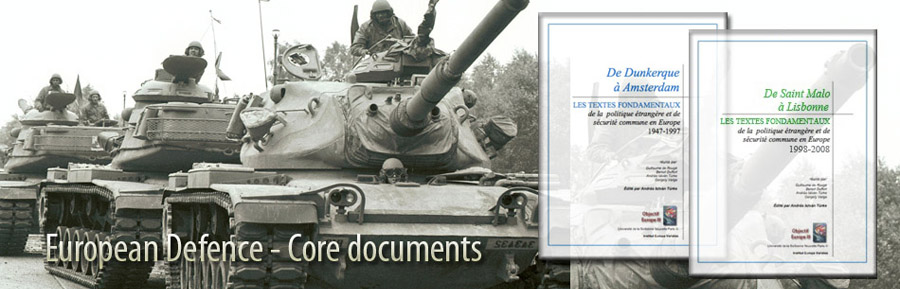
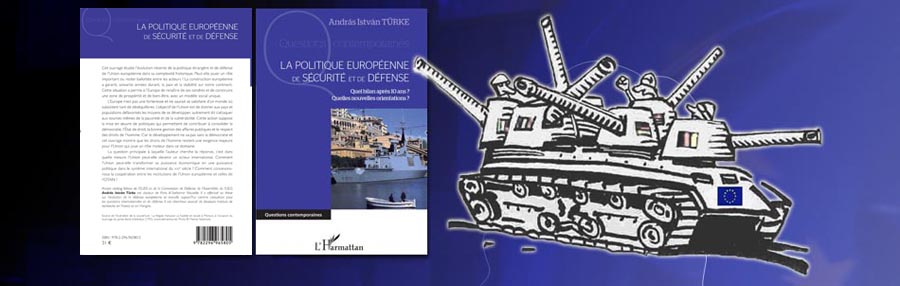
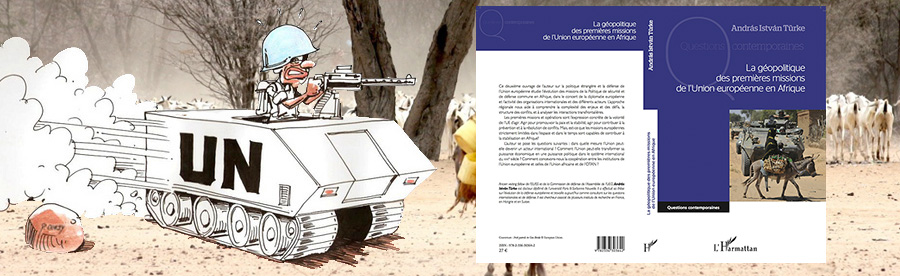
We are looking for sponsors for the English translation of these books, please contact turkeandras(at)gmail(dot)com