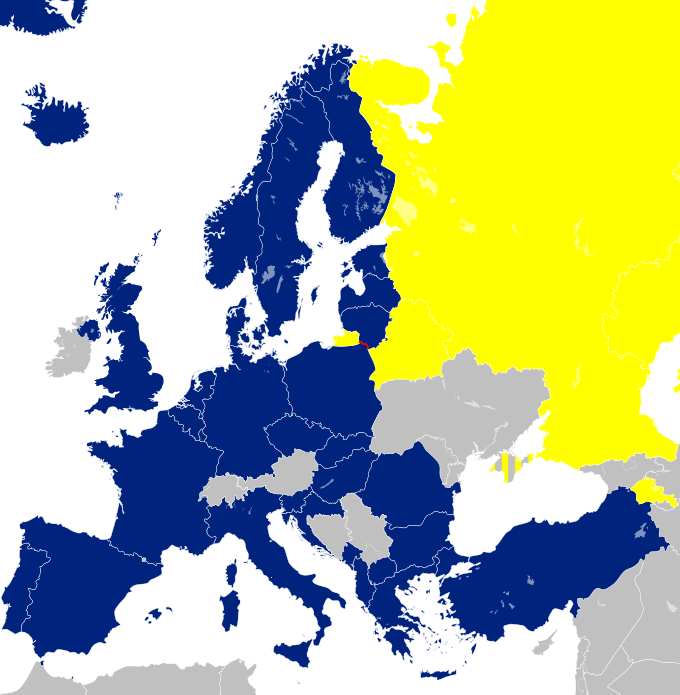
We often hear and read about the Suwalki Corridor – east of Kaliningrad, on the Polish-Lithuanian border – as one of the EU’s Achilles’ heels, which Russia could easily cut off land connections by attacking.
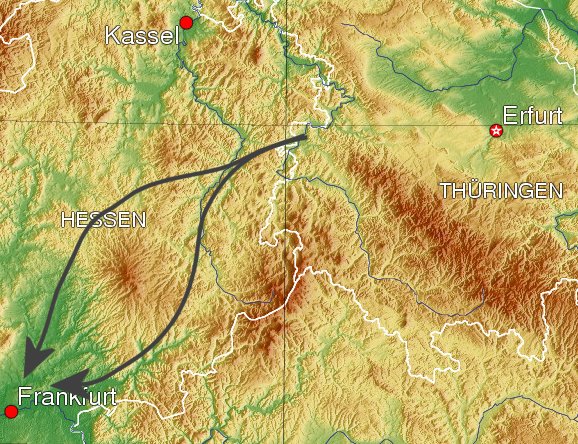
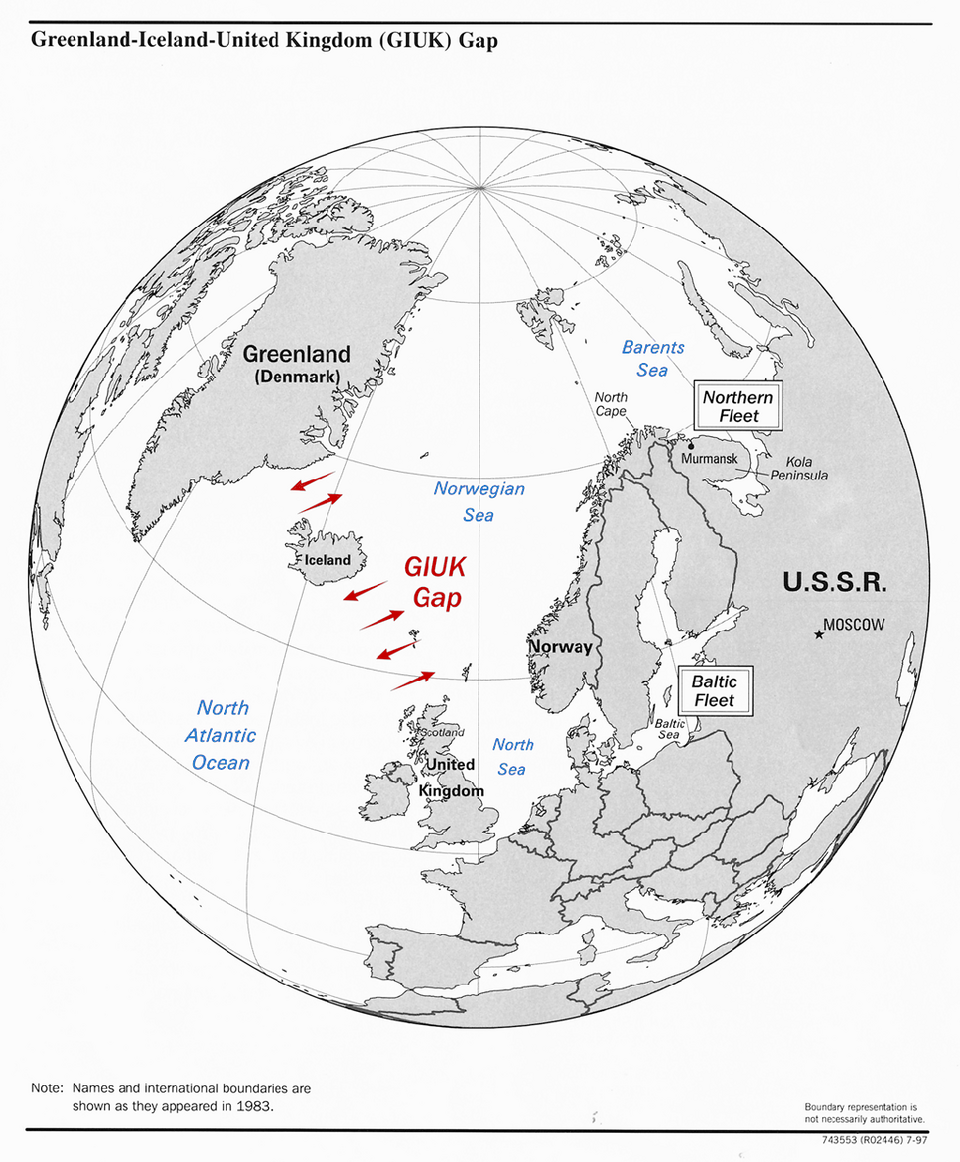
During the Cold War, the GIUP-gate (G-I-UK), the sea section between Greenland – Iceland – Great Britain, and the German Fulda gap (Fulda-Lücke) between the GDR states of Hesse and the FRG states of Thuringia, were considered further vulnerabilities.
Less well known – although of course known since 1882 – is another Achilles’ heel of Romania (and therefore NATO), the Focșani Gate (Poarta Focșani). Located between the Carpathian Mountains and the Danube Delta, in the northeastern part of the Wallachian Plain, it stretches for 80-85 kilometers in an east-west direction and about 60 km in a north-south direction through the counties of Galați, Vrancea, Buzău and Brăila, close to the Romanian-Moldovan-Ukrainian triple border.
Controlling the Focșani Gate allows access to vast areas of Romanian territory and to many other regions of Europe. The area exists as a somewhat isolated zone due to poor infrastructure, which makes it vulnerable in the event of a possible Russian attack. It has been suggested that a Russian incursion into the Budjak region of Ukraine would threaten the Focșani Gate and the Danube Delta in Romania, which could force Romania to invade the region. A possible Romanian invasion of Budjak has been examined by several analyses for security reasons.
If a land army could enter Romania through the Focșani Gate, the next obstacle to overcome would be the passage through the Balkan Mountains in Bulgaria, through the Shipka Pass, towards the Balkans. During the Russo-Turkish War of 1877-78, fierce battles were fought at the Shipka Pass.