
You are here
Feed aggregator
Recalled vs. experienced emotions as drivers of pro-environmental behaviour: experimental evidence from Ghana and the Philippines
Emotions are widely invoked to motivate climate action, yet how different forms of emotional activation translate into costly, real-world pro-environmental behaviour (PEB) remains unclear. This study examines whether positive emotions triggered by (i) recalling past PEB and (ii) engaging with environmental social media content increase subsequent donations to an environmental NGO. We implemented incentivised 2×2 between-subjects experiments among middle-class respondents in Ghana (N = 789) and the Philippines (N = 972) between April and May 2022, comparing the individual and combined effects of these two interventions on real donation decisions, and testing the mediating role of self-reported positive emotion. In the Philippines, both recall and engagement significantly increased donation amounts, with recall showing a robust effect across model specifications and indicative evidence of a small, partial mediation via positive emotions. The combined treatment, however, did not yield an interaction effect, suggesting additive rather than synergistic impacts. In Ghana, neither intervention nor emotional responses predicted donations; instead, beliefs about donation effectiveness and sociodemographic characteristics were the main predictors of environmental donations. These cross-country differences suggest that emotional drivers of climate engagement may be culturally and contextually contingent rather than universal. By experimentally contrasting recalled and experienced emotions and linking them to incentive-compatible PEB, the study advances behavioural and communication research on climate emotions. It highlights the need for emotionally intelligent, context-sensitive climate communication strategies that are personally meaningful and are tailored to local socio-economic environments.
Categories: Africa, Diplomacy & Defense Think Tank News
Recalled vs. experienced emotions as drivers of pro-environmental behaviour: experimental evidence from Ghana and the Philippines
Emotions are widely invoked to motivate climate action, yet how different forms of emotional activation translate into costly, real-world pro-environmental behaviour (PEB) remains unclear. This study examines whether positive emotions triggered by (i) recalling past PEB and (ii) engaging with environmental social media content increase subsequent donations to an environmental NGO. We implemented incentivised 2×2 between-subjects experiments among middle-class respondents in Ghana (N = 789) and the Philippines (N = 972) between April and May 2022, comparing the individual and combined effects of these two interventions on real donation decisions, and testing the mediating role of self-reported positive emotion. In the Philippines, both recall and engagement significantly increased donation amounts, with recall showing a robust effect across model specifications and indicative evidence of a small, partial mediation via positive emotions. The combined treatment, however, did not yield an interaction effect, suggesting additive rather than synergistic impacts. In Ghana, neither intervention nor emotional responses predicted donations; instead, beliefs about donation effectiveness and sociodemographic characteristics were the main predictors of environmental donations. These cross-country differences suggest that emotional drivers of climate engagement may be culturally and contextually contingent rather than universal. By experimentally contrasting recalled and experienced emotions and linking them to incentive-compatible PEB, the study advances behavioural and communication research on climate emotions. It highlights the need for emotionally intelligent, context-sensitive climate communication strategies that are personally meaningful and are tailored to local socio-economic environments.
Categories: Diplomacy & Defense Think Tank News, Europäische Union
The new Washington dissensus: Trump, development cooperation and global (dis)order making
This paper examines the ideological and policy shifts in US development cooperation under the second Trump administration and their implications for international development and the
evolving global (dis)order. Recent US measures, we argue, amount to more than a domestic policy change. They signal a foundational challenge to longstanding norms of the development
cooperation system. We identify and discuss five principles underpinning what we term the ‘new Washington Dissensus’. These five principles shift development cooperation away from
country partnerships and the logic of global public goods and to an overtly transactional, nationalist model of cooperation. The paper situates these developments within broader debates about the fragmentation of global order, focusing on development cooperation as a site of normative contestation and (dis)order-making. We argue the second Trump administration’s approach to development cooperation constitutes a new form of coercive order. This can be termed a ‘nationalist conditionality regime’ in the sense that it seeks to assert national dominance and marginalise universal norms. Beyond the US we explore norm imperialism and the risks of normative contagion. We provide a typology of competing regimes of development cooperation to situate the Trump administration’s approach. We close with a set of implications for decision-makers in governments, multilaterals and recipient agencies.
Categories: Diplomacy & Defense Think Tank News, European Union
The new Washington dissensus: Trump, development cooperation and global (dis)order making
This paper examines the ideological and policy shifts in US development cooperation under the second Trump administration and their implications for international development and the
evolving global (dis)order. Recent US measures, we argue, amount to more than a domestic policy change. They signal a foundational challenge to longstanding norms of the development
cooperation system. We identify and discuss five principles underpinning what we term the ‘new Washington Dissensus’. These five principles shift development cooperation away from
country partnerships and the logic of global public goods and to an overtly transactional, nationalist model of cooperation. The paper situates these developments within broader debates about the fragmentation of global order, focusing on development cooperation as a site of normative contestation and (dis)order-making. We argue the second Trump administration’s approach to development cooperation constitutes a new form of coercive order. This can be termed a ‘nationalist conditionality regime’ in the sense that it seeks to assert national dominance and marginalise universal norms. Beyond the US we explore norm imperialism and the risks of normative contagion. We provide a typology of competing regimes of development cooperation to situate the Trump administration’s approach. We close with a set of implications for decision-makers in governments, multilaterals and recipient agencies.
Categories: Afrique, Diplomacy & Defense Think Tank News
The new Washington dissensus: Trump, development cooperation and global (dis)order making
This paper examines the ideological and policy shifts in US development cooperation under the second Trump administration and their implications for international development and the
evolving global (dis)order. Recent US measures, we argue, amount to more than a domestic policy change. They signal a foundational challenge to longstanding norms of the development
cooperation system. We identify and discuss five principles underpinning what we term the ‘new Washington Dissensus’. These five principles shift development cooperation away from
country partnerships and the logic of global public goods and to an overtly transactional, nationalist model of cooperation. The paper situates these developments within broader debates about the fragmentation of global order, focusing on development cooperation as a site of normative contestation and (dis)order-making. We argue the second Trump administration’s approach to development cooperation constitutes a new form of coercive order. This can be termed a ‘nationalist conditionality regime’ in the sense that it seeks to assert national dominance and marginalise universal norms. Beyond the US we explore norm imperialism and the risks of normative contagion. We provide a typology of competing regimes of development cooperation to situate the Trump administration’s approach. We close with a set of implications for decision-makers in governments, multilaterals and recipient agencies.
Categories: Diplomacy & Defense Think Tank News, Europäische Union
Flooding and Food Security: The Urgent Need for Research
Flooding is a complex, sequential plant stressor, and its negative impacts on crops persist even after floodwaters recede. Credit: Shutterstock
By Esther Ngumbi
URBANA, Illinois, US, Oct 28 2026 (IPS)
Recently, countries around the world, including the United States of America, celebrated the United Nations 2026 World Food Day. This year’s theme, “Innovate Today. Nourish Tomorrow,” highlighted how efforts to foster innovation and forward-thinking solutions can help to ensure that everyone in our world has access to sufficient, diverse, safe, and nutritious foods while safeguarding the planet for future generations.
But realizing this vision and developing forward-thinking solutions to help nourish 9 billion people including the 645 million people who still face hunger, requires recognizing and investing in research on emerging agricultural challenges, specifically those that remain overlooked and underestimated.
Many of the currently grown agricultural crop varieties cannot withstand flooding and crop and yield losses of up to 100 percent have been reported both nationally and globally. Crops and yield losses arising because of flooding translate into economic losses and ultimately food insecurity
Arguably, flooding is one of the emerging yet underestimated and underappreciated threats to important agricultural crops, including rice and corn, and to food security, which has increased in frequency and intensity in recent years because of climate change.
Globally, between 2008 and 2018, according to a Food and Agriculture Organization of the United Nations report, flooding was ranked as the second driving factor resulting on crop production losses.
Flooding deprives soil and plant roots of oxygen, a necessary ingredient for all plant-sustaining life processes, including water uptake, respiration, and photosynthesis. Consequently, plants’ cellular, physiological, metabolic, and biochemical processes are disrupted, impacted, and impaired. Without oxygen, plants’ growth and development is impacted, and if flooding persists for days, they suffocate and die.
Sadly, many of the currently grown agricultural crop varieties cannot withstand flooding and crop and yield losses of up to 100 percent have been reported both nationally and globally. Crops and yield losses arising because of flooding translate into economic losses and ultimately food insecurity.
Alarmingly, flooding also negatively impacts soil biology, chemistry, functioning, quality, and microbial communities while disrupting the many beneficial relationships plants form with microbes, relationships that help plants deal with other stressors and promote growth and resilience.
Concerningly, flooding is a complex, sequential plant stressor, and its negative impacts on crops persist even after floodwaters recede. After floodwater subsides, agricultural crops enter the second phase of flooding stress, referred to as the post-flooding stress phase.
During the post-flooding stress phase, plants face additional stresses, including reoxygenation and dehydration, impaired root function, and nutritional deficiencies due to altered nutrient uptake. At the same time, plants are vulnerable to pathogens, diseases, and pests, threats that can collectively lead to agricultural crop losses.
The good news, however, is that science, research, and scientific discoveries can provide the forward-thinking solutions needed to safeguard our food systems against emerging threats.
But for research to provide these solutions, researchers working to address these questions must be funded.
Take the case of flooding. With funding and investments, researchers can pursue multiple research pathways to understand flooding while also pursuing bold and innovative ideas with the goal of developing and advancing science-based solutions to mitigate the negative and detrimental impacts flooding has on agricultural crops and soils that underpin plant and ecosystem health.
First, scientists can build a comprehensive understanding of flooding, including discovering the many strategies plants use to resist and recover from flooding and post-flooding stress.
Second, researchers can pursue both short- and long-term field-based experiments that incorporate thousands of crop varieties, including wild varieties, across different soil types to establish a more comprehensive understanding of flooding and post-flooding impacts on plant and soil health, biology, chemistry, and microbes, as well as the legacy and cascading effects of flooding.
Concurrently, this research can identify microbial taxa, communities, functions, and traits that improve flooding tolerance. Additionally, researchers can work to determine whether the current management practices that have been put in place to protect soil health and help plants resist biotic and abiotic threats, including regenerative practices, are keeping pace with intensifying flooding events.
Third and most importantly, with funding, scientists from multiple disciplines, including plant biology, entomology, engineering, agronomy, microbial ecology, predictive modelling, breeding, and soil health biology, can collaborate to design innovative solutions and accelerate the discovery of new solutions to flooding.
Ultimately, mitigating threats like flooding that could derail and undermine progress toward building climate-resilient crops and improving soil health and biology requires a comprehensive understanding of flooding and its impact on soil health, biology, and plants.
With sufficient funding and investment, scientists, in collaboration with stakeholders, can develop transformative solutions to address flooding and fulfill 2026 World Food Day theme “Innovate today. Nourish tomorrow.” Time is of the essence.
Esther Ngumbi, PhD, is an Associate Professor in the Department of Entomology at the University of Illinois Urbana Champaign.
Categories: Africa, Europäische Union
BERICHT über das Thema „Von Prototypen zu Fähigkeiten – Unterstützung neuer Akteure im Verteidigungsbereich bei der Expansion“ - A10-0268/2026
BERICHT über das Thema „Von Prototypen zu Fähigkeiten – Unterstützung neuer Akteure im Verteidigungsbereich bei der Expansion“
Ausschuss für Sicherheit und Verteidigung
Quelle : © Europäische Union, 2026 - EP
Ausschuss für Sicherheit und Verteidigung
Quelle : © Europäische Union, 2026 - EP
Categories: Europäische Union
Indigene Völker brauchen mehr als nur einen Platz am Verhandlungstisch
Dabei sein ist nicht alles: Kann die UN-Biodiversitätskonferenz über den Einbezug von indigenen Völkern und lokalen Gemeinschaften (IPLC) von den Klimaverhandlungen lernen?
Bonn, 28.10.2026. Es ist gut belegt, dass das Wissen von IPLC und deren Land- und Meeresnutzungspraktiken maßgeblich zum Erhalt der biologischen Vielfalt beitragen. Laut einer WWF-Studie befinden sich 91 % der von IPLC genutzten Flächen in einem „guten oder mäßigen ökologischen Zustand“.
Die Beteiligung von IPLC wird auf der diesjährigen Weltbiodiversitätskonferenz (COP17) in Eriwan ein wichtiger Punkt der Verhandlungen sein. Konkret geht es um die Umsetzung von Artikel 8(j), der die Einbeziehung von „traditionellem Wissen, Innovationen und Praktiken“ vorschreibt. Laut der vorläufigen Tagesordnung steht dabei die Arbeitsweise des neu eingerichteten ständigen Nebenorgans (SB8J) auf dem Programm, das mit der Umsetzung betraut ist.
Das SB8J ist zwar das erste ständige Nebenorgan zu diesem Thema im Rahmen der drei Rio-Konventionen, knüpft jedoch an frühere Bemühungen zur Stärkung der indigenen Beteiligung an. Im Rahmen des Übereinkommens über die biologische Vielfalt (CBD) ersetzt es eine 1998 eingerichtete Ad-hoc-Arbeitsgruppe. Dies festigt das Mitspracherecht indigener Völker und spiegelt deren langjährigen Kampf wider, Beteiligung und Einfluss institutionell zu verankern. Beim klimapolitischen Pendant der CBD, der UNFCCC, hat die „Facilitative Working Group“ (FWG) den Auftrag, indigene Belange zu vertreten. Besonders an ihr ist, dass staatliche und nichtstaatliche Akteure und Vertreter*innen von IPLC gleichberechtigt vertreten sind.
Die Verhandlungsführer*innen der Biodiversitäts-COP können von den Erfolgen und Misserfolgen der FWG lernen. So ist es der FWG einem ihrer Berichte zufolge gelungen, sich stärker in die Klimaverhandlungen einzubringen und maßgeblich zur politischen Gestaltung beizutragen. Visahürden, Sprachbarrieren und begrenzte finanzielle Mittel für die Teilnahme an den COPs bleiben jedoch Hindernisse.
Einige der größten Herausforderungen für die Arbeit der FWG sind jedoch struktureller Art und dürften sich weder innerhalb einer Arbeitsgruppe noch eines Nebenorgans lösen lassen. Dazu gehört die grundlegende Diskrepanz zwischen dem auf Kennzahlen und Marktmechanismen beruhenden Ansatz der UNFCCC zur Bekämpfung des Klimawandels und dem Umweltverständnis vieler IPLC, das den Menschen als Teil einer umfassenden Lebensgemeinschaft und nicht als von der Natur getrennt begreift. Beide Ansätze lassen sich nur schwer in einem Governance-Rahmen vereinbaren, der die Natur quantifiziert und ökonomisch bewertet und die miteinander verflochtenen Themen Klima, Biodiversität und Bodendegradation in getrennten Rio-Konventionen behandelt.
Ein weiteres Problem ist die häufige Darstellung indigener Völker als schutzbedürftig statt als handlungsfähige Akteure, die multilaterale Prozesse aktiv mitgestalten können. Zwar soll die FWG primär deren Fähigkeiten zur Beteiligung an der Klimakonvention stärken. Doch in einer Institution, die von und für nationale Regierungen geschaffen wurde, sind die Spielräume nichtstaatlicher Akteure von Natur aus begrenzt. Trotz ihrer gleichberechtigten Vertretung bleibt die Arbeitsgruppe letztlich ein Gremium ohne Stimmrecht innerhalb einer riesigen Organisation.
Wie das SB8J letztendlich gestaltet sein mag – es wird sich von der FWG unterscheiden. Als ständiges Gremium wurde es als „von den Vertragsparteien geleiteter Prozess“ vorgeschlagen. Zudem ist es in einer Konvention verankert, die auf eine längere Geschichte der formellen Auseinandersetzung mit IPLC-Belangen zurückblickt. Dennoch agieren beide Gremien innerhalb einer zwischenstaatlichen Institution, in der die Entscheidungsgewalt letztlich bei den nationalen Regierungen liegt.
Das Beispiel der FWG zeigt für das SB8J deutlich, dass ein neues Gremium allein noch keine echte Teilhabe garantiert. Teilhabe erfordert Raum und Ressourcen. Die Interessen von IPLCs sollten in allen relevanten Tagesordnungspunkten der verschiedenen COPs und auf nationaler und lokaler Ebene berücksichtigt werden. Dazu gehören sowohl der Zugang zu globalen Finanzierungsmechanismen zum Schutz der Biodiversität als auch nationale Territorialrechte. Ein vielversprechendes Beispiel sind die 1994 ins Leben gerufenen kleinbäuerlichen Schutzzonen (Zonas Reserva Campesina) in Kolumbien. Sie sollten die Entwaldung stoppen, nachhaltige Land- und Forstwirtschaft fördern und Landkonzentration verringern. Einige kleinbäuerliche Organisationen betrachten sie als strategisches Instrument, um ihre territoriale Autonomie zu wahren und agroökologische Alternativen zur agroindustriellen Expansion zu fördern. Heute tragen mehr als 64 dieser Zonen zum Biodiversitätsschutz und zum Erhalt traditioneller Anbaumethoden bei. Solche Ansätze funktionieren jedoch nur, wenn Behörden lokale Konzepte und Wissensformen respektieren, statt starre Kennzahlen vorzuschreiben. Sie müssen anerkennen, „dass alle Akteure Fähigkeiten, Erfahrungen und Perspektiven einbringen, die für den Naturschutz nützlich sind“.
Die zentrale Erkenntnis für die CBD ist: Inklusion darf nicht auf die eigens dafür geschaffenen Institutionen beschränkt bleiben. Diese Gremien können zwar Räume für gleichberechtigteren Austausch schaffen und indigenes sowie lokales Wissen auf innovative Weise in multilaterale Prozesse einbringen. Echte Teilhabe zeigt sich jedoch erst, wenn IPLC Entscheidungen – zumindest über ihre eigenen Gebiete – maßgeblich beeinflussen können. Dafür müssen sie finanziell sowohl bei der Teilnahme an den COPs als auch bei der Verwaltung ihrer Gebiete unterstützt werden und ihren Einfluss auf allen Regierungsebenen geltend machen können.
Categories: Afrique, Diplomacy & Defense Think Tank News
Indigene Völker brauchen mehr als nur einen Platz am Verhandlungstisch
Dabei sein ist nicht alles: Kann die UN-Biodiversitätskonferenz über den Einbezug von indigenen Völkern und lokalen Gemeinschaften (IPLC) von den Klimaverhandlungen lernen?
Bonn, 28.10.2026. Es ist gut belegt, dass das Wissen von IPLC und deren Land- und Meeresnutzungspraktiken maßgeblich zum Erhalt der biologischen Vielfalt beitragen. Laut einer WWF-Studie befinden sich 91 % der von IPLC genutzten Flächen in einem „guten oder mäßigen ökologischen Zustand“.
Die Beteiligung von IPLC wird auf der diesjährigen Weltbiodiversitätskonferenz (COP17) in Eriwan ein wichtiger Punkt der Verhandlungen sein. Konkret geht es um die Umsetzung von Artikel 8(j), der die Einbeziehung von „traditionellem Wissen, Innovationen und Praktiken“ vorschreibt. Laut der vorläufigen Tagesordnung steht dabei die Arbeitsweise des neu eingerichteten ständigen Nebenorgans (SB8J) auf dem Programm, das mit der Umsetzung betraut ist.
Das SB8J ist zwar das erste ständige Nebenorgan zu diesem Thema im Rahmen der drei Rio-Konventionen, knüpft jedoch an frühere Bemühungen zur Stärkung der indigenen Beteiligung an. Im Rahmen des Übereinkommens über die biologische Vielfalt (CBD) ersetzt es eine 1998 eingerichtete Ad-hoc-Arbeitsgruppe. Dies festigt das Mitspracherecht indigener Völker und spiegelt deren langjährigen Kampf wider, Beteiligung und Einfluss institutionell zu verankern. Beim klimapolitischen Pendant der CBD, der UNFCCC, hat die „Facilitative Working Group“ (FWG) den Auftrag, indigene Belange zu vertreten. Besonders an ihr ist, dass staatliche und nichtstaatliche Akteure und Vertreter*innen von IPLC gleichberechtigt vertreten sind.
Die Verhandlungsführer*innen der Biodiversitäts-COP können von den Erfolgen und Misserfolgen der FWG lernen. So ist es der FWG einem ihrer Berichte zufolge gelungen, sich stärker in die Klimaverhandlungen einzubringen und maßgeblich zur politischen Gestaltung beizutragen. Visahürden, Sprachbarrieren und begrenzte finanzielle Mittel für die Teilnahme an den COPs bleiben jedoch Hindernisse.
Einige der größten Herausforderungen für die Arbeit der FWG sind jedoch struktureller Art und dürften sich weder innerhalb einer Arbeitsgruppe noch eines Nebenorgans lösen lassen. Dazu gehört die grundlegende Diskrepanz zwischen dem auf Kennzahlen und Marktmechanismen beruhenden Ansatz der UNFCCC zur Bekämpfung des Klimawandels und dem Umweltverständnis vieler IPLC, das den Menschen als Teil einer umfassenden Lebensgemeinschaft und nicht als von der Natur getrennt begreift. Beide Ansätze lassen sich nur schwer in einem Governance-Rahmen vereinbaren, der die Natur quantifiziert und ökonomisch bewertet und die miteinander verflochtenen Themen Klima, Biodiversität und Bodendegradation in getrennten Rio-Konventionen behandelt.
Ein weiteres Problem ist die häufige Darstellung indigener Völker als schutzbedürftig statt als handlungsfähige Akteure, die multilaterale Prozesse aktiv mitgestalten können. Zwar soll die FWG primär deren Fähigkeiten zur Beteiligung an der Klimakonvention stärken. Doch in einer Institution, die von und für nationale Regierungen geschaffen wurde, sind die Spielräume nichtstaatlicher Akteure von Natur aus begrenzt. Trotz ihrer gleichberechtigten Vertretung bleibt die Arbeitsgruppe letztlich ein Gremium ohne Stimmrecht innerhalb einer riesigen Organisation.
Wie das SB8J letztendlich gestaltet sein mag – es wird sich von der FWG unterscheiden. Als ständiges Gremium wurde es als „von den Vertragsparteien geleiteter Prozess“ vorgeschlagen. Zudem ist es in einer Konvention verankert, die auf eine längere Geschichte der formellen Auseinandersetzung mit IPLC-Belangen zurückblickt. Dennoch agieren beide Gremien innerhalb einer zwischenstaatlichen Institution, in der die Entscheidungsgewalt letztlich bei den nationalen Regierungen liegt.
Das Beispiel der FWG zeigt für das SB8J deutlich, dass ein neues Gremium allein noch keine echte Teilhabe garantiert. Teilhabe erfordert Raum und Ressourcen. Die Interessen von IPLCs sollten in allen relevanten Tagesordnungspunkten der verschiedenen COPs und auf nationaler und lokaler Ebene berücksichtigt werden. Dazu gehören sowohl der Zugang zu globalen Finanzierungsmechanismen zum Schutz der Biodiversität als auch nationale Territorialrechte. Ein vielversprechendes Beispiel sind die 1994 ins Leben gerufenen kleinbäuerlichen Schutzzonen (Zonas Reserva Campesina) in Kolumbien. Sie sollten die Entwaldung stoppen, nachhaltige Land- und Forstwirtschaft fördern und Landkonzentration verringern. Einige kleinbäuerliche Organisationen betrachten sie als strategisches Instrument, um ihre territoriale Autonomie zu wahren und agroökologische Alternativen zur agroindustriellen Expansion zu fördern. Heute tragen mehr als 64 dieser Zonen zum Biodiversitätsschutz und zum Erhalt traditioneller Anbaumethoden bei. Solche Ansätze funktionieren jedoch nur, wenn Behörden lokale Konzepte und Wissensformen respektieren, statt starre Kennzahlen vorzuschreiben. Sie müssen anerkennen, „dass alle Akteure Fähigkeiten, Erfahrungen und Perspektiven einbringen, die für den Naturschutz nützlich sind“.
Die zentrale Erkenntnis für die CBD ist: Inklusion darf nicht auf die eigens dafür geschaffenen Institutionen beschränkt bleiben. Diese Gremien können zwar Räume für gleichberechtigteren Austausch schaffen und indigenes sowie lokales Wissen auf innovative Weise in multilaterale Prozesse einbringen. Echte Teilhabe zeigt sich jedoch erst, wenn IPLC Entscheidungen – zumindest über ihre eigenen Gebiete – maßgeblich beeinflussen können. Dafür müssen sie finanziell sowohl bei der Teilnahme an den COPs als auch bei der Verwaltung ihrer Gebiete unterstützt werden und ihren Einfluss auf allen Regierungsebenen geltend machen können.
Categories: Diplomacy & Defense Think Tank News, Europäische Union
Bridging the gap between health insurance eligibility and uptake: A multistate quantitative analysis of entitlement-based verification patterns under India’s PM-JAY Scheme
Publicly-funded health insurance schemes, wherein governments subsidize insurance contributions for disadvantaged groups, are a key strategy under universal health coverage. India’s Pradhan Mantri Jan Arogya Yojana (PM-JAY) uses an entitlement-based approach whereby approximately 700 million beneficiaries are automatically eligible for scheme benefits, subject to a simplified identity verification procedure instead of enrolment. This study investigates the determinants of undergoing verification among PM-JAY’s target population to identify underserved groups and inform strategies to expand coverage. We used cross-sectional survey data from 2019-2020, covering 50,002 individuals across five states. We examined individual and household characteristics associated with verification using logistic regression models with district-level random effects, and beneficiary experiences with the verification process. About one-fifth of eligible individuals had verified their status within a year of launch. Verification was more likely among older adults, with those ≥60years having higher odds than those 0–15 years of age (adjusted Odd Ratio [AOR] 2.339; 95% CI 2.071-2.641). Those with higher education had higher odds than those with no formal education (AOR 2.303; 95% CI 2.048-2.590), those with prior PFHI enrolment had higher odds compared to those not enrolled (AOR 1.947; 95% CI 1.827-2.075), and those with chronic illness had higher odds than those without (AOR 1.175; 95% CI 1.071-1.289). Women and household members other than spouses were less likely to verify. Disadvantaged castes and minority religions demonstrated relatively higher verification rates. District-level factors explained nearly one-third of variability, indicating that infrastructure and implementation capacity differences influence uptake. Many beneficiaries reported long wait times, varying documentation demands, and informal payments during verification. Addressing these barriers requires gender-sensitive outreach, streamlined household-wide verification, and strengthened local health system capacity. Policy reforms that simplify verification, ensure equitable access, and strengthen health infrastructure are vital to advancing effective universal health coverage for India’s most vulnerable populations.
Categories: Diplomacy & Defense Think Tank News, European Union
Bridging the gap between health insurance eligibility and uptake: A multistate quantitative analysis of entitlement-based verification patterns under India’s PM-JAY Scheme
Publicly-funded health insurance schemes, wherein governments subsidize insurance contributions for disadvantaged groups, are a key strategy under universal health coverage. India’s Pradhan Mantri Jan Arogya Yojana (PM-JAY) uses an entitlement-based approach whereby approximately 700 million beneficiaries are automatically eligible for scheme benefits, subject to a simplified identity verification procedure instead of enrolment. This study investigates the determinants of undergoing verification among PM-JAY’s target population to identify underserved groups and inform strategies to expand coverage. We used cross-sectional survey data from 2019-2020, covering 50,002 individuals across five states. We examined individual and household characteristics associated with verification using logistic regression models with district-level random effects, and beneficiary experiences with the verification process. About one-fifth of eligible individuals had verified their status within a year of launch. Verification was more likely among older adults, with those ≥60years having higher odds than those 0–15 years of age (adjusted Odd Ratio [AOR] 2.339; 95% CI 2.071-2.641). Those with higher education had higher odds than those with no formal education (AOR 2.303; 95% CI 2.048-2.590), those with prior PFHI enrolment had higher odds compared to those not enrolled (AOR 1.947; 95% CI 1.827-2.075), and those with chronic illness had higher odds than those without (AOR 1.175; 95% CI 1.071-1.289). Women and household members other than spouses were less likely to verify. Disadvantaged castes and minority religions demonstrated relatively higher verification rates. District-level factors explained nearly one-third of variability, indicating that infrastructure and implementation capacity differences influence uptake. Many beneficiaries reported long wait times, varying documentation demands, and informal payments during verification. Addressing these barriers requires gender-sensitive outreach, streamlined household-wide verification, and strengthened local health system capacity. Policy reforms that simplify verification, ensure equitable access, and strengthen health infrastructure are vital to advancing effective universal health coverage for India’s most vulnerable populations.
Categories: Afrique, Diplomacy & Defense Think Tank News
Bridging the gap between health insurance eligibility and uptake: A multistate quantitative analysis of entitlement-based verification patterns under India’s PM-JAY Scheme
Publicly-funded health insurance schemes, wherein governments subsidize insurance contributions for disadvantaged groups, are a key strategy under universal health coverage. India’s Pradhan Mantri Jan Arogya Yojana (PM-JAY) uses an entitlement-based approach whereby approximately 700 million beneficiaries are automatically eligible for scheme benefits, subject to a simplified identity verification procedure instead of enrolment. This study investigates the determinants of undergoing verification among PM-JAY’s target population to identify underserved groups and inform strategies to expand coverage. We used cross-sectional survey data from 2019-2020, covering 50,002 individuals across five states. We examined individual and household characteristics associated with verification using logistic regression models with district-level random effects, and beneficiary experiences with the verification process. About one-fifth of eligible individuals had verified their status within a year of launch. Verification was more likely among older adults, with those ≥60years having higher odds than those 0–15 years of age (adjusted Odd Ratio [AOR] 2.339; 95% CI 2.071-2.641). Those with higher education had higher odds than those with no formal education (AOR 2.303; 95% CI 2.048-2.590), those with prior PFHI enrolment had higher odds compared to those not enrolled (AOR 1.947; 95% CI 1.827-2.075), and those with chronic illness had higher odds than those without (AOR 1.175; 95% CI 1.071-1.289). Women and household members other than spouses were less likely to verify. Disadvantaged castes and minority religions demonstrated relatively higher verification rates. District-level factors explained nearly one-third of variability, indicating that infrastructure and implementation capacity differences influence uptake. Many beneficiaries reported long wait times, varying documentation demands, and informal payments during verification. Addressing these barriers requires gender-sensitive outreach, streamlined household-wide verification, and strengthened local health system capacity. Policy reforms that simplify verification, ensure equitable access, and strengthen health infrastructure are vital to advancing effective universal health coverage for India’s most vulnerable populations.
Categories: Diplomacy & Defense Think Tank News, European Union
DIW-Konjunkturbarometer springt im Oktober über 100-Punkte-Marke, Fundament bleibt aber wacklig
Das Konjunkturbarometer des Deutschen Instituts für Wirtschaftsforschung (DIW Berlin) macht im Oktober einen deutlichen Sprung nach oben. Nach 95,9 Punkten im September steigt es um gut fünfeinhalb auf nun 101,5 Punkte und liegt damit erstmals seit Februar wieder über der neutralen 100-Punkte-Marke, ...
Categories: Afrique, Diplomacy & Defense Think Tank News
Israël : les partis arabes pourraient jouer un rôle clé, car Netanyahu et Eisenkot n'ont pas obtenu la majorité absolue
Les deux principaux blocs semblent disposer d'un nombre de sièges insuffisant pour former le prochain gouvernement sans dépendre des partis arabes.
Categories: Afrique, Swiss News
Subjektive Einkommensarmut ist gesunken, bleibt bei Sozialleistungs- beziehenden aber hoch
Tatsächliche Einkommen stiegen 2002 bis 2022 stärker als die zum Zurechtkommen benötigten Einkommen – Anteil der Befragten mit subjektiver Einkommenslücke sinkt auf rund 20 Prozent – Arbeitslose Sozialleistungsbeziehende bleiben aber unverändert häufig betroffen
Die Einkommen in Deutschland sind ...
Categories: Afrique, Diplomacy & Defense Think Tank News
Urban failures, political gains: how shadow interests shape new city development
The development of new cities has become a defining feature of contemporary global urbanisation. More than 150 new cities are currently in planning worldwide, predominantly in low- and middle-income countries. While new city projects often claim to address pressing urban challenges, many such initiatives fail to achieve their stated urban development goals. A significant number of new city developments, for example, remain underpopulated or entirely abandoned. Yet despite this mixed record, over 40 governments continue to promote their construction. In this policy brief, we argue that shadow interests – hidden political economic interests pursued by powerful elites – explain why certain governments continue to promote new city developments even when they fail. New cities can significantly underperform regarding their stated urban development objectives and nevertheless serve hidden political agendas very effectively. Urban failures must therefore not preclude political gains. Three examples illustrate our argument: new town planning in Egypt between the 1970s and 1990s, Masdar City in Abu Dhabi and Forest City in Malaysia. In all three cases, political goals complemented urban development objectives, and some of these political goals were realised even after the projects themselves fell short of their declared urban development goals. We recommend that international development actors, including donor governments, multilateral development banks and bilateral development agencies, exercise particular caution when invited to participate in new city developments. Even though many of these projects claim to tackle pressing urban challenges, their stated urban objectives must not necessarily reflect their underlying political economic motivations. Any technical or financial support ideally builds upon two complementary analyses: first, a political economy analysis of the interests motivating the project, including potential shadow interests; and second, an alternatives analysis comparing the proposed project with more limited and incremental interventions in existing cities. Incorporating such analyses into project approval processes will help discipline public and private investment in urban development and thereby reduce the risk that new city developments serve the interests of political elites rather than the needs of urban residents.
Categories: Diplomacy & Defense Think Tank News, European Union
Urban failures, political gains: how shadow interests shape new city development
The development of new cities has become a defining feature of contemporary global urbanisation. More than 150 new cities are currently in planning worldwide, predominantly in low- and middle-income countries. While new city projects often claim to address pressing urban challenges, many such initiatives fail to achieve their stated urban development goals. A significant number of new city developments, for example, remain underpopulated or entirely abandoned. Yet despite this mixed record, over 40 governments continue to promote their construction. In this policy brief, we argue that shadow interests – hidden political economic interests pursued by powerful elites – explain why certain governments continue to promote new city developments even when they fail. New cities can significantly underperform regarding their stated urban development objectives and nevertheless serve hidden political agendas very effectively. Urban failures must therefore not preclude political gains. Three examples illustrate our argument: new town planning in Egypt between the 1970s and 1990s, Masdar City in Abu Dhabi and Forest City in Malaysia. In all three cases, political goals complemented urban development objectives, and some of these political goals were realised even after the projects themselves fell short of their declared urban development goals. We recommend that international development actors, including donor governments, multilateral development banks and bilateral development agencies, exercise particular caution when invited to participate in new city developments. Even though many of these projects claim to tackle pressing urban challenges, their stated urban objectives must not necessarily reflect their underlying political economic motivations. Any technical or financial support ideally builds upon two complementary analyses: first, a political economy analysis of the interests motivating the project, including potential shadow interests; and second, an alternatives analysis comparing the proposed project with more limited and incremental interventions in existing cities. Incorporating such analyses into project approval processes will help discipline public and private investment in urban development and thereby reduce the risk that new city developments serve the interests of political elites rather than the needs of urban residents.
Categories: Afrique, Diplomacy & Defense Think Tank News
Urban failures, political gains: how shadow interests shape new city development
The development of new cities has become a defining feature of contemporary global urbanisation. More than 150 new cities are currently in planning worldwide, predominantly in low- and middle-income countries. While new city projects often claim to address pressing urban challenges, many such initiatives fail to achieve their stated urban development goals. A significant number of new city developments, for example, remain underpopulated or entirely abandoned. Yet despite this mixed record, over 40 governments continue to promote their construction. In this policy brief, we argue that shadow interests – hidden political economic interests pursued by powerful elites – explain why certain governments continue to promote new city developments even when they fail. New cities can significantly underperform regarding their stated urban development objectives and nevertheless serve hidden political agendas very effectively. Urban failures must therefore not preclude political gains. Three examples illustrate our argument: new town planning in Egypt between the 1970s and 1990s, Masdar City in Abu Dhabi and Forest City in Malaysia. In all three cases, political goals complemented urban development objectives, and some of these political goals were realised even after the projects themselves fell short of their declared urban development goals. We recommend that international development actors, including donor governments, multilateral development banks and bilateral development agencies, exercise particular caution when invited to participate in new city developments. Even though many of these projects claim to tackle pressing urban challenges, their stated urban objectives must not necessarily reflect their underlying political economic motivations. Any technical or financial support ideally builds upon two complementary analyses: first, a political economy analysis of the interests motivating the project, including potential shadow interests; and second, an alternatives analysis comparing the proposed project with more limited and incremental interventions in existing cities. Incorporating such analyses into project approval processes will help discipline public and private investment in urban development and thereby reduce the risk that new city developments serve the interests of political elites rather than the needs of urban residents.
Categories: Diplomacy & Defense Think Tank News, European Union
Pages
the old site is here


© 2012-2015 Europa Varietas Foundation © 2015-2020 Europa Varietas Association
www.europavarietas.org | info(@)europavarietas(dot)org | Switzerland
This is a GDPR ready site


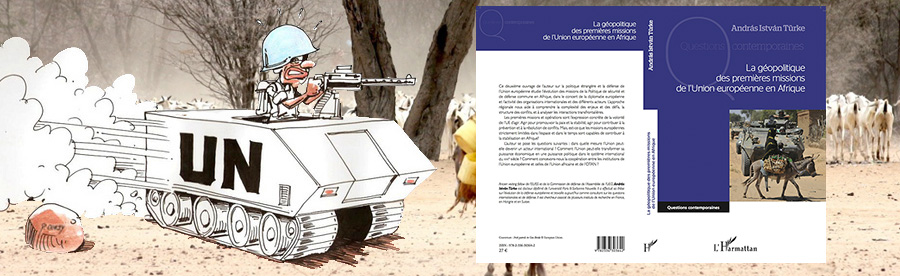
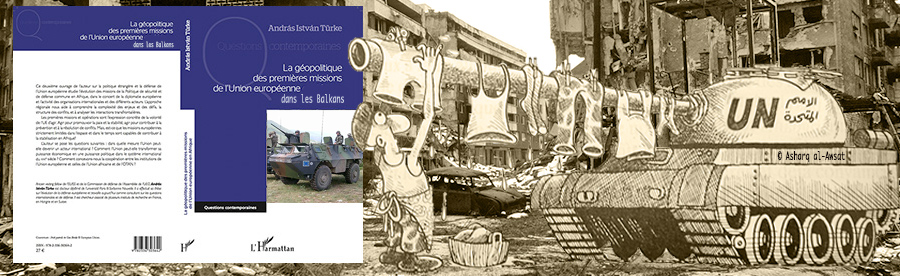
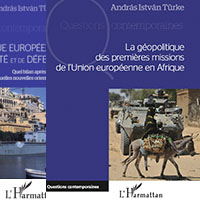
We are looking for sponsors for the English translation of these books, please contact turkeandras(at)gmail(dot)com