
You are here
Feed aggregator
Démantèlement d'un réseau de vente à l'étranger de motos volées
Huit personnes ont été arrêtées par le commissariat du premier arrondissement de Cotonou dans une enquête portant sur des cambriolages et des vols de motos.
Des motos dérobées au Bénin alimentent un circuit de revente dans les pays voisins. C'est l'une des pistes mises au jour par les enquêteurs du commissariat du premier arrondissement de Cotonou, à la suite de l'interpellation de huit personnes soupçonnées d'appartenir à un réseau de cambrioleurs et de voleurs de d'engins à deux roues.
L'affaire a pris une nouvelle dimension après l'exploitation de quatre téléphones récupérés au cours des investigations. Les conversations examinées par les policiers font état de transactions entre des voleurs présumés et leurs relais chargés de la revente.
Une dizaine de motos ont été acheminées vers un pays voisin pour y être commercialisées.
Les activités du groupe ne sont pas limitées au vol de motos. Des objets susceptibles de provenir de cambriolages de domiciles ont été retrouvés lors des perquisitions. Il s'agit notamment d'un téléviseur LG de 55 pouces, d'un ordinateur HP, d'une trottinette et de diverses pièces de motos.
Les policiers ont aussi mis la main sur deux crics automobiles qui ont été utilisés pour ouvrir les fenêtres des habitations cambriolées.
Quatre victimes ont déjà été formellement identifiées à la suite des démarches engagées auprès du commissariat.
Les arrestations ont été menées dans plusieurs secteurs, notamment à Agblangandan, Ekpè et dans les 5e et 7e arrondissements de Cotonou. Les suspects ont été appréhendés lors des préparatifs d'une nouvelle opération criminelle dans le secteur d'Akpakpa. Le groupe était notamment signalé au quartier Yagbé.
Les huit personnes arrêtées sont poursuivies, selon la Police dans une publication en date du 3 novembre 2026, pour association de malfaiteurs, vol qualifié, complicité de vol qualifié, recel, détention et consommation de chanvre indien.
Le cerveau de la bande est activement recherché.
Les recherches se poursuivent pour retrouver d'autres complices, mais aussi les motos qui ont été transportées hors du territoire national.
M. M.
Categories: Afrique, Határon túli magyar portálok összesített hírei
ÄNDERUNGSANTRÄGE 1 - 401 - Entwurf eines Berichts Lage des Völkerrechts und die Gefahren für den Multilateralismus, die Demokratie und die Europäische Union - PE796.172v01-00
ÄNDERUNGSANTRÄGE 1 - 401 - Entwurf eines Berichts Lage des Völkerrechts und die Gefahren für den Multilateralismus, die Demokratie und die Europäische Union
Ausschuss für auswärtige Angelegenheiten
Elio Di Rupo
Quelle : © Europäische Union, 2026 - EP
Ausschuss für auswärtige Angelegenheiten
Elio Di Rupo
Quelle : © Europäische Union, 2026 - EP
Categories: Afrique, Europäische Union
Le verdict du tirage Loto Fortune 11 H
LES RÉSULTATS LOTO FORTUNE SONT LÀ !
TIRAGE N°176/26 Mardi 03 Novembre 2026 (11H)
07 • 69 • 87 • 55 • 09

Félicitations aux heureux gagnants !
Pas encore gagné ? Gardez le sourire !
Rendez-vous au prochain tirage de 14H pour une nouvelle chance.
Jouez dans les centres de jeux ou en ligne : Tapez 590# ou lnbloto.bj
Jouez avec modération et responsabilité. Le jeu doit rester un plaisir.
A TOI DE JOUER #Akaxòa
#LNBSA #XòGbɔnAlɔkpaVo #JeuResponsable #LaChanceAvecModération
Categories: Afrique, Határon túli magyar portálok összesített hírei
Romaine Gandonou en lice pour les CAF Awards 2026
La jeune attaquante béninoise Romaine Gandonou figure parmi les dix prétendantes au titre de meilleure jeune joueuse africaine de l'année aux CAF Awards 2026.
Le football féminin béninois tient l'une de ses représentantes parmi les talents qui comptent désormais sur la scène africaine. A seulement 15 ans, Romaine Gandonou est en lice pour le trophée de meilleure jeune joueuse africaine de l'année, dans le cadre des CAF Awards 2026. La Confédération africaine de football (CAF) l'a retenue dans une liste de dix nominées pour cette distinction.
Cette sélection continentale vient couronner une saison particulièrement prolifique pour l'attaquante béninoise. Romaine Gandonou a inscrit 14 buts lors des éliminatoires de la Coupe du monde féminine U20 et 11 autres pendant les qualifications pour le Mondial U17. Sa performance s'est également prolongée sur la scène mondiale. Lors de la Coupe du monde féminine U20 2026, la jeune Amazone a trouvé le chemin des filets à trois reprises en autant de rencontres.
En club, sous les couleurs de Tambours FC, elle a terminé meilleure buteuse du championnat béninois de première division avec 25 réalisations. Des statistiques qui témoignent de sa régularité et de son poids dans le secteur offensif.

Pour décrocher le trophée africain, Romaine Gandonou devra toutefois faire face à neuf autres prétendantes : Maëva Nyadjou, Grace-Ruth Serv, N'Sira Ouédraogo, Rose Kadzere, Kautar Azraf, Seimeyeha Janet Akekoromowei, Oluwakemi Adegbuyi, Adji Ndiaye et Winfrida Gerald.
M. M.
Video einer Ausschusssitzung - Dienstag, 3. November 2026 - 10:30 - Haushaltskontrollausschuss - Ausschuss für Sicherheit und Verteidigung
Dauer des Videos : 60'
Haftungsausschluss : Die Verdolmetschung der Debatten soll die Kommunikation erleichtern, sie stellt jedoch keine authentische Aufzeichnung der Debatten dar. Authentisch sind nur die Originalfassungen der Reden bzw. ihre überprüften schriftlichen Übersetzungen.
Quelle : © Europäische Union, 2026 - EP
Categories: Europäische Union
Le Cyber Africa Forum pose le débat de la confiance numérique à Cotonou
La 6e édition du Cyber Africa Forum (CAF) aura lieu les 16 et 17 novembre 2026, au Sofitel Cotonou Marina Hôtel & Spa. Le Fondateur et commissaire général, Franck KIÉ, a annoncé l'évènement ce lundi 2 novembre 2026 lors d'une conférence de presse placée sous le thème « Construire la confiance numérique de demain ». Il était entouré pour la circonstance de Marc-André LOKO Directeur général de l'Agence des systèmes d'information et du numérique (ASIN), de Ouanilo MEDEGAN FAGLA, Directeur général du Centre national d'investigations numériques (CNIN), de Richmond TIEMOKO, Représentant résident de l'UNFPA au Bénin, et plusieurs autres personnalités.
Face à l'intensification des cybermenaces et à l'accélération de la transformation digitale, le continent africain doit renforcer ses capacités de protection et construire un environnement numérique plus sûr. Telle est l'ambition au cœur du Cyber Africa Forum qui tient sa 6e édition à Cotonou les 16 et 17 novembre 2026. Il s'agit de faire de la confiance numérique un pilier stratégique d'avenir.
Pour cette nouvelle édition du CAF, plus d'un millier d'acteurs intervenant dans les secteurs public et privé, la cybersécurité, la confiance numérique et la transformation digitale, sont annoncés à Cotonou.
Pour le Commissaire général du CAF, la confiance numérique ne relève plus d'une simple préoccupation technique. C'est la condition essentielle à la généralisation des usages numériques. Selon ses explications, chaque interaction en ligne suppose que les utilisateurs ont l'assurance que leurs échanges, leurs données et leurs transactions sont protégés. Ceci, au regard de l'ampleur que prennent les cybermenaces.
Selon Franck KIÉ, les attaques ne concernent plus uniquement les grandes institutions financières ou les entreprises technologiques. Elles peuvent toucher les administrations, les infrastructures stratégiques, les entreprises de toutes tailles et les citoyens. Dans ce contexte, l'Afrique ne saurait considérer les cybermenaces comme des risques lointains. Le continent est aussi exposé à des réseaux de cybercriminels plus organisés et à des attaques qui dépassent les frontières nationales, a expliqué Franck KIÉ, mettant l'accent sur l'urgence qui, d'après lui, consiste à agir dès maintenant, en renforçant les dispositifs de prévention, de détection et de réponse aux incidents.

Ne plus subir les révolutions technologiques, mais les anticiper
Au-delà de la protection des systèmes informatiques, cette 6e édition du CAF porte une ambition plus large : permettre à l'Afrique de participer activement à la construction de son avenir numérique. « Demain se construit aujourd'hui », a précisé le Commissaire général exhortant les pays africains à sortir d'une posture essentiellement réactive face aux grandes mutations technologiques.
Avec la transformation digitale et les nouvelles technologies, une autre perspective se dessine : celle qui consiste à construire des stratégies adaptées aux réalités africaines, développer des compétences locales et mettre en place des mécanismes de protection durable des écosystèmes numériques. Cette démarche suppose une mobilisation collective qui implique les pouvoirs publics, les entreprises privées, les experts, les institutions financières et les acteurs de l'innovation à conjuguer leurs efforts afin de faire de la cybersécurité, une priorité transversale.
Le Bénin, un cadre d'accueil qui s'inscrit dans cette dynamique
Le choix porté sur Cotonou pour accueillir cette 6e édition du CAF, consécutive à la 5e, témoigne de l'intérêt porté à la dynamique numérique au Bénin. Le pays selon le Commissaire général du CAF, présente un environnement favorable aux réflexions et aux initiatives liées à la transformation digitale, à la cybersécurité et à l'innovation. Et cette nouvelle édition sera l'occasion de mettre en lumière les expériences nationales, de favoriser les échanges entre les différents acteurs et d'encourager l'émergence de partenariats structurants. Saluant le gouvernement béninois pour son accompagnement, Franck KIÉ a exprimé sa satisfaction de voir le pays accueillir une nouvelle fois ce rendez-vous continental.
Plus qu'un simple rendez-vous consacré aux questions technologiques, le Cyber Africa Forum ambitionne de devenir un espace de réflexion stratégique et de coopération autour des grands défis numériques du continent.
Les discussions devront ainsi dépasser le seul constat de la progression des cybermenaces pour explorer les réponses concrètes à apporter : Comment mieux protéger les infrastructures critiques ? Comment renforcer les capacités locales en cybersécurité ? Comment instaurer un climat de confiance entre les citoyens, les entreprises et les administrations ? Et surtout, que faire pour que l'Afrique ne soit pas uniquement consommatrice de solutions numériques conçues ailleurs, mais qu'elle participe pleinement à la définition de ses propres standards de sécurité et de confiance ?
Autant de questions qui placent cette 6e édition au cœur d'un enjeu stratégique majeur. Car, dans un monde où les économies et les sociétés sont de plus en plus connectées, la confiance numérique n'est plus une option. Elle est l'une des conditions fondamentales d'une transformation digitale durable, inclusive et maîtrisée.
F. A. A.
Categories: Afrique, Biztonságpolitika
Video einer Ausschusssitzung - Dienstag, 3. November 2026 - 09:30 - Ausschuss für auswärtige Angelegenheiten
Dauer des Videos : 90'
Haftungsausschluss : Die Verdolmetschung der Debatten soll die Kommunikation erleichtern, sie stellt jedoch keine authentische Aufzeichnung der Debatten dar. Authentisch sind nur die Originalfassungen der Reden bzw. ihre überprüften schriftlichen Übersetzungen.
Quelle : © Europäische Union, 2026 - EP
Categories: Europäische Union
Une Béninoise sélectionnée par la FIFA pour renforcer son programme
La gouvernance du football féminin ouvre de nouvelles perspectives à Immaculée Agbakou.
La Béninoise Immaculée Agbakou fait partie des participantes retenues par la Fédération internationale de football association (FIFA) pour son programme de développement du leadership féminin, qui se déroule sur plusieurs mois.
Une expérience destinée à consolider les compétences des femmes qui ambitionnent de peser davantage dans les décisions du football.
Directrice technique nationale adjointe et chargée du football féminin à la Fédération béninoise de football (FBF), Immaculée Agbakou est concernée par le troisième groupe de cette initiative. Son parcours de formation a déjà connu une première étape avec un atelier organisé du 18 au 22 octobre 2026 à Rabat, au Maroc.
Cette rencontre a permis aux participantes d'aborder les exigences de la fonction dirigeante dans l'environnement du football.
Les échanges avec Sarai Bareman, directrice du football féminin de la FIFA, et Johanna Wood, membre du Conseil de l'instance mondiale, ont notamment porté sur la place et l'influence des femmes dans les responsabilités sportives.
Leadership, capacité d'influence et confiance en soi figurent parmi les compétences travaillées au cours de cette session. Le dispositif comprend également du mentorat, des formations à distance et en présentiel ainsi qu'un accompagnement personnalisé sur FIFA Campus.
Prévu pour s'achever en avril 2027, ce parcours constitue une occasion pour la représentante du Bénin d'élargir ses compétences et de renforcer son expérience en matière de gouvernance sportive.
M. M.
Categories: Afrique, European Union
DIGITAL 08H : la combinaison gagnante
DIGITAL 08H : Avez-vous tenté votre chance ?
Le tirage DIGITAL 08H N°325 a livré son verdict !
Mardi 03 Novembre 2026
Avez-vous joué ?
Avez-vous misé sur vos numéros porte-bonheur ?
RÉSULTAT : 16 • 48 • 05 • 68 •52
Félicitations aux heureux gagnants !
Pas encore gagné ? Gardez le sourire !
Rendez-vous au prochain tirage de 11H pour une nouvelle chance.
Jouez dans les centres de jeux ou en ligne : Tapez 590# ou lnbloto.bj
Jouez avec modération et responsabilité. Le jeu doit rester un plaisir.
A TOI DE JOUER #Akaxòa
#LNBSA #XòGbɔnAlɔkpaVo #JeuResponsable #LaChanceAvecModération
LA CROIX DU JOUR

Categories: Afrique, European Union
Qui remportera les élections de mi-mandat ? Comment se gagnent et se perdent les élections américaines
Une analyse approfondie des principaux sondages, des courses électorales et des enjeux d'une élection qui marquera les deux dernières années du mandat présidentiel de Trump.
Categories: Afrique, Swiss News
Why a US-Russia showdown left Morocco celebrating
An impasse between the US and Russia at the UN means its peacekeeping mission in Western Sahara has ended after 35 years.
Categories: Africa, European Union
Midterms on a Tilted Field
People protest against proposed federal voter ID and proof-of-citizenship mandates outside the US Capitol in Washington, DC, on 18 March 2026. Credit: Bryan Dozier/NurPhoto via AFP
By Inés M. Pousadela
MONTEVIDEO, Uruguay, Nov 3 2026 (IPS)
In the run-up to the US midterms, armed federal agents have been knocking on the doors of voters suspected of being non-citizens. Republican-led states have redrawn electoral districts in their party’s favour, removing power from Black voters. Federal agencies have invaded people’s privacy, combing voter rolls for non-citizens while finding hardly any.
The USA increasingly resembles a competitive authoritarian regime, where elections take place and the opposition can win, but the incumbent abuses state power to stack the odds against rivals. The CIVICUS Monitor, which tracks civic freedoms worldwide, downgraded the USA’s civic space to obstructed last December, after placing it on its Watchlist of countries experiencing rapid decline.
For the first time since 2002, the Organization for Security and Co-operation in Europe (OSCE) will not observe a US federal election. On 23 September, the body announced it had not received an invitation, putting the USA on a par with Belarus and Russia, which failed to allow OSCE observers for their latest national elections. Meanwhile, the Carter Center, which has observed over 100 elections worldwide, mostly in fragile and fledgling democracies, is training and deploying volunteer observers in the USA, having first observed a US election in 2020, when it monitored the presidential recount in the US state of Georgia in the face of Donald Trump’s attempt to overturn his defeat.
Manufactured majorities
Gerrymandering has a long history in US politics, but 2025 brought the first coordinated national gerrymandering campaign. Trump pressured Republican-led states to redraw their maps mid-decade, and several complied. Democrats hit back where they could, and now nine states are voting under new maps that could hand Republicans up to 15 extra seats compared with six for Democrats. This means Republicans could lose a significant share of the vote without it costing them a corresponding number of seats.
In practice, partisan and racial gerrymandering are hard to separate. In the South, where Black voters overwhelmingly back Democrats, maps drawn to eliminate Democratic seats often do so by breaking up districts with substantial numbers of Black voters. It is illegal to dilute minority votes, but the Supreme Court has made it easier to get away with it. On 29 April, it struck down a Louisiana map drawn to comply with the Voting Rights Act, ruling that voters must now prove lawmakers intended to discriminate. Louisiana promptly eliminated a majority-Black district. The Justice Department has pledged to review similar districts nationwide.
Voters under suspicion
The administration has built its election agenda on the false claim that large numbers of non-citizens vote. The Justice Department demanded complete voter registration lists from 49 states and the District of Columbia and sued the 31 jurisdictions that refused. All 26 judges who had ruled by mid-October threw out the lawsuits. On 9 October, in a case brought by Common Cause, a federal judge struck down the department’s voter roll collection programme.
The hunt has turned up almost nothing. Trump claimed in July that the Department of Homeland Security (DHS) had found nearly 16,000 non-citizens registered in Nevada. DHS later confirmed only 185, and Nevada officials found they were all citizens. A database DHS overhauled so states could run bulk checks on voter rolls has made numerous mistakes, leaving some Texan citizens unable to vote in the March primary. Across seven states with 35 million voters, it flagged roughly 4,200 people, around 0.01 per cent of the electorate. A federal judge ruled the overhaul unlawful, but the Supreme Court paused the ruling, and over half the states kept using the database.
The administration has also tried to restrict postal voting, ordering the Postal Service to deliver ballots only to voters on lists compiled by DHS, and has sued to stop California counting over 20,000 postal ballots. Courts have blocked both for this election.
Intimidation has extended to voters’ homes. Armed DHS agents have gone door to door to question people suspected of voting while ineligible, including naturalised citizens. The DHS stepped up the operation as early voting began, but on 21 October a federal judge ruled that it likely amounted to voter intimidation and barred agents from questioning people until the polls close, a ban an appeals court has kept in force. However, fear has had an impact. In Minnesota, an organisation serving African immigrant communities reported a single new registration this year, compared with hundreds ahead of previous elections.
The decentralised system that withstood Trump’s attempt to overturn his 2020 defeat is under strain. Earlier this year, Trump urged Republicans to ‘nationalize’ voting, arguing that states run elections as agents of the federal government. But the US Constitution says otherwise. The administration has cut close to 1,000 staff from the federal agency that helps election officials fend off cyberattacks, despite warnings of potential foreign interference. Meanwhile, threats and harassment have helped push turnover among local election officials to its highest level in at least 25 years.
Civil society on guard
Civil society is resisting and has won most of its court battles, including those that halted the voter data programme, kept postal voting restrictions on hold and stopped door-to-door visits. The Vote Safe initiative is placing trusted community figures at polling places in four states to reassure voters, and Common Cause has trained over 400 volunteer observers in Texas alone.
This work is, however, under attack. Federal agents have raided a voter registration group’s office without explanation, and the Justice Department has indicted the Southern Poverty Law Center. Funders and financial institutions have distanced themselves from targeted groups, in some cases cutting off donations or banking services. Major law firms have largely stepped back from challenging the administration, leaving most litigation to civil society and small firms.
Civil society is keeping up its work despite the pressure, and that work won’t stop when the polls close. Whether Trump will accept results he doesn’t like is an open question. If results are challenged, the records kept by thousands of volunteer observers may prove vital to ensuring voters’ choices are respected.
Inés M. Pousadela is CIVICUS Head of Research and Analysis, co-director of and writer for CIVICUS Lens and co-author of the State of Civil Society Report. She is also a professor of Comparative Politics at Universidad ORT Uruguay.
For interviews or more information, please contact research@civicus.org.
When the Young Stop Waiting: Europe’s Gen Z Is Sending Us All a Message
By James Alix Michel
VICTORIA, Seychelles, Nov 3 2026 (IPS)
This autumn I have found myself watching the evening news from Europe with a growing sense of recognition. Not of the tear gas or the burning barricades, which I deplore, but of the faces. Teenagers holding hand-painted signs. University students sleeping in tents in city squares. Young people who look, more than anything, tired of waiting.
James Alix Michel
What began in mid-September as French high school students protesting teacher shortages and overcrowded, crumbling classrooms has become something much larger: nationwide marches against the cost of living, now into a third consecutive weekend.And it has not stayed in France. Italian students have occupied schools and marched under the banner “Let’s reclaim our future.” In Spain and Portugal, young people have pitched tents to protest rents they cannot pay. Belgian students are resisting education cuts and higher tuition fees, and Greek students have chanted for free public education “from Greece to France.” In Serbia, nearly two years of student-led protest has helped bring a change of leadership at the ballot box.
This weekend the wave reached Germany, where a movement calling itself “Gen Z regelt” – roughly, “Gen Z’s got this” – called rallies in more than thirty cities for better schools, affordable lives, climate protection and against a return of compulsory military service.
I can see it spreading. And I think we should all pay attention.
It would be easy to dismiss this as youthful anger, or to reduce it to the images of looting that have accompanied some marches. That would be a mistake. Listen to what the young people are actually saying. A 21-year-old in Rome speaks of single rooms in student housing costing 1,200 euros a month. In Lisbon, students are marching against plans to unfreeze tuition fees that have been capped since 2020. Across the continent, the demands overlap: crumbling schools, unaffordable housing, insecure jobs, the rising cost of fuel and food, a climate crisis they did not cause, and a deep feeling that nobody in power is listening.
Add to this a new anxiety that my generation never faced: artificial intelligence quietly eating away at the entry-level jobs that once gave young graduates their first step on the ladder. It is no wonder that many feel the future has been mortgaged before they have had a chance to live it.
This is a generation that was told to study hard, and it did. It was told education was the path to security. Now it finds the classrooms falling apart, the degrees expensive, the rents impossible, and the promised security nowhere in sight.
What strikes me most is that Europe is not alone. Over the past two years we have seen young people rise in Kenya, in Nepal, in Madagascar – our close neighbour in the Indian Ocean – and elsewhere. The tools are the same – TikTok, encrypted chats, leaderless networks that mobilise in hours – and so is the question: what kind of future are we being offered, and who decided it on our behalf?
In public life I learned that protest is rarely the first choice. It is usually the last, after letters go unanswered and promises are forgotten. When young people take to the streets in such numbers, the ordinary channels of listening have broken down.
In France, President Macron has announced education reforms – a first step, though the young will judge it by results. But reacting to each wave with concessions is not enough. Three things seem to me essential.
First, invest in education as infrastructure, not as an expense to be trimmed in hard times. Cutting school and university budgets simply transfers the debt to the next generation in another form.
Second, treat housing and the cost of living as questions of fairness between generations. When young adults cannot afford a home or a family, a society is eroding its own foundations.
Third, bring young people into the room as genuine partners, not as a photo opportunity. Serious consultation would do more to prevent the next wave of unrest than any number of riot police.
And to the young protesters themselves, I would say this, with respect and admiration: your cause is strongest when it is peaceful. The broken shop windows give your opponents the excuse they need to ignore you. The quiet determination of a tent camp, or a school occupation, or a peaceful march of thousands, is far harder to dismiss.
Watching from the Indian Ocean, I am grateful that Seychelles has so far been spared such unrest. That is no accident. Since the late 1970s we have steadily implemented progressive programmes of social justice: free health care for all, free education up to university (in 2009 I had the privilege of establishing the University of Seychelles), affordable housing, social security and pensions, sustained by progressive economic reforms. We feel the world’s shocks too, from fuel prices to the cost of living. But these choices have given our young people a real stake in their country, and so far no reason to take to the streets. That is not a cause for complacency, but for vigilance.
Every generation inherits a world shaped by the one before. What is different now is the speed at which this generation can organise, and the clarity with which it can see that the deal it has been offered is not a fair one.
Europe’s Gen Z is not asking for the impossible. It is asking for decent schools, affordable homes, a liveable planet and a voice. These are not radical demands. They are the basic promises any society makes to its children.
The question is whether those in power will treat this autumn as a security problem to be managed, or as a message to be answered. I hope, for Europe’s sake and for ours, they choose the second.
James Alix Michel is Former President of the Republic of Seychelles.
IPS UN Bureau
Is Gender Bias at the UN Coming to an Inglorious End?
Credit: United Nations
By Thalif Deen
UNITED NATIONS, Nov 3 2026 (IPS)
In a bygone era, gender parity was never heard of at the United Nations—UN female staffers were mostly hired as secretaries and stenographers in a male-dominated Secretariat.
Perhaps it was best illustrated in a wildly-circulated story, doing the rounds in the 1970s and 80s, about a female applicant, with strong academic credentials from a prestigious Ivy League university, being interviewed for a job in the UN Secretariat,
The high-ranking male staffer who was interviewing the candidate looked at her credentials and asked her: “But can you type?”
Perhaps one of the longstanding complaints has been the widespread gender bias and gender disparity, particularly in appointments of female staffers to some of the high-ranking jobs in the UN hierarchy– including Directors (D1-D-2), Assistant Secretaries General (ASGs) and Under-Secretaries General (USGs), ranked as the third high-level job, just behind the Secretary-General and the Deputy Secretary General (DSG).
But according to a recent UN Gender Parity Dashboard (below) there is now gender parity, with over 45 t0 56 percent of the jobs held by women, including P1-P5s, Director 1-2s, ASGs and USGs, UN system-wide and in UN entities
Link to the Internal dashboard
https://www.un.org/gender/en/content/un-secretariat-gender-parity-dashboard
In 2025, the proportion of women in the Professional and higher ranks reached 50.4 per cent— described as “an historic milestone”.
The representation of women in the Professional and higher categories in the United Nations system increased from 47 per cent to 48.8 per cent from 2021-2023.
Regarding gender, Secretary-General Antonio Guterres asserted last week that the United Nations “has achieved parity across all senior leadership, and all headquarters and professional staff. We did this not by lowering standards, but increasing opportunities”, he said.
Going forward, the Secretary-General said that gender gains and expertise must be protected, and anti-racism must remain a priority and decisions on recruitment, promotion, assignments and retention, those decisions must be transparent, consistent and bias-free
As part of the commitment to transparency and accountability, the interactive Gender Parity Dashboard shows the latest gender balance data for Phase I of the Strategy. The dashboard focuses on the target population of international staff in the UN Secretariat (only), as defined in the Strategy.
Dr. Purnima Mane, a former Deputy Executive Director (Programme) and UN Assistant-Secretary-General (ASG) at the UN Population Fund (UNFPA), told Inter Press Service (IPS), recognizing that gender bias, disparity and discrimination are a reality in most countries– despite years of advocacy and programs– it is not surprising that the UN and its specialized agencies have initiated several key agreements and commitments to work towards gender equality and fight against gender bias and discrimination.
“Data from the UN Gender Parity Dashboard for UN International staff show an interesting picture. The numbers suggest that overall, women represent almost 46% of the staff and are well represented at the senior levels”.
“The data at the field level however, show that more needs to be done towards parity at least in numbers and ranks and it is perhaps here that the UN needs to focus for improvement.”
Numbers of course only tell part of the story, she said. “Working conditions, work opportunities and work-related benefits for women need to be assessed to dig deeper into gender parity at the next level of analysis.”
“Yes, there is evidence to show that there are many competent women who are assigned to take on leadership roles at all levels of the UN; and yet, a woman has never been elected to the role of SG by the members of the UN and frankly not even considered seriously till recently.”
The dashboard might serve as a tool to help Member states acknowledge that the UN practises what it preaches and serve as a reminder of the reality of women’s competency especially when there is soon going to be a vote at the UN for the leadership of the UN, said Dr Mane, who has held senior positions in the World Health Organization, UNAIDS, Global Fund to fight AIDS, TB and Malaria and the Population Council, and most recently, President and CEO of Pathfinder International.
Shihana Mohamed, President of Asia Global Forum (www.AsiaGlobalForum.org) and a US Public Voices Fellow with The OpEd Project and Equality Now, told IPS the Secretary-General has done an exemplary job in achieving gender parity in senior-level positions.
This is particularly evident in the appointment of Under-Secretaries-General (USGs) and Assistant Secretaries-General (ASGs), which falls under his sole authority. He also plays a significant role in selecting Resident Coordinators.
“However, I remain skeptical about how gender parity was achieved at the professional levels in 2026”.
Compared with the UN’s official 2025 statistics on the Composition of the Secretariat, the reported achievement reflects an annual increase of 2% or more in women’s representation at the P-5 and D-1 levels, she pointed out.
“Honestly, after more than 20 years of working on gender analysis in the UN Secretariat and ICSC, I know as a fact that such a significant increase is almost impossible to achieve organically within one year”.
“The increased representation of professional women in the UN Secretariat is mainly attributable to recent budget cuts. Massive layoffs disproportionately affected men, artificially increasing women’s share of the workforce. Recruitment, meanwhile, remained minimal. Staff reductions were even more severe in peace operations, where men have been significantly overrepresented”, she argued.
“Historically, women have been more represented at the P-2 and P-3 levels but tend to remain at these levels for longer, particularly, if they come from the Global South. The same pattern affects most men from the Global South. Thus, recent achievements in gender parity at the P-4 and P-5 levels have not necessarily benefited women in the UN who remain concentrated at the lower professional levels, said Mohamed.
Furthermore, approximately 20 countries are unrepresented and 30 are underrepresented, including countries in the Asia-Pacific region in the UN. This raises the question: Which regions do these women represent?
“One important point is that many of these hiring managers are themselves from the Global South. Yet some appear willing to do whatever it takes to please the Global North and its influential networks. Their aim seems to be to survive and advance within the UN”.
Genuine efforts to achieve gender parity must begin from the stage of recruitment and selection, she noted.
“This is where hiring managers exercise their delegated authority impartially and uphold the values and provisions of the UN Charter to recruit, select and promote women, including women from the Global South. This is the step where anti-racism efforts must also begin. However, that’s not the case within the UN.”
“The Secretary-General alone cannot achieve gender parity or address racism and racial discrimination within the UN. Real action requires a collective effort. All managers with delegated authority in human resources management must set the same tone as the Secretary-General. This is the only way to build a truly inclusive and fair UN.”
Unfortunately, that is not the reality within the UN. I hope the Secretary-General recognizes this truth as he prepares to conclude his term, said Mohamed who is also a founding member and Coordinator of the United Nations Asia Network for Diversity and Inclusion (www.UN-ANDI.org), and is a dedicated human rights activist, and a strong advocate for gender equality and the advancement of women.
Meanwhile, in an address to the UN Staff, Narda Cupidore, President of the UN Staff Union (UNSU), said addressing historically complex and deeply rooted inequality, particularly where ethnic group and gender intersects requires both institutional courage and sustained commitment.
“As we reflect on the trajectory of the Secretariat, it is important to recognize the foundations that have been established.”
In recent years, the Organization has elevated attention to systemic racial inequities, expanded spaces for workplace dialogue, made concerted efforts to advance women’s representation in senior leadership, and introduced new accountability frameworks through the Strategic Action Plan on Addressing Racism and the System-Wide Strategy on Gender Parity.
“Speaking on behalf of staff, we welcome these foundational steps”, she said.
Staff across every duty station want institutional leadership to succeed, because management’s success in eradicating discrimination strengthens the integrity and effectiveness of the entire United Nations.
At the same time, we must be candid about the road ahead: much work remains to be done. Discrimination based on color of one’s skin and gender inequality are not isolated incidents, they are systemic challenges embedded in our organizational structure that cannot be fully addressed through short-term measures, awareness campaigns, or standalone events.
Establishing policy frameworks, hosting listening sessions, and mandating e-learning modules create necessary awareness, but awareness is only the starting line. Across the Secretariat, a noticeable gap persists between administrative assessments of progress and the day-to-day lived reality of personnel on the ground.
When elected staff representatives and grassroots justice networks are engaged primarily at the conclusion of policy discussions rather than included as co-architects from the outset, our institutional response remains incomplete.
Building on the foundations already established requires moving from short-term initiatives to durable policy reforms across four operational areas.
First, efforts to advance women’s leadership and representation must extend across the entire grade pyramid. While achieving gender parity at the senior-most levels is a vital milestone, true intersectional equity requires looking beneath the executive ranks. Across the Secretariat, General Service staff and National Officers, who are predominantly women and colleagues from the Global South, perform indispensable operational and substantive work yet remain constrained by the restrictive G-to-P examination barrier.
Lasting institutional change means dismantling artificial career ceilings, introducing anonymized competency assessments, and establishing merit-based pathways into the Professional category.
Second, strengthening accountability measures must translate into verifiable outcomes.
Embedding workplace dignity clauses into Senior Manager Compacts is an important foundation, but compacts are only as strong as their enforcement. Sustainable reform requires integrating mandatory, anonymous 360-degree upward feedback into leadership evaluations and attaching clear administrative consequences when managers foster or tolerate discriminatory environments.
Third, expanded opportunities for dialogue must be backed by safe, accessible justice mechanisms. Colleagues on fixed-term and temporary appointments still hesitate to report subtle racial or gender bias due to high evidentiary thresholds in formal oversight investigations and the fear of quiet contract non-renewal.
Establishing specialized intake capacity for systemic discrimination, rebalancing the burden of proof in retaliation reviews, and guaranteeing interim contractual stability during active grievances will give personnel the security required to speak up.
Fourth, effective policy reform requires precise, transparent data. Relying on broad regional and nationality groupings as proxies for race obscures where women of color and marginalized staff encounter career bottlenecks. Introducing voluntary, disaggregated demographic tracking across grades and contract modalities will allow the Organization to measure real impact rather than procedural inputs.
The foundations have been laid, and the language of equity and inclusion is now firmly part of our institutional discourse. The test of our courage and commitment is whether we now translate those foundations into permanent, enforceable guarantees.
Lasting institutional change cannot be achieved through top-down programming alone; it is forged through effective engagement and collective partnership at the Staff-Management Committee, where human resources policies, administrative issuances, and conditions of service are negotiated together.
A legacy cannot be measured by short-term programmes or the eloquence of our commitments, but by whether every staff member, across every grade, contract type, race, and gender, experiences equitable opportunity, protection, and dignity at work.
Today, I can confidently confirm that the Staff representatives, Unions and Staff Federations stand ready to work together with leadership as equal partners to turn the vision of discrimination free United Nations into reality.
IPS UN Bureau Report
Categories: Africa, Union européenne
Le verdict du tirage DIGITAL 00H
DIGITAL 00H : Avez-vous tenté votre chance ?
Le tirage DIGITAL 00H N°324 a livré son verdict !
Mardi 03 Novembre 2026
Avez-vous joué ?
Avez-vous misé sur vos numéros porte-bonheur ?
RÉSULTAT : 81 • 52 • 74 •08•55
Félicitations aux heureux gagnants ❗
Pas encore gagné ? Gardez le sourire ❗
Rendez-vous au prochain tirage de 08H pour une nouvelle chance.
Jouez dans les centres de jeux ou en ligne : Tapez 590# ou lnbloto.bj
Jouez avec modération et responsabilité. Le jeu doit rester un plaisir.
A TOI DE JOUER #Akaxòa
#LNBSA #XòGbɔnAlɔkpaVo #JeuResponsable #LaChanceAvecModération
Categories: Afrique, European Union
Les 5 grandes performances du Bénin en matière de gouvernance ( 2016-2025)
Le 31 Octobre , la Fondation Mo Ibrahim a rendu public son l'Indice sur la gouvernance en Afrique (IIAG) 2026. Le Benin obtient un score supérieur à la moyenne continentale (50,1) et supérieur à la moyenne regionale en Afrique de l'Ouest (52,9).
Cette nouvelle édition de l'Indice, qui évalue les performances en matière de gouvernance dans 54 pays africains sur la période 2016–2025, met en lumière plusieurs tendances notables pour le Bénin :
– Gouvernance globale : Le Bénin se classe au 12e rang sur 54 pays africains, avec un score de 60,1/100, ce qui représente une tendance à la progression accélérée au cours de la dernière décennie. Le pays a gagné 2,6 points depuis 2016, et le rythme de cette amélioration s'est accéléré ces dernières années.
– Le Bénin a enregistré les plus grands progrès en Afrique en matière d'opportunités économiques : Le Bénin a enregistré la plus forte progression du continent dans les catégories Fondements des opportunités économiques (+12,3 points) et Environnement des affaires et du travail (+12,8 points).
Ces progrès ont été portés par des avancées majeures dans les domaines des Infrastructures (+16,7 points) et de l'Administration publique (+14,6 points).
– Le Bénin se classe désormais au 2e rang en Afrique pour l'Intégration régionale et au 3e rang pour la Gestion budgétaire et financière et l'Efficacité de l'administration.
– L'affaiblissement de la participation démocratique et de la redevabilité : La sous-catégorie Participation du Bénin a enregistré une baisse de 18,6 points depuis 2016, principalement en raison de fortes baisses dans les domaines des Élections démocratiques (-36,3 points) et de l'Absence d'influence indue (-47,2 points). Les Dispositifs anti-corruption ont également reculé de 27,7 points, malgré des améliorations des niveaux de corruption mesurés.
Ces résultats apportent un éclairage intéressant sur l'évolution de la gouvernance au Bénin . Vous trouverez à travers ce lien ci-après le profil pays du Bénin, présentant une analyse détaillée de ses performances en matière de gouvernance.
Categories: Afrique, European Union
Djogbénou définit une nouvelle méthode de travail pour ses Conseillers techniques et Chargés de mission
Réunis ce lundi 2 novembre 2026 autour du Président de l'Assemblée nationale, les nouveaux Conseillers techniques et Chargés de mission ont reçu les orientations devant guider l'exercice de leurs fonctions. Joseph Fifamin Djogbénou privilégie une méthode fondée sur la spécialisation des compétences, la coordination des contributions et l'exigence de qualité dans le traitement des dossiers.
Au sein du Cabinet du Président de l'Assemblée nationale, les compétences ne devront pas simplement coexister. Elles devront se compléter et concourir à une meilleure qualité du travail. C'est l'une des orientations majeures dégagées par Joseph Fifamin Djogbénou lors de la séance qu'il a consacrée, ce 2 novembre à l'organisation des missions de ses nouveaux Conseillers techniques (CT) et Chargés de mission (CM), entrés en fonction le 19 octobre dernier. C'était en présence de tout son cabinet et du Secrétaire général administratif.
Le Président de l'Assemblée nationale a choisi de donner à cette collaboration un cadre structuré. Les Conseillers techniques seront répartis en pools d'intérêt, constitués en fonction des grands domaines de l'activité parlementaire. Loin d'une simple distribution des tâches, cette organisation nouvelle entend favoriser une mobilisation cohérente des compétences disponibles au sein du Cabinet.
Chaque pool réunira des collaborateurs appelés à approfondir les questions relevant de son domaine. Leurs travaux devront notamment permettre de produire des notes d'analyse destinées au Président de l'Assemblée nationale.
Pour assurer le fonctionnement de ce dispositif, chaque pool sera doté d'un coordonnateur et d'un rapporteur. Les coordonnateurs participeront aux réunions du Cabinet présidées par Joseph Fifamin Djogbénou. Cette articulation vise à favoriser la cohérence d'ensemble des contributions, tout en préservant les responsabilités propres à chaque collaborateur.
La nouvelle méthode conserve également une certaine souplesse. Selon la nature des questions à examiner, le PAN pourra faire directement appel à un Conseiller technique ou à un Chargé de mission dont les compétences particulières sont susceptibles d'apporter un éclairage utile.
Mais au-delà de l'architecture organisationnelle, c'est surtout une exigence de résultats que Joseph Fifamin Djogbénou a exprimée. Le Président de l'Assemblée nationale attend de ses collaborateurs des analyses rigoureuses, nourries de leur expérience et de leur maîtrise des domaines dans lesquels ils interviennent. Il a clairement indiqué vouloir être le premier bénéficiaire de cette expertise.
Cette exigence s'accompagne d'une attention à la connaissance de l'institution. Une séance d'imprégnation sera organisée pour familiariser davantage les nouveaux collaborateurs avec les structures, les procédures et les mécanismes de fonctionnement de l'Assemblée nationale. Une étape destinée à leur permettre d'inscrire leurs contributions dans les réalités du travail parlementaire.
Les Conseillers techniques et Chargés de mission ont accueilli favorablement ces orientations, tout en exprimant leur gratitude au Président de l'Assemblée nationale pour la confiance qu'il leur témoigne. Ils ont réaffirmé leur engagement à remplir les missions qui leur sont assignées.
En définissant ainsi les conditions de travail de ses collaborateurs, Joseph Fifamin Djogbénou affirme une conception exigeante de l'appui à la décision : des compétences identifiées, des responsabilités organisées et des contributions appréciées à l'aune de leur utilité. Une démarche qui place la qualité de l'expertise au cœur du fonctionnement de son Cabinet.
Categories: Afrique, European Union
8 postes à pourvoir à l'Unité de gestion du Programme Dogo-bis
Dans le cadre de la mise en œuvre du Programme Dogo-bis, huit postes sont à pourvoir au sein de son Unité de gestion. Les candidatures sont attendues jusqu'au 18 novembre 2026 à midi.
Un Responsable administratif et financier, un Responsable suivi-évaluation, un Secrétaire de direction et un Comptable. Tels sont les postes à pourvoir au sein du Programme Dogo-bis, placé sous la supervision de la Présidence de la République.
Sont également recherchés un Assistant technique environnement et social, un Spécialiste en sauvegarde environnementale, un Spécialiste en développement social et genre ainsi qu'un Spécialiste en passation des marchés.
Placée sous la supervision de la Présidence de la République, l'Unité de gestion du Programme Dogo-bis accueillera les candidats retenus à Cotonou ou dans ses environs, notamment à Abomey-Calavi, Sèmè-Podji et Porto-Novo. Le recrutement implique toutefois une certaine mobilité. Des déplacements, séjours ou missions fréquents sont prévus dans la zone d'intervention du programme, qui couvre Kétou, Ouinhi, Zagnanado, Dassa-Zoumè et Savè. Une affectation dans l'une de ces localités reste également possible.
Les personnes intéressées doivent transmettre leur dossier exclusivement par courrier électronique à l'adresse recrutement.dogo-bis@presidence.bj. L'envoi doit se faire en un seul mail, avec pour objet : « Candidature au poste de (préciser le poste) ». Les pièces constitutives du dossier doivent être regroupées dans un fichier unique au format PDF ou compressé (ZIP).
La date limite de réception des candidatures est fixée au 18 novembre 2026 à 12 heures, heure de Cotonou (11 heures GMT). Les dossiers transmis hors délai seront déclarés irrecevables. L'absence d'une seule pièce exigée entraîne également le rejet immédiat de la candidature.
Voici les profils recherchés, les conditions d'éligibilité et les pièces à fournir. Tout cela est également accessible via le portail officiel du gouvernement : https://www.gouv.bj/opportunite/193/
Categories: Afrique, European Union
Loto Fortune 18 H : les résultats !
LES RÉSULTATS LOTO FORTUNE SONT LÀ !
TIRAGE N°175/26 Lundi 02 Novembre 2026 (18H)
77• 81 • 63 • 13 • 20

Félicitations aux heureux gagnants !
Pas encore gagné ? Gardez le sourire !
Rendez-vous au prochain tirage de 20H pour une nouvelle chance.
Jouez dans les centres de jeux ou en ligne : Tapez 590# ou lnbloto.bj
Jouez avec modération et responsabilité. Le jeu doit rester un plaisir.
A TOI DE JOUER #Akaxòa
#LNBSA #XòGbɔnAlɔkpaVo #JeuResponsable #LaChanceAvecModération
Categories: Afrique, European Union
DIGITAL 20H : voici les numéros gagnants
DIGITAL 20H : Avez-vous tenté votre chance ?
Le tirage DIGITAL 20H N°323 a livré son verdict !
Lundi 02 Novembre 2026
Avez-vous joué ?
Avez-vous misé sur vos numéros porte-bonheur ?
RÉSULTAT : 75 • 20 • 38 • 13 • 68
Félicitations aux heureux gagnants ❗
Pas encore gagné ? Gardez le sourire ❗
Rendez-vous au prochain tirage de 00H pour une nouvelle chance.
Jouez dans nos centres de jeux ou en ligne : Tapez 590# ou lnbloto.bj
Jouez avec modération et responsabilité. Le jeu doit rester un plaisir.
A TOI DE JOUER #Akaxòa
#LNBSA #XòGbɔnAlɔkpaVo #JeuResponsable #LaChanceAvecModération
Categories: Afrique, European Union
Pages
the old site is here



© 2012-2015 Europa Varietas Foundation © 2015-2020 Europa Varietas Association
www.europavarietas.org | info(@)europavarietas(dot)org | Switzerland
This is a GDPR ready site


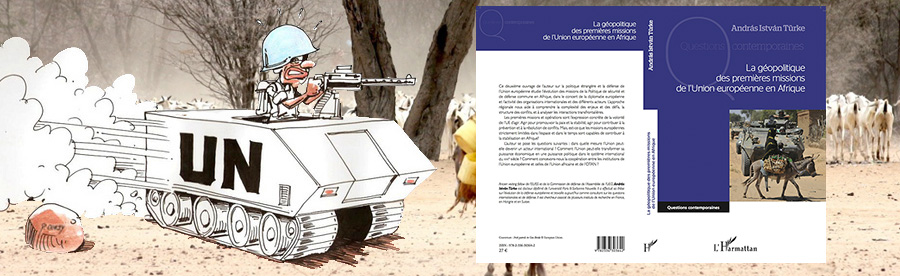
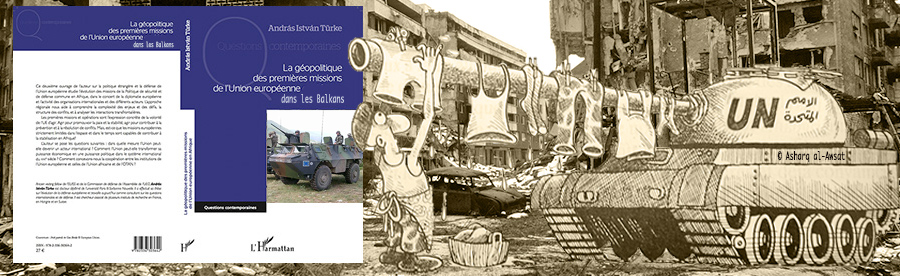
We are looking for sponsors for the English translation of these books, please contact turkeandras(at)gmail(dot)com