
You are here
Feed aggregator
Choosing the Next UN Secretary-General: The Threat of Veto or Veto Itself Must Not Silence the World
By Anwarul K. Chowdhury
NEW YORK, Oct 27 2026 (IPS)
The selection of the next Secretary-General of the United Nations has reached a critical juncture. It raises fundamental questions about fairness, transparency, regional balance, and the democratic legitimacy of the world’s most universal organization.
Ambassador Anwarul K. Chowdhury
The announcement on 21 October by the United Arab Emirates nominating its Minister of State, Ambassador Lana Nusseibeh, has introduced another dimension to an already prolonged selection process.Ambassador Nusseibeh is an experienced diplomat with an established record of service to the United Nations. However, the timing of this candidature raises legitimate questions about the integrity and credibility of the selection process.
Two Women Lead a Historic Selection Process
Six rounds of Security Council straw polls have already taken place. Two distinguished and competent women from the Latin American and the Caribbean regional group of the United Nations, Rebeca Grynspan of Costa Rica and Carolyn Rodrigues-Birkett of Guyana, have emerged as the two topmost leading candidates, with the former receiving at the last straw poll the Charter-required minimum nine votes of the 15-member Council.
It is a not only a historic first but a pioneering opening in the selection of the first woman as the Secretary-General of the United Nations, thereby fulfilling a Charter obligation (Article 8) and at least a decade-long global aspiration to set right the aberration of a lineup of men only at the leadership of the UN.
The two topmost candidates have campaigned diligently, presented their visions, engaged with Member States as well as civil society and endured the rigours and uncertainties of successive straw polls. Their perseverance deserves our sincere respect and recognition.
Yet their candidatures face opposition from two permanent members of the Security Council.
The Veto Must Not Override the Will of 191 Member States
This brings us to a fundamental question: Why should the preferences of two veto-wielding countries outweigh the collective interests of the remaining 191 UN Member States?
The United Nations belongs to all its members. Its leadership should reflect that universal ownership.
The veto, inherited from the geopolitical circumstances of 1945, continues to cast a long shadow over the Organization. When the preferences of a few determine the choices available to the many, the principle of sovereign equality becomes increasingly difficult to reconcile with institutional practice.
The overwhelming majority of Member States should not be held hostage to the veto preferences of two powerful permanent members. Grynspan and Rodrigues-Birkett have even received three positive encouragement, thereby majority of the five veto-wielding members.
The General Assembly Must Assert Its Charter Authority
There is also a constitutional dimension which deserves renewed attention.
Article 97 of the UN Charter clearly stipulates that the Secretary-General shall be appointed by the General Assembly upon the recommendation of the Security Council.
The General Assembly’s authority to appoint is explicit. It should never be reduced to a ceremonial rubber-stamping of the Council’s decisions negotiated behind closed doors.
If the Assembly finds a recommendation unacceptable, it has the authority to reject it. That constitutional responsibility should be exercised with independence, conviction, and without fear or favour.
The General Assembly represents the universal membership. Its voice, its authority must count.
Regional Balance and the Case for Latin America and the Caribbean
Regional representational balance is another essential consideration.
An established, though informal, understanding has guided the geographical rotation of the Secretary-Generalship. Asia was represented immediately before the current Secretary-General, António Guterres, who is the fourth head of the UN from West Europe, by Ban Ki-moon of the Republic of Korea.
Latin America and the Caribbean have produced only one Secretary-General, Javier Pérez de Cuéllar of Peru, who served from 1982 to 1991, 35 years ago from now.
The region’s expectation that its turn has arrived therefore rests on a compelling historical foundation.
Its candidates have invested considerable effort in the selection process. They have faced scrutiny, uncertainty, and political resistance. They weathered the storm with dignity.
To bypass them now, primarily because two permanent members remain dissatisfied, would raise troubling questions about the value of the entire process.
Late Candidatures and the Credibility of the Process
Late candidatures are permissible under existing practices. Nevertheless, entering the contest after six straw polls, including the decisive color-coded exercise identifying permanent-member opposition, inevitably raises concerns about procedural fairness.
It resembles arriving at harvest time to enjoy the fruit without having planted or nurtured the tree.
Various political calculations, sometimes rather arbitrary, surrounding the Secretary-General’s appointment have surfaced and featured often. They should not become a substitute for a transparent and credible selection process.
The next Secretary-General must possess integrity, independence, and courage. Gender equality and regional balance in representation should strengthen, rather than diminish, the search for these qualities.
The selection now before Member States is an opportunity to demonstrate that the United Nations remains faithful to its founding principles.
Eighty-One Years, Nine Men, Not One Woman
Above all, let me reiterate that one historic injustice and unacceptable reality demand correction.
In its eighty-one years of existence, the United Nations has not yet elected a woman Secretary-General — eight decades plus, nine men, and not one woman.
What an embarrassment – what a shame!
How can an institution that speaks of equality at every podium continues to model inequality at its pinnacle?
The credibility of the UN’s advocacy depends on its own reflection in the mirror.
This is an extraordinary contradiction for an Organization committed to gender equality and women’s empowerment.
The appointment of a woman as the tenth Secretary-General is long overdue.
The current two leading women candidates should not withdraw because of the threat of veto and pressurized by these two P5 members.
Their candidatures remain alive and valid before the General Assembly till it takes the final decision.
The veto must not become the voice of the United Nations.
The General Assembly must assert its rightful authority, as empowered by Article 97.
Ambassador Anwarul K. Chowdhury, former Under-Secretary-General and High Representative of the United Nations, Initiator of the UNSCR 1325 on Women and Peace and Security as the President of the UN Security Council in March 2000 underscoring women’s equality of participation; President/Chairman of the UNICEF Executive Board on two occasions; Founder of the Global Movement for The Cultural of Peace (GMCoP) and a well-known analyst of the UN system’s work.
IPS UN Bureau
Categories: Africa, Határon túli magyar portálok összesített hírei
From 44 Countries, One Shared Commitment: A Child Marriage-Free World
Members of the Global Catholic Congress pose with a poster supporting an end to child marriage. Credit: JRC
By Kizito Makoye
ROME & DAR ES SALAAM, Oct 27 2026 (IPS)
The message from Just Rights for Children (JRC) was clear: protecting children must take precedence over customs used to justify their marriage.
The Global Catholic Congress, representing 44 countries, has endorsed JRC’s campaign to end child marriage by 2030. Announced in Rome on 22 October, the commitment brings influential faith leaders into a global effort to end a practice that continues to deprive millions of children, particularly girls, of their childhood.
“Every child deserves a childhood filled with dignity, education, safety and hope,” said Rajeev Kochuparambil, president of the Global Catholic Congress, announcing its support for the campaign.
“Ending child marriage is a collective moral responsibility that calls upon families, communities and faith institutions to stand together.”
Welcoming the congress’s support, JRC founder Bhuwan Ribhu said faith leaders could play a decisive role in preventing child marriage.
“When faith stands with justice and the protection of children, child marriage can end in one day,” he said.
His words convey a sense of urgency that global progress has yet to match.
UNICEF estimated in 2023 that 640 million girls and women alive at the time had married in childhood. About one in five young women aged 20–24 had married before turning 18, down from nearly one in four a decade earlier. Despite this progress, the rate of decline remained insufficient to eliminate child marriage by 2030.
Behind these figures are girls whose marriages can interrupt their education, restrict their independence and limit their future economic opportunities. UNFPA describes child marriage as both a consequence and a driver of gender inequality, with girls from poorer households and rural communities disproportionately affected.
For the JRC campaign, religious leaders provide a way to reach families and communities where they make decisions about marriage.
According to JRC, the Rome gathering brought together senior Catholic clergy, bishops, archbishops and community leaders from across several continents, including India, the United States, Canada, Africa, Australia, Singapore, the Middle East and Europe. Participants signed a joint pledge to help end child marriage and mobilise faith communities to protect children’s dignity, safety and freedom.
The commitment places responsibility on institutions whose relationships with families extend beyond wedding ceremonies. The campaign seeks to encourage faith leaders to challenge harmful social norms, engage parents and mobilise communities to intervene before a child marriage takes place.
The alliance reflects the international reach of the challenge. UNICEF’s assessment found that South Asia accounted for 45 percent of the world’s child brides, followed by sub-Saharan Africa with 20 percent. India alone accounted for approximately one-third of the global total.
JRC’s approach combines community mobilisation with intervention when a child faces an imminent marriage. According to the organisation, its work involves engaging parents, faith leaders and those involved in wedding ceremonies through counselling and persuasion, with legal action where necessary. Children, friends and relatives can also alert its teams to planned marriages.
The organisation also seeks to address the pressures that can lead families to arrange early marriages by connecting vulnerable households with government assistance and scholarship programmes.
This broader approach matters because changing the law alone cannot address all the social and economic pressures that sustain child marriage. The World Bank has highlighted the importance of combining legal reform with education, economic opportunities and efforts to change social norms.
The Rome pledge comes amid wider international efforts to end child, early and forced marriage. On 4 September 2026, the UN General Assembly adopted a resolution establishing 27 November as the annual International Day for the Elimination of Child, Early and Forced Marriage. The first observance will take place next month. Ribhu has been among those advocating for the establishment of the international day.
IPS UN Bureau Report
Related Articles
Categories: Africa, Határon túli magyar portálok összesített hírei
Wanted: A Feminist UN Secretary-General for ‘We the Peoples’, Not the Powerful
By Mandeep S.Tiwana
NEW YORK, Oct 27 2026 (IPS)
Notwithstanding last minute shenanigans and the possibility of backroom deals by powerful states, two women from Latin America are leading contenders in the race for the UN’s next Secretary-General. After 80-plus years of men-only leadership, momentum is building to break the glass ceiling at the global institution dedicated to saving future generations from the scourge of war.
Design flaws in the somewhat opaque appointment process that bestow arbitrary veto powers on the five permanent UN Security Council members could, however, torpedo the aspiration for equitable representation for women at the helm for the world body. But there is still time to build public pressure on governments to do the right thing by appointing a feminist woman leader from Latin America and the Caribbean in deference to the principle of regional rotation.
UN in crisis
The next Secretary-General will preside over a fractious UN facing one of its hardest tests. Russia and the USA, which as Security Council permanent members are supposed to maintain international peace and security, are actively violating the UN Charter’s ban on aggression. Their ill-conceived invasions of Ukraine and Iran are causing large-scale death and destruction.
The USA has also recently imposed sanctions on the International Criminal Court, making it harder to pursue justice for the Israeli genocide of Palestinians and conflicts fuelled by powerful states in Congo, Sudan and Yemen. China, another permanent Council member, continues to provide cover for crimes against humanity committed by Myanmar’s brutal military junta, currently embroiled in a civil war against dissidents.
Demands on the UN are increasing. Over 100 million forcibly displaced people need the UN’s support. But the institution faces a deep financial crisis caused by delays in payments of dues by bigger countries and an unnecessarily complicated funding model. The funding crisis comes as the challenges are mounting up. Climate commitments are being undermined by fossil fuel lobbies and petrostates as the world hurtles towards tipping points. Repressive states are pushing to reverse hard-won human rights that the UN is supposed to protect, including sexual and reproductive freedoms for women. Some two-thirds of Sustainable Development Goals targets, which seek to promote social progress and better standards of living, are not being met, driven by a combination of inadequate resourcing and escalating attacks on civic space.
The UN needs a leader who can break the mould by being much more than a bureaucrat beholden to states. The next Secretary-General should seek to derive legitimacy by representing the needs and aspirations of over eight billion people around the world. With confidence in multilateralism at breaking point, the exercise of feminist leadership principles that combine active listening, courage, consensus building and empathy for victims of abuses, will be crucial.
She must be able to bravely stand up for the UN Charter and its commitment to human dignity and justice under international law. When Soviet leader Nikita Khrushchev demanded that Dag Hammarskjöld resign as Secretary-General in 1960, he reminded the UN General Assembly that big powers are not the ones that need the UN for protection: “it is all the others.” In 2004, Kofi Annan had the courage to call the US invasion of Iraq illegal in a rebuke to US President George W. Bush.
Given the pressures, it may be a good idea for the next Secretary-General to declare they will stand for only one term, thereby avoiding the trap of being overly cautious towards the most powerful states in their first term so they can be re-elected. Security Council permanent members have shown they will block re-appointments if a Secretary-General does not do their bidding. In 1996, Boutros Boutros Ghali was denied a second term because of a US veto.
Civic engagement needed
A deep commitment to human rights and the quest for transparency, accountability and participation will determine how the next Secretary-General will be remembered by future generations in how approached this hard and often thankless job. Civic engagement should be at the heart of the UN’s agenda. Just 75 of 193 UN member states, accounting for only seven per cent of the world’s population, respect their people’s freedoms to organise, speak out and protest peacefully.
To start changing this, in her first 100 days, the next Secretary-General should appoint a UN Civil Society Envoy to drive the UN’s outreach to people and civil society around the world, elevate the issue of reprisals against activists who engage with the UN and highlight unfair blocking by states of civil society organisations that seek to participate in the UN’s work.
From the time of its founding in 1945 amid the ruins of war, oppressed people have looked to the UN to be the conscience of the world. In the second half of the 20th century, the UN, through leaders like U Thant, championed the aspirations of discriminated and colonised peoples for self-rule and dignity. The next Secretary-General should prioritise the voices of excluded peoples by bringing the voices of those on the sharp end of repression into rooms where decisions are made. She can build consensus the feminist way, by never letting a door close.
During the Cuban Missile Crisis in the early 1960s, U Thant kept communication channels open with both the world’s superpowers, proposed the standstill that helped pull the world back from the brink of nuclear war and then persuaded Cuban leader Fidel Castro to de-escalate the situation. The next Secretary-General’s moral clarity can shape the world of tomorrow. She must be mindful of the needs and aspirations of young people who have the greatest to gain from a functioning UN but have the least voice.
Her leadership must be bold, inventive and unafraid to fail. Dag Hammarskjöld invented the UN’s peacekeeping role during the 1956 Suez crisis, going beyond the UN Charter. He died in 1961 attempting to broker a ceasefire in the Congo. Kofi Annan publicly owned the UN’s failures in Rwanda and Srebrenica, then turned those lessons into the Responsibility to Protect. The world’s first woman Secretary-General must help the UN win back legitimacy and trust among the world’s people. To do that, she will need to be creative and not be constrained by tradition or fear of failure.
Mandeep S. Tiwana is the secretary general of civil society alliance, CIVICUS. He also serves as CIVICUS’s representative to the UN headquarters in New York.
IPS UN Bureau
IPS UN Bureau
Categories: Africa, Határon túli magyar portálok összesített hírei
ÄNDERUNGSANTRÄGE 1 - 189 - Entwurf eines Berichts Empfehlung an den Rat, die Kommission und die Vizepräsidentin der Kommission und Hohe Vertreterin der Union für Außen- und Sicherheitspolitik zu den politischen Beziehungen zwischen der EU und Norwegen ...
ÄNDERUNGSANTRÄGE 1 - 189 - Entwurf eines Berichts Empfehlung an den Rat, die Kommission und die Vizepräsidentin der Kommission und Hohe Vertreterin der Union für Außen- und Sicherheitspolitik zu den politischen Beziehungen zwischen der EU und Norwegen
Ausschuss für auswärtige Angelegenheiten
Łukasz Kohut
Quelle : © Europäische Union, 2026 - EP
Ausschuss für auswärtige Angelegenheiten
Łukasz Kohut
Quelle : © Europäische Union, 2026 - EP
Categories: Africa, Europäische Union
Remove Before Flight : signification et rôle des flammes rouges des avions
« Remove Before Flight » signifie « à retirer avant le vol ». L’inscription figure sur les rubans rouges, appelés flammes, accrochés aux protections qu’on pose sur un avion au sol : goupilles du train d’atterrissage, caches des sondes, verrous de commandes. Avant le décollage, chaque flamme doit avoir disparu. Le même ruban est devenu […]
Categories: Défense, Europäische Union
Les usages des toiles de camouflage par les civils
L’utilisation des filets et toiles de camouflage s’est considérablement démocratisée au-delà de leur contexte militaire originel, gagnant une popularité grandissante auprès des particuliers et des professionnels. Ces accessoires, autrefois réservés à des applications très spécifiques, trouvent désormais de multiples usages civils toiles, transformant radicalement notre manière d’aménager et de protéger nos espaces. Que ce soit […]
Categories: Défense, Europäische Union
Mayumba : que sait-on de la défaillance de la plateforme pétrolière Prospector 5 au Gabon, et de ses conséquences ?
Les autorités gabonaises en alerte maximale ont déployé des moyens de recherche et de sauvetage pour retrouver cinq personnes portées disparues depuis l’accident survenu samedi en mer sur la plateforme de prospection pétrolière Prospector 5.
Clotaire Kondja, le ministre gabonais du pétrole et du gaz, a fait face à la presse dimanche pour faire le point de la situation et annoncer les dispositions prises par le gouvernement.
Categories: Afrique, Swiss News
Entwurf der Tagesordnung - Donnerstag, 5. November 2026 - PE797.427v01-00 - Ausschuss für auswärtige Angelegenheiten , Haushaltsausschuss
Quelle : © Europäische Union, 2026 - EP
Categories: Afrique, Europäische Union
Entwurf der Tagesordnung - Dienstag, 3. November 2026 - PE797.413v01-00 - Ausschuss für Sicherheit und Verteidigung
Quelle : © Europäische Union, 2026 - EP
Categories: Europäische Union, European Union
Regional favoritism and educational attainment in Africa
We investigate the impact of regional favoritism on educational attainment in Africa. Using geocoded, individual-level survey data from the Demographic and Health Surveys (DHS), we show that men who grew up in areas geographically linked to a national leader attain higher levels of education later in life. In contrast, we observe no beneficial effects of geographical leader connections for women on average; only a subset of women who have additional ethnic ties and are possibly from wealthier families experience such effects. We interpret these results using a discrete choice framework that models decisions regarding whether children continue schooling based on perceived returns to education versus the costs of that education. This framework suggests that preferential educational policies are unlikely to be the primary cause of the higher attainment observed for men and the subset of women mentioned previously. Instead, educational choices appear to respond to expectations of local economic booms in geographically connected regions. Additional evidence, such as regarding the likelihood of skilled employment later in life, supports this interpretation.
Categories: Diplomacy & Defense Think Tank News, European Union
Regional favoritism and educational attainment in Africa
We investigate the impact of regional favoritism on educational attainment in Africa. Using geocoded, individual-level survey data from the Demographic and Health Surveys (DHS), we show that men who grew up in areas geographically linked to a national leader attain higher levels of education later in life. In contrast, we observe no beneficial effects of geographical leader connections for women on average; only a subset of women who have additional ethnic ties and are possibly from wealthier families experience such effects. We interpret these results using a discrete choice framework that models decisions regarding whether children continue schooling based on perceived returns to education versus the costs of that education. This framework suggests that preferential educational policies are unlikely to be the primary cause of the higher attainment observed for men and the subset of women mentioned previously. Instead, educational choices appear to respond to expectations of local economic booms in geographically connected regions. Additional evidence, such as regarding the likelihood of skilled employment later in life, supports this interpretation.
Categories: Afrique, Diplomacy & Defense Think Tank News
Regional favoritism and educational attainment in Africa
We investigate the impact of regional favoritism on educational attainment in Africa. Using geocoded, individual-level survey data from the Demographic and Health Surveys (DHS), we show that men who grew up in areas geographically linked to a national leader attain higher levels of education later in life. In contrast, we observe no beneficial effects of geographical leader connections for women on average; only a subset of women who have additional ethnic ties and are possibly from wealthier families experience such effects. We interpret these results using a discrete choice framework that models decisions regarding whether children continue schooling based on perceived returns to education versus the costs of that education. This framework suggests that preferential educational policies are unlikely to be the primary cause of the higher attainment observed for men and the subset of women mentioned previously. Instead, educational choices appear to respond to expectations of local economic booms in geographically connected regions. Additional evidence, such as regarding the likelihood of skilled employment later in life, supports this interpretation.
Categories: Diplomacy & Defense Think Tank News, European Union
Entwurf der Tagesordnung - Dienstag, 3. November 2026 - PE796.502v01-00 - Ausschuss für konstitutionelle Fragen , Ausschuss für Sicherheit und Verteidigung
Quelle : © Europäische Union, 2026 - EP
Categories: Europäische Union, European Union
L'Ouganda impose une quarantaine de 21 jours aux citoyens revenant de la République démocratique du Congo
L'Ouganda n'autorisera pas non plus la plupart des voyageurs ayant séjourné en République démocratique du Congo à transiter par son pays.
Categories: Afrique, Swiss News
Protokoll - Donnerstag, 1. Oktober 2026 - PE796.343v01-00 - Ausschuss für Sicherheit und Verteidigung
Quelle : © Europäische Union, 2026 - EP
Categories: Europäische Union, European Union
Die Fesseln der Einhörner
Wer als Start-up in Europa zügig und stark wachsen will, stößt schnell an seine Grenzen. Daran ist auch die Politik schuld, Deutschland feiert einen Start-up-Rekord. Immerhin 38 Unicorns, also nicht börsennotierte Unternehmen mit einer Bewertung von mindestens einer Milliarde Dollar, zählt der neu entwickelte Hurun Global Unicorn Index für die Bundesrepublik. An Ideen und Gründergeist mangelt es offenkundig nicht., Dieser Gastbeitrag von Alexander S. Kritikos und Alexander Schiersch ist am 16. Oktober 2026 in der WirtschaftsWoche erschienen., Die Probleme kommen eher in der Wachstumsphase. In späteren Finanzierungsrunden stammen weniger als 15 Prozent des Kapitals von deutschen Investoren. Die Wertschöpfung entsteht bei uns, aber die Kontrolle wandert nach London, New York und ins Silicon Valley.
Genau hier liegt ein europäisches ...
Categories: Afrique, Diplomacy & Defense Think Tank News
Diese Wut kann auch in Deutschland ausbrechen
Wenn Menschen das Gefühl haben, es nicht mehr zu schaffen, entsteht daraus eine enorme Wut. Die Politik muss gezielt helfen, statt Signale an die Falschen zu senden. , Frankreich brennt, auch in Griechenland gibt es Demonstrationen. Was Anfang Oktober als Schülerprotest gegen marode Schulen begann, ist am vergangenen Wochenende zu landesweiten Massenprotesten gegen die explodierenden Lebenshaltungskosten geworden: mehr als eine halbe Million Menschen auf den ...
Categories: Afrique, Diplomacy & Defense Think Tank News
Regeneration der Städte – aber für wen?
Bonn, 23.10.2026.Die Wohnungskrise gewinnt immer mehr an politischer Bedeutung und gehört zu den drängendsten sozialen Fragen unserer Zeit. Im September 2026 feierte Die Linke in Berlin einen deutlichen Wahlsieg, nachdem sie bezahlbaren Wohnraum und die Enteignung von Immobilienkonzernen zum zentralen Wahlkampfthema gemacht hatte. Nur wenige Tage später führte die Zwangsräumung von Maricarmen Abascal in Madrid zu einer Regierungskrise und vorgezogenen Parlamentswahlen. In Südafrika hat eine geplante Änderung des nach dem Ende der Apartheid verabschiedeten Gesetzes gegen Zwangsräumungen in mehreren Großstädten Proteste ausgelöst und dürfte den Ausgang der Kommunalwahlen im November maßgeblich beeinflussen.
Passend dazu ist der diesjährige Weltstädtetag am 31. Oktober dem Thema „Regeneration der Städte: Angemessener Wohnraum für alle“ gewidmet. Im World Cities Report 2026 bezeichnet das Wohn- und Siedlungsprogramm der Vereinten Nationen UN-Habitat den Zugang zu bezahlbarem und angemessenem Wohnraum als „eine der am schwersten zu bewältigenden und komplexesten globalen Herausforderungen des 21. Jahrhunderts“. Zugleich betont der Bericht, wie entscheidend Wohnraum für das sozioökonomische Wohlergehen, die menschliche Gesundheit, Bildung, Mobilität und soziale Inklusion ist.
Laut UN-Habitat hat die Wohnungskrise ein beispielloses Ausmaß erreicht. Weltweit wenden 44 % der Haushalte mehr als 30 % ihres Einkommens für Wohnen auf. Da Wohnraum in vielen Städten zum Spekulationsobjekt geworden ist – mit politisch begünstigenden Rahmenbedingungen – explodieren die Wohnkosten. Die Folgen dieser Finanzialisierung sind unbezahlbare Mieten, beengte Wohnverhältnisse und zunehmende Obdachlosigkeit. Derzeit haben fast 3,4 Mrd. Menschen keinen Zugang zu adäquatem Wohnraum – so viele wie nie zuvor. Über eine Milliarde Menschen leben in informellen Siedlungen, in baufälligen Unterkünften ohne funktionierende Grundversorgung oder in unsicheren Wohnverhältnissen. UN-Habitat zufolge wurden von 2003 bis 2023 weltweit mindestens 64 Millionen Menschen im Zuge von Stadtentwicklungsprozessen zwangsgeräumt.
Die Wohnungskrise ist ein globales Phänomen, trifft Subsahara-Afrika jedoch besonders hart. Südafrika ist dafür ein typisches Beispiel. Es gehört zu den Ländern mit der weltweit größten Ungleichheit: Rund 86 % des Vermögens entfallen auf die reichsten 10 % der Bevölkerung. Städte, in denen die Regierung unzureichend formalen, bezahlbaren Wohnraum bereitstellt und große Unternehmen und Finanzinstitute zunehmend den Immobilienmarkt dominieren, sind auch heute noch von den räumlichen Ungleichheiten aus der Apartheid geprägt. Knapp 10 Millionen Menschen (etwa 24 % der Stadtbevölkerung Südafrikas) leben in informellen Siedlungen am Stadtrand oder in den Innenstädten, die meisten von ihnen Schwarze, darunter viele Migrant*innen.
Um räumlichen Ungerechtigkeiten entgegenzuwirken, hob die Regierung nach dem Ende der Apartheid die Regelungen gegen Landbesetzungen – welche der nicht-weißen Bevölkerung den Zugang zu den Städten und das Recht auf Ansiedlung verwehrt hatten – durch neue Gesetze auf. Das 1998 verabschiedete Gesetz zur Verhinderung illegaler Räumungen (PIE Act) entkriminalisierte die Besetzung von Grundstücken und verbot Räumungen ohne ordnungsgemäßes Verfahren und alternative Unterbringung. Aktuell bereitet die Regierung jedoch eine Gesetzesnovelle vor, welche die Position von Menschen schwächt, die nach einer Räumung von Obdachlosigkeit bedroht sind, und zugleich die Sanktionen bei Grundstücksbesetzungen ausweitet. Zudem drohen zivilgesellschaftlichen Organisationen Strafen, wenn sie sich mit den betroffenen Gemeinschaften solidarisieren und ihnen rechtlich beistehen, ihnen unterstellend, sie würden zu diesen Besetzungen „anstiften“.
Darin spiegelt sich ein Trend wider, der Wohnungskrise mit Zwangsräumungen und Polizeieinsätzen zu begegnen, anstatt das verfassungsrechtlich verankerte Recht auf Wohnen umzusetzen. Eigentlich garantieren südafrikanische Gesetze den Schutz von Betroffenen und bekennen sich zur Verbesserung informeller Siedlungen, um die Grundversorgung bereitzustellen und sicheren Wohnraum zu schaffen. Diese Vorkehrungen verkommen jedoch zur Farce, da die Regierung geräumten Gemeinschaften alternativen Wohnraum verweigert – es sei denn, sie wird vor Gericht dazu verpflichtet. Mitunter werden Wohneinheiten auch ohne gerichtliche Anordnung abgerissen oder geräumt, um Besetzungen oder die weitere Ausbreitung informeller Siedlungen zu verhindern. Regierungsmitglieder brandmarkten die Bewohner*innen informeller Siedlungen zuletzt als Feinde und machten Migrant*innen ohne Aufenthaltsstatus für das Wachstum dieser Viertel verantwortlich.
Letztlich geht es um mehr als Wohnraum – in Südafrika wie weltweit. Städtische Regeneration wirft tiefgreifende politische Fragen auf: Wer hat das Recht zu bleiben, dazuzugehören und die Stadt mitzugestalten? Wie kann urbaner sozialer Zusammenhalt und die Inklusion (von Migrant*innen) gestärkt werden? In ihrem neuen Strategieplan betont UN-Habitat die soziale Funktion von Land und Wohnraum für alle – anstatt die eines Luxusgutes für wenige. Wie das Beispiel Südafrika zeigt, reichen solide Gesetze und gute politische Ansätze allein dafür nicht aus. Es braucht auch politischen Willen und die passenden Instrumente für eine rechtebasierte Umsetzung sowie eine wirksame Regulierung.
Nomzamo Zondo ist Anwältin für Menschenrechte und Direktorin des Socio-Economic Rights Institute of South Africa (SERI).
Dr. Eva Dick ist Fachreferentin für städtische Entwicklung in der Abteilung Afrika/Naher Osten bei Misereor und assoziierte Wissenschaftlerin des German Institute of Development and Sustainability (IDOS).
Dr. Jacqueline Wingens ist Referentin für gerechte Stadtentwicklung bei Misereor und assoziierte Wissenschaftlerin am IDOS.
Categories: Diplomacy & Defense Think Tank News, European Union
Regeneration der Städte – aber für wen?
Bonn, 23.10.2026.Die Wohnungskrise gewinnt immer mehr an politischer Bedeutung und gehört zu den drängendsten sozialen Fragen unserer Zeit. Im September 2026 feierte Die Linke in Berlin einen deutlichen Wahlsieg, nachdem sie bezahlbaren Wohnraum und die Enteignung von Immobilienkonzernen zum zentralen Wahlkampfthema gemacht hatte. Nur wenige Tage später führte die Zwangsräumung von Maricarmen Abascal in Madrid zu einer Regierungskrise und vorgezogenen Parlamentswahlen. In Südafrika hat eine geplante Änderung des nach dem Ende der Apartheid verabschiedeten Gesetzes gegen Zwangsräumungen in mehreren Großstädten Proteste ausgelöst und dürfte den Ausgang der Kommunalwahlen im November maßgeblich beeinflussen.
Passend dazu ist der diesjährige Weltstädtetag am 31. Oktober dem Thema „Regeneration der Städte: Angemessener Wohnraum für alle“ gewidmet. Im World Cities Report 2026 bezeichnet das Wohn- und Siedlungsprogramm der Vereinten Nationen UN-Habitat den Zugang zu bezahlbarem und angemessenem Wohnraum als „eine der am schwersten zu bewältigenden und komplexesten globalen Herausforderungen des 21. Jahrhunderts“. Zugleich betont der Bericht, wie entscheidend Wohnraum für das sozioökonomische Wohlergehen, die menschliche Gesundheit, Bildung, Mobilität und soziale Inklusion ist.
Laut UN-Habitat hat die Wohnungskrise ein beispielloses Ausmaß erreicht. Weltweit wenden 44 % der Haushalte mehr als 30 % ihres Einkommens für Wohnen auf. Da Wohnraum in vielen Städten zum Spekulationsobjekt geworden ist – mit politisch begünstigenden Rahmenbedingungen – explodieren die Wohnkosten. Die Folgen dieser Finanzialisierung sind unbezahlbare Mieten, beengte Wohnverhältnisse und zunehmende Obdachlosigkeit. Derzeit haben fast 3,4 Mrd. Menschen keinen Zugang zu adäquatem Wohnraum – so viele wie nie zuvor. Über eine Milliarde Menschen leben in informellen Siedlungen, in baufälligen Unterkünften ohne funktionierende Grundversorgung oder in unsicheren Wohnverhältnissen. UN-Habitat zufolge wurden von 2003 bis 2023 weltweit mindestens 64 Millionen Menschen im Zuge von Stadtentwicklungsprozessen zwangsgeräumt.
Die Wohnungskrise ist ein globales Phänomen, trifft Subsahara-Afrika jedoch besonders hart. Südafrika ist dafür ein typisches Beispiel. Es gehört zu den Ländern mit der weltweit größten Ungleichheit: Rund 86 % des Vermögens entfallen auf die reichsten 10 % der Bevölkerung. Städte, in denen die Regierung unzureichend formalen, bezahlbaren Wohnraum bereitstellt und große Unternehmen und Finanzinstitute zunehmend den Immobilienmarkt dominieren, sind auch heute noch von den räumlichen Ungleichheiten aus der Apartheid geprägt. Knapp 10 Millionen Menschen (etwa 24 % der Stadtbevölkerung Südafrikas) leben in informellen Siedlungen am Stadtrand oder in den Innenstädten, die meisten von ihnen Schwarze, darunter viele Migrant*innen.
Um räumlichen Ungerechtigkeiten entgegenzuwirken, hob die Regierung nach dem Ende der Apartheid die Regelungen gegen Landbesetzungen – welche der nicht-weißen Bevölkerung den Zugang zu den Städten und das Recht auf Ansiedlung verwehrt hatten – durch neue Gesetze auf. Das 1998 verabschiedete Gesetz zur Verhinderung illegaler Räumungen (PIE Act) entkriminalisierte die Besetzung von Grundstücken und verbot Räumungen ohne ordnungsgemäßes Verfahren und alternative Unterbringung. Aktuell bereitet die Regierung jedoch eine Gesetzesnovelle vor, welche die Position von Menschen schwächt, die nach einer Räumung von Obdachlosigkeit bedroht sind, und zugleich die Sanktionen bei Grundstücksbesetzungen ausweitet. Zudem drohen zivilgesellschaftlichen Organisationen Strafen, wenn sie sich mit den betroffenen Gemeinschaften solidarisieren und ihnen rechtlich beistehen, ihnen unterstellend, sie würden zu diesen Besetzungen „anstiften“.
Darin spiegelt sich ein Trend wider, der Wohnungskrise mit Zwangsräumungen und Polizeieinsätzen zu begegnen, anstatt das verfassungsrechtlich verankerte Recht auf Wohnen umzusetzen. Eigentlich garantieren südafrikanische Gesetze den Schutz von Betroffenen und bekennen sich zur Verbesserung informeller Siedlungen, um die Grundversorgung bereitzustellen und sicheren Wohnraum zu schaffen. Diese Vorkehrungen verkommen jedoch zur Farce, da die Regierung geräumten Gemeinschaften alternativen Wohnraum verweigert – es sei denn, sie wird vor Gericht dazu verpflichtet. Mitunter werden Wohneinheiten auch ohne gerichtliche Anordnung abgerissen oder geräumt, um Besetzungen oder die weitere Ausbreitung informeller Siedlungen zu verhindern. Regierungsmitglieder brandmarkten die Bewohner*innen informeller Siedlungen zuletzt als Feinde und machten Migrant*innen ohne Aufenthaltsstatus für das Wachstum dieser Viertel verantwortlich.
Letztlich geht es um mehr als Wohnraum – in Südafrika wie weltweit. Städtische Regeneration wirft tiefgreifende politische Fragen auf: Wer hat das Recht zu bleiben, dazuzugehören und die Stadt mitzugestalten? Wie kann urbaner sozialer Zusammenhalt und die Inklusion (von Migrant*innen) gestärkt werden? In ihrem neuen Strategieplan betont UN-Habitat die soziale Funktion von Land und Wohnraum für alle – anstatt die eines Luxusgutes für wenige. Wie das Beispiel Südafrika zeigt, reichen solide Gesetze und gute politische Ansätze allein dafür nicht aus. Es braucht auch politischen Willen und die passenden Instrumente für eine rechtebasierte Umsetzung sowie eine wirksame Regulierung.
Nomzamo Zondo ist Anwältin für Menschenrechte und Direktorin des Socio-Economic Rights Institute of South Africa (SERI).
Dr. Eva Dick ist Fachreferentin für städtische Entwicklung in der Abteilung Afrika/Naher Osten bei Misereor und assoziierte Wissenschaftlerin des German Institute of Development and Sustainability (IDOS).
Dr. Jacqueline Wingens ist Referentin für gerechte Stadtentwicklung bei Misereor und assoziierte Wissenschaftlerin am IDOS.
Categories: Afrique, Diplomacy & Defense Think Tank News
Pages
the old site is here


© 2012-2015 Europa Varietas Foundation © 2015-2020 Europa Varietas Association
www.europavarietas.org | info(@)europavarietas(dot)org | Switzerland
This is a GDPR ready site

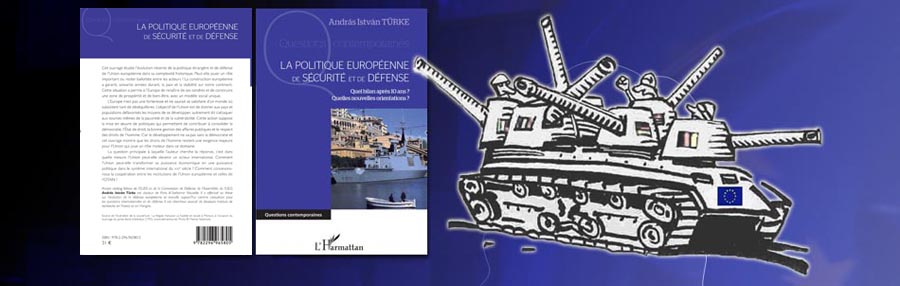
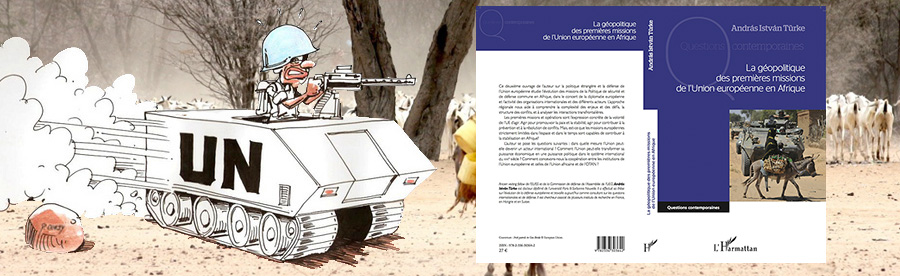
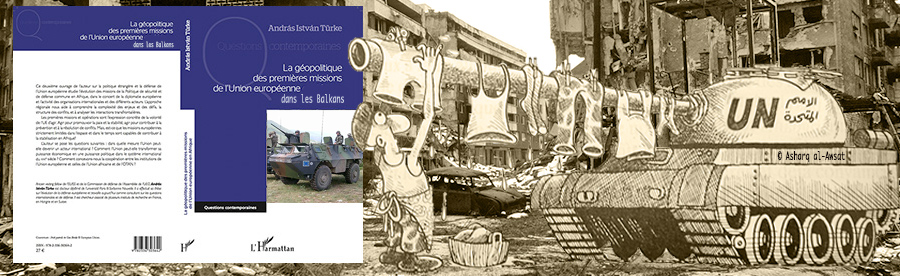
We are looking for sponsors for the English translation of these books, please contact turkeandras(at)gmail(dot)com