
You are here
Afrique
La DGI alerte : Voici comment reconnaître les vrais sites du gouvernement
Face à la recrudescence des risques de cyber-fraude, l’administration fiscale rappelle les règles de sécurité essentielles pour l’utilisation de ses plateformes de paiement électronique. Dans […]
L’article La DGI alerte : Voici comment reconnaître les vrais sites du gouvernement est apparu en premier sur .
Categories: Afrique
Amendes routières révisées : de 3 000 à 10 000 DA pour ces infractions courantes
Le Parlement algérien s’apprête à adopter, ce lundi, un ensemble de réformes majeures du code de la route. Après des semaines de discussions entre les […]
L’article Amendes routières révisées : de 3 000 à 10 000 DA pour ces infractions courantes est apparu en premier sur .
Categories: Afrique
Sécurité hydrique : 67 % d’eau potable issue de la mer d’ici 2030
Face aux défis climatiques, l’Algérie accélère sa mutation hydrique. Selon l’expert Brahim Mouhouche, cette stratégie vise à sécuriser la consommation des ménages tout en libérant […]
L’article Sécurité hydrique : 67 % d’eau potable issue de la mer d’ici 2030 est apparu en premier sur .
Categories: Afrique
Debate: Iran: Ali Khamenei's son to replace him
Mojtaba Khamenei is to take over as Iran's supreme leader after his father Ali Khamenei was killed in an US-Israeli airstrike. The Israeli military has now threatened to target the successor. US President Donald Trump had declared beforehand that he considered Mojtaba Khamenei to be an "unacceptable" choice, and that any Iranian leader who did not meet with Washington's approval would "not be long in office".
Categories: Afrique, European Union
No letting down the guard under Mojtaba | The Economist - United Kingdom
Categories: Afrique, European Union
Tehran banking on exhaustion and chaos | Diário de Notícias - Portugal
Categories: Afrique, European Union
Debate: What will come of Sánchez's no to Operation Epic Fury?
Spanish Prime Minister Pedro Sánchez last week reiterated his "No to war in Iran!" in a televised address. He was responding to US President Donald Trump's criticism of Spain in the presence of German Chancellor Friedrich Merz for refusing to allow the US to use two military bases on its territory. Trump had threatened to sever trade relations with Spain.
Categories: Afrique, European Union
More than just a war of words | Hospodářské noviny - Czech Republic
Categories: Afrique, European Union
Debate: What does Women's Day mean in 2026?
International Women's Day is celebrated in cities around the world on 8 March, with people taking to the streets to demonstrate for greater equality. Commentators reflect on the state of gender equality today.
Categories: Afrique, European Union
La stratégie militaire à haut risque de l'Iran semble reposer sur l'endurance et la dissuasion
L'approche de Téhéran semble reposer sur la conviction qu'elle peut absorber les frappes plus longtemps que ses adversaires ne peuvent supporter la douleur et les coûts, écrit Amir Azimi, de BBC Persian.
Categories: Afrique, Swiss News
Guidelines for the 2027 Budget - Section III - PE784.360v01-00
Guidelines for the 2027 Budget - Section III
Ausschuss für Sicherheit und Verteidigung
Marie-Agnes Strack-Zimmermann
Quelle : © Europäische Union, 2026 - EP
Ausschuss für Sicherheit und Verteidigung
Marie-Agnes Strack-Zimmermann
Quelle : © Europäische Union, 2026 - EP
Categories: Afrique, Europäische Union
Pétrole : le baril franchit les 119 $ et ravive les craintes d’une nouvelle onde de choc mondiale
La flambée des prix du pétrole fait un retour spectaculaire sur les marchés mondiaux. Lundi matin, les deux grandes références du brut ont dépassé le […]
L’article Pétrole : le baril franchit les 119 $ et ravive les craintes d’une nouvelle onde de choc mondiale est apparu en premier sur .
Categories: Afrique
Aïd el-Fitr 2026 en France : le CTMF annonce la date de la fin du Ramadan
Alors que le mois de Ramadan touche à sa fin, une incertitude persiste : après les désaccords sur la date de début du jeûne en […]
L’article Aïd el-Fitr 2026 en France : le CTMF annonce la date de la fin du Ramadan est apparu en premier sur .
Categories: Afrique
Can reminders promote regular pro-environmental behavior? Experimental evidence from Peru
Pro-environmental behavior, such as recycling, often needs to be regular to be effective, and interventions to encourage behavioral change may therefore need to be repeated; yet, little evidence exists on the optimal time pattern and frequency of such repeated interventions. To fill this gap, we investigate the impact of mobile text reminders on households’ recycling behavior in urban Peru by randomly varying the exposure length and continuity of reminders. We find that reminders increase both the likelihood that households start to recycle and the frequency of recycling among households that already did so before the intervention. The effects are stronger when reminders are repeated over a longer period. Our findings suggest that both limited attention and habit formation matter for recycling behavior, and that low-cost mobile text reminders can effectively support regular pro-environmental behavior.
Categories: Afrique, Diplomacy & Defense Think Tank News
Pages
the old site is here


© 2012-2015 Europa Varietas Foundation © 2015-2020 Europa Varietas Association
www.europavarietas.org | info(@)europavarietas(dot)org | Switzerland
This is a GDPR ready site
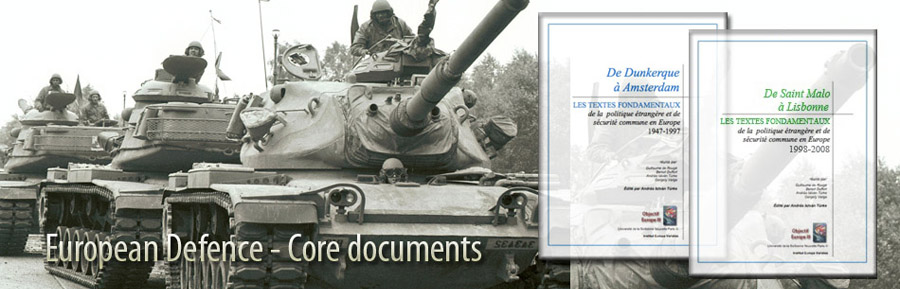
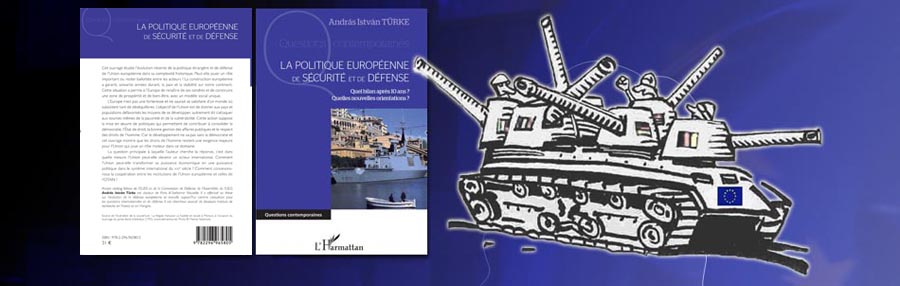
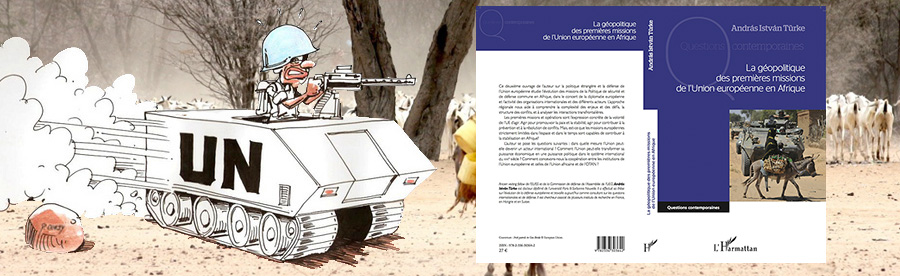
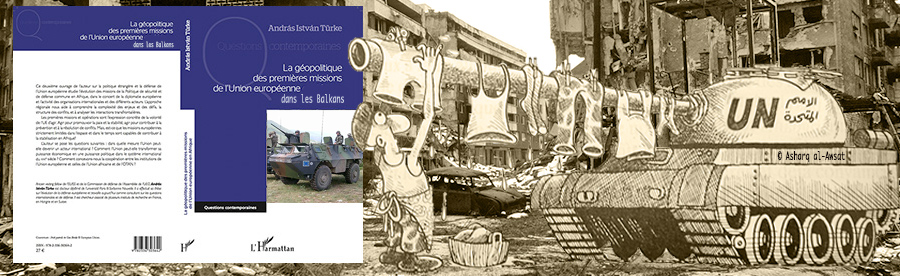
We are looking for sponsors for the English translation of these books, please contact turkeandras(at)gmail(dot)com