
You are here
Feed aggregator
Barthélémy Constantin: «Wir haben eine Mitarbeiterin verloren»
Die Spieler des FC Sions reisten zusammen mit Sportchef Barthélémy Constantin nach Crans-Montana und legten Blumen an den Gedenkort. Constantin ist sichtlich berührt und sagt, dass auch sie eine Mitarbeiterin beim Brand verloren hätten.
Categories: Swiss News
Le Bénin séduit les investisseurs régionaux
Le Bénin a levé 60 milliards de FCFA sur le marché financier régional de l'UMOA à l'issue d'une adjudication de Bons et Obligations assimilables du Trésor (BAT et OAT), clôturée jeudi 8 janvier 2026, selon les résultats officiels publiés par UMOA-Titres.
Le jeudi 8 janvier 2026, l'État du Bénin, par l'intermédiaire de son Trésor public et sous la supervision du Ministère de l'Économie et des Finances, a procédé à une double émission de Bons et Obligations Assimilables du Trésor (BAT et OAT) sur le marché financier de l'Union Monétaire Ouest Africaine (UMOA).
L'opération, pilotée par le Trésor public sous la supervision du ministère de l'Économie et des Finances, a suscité un intérêt soutenu des investisseurs régionaux. Le montant global des soumissions a atteint 78,24 milliards de FCFA, soit un taux de couverture de 130,41 % du montant mis en adjudication.
Au total, 60 milliards de FCFA ont été retenus, correspondant à un taux d'absorption de 76,68 %.
« Cette adjudication confirme l'attractivité des titres publics béninois sur le marché régional », selon une source financière.
Quatre instruments étaient proposés, répartis entre un bon du Trésor à court terme et trois obligations de moyen et long terme.
Le BAT à 91 jours, arrivant à échéance le 9 avril 2026, a mobilisé 22,37 milliards de FCFA sur 30,07 milliards sollicités, soit un taux d'absorption de 74,39 %. Le taux marginal s'est établi à 5,10 %, pour un taux moyen pondéré de 4,95 %.
Les OAT à trois ans, échéance janvier 2029, ont concentré la plus forte demande, avec 32,73 milliards de FCFA de soumissions.
Seuls 22,18 milliards ont été retenus, traduisant un taux d'absorption de 67,78 %.
Le prix marginal est ressorti à 97,50 %, pour un prix moyen pondéré de 98,30 %.
Les maturités longues ont, en revanche, été entièrement absorbées.
L'OAT à cinq ans (échéance janvier 2031) a permis de lever 8,15 milliards de FCFA, avec un prix marginal de 96,55 %.
L'OAT à sept ans (échéance janvier 2033) a permis de mobiliser 7,30 milliards de FCFA, à un prix marginal de 94,00 %.
Une participation active des investisseurs régionaux
Au total, 10 participants ont pris part à l'adjudication sur le BAT, contre 8 sur l'OAT 3 ans et 6 sur chacune des maturités longues. Le nombre total de soumissions s'est élevé à 43 ordres, traduisant une activité soutenue, notamment sur le segment court et moyen terme. Les investisseurs non compétitifs (ONC) ont représenté une part limitée des montants retenus, avec 772 millions de FCFA acceptés sur l'ensemble de l'opération.
Cette levée de fonds s'inscrit dans la stratégie de financement du budget de l'État pour 2026. Elle permet au Bénin de sécuriser ses ressources, tout en étalant sa dette sur plusieurs maturités.
Les taux servis, compris entre 5,70 % et 6,00 % pour les obligations, reflètent une prime de confiance accordée par les investisseurs au profil de crédit du Bénin, dans un contexte régional marqué par une sélectivité accrue. Avec cette opération, le Bénin confirme sa présence régulière et crédible sur le marché régional des titres publics, tout en consolidant sa relation avec les investisseurs institutionnels de l'UMOA.
M. M.
Bester Lausanner Torschütze: Theo Bair fällt für mehrere Wochen aus
Lausanne muss mehrere Wochen lang auf seinen besten Torschützen verzichten: Theo Bair hat sich kurz vor dem Rückrundenstart am Knöchel verletzt.
Categories: Swiss News
Trump azt hangoztatta, hogy az USA mindenképp megszerzi Grönlandot
Donald Trump úgy fogalmazott, „így vagy úgy, de megszerzik” a Dániához tartozó Grönlandot. Az amerikai elnök terveit nemcsak az európai szövetségesek, hanem Kína is bírálta.
Entwurf der Tagesordnung - Donnerstag, 15. Januar 2026 - PE782.218v01-00 - Ausschuss für Sicherheit und Verteidigung
Quelle : © Europäische Union, 2026 - EP
Categories: Europäische Union, European Union
Donald Trump über Grönland: «Ihre Verteidigung besteht aus zwei Hundeschlitten»
In einem Interview wird US-Präsident Donald Trump nochmals gefragt, was er mit Grönland vorhabe. Er behauptet, er müsse einen Deal machen, weil sonst Russland oder China Grönland übernehmen werde.
Categories: Swiss News
Trump wettert gegen Grönland: «Ihre Verteidigung besteht aus zwei Hundeschlitten»
US-Präsident Donald Trump möchte sich Grönland zu eigen machen. Für dieses Ziel wählt er zunehmend schärfere Töne. Nun behauptet er, die Verteidigung Grönlands bestehe aus «zwei Hundeschlitten». Blick erklärt, wie sich Grönland tatsächlich zur Wehr setzen kann.
Categories: Swiss News
Top EU trade official reassures MEPs over Mercosur’s provisional application
The official said Mercosur countries would also need to ratify the deal and notify the EU accordingly
Categories: European Union, Swiss News
Des supporters rentrés à Cotonou sans bagages après la CAN
Retour compliqué pour des supporters béninois après la CAN 2025 au Maroc !
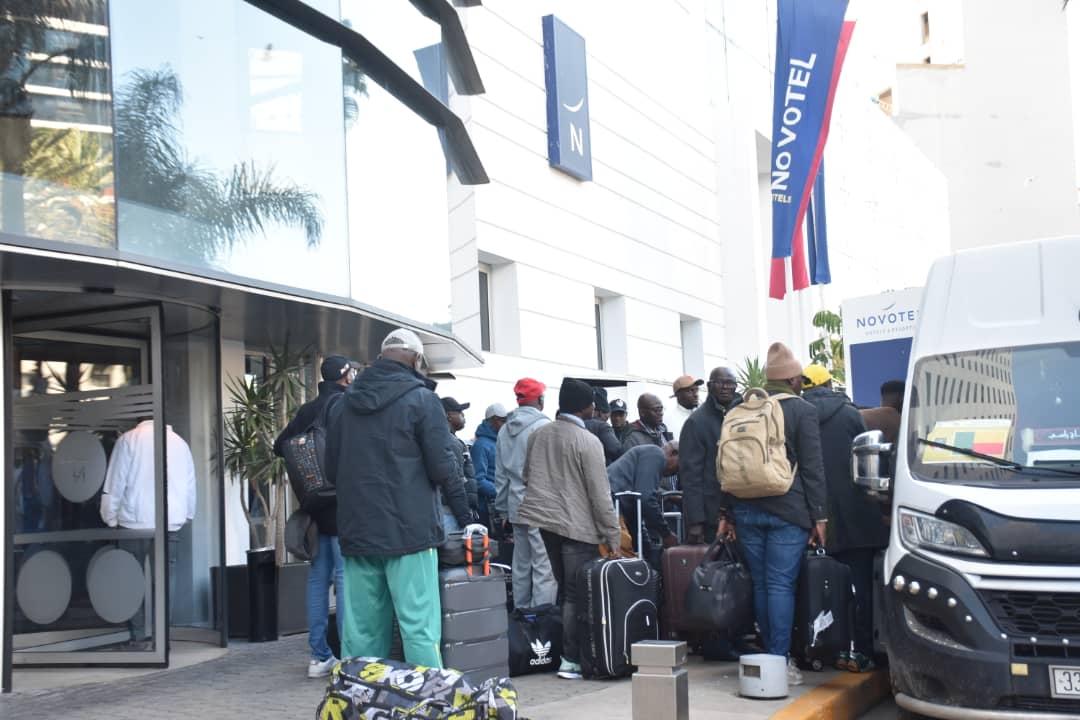
Une partie de la délégation béninoise ayant pris part à la Coupe d'Afrique des Nations (CAN) 2025 au Maroc est rentrée à Cotonou sans ses bagages. Plus de 200 passagers étaient à bord de l'appareil.
L'avion affrété pour le retour de la deuxième vague de supporters du Bénin est arrivé à Cotonou, jeudi 8 janvier 2026, avec seulement une dizaine de valises à bord. Le reste des bagages serait resté sur le tarmac de l'aéroport de Casablanca. Les passagers concernés ont été informés qu'ils les recevraient ultérieurement.
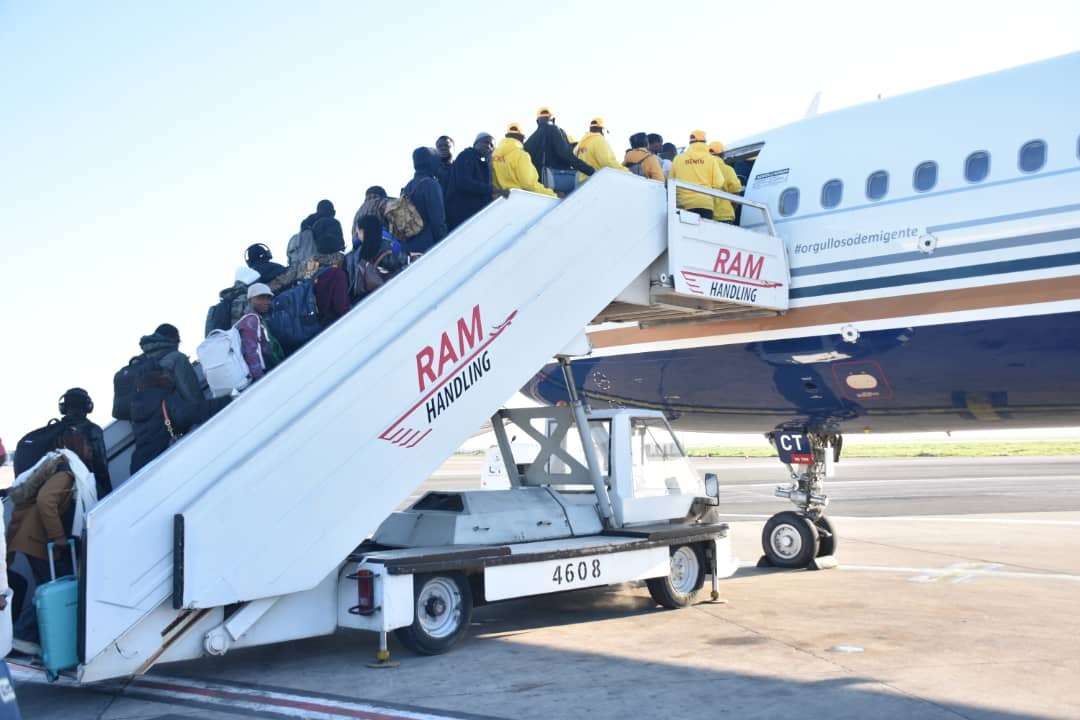
D'après un membre de la délégation, le départ de l'hôtel vers l'aéroport a eu lieu vers 4 heures du matin. Les voyageurs auraient ensuite attendu toute la journée avant de décoller vers 18 heures.
L'avion affrété par le ministère béninois des Sports avait quitté Madrid en Espagne, selon le témoignage d'un passager.
L'appareil a atterri à Cotonou vers 23h30. Dans le hall de livraison des bagages, l'attente s'est prolongée plus de deux heures. Et, la majorité des bagages n'était pas arrivé, selon les mêmes sources.
Les circonstances exactes de cet incident n'ont pas été officiellement précisées. Certains voyageurs s'interrogent sur les modalités du contrat entre le comité d'organisation de la CAN et la compagnie aérienne concernée.
Aujourd'hui, personne ne sait le sort réservé à ces bagages abandonnés à l'aéroport de Casablanca. Certains bagages contenaient des produits périssables. Les passagers s'inquiètent de savoir s'ils pourront retrouver le contenu de leurs bagages intacts. Cette situation pourrait conduire les passagers à réclamer des dommages pour les pertes subies.
Les Guépards du Bénin ont pris part à la CAN Maroc 2025. Ils ont disputé trois matches de phase de groupes. Le Bénin s'est d'abord incliné (1-0) face à la République démocratique du Congo. Il a ensuite signé une victoire (1-0) contre le Botswana. Une première historique pour le pays en phase finale de CAN. Lors du dernier match de poule, les Guépards ont été battus (3-0) par le Sénégal. Qualifié pour les huitièmes de finale, le Bénin a affronté l'Égypte. Il a été éliminé (3-1) après prolongation. Malgré l'élimination, la participation béninoise a mobilisé de nombreux supporters, présents sur plusieurs sites de la compétition.
M. M.
Categories: Afrique, European Union
Es geht um 200'000 Franken: Wie ein Russland-Deal beinahe den FCB ruinierte
Russland-Sanktionen, eine angedrohte Transfersperre durch die Fifa, bis heute offene Fragen: Wie ein Leihgeschäft den FC Basel in Teufels Küche brachte.
Categories: Swiss News
Nigerian stars dominate All Africa Music Awards
Global superstar Burna Boy claimed the prestigious Album of the Year award for his latest work No Sign of Weakness.
THE HACK: EU urged to focus on digital uptake not rollouts
In today's edition: Biometric data sharing, sovereign CAIDA, Poland's 'nie' to DSA implementation
Categories: European Union, Swiss News
«Ist das eine Rolex?»: Guy Parmelin reisst Witze über Zoll-Deal
Es brachte den Zoll-Deal voran – und erntete Kritik: Milliardäre hatten dem US-Präsidenten eine Rolex geschenkt. Neue Videos zeigen, wie Bundesrat Guy Parmelin mit Humor auf die Kritik reagiert.
Categories: Swiss News
Psychologische Unterstützung für Einsatzkräfte, Betroffene und Angehörige der Opfer: Kanton richtet Hotline nach Inferno in Crans-Montana ein
Nach der Brandkatastrophe in Crans-Montana VS richtet der Kanton Wallis eine Hotline für psychologische Unterstützung ein. Die Nummer 027 604 35 50 richtet sich an Helfer, Einsatzkräfte, Betroffene und Angehörige der Opfer.
Categories: Swiss News
Schlechter Verlierer?: Frustrierter Mbappé sorgt für Supercopa-Eklat
Kylian Mbappé wird im Nachgang des Supercopa-Finals im Netz von vielen Fans als schlechter Verlierer und unsportlich kritisiert. Grund: Er soll seine Mitspieler angezettelt haben, nach der Finalniederlage keine Ehrengarde für Barcelona zu bilden.
Categories: Swiss News
Debate: EU-Mercosur: a free-trade zone that sends a message?
After more than 25 years of negotiations, the free trade agreement between the EU and Mercosur is close to being finalised after a qualified majority of EU ambassadors approved it on Friday, overruling countries like France and Poland. Now, EU Commission President Ursula von der Leyen can put her signature to it with the partners in South America, and then the EU Parliament must also vote on it.
Categories: Afrique, European Union
Staggering across the finish line | Frankfurter Allgemeine Zeitung - Germany
Categories: Afrique, European Union
Pages
the old site is here



© 2012-2015 Europa Varietas Foundation © 2015-2020 Europa Varietas Association
www.europavarietas.org | info(@)europavarietas(dot)org | Switzerland
This is a GDPR ready site




We are looking for sponsors for the English translation of these books, please contact turkeandras(at)gmail(dot)com