
You are here
Feed aggregator
Stupeur à Alger : un jeune de 19 ans tué lors d’une rixe entre supporters de deux clubs rivaux
Un conflit autour de fresques liées à deux clubs rivaux a dégénéré en affrontement à El Madania, à Alger. Dans la nuit de lundi à […]
L’article Stupeur à Alger : un jeune de 19 ans tué lors d’une rixe entre supporters de deux clubs rivaux est apparu en premier sur .
Categories: Afrique
Tournoi UFOA-B U20 2026 : Les Étalons accueillis en héros à l'aéroport international de Ouagadougou
Les Étalons U20 ont été accueillis chaleureusement à Ouagadougou, le mardi 11 août 2026, après avoir remporté le tournoi UFOA-B en Côte d'Ivoire. Cette performance leur assure également une place pour la Coupe d'Afrique des Nations (CAN) de leur catégorie, qui aura lieu en 2027 au Ghana.
Vainqueurs du tournoi UFOA-B en Côte d'Ivoire et qualifiés pour la Coupe d'Afrique des nations de leur catégorie, prévue en 2027 au Ghana, les Étalons U20 ont été accueillis en héros.
À leur arrivée à l'aéroport international de Ouagadougou, la délégation burkinabè a été reçue dans une ambiance chaleureuse et festive, avec des animations offertes par l'Union nationale des supporters des Étalons.
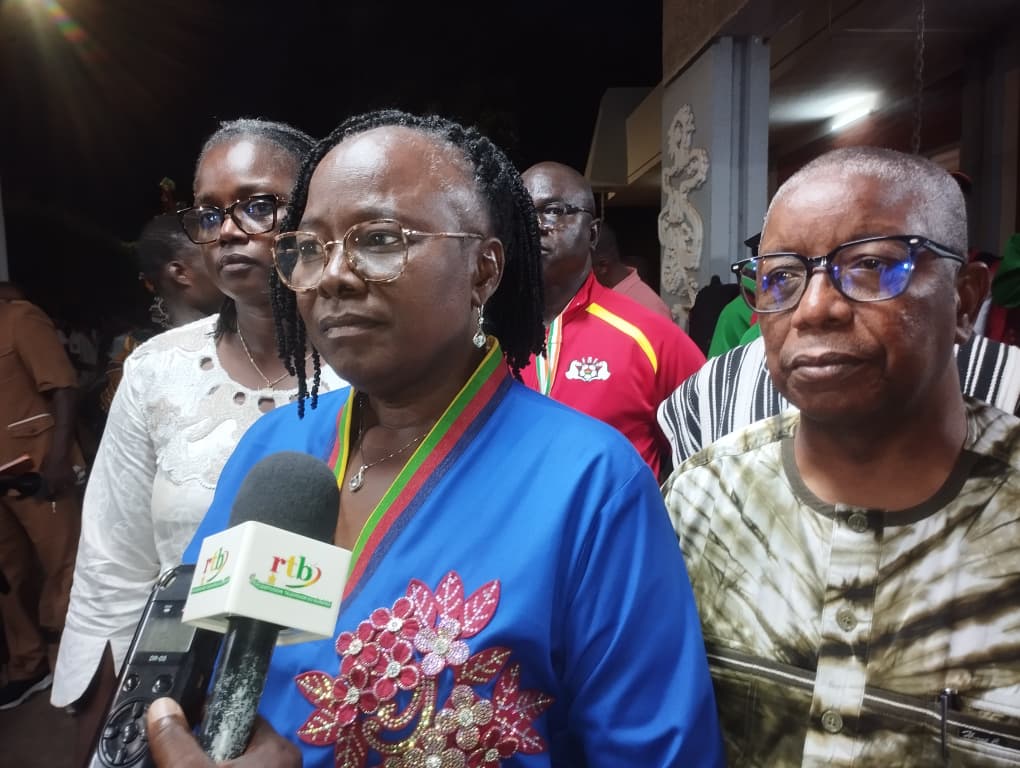
« Nous sommes venus leur dire que nous sommes tous fiers de leur performance à cette compétition. Nous leur avons traduit également la reconnaissance de toutes les autorités de notre pays », a indiqué la secrétaire générale du ministère des Sports, Colette Ouédraogo.
Elle a également souhaité que les Étalons U20 puissent continuer dans cette dynamique afin de pouvoir revenir de la prochaine CAN avec des résultats similaires.
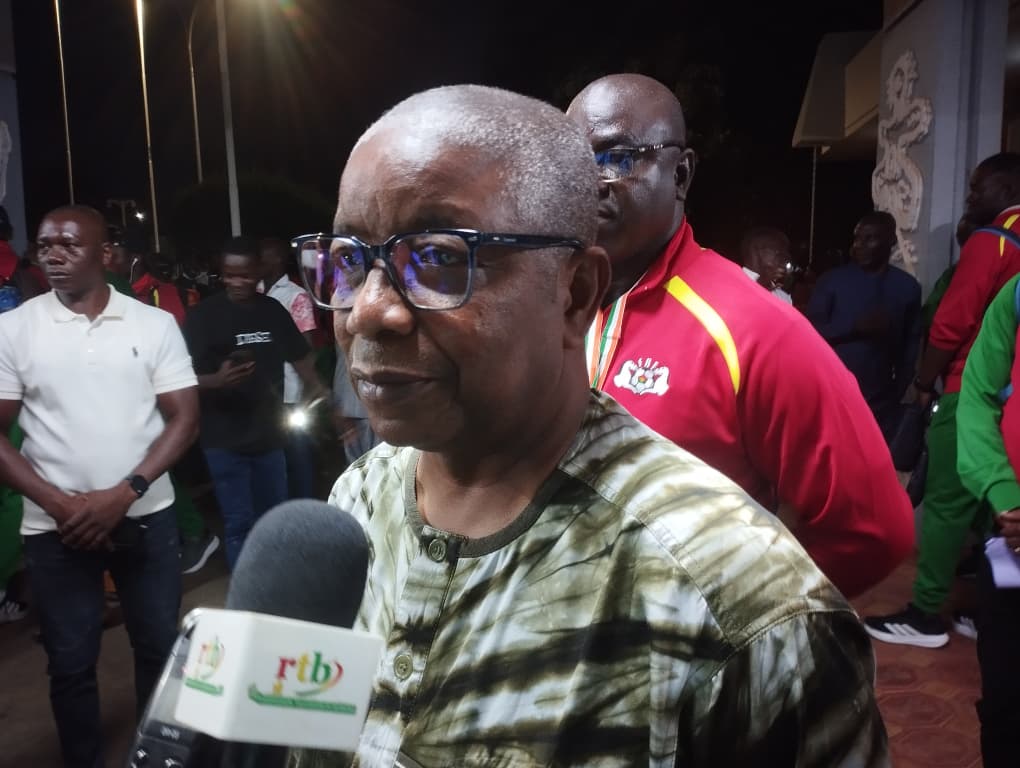
Le président de la Fédération burkinabè de football, le colonel-major Oumarou Sawadogo, a félicité les Étalons U20 pour leur qualification pour la CAN. Au nom de l'équipe, il a dédié le trophée au président du Faso, le capitaine Ibrahim Traoré, pour son accompagnement qui a facilité la participation de l'équipe à la compétition.
« Être qualifié, comme je l'ai dit, c'est la première étape qui a été franchie. Après avoir raté deux éditions, nous nous sommes qualifiés pour la prochaine. C'est dans un pays voisin, au Ghana. Il faudra qu'on se donne les moyens pour mieux préparer cette compétition et aller de l'avant », a déclaré le colonel-major Oumarou Sawadogo.
Le premier responsable de la Fédération burkinabè de football a aussi dévoilé quelques ambitions des Étalons U20, au titre desquelles figure une qualification pour le Mondial de leur catégorie.
« Je crois que cette génération, si on la conserve et l'entretient comme il le faut, avec beaucoup de compétitions et de matchs amicaux, elle peut quand même nous permettre d'aller plus loin », a expliqué le président de la FBF.
Fier du parcours de son équipe, qui a remporté le tournoi, le sélectionneur des Étalons U20, Oscar Barro, s'est réjoui de l'accueil chaleureux qui lui a été réservé. Il a profité de l'occasion pour remercier les premières autorités du pays, grâce auxquelles la participation à la compétition a été possible.
« C'est le lieu de remercier toutes ces structures qui nous ont permis d'aller à cette compétition et de revenir avec la qualification », a-t-il soutenu.
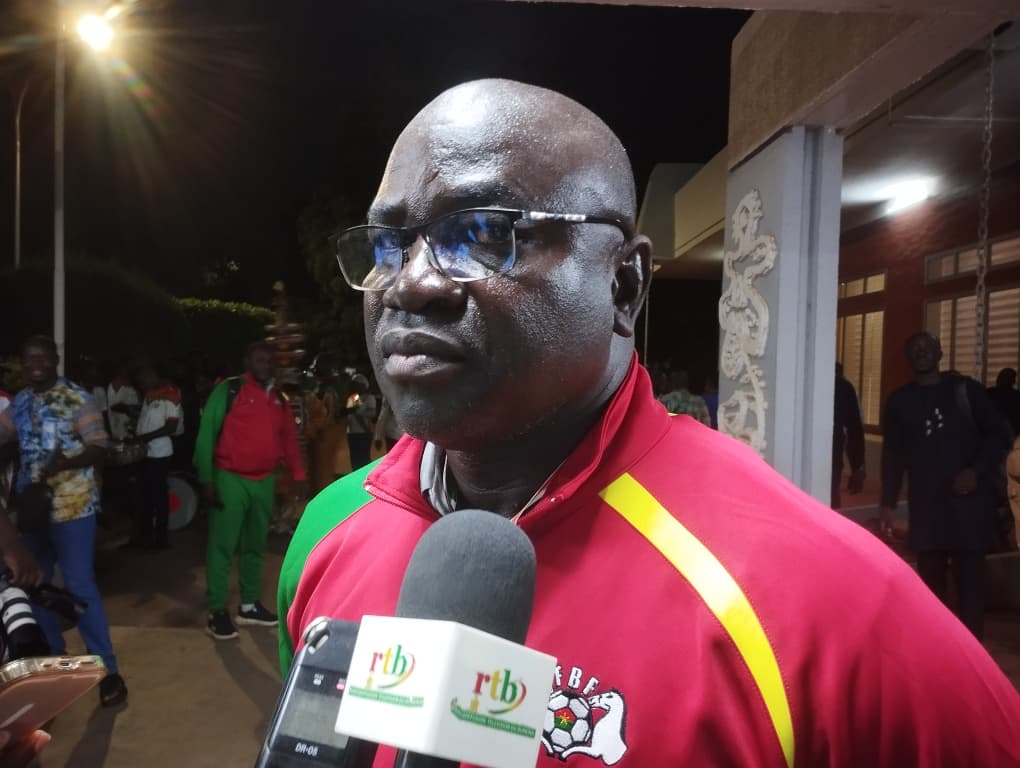
En rappel, Oscar Barro avait déjà remporté le tournoi UFOA-B U17 avant de remporter à nouveau la compétition, cette fois-ci avec une sélection U20. Interrogé sur le secret de ces performances, il les a expliquées par le travail et la discipline.
La tête pensante des Étalons U20 s'est, par ailleurs, voulue rassurante quant à la disponibilité de la majorité de l'effectif ayant pris part au tournoi UFOA-B pour la prochaine CAN.
« Tous ceux qui sont là sont dans la limite d'âge. C'est ce que j'ai regardé avant d'appeler certains joueurs. Pratiquement tous seront en mesure d'aller à la CAN U20 prévue au Ghana en 2027. Ils sont tous dans la fourchette », a rassuré Oscar Barro quant à la possibilité de repartir à la CAN au Ghana avec le même effectif.
Jean Élysée Nikiéma
Lefaso.net
Categories: Afrique
Burkina/ Électrification : Kaya dispose d'une nouvelle centrale thermique de 25 MW
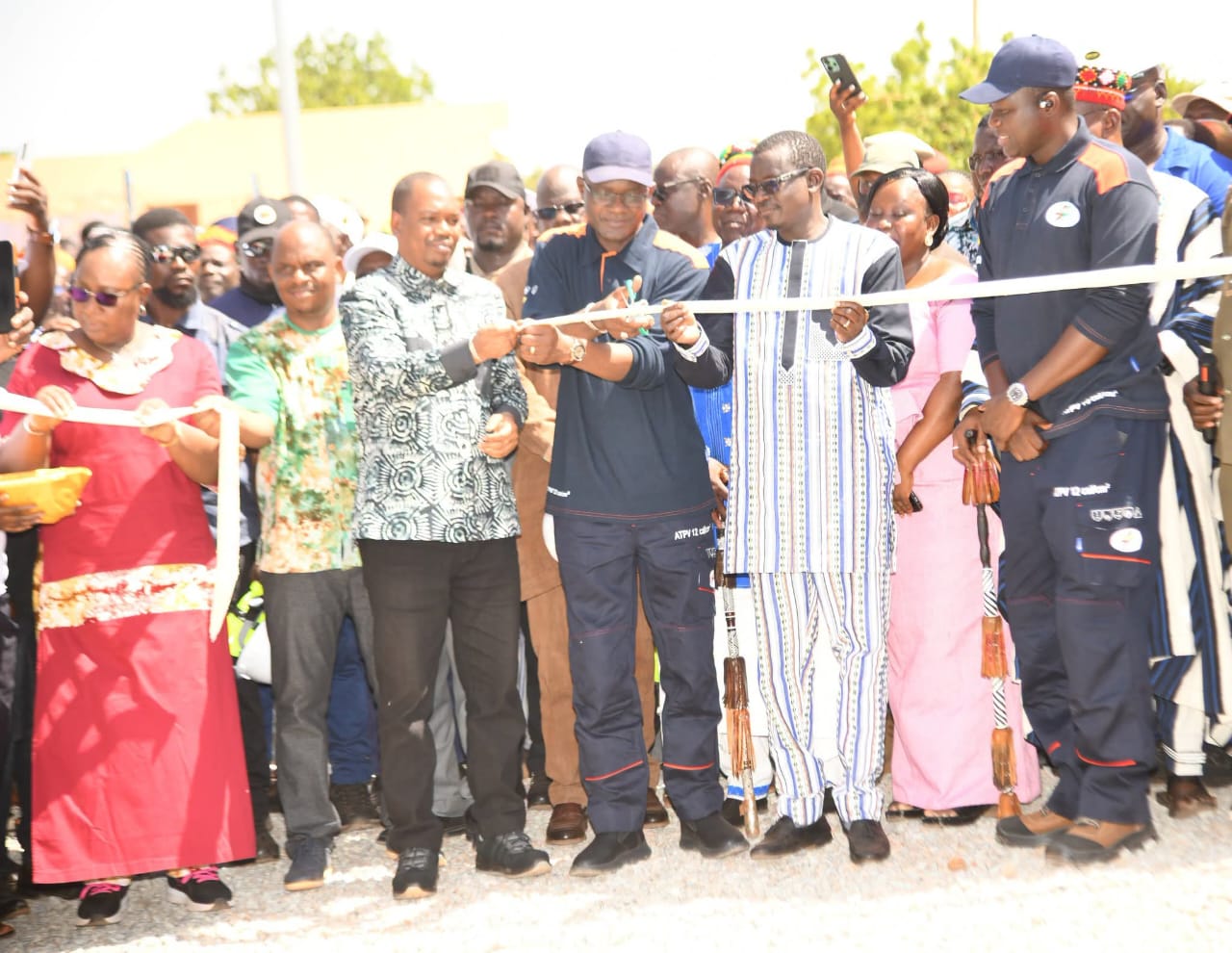
Après la fermeture de sa centrale thermique de 2,5 MW en 2006, la ville de Kaya dispose à nouveau d'une infrastructure électrique dont la mise en production a été effectuée ce 11 août 2026 par le ministre de l'énergie, des mines et des carrières, Yacouba Zabré Gouba, rapporte la direction de la communication du ministère de l'énergie, des mines et des carrières.
D'une capacité de 25 MW, la centrale est dotée de 28 moteurs dont la puissance unitaire est de 1000 kWm. Le coût total de cette réalisation est d'environ 15 milliards FCFA.
Le lancement officiel de la production de cette centrale de Kaya vient refermer une série d'inaugurations débutée le 21 juillet 2026 par la mise en service de la centrale thermique de Pabré par le Premier Ministre Rimtalba Jean-Emmanuel Ouédraogo. L'ensemble des centrales de Pabré, Bobo-Dioulasso, Koudougou et Kaya donne une puissance totale de 126,4 MW.
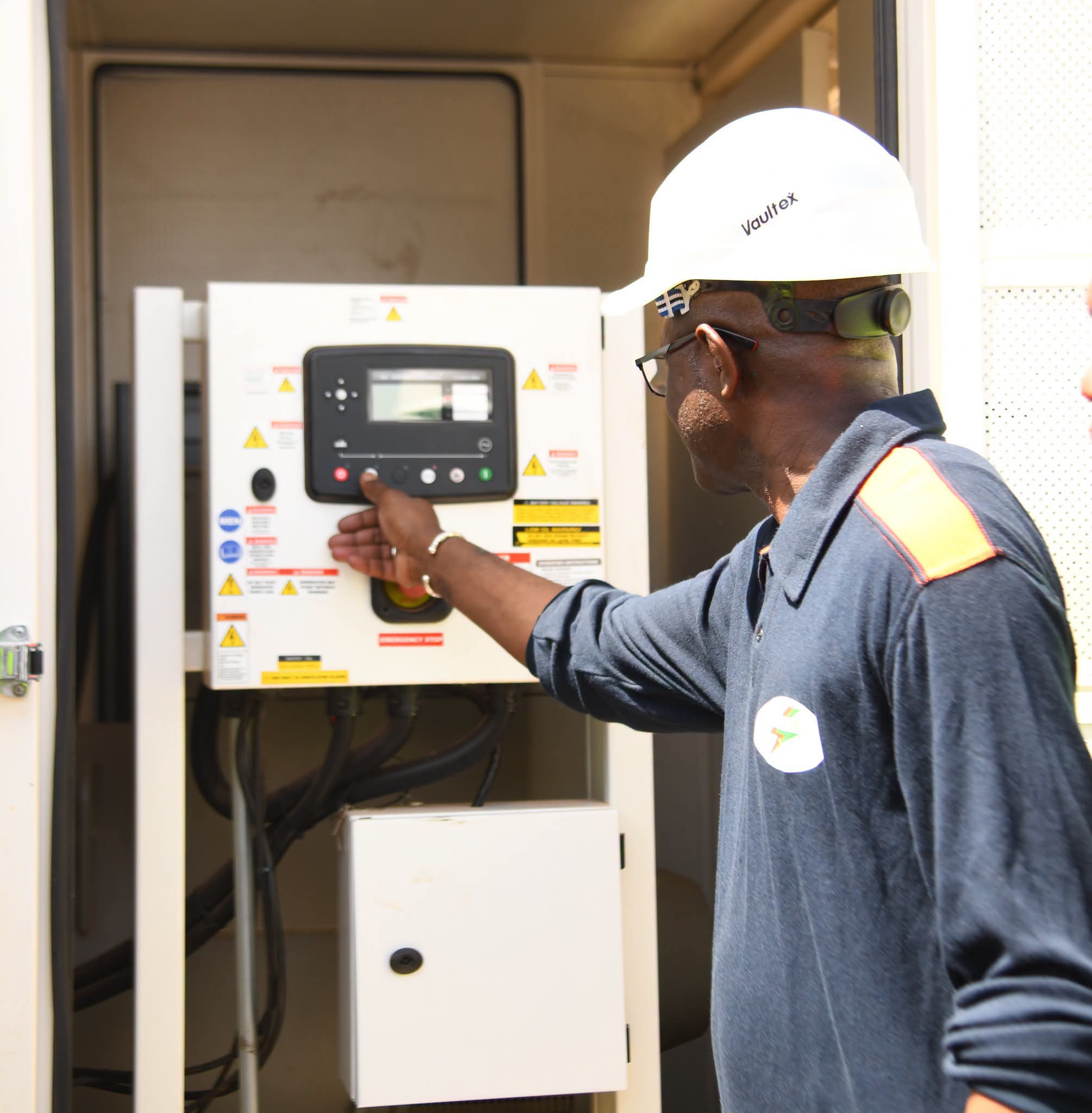
Le ministre en charge de l'énergie a indiqué que la réalisation de ces infrastructures prouve que le Burkina Faso peut réduire progressivement sa vulnérabilité énergétique, accroître ses capacités nationales de production et bâtir ensemble un système plus résilient.
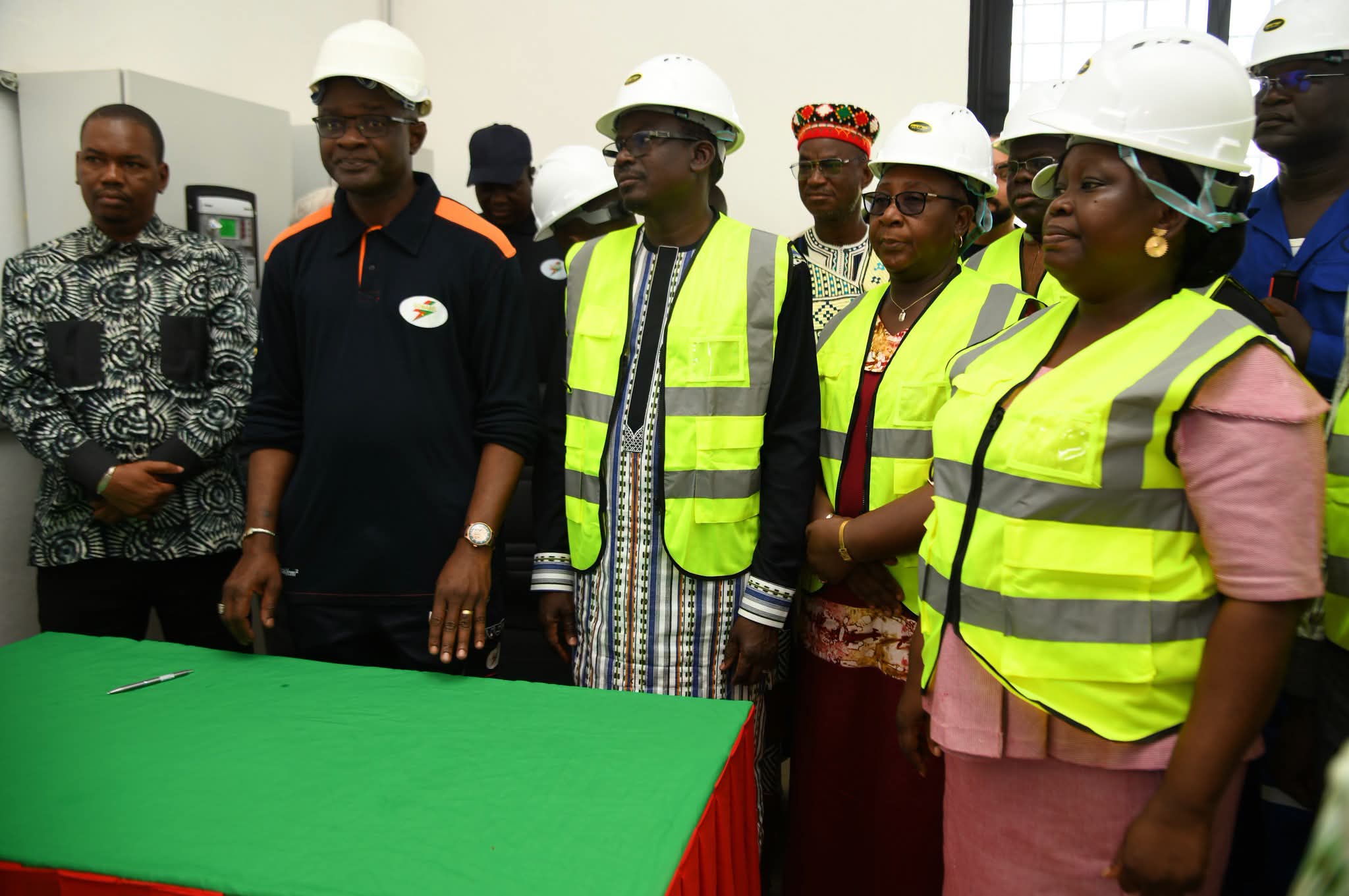
Selon lui, toutes ces réalisations sont l'expression concrète d'une volonté politique : faire de l'énergie, un levier majeur de la souveraineté, de la résilience et surtout du développement endogène du Burkina Faso.
La centrale de Kaya ambitionne d'augmenter la capacité nationale de production, réduire les interruptions de fourniture, offrir une énergie plus stable aux unités industrielles et marchandes de la région des Koulsé, a-ajouté Yacouba Zabré Gouba. Il a annoncé la mise en service prochaine de trois autres nouvelles centrales. L'ensemble de toutes ces infrastructures énergétiques va coûter environ 200 milliards FCFA.
Lefaso.net
Source : Direction de la Communication et des Relations Presse
Categories: Afrique
AirPowerNews 161. (2026 aug.)
Ezúttal a napokban Pápán és Kenyeri(be)n zajló Wild Hunt 2026 USAFE-AFAFRICA kutató-mentő ejtőernyős gyakorlat képével indul az augusztusi hírbejegyzés.
Zord
Categories: Biztonságpolitika
L'Éclipse solaire «est une expérience unique» et crée «une magie entre les personnes» présentes
Quand la lune fait de l'ombre au soleil : la dernière fois, c'était en 1999 que ce phénomène était perceptible, notamment depuis la France. Mercredi 12 août au soir, une éclipse solaire est à observer, évidemment, avec des lunettes de protection. Cette éclipse sera même totale à certains endroits. Milan Maksimovic, astrophysicien, directeur de recherche au CNRS, directeur du laboratoire d'instrumentation et de recherche en astrophysique (Lira) à l'Observatoire de Paris, est l'invité de RFI.
Categories: Union européenne
La gratuité de la scolarité pour les filles généralisée dès la rentrée 2026-27
Les filles sont exonérées des frais scolaires dans tous les collèges et lycées publics au Bénin. La mesure, jusque-là appliquée progressivement, est désormais étendue à l'ensemble du pays.
Le gouvernement béninois élargit le dispositif de soutien à la scolarisation des filles. Un arrêté interministériel signé à Cotonou le 30 juillet 2026 par les ministres de l'Enseignement secondaire et de l'Économie et des Finances prévoit la généralisation de l'exonération des frais de contribution scolaire au profit des filles fréquentant les établissements publics de l'enseignement secondaire général.
Selon le texte, sont éligibles les filles de nationalité béninoise « régulièrement inscrites dans les établissements publics de l'Enseignement Secondaire Général » au Bénin.
Une mesure étendue à tous les niveaux du secondaire
L'arrêté met fin au caractère progressif de la mesure. Celle-ci était déjà en vigueur au premier cycle et avait été étendue, à titre expérimental, au second cycle dans vingt communes.
Désormais, cette exonération est « généralisée dans les établissements publics de l'enseignement secondaire général » à compter de l'année scolaire 2026-2027.
Le nouveau dispositif couvre ainsi les différentes classes du secondaire, avec pour objectif de lever l'un des obstacles financiers pouvant peser sur la scolarisation et le maintien des filles à l'école.
L'Etat prendra en charge la compensation
La gratuité ne signifie pas une absence de financement pour les établissements concernés. L'arrêté prévoit un mécanisme de compensation au profit des structures publiques.
Le montant sera calculé notamment à partir « des effectifs validés des filles bénéficiaires » et des « taux de contribution scolaire en vigueur ». La dépense correspondante sera imputée au budget du ministère de l'Enseignement secondaire.
Pour éviter des difficultés de trésorerie au démarrage de l'année scolaire, le texte prévoit également qu'« une avance de trésorerie est accordée dès la rentrée scolaire ». Cette avance devra ensuite être régularisée sur le budget du ministère au titre de l'exercice suivant.
L'arrêté abroge les dispositions antérieures qui lui sont contraires, notamment celles de 2023 qui avaient permis l'extension expérimentale de l'exonération aux élèves filles de la sixième à la terminale.
M. M.
Categories: Afrique
États-Unis : plus de 100 visas révoqués au Maghreb, voici pourquoi
Le département d’État américain a confirmé lundi 10 août la révocation de plus d’une centaine de visas en Afrique du Nord. Dans le collimateur de […]
L’article États-Unis : plus de 100 visas révoqués au Maghreb, voici pourquoi est apparu en premier sur .
Categories: Afrique
La Gendarmerie avertit : 10 000 DA d’amende pour cette infraction routière
S’arrêter sur le terre-plein central d’une autoroute ou d’une voie rapide est une infraction trop souvent banalisée. Pourtant, la Gendarmerie nationale est claire. Cet espace […]
L’article La Gendarmerie avertit : 10 000 DA d’amende pour cette infraction routière est apparu en premier sur .
Categories: Afrique
Trump confirme avoir changé d'avion après le sommet de l'OTAN en raison d'une menace potentielle.
Les journalistes et les membres du personnel de la Maison Blanche qui se trouvaient à bord de l'avion ignoraient que le président était parti.
Categories: Afrique
Nicaragua: End of the Electoral Illusion
Exiled Nicaraguans hold a national flag in the Church of San Francisco in San José, Costa Rica, at a service held on 19 April 2026 to commemorate the anniversary of protests in 2018. Credit: Ezequiel Becerra/AFP
By Inés M. Pousadela
MONTEVIDEO, Uruguay, Aug 12 2026 (IPS)
On 19 July, the 47th anniversary of the Sandinista revolution that first brought him to power, Nicaraguan President Daniel Ortega declared that his country would hold ‘no more elections’ so that the opposition could never again try to ‘seize power’. Just like that, he scrapped a presidential vote that had previously been pushed back to 2027, abandoning even the fiction of democratic legitimacy. The move changes little in practice, since no free vote had been possible for years. But it’s still revealing: a government that controls the army, the courts, the electoral machinery and the police, and will still not risk even a stage-managed ballot, is one that has lost confidence in its people.
Civil society dismantled
The abolition of elections is the political capstone of a longer-term project to eliminate every organised space beyond the ruling family’s control. A constitutional overhaul ratified in January 2025 extended Ortega’s term, elevated his wife, Rosario Murillo, from vice-president to ‘co-president’, and handed the couple control over every branch of the state, with their son, Laureano Ortega Murillo, positioned as monarchical heir apparent. Scrapping elections that had already been emptied of any meaning removes the last formal mechanism through which power in Nicaragua might, however unlikely, have changed hands.
Since 2018, the government has shut down over 5,500 civil society organisations, close to 80 per cent of what existed. Its net has encompassed trade unions, women’s groups, universities, independent media and religious bodies, with the Catholic Church a particular target. The legal profession is the latest victim. In early July, some 2,000 lawyers found their licences to practise revoked overnight, without notice or appeal, effectively leaving many Nicaraguans without legal defence.
The Group of Human Rights Experts on Nicaragua, mandated by the UN Human Rights Council, has concluded that the government has weaponised every arm of the state and its abuses amount to crimes against humanity committed as deliberate policy. It has documented chains of command linking the presidency to local officials, and named 54 officials responsible for the repression.
Repression beyond borders
Persecution has forced over 935,000 people, roughly one in eight Nicaraguans, into exile since mass protests in 2018, which security forces suppressed by killing more than 300 people. But exile offers no safety. A 2025 report by the Group of Human Rights Experts shows the regime runs an extensive transnational intelligence and surveillance network using the army, police, foreign service and informal agents to track critics abroad, monitor their communications and threaten their families back home.
For a growing number, surveillance leads to violence. In June 2025, Roberto Samcam, a retired army major turned prominent critic, was shot dead at his home in Costa Rica by an assassin posing as a delivery driver. He was one of at least four exiled opposition figures killed in Central America since 2022. Many more have survived attempts on their lives.
The regime has also stripped hundreds of critics of their nationality, including 222 political prisoners it expelled to the USA in 2023 and 135 it shipped to Guatemala in 2024, and made changes to the Penal Code to prosecute ‘crimes against the state’ committed abroad.
Aware that international bodies offer a route to accountability, the regime is moving to close it off. Having quit the Organization of American States in 2023, Nicaragua withdrew from the UN Human Rights Council and four other multilateral bodies in 2025. Yet some mechanisms do not need its consent. Two months after the government announced it was quitting, the Human Rights Council renewed the Group of Experts’ mandate for a further two years. An Argentine judge, acting under universal jurisdiction, has issued arrest warrants for Ortega, Murillo and other senior officials. The legal instruments exist, but the will to use them is often missing.
Democratic states have supplied little of that will. The USA does not recognise Ortega’s government, yet in September 2025 the Trump administration terminated Temporary Protected Status for Nicaraguans, asserting that the country was now safe for their return, a claim at odds with UN findings. This left thousands exposed to deportation.
Ortega has meanwhile leaned on autocratic friends, with China now his main source of funding and Russia supplying intelligence and security advice and training.
Long-term pressure needed
Ortega will have watched Venezuela closely. In 2024, Nicolás Maduro allowed the holding of an election he was sure he had won in advance, having stopped the main opposition candidate standing, only to see a little-known substitute become the catalyst for years of pent-up discontent. Scrapping elections spares Ortega that danger, at least in the short term.
Over the long term, pressure for the restoration of democracy will depend on the endurance of Nicaraguan civil society, at home and in exile, and on democratic states being willing to hold the regime to account. Neither can be taken for granted. The movement best able to sustain the fight has been driven abroad, where it also faces persecution, and the government best placed to shelter these exiles is busy sending them back home.
Inés M. Pousadela is CIVICUS Head of Research and Analysis, co-director and writer for CIVICUS Lens and co-author of the State of Civil Society Report. She is also a Professor of Comparative Politics at Universidad ORT Uruguay.
For interviews or more information, please contact research@civicus.org
Follow @IPSNewsUNBureau
!function(d,s,id){var js,fjs=d.getElementsByTagName(s)[0],p=/^http:/.test(d.location)?'http':'https';if(!d.getElementById(id)){js=d.createElement(s);js.id=id;js.src=p+'://platform.twitter.com/widgets.js';fjs.parentNode.insertBefore(js,fjs);}}(document, 'script', 'twitter-wjs');
Categories: Africa
Tunisie: après une visite présidentielle surprise, les habitants de Gabès toujours dans l'attente d'actions contre la pollution
Alors que les habitants de Chott Essalem, le quartier limitrophe du Groupe chimique tunisien à Gabès, réclament depuis des années le démantèlement de cette usine en raison de sa pollution, le président Kaïs Saïed a effectué une visite surprise dans cette ville du sud tunisien. Dans des échanges avec les habitants, il a souligné la nécessité de prendre des mesures contre la pollution, mais les habitants de Gabès attendent plus.
Categories: Afrique
Environ 140 journaliers de la SNEL à Bandundu réclament leur engagement après 20 ans de service
Près de 140 agents journaliers de la Société nationale d’électricité (SNEL) à Bandundu-ville (Kwilu) expriment leur ras-le-bol face à la précarité de leur statut professionnel.
Travaillant pour certains depuis deux décennies sans contrat permanent, ils exigent la concrétisation de la promesse d'embauche formulée par la direction générale de cette entreprise publique.
Categories: Afrique
Sud-Kivu : la prolifération des tiques menace la santé des enfants en vacances à Miti
Plusieurs enfants du groupement de Miti, situé dans le territoire de Kabare (Sud-Kivu), sont exposés à des piqûres de tiques durant cette période de vacances scolaires.
Ces acariens parasites représentent un risque sanitaire majeur, car leurs morsures sont fréquemment à l'origine d'abcès, de cas de tétanos et de fièvres hémorragiques au sein de la communauté.
Categories: Afrique
L’absence de chambres froides complique la conservation de la viande dans les marchés de Kananga
L’inexistence de chambres froides dans la ville de Kananga, au Kasaï-Central, préoccupe les vendeurs de viande. La conservation de ces produits est devenue un véritable casse-tête. Les commerçants appellent les autorités à doter les marchés de la ville d’équipements de conservation adaptés.
Categories: Afrique
UN Special Rapporteur Urges the Protection of Children’s Rights Amid Deepening Conflict and Digital Threats
Children play outside their home at a shelter in the Philippines. Credit: UNICEF/Joshua Estey
By Oritro Karim
UNITED NATIONS, Aug 12 2026 (IPS)
On July 7, the United Nations (UN) Secretary-General Antonio Guterres presented a report from the Special Rapporteur on the sale, sexual exploitation, and sexual abuse of children, Ai Kihara-Hunt, to the General Assembly, underscoring her goals and priorities for the implementation of protection measures for children worldwide.
The report, submitted in coordination with the Human Rights Council, highlights the systemic barriers that leave children increasingly vulnerable to sexual exploitation and abuse, including weak government oversight, limited support and justice services for victims, and worsening protracted crises.
“Given the complexity, hidden and transnational nature of the sale, sexual exploitation and sexual abuse of children, the Special Rapporteur believes that robust child protection systems and effective cooperation within each State and across borders are essential to combat the phenomena,” the report reads. “Addressing the sale, sexual exploitation and sexual abuse of children requires a human rights-based approach grounded in the best interests of the child and informed by the dignity, agency and resilience of children.”
Drawing largely from contributions by UN member states, international agencies, civil society groups, and humanitarian organizations, the report outlines key mechanisms for cooperation, accountability, and the prevention of human rights violations against children. The report incorporates global perspectives from diverse stakeholders and the lived experiences of survivors, prioritizing protection, recovery, rehabilitation, and access to justice through frameworks that are gender-responsive, disability-inclusive, victim-centered, trauma-informed, and fundamentally grounded in children’s rights.
This follows the 61st session of the Human Rights Council on March 10, where former Special Rapporteur Mama Fatima Singhateh warned that emerging digital technologies are revolutionizing how perpetrators commit abuse and rendering online spaces increasingly dangerous for children. Singhateh urged closer cooperation between humanitarian actors, governments, and stakeholders to prevent digital advancements from creating “new pathways” for human rights violations.
Singhateh also issued a child-friendly version of her final report to the Human Rights Council on April 20, emphasizing the importance of accessibility so that children can engage meaningfully in the discussions that affect them most. Moving forward, Kihara-Hunt aims to build upon her predecessors’ work by addressing issues that have not received adequate attention or sustained engagement from the UN. Key priorities include the “complex or rapidly evolving” challenges linked with intersecting global crises and the alarming rise of sexual exploitation across digital contexts.
The Special Rapporteur notes that online spaces allow children to express consent and agreement based on their evolving capacities, which may grow increasingly complex amid the introduction of emerging technologies. The rise of artificial intelligence has been a major concern for humanitarian organizations as these technologies have streamlined the production and dissemination of harmful child material, as well as the collection of unauthorized images and the misuse of personal data.
Additionally, the report highlights how digital technologies—such as social media platforms, messaging applications, and cryptocurrencies—have streamlined recruitment into armed groups and trafficking and exploitation, while simultaneously helping perpetrators evade law enforcement.
“Child sexual exploitation and abuse are driven by a range of factors, including harmful social norms, stigma, gender inequality, power imbalances, poverty, and weaknesses in child protection and support systems,” Afrooz Kaviani Johnson, UNICEF Child Protection Specialist, tells Inter Press Service. “Today, the digital environment is increasingly implicated in these harms. Children face risks such as grooming, coercion, sexual exploitation, and abuse facilitated through digital platforms. Emerging technologies, including generative AI, are also expanding the scale and severity of risks.”
A core pillar of Kihara-Hunt’s mandate is to urge the private sector to adopt stricter safety policies rooted in human rights and children’s privacy—a responsibility that extends across organizations, from employees and volunteers to business partners. The report notes that market incentives and commercialization and profit-driven systems will be monitored in the ways they may or may not be contributing to a harmful environment that facilitates the sexual exploitation of children, particularly online.
“A safety-by-design approach involves assessing and mitigating foreseeable risks that platforms, messaging services, gaming environments or artificial intelligence systems may facilitate the sale of children, child sexual exploitation and abuse, and to actively detect, report and remove child sexual abuse materials,” the report states. “Beyond these responsibilities, the Special Rapporteur intends to examine how business actors can play proactive roles, in collaboration with States and other relevant stakeholders, in prevention, safeguarding, reporting and support for children.”
The report also noted that children residing in areas affected by armed conflict and humanitarian crises face heightened risks of sale and sexual exploitation, leaving them roughly twice as likely to experience rape and sexual assault during childhood compared to the global average. Other related drivers of sexual exploitation include forced displacement, natural disasters, and climate change. In these contexts, humanitarian aid is significantly limited, which often leads to constraints on protection measures and civil society intervention.
“Humanitarian crises such as conflict, displacement, climate-related shocks, and public health emergencies can disrupt the systems that help keep children safe,” said Johnson. “They can increase children’s exposure to risk while reducing access to essential services and support.”
“Poverty and financial hardship can also increase vulnerability, particularly in situations where exploitation involves an exchange of money, goods, or other benefits. Children who are displaced, on the move, living with disabilities, or affected by humanitarian crises often face multiple and overlapping risks.”
Economic instability and inequality also serve as primary drivers of child sexual exploitation. According to the report, children who are “outside the formal protection networks”—such as those experiencing statelessness—frequently are the victims of abuse from adults, peers, and in some instances, even law enforcement officials. Displaced children are similarly vulnerable, often barred from reporting crimes out of fear of detention or deportation. Without official identity documentation to access support services, and frequently separated from family members, stateless and migrant children face reduced adult supervision, which drastically increases vulnerability.
To build on her predecessors’ initiatives, Kihara-Hunt intends to prioritize youth participation and develop a mandate that empowers children. She aims to urge governments, tech companies, and stakeholders to build safer online spaces. Furthermore, Kihara-Hunt is committed to pressing for stronger cooperation between sectors, particularly within public health and education.
“The role of the public health sector in the rehabilitation of child victims and survivors extends beyond recovery and reintegration and includes promoting a shift from a criminal justice response towards one centered on the health and well-being of the child. Meanwhile, the education sector contributes across all stages of prevention, protection and response, as further elaborated on below.”
IPS UN Bureau Report
Follow @IPSNewsUNBureau
!function(d,s,id){var js,fjs=d.getElementsByTagName(s)[0],p=/^http:/.test(d.location)?'http':'https';if(!d.getElementById(id)){js=d.createElement(s);js.id=id;js.src=p+'://platform.twitter.com/widgets.js';fjs.parentNode.insertBefore(js,fjs);}}(document, 'script', 'twitter-wjs');
Categories: Africa
Malawi Bets on Battery Storage to Climate-Proof Its Fragile Power Grid
Carol Koech, Vice President for Africa at the Global Energy Alliance for People and Planet
By Benson Kunchezera
LILONGWE, Aug 12 2026 (IPS)
For years, Malawi’s electricity supply has been at the mercy of droughts, floods and cyclones that have repeatedly exposed the vulnerability of a power system heavily dependent on hydropower.
Cyclones Anna and Freddy damaged energy infrastructure, triggering prolonged blackouts that disrupted businesses, hospitals, schools and households while forcing the country to rely on expensive diesel generators to keep essential services running.
Now Malawi is betting on battery storage technology to make its electricity network more resilient to climate shocks while accelerating its transition to renewable energy.
The country has commissioned its first standalone utility-scale Battery Energy Storage System (BESS), a 20-megawatt, 40-megawatt-hour facility in Kanengo, Lilongwe, developed by the Electricity Supply Corporation of Malawi (ESCOM) with support from the Global Energy Alliance for People and Planet (GEAPP).
Backed by a USD 20 million catalytic grant from GEAPP, the project is expected to stabilise the national grid, unlock approximately 100 megawatts of renewable electricity that has previously been curtailed, reduce dependence on diesel generators and avoid more than 10,000 tonnes of carbon emissions annually.
For Carol Koech, vice president for Africa at the Global Energy Alliance for People and Planet, the project represents more than another piece of energy infrastructure.
“This project was envisioned after Cyclones Anna and Freddy exposed the fragility of Malawi’s hydropower-dependent grid,” Koech told IPS in an interview.
“The Battery Energy Storage System (BESS) strengthens grid resilience by storing electricity and dispatching it instantly during peak demand or climate-related disruptions. It also reduces reliance on costly diesel backup generation while unlocking about 100 megawatts of renewable energy capacity that is currently being curtailed.”
Unlike conventional power plants, battery storage does not generate electricity. Instead, it stores excess energy when demand is low and releases it when demand rises or generation falls, helping stabilise voltage and frequency across the electricity network.
Energy experts say such systems are becoming increasingly important as African countries expand renewable energy generation while confronting increasingly severe climate impacts.
For Malawi, where hydropower accounts for most electricity generation, prolonged droughts reduce river flows while floods and cyclones damage transmission infrastructure, making battery storage a critical adaptation tool.
Powering Economic Growth
Reliable electricity remains one of the biggest barriers to Malawi’s economic growth.
Frequent blackouts force manufacturers to halt production, increase operating costs through diesel generation and discourage private investment.
Agriculture, which employs the majority of Malawians, also depends increasingly on electricity for irrigation, agro-processing and cold storage.
Koech says reliable electricity could transform these productive sectors.
“Energy plays a significant role in enabling resilient agricultural systems,” she said.
“Irrigation, agro-processing and cold storage all depend on reliable electricity. Having a stable grid means these activities can continue with minimal interruptions.”
She added that manufacturers and small businesses also stand to benefit from fewer power outages.
“A reliable electricity supply means manufacturers do not have to worry about production losses or the high costs associated with alternative power sources. Small businesses equally benefit because they can operate consistently without disruptions.”
The project is expected to improve electricity reliability for households, industries and critical public services while supporting Malawi’s ambition of expanding electricity access to 70 percent by 2030.
Strengthening Regional Energy Trade
Beyond national benefits, the battery storage project could strengthen Malawi’s role within the Southern African Power Pool (SAPP), the regional electricity market linking several countries across southern Africa.
Malawi already has an electricity interconnector with Mozambique, while additional connections to Zambia and Tanzania are planned or under development.
According to Koech, battery storage provides the stable national grid needed for countries to participate effectively in regional electricity trading.
“Malawi is strategically positioned within the Southern African Power Pool,” she said.
“Battery storage strengthens grid stability, making it essential for cross-border electricity trade and regional energy security. As regional electricity markets continue evolving, resilient national grids will become increasingly important.”
Improved regional integration could enable countries to share electricity during shortages, improve renewable energy utilization and reduce the costs of maintaining reserve generation capacity.
Building African expertise
The Malawi project also aims to strengthen Africa’s technical capacity in battery storage technology.
Koech said the initiative forms part of GEAPP’s wider effort to deploy 90 gigawatts of battery storage globally while building local expertise to support future projects.
A Southern Africa BESS Centre of Excellence anchored at Mzuzu University will train engineers and power sector specialists in battery operations, grid modelling and system integration.
“We are building a local ecosystem for battery storage in Africa,” Koech explained.
“The Centre of Excellence will equip the next generation of African energy professionals with the technical skills needed to design, operate and manage these systems while allowing countries to learn from each other and reduce project delivery costs.”
She said knowledge generated through Malawi’s experience would support similar projects across the continent, including utility-scale battery developments already emerging elsewhere in southern Africa.
Attracting Future Investment
For GEAPP, Malawi’s project also serves as proof that utility-scale battery storage is commercially viable in Africa.
Instead of relying on diesel generators to stabilise electricity networks, utilities can increasingly use batteries to provide frequency regulation, voltage support and other ancillary grid services.
“This project demonstrates that Africa is ready for utility-scale battery storage,” Koech said.
“It shows utilities can replace expensive diesel with battery systems that charge during periods of low demand and discharge during peak demand while providing critical grid services.”
She believes the demonstration effect could encourage greater public and private investment in modern electricity infrastructure across the continent.
As African countries pursue ambitious renewable energy targets while confronting worsening climate extremes, battery storage is increasingly being viewed not simply as an energy technology but as climate resilience infrastructure.
For Malawi, where climate change continues to threaten electricity generation and economic development, the Kanengo battery project could become an important model for how clean energy investments strengthen resilience, expand energy access and stimulate sustainable growth.
IPS UN Bureau Report
Follow @IPSNewsUNBureau
!function(d,s,id){var js,fjs=d.getElementsByTagName(s)[0],p=/^http:/.test(d.location)?'http':'https';if(!d.getElementById(id)){js=d.createElement(s);js.id=id;js.src=p+'://platform.twitter.com/widgets.js';fjs.parentNode.insertBefore(js,fjs);}}(document, 'script', 'twitter-wjs');
Inter Press Service (IPS),
Related Articles
Categories: Africa
Staatliche Investitionen stabilisieren Wirtschaft im Euroraum deutlich wirksamer als Steuersenkungen
Gemeinsame Geldpolitik im Euroraum erhöht Wirksamkeit nationaler Staatsausgaben – Öffentliche Investitionen und Staatskonsum kurbeln Wirtschaft deutlich stärker an als Steuersenkungen – Kurzfristige Stabilisierungsvorteile müssen gegen Risiken für Staatsfinanzen und langfristiges Wachstum abgewogen ...
Categories: Diplomacy & Defense Think Tank News
Soudan : des frappes de drones visent Khartoum et deux autres villes du nord du pays après des mois d’accalmie
Cette attaque, mercredi à l’aube, semble coordonnée par les paramilitaires des Forces de soutien rapide, après plusieurs mois de calme relatif dans la guerre qui les oppose, depuis avril 2023, à l’armée soudanaise.
Categories: Afrique
Des professionnelles de santé en campagne de sensibilisation contre Ebola à Lubero
Face à la progression de l’épidémie d’Ebola, le Collectif Féminin pour l’Innovation et la Stabilisation mène depuis lundi 10 aout 2026 une campagne de sensibilisation communautaire dans le territoire de Lubero. L’initiative vise à stopper la propagation de la maladie dans cette partie du Nord-Kivu.
Categories: Afrique
Pages


© 2012-2018 Europa Varietas Foundation © 2015-2018 Europa Varietas Association
www.europavarietas.org | info(@)europavarietas(dot)org | Switzerland


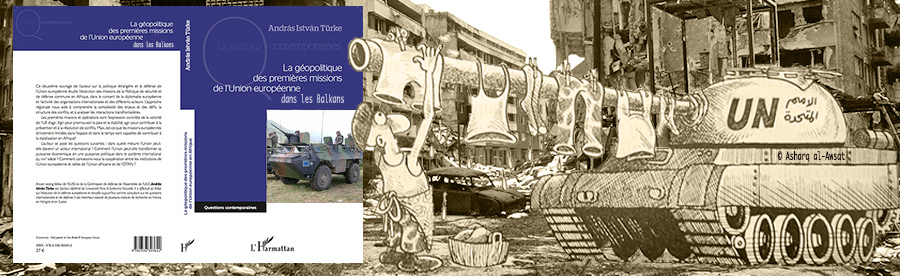
We are looking for sponsors for the English translation of these books, please contact turkeandras(at)gmail(dot)com