
Vous êtes ici
Agrégateur de flux
Au Mali, les Russes reprennent Kidal mais la paix attendra
La reprise de Kidal remet en scène la puissance militaire russo-malienne. Mais derrière les gains territoriaux, une question demeure : qui protège les populations ? Les données sur les victimes civiles et les enquêtes indépendantes interrogent les résultats du partenariat sécuritaire avec Moscou.
Reprendre une ville ne suffit pas à gagner la paix. Le 6 octobre 2026, les forces maliennes, soutenues par leurs alliés russes, ont réinvesti Kidal après le retrait des séparatistes du Front de libération de l'Azawad. Un succès pour Bamako, qui avait perdu cette place forte du Nord en avril. Le gouvernement annonce un retour progressif de l'administration et des services essentiels. Reste à transformer cette reconquête en sécurité durable. Des experts s'interrogent sur l'efficacité réelle du dispositif sécuritaire russe au Sahel et sur ses résultats sur le terrain. Au-delà du soutien militaire apporté aux régimes en place, une question demeure,cette coopération permet-elle véritablement de renforcer la sécurité des populations et de faire reculer la menace terroriste ?
918 civils tués, ce que disent les données
Le bilan de 2025 apporte un éclairage préoccupant. Selon les données d'ACLED rapportées par Reuters et reprises sur le site de l'organisme, 918 civils ont été tués au Mali par l'armée et les groupes paramilitaires russes Wagner et Africa Corps, contre 232 par le JNIM et l'État islamique au Sahel. Le rapport entre ces deux chiffres atteint 3,96, soit presque quatre pour un. Ce calcul porte uniquement sur les catégories d'acteurs et les décès civils cités. Il ne mesure ni l'ensemble des morts du conflit ni la totalité des violences djihadistes.Surtout, les 918 victimes ne peuvent pas être attribuées au seul Africa Corps : le décompte rassemble plusieurs forces sur une année de transition entre les deux dispositifs russes. Cette distinction est indispensable pour évaluer leur responsabilité sans fabriquer un bilan trompeur.
De Wagner à Africa Corps, une rupture à démontrer
Africa Corps a succédé à Wagner au Mali en juin 2025. Ce changement ne règle pas, à lui seul, la question des pratiques militaires et de leur contrôle. Dans une enquête publiée le 29 septembre 2026, Amnesty International documente 34 civils tués dans sept localités, au cours d'incidents survenus entre 2023 et 2025 impliquant les forces maliennes et leurs alliés de Wagner. Fondé notamment sur 119 entretiens avec des réfugiés, ce travail décrit des faits qu'Amnesty qualifie de crimes de guerre. L'organisation demande également la publication de l'accord encadrant la présence d'Africa Corps. Les autorités maliennes, sollicitées le 3 août, n'avaient pas répondu au moment de la publication. Ces cas documentés ne doivent pas être additionnés au bilan d'ACLED : les périodes et les méthodes diffèrent, et des recoupements sont possibles.
Des résultats militaires, mais quelle sécurité quotidienne ?
Le bilan ne se résume pourtant pas à une absence totale de résultats. Dans son analyse de décembre 2025, ACLED relevait le rôle croissant d'Africa Corps dans la protection des convois de carburant et des axes d'approvisionnement du sud du Mali. L'organisme soulignait simultanément les limites du partenariat russe face à l'expansion des groupes armés. C'est là que doit se situer précisément l'évaluation ; Au-delà des villes reprises, combien de routes restent praticables ? Combien de familles peuvent rentrer chez elles ? Les violences contre les civils diminuent-elles durablement ?Les chiffres disponibles ne permettent pas d'isoler l'effet du seul Africa Corps sur l'évolution du conflit. Ils imposent cependant de confronter le discours de stabilisation au sort des populations. La promesse sécuritaire russe ne se jugera pas seulement aux positions militaires conservées, mais à la possibilité, pour les Maliens, de vivre sans fuir.
Catégories: Afrique
France : le marché parisien des Enfants rouges détruit par une incendie
Un incendie a entièrement détruit dans la nuit de dimanche à lundi le marché historique des Enfants rouges, dans le 3e arrondissement de Paris. Le feu, dont l’origine reste inconnue, n’a fait aucune victime et ne s’est pas propagé aux immeubles voisins. Fondé en 1615, ce marché couvert était considéré comme le plus ancien de la capitale. Les précisions sur place d'Alexandra Quarini.
Catégories: France
France : après la primaire, Raphaël Glucksmann face au casse-tête de la gauche
Raphaël Glucksmann remporte la primaire de la gauche dès le premier tour, avec 66 % des voix, en vue de la présidentielle de 2027. Une victoire nette qui conforte sa ligne politique, notamment son refus d’une alliance avec La France insoumise de Jean-Luc Mélenchon. Mais comme l'explique la journaliste de France 24 Flore Simon, le plus difficile commence : parvenir à rassembler une gauche profondément divisée autour de sa candidature.
Catégories: France
France : plusieurs personnes blessées par balle dans un lycée à Aubagne
Le principal du collège Joseph-Lakanal d'Aubagne (Bouches-du-Rhône) ainsi qu'une professeure ont été blessé par balles lundi et un jeune de 14 ans a été interpellé, plusieurs sources précisant que le pronostic vital des victimes n'était pas engagé. Les ministres de l'Education et de l'Intérieur se rendent sur place.
Catégories: France
Sicherheit vor Demokratie & Nachtreten beim Bas-Rücktritt
Catégories: Diplomacy & Defense Think Tank News
Sicherheit vor Demokratie & Nachtreten beim Bas-Rücktritt
Catégories: Diplomacy & Defense Think Tank News
The Real Footprint of Trump’s Data Center Boom
What the sprawling buildout means for energy, water, and land.
Catégories: Diplomacy & Crisis News
Les crises humanitaire du 21e siècle : La situation au Liban
Au cours du 21e siècle, le Liban est resté l’un des principaux pays d’accueil des réfugiés de la région : Palestiniens depuis 1948, Irakiens après 2003, puis Syriens à partir de 2011. Cette pression s’est conjuguée à une succession de chocs : guerre de 2006, effondrement économique de 2019, explosion du port de Beyrouth en 2020 et escalades répétées avec Israël. Le pays semble ainsi pris dans une crise qui ne cesse de resurgir. Depuis trente ans, Première Urgence internationale (PUI) apporte une assistance indispensable aux populations les plus vulnérables et les plus touchées par le conflit au Moyen-Orient. Aujourd’hui, la multiplication des crises dans un même environnement sous haute tension invite à s’interroger sur les conditions des travailleurs humanitaires.
Comment décririez-vous la situation humanitaire actuelle au Liban ? Peut-on parler d’une crise systémique, et quelles impasses de la réponse humanitaire cette récurrence révèle-t-elle ? Comment les équipes humanitaires travaillent-elles sur le terrain alors que la situation ne cesse de se dégrader ? Comment préservez-vous la capacité d’action de vos équipes locales, souvent elles-mêmes touchées par la crise ? L’action humanitaire au Liban est-elle affectée par la contraction des financements du secteur ? La « priorisation des crises » adoptée par l’ONU vous paraît-elle une adaptation nécessaire ou une tendance dangereuse, risquant de reléguer des crises comme celle du Liban au rang de crises oubliées ?
Le point avec Olivier Routeau, directeur des opérations de PUI et responsable pédagogique de la formation Humanitaire et Développement d’IRIS Sup’.
L’article Les crises humanitaire du 21e siècle : La situation au Liban est apparu en premier sur IRIS.
Catégories: Diplomacy & Defense Think Tank News
Jean-Michel Abimbola reçoit les félicitations des Élu.e.s Français.e.s d'Origine Béninoise
L'Association des Élu.e.s Français.e.s d'Origine Béninoise (EFOB) félicite Babalola Jean-Michel Hervé Abimbola pour sa nomination au poste d'ambassadeur du Bénin en France. Elle a également réaffirmé sa volonté de renforcer la coopération entre les collectivités françaises et béninoises et de poursuivre ses projets en faveur du développement local, de l'accès à l'eau potable dans les écoles, de la formation professionnelle et de l'accompagnement des jeunes en situation de vulnérabilité.
Catégories: Afrique
1,7 tonne de chanvre indien saisie, 5 personnes interpellées
La Police républicaine a saisi 1 714,56 kg de chanvre indien et interpellé cinq personnes lors d'une opération menée, dimanche 11 octobre 2026, dans le village de Djabata Kango, arrondissement de Bessé, commune de Savè.
L'opération a été conduite par la Police républicaine, à la suite de renseignements faisant état de la culture de chanvre indien dans l'arrondissement de Bessé. Après plusieurs semaines de surveillance, les policiers sont intervenus sur les lieux dimanche vers 6 heures et ont surpris cinq individus en pleine récolte.
La marchandise saisie était conditionnée dans 60 sacs de jute. Les forces de sécurité ont également récupéré une motocyclette de marque Bajaj, deux fusils de chasse et un autre de calibre 12.
Les plantations s'étendent sur plusieurs parcelles couvrant plus de trois hectares. Selon les informations, un hectare de culture reste à détruire.
Les cinq personnes interpellées ont été mises à la disposition de l'Office central de répression du trafic illicite des drogues et des précurseurs (OCERTID) pour la suite de la procédure. Les propriétaires présumés des parcelles, absents lors de l'intervention, sont activement recherchés.
Catégories: Afrique
Aubagne : un élève ouvre le feu dans un collège, le proviseur et une enseignante blessés
Le principal et une professeure du collège Joseph-Lakanal à Aubagne (Bouches-du-Rhône) ont été blessés par balles lundi et un jeune de 14 ans a été interpellé, a appris l'AFP de source policière. Le père de l'adolescent "est en garde à vue", a indiqué sur place le ministre de l'Intérieur, Laurent Nuñez.
Catégories: France
Guerre en Ukraine: pourquoi les drones russes deviennent un cauchemar pour Kiev?
Les drones russes changent de génération et compliquent la tâche de la défense ukrainienne. Les nouveaux Geran-5, plus rapides et plus agiles, se rapprochent des missiles de croisière. Ils frappent notamment des infrastructures à Kiev avec une efficacité qui met à l’épreuve les systèmes d’interception ukrainiens. Pourquoi l’armée ukrainienne peine-t-elle désormais à les contrer ? Dispose-t-elle des moyens nécessaires pour faire face à cette nouvelle menace ?
Catégories: Union européenne
From Xinjiang to the Front Lines of Syria
How Uyghur militants were dragged into civil war.
Catégories: Diplomacy & Crisis News
Eine faire Pflegefinanzierung ist möglich
Die Regierung will das Finanzloch der Pflegeversicherung durch höhere Beiträge stopfen. Dabei gäbe es gerechtere Wege – echte Solidarität und hohe Vermögen ranziehen., Die Reform der gesetzlichen Pflegeversicherung ist dringend notwendig: Die Zahl der Pflegebedürftigen in Deutschland hat sich in den vergangenen 20 Jahren auf inzwischen mehr als sechs Millionen Menschen verdreifacht. Ohne Gegenmaßnahmen droht der Pflegeversicherung bereits 2028 eine ...
Catégories: Diplomacy & Defense Think Tank News
How Nepal is Learning To Cope With the Psychological Toll of Its Missing
Photos of the Rasuwa flood missing line the walls of the Teaching Hospital, Tribhuvan University. Credit: Brandon Kohrt
By Diwash Gahatraj
KATHMANDU, Oct 12 2026 (IPS)
Nearly three decades ago, in the final stretch of Nepal’s civil war, Dr Brandon Kohrt sat with parents whose sons had been conscripted as child soldiers and never returned.
Nobody could tell them what had happened, whether their sons were alive somewhere, whether they were dead, or even where to begin looking. That absence of an answer, Kohrt says, never really left those families. It is the same absence now facing thousands of households across Nepal, after catastrophic floods swept away entire communities.
On August 26, floods and landslides tore down the Bhotekoshi and Trishuli river valleys in Nepal’s Rasuwa district, killing well over a thousand people and leaving thousands more missing, one of the deadliest natural disasters in the country’s recent history.
Kohrt has spent nearly 25 years in Nepal, long enough to watch the country move through this same unresolved grief again and again, first during that war, then after a devastating earthquake, and now, once more, before a wall of missing-persons photographs at Kathmandu’s Teaching Hospital.
Only a small fraction of the recovered bodies have been identified so far. These missing men and women are not just numbers — they add up to a history that stretches back decades in Nepal to that same conflict and the earthquakes that followed it, when entire families waited years for people who never returned. Tracking these disappearances and the psychological toll they leave on families and Nepali society at large has occupied Kohrt ever since.
Kohrt is a professor of psychiatry, global health, and anthropology at George Washington University and has served since 2006 as a technical advisor to the Transcultural Psychosocial Organization Nepal.
Much of his work centres on ambiguous loss, the specific, suspended grief that comes when someone is gone but there’s no body, no confirmation, and nothing to mourn against. The term was coined in the 1970s by Pauline Boss, an American family therapist who began studying it through the wives of US soldiers missing in action in Vietnam, women who couldn’t say for certain whether they were married or widowed.
Boss found the condition wasn’t confined to one culture or one kind of disaster. Researchers have since studied it among families of the disappeared during Argentina’s military dictatorship, families of migrants lost crossing borders in Europe and Africa, and among the families with whom Kohrt sat decades ago. He has worked directly with Boss for over a decade and has applied her framework in Nepal for years before this disaster ever struck.
In the weeks since the floods struck, that gap between the dead and the missing has filled with people. Nepali families search alongside Indian, American, Ukrainian, and Malaysian families thousands of miles away, all waiting on the same uncertain word.
IPS spoke with him about what that grief looks like this time, what’s changed for him after his years of returning to the same wound, and what he’s learned, watching people find ways to keep living without an answer.
Dr Brandon Kohrt, professor of psychiatry, global health, and anthropology at George Washington University and technical advisor to the Transcultural Psychosocial Organisation, Nepal.
Excerpts from the interview follow.
IPS: For readers encountering the term for the first time, what is ambiguous loss?
Kohrt: It’s an important psychological concept, and I want to say at the outset, it is not a mental illness. It’s something anyone can go through. It’s when you still have the psychological sense of someone’s presence in your life, typically a loved one, but there is no physical evidence of either their life or their death. There’s no phone call, no video, nothing to prove they’re still living. But there’s also no body, no proof that they’re deceased.
Nearly every culture has rituals around a body that help us mourn and accept a loss. When there’s no body, we’re stuck in emotional limbo, caught between hope and despair. Some people jump right away to accept their loved one is gone, even without confirmation. Others maintain hope beyond even expectations of reality. We’re all on a different spectrum, and it’s very personal, very individualised. Ambiguous loss is also a real risk factor for what we call complicated grief, a longer, more psychologically difficult kind of mourning, with a higher risk of depression and anxiety.
With 6,145 people still missing in Nepal and only a fraction of recovered remains identified, that state of unresolved uncertainty isn’t abstract. It’s the present condition of thousands of families right now. IPS asked Kohrt how Nepal has faced this same experience before.
IPS: You’ve now worked in Nepal through the Maoist conflict, the 2015 earthquake, and this flood. What connects them?
Kohrt: I first came to Nepal in 1996, right at the start of the civil war. Toward the end of it, I worked with an organisation here, TPO Nepal, on the mental health needs of former child soldiers. Some of those parents never found out what happened to their children. Ambiguous loss was part of the psychosocial reality here even then, decades before this flood, and those families often carried an added burden – communities sometimes treated them with suspicion or blame simply for having a missing relative linked to the conflict, something families searching after this flood aren’t facing in the same way, since so many communities have been affected together.
After the 2015 earthquake, most bodies were recovered, and families were able to do funeral rites, but there are still villages, not far from where this disaster has struck now, where landslides buried people who were never found. This isn’t Nepal’s first experience with this exact kind of unresolved loss in some of these same communities.
A house damaged by the Rasuwa flood. Credit: Brandon Kohrt
IPS: In Nepal specifically, are there rituals that help families cope when there’s no body?
Kohrt: There’s a ritual called Kush Kriya, using grass to essentially perform a substitute funeral when there’s no body. It’s very helpful, but people need to be ready for it. Some may feel like they haven’t exhausted every possible avenue to find their loved one, and they’ll refuse to do it. There’s also a different ritual, Bakal Garne, more like a promise or a wish, maybe to a temple, maybe releasing fish into a river. That one doesn’t require accepting death. You can do a Bakal Garne hoping for your loved one’s safe return or simply hoping to find their body so you can do the cremation you need to do.
Even without an old ritual to lean on, Kohrt says, people still need something to actively do.
IPS: You mentioned people in Nepal are giving DNA samples right now, sometimes more than one, in different countries. What does that process do for a family psychologically?
Brandon Kohrt: Providing a DNA sample has a symbolic meaning that goes beyond its forensic purpose. You’re taking a piece of yourself and giving it in hopes of finding your loved one. Even if the result never confirms anything, the act itself becomes almost another form of ritual. People need to feel active and engaged, rather than passive and helpless.
That instinct, to act rather than wait, is something Kohrt has watched play out across every disaster he’s worked through in Nepal.
IPS: Does arriving at a disaster site feel different to you now than it did 25 years ago, or does something in you brace the same way each time?
Brandon Kohrt: With the earthquake, you could walk through neighbourhoods and see and touch the destruction right in front of you. But with the flood, when I arrived in Nuwakot, I could see some destroyed buildings and others submerged in mud. What you can’t see are all the buildings, bridges, vehicles, and people that were taken by the flood and washed away. This is much more a disaster of absence than a typical disaster of ruins. This will be something much more common with climate change-related disasters, where places gradually and abruptly disappear.
Professionally, the biggest difference is going from being hands-on in the response to being more of a supportive observer. Foreign expertise really isn’t needed anymore; there’s such a strong local Nepali mental health emergency response community now, from psychiatrists to community psychosocial workers.
One colleague, who I first hired at TPO Nepal twenty years ago, is now leading donor coordination and setting out a vision for what’s needed over the next three years. If foreign aid and development is successful, you should get to a point where disaster response is led locally, like we’re seeing in Nepal now.
IPS: You described the photo wall at Teaching Hospital. What does it do to you personally, standing there again?
Kohrt: It was really difficult standing in front of the wall of photos. What is so hard is thinking that behind each photo there are so many family members and friends wondering what happened to this person. Some are holding out hope; some are trying to accept the loss and move toward grief. Each face represents someone who was a sister, a mother, a daughter, a friend, a neighbour, or a coworker to all these other people. For every face we see, there are scores of people suffering.
A house damaged by the Rasuwa flood. Credit: Brandon Kohrt
IPS: Do you find yourself getting better at holding this kind of grief over the years, or does it stay just as hard each time?
Brandon Kohrt: I would say I am better at connecting with grief, acknowledging and sharing in others’ grief. A year after the earthquakes, I was in Nepal when one of my brothers died in the United States. I didn’t make it home in time to see his body before he went to the hospital morgue and was cremated.
I remember how hard it was grieving without having seen his body. That pales in comparison to the ambiguous loss thousands of families in Nepal are experiencing as the search for bodies continues. But it’s something that comes up for me when I talk to grieving families and hear their stories. It cracks open a window to allow the flow of empathy.
IPS: After all these years, what have you learned about how people manage to keep living when there is no answer forthcoming?
Brandon Kohrt: It’s how people move on. People have an incredible ability to carry a lot inside of them – pain, loss, unfulfilled hope, and grief – and keep moving forward in life. A lot of what people went through with the flood will be something they carry with them psychologically, but day-to-day survival requires focusing on taking care of children, caring for elderly relatives, and finding a new place to live. This shouldn’t be confused with recovery or resilience. It’s just getting by, which so many people do after a disaster. What good psychosocial and mental health support does is be available for those moments when some of that pain and grief can surface so that when people are ready, they have that support waiting for them.
IPS UN Bureau Report
Catégories: Africa, European Union
SUARE II-Kickoff: Gelungener Auftakt der 2. Projektphase am DIW Berlin
Am 8. und 9. Oktober traf sich das Team des Forschungsprojekts „Längsschnittstudie zu Geflüchteten aus der Ukraine in Deutschland (SUARE)“ am DIW Berlin zum Auftakt der zweiten Projektphase.
SUARE begleitet Menschen, die infolge des russischen Angriffskriegs auf die Ukraine nach Deutschland ...
Catégories: Diplomacy & Defense Think Tank News
Les résultats du DIGITAL 08 H
DIGITAL 08H : Avez-vous tenté votre chance ?
Le tirage DIGITAL 08H N°259 a livré son verdict !
Lundi 12 Octobre 2026
Avez-vous joué ?
Avez-vous misé sur vos numéros porte-bonheur ?
RÉSULTAT : 81 • 26 • 47 • 73 • 04
Félicitations aux heureux gagnants !
Pas encore cette fois ? Gardez le sourire.
Rendez-vous à 11H pour le prochain tirage.
Jouez dans les points de vente ou : Tapez *590# ou rendez-vous sur lnbloto.bj
Jouez avec modération et responsabilité. Le jeu doit rester un plaisir.
A TOI DE JOUER #XòGbɔnAlɔkpaVo
#LNBSA #JeuResponsable #LaChanceAvecModération
LA CROIX DU LUNDI 12 OCTOBRE 2026

Catégories: Afrique
America Shouldn’t Let Go of the Middle East
Why disengagement is not the answer.
Catégories: Diplomacy & Crisis News
Chinese Robots Could Decide the AI Race
Scott Singer and Pavlo Zvenyhorodsky, researchers at Carnegie’s China AI Initiative, argue that China is betting that AI dominance will come from combining hardware and software, or AI-powered robots. By focusing only on software such as AI models, they argue, Washington and Silicon Valley risk falling behind.
Catégories: Diplomacy & Crisis News
Elek Balázs – Modern kihívások a kritikus infrastruktúrák védelmében
Napjainkban a hibrid fenyegetések korát éljük. Már nem kell egy államnak nyílt háborút indítania az ellenlábasa ellen, hogy komoly zavarokat, károkat okozzon. Sokkal kifinomultabb eszközök is léteznek manapság, melyek egyszerűbben, kisebb kockázattal alkalmazhatók, sőt, akár az államtól független szereplők is képesek lehetnek ezek bevetésére. Az egyik ilyen eszköz nem más, mint a kritikus infrastruktúrák, létesítmények elleni támadások mind a fizikai, mind a kibertérben. A hibrid fenyegetések pedig hibrid védelmi megoldásokat igényelnek a biztonsági szereplők részéről.
Mi is az a kritikus infrastruktúra? Az Európai Tanács irányelve1 szerint azon eszközök vagy rendszerek, amelyek elengedhetetlenek a létfontosságú társadalmi feladatok ellátásához, az egészségügyhöz, a biztonsághoz, valamint az emberek gazdasági és szociális jólétéhez. Az irányelv meghatározza továbbá az úgynevezett európai kritikus infrastruktúra fogalmát is (European critical infrastructures, ECI), amely az uniós országokban található olyan kritikus infrastruktúra, amelynek megzavarása vagy megsemmisítése jelentős hatással lenne legalább két uniós országra (pl. villamosenergia-erőművek vagy olajszállító vezetékek). Ezen infrastruktúrák vonatkozásában is alkalmazandók azok az alapelvek és védelmi mechanizmusok, amelyek kifejtésére alább sor kerül, védelmüknek részletes tárgyalása viszont meghaladná ezen esszé kereteit.
A kritikus infrastruktúra fentebb leírt fogalmából következik, hogy miért is kiemelten fontos feladat a védelme; valamely elemének zavara az egész társadalomra jelentős negatív hatást gyakorol, így ennek megelőzése nemzetbiztonsági érdek, amely közös erőfeszítést igényel több állami illetve magánszereplő részéről. Ezen folyamat fő szempontjainak bemutatása az esszé célja.
A kritikus infrastruktúra védelmének első lépése a kockázatértékelés, amely során reális képet kaphatunk, milyen elhárítani kívánt veszélyekkel kell számolnunk, milyen sérülékenységek elhárítására kell felkészülnünk. Fontos leszögezni, hogy napjainkban már nem csupán a szó legszorosabb értelmében vett védelemről beszélhetünk a kritikus infrastruktúra kapcsán, hiszen az Európai Parlament és a Tanács újabb, 2022-es irányelve2 korszerűbb felfogásban átdolgozta, kiegészítette a fentebb hivatkozott, 2008-as irányelvet. Ebben immár a reziliencia, vagyis az ellenállóképesség követelményét határozták meg, szerteágazóbb vizsgálatra van tehát szükség.
A mérlegelni szükséges főbb veszélyek közé tartoznak a természeti katasztrófák illetve a szélsőséges időjárás, ami az idei extrém szárazság tükrében különösen aktuálissá vált. Figyelembe kell venni, hogy a hőmérsékleti értékek és a csapadék mennyisége és gyakorisága megváltozott ahhoz képest, amire egy létesítmény tervezve lett akár néhány évtizeddel ezelőtt, vizsgálni szükséges tehát, milyen zavarokat okozhat ez a rendeltetésszerű működés során. Számolni kell továbbá a műszaki meghibásodásokkal, amelyek kiküszöbölése inkább mérnöki, mintsem biztonságszakmai kérdéskörbe tartozik, de a kockázatértékelés során nem mehetünk el mellette szó nélkül, különösen a reziliencia követelményére figyelemmel. Tervvel kell rendelkezni a különböző elemek, alkatrészek hibáinak elhárítására, javítására és cseréjére. Vizsgálni szükséges továbbá az ellátási láncok, függőségek témakörét, mit csinálunk például, ha nem áll rendelkezésre a működéshez elég áram, víz vagy gáz? Hogyan tudjuk a létesítményünket vagy rendszerünket működtetni csökkentett üzemmódban, honnan tudjuk pótolni a kiesett energiát, alapanyagot? Kell-e, tudunk-e diverzifikálni a beszerzések során a függőségek csökkentésére?
Térjünk rá végül az emberi tevékenység által előidézett zavarokra. Itt szó lehet szabotázsról, fizikai vagy kibertámadásról, esetleg az ellátási láncok megzavarásáról. Úgy tartják, hogy a technológia háborúban fejlődik a leggyorsabban, aminek igazáról első kézből győződhetünk meg a szomszédunkban zajló konfliktus kapcsán. Négy évvel ezelőtt még tankok vonulásáról és vadászgépek által elért légi fölényről volt szó, ma pedig a háborús felek tömeggyártott, filléres drónokkal tudnak húsba vágó károkat okozni egymás energetikai rendszereiben akár a fronttól többszáz kilométeres távolságban. Komplex tervezés szükségeltetik tehát a megfelelő védelemhez.
A kockázatértékelés fázisát követi a tervezés szakasza, amely során meghatározzuk azokat az intézkedéseket, amik alkalmasak az értékelés során feltárt veszélyek, sérülékenységek elhárítására. Ennek része kell, hogy legyen a fizikai védelem, ami ideális esetben az élőerős őrzés és az intelligens rendszerek, mint a biztonsági kamerák, mozgásérzékelők, tűzjelző rendszerek kombinációja. A biztonsági rendszerek biztosítják számunkra a folyamatos, objektív megfigyelést, míg az élő erő a rugalmasságot és a döntéshozatalt. Ki kell dolgozni az illetéktelen személyek távoltartásának módját például kerítés vagy más fizikai akadály létesítésével. Szükséges a létesítmény területére való belépési pont(ok) kijelölése és a belépés módjának meghatározása. Talán a biztonsági őrnél elhelyezett listák és az arcmemóriára való hagyatkozás ideje már lejárt, így célszerű valamilyen beléptető rendszer telepítése, ami csökkenti a hibák lehetőségét. Meg kell határozni azt is, hogy a belépésre jogosult személyek, dolgozók milyen módon azonosítják magukat a könnyebb ellenőrizhetőség érdekében, célszerű például jól látható helyen hordott belépőkártya és/vagy egyenruha viselésének előírása területen belül.
Elengedhetetlen, hogy kidolgozásra kerüljenek különböző cselekvési tervek az egyes rendkívüli események bekövetkeztének esetére, így nem fokozott stresszhelyzetben, az idő szorításában kell majd döntést hozni. Ezeket célszerű gyorsan elérhető helyen, fizikai formában tárolni, például az őrség vezetőjénél vagy más, döntéshozatalra feljogosított személynél, így egy esetleges áramkimaradás vagy az elektronikus adatok elérhetetlenné válása esetén is hozzáférhetőek maradnak.
Ezzel pedig rá is kanyarodhatunk a legújabbkori fenyegetésekre, a kibertámadásokra. Mivel egyre több adatot tárolunk elektronikusan, és sok rendszer, erőmű, közlekedési vállalat egyre inkább automatizáltan működik, ezen adatok elérhetetlenné tétele, illetéktelen törlése vagy ellopása nagyban megzavarhatja vagy akár meg is béníthatja az adott infrastruktúra működését. Fontos tehát ezeket megfelelő védelemmel ellátni a külső behatolással szemben, magától értetődő tehát egy korszerű vírusírtó és tűzfal alkalmazása, valamint biztonsági másolat készítése. Minden védelem azonban annyira erős csak, mint a leggyengébb láncszeme, ami itt nem más, mint az ember. A könnyen felismerhető tömeges spamek után megjelent a célzott adathalászat, az úgynevezett „spear phishing”, ahol az elkövetők célzott adatgyűjtést végeznek az adathalászattal megcélzott személy, munkavállaló kapcsán, majd személyre szabott üzenettel próbálják rávenni, hogy egy fertőzött fájlt, linket megnyisson, valamilyen jelszót vagy adatot megadjon részükre, esetleg pénzt utaljon át. Egy hihető történetet kreálnak, gyakran a célszemély kollégájának, főnökének vagy egy vele kapcsolatban álló cég képviselőjének adják ki magukat, általában sürgető jelleggel azonnali intézkedést kérnek, ami alkalmas lehet arra, hogy az ítélőképességet befolyásolják.3 Szükséges tehát a munkavállalók edukálása a legújabb módszerek, trendek kapcsán, hogy felismerhessék az adathalászati kísérleteket. Metodikát kell továbbá kidolgozni az esetleges adatvesztés bejelentésének módjára, következményeinek csökkentésére, a további veszteségek elhárítására.
A tervezési szakaszt követi a védelem végrehajtása. Fontos leszögezni azonban, hogy a kockázatértékelés nem egyszeri tevékenység; folyamatosan monitorozni szükséges a fennálló helyzetet, körülményeket, elemezni a rendelkezésre álló információkat, szükség szerint felülvizsgálni a kialakított cselekvési terveket.
A védelem mindig szoros együttműködést igényel a tényleges fizikai védelmet általában ellátó biztonsági szolgálat vagy az erre a feladatra rendelt rendőrök, az általános rendőri feladatok ellátására létrehozott szerv, a terrorelhárítási feladatokat ellátó szerv illetve a titkosszolgálatok között, mely főleg az információmegosztáson és a koordináción, a hatáskörök tisztázásán alapul.
A világ, és így a biztonsági helyzet is gyorsabban változik, mint az emberiség történetében valaha, ezért a kritikus infrastruktúra védelméért felelős szakembereknek is naprakésznek, dinamikusnak és rugalmasnak kell lenniük, hogy lépést tarthassanak a napról napra fejlődő fenyegetésekkel.
Felhasznált források:
1 Az Európai Tanács 2008/114/EK irányelve (2008. december 8.) az európai kritikus infrastruktúrák azonosításáról és kijelöléséről, valamint védelmük javítása szükségességének értékeléséről
2 Az Európai Parlament és a Tanács (EU) 2022/2557 irányelve (2022. december 14.) a kritikus szervezetek rezilienciájáról és a 2008/114/EK tanácsi irányelv hatályon kívül helyezéséről
3 What is spear phishing? (https://www.cisco.com/site/us/en/learn/topics/security/what-is-spear-phishing.html)
A Elek Balázs – Modern kihívások a kritikus infrastruktúrák védelmében bejegyzés először Biztonságpolitika-én jelent meg.
Catégories: Biztonságpolitika
Pages


© 2012-2018 Europa Varietas Foundation © 2015-2018 Europa Varietas Association
www.europavarietas.org | info(@)europavarietas(dot)org | Switzerland
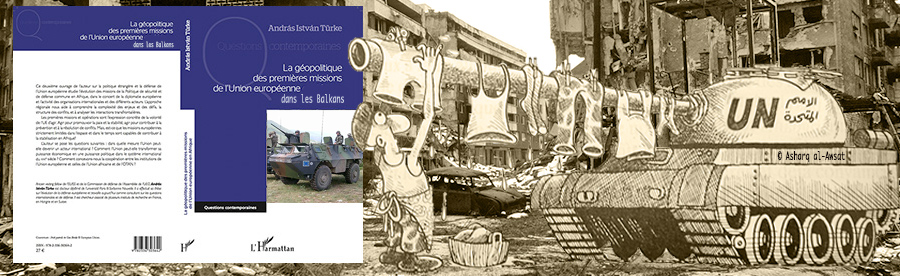
We are looking for sponsors for the English translation of these books, please contact turkeandras(at)gmail(dot)com