
Vous êtes ici
Agrégateur de flux
The China Factor in Cuba-US Tensions
Insights from Orlando J. Pérez
Catégories: Diplomacy & Crisis News
Au Sénégal, les supporters réclament la démission du président de la FSF
Au Sénégal, la colère monte. Des supporters réclament la démission du président de la FSF après l'échec du Mondial 2026. Ils dénoncent aussi les dysfonctionnements extra-sportifs qui ont marqué la campagne des Lions aux USA.
Catégories: Afrique
La fin de la frontière entre Gibraltar et l’Espagne referme «une plaie ouverte»
La fin des contrôles douaniers à la frontière entre l’enclave britannique de Gibraltar et l’Espagne, entrée en vigueur à minuit, referme une « plaie ouverte » pendant des dizaines d’années, s’est félicité mercredi 15 juillet le Premier ministre espagnol Pedro Sánchez.
Catégories: Union européenne
Un couple interpellé pour présumé vol d'un bébé
Un couple a été interpellé à Adjarra, dans le département de l'Ouémé, à la suite de soupçons portant sur l'origine d'un nouveau-né présenté dans un centre de santé pour une séance de vaccination. L'affaire, qui remonte au vendredi 10 juillet 2026, fait désormais l'objet d'une enquête menée par l'Office central de protection des mineurs (OCPM).
Les faits se sont déroulés au Centre de santé d'Adjarra 1, où une femme de 37 ans s'y est rendue avec un bébé de sexe féminin selon Libre Express. La sage-femme a remarqué que la nourrice ne présente aucun signe physique d'un accouchement récent.
Elle n'a pas été en mesure non plus de présenter les documents relatifs à la naissance de l'enfant. Selon ses dires, elle a accouché dans une clinique située à Lagos, au Nigeria.
Les policiers ont mené une enquête, notamment auprès du Centre hospitalier départemental de l'Ouémé (CHD-O).
Le conjoint de la suspecte, un enseignant d'anglais âgé de 43 ans en poste dans un établissement scolaire du nord du Bénin, a également été interpellé.
Présenté aux autorités judiciaires, le dossier a été confié, sur instruction du président du Tribunal de première instance de Porto-Novo, à l'Office central de protection des mineurs. Les investigations se poursuivent pour faire la lumière sur cette affaire.
Catégories: Afrique
Le corps sans vie d'un homme retrouvé dans la lagune à Dantokpa
Le corps sans vie d'un jeune homme a été découvert, mardi 14 juillet 2026, dans la lagune aux abords du marché de Dantokpa.
Découverte macabre dans la lagune de Cotonou. Un corps sans vie a été retrouvé par les usagers du marché Dantokpa. Il s'agit d'un individu de sexe masculin.
Les agents du Commissariat de Dantokpa ont procédé au constat. Le corps a été repêché par les services compétents.
Une enquête devrait permettre de déterminer l'identité de la victime ainsi que les causes exactes de son décès.
Catégories: Afrique
Trump’s Boat Strikes Are Crimes Against Humanity
Rodrigo Duterte’s prosecution at the International Criminal Court shows why U.S. officials should be worried.
Catégories: Diplomacy & Crisis News
Algérie Poste disjoncte à son tour : Panne géante des DAB dans plusieurs wilayas
L’établissement public Algérie Poste a apporté, ce mercredi, des éclaircissements concernant les perturbations techniques qui affectent actuellement certains de ses services monétiques à travers plusieurs […]
L’article Algérie Poste disjoncte à son tour : Panne géante des DAB dans plusieurs wilayas est apparu en premier sur .
Catégories: Afrique
Ghana : deux Nigérians arrêtés alors qu’ils tentaient de fuir vers le Togo après le meurtre présumé de leur compatriote
Les autorités ghanéennes ont interpellé deux ressortissants nigérians soupçonnés d’avoir assassiné l’un de leurs compatriotes avant de tenter de prendre la fuite vers le Togo.
Selon un communiqué de la police régionale du Nord, relayé par le site d’information Koaci, Daniel Victor Eze et David Oko Ewa ont été arrêtés le samedi 11 juillet sur la route de Tatalé, alors qu’ils tentaient de rejoindre le Togo voisin.
La victime, identifiée comme Nkemujika Uzorchuku Eze, 36 ans, a été retrouvée sans vie dans sa chambre à Sanzirigu, dans la périphérie de Tamalé. Son corps a ensuite été transporté à la morgue du Centre hospitalier universitaire (CHU) de Tamalé, où une autopsie doit être pratiquée.
Les premières constatations des enquêteurs font état d’une profonde entaille au front de la victime ainsi que d’une serviette introduite dans sa bouche. La chambre présentait également des signes évidents de saccage.
Les investigations ont révélé que la victime vivait dans un appartement de trois pièces avec son épouse, Peace Uzorchuku, les deux suspects et un autre ressortissant nigérian, Godwin Nwafor. Au cours de la perquisition, les policiers ont saisi un pilon en bois, considéré comme une possible arme du crime, ainsi que plusieurs autres éléments qui feront l’objet d’analyses médico-légales.
D’après la police, les deux suspects ont reconnu, lors de leur interrogatoire, avoir planifié le meurtre. Ils auraient expliqué avoir agi parce qu’ils accusaient la victime de s’être approprié une somme d’argent obtenue, selon eux, à travers une fraude sur internet.
Les deux hommes ont été placés à la disposition du Département des enquêtes criminelles de Tamalé et doivent être présentés devant la justice. Les enquêteurs poursuivent leurs investigations, notamment à travers l’exploitation des preuves scientifiques et la collecte des images de vidéosurveillance disponibles dans le secteur.
Togoactualité
The post Ghana : deux Nigérians arrêtés alors qu’ils tentaient de fuir vers le Togo après le meurtre présumé de leur compatriote appeared first on Togo Actualite - Premier site d'information du Togo.
Catégories: Afrique
Ebola : en RDC, l’épidémie progresse à un « rythme sans précédent » selon MSF, plus de 2 000 cas recensés
L’épidémie pourrait être au moins deux à quatre fois plus importante que ne le laissent penser les chiffres officiels, d’après l’OMS.
Catégories: Afrique
«Une appropriation indue» : Attal annonce des poursuites contre Le Pen autour du slogan «Renaissance»
L’ex-premier ministre dénonce une «contrefaçon de marque» et un «parasitisme» après l’utilisation du nom du parti présidentiel par la candidate nationaliste.
Catégories: France
South Korea’s Biggest Criminal Justice Reform
Controversy is raging over how – and how much – to shave the prosecutors’ inordinate powers.
Catégories: Diplomacy & Crisis News
Zimbabwe : 80 000 rapatriés après les violences en Afrique du Sud
Près de 80 000 Zimbabwéens ont regagné leur pays après les violences xénophobes en Afrique du Sud. La majorité est revenue par ses propres moyens, malgré un dispositif de rapatriement mis en place par les autorités. De retour chez eux, ils racontent les épreuves et les traumatismes qu'ils ont vécus.
Catégories: Afrique
Tunisie : Haythem El Mekki, célèbre chroniqueur et critique virulent du président Kaïs Saïed, condamné à un an de prison
Une enquête avait été ouverte contre Haythem El Mekki en vertu d’un décret-loi présidentiel contre les « fausses informations », après une publication sur l’état de la morgue de l’hôpital de la ville de Sfax.
Catégories: Afrique
Togo : Le Pouvoir du Pouvoir qui Pourvoit tout
« C’est une expérience éternelle que tout homme qui a du pouvoir est porté à en abuser ; il va jusqu’à ce qu’il trouve des limites. » Montesquieu écrivait cela en 1748, dans De l’esprit des lois, sans savoir qu’il décrivait par anticipation un problème de plomberie institutionnelle togolaise : que faire lorsque les limites, précisément, approchent ? La réponse est venue de Lomé, le 25 mars 2024, et elle est d’une élégance que le baron de La Brède n’avait pas prévue : on déplace les limites. Ou mieux : on déménage avant qu’elles n’arrivent.
Il fallait oser. Prendre un Parlement dont le mandat avait expiré le 31 décembre 2023 — un Parlement périmé, donc, comme un yaourt oublié au fond du frigo institutionnel — et lui faire voter rien de moins qu’une nouvelle Constitution. La Cinquième République togolaise est née ainsi : d’une assemblée hors délai, sans référendum, sans consultation nationale, à quelques semaines d’élections législatives. Un exploit de gestion des stocks : on écoule la marchandise avant l’inventaire. Les commerçants du Grand Marché de Lomé, qui savent qu’« on ne vend pas le poisson d’hier au prix de celui du matin », apprécieront la leçon inverse : au sommet de l’État, le poisson d’avant-hier a rédigé le menu des vingt prochaines années.
Et voilà que la Cour de justice de la CEDEAO, dans un arrêt du 29 janvier 2026 discrètement rendu public fin juin — la discrétion, cette politesse des institutions —, vient gâcher la fête. Les juges communautaires, ces rabat-joie diplômés, ont osé qualifier l’opération de « changement inconstitutionnel de gouvernement » au sens de l’article 23 de la Charte africaine de la démocratie, des élections et de la gouvernance. Ils sont allés jusqu’à écrire que le moment choisi, le contenu et l’effet escompté de la réforme trahissaient son objectif premier : contourner les limites de mandat présidentiel prévues par l’ancienne Constitution.
Contourner ? Quel vilain mot. Nous, à Lomé, on préfère dire « innover ». Le caméléon, dit le proverbe, change de couleur, jamais de peau. Nos juristes de cour ont fait mieux : ils ont changé la peau de la République pour que le caméléon n’ait même plus à se donner la peine de changer de couleur.
Reconnaissons l’ingénierie, le génie de la manœuvre, et rendons à César ce qui appartient à César — d’autant que César, ici, a rédigé lui-même l’acte de donation. Le problème était simple : la limitation des mandats présidentiels. Deux solutions s’offraient au juriste ordinaire : quitter le pouvoir (grotesque, ne perdons pas de temps là-dessus), ou violer frontalement la Constitution (vulgaire, et surtout démodé depuis que les coups d’État se font en toge plutôt qu’en treillis). Le Togo a choisi la troisième voie, la plus raffinée : garder le pouvoir mais changer l’étiquette sur la porte du bureau.
Machiavel conseillait au Prince de paraître avoir toutes les qualités sans s’embarrasser de les posséder. Nos modernes ont perfectionné le précepte : il suffit désormais de paraître avoir changé de régime sans s’embarrasser de changer de dirigeant. Exit le président élu au suffrage universel — ce rituel encombrant, coûteux, où le peuple s’imagine avoir son mot à dire, cette superstition du XXᵉ siècle. Place au « Président du Conseil des ministres », chef du parti majoritaire, concentrant l’essentiel du pouvoir exécutif, sans limite sérieuse à l’horizon, et — pure coïncidence cosmique, alignement des planètes que les astronomes étudieront longtemps — taillé aux mesures exactes de l’homme qui dirige le pays depuis 2005, lui-même héritier d’un père installé aux affaires depuis 1967.
Faisons le compte, puisque l’arithmétique est la seule science que le pouvoir ne parvient jamais tout à fait à réformer : bientôt soixante ans de continuité familiale. Dans n’importe quelle autre organisation humaine, on appellerait cela une PME dynastique, avec transmission du fonds de commerce et clientèle captive. Au Togo, on appelle cela une République. La cinquième, pour être précis — ce qui laisse penser qu’on garde les quatre premières en pièces détachées, au cas où celle-ci tomberait en panne avant l’échéance. Héraclite enseignait qu’on ne se baigne jamais deux fois dans le même fleuve ; le constituant togolais a démontré qu’on peut se baigner cinq fois dans la même eau, pourvu qu’on repeigne la baignoire entre chaque bain.
La Boétie, dans son Discours de la servitude volontaire, s’étonnait que des millions d’hommes servent « un seul tyranneau » qui n’a « que deux yeux, que deux mains, qu’un corps ». Il n’avait pas envisagé le cas où le tyranneau dispose, en sus, d’un bureau d’études constitutionnelles. Le génie moderne n’est plus de faire obéir le peuple : c’est de réécrire le contrat pendant que le peuple dort, et de lui présenter au réveil la nouvelle édition, reliée cuir, comme un cadeau.
Le plus beau, dans cette affaire, tient pourtant en un détail de procédure que les manuels de droit devraient enseigner au chapitre de la rhétorique. Devant la Cour, saisie par la Ligue togolaise des droits de l’homme et douze autres requérants, l’État togolais n’a tout simplement pas présenté de défense. Aucune conclusion, aucun acte de procédure, malgré les notifications régulières. Jugement par défaut. On imagine la réunion stratégique au sommet : « Si nous ne répondons pas, peut-être que la CEDEAO croira que nous avons déménagé. » Après tout, la méthode avait fonctionné avec la Constitution.
Pascal l’avait pressenti : « Tout le malheur des hommes vient d’une seule chose, qui est de ne savoir pas demeurer en repos, dans une chambre. » L’État togolais, lui, sait demeurer en repos. Il a fait du silence un système de gouvernement et de l’absence une plaidoirie. Il faut dire que répondre aurait exigé d’expliquer, arguments à l’appui, pourquoi un Parlement en fin de vie était habilité à réécrire le contrat social de tout un peuple — exercice périlleux, car Rousseau veille au grain depuis 1762 : une loi que le peuple en personne n’a point ratifiée est nulle ; ce n’est point une loi. Plutôt que d’affronter le Genevois, on a préféré la politique de la chaise vide. Qui ne dit mot consent, prétend l’adage ; le régime en a inventé la variante souveraine : qui ne dit mot espère que le dossier se perdra.
Le silence était, au fond, la plaidoirie la plus honnête jamais produite par ce pouvoir. Car que dire ? Que le calendrier était fortuit ? Que la suppression de l’élection présidentielle au suffrage direct, votée à quelques encablures d’une échéance électorale, relevait du pur amour de la doctrine parlementaire, d’une passion soudaine pour Westminster contractée un soir de lecture ? Il y a des mensonges que même un mémoire en défense ne sait pas porter. La parole est d’argent, le silence est d’or : à Lomé, on connaît le cours des métaux.
Rassurons maintenant les inquiets du Palais : l’arrêt n’a aucune force coercitive. La Cour n’a ni annulé la Constitution de 2024, ni prononcé de sanctions. Elle a simplement invité les autorités à veiller, à l’avenir, à conformer leurs réformes à leurs engagements internationaux — formule exquise, qui revient à demander au renard, après l’inventaire du poulailler, de bien vouloir tenir compte du règlement intérieur lors de ses prochaines visites. C’est une victoire « morale » pour l’opposition, c’est-à-dire, en langage réaliste, une victoire qu’on peut encadrer et accrocher au mur pendant que rien ne change. Le mur, lui au moins, est décoré.
Mais méfiance. Les victoires morales ont une fâcheuse habitude : elles s’accumulent, comme l’eau derrière un barrage dont on ne surveille plus les fissures parce qu’on a réformé le service de surveillance. Un jour, c’est un arrêt de cour régionale ; le lendemain, une déclaration d’opposition parlant de « coup d’État constitutionnel » et de « sévère désaveu » ; bientôt, tout un continent qui prend des notes. Car si le tour de passe-passe togolais devient jurisprudence de l’impunité, chaque président en fin de mandat sait désormais que la sortie de secours ne passe plus par l’aéroport, mais par une réécriture express de la loi fondamentale. Il suffit d’un Parlement docile, d’une imprimerie nationale et d’un chiffre romain disponible. Camus l’écrivait sans rire, lui : « La démocratie, ce n’est pas la loi de la majorité, mais la protection de la minorité. » Ici, on a inventé la démocratie inverse : la protection d’une minorité d’un seul, par la loi d’une majorité expirée.
La CEDEAO, elle, aura au moins mis les mots sur la chose, et nommer, disaient les Anciens, c’est déjà juger. Il ne s’agissait pas d’une réforme. Il s’agissait d’un déménagement : le pouvoir a changé d’adresse constitutionnelle en gardant le même occupant, les mêmes meubles et le même portrait au mur. Et comme tout déménagement effectué à la sauvette, il s’est fait de nuit institutionnelle, sans prévenir les voisins — pardon, les citoyens, ces colocataires qu’on avait oubliés d’inscrire sur le bail.
Le proverbe éwé enseigne que « le mensonge peut courir un an, la vérité le rattrape en un jour ». L’arrêt du 29 janvier 2026 aura mis vingt-deux mois : la vérité, elle aussi, subit les lenteurs de greffe. Mais elle est arrivée, et elle est écrite, et les écrits restent — verba volant, scripta manent — quand les mandats, eux, étaient censés passer.
On attend maintenant, avec la gourmandise du chroniqueur, la Sixième République. Les paris sont ouverts sur l’intitulé du prochain poste : « Gardien perpétuel de la stabilité » a une certaine allure ; « Curateur à vie de l’héritage » ne manque pas de panache. Montesquieu, décidément prophète, avait prévenu que « pour qu’on ne puisse abuser du pouvoir, il faut que, par la disposition des choses, le pouvoir arrête le pouvoir ». À Lomé, on a préféré une disposition plus simple : que le pouvoir hérite du pouvoir. C’est plus court, et cela tient sur une plaque de bureau.
Par : Ben Djagba, L’Encre Saignante de Kpédomé, Notsé
13 juillet 2026
The post Togo : Le Pouvoir du Pouvoir qui Pourvoit tout appeared first on Togo Actualite - Premier site d'information du Togo.
Catégories: Afrique
Amid the Afghanistan-Pakistan Conflict, India-Taliban Diplomatic Ties Are Strengthening
India’s diplomatic outreach to the Taliban has increased tremendously over the last year.
Catégories: Diplomacy & Crisis News
Latest news - Next SEDE meetings - Committee on Security and Defence
The next meeting of the Committee on Security and Defence (SEDE) is scheduled to take place on Wednesday, 15 July 2026 from 9:00 - 12:30 and 14:30 - 18:30 in Brussels (room ANTALL 6Q2).
An extraordinary SEDE meeting with the Irish Presidency will be held on Tuesday, 14 July 2026 from 14:00 - 16:00 in Brussels (SPAAK 5B1).
Further information about the SEDE meetings can be found here.
_______________________
SEDE missions 2026:
- Canada - 26-28 May 2026
- Taiwan - 30 March - 2 April 2026
- Poland and Czechia - 16-18 February 2026
- Ukraine - 5-6 February 2026
- Djibouti - 27-29 October 2025
- Greenland - 15-19 September 2025
- Norway - 27-30 May 2025
- Moldova and Ukraine - 14-17 April 2025
- Bosnia and Herzegovina - 24-27 February 2025
- Israel and Palestine - 5-8 February 2025
- United Kingdom - 28-30 October 2024
- Ukraine - 25-26 October 2024
SEDE Committee meetings' calendar 2026
SEDE Committee meetings' calendar 2025
EP calendar 2026
Source : © European Union, 2026 - EP
Catégories: Europäische Union
Latest news - Next SEDE meetings - Committee on Security and Defence
The next meeting of the Committee on Security and Defence (SEDE) is scheduled to take place on Wednesday, 15 July 2026 from 9:00 - 12:30 and 14:30 - 18:30 in Brussels (room ANTALL 6Q2).
An extraordinary SEDE meeting with the Irish Presidency will be held on Tuesday, 14 July 2026 from 14:00 - 16:00 in Brussels (SPAAK 5B1).
Further information about the SEDE meetings can be found here.
_______________________
SEDE missions 2026:
- Canada - 26-28 May 2026
- Taiwan - 30 March - 2 April 2026
- Poland and Czechia - 16-18 February 2026
- Ukraine - 5-6 February 2026
- Djibouti - 27-29 October 2025
- Greenland - 15-19 September 2025
- Norway - 27-30 May 2025
- Moldova and Ukraine - 14-17 April 2025
- Bosnia and Herzegovina - 24-27 February 2025
- Israel and Palestine - 5-8 February 2025
- United Kingdom - 28-30 October 2024
- Ukraine - 25-26 October 2024
SEDE Committee meetings' calendar 2026
SEDE Committee meetings' calendar 2025
EP calendar 2026
Source : © European Union, 2026 - EP
Catégories: Defence`s Feeds, European Union
COVID-19 beeinflusst Risikopräferenzen kaum
Eine neue Analyse von Daniel Graeber, Ulrich Schmidt, Carsten Schröder und Johannes Seebauer auf Basis von SOEP-Daten und unter Berücksichtigung regionaler Unterschiede bei Infektionsraten zeigt: Trotz steigender finanzieller Sorgen und Ängste bleiben individuelle Risikopräferenzen weitgehend stabil ...
Catégories: Diplomacy & Defense Think Tank News
Génocide des Tutsis au Rwanda: trente ans de prison requis en appel contre le médecin Eugène Rwamucyo
Après six semaines de débats, l'avocate générale a requis, ce 15 juillet 2026 à Paris, 30 années de réclusion criminelle contre Eugène Rwamucyo, durant le procès de ce médecin rwandais condamné en première instance à 27 ans de prison pour complicité de génocide contre les Tutsis en 1994 au Rwanda. Le verdict est attendu le 17 juillet.
Catégories: Afrique
Burkina/15e édition des Universités Africaines de la Communication : Le Comité scientifique installé
Le Ministre de la communication, de la culture, des arts et du tourisme (MCCAT) Pingdwendé Gilbert Ouédraogo a officiellement installé le comité scientifique de la 15e édition des Universités Africaines de la Communication de Ouagadougou, (UACO) le mardi 14 juillet 2026, rapporte la direction de la communication du MCCAT.
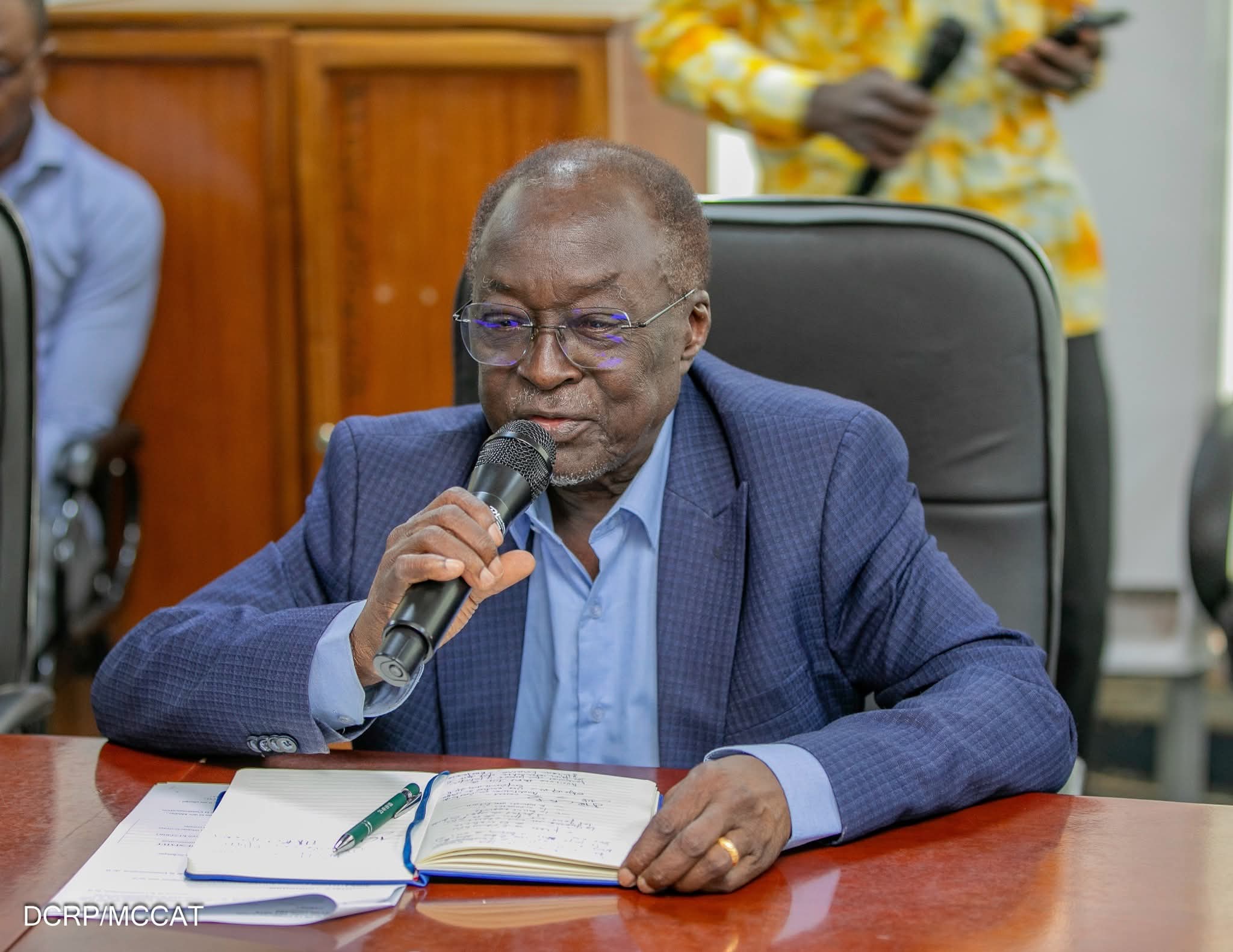
Le comité scientifique installé comprend dix membres parmi lesquels des hommes de lettres et de culture, des enseignants-chercheurs et des professionnels du domaine de l'information et de la communication. Il aura pour mission de définir les orientations scientifiques de cette 15e édition à travers la formulation du thème général et des axes de réflexion.

Dans son discours, le ministre a rappelé les fondements de cet évènement majeur du secteur de la communication et de l'information en Afrique : " les UACO, depuis leurs institutions en 2004, constituent un espace majeur de réflexions, d'échanges et de production d'idées sur les enjeux et les défis de la communication en Afrique. Elles réunissent des experts, des chercheurs, des journalistes et communicants autour des grandes problématiques liées à l'évolution des médias, des technologies de l'information et des pratiques communicationelles ", a-t-il indiqué.
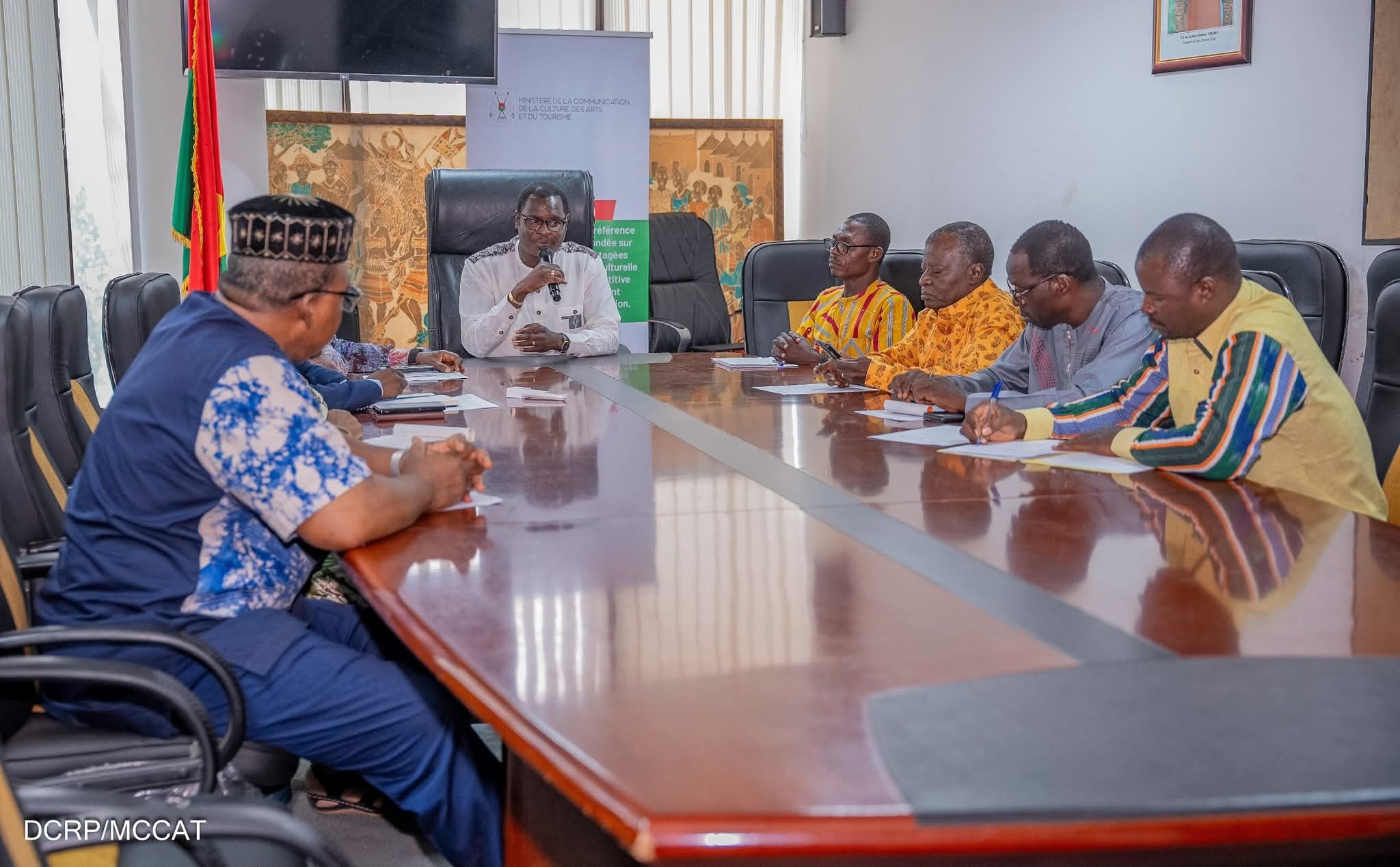
Pour la 15e édition des UACO, prévue du 7 au 9 octobre 2026 à Ouagadougou, le chef du département de la Communication a annoncé deux grandes innovations : le forum des acteurs des médias de l'AES et la " Nuit du Communicateur" qui est l'apothéose du concours "Zama d'or". Il a donc invité les membres du Comité à inscrire les travaux dans une dynamique de réflexion exigeante, capable d'éclairer les choix futurs et de nourrir une pensée africaine sur les questions d'information et de communication.
Organisées tous les deux ans, les UACO se tiendront désormais chaque année sur une période de cinq ans.
www.lefaso.net
Source : DCRP/MCCAT
Catégories: Afrique, Diplomacy & Defense Think Tank News
Pages



© 2012-2018 Europa Varietas Foundation © 2015-2018 Europa Varietas Association
www.europavarietas.org | info(@)europavarietas(dot)org | Switzerland




We are looking for sponsors for the English translation of these books, please contact turkeandras(at)gmail(dot)com