
You are here
Feed aggregator
Burkina : Le Président du Faso remet 2 000 motos à la Police nationale
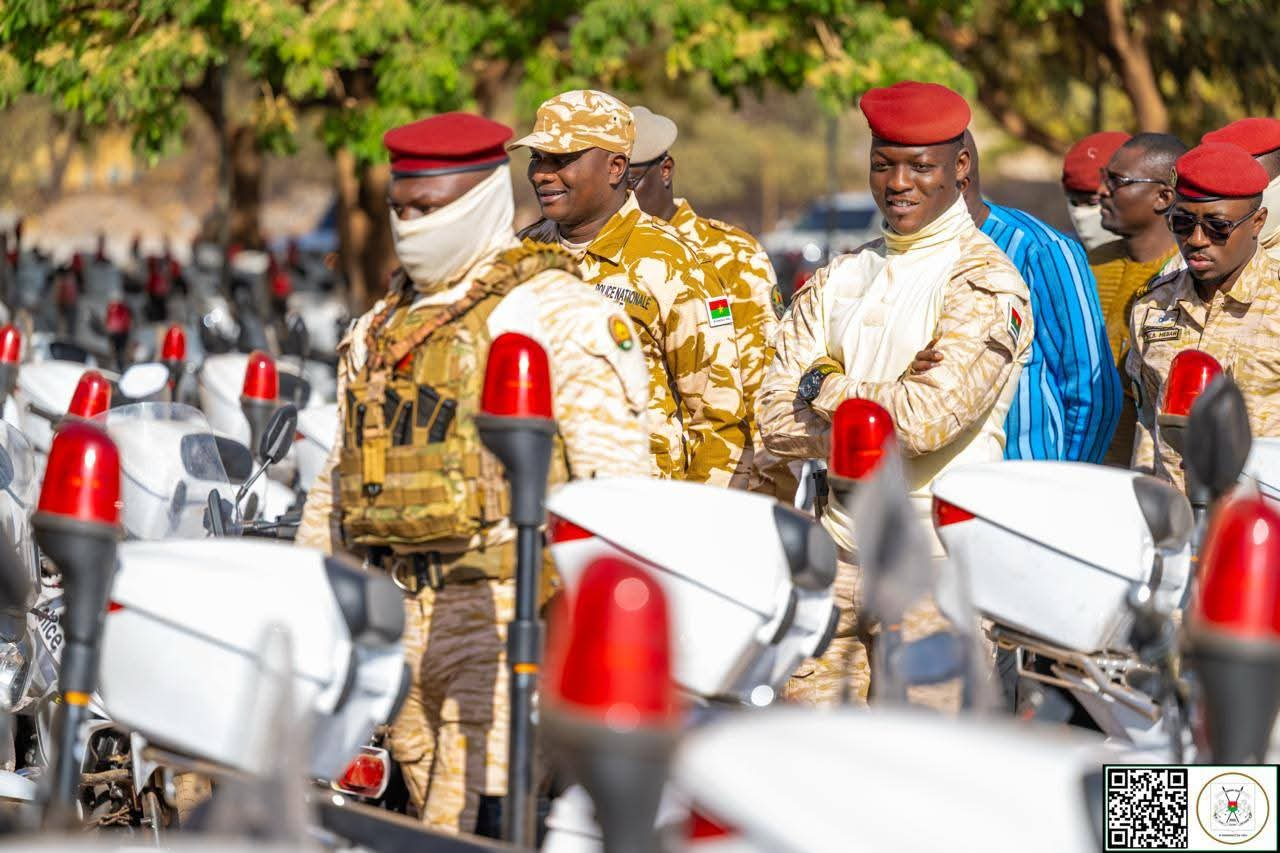
Le Président du Faso, le Capitaine Ibrahim Traoré a remis ce lundi 2 février 2026, 2000 motos à la Police nationale, informe le service communication de la Présidence du Faso. Ces motos sont une commande spéciale d'engins à deux roues de marque « Yento » qui veut dire « Sécurité » en Gulmancema, au profit de la Police nationale. Cette dotation devrait contribuer à réduire le temps d'intervention et rendre plus accessibles les zones criminogènes aux forces de sécurité.
« Je vous remets officiellement les clés de ces motos pour la sécurité de nos citoyens. C'est une mission qui vous est confiée. Je pense que cela pourra apporter un plus dans votre maillage, un travail efficace que vous avez déjà commencé », a déclaré le Président du Faso en remettant les clés au Ministre de la Sécurité, le Commissaire divisionnaire de Police Mahamadou Sana.
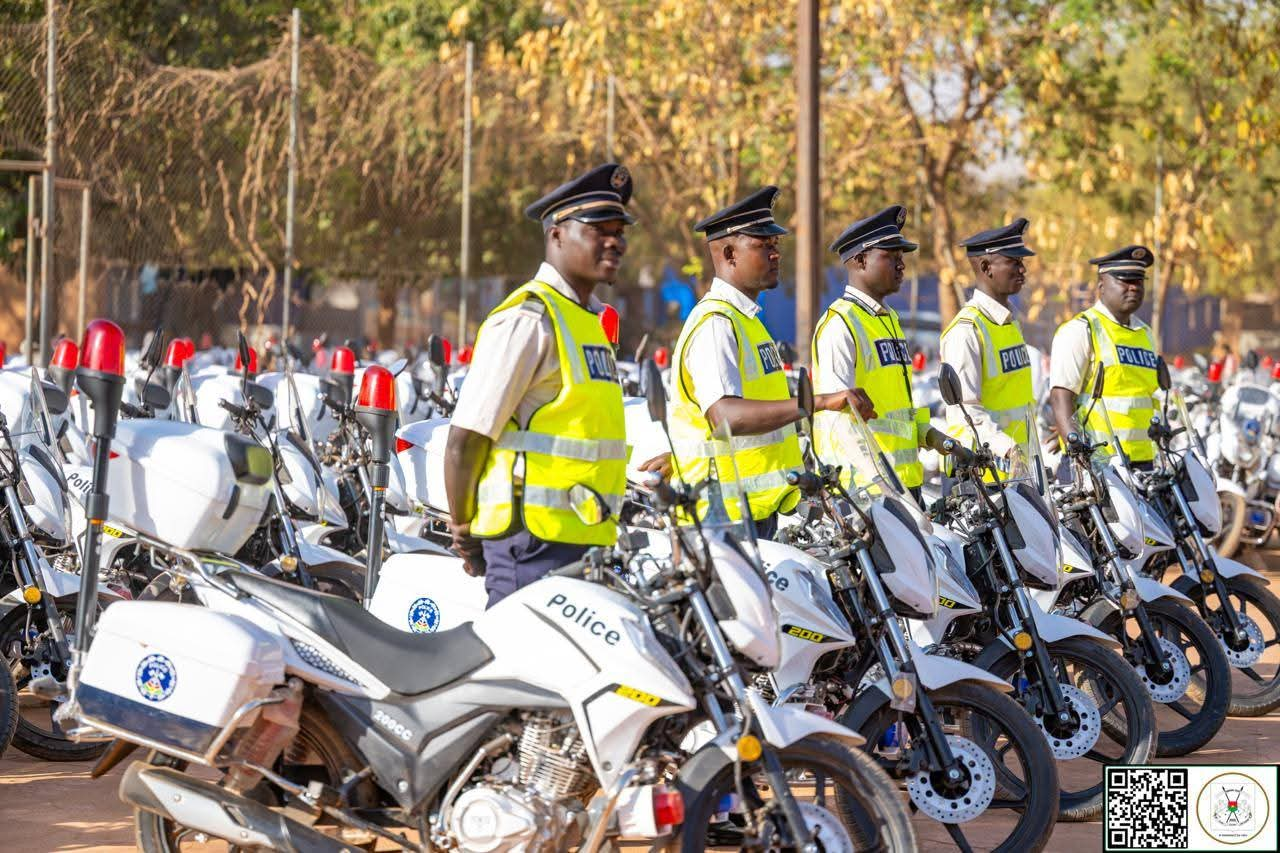
Le Ministre de la Sécurité a pris l'engagement, au nom des personnels de sécurité, d'en faire bon usage. Il a indiqué que cette dotation de motos viendra renforcer davantage la sécurité sur l'ensemble du territoire national. Les motos iront à la Police nationale et ce dans un déploiement très rapide pour donner davantage la quiétude aux populations. Ces motos vont également contribuer à consolider le concept ‘'S 24/7'' lancé en 2025.
Lefaso.net
Source : Direction de la communication de la Présidence du Faso
Categories: Afrique, European Union
Boeing Awarded $2.8 Billion Contract to Upgrade South Korea’s F-15K
South Korea is moving to upgrade the ROKAF’s F-15K Slam Eagle fleet to a configuration similar to the F-15EX Eagle II, significantly enhancing its long-range strike and survivability capabilities. Boeing has been awarded a contract for the upgrade of the Republic of Korea Air Force’s (ROKAF) F-15K Slam Eagle fleet. The development follows the launch […]
Categories: Defence`s Feeds, Europäische Union
Défaite majeure pour le mouvement national kurde de Syrie
Les événements de ces derniers jours en Syrie marquent une modification radicale des rapports de force politique intérieurs et renforcent la politique de recomposition régionale organisée par Donald Trump.
On se souvient que les Forces démocratiques syriennes (FDS)[1], à majorité kurde et structurées par le Parti de l’union démocratique (PYD), franchise syrienne du Parti des travailleurs du Kurdistan (PKK), avaient signé un mémorandum avec les autorités intérimaires de Damas, dirigées par Ahmed Al-Charaa, le 10 mars 2025, traçant la perspective d’un accord politique global devant être finalisé avant le 31 décembre dans le but d’intégrer la composante kurde de la population syrienne dans la nouvelle architecture politique du pays. Les négociations ne parvinrent pourtant pas à aboutir au nécessaire compromis, les principaux points de désaccord se concentrant sur la place et le statut des forces armées kurdes au sein de la nouvelle armée syrienne ainsi que sur le degré d’autonomie politique de la région kurde au sein du pays. L’impasse semblait donc totale.
Dès les premiers jours du mois de janvier les troupes de Damas attaquaient alors deux quartiers kurdes de la ville d’Alep – Cheikh Maqsoud et Acrafieh – et en chassaient rapidement les FDS. Fort de cette première victoire, décision fut prise – visiblement préparée de longue date – de poursuivre l’offensive vers les territoires de l’Administration autonome du Nord et de l’Est de la Syrie (AANES), communément appelé le Rojava.
Le destin du Nord-Est syrien bascule alors en deux jours, les 17 et 18 janvier. Les forces gouvernementales reprennent les provinces de Rakka et de Deir ez-Zor, à majorité arabe, et environ 80 % des territoires administrés par les FDS depuis 2016, lorsqu’elles en avaient chassé l’État islamique avec l’aide de la coalition internationale. C’est une véritable débandade militaire qui se produit, avec son cortège de victimes civiles et de départs précipités des populations.
La brièveté de la séquence et le quasi-effondrement de l’AANES interpellent, mais s’expliquent de plusieurs façons. La première renvoie bien sûr au lâchage des forces kurdes par les États-Unis, confirmant ainsi le choix de Washington d’un soutien stratégique apporté à Ahmed Al-Charaa dans le cadre d’un projet de recomposition régionale sous égide. On a le désagréable sentiment que l’histoire se répète. Plusieurs fois déjà la confiance accordée par les dirigeants nationalistes kurdes aux États-Unis, ainsi que parfois à des autocraties locales, s’est en effet quasi systématiquement retournée en son contraire. C’est une malheureuse constante de l’histoire tourmentée du peuple kurde que d’être trahi par ceux qui prétendent l’aider ou le protéger. De la part des dirigeants kurdes, c’est une illusion mortelle que d’estimer possible de défendre les intérêts de leur peuple – objectif proclamé par les FDS – en prenant appui sur les États-Unis, dont les intérêts ne coïncident pas avec les leurs. Certes, les conditions difficiles dans lesquelles se sont battues les FDS rendaient nécessaires des jeux d’alliances, mais certains choix s’avèrent une fois de plus mortifères. Durant la guerre civile, les FDS n’ont jamais tenté de passer de véritables accords avec les forces combattantes syriennes d’opposition préférant entretenir des relations parfois ambigües avec le régime de Bachar Al-Assad. Les événements de ce mois de janvier 2006 administrent une nouvelle fois la preuve de la dangerosité de dépendre des États-Unis qui ne raisonnent jamais pour leur part dans une logique d’émancipation des peuples.
La deuxième raison concerne le changement d’alliance effectué par les tribus arabes qui, depuis une dizaine d’années, avaient fait allégeance aux FDS dirigées par des commandants kurdes, souvent membres du PKK. Rappelons que le système politique qui avait été instauré au sein de l’AANES proclamait s’inspirer des concepts autogestionnaires – le confédéralisme démocratique – élaborés et théorisés par Abdullah Öcalan fondateur et dirigeant du PKK, en prison depuis 1999. Il s’agissait, avaient expliqué les FDS, de construire une société égalitaire, respectueuse des minorités ethniques, confessionnelles et de genre. L’aura romantique libertaire qui a enveloppé le Rojava depuis de nombreuses années s’est pourtant brutalement déchirée. Bien sûr, la propension des chefs tribaux à pactiser avec le plus offrant est une donnée classique de la situation régionale, il convient néanmoins de ne pas tomber dans un travers orientaliste, ou pire essentialiste, sur la supposée versatilité intrinsèque des tribus. La situation renvoie plus fondamentalement à la brutalité des rapports de force induits par toute guerre civile et il semble que l’inclusivité égalitaire revendiquée par les FDS était plus une utopie qu’une réalité véritablement ancrée dans le tissu social. Pour parler plus précisément, il apparait que le PYD a imposé son système d’une manière qui a été perçue par les populations arabes comme une forme de domination nationaliste kurde. L’étonnante rapidité de la défaite subie au cours de ces derniers jours s’explique en effet par l’étroitesse de la base sociale des FDS dans une région, représentant un tiers du territoire syrien, dont une grande partie est arabe.
Un troisième élément d’explication réside dans le rôle qu’a endossé la Turquie – qui occupe toujours indûment une partie du territoire syrien – et l’important appui qu’elle a apporté à l’armée syrienne, notamment par l’utilisation de drones à l’efficacité redoutée. Ankara voyait dans la séquence un moment particulièrement propice pour en finir avec le Rojava, qualifié par les autorités turques d’entité terroriste, parce que sous la coupe du PKK, et perçu de ce fait comme un danger existentiel. C’est aussi une nouvelle preuve du soutien sans faille apporté jusqu’alors par Recep Tayyip Erdoğan, aux côtés de Donald Trump et de Mohamed Ben Salman, au gouvernement intérimaire d’Ahmed Al-Charaa.
On le comprend, ce dernier sort considérablement renforcé à l’issue d’un mois de janvier fertile en modifications accélérées des rapports de force. Son projet islamo-nationaliste s’affirme, porteur d’une volonté centralisatrice qui ne laisse guère de place aux minorités ethniques et confessionnelles. Il apparait d’ailleurs beaucoup plus intransigeant à l’encontre de celles-ci qu’à l’égard de l’État d’Israël avec lequel il est parvenu à un récent accord alors que ce dernier occupe pourtant une partie du territoire national syrien et y organise cycliquement des opérations militaires faisant fi du droit international.
Les FDS subissent donc une défaite majeure, leur projet politique ayant subi un coup d’arrêt. Le modèle social progressiste qu’elles voulaient mettre en œuvre prétendait se différencier radicalement de celui incarné par le Gouvernement régional du Kurdistan d’Irak, critiqué pour être beaucoup plus conservateur et souvent accusé de pratiques clientélistes à forts relents féodaux. Le PKK ne formulait d’ailleurs plus la revendication d’indépendance d’un Kurdistan, et allait jusqu’à mettre théoriquement en question le concept même d’État nation. Pour autant, la difficulté des cadres de l’AANES à parvenir à un compromis avec le gouvernement intérimaire de Damas au moment adéquat leur a été fatale et les acquis dont ils se réclamaient quasiment réduits à néant.
C’est dans ce contexte qu’un accord – dans l’élaboration duquel les États-Unis, la France et le Gouvernement régional du Kurdistan d’Irak ont visiblement joué un rôle important – favorable au gouvernement de Damas puisqu’il enterre la perspective d’une autonomie kurde au Rojava, a finalement été acté entre les protagonistes le 30 janvier 2026. Les autorités intérimaires de Damas prennent ainsi le contrôle des institutions locales, des postes-frontières, des champs gaziers et pétroliers ainsi que des camps d’internement dans lesquels se trouvent des prisonniers de l’État islamique. Les institutions de l’AANES seront intégrées à l’appareil d’État syrien et les combattants des FDS incorporés individuellement dans la nouvelle armée syrienne. Aucune mention n’est faite quant à l’avenir des unités de femmes combattantes des FDS et des combattants étrangers du PKK. Principales concessions, le kurde est reconnu comme langue nationale et pourra être enseigné librement, le Nouvel An kurde, le Newroz, sera quant à lui férié, et la nationalité syrienne enfin accordée à la totalité des citoyens d’origine kurde. Nulle reconnaissance à l’autogouvernement ou à l’autodétermination donc, mais bien plutôt celle de quelques droits dus à une minorité. On le voit, l’accord sanctionne un rapport de force peu favorable aux forces kurdes, même si le contenu final apparait moins dur que celui qui leur avait initialement été soumis, le 18 janvier.
Il s’agit maintenant d’observer les modalités pratiques de son application, car rien n’est jamais écrit à l’avance dans un contexte national et régional singulièrement délétère.
Didier Billion
[1] Les Forces démocratiques syriennes ont été créées en octobre 2015 pour constituer un cadre juridique et politique au soutien militaire états-unien apporté au Parti de l’union démocratique (PYD), franchise syrienne du Parti des travailleurs du Kurdistan (PKK), pour combattre l’État islamique. Les FDS encadrées par les forces kurdes inclurent aussi des tribus arabes ralliées.
L’article Défaite majeure pour le mouvement national kurde de Syrie est apparu en premier sur IRIS.
Categories: Diplomacy & Defense Think Tank News, European Union
Record Trade Surplus Masks China’s Underlying Economic Weakness
China’s world-leading export surplus delivered headline growth in 2025, but slowing domestic demand, falling prices and doubts over data credibility point to an economy losing momentum beneath the surface.
Terres rares : la chimiste qui défie la Chine
Très convoitées dans le monde, les terres rares sont essentielles au médical, à l’armement, au numérique et à l’énergie. Aujourd’hui, c’est la Chine qui en produit 95 %, grâce à une main-d’œuvre bon marché, de vastes gisements et des règles environnementales laxistes. Une jeune scientifique franco-américaine a mis au point un procédé révolutionnaire pour récupérer l'europium des tubes néons usagés. Sa méthode est plus rapide, plus propre et plus durable que les techniques traditionnelles, et contribue ainsi à l'économie circulaire de ces métaux essentiels.
Categories: Balkans Occidentaux, France
Draft agenda - Thursday, 5 February 2026 - PE784.218v01-00 - Committee on Foreign Affairs , Committee on Budgets , Committee on Development
Source : © European Union, 2026 - EP
Categories: Afrique, European Union
CSTO Sends Weapons to Tajikistan to Secure Afghan Border
The decision to arm Tajikistan's border troops comes after months of cross-border attacks, but the CSTO's track record gives little reason for confidence.
Golden Dome: Trumps Illusion vom Weltraum-Schild
Categories: Diplomacy & Defense Think Tank News, Europäische Union
What Justice Looks Like for Rohingya Women
For Rohingya women, the question is not whether violence can be legally defined or classified, but whether such naming alters the material conditions of their lives.
Burkina/Sport : Lazare Banssé retire sa plainte portée contre Kamou Malo et Kader Traoré
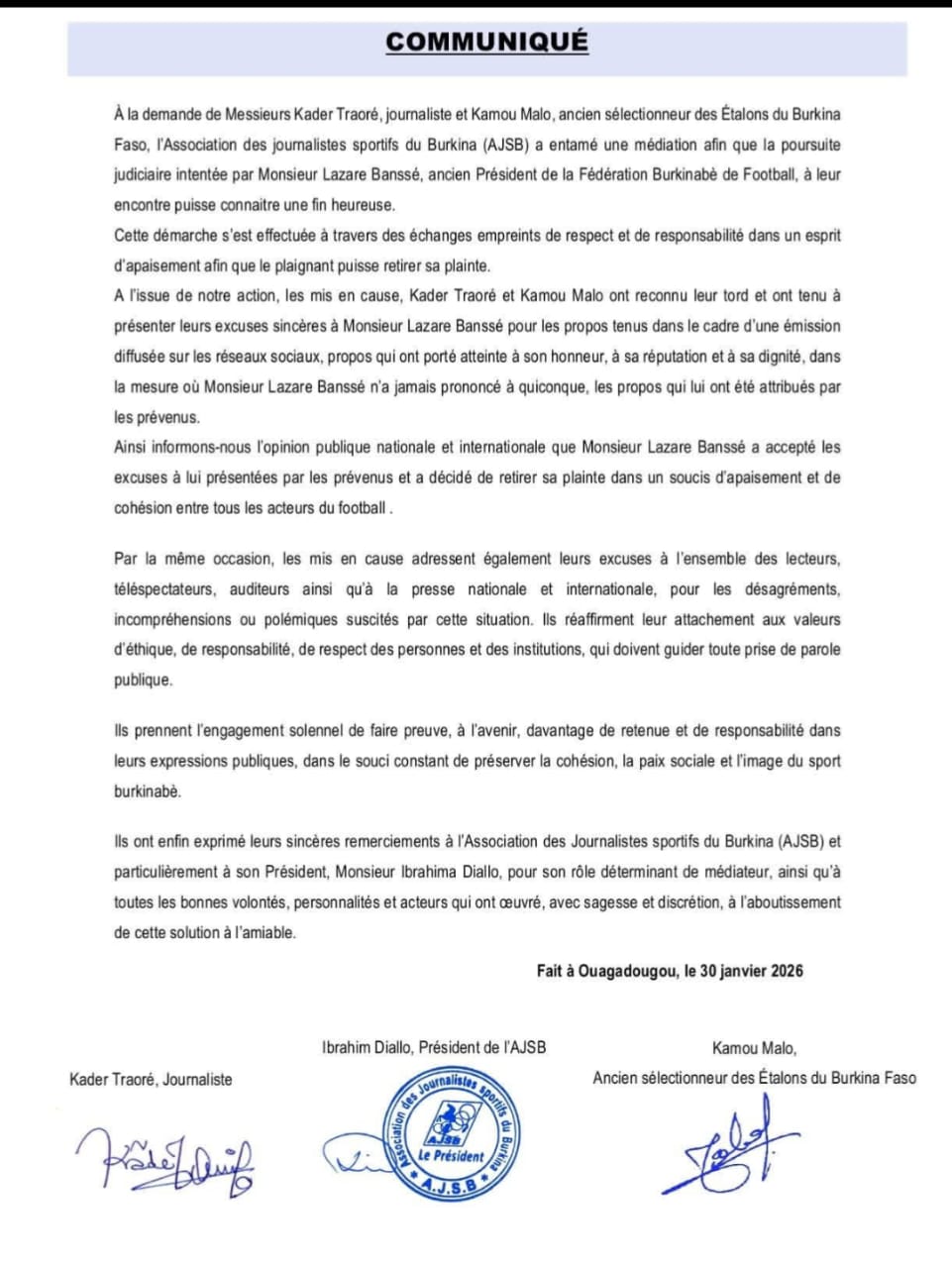
Dans un communiqué en date du 30 janvier 2026, l'association des journalistes sportifs porte à la connaissance du public, qu'elle a mené une médiation dans l'affaire qui oppose l'ancien Président de la Fédération burkinabé de football Lazare Banssé à Kader Traoré et Kamou Malo. Cette médiation initiée à la demande des deux derniers cités, avait pour objectif d'apaiser les tensions afin que Lazare Banssé retire sa plainte.
L'association des journalistes sportifs indique qu'au cours de leur démarche, les mis en cause Kader Traoré et Kamou Malo ont reconnu leur tord et ont présenté leurs excuses sincères à Lazare Banssé pour les propos tenus dans le cadre d'une émission diffusée sur les réseaux sociaux. Des propos qui selon le communiqué ont porté atteinte à son honneur, à sa réputation et à sa dignité, dans la mesure où Lazare Banssé n'a jamais prononcé à quiconque, les propos qui lui ont été attribués par les prévenus.
A la suite de ce mea culpa, Lazare Banssé a accepté les excuses à lui présentées par les prévenus et a décidé de retirer sa plainte dans un souci d'apaisement et de cohésion entre tous les acteurs du football. Par la même occasion, les mis en cause adressent également leurs excuses à l'ensemble des lecteurs, téléspectateurs, auditeurs ainsi qu'à la presse nationale et internationale, pour les désagréments, incompréhensions ou polémiques suscités par cette situation. Ils réaffirment leur attachement aux valeurs d'éthique, de responsabilité, de respect des personnes et des institutions, qui doivent guider toute prise de parole publique. Ils prennent l'engagement solennel de faire preuve, à l'avenir, de davantage de retenue et de responsabilité dans leurs expressions publiques, dans le souci constant de préserver la cohésion, la paix sociale et l'image du sport burkinabè.
Categories: Afrique, European Union
Effondrement d'une mine à Rubaya : la RD Congo accuse le Rwanda et le M23
Les autorités congolaises ont imputé les décès aux rebelles, les accusant de mettre en danger la vie des civils en autorisant l'exploitation minière illégale sans faire respecter les normes de sécurité.
Categories: Afrique
Ministère de l'économie et des finances : Un taux de recouvrement des recettes de plus de 100% enregistré en janvier 2026
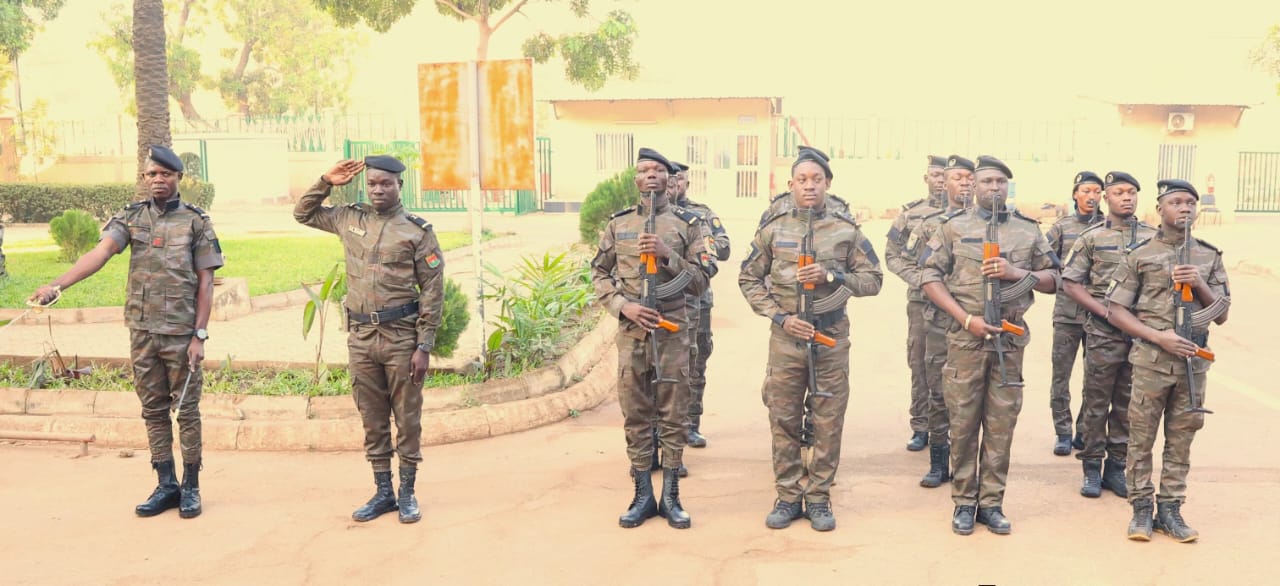
Au cours de la traditionnelle montée des couleurs de ce jour 2 février 2026, le ministre de l'économie, Aboubakar Nacanabo a salué les résultats exceptionnels enregistrés au cours du mois de janvier, indique la direction de la communication du ministère. En effet, les indicateurs du mois de janvier affichent une satisfaction globale, avec un taux de recouvrement des recettes dépassant les 100 % pour chacune des régies.
Globalement, le département a réalisé un dépassement de plus de 30 milliards de FCFA pour les trois régies au titre du seul mois de janvier. Malgré ces efforts importants, le ministre Aboubakar Nacanabo a invité les équipes à ne pas relâcher la garde, et a appelé chacun à donner le meilleur de lui-même pour maintenir ce rythme de croissance.
Le mois de janvier a également été marqué par la tenue de la 2e édition du Prix de l'innovation, organisée le vendredi 30 janvier dernier. Cette cérémonie a mis en lumière l'esprit de créativité et l'intelligence collective au service du peuple. Le Premier Prix de l'Excellence a été décerné à la Direction Générale des Impôts (DGI) pour le logiciel Sic@d, un outil essentiel pour la délivrance des titres de parcelles. Tout en félicitant les lauréats, le ministre a insisté sur la responsabilité que confère une telle distinction.
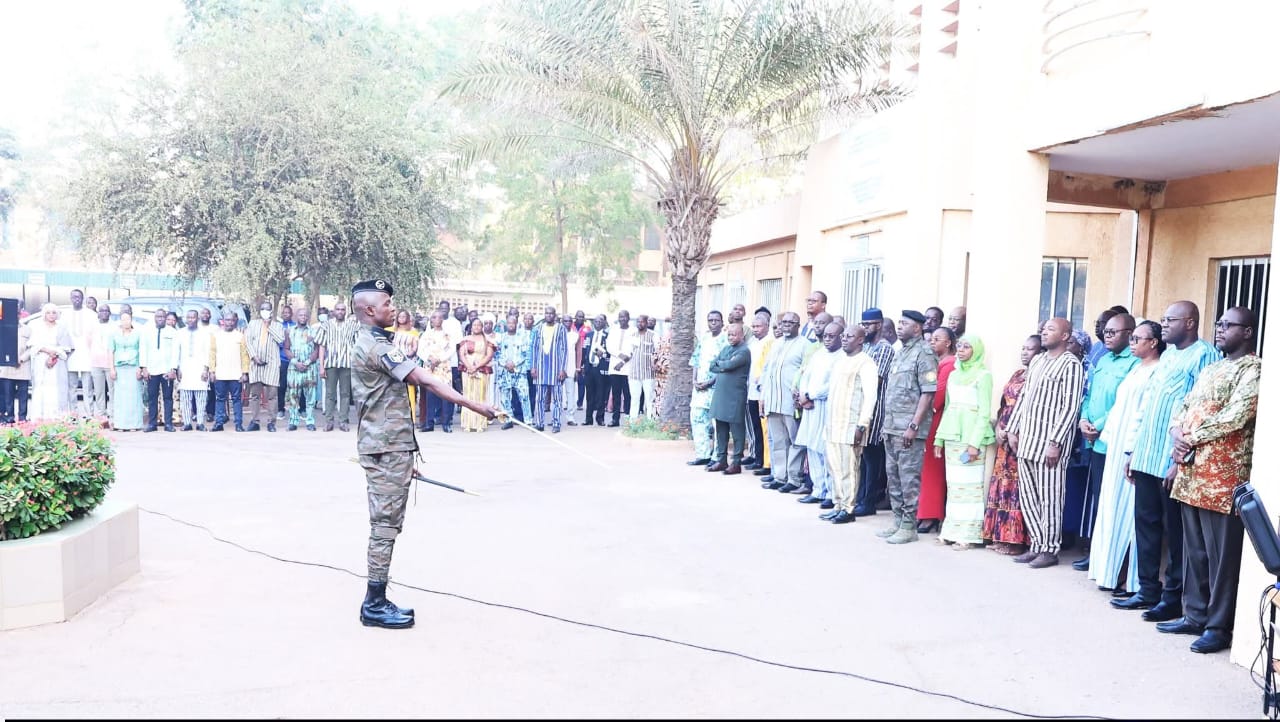
Sur le front de la lutte contre la fraude, les efforts de la Direction Générale des Douanes (DGD) et de la Coordination nationale de lutte contre la fraude (CNLF) ont été salués suite à des saisies importantes réalisées en janvier. Ces actions visent non seulement à mobiliser des recettes, mais surtout à assainir les marchés et à protéger les consommateurs.
Le personnel a été invité à s'armer de courage et de détermination pour transformer les ambitions en résultats concrets dans la discipline, l'éthique et la loyauté.
www.lefaso.net
Source : DCRP/MEF
Categories: Afrique, European Union
Les 10 devises les plus faibles au monde en 2026
Le dollar américain est la devise la plus échangée au monde, même s'il n'est pas la devise la plus forte au niveau mondial (cette place revient actuellement au dinar koweïtien).
Israël dément ses relais d’opinion en France
L’armée israélienne admet enfin que le nombre de morts, qui s’élève à 71 000 personnes, donné par le ministère de la Santé du Hamas, est exact.
Nombreux sont ceux qui l’ont longtemps nié, considérant ces chiffres comme relevant de la propagande terroriste, ce qui servait surtout à minimiser les actions du gouvernement israélien et à relayer la propagande israélienne.
Malheureusement, les chiffres exacts sont probablement encore plus élevés, compte tenu des disparus et des morts indirectes. Malheureusement, les mensonges trop répétés dans les médias entraînent une perte de confiance et une montée du complotisme.
Parallèlement, le passage de Rafah est désormais rouvert, contrôlé par l’Égypte. Mais le passage restera difficile pour de nombreux Palestiniens, qui devront affronter le choix de mourir sur place ou de partir avec le risque de ne jamais revenir. En d’autres termes, c’est le choix entre davantage de morts ou un nettoyage ethnique, avec la passivité totale de la communauté internationale.
L’article Israël dément ses relais d’opinion en France est apparu en premier sur IRIS.
Categories: Diplomacy & Defense Think Tank News, Europäische Union
STELLUNGNAHME zu der Entlastung für die Ausführung des Haushaltsplans der Europäischen Union für das Haushaltsjahr 2024 – Kommission - PE779.393v03-00
STELLUNGNAHME zu der Entlastung für die Ausführung des Haushaltsplans der Europäischen Union für das Haushaltsjahr 2024 – Kommission
Ausschuss für auswärtige Angelegenheiten
Evin Incir
Quelle : © Europäische Union, 2026 - EP
Ausschuss für auswärtige Angelegenheiten
Evin Incir
Quelle : © Europäische Union, 2026 - EP
Russia’s Strategic Brown Water Capabilities: A NATO Blind Spot?
Categories: Diplomacy & Defense Think Tank News, Europäische Union
Campagne nationale de solidarité DEMÈ SIRA : Plus de 1,3 million de FCFA mobilisés dans la province du Nayala
La province du Nayala a apporté une contribution significative à la campagne nationale de solidarité DEMÈ SIRA, avec une mobilisation financière totale de 1 395 895 FCFA, récoltée au terme de la collecte menée du 15 au 30 janvier 2026. Cette initiative a été lancée au niveau provincial par le haut-commissaire du Nayala, Honoré Frédéric Paré, dans le cadre du renforcement de la solidarité nationale.
Afin de garantir une participation large et inclusive des populations, 21 urnes ont été installées dans les huit secteurs de la ville de Toma, ainsi que dans plusieurs services administratifs. Cette stratégie de proximité a permis de susciter un fort engouement des populations et des structures locales autour de l'élan de solidarité nationale.
Le dépouillement des urnes des secteurs de la ville de Toma a eu lieu dans la matinée du 30 janvier 2026, au domicile du chef de canton de Toma, Émile Paré, en présence d'un comité provincial de suivi et de collecte. D'autres contributions ont été reçues dans l'après-midi de la même journée.
Le comité était composé notamment du haut-commissaire de la province, du secrétaire général de la province, du directeur provincial en charge de la solidarité nationale, du directeur provincial de la police nationale, ainsi que d'un représentant de l'Agence d'information du Burkina (AIB).
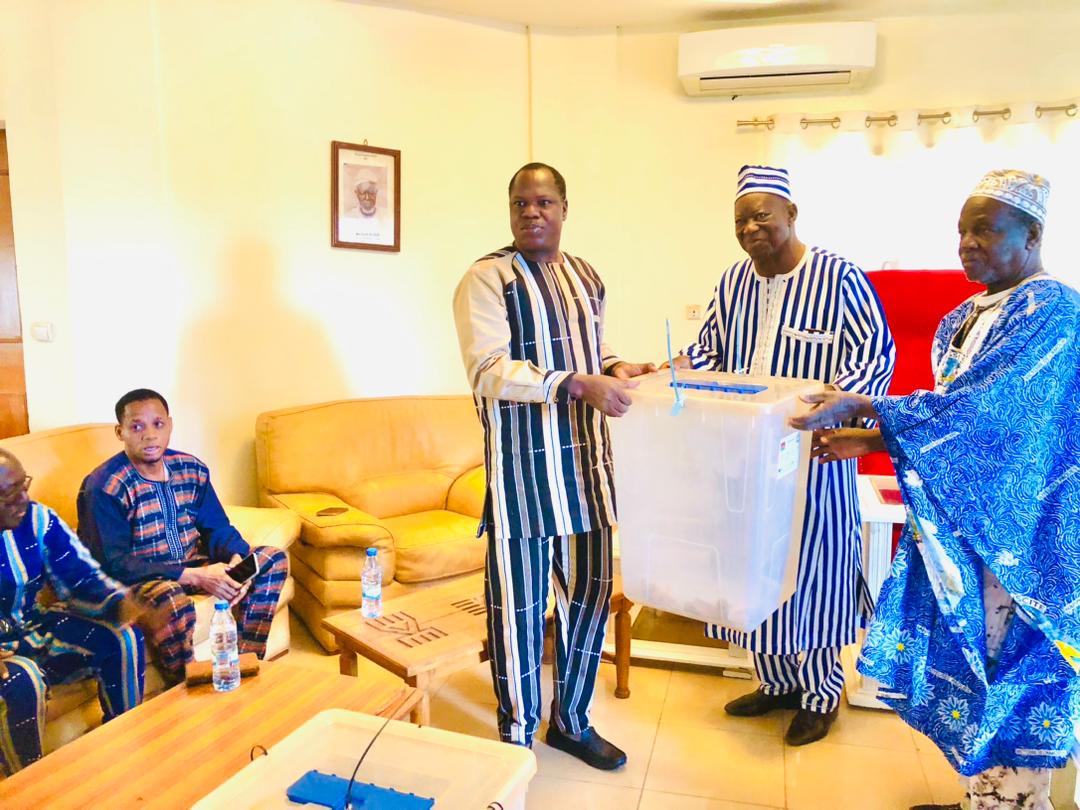
Selon les résultats du dépouillement, les collectes effectuées au niveau des structures statiques ont permis de mobiliser plus de 350 000 FCFA, tandis que la mobilisation communautaire, avec l'implication active des autorités coutumières et des populations de Toma, a porté le montant global à 1 395 895 FCFA, en incluant les contributions enregistrées dans l'après-midi du 30 janvier.
Prenant la parole à l'issue du dépouillement, le haut-commissaire Honoré Frédéric Paré a rappelé que la campagne DEMÈ SIRA s'inscrit dans une dynamique nationale, marquée par une caravane symbolique ayant parcouru l'ensemble du Burkina Faso. Arrivé dans la région le 16 novembre 2025, le flambeau de la solidarité a ensuite été transmis à la région des Tannounya, avant le déploiement effectif de la campagne dans les régions des Bankuy et du Sourou, puis au niveau provincial.
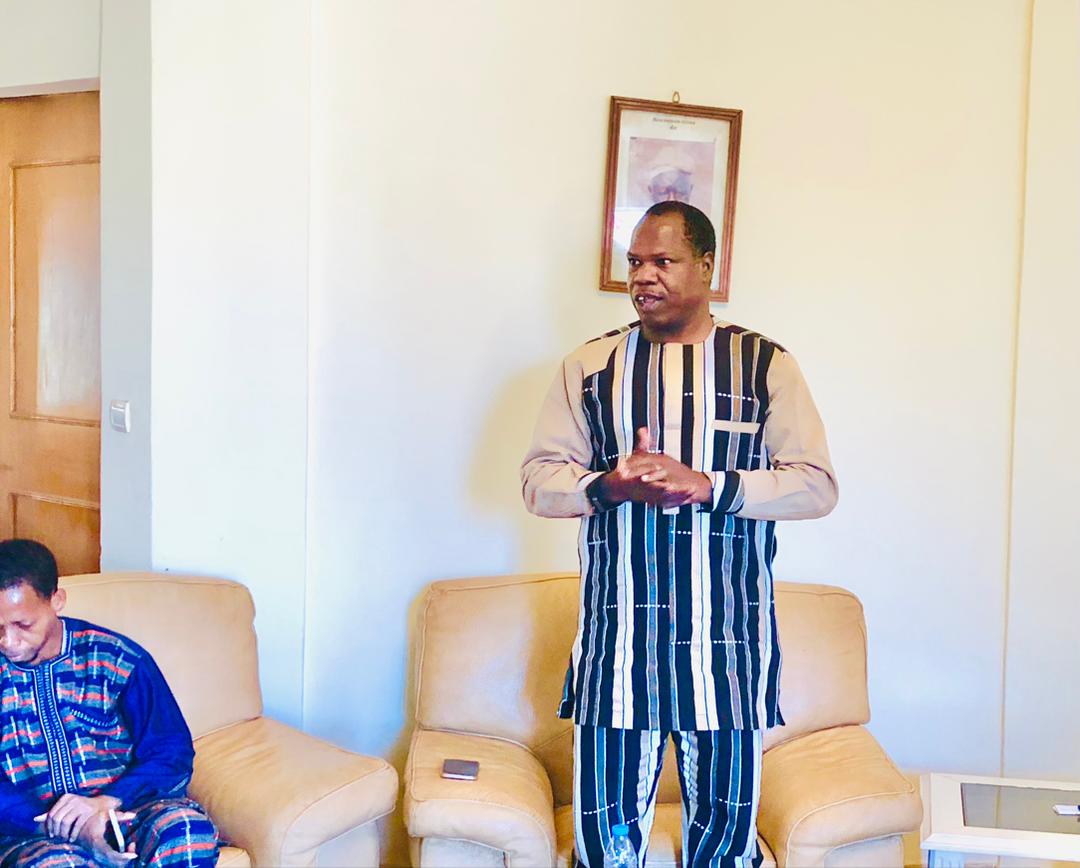
Le haut-commissaire a exprimé, au nom du gouvernement, sa profonde reconnaissance aux populations du Nayala pour leur esprit d'entraide et de solidarité, saluant particulièrement l'engagement des responsables coutumiers, avec à leur tête le chef de canton de Toma. Il a souligné que la transparence a été au cœur du processus, avec un dépouillement effectué publiquement et l'ouverture d'un compte dédié au Trésor public du Nayala, les résultats devant être communiqués à la hiérarchie.
Au-delà des contributions financières, la campagne a également enregistré des dons en nature, comprenant notamment du savon, des moustiquaires, des vivres et des nattes, témoignant de la diversité et de la générosité des contributions.
De son côté, le chef de canton de Toma, Émile Paré, a adressé ses remerciements aux populations pour leurs efforts louables, estimant que cette mobilisation sera appréciée à sa juste valeur par les plus hautes autorités du pays.
Y. I K-Z
Lefaso.net
Categories: Afrique, Biztonságpolitika
McKenzie clarifies claim South Africa will host Wafcon 2026
South Africa's sports minister Gayton McKenzie says "no formal decision" has been taken to relocate the 2026 Women's Africa Cup of Nations away from Morocco.
Categories: Africa, European Union
Der Umbau zu einem aktivierenden Sozialstaat kann beginnen
Die Vorschläge zur Reform des deutschen Sozialstaats erscheinen unspektakulär. Doch sie sind richtig, wenn andere Reformen hinzukommen – etwa bei der Bildung., Die Ergebnisse der Sozialstaatskommission sind weder revolutionär noch radikal. Aber sie bedeuten einen wichtigen Schritt in der Reformdebatte über den deutschen Sozialstaat. Denn die Empfehlungen zeigen einen Weg auf, wie der Sozialstaat gerechter, wirksamer und zukunftsfähiger gestaltet werden ...
Categories: Balkans Occidentaux, Diplomacy & Defense Think Tank News
Protokoll - Mittwoch, 3. Dezember 2025 - Donnerstag, 4. Dezember 2025 - PE781.265v01-00 - Ausschuss für Sicherheit und Verteidigung
Quelle : © Europäische Union, 2025 - EP
Categories: Biztonságpolitika, Europäische Union
Pages



© 2012-2018 Europa Varietas Foundation © 2015-2018 Europa Varietas Association
www.europavarietas.org | info(@)europavarietas(dot)org | Switzerland




We are looking for sponsors for the English translation of these books, please contact turkeandras(at)gmail(dot)com