
Vous êtes ici
Agrégateur de flux
Burkina/Lutte contre l'exportation illégale des ânes : Un convoi de 95 têtes intercepté par les services des Eaux et Forêts
Le mercredi 11 mars 2026, 4 individus qui convoyaient deux troupeaux d'ânes totalisant 95 têtes en direction d'un pays voisin ont été interceptés par le service départemental des Eaux et Forêts de Gon-Boussougou dans la province du Zoundwéogo, région du Nazinon. Selon la direction de la communication des Eaux et forêts qui rapporte l'information, cette intervention s'inscrit dans la dynamique nationale visant à préserver le cheptel asin contre le trafic et l'abattage abusif.
Il faut noter que le Ministre d'Etat, Ministre de l'Agriculture, de l'Eau, des Ressources Animales et Halieutiques, le Commandant Ismael Sombié, par communiqué en date du 9 mars 2026 rappelait les dispositions du décret N°2016-0857/PRES/PM/MRAH/MCIA/MINEFID/MATDSI du 07 septembre 2016 portant règlementation de l'abattage et de l'exportation des asins, des équins et de leurs produits au Burkina Faso. Il a instruit les Forces de Défense et de Sécurité d'interpeller et de traduire devant les juridictions compétentes toute personne se livrant au transport ou au convoyage de plus de trois têtes d'asins sur le territoire national.
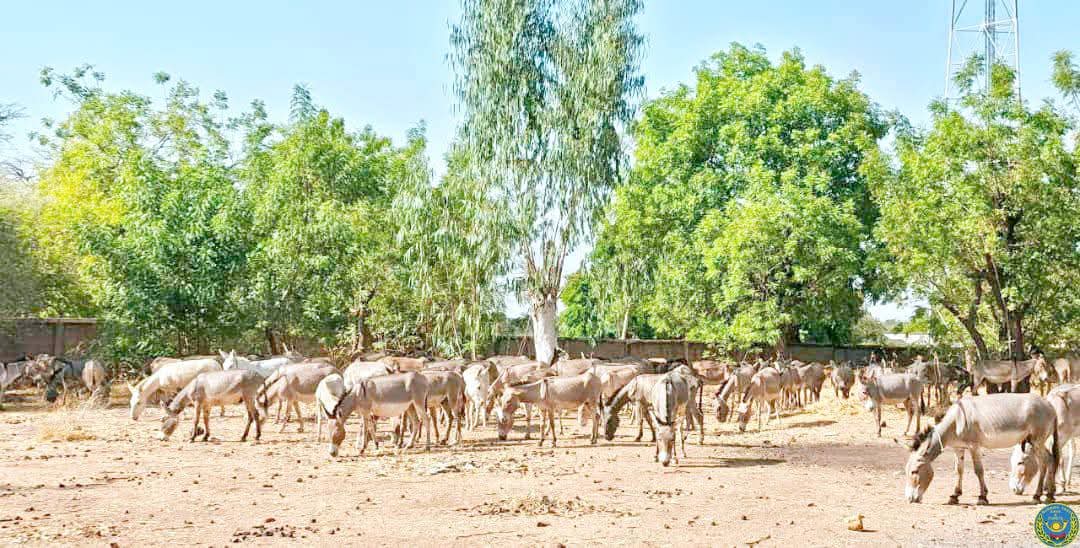
Le Directeur Général des Eaux et Forêts a salué le professionnalisme, la vigilance et l'engagement des services des Eaux et Forêts de Gon-Boussougou qui par leur intervention, contribuent efficacement au respect de la réglementation et à la lutte contre les pratiques illicites.
www.lefaso.net
Source : DComD/DGEF
Journée internationale d'évangélisation Koudougou 2026 : Plus de 3 800 âmes gagnées à Christ
La ville de Koudougou a été le centre d'une mobilisation spirituelle sans précédent du 4 au 8 mars 2026. Entre enseignements profonds, actions de compassion et une croisade d'évangélisation géante à la place de la Nation, cette édition de la Journée internationale d'évangélisation (JIE) s'est achevée sur un bilan de plus de 3 800 âmes sauvées et un impact social majeur dans la région du Nando.
Sous le thème : « Jésus-Christ est le même hier, aujourd'hui et éternellement », la JIE a transformé Koudougou en un épicentre de foi. Chaque soir, une marée humaine estimée entre 15 000 et 20 000 personnes a envahi l'esplanade de la place de la Nation.
Le pasteur Mamadou Philippe Karambiri satisfait de la mobilisation historique de la ville de Koudougou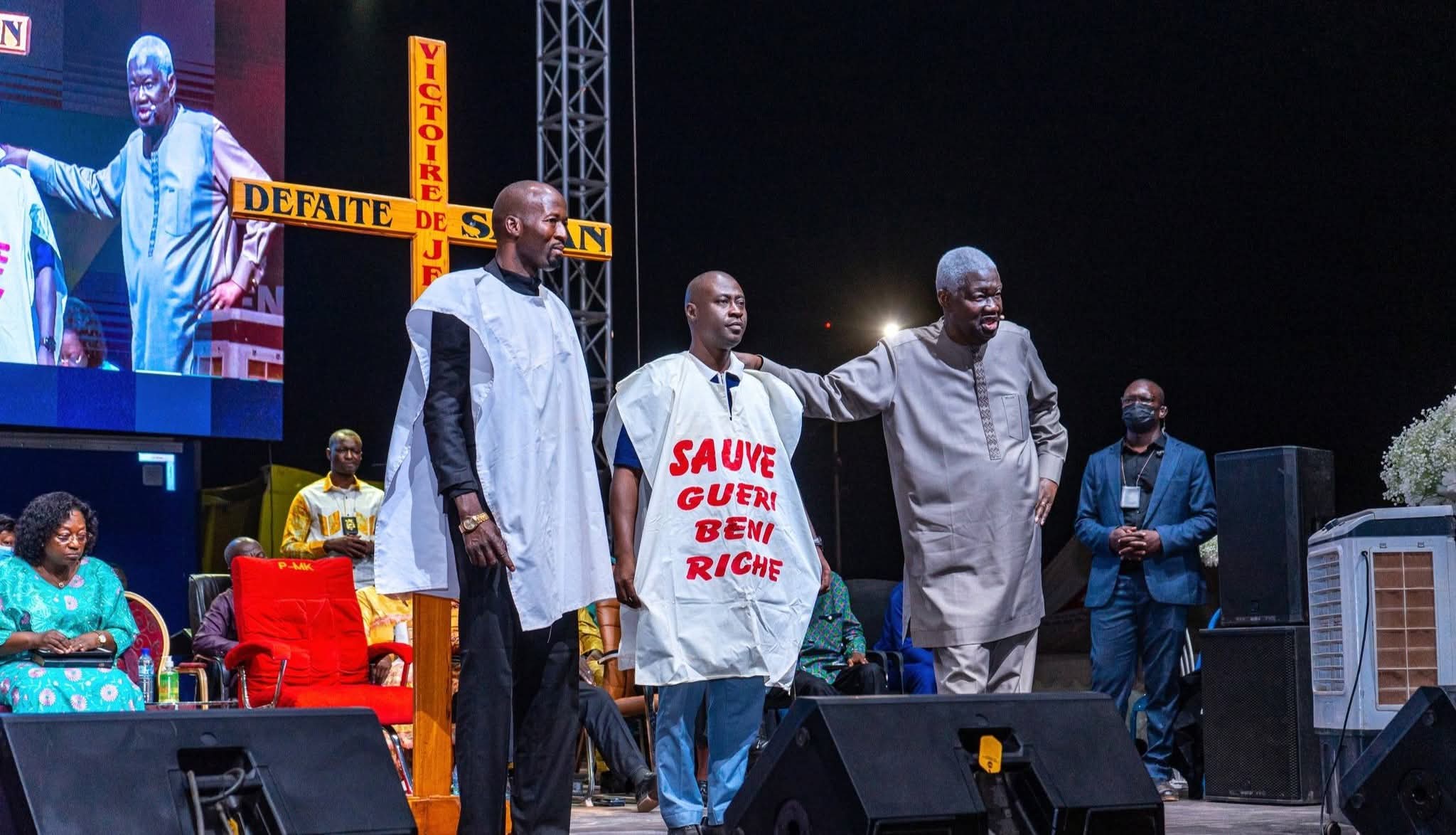
Le point culminant de ces rassemblements fut sans conteste l'intervention du patriarche, le Dr Mamadou Philippe Karambiri. Malgré ses 79 ans, l'homme de Dieu a fait preuve d'une vigueur renouvelée, proclamant avec force que « Christ est la seule source de la vraie bénédiction ». Son message a suscité une réponse massive : au total, plus de 3 800 personnes ont décidé de donner leur vie à Jésus-Christ au cours de cet événement.
Le volet enseignement a également été une priorité. Les matinées ont été consacrées à l'édification du corps de Christ avec des orateurs de renom tels que le Prophète Koko Kambou, l'Enseignant Kossi Amen, le Pasteur Oumarou Ouédraogo et l'Apôtre Gilbert Kaboré.

La « Compassion dynamique » en action
L'évangélisation ne s'est pas limitée à la tribune. Fidèle aux enseignements de Matthieu 25:36, le CIE/MIA, sous l'impulsion du Dr Hortense Karambiri, a déployé un vaste programme social.
Une visite à la maison d'arrêt de Koudougou a permis d'apporter un soutien moral et des dons (une demi-tonne de vivres, de l'huile et du savon), le tout couronné par un repas communautaire. À cette occasion, une centaine de détenus ont également pris l'engagement de donner leur vie au Christ. Des gestes de solidarité similaires ont été posés envers les malades dans les centres de santé et les veuves de la région.
C'est lors d'une cérémonie tenue au Centre hospitalier régional (CHR) de l'Amitié de Koudougou que plusieurs dons ont été remis (matelas, chaises roulantes et médicaments). Parallèlement, le département en charge de l'hôpital a offert des consultations et des dépistages gratuits (hépatite, diabète) à des centaines de personnes durant la croisade, avec l'appui de l'Union chrétienne médicale et paramédicale de Koudougou.
Le Dr Hortense Karambiri a déployé un vaste programme social à travers cette JIE
L'impact auprès des femmes a été particulièrement visible le 7 mars, en prélude à la Journée internationale de la femme. Un moment d'échange baptisé « Cœur à cœur » a réuni les femmes du Nando à l'Hôtel Splendid pour un temps de restauration et d'équipement spirituel.
Au même moment, le Dr Karambiri tenait une session stratégique avec les leaders spirituels locaux (pasteurs, évangélistes et responsables d'églises). Ce temps de transmission a permis de présenter le nouveau logo réadapté du CIE/MIA, et au patriarche de partager son expérience ministérielle avec la jeune génération afin de fortifier la relève pour la poursuite de la mission dans la région.
Les femmes n'ont pas été en reste en prélude de cette journée du 8 mars
Un cadeau d'anniversaire pour l'éternité
Il convient de souligner que cette Journée internationale d'évangélisation s'inscrit dans le cadre des grandes croisades « Jésus-Christ est le même hier, aujourd'hui et éternellement ». Cette édition revêtait un caractère tout particulier, car la JIE est également le jour de célébration de l'anniversaire du patriarche. Pour marquer ses 79 ans, le Dr Mamadou Philippe Karambiri a exprimé un vœu unique : celui d'avoir en guise de cadeau d'anniversaire le salut des âmes. Cette moisson exceptionnelle des 3 844 vies est ainsi la plus belle réponse à ce désir pastoral.
Au terme de ces quatre jours d'intense visitation, le Dr Mamadou Philippe Karambiri s'est réjoui de l'intervention divine dans cette localité où la vision du CIE/MIA a initialement pris son envol. Pour lui, ce passage à Koudougou résonne comme un retour aux sources et une volonté de continuité, plaçant la ville au cœur de la vision de son ministère.
Ces moments furent l'occasion de présenter le nouveau logo réadapté du CIE/MIA
Il a ainsi saisi l'occasion pour exprimer sa gratitude au Seigneur : « Gloire soit rendue à Dieu pour la Croisade Koudougou 2026. Le Seigneur s'est manifesté, des âmes ont été sauvées, des malades guéris et la bonne nouvelle du Royaume des cieux a été portée dans toute la région du Nando. »
Aujourd'hui, Koudougou respire au rythme d'un renouveau spirituel, laissant derrière lui des milliers de vies transformées et une communauté chrétienne plus unie et équipée que jamais.
Prince Omar
Lefaso.net
Coopération : La République centrafricaine s'inspire de l'expérience de la chambre des métiers artisanaux du Burkina
Le Premier ministre Rimtalba Jean Emmanuel Ouédraogo a reçu en audience, ce lundi 16 mars 2026, le ministre des Petites et Moyennes Entreprises et de la Promotion du secteur privé de la République centrafricaine, Hyppolite Jean-Paul Ngate-Robard, accompagné de son homologue burkinabè, indique la direction de la communication de la Primature. Les échanges ont essentiellement porté sur le renforcement de la coopération entre les deux pays, notamment dans le domaine de l'artisanat.
En effet, la République centrafricaine envisage de créer une Chambre des métiers artisanaux, afin de stimuler la création d'emplois et de contribuer à la diversification de son économie. Pour la mise en œuvre de ce projet, Bangui a donc choisi de s'inspirer du modèle burkinabè, au regard de l'expérience reconnue du Burkina Faso dans ce domaine.

Le ministre centrafricain a fait savoir que ce choix repose sur des résultats concrets enregistrés par le Burkina Faso. « Les indicateurs que nous avons retenus pour identifier le pays-modèle nous ont permis d'apprécier les résultats mesurables obtenus par le Burkina Faso en termes de création d'emplois et d'entreprises, de réduction du taux de chômage, ainsi que d'autres incidences macroéconomiques. Étant donné que le Burkina Faso a une longueur d'avance dans ce domaine, nous sollicitons son expertise », a déclaré Hyppolite Jean-Paul Ngate-Robard.

Le Premier ministre a salué le choix porté sur le Burkina Faso et réaffirmé la disponibilité du pays à accompagner la République centrafricaine dans l'élaboration de ses instruments stratégiques.
www.lefaso.net
Source : DCRP/ Primature
‘A Moment of Grave Peril’
Aid agencies warn that the Iran war will deepen humanitarian crises across the region.
Catégories: Diplomacy & Crisis News, Európai Unió : hírek magyarul
Bouroum Bouroum : Les sapeurs-pompiers maitrisent un incendie déclaré dans une habitation
La Quinzième Compagnie d'Incendie et de Secours des sapeurs-pompiers basée à Gaoua, est intervenue le dimanche 15 Mars 2026 pour éteindre le feu dans une habitation. C'était à Bouroum Bouroum, localité située à 30km de Gaoua. Fort heureusement, aucune perte en vie humaine n'a été enregistrée, mais les dégâts matériels sont importants.
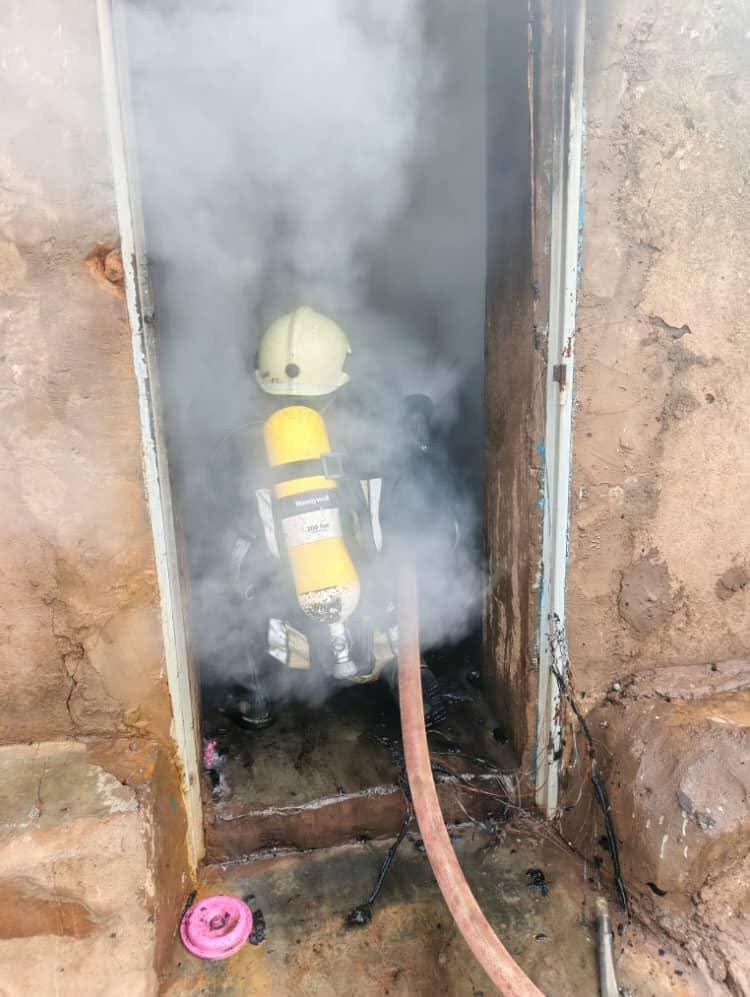
La Brigade Nationale de Sapeurs-Pompiers recommande la prudence et le respect de la réglementation en matière de sécurité incendie.
Source : Page Facebook Brigade nationale des sapeurs-pompiers
Musique : Danielle Bonté présente son premier album « Zusoaba Boolame »
Danielle Bonté a débuté sa carrière musicale en 2022.
Le samedi 7 mars 2026, Sawadogo Salmata, de son nom à l'état civil, a mis sur le marché du disque son tout premier album intitulé « Zusoaba Boolame » (qui signifie « l'appel de Dieu »).
Cette œuvre musicale, de style tradimoderne, comporte six titres.
L'album est disponible au prix de 5 000 FCFA.
Infoline : +226 65 44 80 58
Samirah Bationo
Lefaso.net
Burkina : Le nouveau chef d'état-major de la gendarmerie nationale au garde-à-vous devant ses autorités de tutelle
Le Chef d'État-Major de la Gendarmerie nationale du Burkina Faso, le Colonel Issa Yaguibou, après sa prise de commandement officielle, a entrepris une tournée protocolaire auprès des plus hautes autorités militaires et gouvernementales, fait savoir la gendarmerie nationale sur sa page Facebook. Cette série de visites aux autorités de tutelle, a débuté par une audience avec le Général de brigade Moussa Diallo, Chef d'État-Major Général des Armées.
Au cours de cet entretien, le nouveau patron de la Gendarmerie a tenu à exprimer sa gratitude et sa reconnaissance à l'ensemble du commandement pour la confiance placée en lui. L'occasion a été également mise à profit pour recevoir les orientations et directives stratégiques du chef militaire. De son côté, le Général Diallo a assuré son interlocuteur de sa disponibilité à l'accompagner dans l'exercice de sa mission, tout en l'exhortant à œuvrer sans relâche pour le rayonnement et la crédibilité de l'institution.
Dans la continuité de cette série de prises de contact, le Colonel Issa Yaguibou a été reçu les 11 et 13 mars 2026 par le Général de division Célestin Simporé, ministre d'État, ministre de la Guerre et de la Défense patriotique et le ministre de la Sécurité, le Commissaire divisionnaire de Police Mahamadou Sana. Lors de ces différentes audiences, le Chef d'État-Major de la Gendarmerie nationale a réaffirmé son engagement personnel ainsi que celui de l'institution à servir la Patrie avec loyauté et discipline. Une position qui s'inscrit, selon lui, dans la dynamique et la vision portées par les plus hautes autorités du pays.

www.lefaso.net
Source : Gendarmerie nationale
Consultations économiques à Paris : « Les États-Unis cherchent-ils une stabilisation avec la Chine ? », se demande la journaliste chinoise, Shanhui Zhang
Du 14 au 17 mars, les représentants de la République populaire de Chine et des Etats-Unis tiennent leur nouveau cycle de négociations à Paris, en France. Selon la presse étrangère, les discussions portent sur des dossiers techniques : droits de douane, commerce agricole et énergétique, chaînes d'approvisionnement ou accès aux matières premières stratégiques. Pour Shanhui Zhang, journaliste à CGTN Français, le choix de Paris n'est pas anodin. En se retrouvant dans un pays tiers, explique-t-elle, la Chine et les États-Unis s'éloignent des pressions politiques et médiatiques de leurs scènes nationales. Par ailleurs, la journaliste s'interroge sur les intentions de Washington, se demandant si les États-Unis cherchent désormais à stabiliser leurs relations avec la Chine, au regard des cycles de négociations précédents.
Les négociations commerciales sont rarement seulement commerciales. Lorsqu'elles concernent les deux premières puissances économiques du monde, elles deviennent aussi un révélateur des équilibres stratégiques internationaux.
Au moment où les délégations chinoise et américaine se retrouvent à Paris pour un nouveau cycle de consultations économiques et commerciales, la scène peut sembler presque paradoxale. Dans une capitale européenne chargée d'histoire diplomatique, loin de Washington et de Beijing, les deux premières puissances économiques mondiales tentent une fois encore de gérer une relation devenue l'un des axes structurants de l'économie mondiale.
Du 14 au 17 mars, les représentants des deux pays tiennent leur nouveau cycle de négociations. Selon la presse étrangère, les discussions portent sur des dossiers techniques : droits de douane, commerce agricole et énergétique, chaînes d'approvisionnement ou accès aux matières premières stratégiques. Mais derrière ces questions se joue en réalité quelque chose de bien plus profond : la manière dont deux grandes puissances, à la fois concurrentes et interdépendantes, tentent de redéfinir les règles de leur coexistence économique.
Dans cette perspective, le choix de Paris n'est pas anodin. Dans les relations internationales, les lieux de négociation sont rarement neutres. En se retrouvant dans un pays tiers, la Chine et les États-Unis s'éloignent des pressions politiques et médiatiques de leurs scènes nationales. Le cadre devient ainsi plus propice à une discussion pragmatique.
Mais il existe aussi une dimension symbolique. Un espace tiers suggère une forme d'équilibre entre les parties, une tentative de recréer les conditions d'un dialogue plus serein. À une époque où la concurrence stratégique entre grandes puissances s'intensifie, ce type de cadre diplomatique prend une signification particulière.
Ces discussions interviennent en outre dans un contexte international particulièrement chargé. Du côté américain, plusieurs facteurs expliquent l'intérêt renouvelé pour une stabilisation économique avec la Chine. Sur le plan juridique, la décision rendue en février 2026 par la Cour suprême américaine, remettant en cause certains droits de douane instaurés dans le cadre de la politique commerciale précédente, a fragilisé l'architecture tarifaire construite ces dernières années.
Sur le plan géopolitique, la guerre impliquant l'Iran accroît les incertitudes économiques et pèse sur les marchés énergétiques mondiaux. L'histoire récente montre que les chocs énergétiques ont souvent des répercussions politiques importantes aux États-Unis.
Enfin, le calendrier politique joue également un rôle. À l'approche des élections de mi-mandat, toute amélioration du climat économique ou diplomatique peut constituer un argument politique non négligeable pour l'administration américaine. Dans ce contexte, un apaisement commercial avec la Chine pourrait apparaître comme un facteur de stabilisation pour Washington. Autrement dit, pour les États-Unis, la question n'est plus seulement commerciale : elle est aussi stratégique et politique.
Du côté chinois, la logique est sensiblement différente. Beijing insiste sur la nécessité de maintenir des relations économiques stables entre les deux plus grandes économies du monde. Cette stabilité est perçue non seulement comme un intérêt bilatéral, mais également comme un élément essentiel de l'équilibre de l'économie mondiale.
Mais cette ouverture au dialogue ne signifie pas naïveté stratégique. La Chine observe attentivement l'évolution de la politique américaine : contrôles technologiques, nouvelles enquêtes commerciales ou initiatives visant certains secteurs industriels chinois.
L'approche chinoise consiste donc à maintenir le dialogue tout en conservant une capacité de réponse lorsque ses intérêts sont jugés menacés. C'est précisément cette combinaison de coopération et de concurrence qui caractérise aujourd'hui la relation sino-américaine.
Car derrière les frictions commerciales se cache une réalité structurelle : une interdépendance stratégique entre les deux économies. Les chaînes de valeur mondiales, les flux d'investissement et les marchés de consommation relient étroitement les économies chinoise et américaine.
Dans un tel système, il devient difficile de penser l'économie internationale uniquement en termes de confrontation ou de découplage. Toute tentative de séparation brutale risquerait d'accélérer un phénomène déjà perceptible : la fragmentation progressive de la mondialisation.
C'est pourquoi les accusations américaines récurrentes de « surcapacité industrielle » adressées à certains partenaires commerciaux posent en réalité une question plus large : celle du fonctionnement même de l'économie mondiale. Dans une économie mondialisée, la production et la consommation se répartissent naturellement entre différents espaces économiques. Il s'agit avant tout d'une question de division internationale du travail et de structure de la demande globale, plutôt que d'un prétendu « dumping » chinois. Réduire la production à la seule demande nationale reviendrait, en pratique, à remettre en cause l'un des principes fondamentaux du commerce international.
Les tensions commerciales sino-américaines ne peuvent donc être comprises uniquement comme un conflit bilatéral. Elles reflètent également un débat plus large sur les règles appelées à structurer l'ordre économique mondial du XXIᵉ siècle.
Depuis le retour de Donald Trump à la Maison-Blanche en 2025, les mesures protectionnistes, les restrictions technologiques et les enquêtes commerciales ont contribué à alimenter les tensions. Dans le même temps, les canaux de communication politique n'ont jamais été totalement interrompus. Les dirigeants des deux pays ont eu plusieurs échanges directs ces dernières années, dont une rencontre importante à Busan, qui avait permis de réaffirmer la nécessité de maintenir un dialogue régulier. Dans ce contexte, la rencontre de Paris ne doit pas être interprétée uniquement comme une négociation commerciale parmi d'autres. Elle constitue également un test de maturité stratégique pour les deux puissances.
Car la question fondamentale reste la même : comment deux grandes puissances peuvent-elles gérer leur concurrence sans faire basculer l'économie mondiale dans une logique de fragmentation ? À cet égard, le simple fait que les deux pays aient choisi de se retrouver à Paris pour discuter constitue déjà, en soi, un signal diplomatique. Reste à savoir si ce dialogue permettra réellement d'ouvrir une phase de stabilisation commerciale durable entre Beijing et Washington.
Shanhui Zhang
CGTN Français
Burkina/Ramadan : La communauté musulmane de la cité ASECNA initie les enfants aux valeurs islamiques
Dans le cadre du mois de Ramadan, la communauté musulmane de la cité ASECNA de l'extension sud du quartier Ouaga 2000, à Ouagadougou, a organisé une journée de fête dénommée « Ramadan des enfants ». L'activité s'est tenue le dimanche 15 mars 2026.
À travers cette initiative, les organisateurs entendent inculquer aux enfants les bases de la religion musulmane, notamment les invocations, la prière et les valeurs islamiques. La journée se veut à la fois éducative et festive, afin de permettre aux enfants d'apprendre tout en partageant un moment de convivialité.
Le parrain de la cérémonie Abdoul Rasmané Guigma avec des enfants ayant reçu leurs cadeaux
Pour cette deuxième édition du « Ramadan des enfants », plusieurs activités ont été organisées autour de l'apprentissage religieux. Les enfants ont ainsi eu l'occasion de réciter des invocations, de revoir certaines notions liées à la prière et d'échanger sur les valeurs de l'islam. En plus de ces moments d'apprentissage, les participants ont également reçu des présents composés notamment de lait, de jus, de popcorns et d'autres friandises, dans la joie et le partage.
Selon le président de l'Association des musulmans de la cité ASECNA, Adama Diabaté, cette activité vise également à permettre aux enfants de se remémorer les enseignements reçus tout au long de l'année. En effet, chaque week-end, les enfants du quartier sont initiés aux fondamentaux de la religion musulmane. « Cette activité, c'est pour susciter en nos enfants, qui sont la relève de demain, l'apprentissage de notre religion, qui est la religion musulmane. J'invite d'ailleurs nos enfants à se comporter en bons enfants musulmans en respectant les prescriptions religieuses ». Il a par ailleurs invité les parents à accorder une attention particulière à l'éducation religieuse de leurs enfants, afin qu'ils grandissent dans le respect des valeurs islamiques et deviennent de bons musulmans.
Le président de l'association des musulmans Adama Diabaté
Le parrain de la cérémonie, Abdoul Rasmané Guigma, a ajouté que cette activité, c'est aussi pour transmettre aux enfants de bonnes valeurs afin qu'ils soient demain des hommes et des femmes de paix, vivent ensemble dans la cohésion sociale. Il exhorte les parents à enseigner les valeurs de l'islam aux enfants pour faire d'eux des hommes pieux.
Salimata Topan membre du comité d'organisation
« À travers cette initiative, nous voulons apprendre la religion à nos enfants. Ce qui était fait avant, c'était de dire aux enfants de prier. Mais l'enfant ne sait pas pourquoi il doit prier. En leur inculquant les valeurs islamiques, ils sauront pourquoi ils doivent prier et grandiront avec ces valeurs. Aussi, nous voulons déconstruire cette mentalité, qui dit que Ouaga 2000 est une zone de perdition pour les enfants. C'est pour dire qu'à Ouaga 2000, nous pouvons instaurer des valeurs humaines et sociales. Il y a une semaine, nous avons organisé une rupture communautaire avec les autres confessions religieuses. Nous montrons ces valeurs à nos enfants afin qu'ils soient des Burkinabè solidaires. Nous voulons qu'ils sachent que la solidarité est très importante pour le développement de notre pays et le vivre-ensemble. Parce que c'est une valeur qui prône la paix et la cohésion sociale », a indiqué Salimata Topan, membre du comité d'organisation. Elle a terminé en invitant tous les parents musulmans du quartier à laisser leurs enfants aller apprendre le Coran et à participer aux activités du quartier afin qu'ils puissent développer des liens de fraternité.
Le président de l'association des musulmans Adama Diabaté
Pour Fatima Bougma, cette journée a été bénéfique pour elle. Car elle a acquis de nouvelles connaissances concernant l'islam. Il s'agit notamment de quelle invocation réciter avant de porter un vêtement ou d'entrer dans les toilettes et autres.
Rama Diallo
Lefaso.net
25 ans du Co-artesiane : Dafra Pharma offre du matériel à la pédiatrie du CHU – Yalgado Ouédraogo
« Il n'est pas de bien plus précieux que la santé », nous enseigne une sagesse africaine. Convaincue de ce fait et engagée pour un bien-être des enfants, Dafra Pharma a laissé parler son cœur en offrant à la pédiatrie du Centre hospitalier universitaire Yalgado Ouédraogo (CHU-YO) un lot de matériels. Cette activité se tient, faut-il le rappeler, à l'occasion du 25ᵉ anniversaire du Co-artesiane, un produit qui contribue à la lutte contre le paludisme, principalement chez les enfants. C'était le jeudi 12 mars 2026.
« Les enfants représentent l'avenir de notre monde », foi de Karim Sana, délégué médical à Dafra Pharma. Face aux maux auxquels ces derniers sont en proie, prévenir et guérir les maladies qui pourraient les frapper relèvent de la mission de Dafra Pharma qui, à l'occasion du jubilé d'argent de son produit dénommé Co-artesiane, a posé un acte de générosité à l'endroit de la pédiatrie du CHU-YO. Un lot de matériels reçu par Pr Fla Koueta, chef de service de la pédiatrie, a été offert par le laboratoire.
« Notre objectif est de proposer des solutions efficaces pour la prise en charge du paludisme », Karim Sana
« Le don est composé de tensiomètres pédiatriques multi-brassards, de stéthoscopes liman pédiatriques, de bandelettes urinaires multi-sticks, de glucomètres code-free, de pèse-bébés Dafra, d'otoscopes, de thermo flash, d'oxymètres de poul. Nous avons fait le choix de la pédiatrie parce que le produit pour lequel nous célébrons les 25 ans est destiné aux enfants. La pédiatrie du CHU-YO est également une référence en matière de prise en charge de pathologies des enfants. Par ce geste, nous voulons contribuer à améliorer la santé des enfants de notre pays », a laissé entendre Issouf Dramé, superviseur de Dafra Pharma Burkina.
« Co-artesiane est un produit que beaucoup de pédiatres connaissent. Il fait du bien à nos enfants », Issouf Dramé
Ce matériel n'a pas été offert de manière hasardeuse. Avant, des échanges ont eu lieu entre le laboratoire et le chef de service de la pédiatrie, Pr Fla Koueta. C'est avec lui que les besoins du service ont été identifiés. « Quand Dafra Pharma nous a approchés, nous avons identifié ensemble les besoins les plus urgents, les plus pressants, le matériel qui peut être utilisé immédiatement pour renforcer les capacités de prise en charge des enfants », a décrit le chef de service de la pédiatrie de l'hôpital.
"Nos besoins sont immenses. Dafra Pharma nous ôte plusieurs épines du pied", Pr Fla Koueta
Une démarche qu'il salue car, dit-il : « ils ont voulu que cette démarche soit scientifique. Au lieu de payer du matériel qu'ils nous donneraient par la suite, ils sont passés nous voir, et nous ont demandé ce que nous voulions utiliser immédiatement, et c'est cette liste qu'on a faite. Nous éprouvons naturellement donc un sentiment de joie pour cette activité que Dafra Pharma mène avec notre structure », a ajouté l'expert en santé infantile.
Les membres de l'équipe de Dafra Pharma et du service de pédiatrie échangeant autour des questions liées au paludisme
Selon ses dires, la prescription en pédiatrie se fait en fonction du poids. « Si les poids sont précis, cela va améliorer la prise en charge et nous permettre d'identifier l'état nutritionnel des enfants. Par ailleurs, la prise en charge de l'enfant va nécessiter de prendre parfois la tension, que les gens oublient souvent, chose que nous pourrons désormais faire avec les tensiomètres qui ont plusieurs brassards en pédiatrie », a-t-il entre autres relevé, quant à l'utilité du matériel offert.
Une photo de famille pour immortaliser le don de Dafra Pharma à la pédiatrie
Rappelons qu'en marge de ce don, des échanges ont eu lieu entre l'équipe de Dafra Pharma et les membres du service de pédiatrie dirigé par Pr Koueta. Ils ont porté essentiellement sur la maladie du paludisme, et sur le Co-artesiane, utilisé pour les enfants. Des questions afin de lever les doutes, de dissiper les zones d'ombre sur ce qui peut prêter à confusion. Après cela, les acteurs ont communié autour d'un repas, le tout dans une ambiance bon enfant.
Erwan Compaoré
Lefaso.net
Bobo-Dioulasso, 14 février et 8 mars 2026 : Quand les aînés dansent pour la patrie et remettent un don historique pour les veuves et orphelins des VDP et des FDS !
Dans la chaleur bienveillante d'une soirée de février 2026, Bobo-Dioulasso a vibré au rythme d'une joie rare et contagieuse. Sous les lampions multicolores du mess des officiers, espace aménagé pour l'occasion, des centaines de personnes âgées (PA) de 60 ans ou plus ont foulé la piste de danse avec une énergie qui a fait oublier les années passées.
Musique rétro burkinabè et internationale, rires cristallins, mains qui se serrent, corps qui se balancent : c'était plus qu'un simple bal ou retrouvaille. C'était une déclaration de vie, de résilience et d'amour pour la patrie.
Les retrouvailles ou bal du 14 février 2026
Ce 14 février 2026, jour symbolique s'il en est, le Conseil régional des personnes âgées (CRPA) du Guiriko, le Conseil provincial des PA (CPPA) du Houet, les Conseils des PA des sept arrondissements de Bobo-Dioulasso, ceux des 33 secteurs et des 36 villages de la commune ont uni leurs forces.
Avec le soutien enthousiaste des jeunes et du Réseau de protection et de promotion des PA (R3PA), ils ont offert à la ville un moment intergénérationnel inoubliable.
L'entrée, fixée à seulement 1000 francs CFA, était à la portée de tous. Personne n'est resté sur le bord de la piste. Les jeunes ont rejoint leurs grands-parents, les enfants ont appris les pas d'autrefois.
La musique de l'époque des indépendances, les tubes de la grande époque du balafon et de la guitare électrique burkinabè, mêlés à quelques classiques internationaux, ont fait revivre la mémoire collective.
Interrogé pendant le bal, le président du CRPA du Guiriko, M. Karim Ky, les yeux encore pétillants de la soirée, a expliqué : « Nous avons dansé pour notre bien-être multidimensionnel, pour nous rappeler que nous sommes vivants. Mais nous avons aussi dansé pour notre pays, pour récolter des fonds et soutenir les veuves et orphelins des Volontaires pour la Défense de la Patrie (VDP) et des Forces de Défense et de Sécurité (FDS) car leur époux ou père se sont sacrifiés pour nous tous. Nous ne pouvons pas rester les bras croisés. »
Effectivement, ce bal n'était pas une simple distraction. C'est une prescription de santé publique. Les bienfaits de la danse pour les PA sont aujourd'hui reconnus par la communauté scientifique internationale. Activité physique douce, elle renforce le cœur et les vaisseaux sanguins, améliore la circulation et réduit les risques cardiovasculaires. Elle développe l'équilibre et la coordination, diminuant ainsi drastiquement les chutes, première cause d'hospitalisation et de dépendance chez les seniors.
Sur le plan cognitif, la danse stimule la mémoire, la concentration et même la neuroplasticité. Des études montrent qu'elle peut ralentir le déclin lié à l'âge et prévenir certains troubles dépressifs. Mentalement, elle combat l'isolement social, ce fléau silencieux qui touche tant de nos aînés. En dansant ensemble, en riant aux éclats sur un vieux morceau burkinabè, ces personnes âgées ont rechargé leur moral, renforcé leurs liens familiaux et intergénérationnels.
La dimension culturelle n'est pas moindre. La musique rétro burkinabè n'est pas seulement un divertissement. C'est notre patrimoine vivant. Elle porte la mémoire des luttes pour l'indépendance, des ambiances passées, des moments de fraternité. En la faisant revivre, les aînés ont transmis aux jeunes un héritage précieux. La piste de danse est devenue une école de vie où les générations se parlent sans mots, par le rythme et le mouvement.
Dans plusieurs pays européens, les mutuelles de santé et les caisses de retraite ont compris depuis longtemps l'intérêt économique et humain de ces initiatives. Elles financent ou subventionnent des ateliers de danse, des bals seniors et des programmes d'activité physique adaptés. Ces structures savent que la pratique régulière d'activités physiques par les personnes âgées contribue à améliorer leur bien-être multidimensionnel et, à terme, à diminuer les dépenses de santé liées à leur prise en charge.
Au Burkina Faso, les mutuelles de santé, les caisses de prévoyance sociale ainsi que les ministères en charge de la santé, du sport, de la culture et de la solidarité pourraient s'inspirer de ce modèle et « changer de logiciel ». Chez nous, au Burkina Faso, nous avons la chance d'avoir une tradition vivante de danse et de musique communautaire. Il nous suffit de la structurer, de la soutenir et de la valoriser comme outil de santé publique.

Le don aux veuves et orphelins des FDS et VDS
Ce 8 mars 2026, jour de la Journée internationale des droits de la femme, ces mêmes aînés ont franchi une étape supplémentaire. Dans une cérémonie sobre et émouvante, ils ont remis l'intégralité des bénéfices de la soirée du 14 février au Commandant de la région militaire du Guiriko. Un geste concret, destiné à soutenir les veuves et les orphelins des Volontaires pour la Défense de la Patrie (VDP) et des Forces de Défense et de Sécurité (FDS). Un geste qui dit tout : même dans la vulnérabilité, la sagesse burkinabè choisit de donner.
Ce geste n'est pas anodin. Dans un Burkina Faso confronté à l'insécurité, où chaque citoyen est appelé à contribuer à l'effort de guerre et à la cohésion nationale, les PA viennent de montrer qu'elles sont en première ligne de la solidarité. Elles qui dépendent souvent de l'aide familiale ou communautaire ont choisi, par elles-mêmes, d'aider plus vulnérables qu'elles. C'est ici que résonne avec force cette pensée populaire qui affirme qu' « une personne sage peut garder un caillot de sang dans sa bouche et cracher la salive. »
La sagesse derrière cette image puissante est limpide. Le sang représente la douleur, la souffrance intérieure, la pauvreté que l'on endure en silence. La salive, c'est ce que l'on offre aux autres : pur, rafraîchissant, sans trace de notre propre blessure. Les aînés du Guiriko ont gardé leurs maux – arthrose, souvenirs de deuils, difficultés économiques – et ont craché la salive de la générosité.
Leur générosité rappelle plusieurs sagesses populaires profondément ancrées dans nos cultures : « La main qui donne est souvent plus pauvre que celle qui reçoit, mais elle donne quand même » ; « Celui qui a connu la faim (l'orphelinat ou le veuvage) comprend la faim des autres » ; « Le cœur généreux ne se ferme pas parce qu'il souffre » ; « La dignité d'un homme est de donner même lorsque sa poche est légère » ; « La bougie (les PA) se consume pour éclairer les autres » ; et enfin, « la vraie richesse n'est pas ce que l'on garde, mais ce que l'on partage ».
Ainsi, que des PA, souvent perçues comme fragiles, co-organisent elles-mêmes un tel événement et en reversent les bénéfices aux défenseurs de la patrie et aux familles endeuillées, voilà qui force le respect. Ce geste rappelle que la solidarité burkinabè n'est pas un slogan. Elle est une pratique quotidienne, ancrée dans nos valeurs ancestrales. Dans le contexte actuel de notre pays, où l'effort de guerre mobilise toutes les énergies, ce don revêt une dimension profondément patriotique. Il dit aux FDS et aux VDP : « Nous sommes avec vous. Votre combat est le nôtre. » Leur geste dit aussi aux jeunes : regardez vos aînés. Ils ne se plaignent pas. Ils s'organisent pour mieux servir la nation.
Les PA du Guiriko viennent de montrer une des voies possibles de retrouvaille et de soutien. Il appartient maintenant aux collectivités locales, aux ministères concernés, aux mutuelles et assurances, ainsi qu'à tous les partenaires techniques et financiers de les soutenir vivement.
Imaginons des clubs de danse hebdomadaires dans chaque commune, arrondissement ou secteur/village, encadrés par des pairs formés, supervisés par des moniteurs professionnels du Ministère en charge du Sport et soutenus financièrement par les mutuelles ou autres structures. Imaginons que la danse (« danse-culture », « danse-sport » et « danse-santé ») devienne une priorité, cela contribuerait de manière significative à améliorer les indicateurs de bien-être multidimensionnel des PA, tout en les protégeant et en les valorisant comme des trésors humains vivants.
A Bobo-Dioulasso, les aînés ne demandent pas la charité. Ils offrent leur exemple. Entre autres activités, ils dansent pour rester debout. Ils dansent pour que le Burkina Faso reste debout.
Vivement, que ce bal du 14 février et ce don du 8 mars 2026 marquent le début d'une nouvelle ère : celle où la vieillesse n'est plus subie, mais célébrée comme une force vive au service de la nation. Que chaque commune, chaque village, s'empare de cette flamme. Que la danse devienne notre médicament collectif, notre lien intergénérationnel, notre arme de solidarité.
Vive la danse qui guérit et qui unit !
Auteur : Dr Berthé/Sanou Lalla, Sociologue, chercheuse au Centre Muraz (Institut National de Santé publique-INSP), membre du R3PA Guiriko, email : sanoulalla@yahoo.fr
Lire aussi :
Burkina Faso : Bobo-Dioulasso prépare la 35ᵉ Journée Internationale des Personnes Âgées 2025 à ses propres frais
GEN Burkina Faso lance un projet d'autonomisation des personnes vulnérables à travers la Patate Douce à Chair Orange (PDCO).
Global Entrepreneurship Network Burkina Faso (GEN Burkina Faso) est une association qui est dédiée à la promotion de l'entrepreneuriat au Burkina Faso. Sa vision est de rendre possible pour tous, partout, la création, la gestion et le développement d'entreprises.
La crise sécuritaire que traverse le Burkina Faso a provoqué le déplacement de nombreuses personnes, en majorité des femmes et des enfants. Cette situation entraîne de graves conséquences sanitaires, économiques, sociales et environnementales ; telles que la malnutrition, le chômage, la pauvreté et la désertification.
La Patate Douce à Chair Orange (PDCO), riche en vitamine A et en nutriments, apparaît comme une solution innovante pour améliorer la sécurité alimentaire et nutritionnelle, tout en offrant des opportunités économiques par sa culture et sa transformation. C'est dans ce contexte que suite au deuxième appel à projet de TADAMON, GEN Burkina Faso a conçu le projet « Autonomisation des populations déplacées au Burkina Faso ». Ce projet vise à renforcer la résilience et l'état nutritionnel de ces personnes vulnérables grâce à la promotion de la PDCO.
Suite à un processus très sélectif, le projet de GEN Burkina Faso a été retenu. Il bénéficie d'une subvention de US$116.500 du Programme d'autonomisation des ONG pour la réduction de la pauvreté de la Banque Islamique de Développement (BID) ainsi que du Fonds de Solidarité Islamique pour le Développement (FSID).
Ce projet, d'une durée de 12 mois, est mis en œuvre dans les régions du Kadiogo et de Tannounyan. Sa cible concerne 500 femmes déplacées internes et 150 jeunes et femmes.
Pour tout besoin d'information, contactez :
GEN Burkina Faso
Tel. : (226) 25 33 55 54
WhatsApp : (226) 75 70 42 88
Email : bayirih@gmail.com
Le cinéma marocain célébré à Cotonou avec "Annatto"
L'auditorium de l'Institut Français du Bénin à Cotonou a accueilli, lundi 16 mars 2026, la projection du film Annatto, une œuvre de la réalisatrice marocaine Fatima Ali Boubakdi. L'événement, organisé par l'Ambassade du Royaume du Maroc au Bénin, dans le cadre de la célébration du mois de la Francophonie, a réuni des ambassadeurs, des représentants d'organisations internationales et des invités venus célébrer la diversité culturelle portée par la Francophonie.

Pendant plus d'une heure trente, ‘'Annatto'' a entrainé le public dans un récit explorant les relations interculturelles, le racisme et la quête d'identité. Sorti en 2022, le film raconte l'histoire d'une femme sénégalaise mariée à un commerçant marocain. À travers ce couple, Annatto explore les réalités complexes des unions entre cultures différentes, les préjugés sociaux et les tensions identitaires qui peuvent émerger dans ces relations.
La projection du film s'inscrit dans la dynamique de promotion du dialogue interculturel et du vivre-ensemble, valeurs chères à la Francophonie. Elle a permis au public de découvrir une production cinématographique marocaine primée.
Dans son intervention, M. Mohammed El Yamani a, au nom de SEM. Rachid Rguibi, Ambassadeur de Sa Majesté le Roi au Bénin, rappelé l'engagement du Royaume en faveur de la promotion des valeurs de dialogue et d'entente entre les peuples. À l'occasion du mois de la Francophonie, poursuit-il, l'Ambassade a décidé de célébrer le cinéma marocain à travers la projection du film Annatto.

Cette œuvre de Fatima Ali Boubakdi s'est illustrée dans plusieurs festivals internationaux. Elle a notamment remporté le Grand Prix Écran d'Or au 25e Festival Écran Noir au Cameroun, le Prix du Président de la République au Sénégal, ainsi que plusieurs distinctions techniques, notamment pour la photographie, les costumes, le son et les décors.
La séance a été marquée par un hommage rendu au défunt Mohammed Ahed Bensouda, réalisateur marocain du film ‘'Les divorcés du Casablanca'', invité de l'édition 2025.
Des spectateurs touchés par un message universel
La Coordonnatrice résidente du Système des Nations Unies au Bénin, Aminatou Sar, de nationalité sénégalaise, a salué la portée symbolique de cette projection. « Non seulement c'est la célébration du Mois de la Francophonie, mais ça tombe aussi en plein mois de célébration de la Journée internationale des droits des femmes », a-t-elle confié.
Selon elle, l'histoire racontée dans le film fait écho à des réalités familiales et historiques liées à la ville sénégalaise de Saint-Louis, où les échanges culturels avec le Maroc sont anciens. Elle a insisté sur le rôle de la culture et du cinéma comme vecteurs de rapprochement entre les peuples.

« C'est un beau film qui nous rappelle combien de fois nos différences sont plus une richesse qu'une raison de faire la guerre, de se séparer. Je crois fermement à la puissance de la culture, de l'image et du cinéma pour continuer à faire la promotion du vivre ensemble, de la paix, et de la cohésion sociale », a-t-elle souligné.
D'autres spectateurs ont également salué une œuvre à la fois touchante et introspective. Pour eux, Annatto aborde avec sensibilité les questions d'identité, de métissage et de coexistence culturelle entre l'Afrique subsaharienne et le Maroc.
« Ce sont les réalités sociales, les préjugés et les défis auxquels sont confrontés les couples interculturels », a confié Ludovic B, metteur en scène.
« J'ai beaucoup apprécié le jeu des acteurs. Le film invite le spectateur à réfléchir sur la tolérance, l'acceptation de l'autre et la place de l'identité dans les relations humaines », a ajouté Anne Sophie, spectatrice.
À travers cette projection, le cinéma marocain s'est une nouvelle fois affirmé comme un puissant miroir des réalités sociales et un pont entre les cultures, rappelant que la Francophonie est aussi un espace de rencontres, de dialogue et de partage.
Akpédjé Ayosso
Catégories: Afrique, European Union
Au RN, les victoires aux législatives ont produit de très forts gains aux municipales
DÉCRYPTAGE - Là où un député du Rassemblement national figurait sur une liste locale, le parti de Jordan Bardella a dépassé en moyenne les 30 % des voix au premier tour.
Catégories: France
European Democracy Is Doing Just Fine, Top EU Official Says
Despite White House claims, the EU’s human rights official argues that “democracy is thriving” on the continent.
Catégories: Diplomacy & Crisis News, Európai Unió : hírek magyarul
Décès de Madame KANTAGBA née COULIBALY Marie Céline : Faire-part
– Les grandes familles KANTAGBA, ZOUNGRANA à Kiougou-Douré, Komin-Yanga, Fada N'gourma, Ouagadougou, Bobo Dioulasso et France
– Monsieur KANTAGBA Mollé Valentin, instituteur à la retraite à Koudougou
– Les grandes familles COULIBALI, OUATTARA à Toussiana, Taga, Péni, Bobo-Dioulasso, Ouagadougou, Cote d'ivoire, France
– Les familles alliées ZOUGMORE, NANEMA, OUEDRAOGO, COMBARY, NIKIEMA, LESUEUR, BARGO
– Les enfants : Sonia E Florence, Evariste, Solange, Hermann, Henri Joel, Constant, Désiré
– Les enfants adoptifs : Feu Poonè, Odile, Christian, Lebné
– Les petits enfants : Carlex, Yasmine, Eddy, Laurraine, Délia, Charbel, Ombeline, Christal, Mathis, Feu Nolhan, Yanis, Gabriel, Maria, Martha, Nayla, Eléora Jad, Aziz, Zalissa, Fati, Ange, Flora, Nadia, Ghislain, Josephat, Delchrist, Emrys, Ivan
Ont la profonde douleur d'annoncer le rappel à Dieu de leur épouse, fille, mère, sœur, cousine, tante, belle-sœur, belle fille, grande mère et arrière grande mère KANTAGBA née COULIBALY Marie Céline ((31/12/1956-12/03/2026), institutrice à la retraite à l'hôpital de l'amitié de Koudougou le Jeudi 12 Mars 2026.
PROGRAMME DES OBSEQUES
Mardi le 17 Mars 2026 :
Levée de corps : 17h00 à la morgue de l'hôpital de l'Amitié
Veillée de prière : 20h00 au domicile familial du secteur 9 de Koudougou non loin de l'église Notre Dame de la réconciliation de Burkina. https://maps.apple/p/hKM0068HtF5~h0
Mercredi le 18 Mars 2026 :
9h30 : Levée de corps au domicile familial pour l'Eglise Notre Dame de Réconciliation
10H00 : Messe d'absoute
14H00 : Enterrement au domicile familial. https://maps.apple/p/hKM0068HtF5~h0
Décès de MILLOGO Philomène dite « Maman Siin » : Remerciements et faire-part des funérailles coutumières
« Seigneur, je ne te demande pas pourquoi tu nous l'as enlevée, je te remercie de nous l'avoir donnée. » (Saint Augustin)
Les grandes familles MILLOGO, SANOU, OUATTARA, à Lèna, Ouagadougou, Bobo Dioulasso Yabasso, Zagné (Côte d'Ivoire), Abidjan (Côte d'Ivoire) et Poitier (France),
Monsieur Nia Gustave MILLOGO (Formateur à la retraite à Ouagadougou), Monsieur Camille MILLOGO dit Abou (Conducteur à la Retraite à Abidjan), Monsieur Honoré MILLOGO (Sociologue-communicateur à la retraite à Bobo Dioulasso), Monsieur MILLOGO Jules Souroukoudié (Conducteur à la Retraite à Lèna), Monsieur MILLOGO Dossoun Paul (Professeur à la retraite à Bobo Dioulasso), Monsieur Nestor MILLOGO (Comptable à la retraite à Bobo Dioulasso),
La grande Famille Gwêré à Ouagadougou et Bobo Dioulasso
Les enfants : Roland, Gnan Serge, Ernest, Abraham et Nina MILLOGO,
Les familles alliées : PALENFO, PARE, YOUGBARE, DAO, OUATTARA, SANOU, TAMBOURA, KABORE, DAHOUROU, YARA, TRAORE, MINOUNGOU, à Bobo Dioulasso, Mana, Ouagadougou, Guiglo (RCI),
Très touchés par les nombreuses marques de compassion et de soutien à leur endroit lors du rappel à Dieu de leur fille, épouse, sœur, mère, belle-sœur, grand-mère et amie :
MILLOGO Philomène dite « Maman Siin »,
Décès survenu le Lundi 08 Décembre 2025 à l'Hôpital de Saint Camille à Ouagadougou suivi de l'inhumation le Vendredi 12 Décembre 2025 à Lèna (Houet),
Remercient de tout cœur tous ceux qui, de loin ou de près, leur ont apporté leurs soutiens multiformes lors de cet évènement douloureux. Ils se gardent de citer des noms de peur d'en oublier.
Par ailleurs, ils vous invitent à unir vos intentions de prières aux funérailles coutumières qui auront lieu à Lèna selon le programme suivant :
☛ Samedi 21 Mars 2026 →19 heures →Veillée de prière au domicile familial à Lèna
☛ Dimanche 22 Mars 2026 →8 heures → Messe à l'Eglise paroissiale de Lèna
☛ Dimanche 22 Mars 2026 → 10 heures → Cérémonies coutumière à Lèna
Que Dieu récompense et bénisse chacun au centuple de ses bienfaits.
Union de Prières !!!!
Décès de KAFANDO Boukaré Jean-Claude : Remerciements
Sa Majesté le Namend-Yiri Naaba Sonré (Canton de Boulsa) et toutes les notabilités coutumières de la cour royale,
La grande famille KAFANDO à Boulsa, Dargo, Koomboundoum, Nagbingou, Tougouri, Pouytenga, Ouagadougou, Koudougou, Koupéla,
Les familles alliées DIKOUDOGO, BARRY à Kombissiri et Dédougou,
Les enfants de Sa Majesté Feu le Naaba Saaga de Boulsa : Monsieur KAFANDO Boureima agent de la SONABEL à la retraite à Ouagadougou, KAFANDO Guioada KAFANDO Issiaka à Boulsa,
KAFANDO Abasse, fils de Sa Majesté Feu le Naaba Sanem de Boulsa, fonctionnaire de police à la retraite, ses frères et sœurs à Ouagadougou, Boulsa, Pouytenga et à ailleurs,
Les veuves du défunt : Madame KAFANDO née DIKOUDOGO Justine et Madame KAFANDO née SAWADOGO Haoua à Pouytenga
Les enfants du défunt : Sœur Irère KAFANDO de la Congrégation des Sœurs Théatines à Ouagadougou, KAFANDO Isabelle à Ouagadougou, KAFANDO Innocent professeur certifié des lycées et collèges de Péyiri à Koudougou, Pierre Damien étudiant à Ouagadougou, KAFANDO Perpétue à Ouagadougou, KAFANDO Reine Immaculée étudiante à Koudougou, Arlette élève à Ouagadougou, KAFANDO Parfait, Eunice et Wendpanga à Pouytenga,
Très touchés par les nombreuses marques de sympathie et de soutiens multiformes dont ils ont bénéficié lors du décès le lundi 23/02/2026 à Ouagadougou de suite de maladie et de l'inhumation, le jeudi 26 février 2026 à 09 heures 00 à son domicile à BOULSA, de leur fils, frère, époux, père, cousin, neveu, beau-fils, beau-frère, beau-père, KAFANDO Boukaré Jean-Claude (Fils de Sa Majesté Feu Naaba Sanem de BOULSA), précédemment attaché d'éducation au lycée départemental de Pouytenga.
Les familles expriment leur profonde reconnaissance et leurs sincères remerciements à toutes et à tous pour votre présence, votre compassion et votre solidarité.
Elles remercient particulièrement :
Sa Majesté le Namend-Yiri Naaba Sonré (Canton de Boulsa) et ses notabilités coutumières ;
Les autorités administratives, militaires et paramilitaires de la province du Namentenga et du département de Boulsa ;
Son Eminence Philippe Cardinal OUÉDRAOGO, Archevêque Métropolitain Emérite de l'Archidiocèse de la Provinciale Ecclésiastique de Ouagadougou ;
Les Evêques, les Prêtres et les religieuses de l'Archidiocèse de Koupéla et du Diocèse de Kaya ;
Le Curé de la Paroisse Sainte Maria Goretti de Boulsa et son Presbyterium ; .
Les sœurs de la Congrégation des Sœurs Théatines à Ouagadougou ;
La communauté des Sœurs Franciscaines de Boulsa ;
Les responsables et les fidèles chrétiens de la Coordination du secteur 5, CCB Saint Pierre et des différentes CCB des autres secteurs de Boulsa ;
Son Excellence le Naaba Bouli de Wagelguin (Boulsa), PDG de l'Entreprise ETAF
Monsieur le Directeur Provincial de l'Enseignement Secondaire, de la Formation Professionnelle et Technique du Kourittenga et son personnel,
Monsieur le Proviseur du lycée départemental de Pouytenga et son personnel,
La communautés religieuses (catholique, musulmane et protestante) et leurs fidèles ;
Les jeunes des six (6) secteurs et des villages environnants de Boulsa qui ont prêté main forte pour l'aménagement de la dernière demeure du regretté ;
Les voisines et voisins du secteur 5 de Boulsa ;
Les populations des six (6) secteurs et des villages environnants de Boulsa ;
Les familles alliées :
o la grande famille DIKOUDOGO et les ressortissants de Bazèga,
o La famille SAWADOGO à Pissila ;
o La famille BARRY à Dédougou ;
Les collègues, amis et promotionnaires du défunt à Boulsa, Pouytenga Koupéla et Ouagadougou ;
Les ressortissants du Namentenga à Pouytenga, Koupéla et Ouagadougou et Kaya ;
Le service cadastre à Ouagadougou ;
Le Directeur du crédit au RCPB/FCPB à Ouagadougou ;
Le personnel du lycée de Péyiri à Koudougou.
Les voisins et voisines de Dagnoën (à Ouagadougou) ;
Les délégations venues des différentes localités du Burkina Faso ;
Toutes les nombreuses bonnes volontés ;
Ainsi que toutes les personnes dont les noms n'ont pas pu être cités.
Que le Tout Puissant rende à chacun le centuple de ses bienfaits.
Union de prières pour le repos de son âme. Amen !
Décès de Koné Abibatou Marie Ange : Remerciements
La grande famille Koné à Toungouana ;
Monsieur Koné Yalla à Banfora, ses frères et sœurs à Banfora, Bobo Dioulasso, Sindou, Ouagadougou , Abidjan, Paris ;
Le Chef de Canton de Banfora et la grande famille Héma à Banfora, Ouaga , Bobo Dioulasso, France ;
Les enfants Mariam, Kader, Frédéric, Aminata Aghate, Salif ;
Toutes les familles alliées au Burkina Faso, Togo ,Côte d'Ivoire, Mali, France, Belgique, USA, Canada ;
Les parents ;
Ont la profonde douleur de vous annoncer le décès à Banfora le 3 mars 2026 de leur fille, sœur, mère, grand-mère, arrière-grand-mère Koné Abibatou Marie Ange.
L'enterrement a eu lieu le 4 Mars 2026 à Banfora.
La famille remercie très sincèrement les voisins, amis et connaissances, le service de réanimation du CHR de Banfora, ...toutes les bonnes volontés qui nous ont assisté dans cette douloureuse épreuve.
Iran–Israël–États-Unis : le test grandeur nature des armes russes et chinoises
Chaque conflit révèle les rapports de force technologiques entre puissances militaires. Dans la confrontation actuelle entre l'Iran et l'alliance israélo-américaine, les opérations menées sur le terrain exposent indirectement les performances d'équipements fournis par Moscou et Pékin. Au-delà du théâtre moyen-oriental, c'est la crédibilité de ces armements sur le marché mondial qui se joue.
Une confrontation aux répercussions globales
L'escalade militaire entre l'Iran et Israël, dans laquelle les États-Unis jouent un rôle déterminant, dépasse largement le cadre d'un affrontement régional. Pour les analystes militaires, ce conflit constitue également un moment d'observation privilégié des capacités technologiques des différentes puissances impliquées, directement ou indirectement.
Depuis plusieurs années, l'Iran a cherché à moderniser son appareil militaire malgré les sanctions internationales qui limitent l'accès aux technologies occidentales. Pour contourner ces restrictions, Téhéran s'est tourné vers deux partenaires majeurs : la Russie et la Chine. Ces coopérations ont permis au pays d'acquérir ou de développer plusieurs systèmes d'armes destinés à renforcer sa défense aérienne et ses capacités de dissuasion.
Or, les opérations menées récemment par Israël mettent à l'épreuve une partie de cet arsenal.
Les défenses aériennes iraniennes sous pression
Au cœur de la stratégie de défense iranienne figurent les systèmes de défense sol-air, conçus pour protéger les infrastructures stratégiques du pays. Parmi eux, les batteries russes S‑300 constituent l'un des éléments les plus avancés dont dispose Téhéran.
Ces systèmes sont théoriquement capables de détecter et d'intercepter des avions ou des missiles à longue distance. Pourtant, plusieurs frappes israéliennes ont réussi à atteindre des cibles situées au cœur du territoire iranien.
Les analystes militaires expliquent ces succès par l'utilisation combinée de technologies avancées : drones de reconnaissance, missiles de précision, capacités de brouillage électronique et renseignements en temps réel. Dans ce type d'opération, l'objectif n'est pas seulement de détruire les défenses adverses, mais aussi de les saturer afin de désorganiser l'ensemble du dispositif.
La supériorité des architectures occidentales
Dans ce domaine, les forces israéliennes bénéficient d'une avance technologique notable, renforcée par leur coopération étroite avec les États-Unis. Les capacités de renseignement, de surveillance satellitaire et de coordination des frappes permettent d'identifier rapidement les vulnérabilités d'un dispositif de défense.
L'utilisation d'avions furtifs de dernière génération, comme les F‑35, constitue également un facteur déterminant. Conçus pour pénétrer les espaces aériens fortement défendus, ces appareils peuvent frapper des cibles stratégiques tout en réduisant les risques d'interception.
Un enjeu stratégique pour Moscou et Pékin
Au-delà de la confrontation militaire, la situation actuelle a également une dimension industrielle et stratégique. La Russie et la Chine comptent parmi les principaux exportateurs d'armements dans le monde.
Selon les données du Stockholm International Peace Research Institute (SIPRI), ces deux puissances fournissent une part importante des équipements militaires utilisés par de nombreux pays d'Afrique, du Moyen‑Orient et d'Asie.
Dans ce contexte, chaque conflit devient une vitrine technologique. Les performances observées sur le terrain influencent directement la perception de ces systèmes par les États acheteurs.
Une guerre observée par le Sud global
Les événements au Moyen‑Orient sont suivis avec attention par de nombreux gouvernements qui cherchent à moderniser leurs forces armées. Plusieurs pays du Sud ont choisi ces dernières années de diversifier leurs partenariats militaires en se tournant vers la Russie ou la Chine.
Les armements proposés par ces deux puissances présentent souvent un avantage financier et s'accompagnent de conditions politiques moins contraignantes que les équipements occidentaux.
Une compétition militaire mondiale
Dans un contexte de rivalité croissante entre grandes puissances, chaque guerre devient une démonstration de puissance technologique. Les systèmes d'armes sont testés dans des conditions réelles et leurs performances analysées par les états-majors du monde entier.
Pour les industriels de défense, l'enjeu est considérable : la crédibilité d'un équipement ne se construit pas seulement dans les salons d'armement, mais aussi sur les champs de bataille.
Catégories: Afrique, European Union
Pages



© 2012-2018 Europa Varietas Foundation © 2015-2018 Europa Varietas Association
www.europavarietas.org | info(@)europavarietas(dot)org | Switzerland




We are looking for sponsors for the English translation of these books, please contact turkeandras(at)gmail(dot)com