
Vous êtes ici
Agrégateur de flux
RDC: à Kolwezi, l'indemnisation des mineurs artisanaux déguerpis de Kamilombe jugée «dérisoire»
À Kolwezi, dans le sud de la RDC, le gouvernement a lancé, lundi 26 octobre, le processus d'indemnisation des mineurs artisanaux déguerpis du site de Kamilombe. Sur plus de 20 000 exploitants, environ 6 000, soit près d'un tiers, perçoivent un forfait de 400 à 1 200 dollars. Une compensation jugée dérisoire par la société civile, qui dénonce une violation des dispositions du règlement minier.
Catégories: Afrique
Aucun nouveau cas positif d’Ebola enregistré depuis huit jours à Mongwalu en Ituri
Aucun nouveau cas positif de la maladie à virus Ebola n’a été enregistré depuis le 18 octobre au centre de traitement de Mongwalu, en Ituri, selon des sources médicales. Huit cas suspects y sont encore en cours d’examen. Malgré cette évolution encourageante, les équipes sanitaires appellent la population à rester vigilante pour prévenir une éventuelle reprise de la transmission.
Catégories: Afrique, Európai Unió : hírek magyarul
Bridging the gap between health insurance eligibility and uptake: A multistate quantitative analysis of entitlement-based verification patterns under India’s PM-JAY Scheme
Publicly-funded health insurance schemes, wherein governments subsidize insurance contributions for disadvantaged groups, are a key strategy under universal health coverage. India’s Pradhan Mantri Jan Arogya Yojana (PM-JAY) uses an entitlement-based approach whereby approximately 700 million beneficiaries are automatically eligible for scheme benefits, subject to a simplified identity verification procedure instead of enrolment. This study investigates the determinants of undergoing verification among PM-JAY’s target population to identify underserved groups and inform strategies to expand coverage. We used cross-sectional survey data from 2019-2020, covering 50,002 individuals across five states. We examined individual and household characteristics associated with verification using logistic regression models with district-level random effects, and beneficiary experiences with the verification process. About one-fifth of eligible individuals had verified their status within a year of launch. Verification was more likely among older adults, with those ≥60years having higher odds than those 0–15 years of age (adjusted Odd Ratio [AOR] 2.339; 95% CI 2.071-2.641). Those with higher education had higher odds than those with no formal education (AOR 2.303; 95% CI 2.048-2.590), those with prior PFHI enrolment had higher odds compared to those not enrolled (AOR 1.947; 95% CI 1.827-2.075), and those with chronic illness had higher odds than those without (AOR 1.175; 95% CI 1.071-1.289). Women and household members other than spouses were less likely to verify. Disadvantaged castes and minority religions demonstrated relatively higher verification rates. District-level factors explained nearly one-third of variability, indicating that infrastructure and implementation capacity differences influence uptake. Many beneficiaries reported long wait times, varying documentation demands, and informal payments during verification. Addressing these barriers requires gender-sensitive outreach, streamlined household-wide verification, and strengthened local health system capacity. Policy reforms that simplify verification, ensure equitable access, and strengthen health infrastructure are vital to advancing effective universal health coverage for India’s most vulnerable populations.
Catégories: Diplomacy & Defense Think Tank News
FIREPOWER: Kubilius co-chairs dialogue on refineries
In today's edition: naval warfare, PAC-3 maintenance, Ukraine
Catégories: European Union
Smarter welfare payments systems could bring huge knock-on benefits [Partner Content]
Europe, like the rest of the world, is digitising fast; that includes financial services and payments systems, but often the welfare sector is forgotten
Catégories: European Union
THE HACK: Digital omnibus lobby frenzy
In today's edition: Frontex, frontier AI, IAB Europe
Catégories: European Union
Healthcare costs on sharp rise in Sweden [Partner Content]
Swedish specialist care costs have outstripped demographic change over the past decade, with cancer and psychiatry driving the rise and cardiovascular care a rare success story
Catégories: European Union
DIW-Konjunkturbarometer springt im Oktober über 100-Punkte-Marke, Fundament bleibt aber wacklig
Das Konjunkturbarometer des Deutschen Instituts für Wirtschaftsforschung (DIW Berlin) macht im Oktober einen deutlichen Sprung nach oben. Nach 95,9 Punkten im September steigt es um gut fünfeinhalb auf nun 101,5 Punkte und liegt damit erstmals seit Februar wieder über der neutralen 100-Punkte-Marke, ...
Catégories: Diplomacy & Defense Think Tank News
Anger in Kenya over extradition hearing delay for ex-British soldier accused of murdering woman
No official reason has been given for postponing next month’s hearing to May 2027, the family says.
Catégories: Africa
VOLTAGE: Climate insurance gap
In today's edition: switchgear, carbon pricing, refineries
Catégories: European Union
FIRST AID: Alcohol industry unfazed by weight-loss drugs
In today's edition: tobacco, budget, medical devices
Catégories: European Union
La Vice-Présidente du Bénin est arrivée ce matin à Moscou
La Vice-présidente de la République du Bénin, Mariam Chabi Talata Zimé, qui conduit la délégation béninoise pour le 3e Sommet Russie-Afrique, est arrivée ce mercredi matin à Moscou.
La Vice-présidente de la République du Bénin a été accueillie ce mercredi matin à l'aéroport international Domodedova de Moscou par les autorités russes et l'ambassadeur du Bénin près la Russie, André Okounlola.
Mariam Chabi Talata Zimé représente le Chef de l'État, le Président Romuald Wadagni, au 3e Sommet Russie-Afrique, qui se déroule à Moscou les 28 et 29 octobre 2026.
Cette rencontre réunit des chefs d'État, de gouvernement et des représentants de près de 50 pays africains ainsi que d'organisations régionales.
La journée de ce mercredi sera consacrée au Forum économique et humanitaire Russie-Afrique. Il sera suivi jeudi du 3e Sommet Russie-Afrique, qui va réunir les Chefs d'Etat et de Gouvernement et autres personnalités.
Les discussions de ce sommet portent sur le bilan du plan d'action russo-africain (2023-2026), le commerce, les investissements, la sécurité alimentaire et énergétique, ainsi que les volets industriels, technologiques et humanitaires (santé et éducation).
La délégation conduite par la Vice-Présidente à ce sommet est composée entre autres de Corinne Amori Brunet, Ministre des Affaires étrangères, chargée de l'intégration des afrodescendants ; de Akambi André Okounlola-Biaou, Ambassadeur du Bénin près la Russie et de Carmen Albine Morgean, Directrice du Département Europe du Ministère des Affaires étrangères.
Quelques images de l'arrivée de la Vice-Présidente à Moscou


Catégories: Afrique
Des localités privées d'électricité suite à un incident
Un incident survenu sur le départ Togba, au poste de Maria-Gléta, perturbe la fourniture de l'énergie électrique dans plusieurs localités de la commune d'Abomey-Calavi.
Dans un communiqué en date du mercredi 28 octobre 2026, la Société béninoise d'énergie électrique (SBEE) indique que les populations de Kansoukpa, Drabo, Awakè et des environs sont privées d'électricité. C'est suite à un incident survenu sur le départ de Togba.
Les équipes techniques de la société sont mobilisées pour rétablir la situation. La SBEE assure qu'elles sont à pied d'œuvre pour un retour à la normale.
Catégories: Afrique
Un religieux islamique controversé abattu dans le nord du Nigeria
Yahaya Masussuka avait publié des vidéos dans lesquelles il rejetait certains éléments de l'islam traditionnel.
Catégories: Afrique
DIGITAL 08 H : la combinaison gagnante
DIGITAL 08H : Avez-vous tenté votre chance ?
Le tirage DIGITAL 08H N°307 a livré son verdict !
Mercredi 28 Octobre 2026
Avez-vous joué ?
Avez-vous misé sur vos numéros porte-bonheur ?
RÉSULTAT : 76 • 45 • 19 • 18 • 20
Félicitations aux heureux gagnants !
Pas encore gagné ? Gardez le sourire !
Rendez-vous au prochain tirage de 11H pour une nouvelle chance.
Jouez dans les centres de jeux ou en ligne : Tapez 590# ou lnbloto.bj
Jouez avec modération et responsabilité. Le jeu doit rester un plaisir.
A TOI DE JOUER #Akaxòa
#LNBSA #XòGbɔnAlɔkpaVo #JeuResponsable #LaChanceAvecModération
LA CROIX DE CE MERCREDI 28 OCTOBRE 2026

Catégories: Afrique
Les résultats du DIGITAL 00 H
DIGITAL 00H : Avez-vous tenté votre chance ?
Le tirage DIGITAL 00H N°306 a livré son verdict !
Mercredi 28 Octobre 2026
Avez-vous joué ?
Avez-vous misé sur vos numéros porte-bonheur ?
RÉSULTAT : 38 • 07 • 43 • 24 • 25
Félicitations aux heureux gagnants !
Pas encore gagné ? Gardez le sourire !
Rendez-vous au prochain tirage de 08H pour une nouvelle chance.
Jouez dans les centres de jeux ou en ligne : Tapez 590# ou lnbloto.bj
Jouez avec modération et responsabilité. Le jeu doit rester un plaisir.
A TOI DE JOUER #Akaxòa
#LNBSA #XòGbɔnAlɔkpaVo #JeuResponsable #LaChanceAvecModération
Catégories: Afrique
How to Secure the Straits
Why Iran and the Houthis keep winning the waterways.
Catégories: Diplomacy & Crisis News
The Backdoor to American Innovation
How military partnerships make Washington vulnerable to its adversaries.
Catégories: Diplomacy & Crisis News
Pages


© 2012-2018 Europa Varietas Foundation © 2015-2018 Europa Varietas Association
www.europavarietas.org | info(@)europavarietas(dot)org | Switzerland
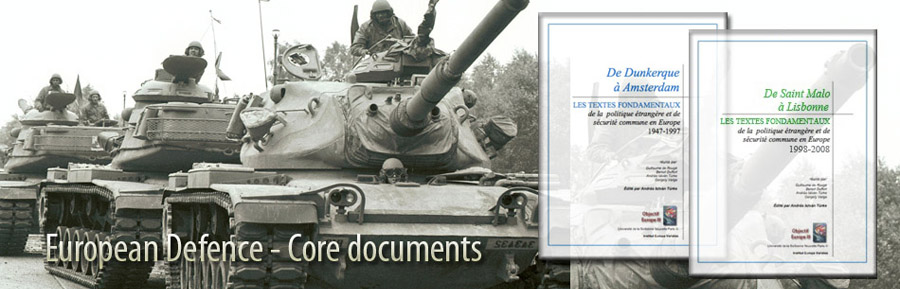
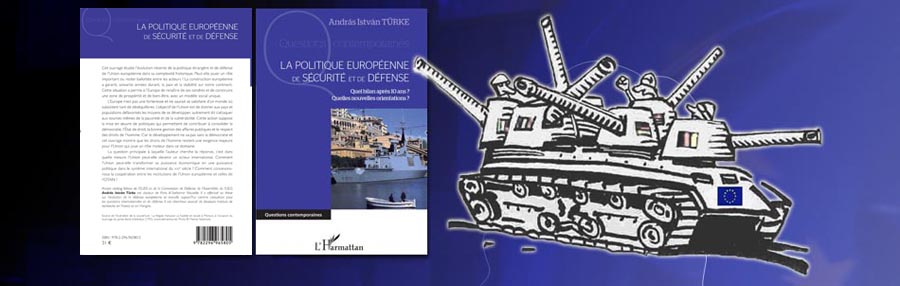
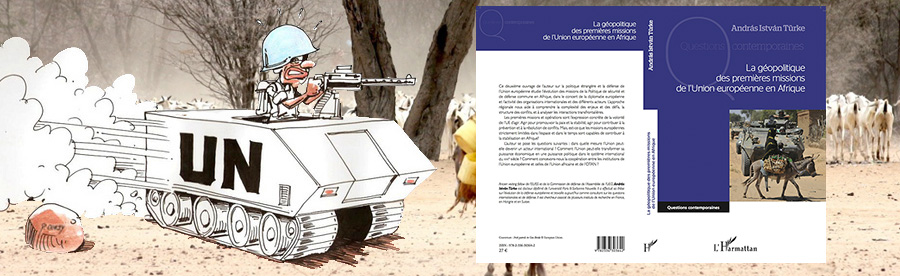
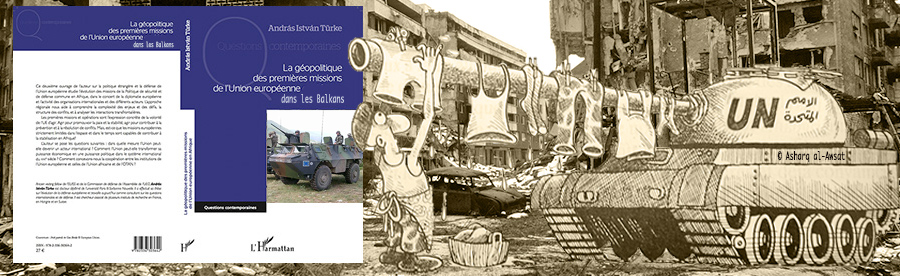
We are looking for sponsors for the English translation of these books, please contact turkeandras(at)gmail(dot)com