
Vous êtes ici
Agrégateur de flux
Guinée: des centaines de personnes victimes d'arnaques aux cryptomonnaies
Ces épargnants ont déposé des sommes allant de quelques centaines à quelques milliers d'euros sur des plateformes de crypto-actifs, attirés par des taux d'intérêt alléchants et l'espoir d'empocher des gains rapides. Mais beaucoup perdent tout, car ils ne peuvent finalement plus retirer leur argent. Ce phénomène prend de l'ampleur depuis plusieurs mois à cause de promoteurs très actifs sur les réseaux sociaux, au point de pousser la Banque centrale à réagir.
Kenya: les victimes d’abus du contingent britannique présentent leurs doléances
Au Kenya, la présence de soldats britanniques près de Nanyuki dans le centre du Kenya continue de faire débat. Londres y a un camp d’entraînement militaire, la BATUK. Plus de 1 000 soldats britanniques viennent chaque année y passer quelques semaines pour s’entraîner. Mais ces troupes ont été accusées à multiples reprises de violations de droits humains : blessures et décès à cause de munitions non explosées, viols et agressions sexuelles ou encore abandons d’enfants. Alors que l’accord avec Nairobi doit être renouvelé, les victimes kényanes demandent à ne pas être oubliées.
L'Afrique du Sud demande aux pays d'origine de rembourser des frais de transport du rapatriement des étrangers
L’Afrique du Sud fait ses comptes, après avoir été secouée par des manifestations contre les étrangers en situation illégale de grande ampleur. Le pays affirme que près de 90 000 ressortissants étrangers – et en premier lieu des citoyens malawites – ont quitté le pays entre fin juin et début août, suite à ces mobilisations, bien que les chiffres avancés par d’autres gouvernements africains soient plus élevés. Et l’exécutif entend bien partager la facture de telles opérations.
Soudan: les paramilitaires reprennent une ville dans le Nil bleu à la frontière avec l’Éthiopie
Les paramilitaires des Forces de soutien rapide ont annoncé ce mercredi 12 août avoir pris le contrôle de la ville de Geissan, dans l’État du Nil bleu au sud-est du Soudan, à la frontière avec l’Éthiopie. L’attaque des FSR a été précédée par des frappes de drones et des tirs à l’artillerie lourde mardi. Les forces sont venues depuis l’Éthiopie. L’armée soudanaise occupe actuellement d’autres localités au Nil bleu et cela depuis juin dernier. Après le revers essuyé au Kordofan et au Darfour, les paramilitaires cherchent à reprendre l'initiative au Nil Bleu.
Catégories: Afrique
Cameroun: l'homme qui a voulu faire lire des faux décrets à la CRTV incarcéré à Yaoundé
Au Cameroun, Johann Adriel Sitchom Kuate, qui avait tenté de faire lire sur les ondes de la radio d'État, la CRTV, un faux décret nommant un vice-président de la République, est incarcéré depuis le mardi 11 août à la prison centrale de Yaoundé Kondengui. Les faits remontent au 12 juin dernier. L'affaire avait fait grand bruit et avait déclenché une enquête. L'homme est aujourd'hui poursuivi pour « tentative d'atteinte à la sûreté de l'État avec complicité de puissances étrangères ».
Catégories: Afrique
Mali vs Kenya : choc électrique et enjeux cruciaux pour les deux sélections
Mali Actu - maliactu.net - Mali Actualités, Les Actus et Informations sur le Mali
Mali Actu
Mali vs Kenya : choc électrique et enjeux cruciaux pour les deux sélections
Le Mali et le Kenya se sont livrés un duel intense avec des enjeux cruciaux pour l'avenir des deux sélections. Décryptage de ce match électrique.
Mali vs Kenya : choc électrique et enjeux cruciaux pour les deux sélections
Mali Actu :
Mali vs Kenya : choc électrique et enjeux cruciaux pour les deux sélections
Catégories: Afrique
Ebola outbreak on track to be deadliest ever, WHO chief says
The outbreak, declared on 15 May, has caused more than 2,000 deaths, with thousands more reported cases.
Catégories: Africa
CAN féminine 2026 : Malawi vs Cameroun, un choc historique aux enjeux décisifs
Mali Actu - maliactu.net - Mali Actualités, Les Actus et Informations sur le Mali
Mali Actu
CAN féminine 2026 : Malawi vs Cameroun, un choc historique aux enjeux décisifs
La CAN féminine 2026 vit un moment historique avec la première finale du Malawi face au Cameroun, dans un duel aux enjeux sportifs et symboliques majeurs.
CAN féminine 2026 : Malawi vs Cameroun, un choc historique aux enjeux décisifs
Mali Actu :
CAN féminine 2026 : Malawi vs Cameroun, un choc historique aux enjeux décisifs
Catégories: Afrique
Coopération numérique : Le Burkina Faso et le Nigéria mènent la réflexion pour concrétiser des projets structurants
La coopération numérique entre le Burkina Faso et le Nigéria entre dans une phase plus concrète. En visite officielle à Ouagadougou, le ministre nigérian des communications, de l'innovation et de l'économie numérique, Dr Bosun Tijani, a pris part à une séance de travail avec son homologue burkinabè. À l'ouverture des travaux, la ministre de la transition digitale, des postes et des communications électroniques, Dr Aminata Zerbo/Sabané, a plaidé pour une collaboration renforcée entre les deux pays, fondée sur des projets structurants capables d'accélérer la transformation digitale et de produire rapidement des résultats visibles. L'évènement s'est tenu ce mercredi 12 août 2026.
Une poignée de main, des retrouvailles entre deux délégations et, surtout, la volonté affichée de donner une traduction concrète à des engagements déjà pris. À Ouagadougou, la visite officielle du ministre nigérian des communications, de l'innovation et de l'économie numérique, Dr Bosun Tijani, ouvre une nouvelle séquence dans les relations de coopération entre le Burkina Faso et le Nigéria dans le domaine du numérique.
En souhaitant la bienvenue à son hôte, Dr Aminata Zerbo/Sabané a d'abord tenu à saluer une visite qu'elle considère comme un prolongement naturel des échanges engagés quelques semaines plus tôt à Abuja. La ministre burkinabè est en effet revenue sur la septième session des plénipotentiaires de l'Union africaine des télécommunications (UAT), organisée dans la capitale nigériane. Une rencontre au cours de laquelle les deux responsables avaient eu un entretien bilatéral et posé les bases d'un rapprochement plus soutenu entre leurs pays.
« Nous nous sommes engagés à renforcer notre collaboration, à rapprocher les deux pays dans le domaine du numérique en allant ensemble sur des projets concrets », a rappelé Dr Aminata Zerbo/Sabané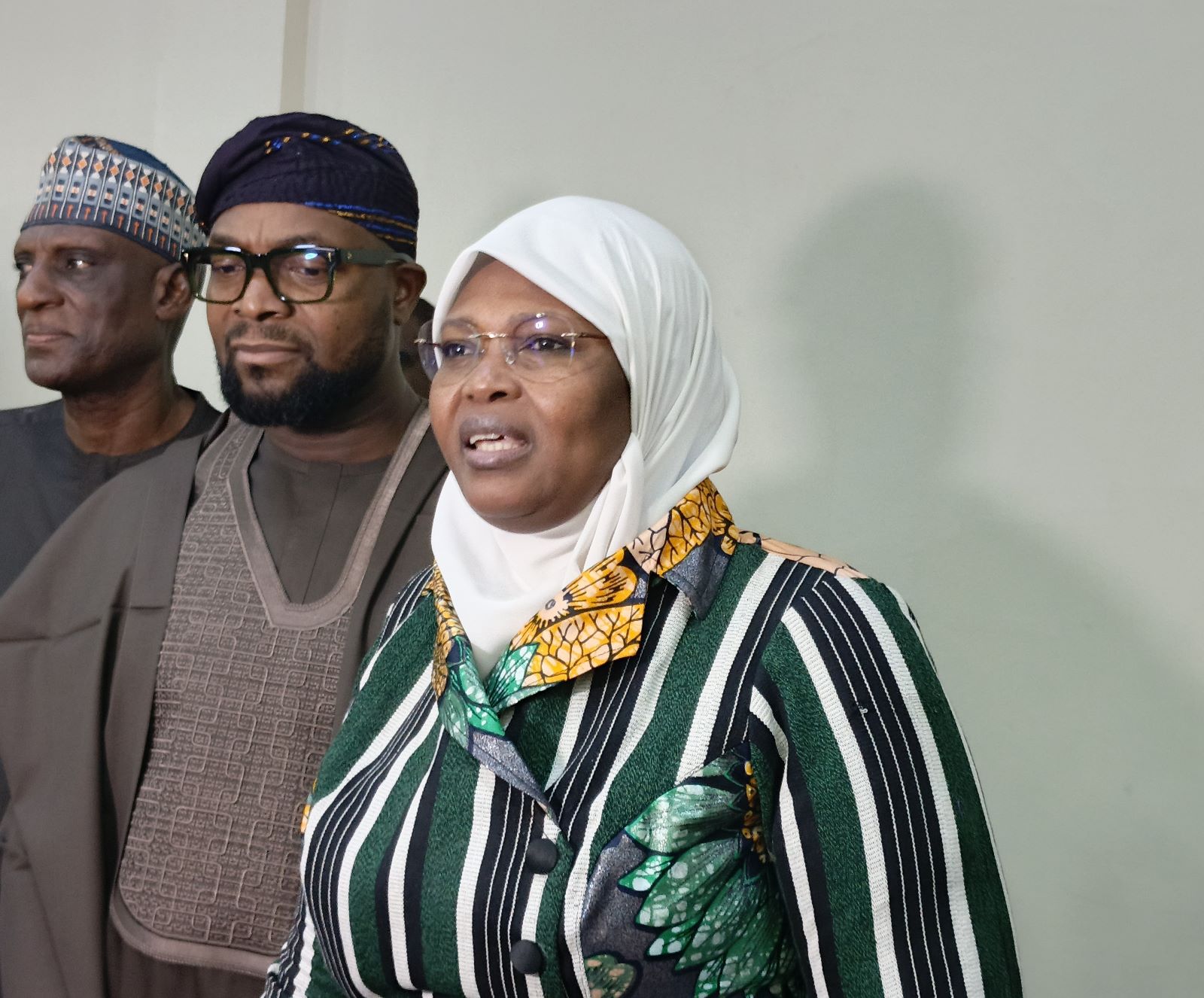
Le ministre nigérian des communications, de l'innovation et de l'économie numérique, Dr Bosun Tijani, a souligné que la visite de la délégation de son pays au Burkina Faso s'inscrit dans une volonté de donner une nouvelle dimension à la coopération numérique entre les deux États. Elle est inspirée, selon lui, par la récente visite de la ministre burkinabè Dr Aminata Zerbo/Sabané à Abuja, à l'occasion de la conférence des plénipotentiaires de l'Union africaine des télécommunications. Cette démarche, dit-il, vise surtout à identifier des opportunités concrètes de collaboration.
Dr Bosun Tijani affirme avoir été marqué par la vision portée par son homologue burkinabè, une vision qu'il estime susceptible de bénéficier non seulement au Burkina Faso, mais également à l'ensemble de la sous-région ouest-africaine et au continent. Dans un contexte où l'Afrique, continent le plus jeune au monde, s'apprête à fournir une part croissante de la future main-d'œuvre mondiale, il invite les dirigeants africains à mieux préparer cette jeunesse aux opportunités à venir. Fort de ses nombreuses ressources humaines, naturelles, culturelles et entrepreneuriales, le continent doit, selon lui, s'appuyer davantage sur les technologies, notamment le numérique, pour valoriser ses atouts et accélérer son développement.
Selon le ministre nigérian des communications, de l'innovation et de l'économie numérique, Dr Bosun Tijani, l'heure est désormais à des partenariats pragmatiques et à des initiatives capables de produire des résultats concrets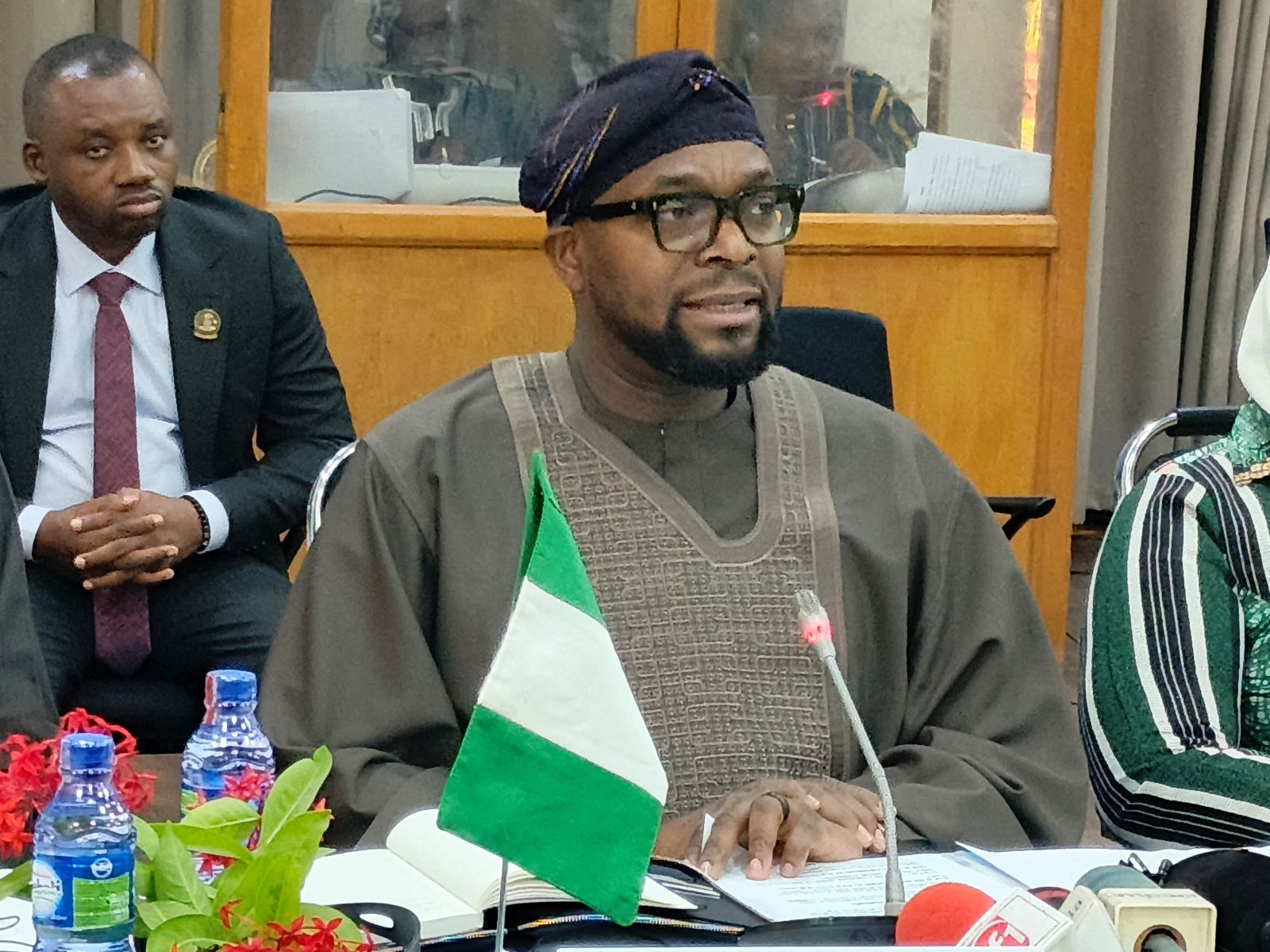
Le numérique, une opportunité à saisir
La ministre burkinabè estime que le potentiel du numérique, et plus particulièrement celui de l'intelligence artificielle, ne fait plus débat. Les technologies numériques représentent, selon elle, une opportunité majeure pour les pays africains d'accélérer leur développement socio-économique, d'améliorer les conditions de vie des populations et d'ouvrir de nouvelles perspectives à une jeunesse de plus en plus connectée et créative.
Mais encore faut-il créer les conditions nécessaires pour transformer cette promesse en réalité. Afin de réussir la transformation digitale, Dr Aminata Zerbo/Sabané juge que les infrastructures, la connectivité, les capacités d'hébergement, la formation et le développement des compétences locales, sont indispensables. Sans oublier la cybersécurité, la dématérialisation des services publics, la structuration et la valorisation des données.
Le défi est immense. Et à ses yeux, il serait difficile pour chaque pays de le relever seul. « Les défis qui sont les nôtres pour faire de la transformation digitale une réalité dans nos pays peuvent être difficilement relevés par chaque pays isolément », a-t-elle insisté. C'est donc autour d'une conviction commune que le Burkina Faso et le Nigéria entendent bâtir leur partenariat : mutualiser les efforts, les ressources et les intelligences afin de faire du numérique un véritable levier de développement dans l'ensemble des secteurs de l'économie et de la société.
La coordinatrice du projet Project Bridge, Jumoke Akande a présenté les expériences du Nigéria en matière de connectivité, d'intelligence artificielle et de transformation digitale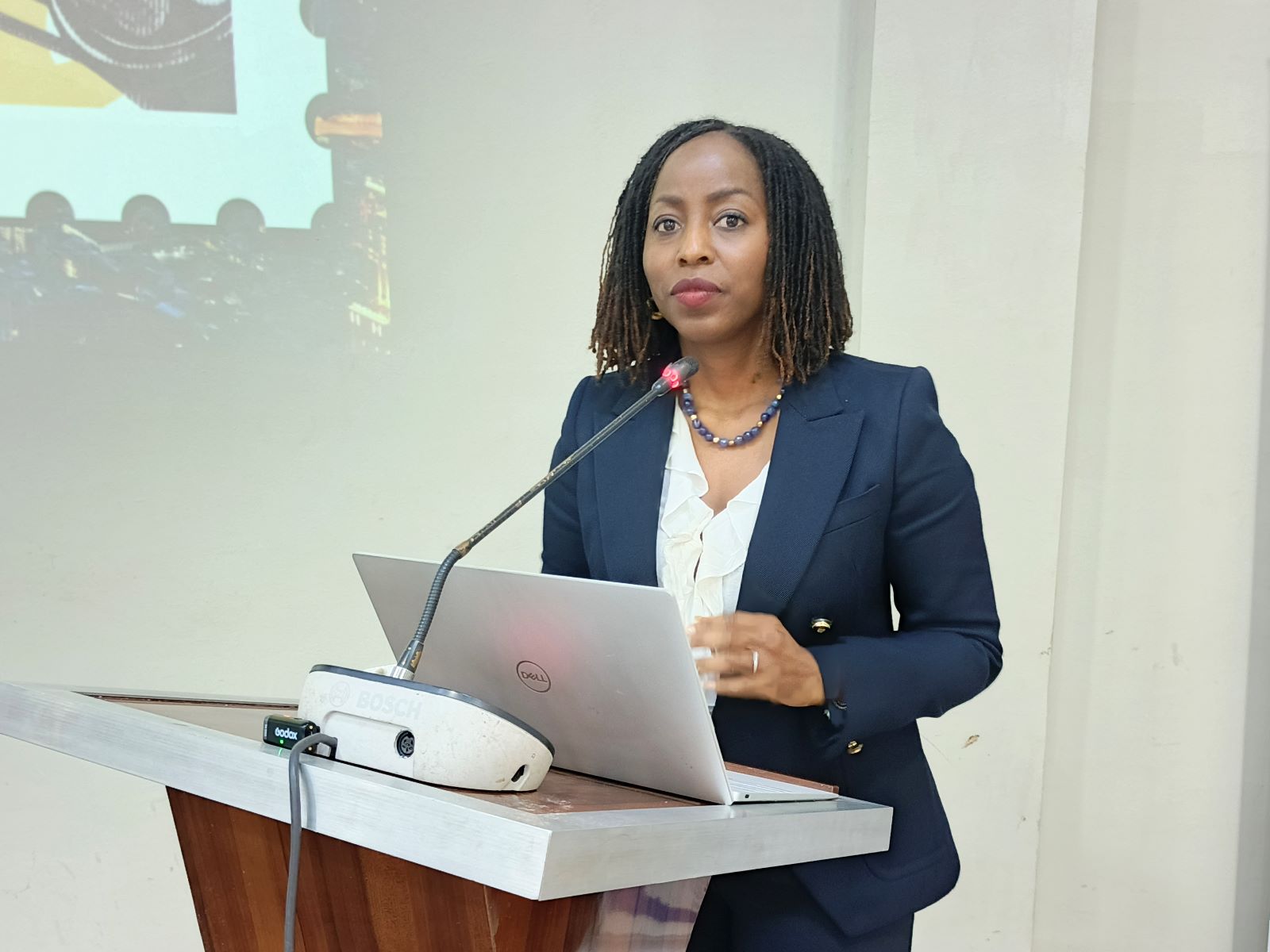
De la volonté politique aux réalisations concrètes
Au-delà des déclarations d'intention, la visite du ministre nigérian à Ouagadougou se veut une étape vers l'action. Pour Dr Aminata Zerbo/Sabané, le temps est venu de transformer les échanges entre responsables en une feuille de route commune, assortie de projets capables de produire des résultats tangibles. « Je suis donc ravie qu'au-delà des discours, nous prenions des actions », a-t-elle souligné.
La séance de travail doit ainsi permettre aux deux parties d'examiner plusieurs initiatives jugées structurantes et à fort impact. Parmi elles figurent les douze chantiers majeurs engagés par le Burkina Faso dans le cadre de sa transformation digitale, mais également le vaste projet de connectivité envisagé par le Nigéria, avec l'ambition de renforcer l'interconnexion avec les pays voisins.
Autre sujet appelé à occuper une place importante dans les discussions : l'intelligence artificielle et les langues africaines. Un enjeu stratégique dans un continent où l'essentiel des innovations technologiques demeure encore largement conçu dans des langues et selon des réalités parfois éloignées des contextes locaux.
Les avancées de la digitalisation au Nigéria ont été également partagées par le Dr Olubunmi Ajala, directeur national du Centre national pour l'intelligence artificielle et la robotique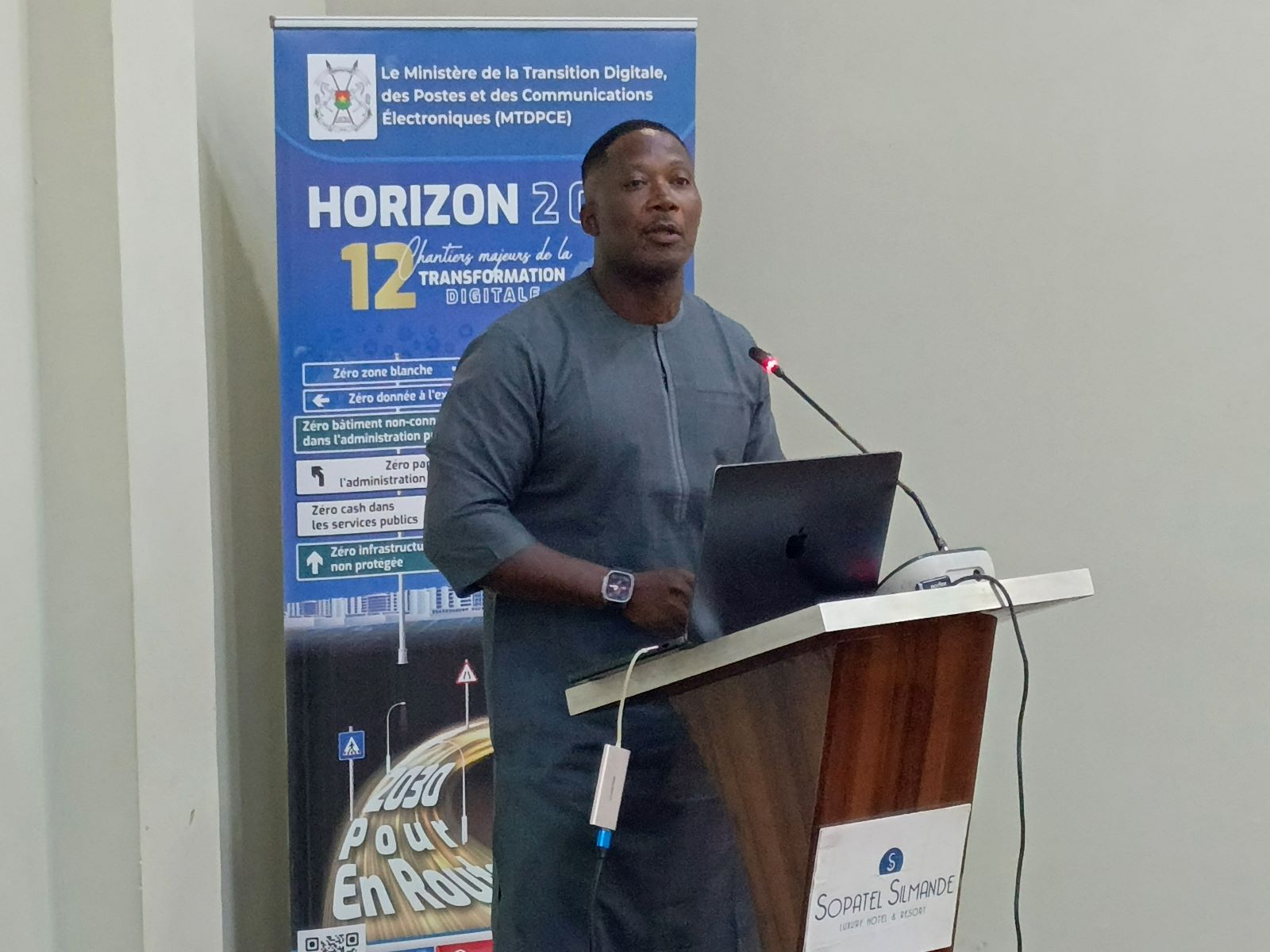
Pour la ministre burkinabè, ces différents projets peuvent constituer des tremplins pour bâtir une coopération plus structurée entre Ouagadougou et Abuja. L'objectif est clair : définir des actions communes et faire en sorte que les retombées du rapprochement entre les deux pays soient perceptibles dans les meilleurs délais.
Une coopération appelée à dépasser les frontières des deux pays
Mais l'ambition ne s'arrête pas à une relation bilatérale. Dr Aminata Zerbo/Sabané souhaite que l'initiative engagée entre le Burkina Faso et le Nigéria puisse, à terme, inspirer et entraîner d'autres pays de la sous-région. Dans un environnement où les défis technologiques ignorent les frontières nationales, la construction d'infrastructures communes, le partage des compétences et la mise en réseau des écosystèmes numériques apparaissent comme des pistes susceptibles de renforcer la souveraineté technologique du continent.
Le ministère a présenté à travers Dr Tégawendé François d'Assise Bissyandé, les 12 chantiers majeurs de la transformation digitale à l'horizon 2030 et des principales priorités du Burkina Faso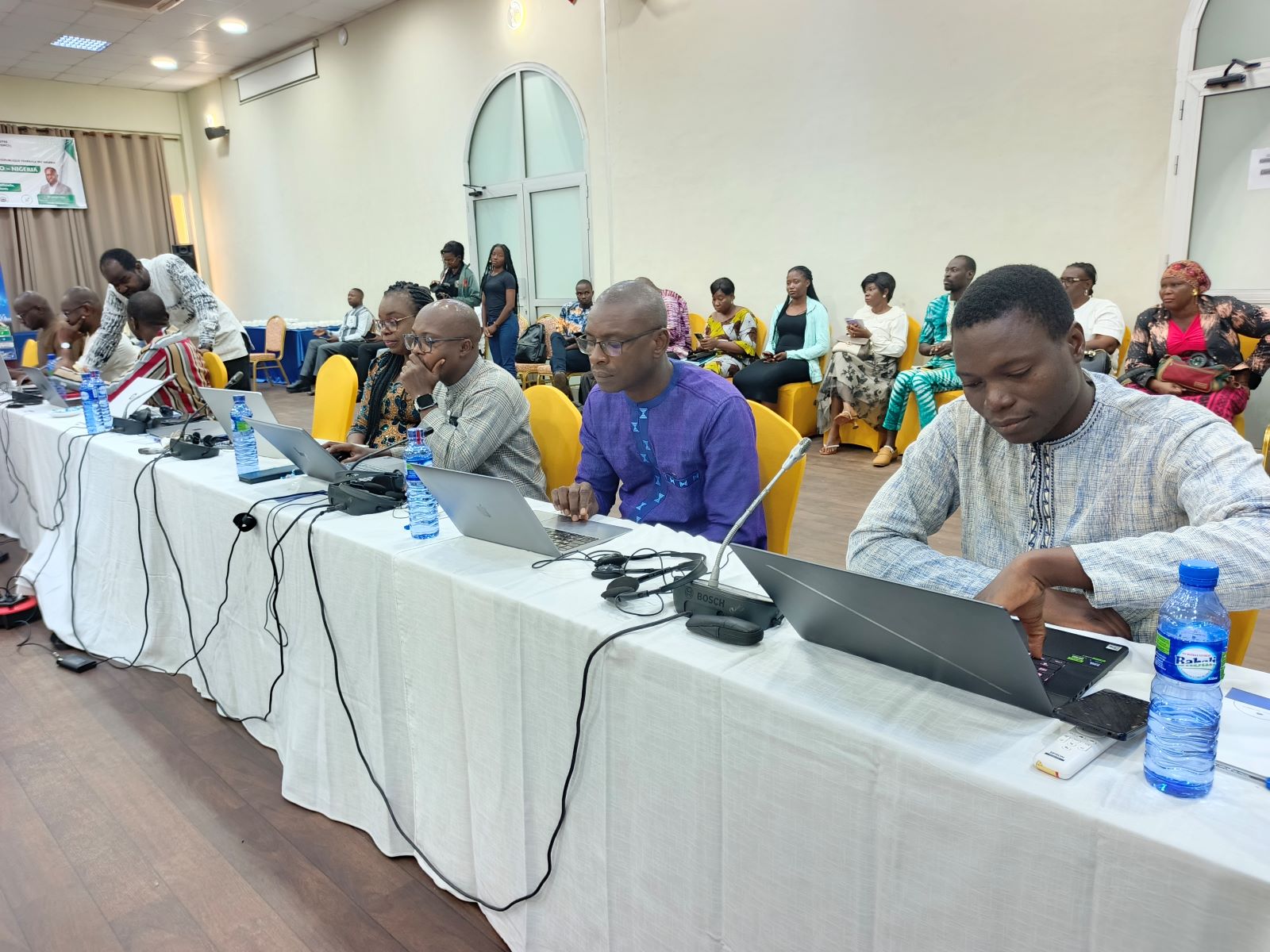
La visite officielle de Dr Bosun Tijani prend ainsi une dimension qui dépasse la seule coopération entre deux administrations. Elle porte l'idée d'une Afrique qui cherche à mieux coordonner ses initiatives, à éviter la dispersion des efforts et à faire émerger des projets capables de répondre aux réalités propres au continent.
Créer l'environnement pour libérer le talent des jeunes
Au cœur de cette ambition, il y a aussi la jeunesse. Dr Aminata Zerbo/Sabané a rappelé que les deux pays disposent de jeunes talents dont le potentiel ne demande qu'à s'exprimer. Le rôle des pouvoirs publics et des acteurs du numérique, estime-t-elle, consiste désormais à mettre en place l'environnement favorable à l'émergence de ces champions.
Des jeunes capables de concevoir des produits compétitifs, de s'imposer au-delà des frontières de la sous-région, mais surtout de développer des solutions adaptées aux problèmes concrets des populations. « Nous avons des jeunes qui sont pétris de talent et qui attendent que nous puissions mettre en place l'environnement qu'il faut pour exprimer ce talent », a affirmé la ministre.
La Feuille de route nationale de l'intelligence artificielle et de ses principaux axes a été présentée par le Dr Rodrigue Kafando, expert en IA du Secrétariat permanent de l'innovation et de la veille sur les technologies émergentes du numérique (SPIVTEN)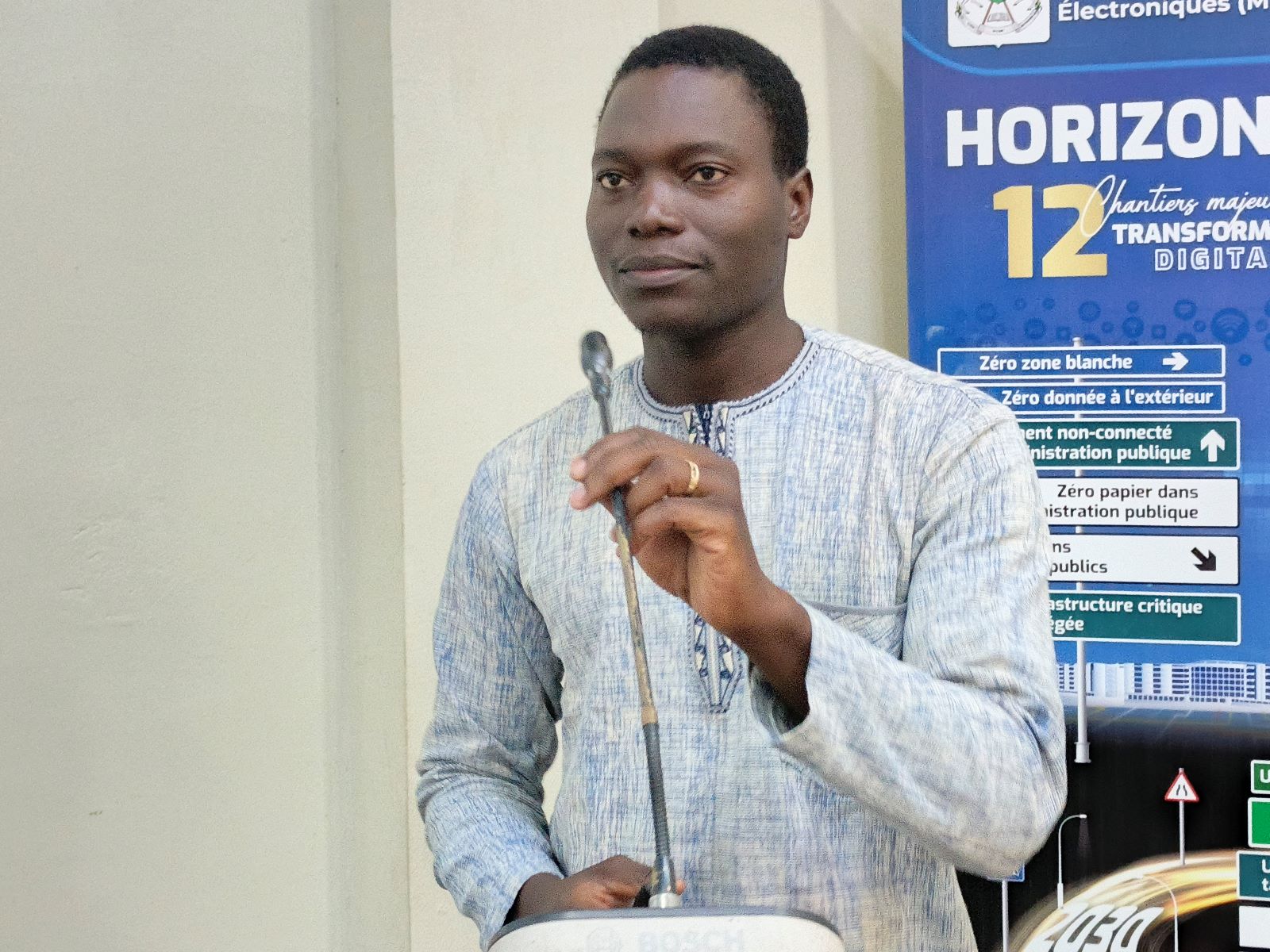
L'enjeu, selon elle, est de permettre à cette créativité de donner naissance à des innovations dont les Africains pourront être fiers, tout en apportant des réponses aux défis réels auxquels leurs pays sont confrontés. La séance de travail qui s'ouvre à Ouagadougou est donc attendue comme un moment de convergence entre visions politiques, ambitions technologiques et projets opérationnels. À travers cette visite officielle, le Burkina Faso et le Nigéria affichent leur volonté de faire de la coopération un accélérateur de leur transformation digitale.
Reste désormais à traduire cette volonté en projets, en investissements, en infrastructures et en solutions concrètes. C'est à cette condition que le rapprochement voulu entre les deux pays pourra rapidement produire les résultats espérés et, peut-être, tracer la voie d'une coopération numérique sous-régionale plus intégrée.
Hamed Nanéma
Lefaso.net
Catégories: Afrique
Les 100 Visages du Burkina Digital : Maxence Zoundi, du Canada au Burkina, le numérique comme passerelle
À 65 jours de l'ouverture de Le Faso Digital 2026, nous poursuivons notre série consacrée aux femmes et aux hommes qui façonnent le Burkina numérique. Aujourd'hui, arrêt sur Maxence Zoundi, expert en transformation numérique, directeur de projets stratégiques et entrepreneur, dont le parcours international témoigne de la place croissante des compétences burkinabè dans la conduite des grandes transformations technologiques à l'échelle mondiale.
La transformation numérique des organisations ne se résume plus à l'installation d'un logiciel ou à l'informatisation d'un processus. Elle implique de repenser les modèles d'affaires, d'intégrer des systèmes complexes, d'accompagner les changements organisationnels et, désormais, de tirer parti des nouvelles possibilités offertes par l'intelligence artificielle.
Depuis près de vingt ans, Maxence Zoundi accompagne ces mutations au sein de grandes entreprises nord-américaines avant de mettre cette expertise au service des entreprises africaines. Son parcours illustre l'émergence d'une nouvelle génération de professionnels capables de faire le lien entre les standards internationaux de la transformation numérique et les réalités économiques du continent.
Une expertise construite au cœur des grandes transformations
Titulaire d'un MBA en fabrication et logistique de l'Université Laval, après un baccalauréat en gestion des opérations à l'Université de Moncton, Maxence Zoundi se spécialise très tôt dans la gestion des projets technologiques complexes.
Au fil des années, il développe une solide expertise dans les systèmes ERP, les chaînes d'approvisionnement, la gouvernance des projets, les architectures d'intégration et les migrations de systèmes d'information à grande échelle. Cette expertise est renforcée par plusieurs certifications internationales, notamment PMP, SAP Activate, Google AI Professional et Odoo ERP.
Piloter les projets les plus critiques
La carrière de Maxence Zoundi s'est construite au sein de quelques-unes des plus importantes organisations nord-américaines. Hydro-Québec, Desjardins, Domtar, BRP, Cascades, Barrette Outdoor Living, Banque Nationale, L'Oréal ou encore Produits forestiers Résolu figurent parmi les entreprises qui lui ont confié la direction ou la coordination de projets stratégiques de modernisation de leurs systèmes d'information.
Qu'il s'agisse de migrations vers SAP S/4HANA, de fusion de systèmes après des acquisitions, d'intégration de plateformes Cloud ou de modernisation de chaînes logistiques, il intervient sur des projets mobilisant des équipes multidisciplinaires, des intégrateurs internationaux et des budgets pouvant atteindre plusieurs centaines de millions de dollars.
Cette expérience lui permet de maîtriser l'ensemble du cycle de vie des grands programmes de transformation numérique : gouvernance, planification, gestion des risques, conduite du changement, qualité, tests, déploiement et accompagnement des utilisateurs.
Ramener l'expertise internationale vers le Burkina Faso
En 2022, Maxence Zoundi fonde ZEDM Solutions, un cabinet de conseil spécialisé dans la transformation numérique des organisations. À travers cette entreprise, qui ouvre une filiale au Burkina Faso en 2025, il construit un véritable pont technologique entre l'Amérique du Nord et l'Afrique. Son ambition est d'offrir aux entreprises africaines des solutions jusque-là réservées aux grandes organisations internationales, tout en les adaptant aux réalités locales.
Partenaire officiel d'Odoo au Burkina Faso, ZEDM Solutions accompagne les PME dans la mise en œuvre de solutions ERP couvrant la gestion commerciale, la production, les ressources humaines, la comptabilité ou encore le commerce électronique.
Quand l'intelligence artificielle devient un levier de performance
Très tôt, Maxence Zoundi intègre les nouveaux outils d'intelligence artificielle dans son approche de la transformation numérique. Il développe des architectures fondées sur les modèles de langage, les agents intelligents, l'automatisation des processus et les plateformes de nouvelle génération afin d'améliorer la performance des organisations tout en réduisant leur dette technique.
Cette approche ne consiste pas à remplacer les systèmes existants, mais à les rendre plus intelligents, plus interconnectés et plus performants grâce aux possibilités offertes par l'intelligence artificielle générative et les technologies d'automatisation.
L'entrepreneuriat comme moteur d'innovation
Au-delà du conseil, Maxence Zoundi développe également plusieurs initiatives entrepreneuriales. En 2026, il lance YugYug, une plateforme numérique inspirée du concept burkinabè du « yougou-yougou », qui transpose dans l'univers digital les principes d'échange et de réutilisation des biens. Cette initiative illustre sa volonté de créer des solutions technologiques qui s'inspirent des pratiques locales tout en répondant aux nouveaux usages numériques.
Son parcours témoigne ainsi d'une conviction forte : l'innovation ne consiste pas uniquement à importer des technologies, mais aussi à les adapter aux contextes économiques et culturels dans lesquels elles seront utilisées.
Une vision internationale au service de la transformation des entreprises
Pour Maxence Zoundi, la réussite d'une transformation numérique repose sur l'alignement entre les objectifs stratégiques de l'organisation, les technologies déployées et les compétences des équipes.
Cette vision, forgée au contact de grands programmes internationaux, nourrit aujourd'hui son engagement auprès des entreprises burkinabè et africaines qui souhaitent accélérer leur digitalisation tout en maîtrisant leurs investissements technologiques.
Elle rejoint pleinement les ambitions de Le Faso Digital 2026, qui promeut un numérique créateur de valeur, d'innovation et de compétitivité pour les entreprises.
Pourquoi fait-il partie des 100 Visages du Burkina Digital ?
Parce qu'il fait partie des experts burkinabè qui pilotent les transformations numériques les plus complexes dans de grandes organisations internationales.
Parce qu'il met aujourd'hui cette expertise au service des entreprises africaines à travers ZEDM Solutions et le développement de solutions ERP adaptées au contexte local.
Parce qu'il contribue à démocratiser l'utilisation de l'intelligence artificielle, de l'automatisation et des plateformes de gestion intégrée auprès des entreprises.
Parce qu'il incarne une génération de professionnels capables de faire dialoguer les meilleures pratiques mondiales avec les besoins du tissu économique burkinabè.
Et parce que son parcours rappelle que la transformation numérique des entreprises est avant tout une affaire de vision, de méthode et de capacité à conduire durablement le changement, bien au-delà des seules technologies.
Catégories: Afrique
Entrepreneuriat : Hamed Zamtako, l'informaticien devenu éleveur de cailles
Ingénieur en informatique de formation, Hamed Zamtako aurait pu poursuivre une carrière loin des poulaillers et des cages d'élevage. Il a pourtant choisi, depuis 2016, de se consacrer à un volatile encore peu connu au Burkina Faso : la caille. Une reconversion qui n'a pas été sans difficultés, entre manque de financement, problèmes d'alimentation et débouchés incertains. Mais au fil des années, l'ancien informaticien a surtout transformé son expérience en un espace de transmission pratique.
Dans l'univers de Hamed Zamtako, les écrans et les lignes de code ont laissé place aux cages, aux œufs, aux cailleteaux et au bruit en continu. Pourtant, l'actuel éleveur revendique encore l'héritage de sa formation initiale. La rigueur, l'analyse, la gestion des processus et la capacité à chercher l'information, selon lui, sont utiles dans l'élevage de cailles. « Ma formation académique m'a permis de pouvoir dompter ce mode d'élevage », convainc-t-il.
Chez lui, la reconversion n'est donc pas vécue comme une rupture brutale mais comme un déplacement de compétences. Ce qu'il avait appris devant un ordinateur, il l'a progressivement appliqué dans un élevage. Et d'ailleurs, pour apprendre ce nouveau métier, il s'est principalement tourné vers internet, qu'il maîtrisait déjà. Cette capacité à chercher, comparer, comprendre et expérimenter lui permet de faire ses premiers pas dans un secteur dont il ne connaissait rien au départ.
- À lire : Burkina/Entrepreneuriat : Anatole Zabre, l'étudiant en droit devenu aviculteur et agriculteur
Une envie de ne pas faire comme tout le monde
Au Burkina Faso, lorsqu'on évoque l'élevage avicole, le poulet vient rapidement à l'esprit. La caille, elle, reste loin derrière. C'est justement ce qui attire Hamed Zamtako. Au fil de ses recherches, il découvre les possibilités offertes par cet oiseau négligé et commence à envisager une autre voie. « Pourquoi ne pas diversifier un peu la vie agricole au Burkina ? Au lieu de faire comme les autres, essayons d'initier et de développer un peu un autre canal pour diversifier un peu le domaine », se questionne-t-il. Ce choix est aussi lié à une passion qui naît progressivement au contact de l'oiseau. Plus il se documente, plus il se convainc que la caille peut trouver sa place dans le paysage agricole burkinabè.
Hamed Zamtako déplore que les institutions financières trouvent que l'élevage de cailles est une filière à risque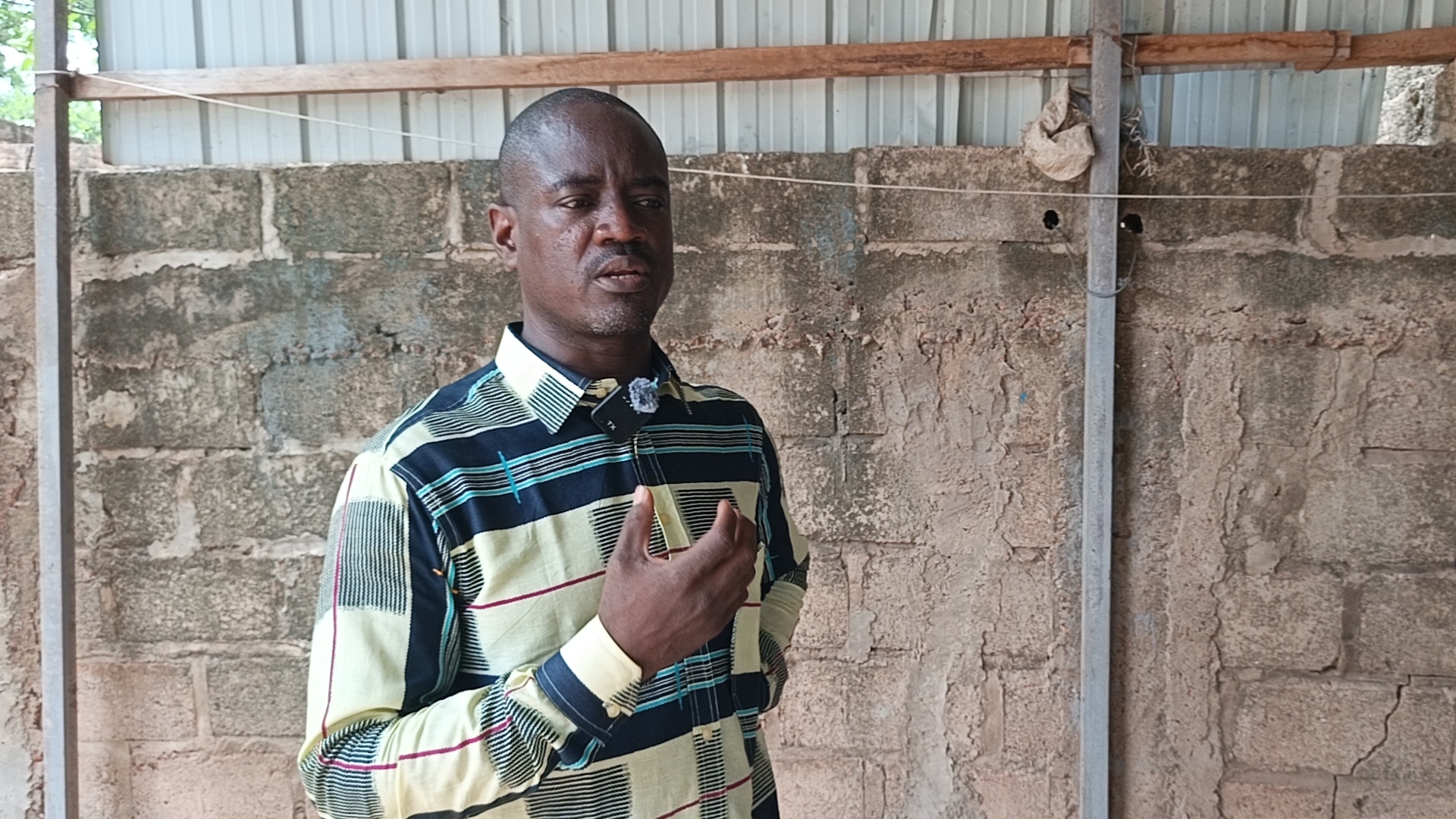
En 2016, il commence véritablement à développer son activité. Mais entre l'idée et la réalité, le chemin est loin d'être simple. Comme beaucoup de jeunes entrepreneurs, Hamed Zamtako se retrouve rapidement confronté à la question du financement. Le problème n'est pas seulement de trouver de l'argent pour commencer. Il faut aussi trouver des mécanismes de financement adaptés à une activité agricole dont les résultats ne peuvent pas toujours être immédiats. Selon lui, les conditions proposées par certaines institutions financières ne permettent pas toujours aux jeunes promoteurs de se lancer sereinement. Le coût du crédit et les délais de remboursement peuvent devenir des obstacles supplémentaires. À cela s'ajoute la perception du risque. « À tout moment, on nous a signalé que c'est un projet à risque. Il fallait compter sur soi-même et se priver vraiment de beaucoup de choses pour économiser et réinjecter », se souvient-il. Dans ces conditions, il indique que même l'entourage peut hésiter à soutenir un tel projet. Derrière l'image de l'entrepreneur qui semble aujourd'hui avoir trouvé son équilibre, il y a eu des sacrifices, des renoncements et des périodes où il fallait simplement tenir sans rien. Pourtant, la difficulté financière n'a pas été la seule !
Nourrir les cailles, l'autre combat
Au début de son aventure, Hamed Zamtako se heurte également au problème de l'alimentation. Quand l'élevage commence à prendre son essor, il constate que les aliments disponibles ne sont pas toujours adaptés aux besoins spécifiques des cailles. Les formulations sont encore insuffisamment adaptées. Or, dans un élevage, l'alimentation est loin d'être un détail. Elle conditionne la croissance, la reproduction et, plus largement, la viabilité de l'activité. Il lui a donc fallu composer avec cette réalité pour rechercher des solutions et continuer à expérimenter. À cela s'ajoute celle de l'écoulement, car produire une caille est une chose, convaincre les consommateurs de l'acheter et de la consommer en est une autre. La caille demeure un produit relativement jeune dans les habitudes alimentaires de nombreux Burkinabè. Hamed Zamtako comprend assez tôt qu'il ne suffit pas de produire, mais qu'il faut aussi communiquer. En 2020, il organise une première initiative de promotion autour de la caille. Il ouvre son espace aux visiteurs et leur permet de découvrir l'élevage, mais aussi de déguster les produits. En 2021, il renouvelle l'expérience sur ses propres fonds. Ces initiatives contribuent progressivement à donner de la visibilité à la filière. Son objectif, souligne-t-il, n'est donc pas uniquement de réussir son propre projet. Il veut voir la filière grandir.
« Nous avons décidé de mener une étude pour trouver un aliment spécifique pour les cailles, vu que la filière est prometteuse », explique Wendlasida Simporé, élève ingénieur de conception de l'université Daniel Ouezzin Coulibaly.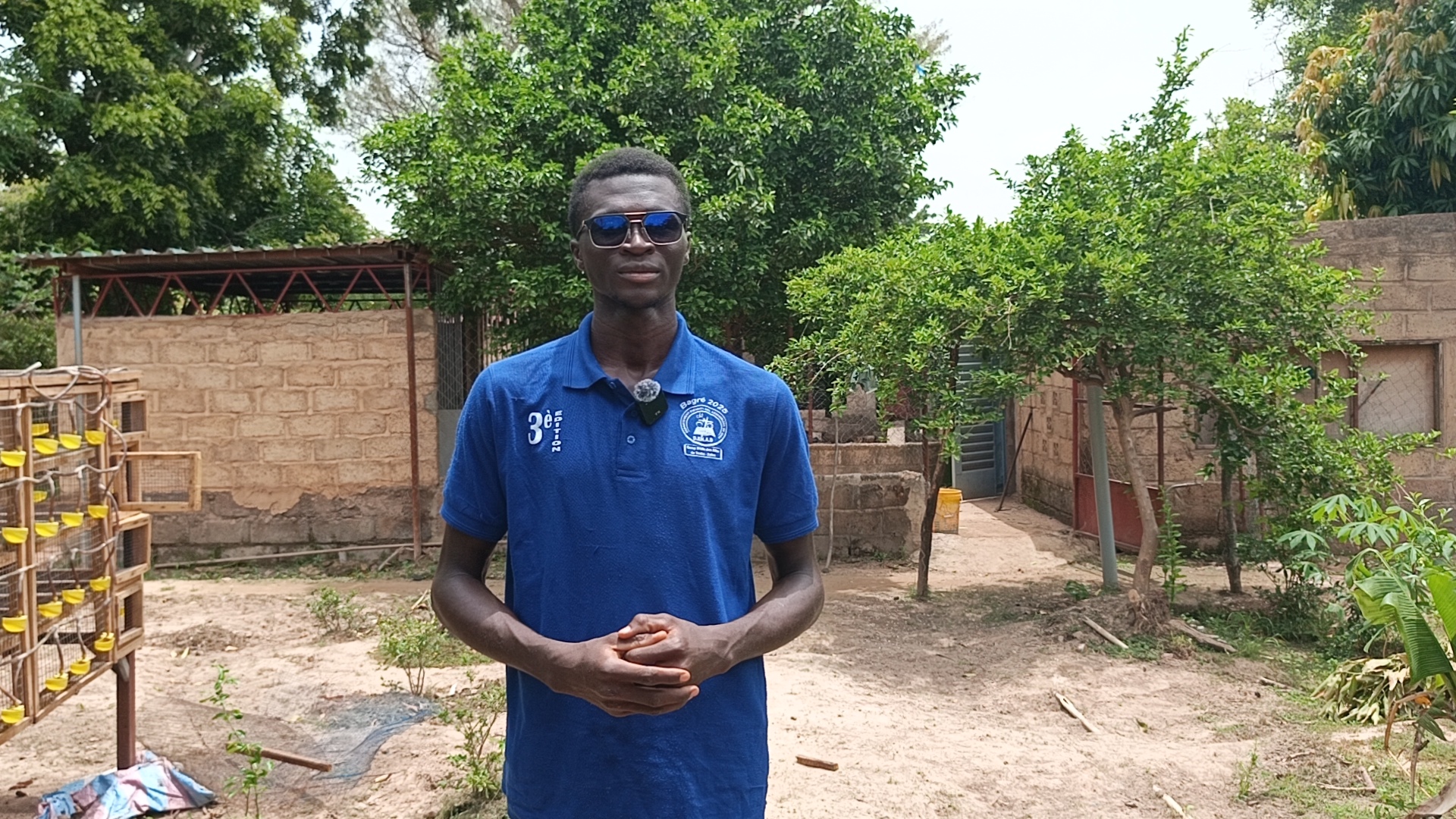
« Je ne vois pas ceux que j'accompagne comme des concurrents »
Lorsqu'on lui demande de parler de ses moments de fierté, Hamed Zamtako ne commence pas par les chiffres de production. Il parle des jeunes et des femmes qu'il a accompagnés à se lancer. Des personnes qui, après avoir appris auprès de lui, sont reparties installer leur propre activité. « Quand tu accompagnes des jeunes et des femmes qui vont aller s'installer dans leur propre activité, c'est satisfaisant, surtout pour le domaine de l'élevage », explique-t-il. Ce qui le touche surtout, ce sont les retours de ceux qu'il a accompagnés. « Ils reviennent tout le temps avec des bénédictions et des remerciements. C'est déjà une fierté de contribuer quand même à l'évolution de la vie de quelqu'un », confie-t-il. Pour lui, la réussite ne se résume plus à ce qui sort de son élevage, mais elle se mesure aussi à ce que d'autres parviennent à construire après leur passage auprès de lui. Depuis plusieurs années, sa cailleterie est un lieu d'apprentissage pour des étudiants qui font des recherches. Il raconte avoir accueilli des stagiaires pendant plusieurs mois.
Wendlasida Simporé est l'un d'eux. Élève ingénieur de conception à l'université Daniel Ouezzin Coulibaly de Dédougou, il effectue auprès de lui un stage consacré à l'étude de deux types d'aliments et de leurs effets sur la croissance et les performances des cailles japonaises. L'objectif est de contribuer à la réflexion sur la mise au point d'un aliment davantage adapté à ces oiseaux. Pour le stagiaire, le choix de cette exploitation tient à son expérience dans la production de cailles. Mais au-delà de l'aspect technique, il retient surtout la disponibilité de Hamed Zamtako. Il le décrit comme « un homme ouvert » et lui adresse des encouragements pour continuer à accueillir des étudiants.
Razack Zoelégré, technicien de la ferme, travaille avec Hamed Zamtako depuis plus de 3 mois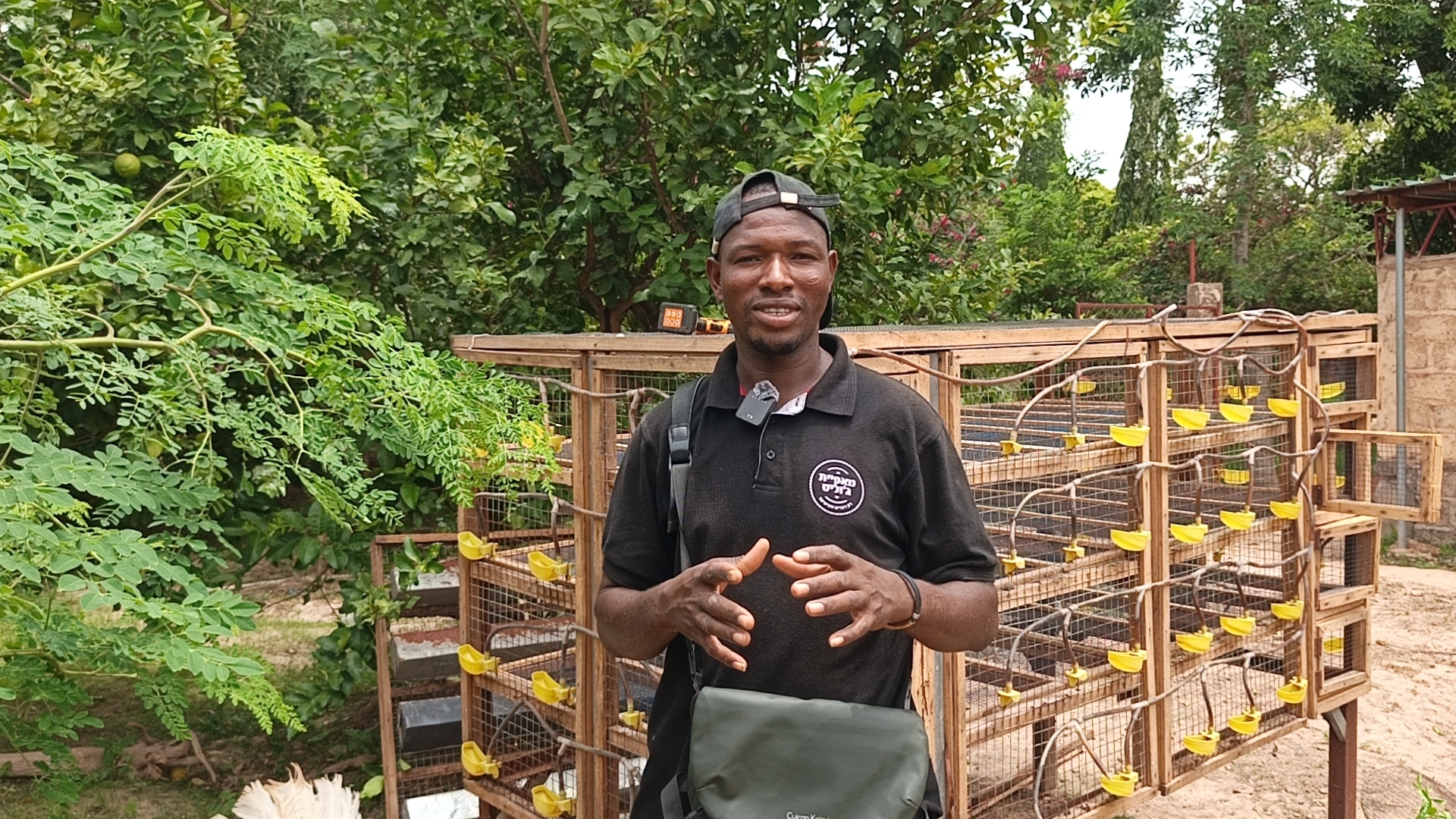
C'est aussi ce que pense Razack Zoelégré, technicien et chef d'équipe de la cailleterie. Pour lui qui côtoie Hamed Zamtako au quotidien, il trouve que c'est un homme visionnaire. « Hamed Zamtako, il faut dire que c'est un monsieur qui est très ouvert et qui est accessible », témoigne-t-il. En cas de problème, les équipes peuvent s'asseoir avec lui pour chercher une solution. Ces témoignages présentent un homme qui, derrière le statut de promoteur, reste présent dans le quotidien de ceux qui travaillent autour de lui.
Dans certains secteurs, transmettre son savoir peut être perçu comme une manière de fabriquer ses propres concurrents, mais Hamed Zamtako défend exactement l'idée inverse. « Je ne vois pas ceux que j'accompagne comme des concurrents », affirme-t-il. Pour lui, les personnes qu'il accompagne sont des partenaires potentiels et surtout des acteurs supplémentaires capables de faire grandir la filière. Il considère que le développement de la caille au Burkina Faso ne peut pas reposer sur quelques producteurs isolés. Si la filière doit véritablement prendre de l'ampleur, il faudra davantage d'acteurs, davantage de compétences et surtout une meilleure organisation.
Un secteur qui cherche encore sa place…
Aujourd'hui, Hamed Zamtako estime que la demande existe mais la filière reste confrontée à des problèmes de structuration. Les producteurs sont encore dispersés, les prix ne sont pas toujours harmonisés et les débouchés ne sont pas suffisamment organisés. Pour lui, il est nécessaire que les acteurs se regroupent en association, en coopérative ou sous une autre forme pour défendre collectivement leurs intérêts. Il appelle également à davantage de communication autour de la filière et à une implication plus forte des pouvoirs publics. « Si davantage de personnes doivent se lancer, elles ont besoin de trouver un secteur déjà organisé, avec des repères, des débouchés et des interlocuteurs », pense-t-il.
La viande de caille est une volaille fine et peu calorique qui offre une excellente source de protéines de haute qualité, de fer, de vitamines du groupe B et de minéraux essentiels comme le zinc et le phosphore, tout en restant très pauvre en graisses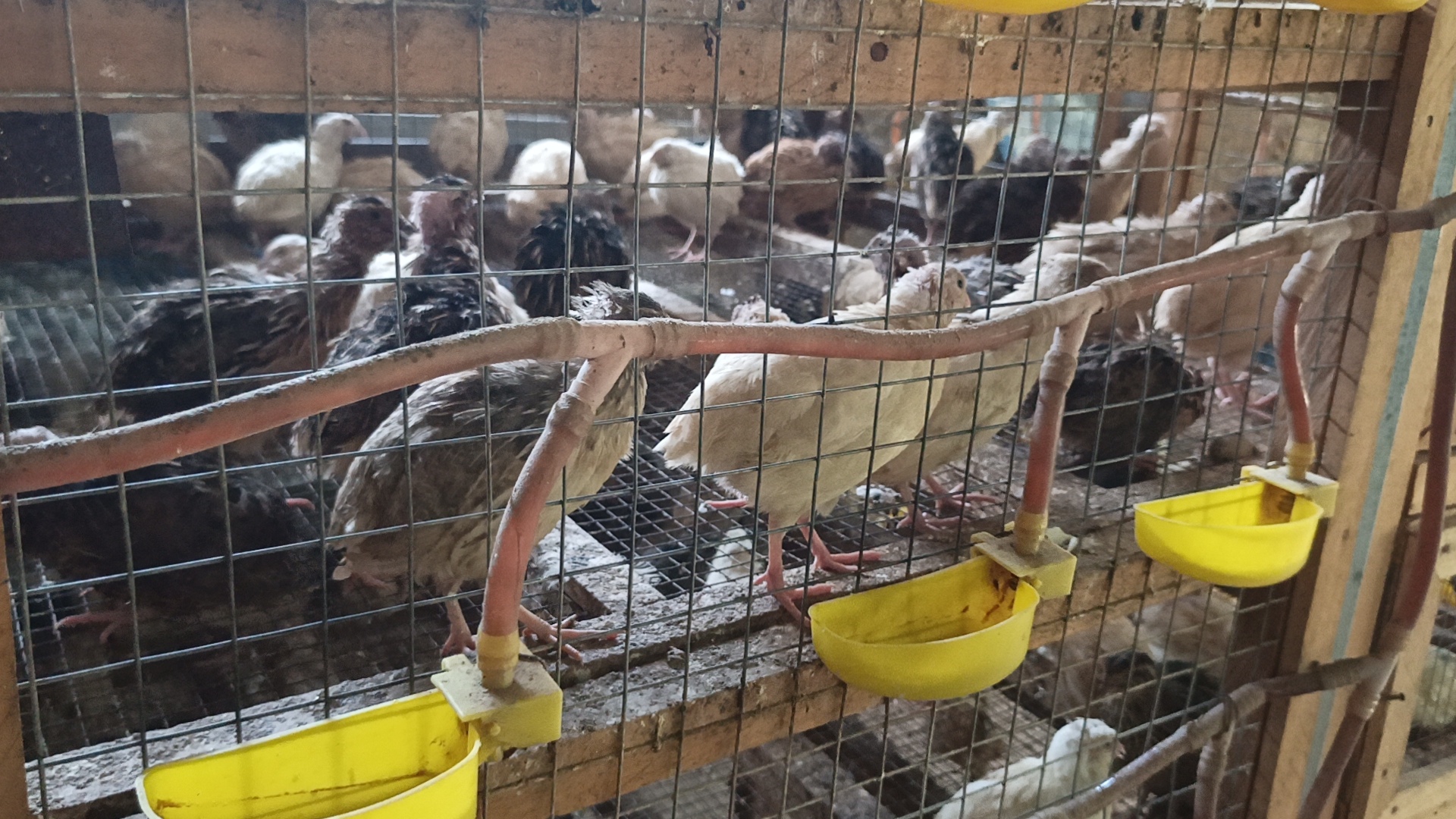
Également, la question de la transformation préoccupe Hamed Zamtako. La commercialisation de la chair fraîche constitue encore une part importante de l'activité. Mais, selon lui, le développement de véritables produits transformés permettrait d'aller plus loin. Il imagine ainsi un secteur où des transformateurs pourraient travailler directement avec les producteurs, sécuriser leurs approvisionnements et développer des produits destinés à différents types de consommateurs. « Si notre ministère de tutelle fait la promotion de la caille, cela va aussi susciter plus d'intérêts chez les producteurs et les consommateurs. »
Hamed Zamtako souhaite davantage de recherche, notamment sur la génétique, l'alimentation et l'amélioration des performances. Il évoque également des collaborations possibles avec des chercheurs et des partenaires intéressés par le développement de la caille. Mais son ambition principale est de voir naître une véritable organisation professionnelle. Pour lui, la structuration permettrait de résoudre une partie des problèmes actuels et surtout de donner de la visibilité à ceux qui souhaitent se lancer. Lorsqu'il s'adresse aux jeunes qui souhaitent entreprendre dans l'élevage, Hamed Zamtako ne leur promet pas une réussite facile. Il leur demande plutôt de commencer. « Il faut une décision au départ », insiste-t-il.
Selon lui, il n'est pas nécessaire de disposer immédiatement de moyens importants. Il faut commencer avec ce que l'on possède, tout en recherchant un accompagnement technique sérieux. Il estime également que la formation est essentielle. Dans l'élevage de cailles, explique-t-il, les bases techniques peuvent être maîtrisées rapidement lorsqu'on bénéficie d'un bon encadrement. Mais il faut ensuite savoir vendre, trouver des débouchés et construire sa clientèle.
Il serait réducteur de résumer Hamed Zamtako à un informaticien devenu éleveur de cailles. Son parcours est surtout celui d'un homme qui a choisi une voie différente par instinct et qui a persévéré malgré les difficultés. Aujourd'hui, son engagement permet de développer peu à peu une réponse concrète aux défis de la sécurité alimentaire.
Farida Thiombiano
Lefaso.net
Catégories: Afrique
Pauses-café dans l'administration publique : Quand le buffet des ateliers devient la « cantine » des non-invités
Dans certains services de l'administration publique burkinabè, les pauses-café et déjeuners servis lors des ateliers attirent parfois des agents et visiteurs qui ne figurent pas parmi les participants. Dénonçant une pratique devenue, selon elle, trop courante, l'auteure de cette tribune y voit à la fois un gaspillage de ressources publiques et le symptôme d'un recul des valeurs de retenue, d'intégrité et de respect des règles. Elle appelle à une prise de conscience collective pour restaurer la dignité et l'exemplarité au sein de l'administration.
Sous le couvert de la camaraderie ou de la simple opportunité, une pratique insidieuse s'est installée dans certains de nos départements ministériels et structures publiques : la ruée vers les pauses-café et déjeuners par des personnes non participantes aux ateliers.
Décryptage d'une dérive comportementale qui interroge nos valeurs et la rationalisation des ressources de l'État.
De nos jours, il est devenu banal d'assister à un spectacle pour le moins troublant lors des séminaires, ateliers ou rencontres de travail au sein de notre administration publique. Qu'il s'agisse de la pause-café du matin ou du déjeuner, l'on voit s'allonger dans les rangs des visages totalement étrangers aux travaux : cadres, agents d'autres services, stagiaires, vigiles et sympathisants de passage. Sans être enregistrés sur la liste des participants, certains se servent copieusement, comme s'il s'agissait d'un droit acquis.
Typologie d'un « parasitage » assumé
En observant de près cette faune d'opportunistes d'un genre nouveau, on distingue principalement trois figures :
• Le « pistonné » par la camaraderie : Invité par un collègue qui prend part aux travaux. Ce dernier, incapable de céder sa propre ration, n'hésite pas à sacrifier la part d'un autre participant au profit de son ami.
• Le « squatter » d'opportunité : Constatant de loin la tenue d'un atelier, il s'infiltre en rang serré, se sert généreusement (faisant souvent du rab) et s'éclipse sans un mot, le torse bombé, avec la démarche de celui qui a réussi un "coup".
• Le « gastronome » averti : Il s'informe à l'avance du menu du jour auprès des traiteurs ou des organisateurs et ne se présente qu'à l'heure exacte du dressage de la table pour se mettre à l'aise.
Baisse des revenus ou démission morale ?
Face à de tels comportements, une question fondamentale se pose : qu'est-ce qui explique ou justifie cette quête d'un repas gratuit ? Est-ce la faiblesse des revenus ou plutôt l'affaissement de nos valeurs morales et éducatives ?
Disons-le sans détour : c'est avant tout une crise de nos valeurs.
L'éducation traditionnelle que nous avons reçue nous enseignait l'abstention stricte face à toute boisson ou nourriture qui ne nous était pas destinée. Devant un repas, la retenue et la patience étaient de rigueur. On nous apprenait même que, parfois, savoir refuser poliment une invitation à manger était une marque d'élévation d'esprit et de maîtrise de soi, indispensable pour forger une personnalité digne et respectée.
Des conséquences budgétaires et relationnelles
Cette pratique informelle n'est pas sans conséquences :
1. Sur les deniers publics : Anticipant ces présences intempestives pour éviter les pénuries, les organisateurs se voient contraints de commander plus de plats que le nombre réel de participants inscrits. Une dérive financière inacceptable alors même que le contexte national exige une rationalisation rigoureuse des ressources de l'État.
2. Sur le respect et le climat de travail : S'inviter à une table où l'on n'est pas convié expose à un manque de respect latent. Mais dans notre contexte social, comment faire remarquer à un collègue qu'il n'a pas sa place au buffet sans paraître discourtois ? Pire encore, ceux qui osent émettre des critiques légitimes face à ce manquement se voient souvent répondre par des boutades ou de la raillerie.
Retrouver la dignité de l'Homme intègre
À qui la faute et comment y remédier ?
À l'heure où la Révolution progressiste et populaire nous rappelle quotidiennement notre devoir d'intégrité, d'exemplarité et de respect des lois et des coutumes, cette question ne doit plus être occultée.
Il est temps que l'autorité administrative s'en saisisse. Les responsables de structures, de concert avec les partenaires sociaux et les syndicats, doivent sensibiliser les travailleurs au respect des règles élémentaires de bienséance. Renoncer à ces petites facilités comportementales, c'est rehausser l'image de marque de l'agent public et honorer la dignité du Burkinabè.
Le Burkinabè d'antan était celui-là même qui était capable de priver sa propre famille pour offrir son unique plat à l'étranger de passage. Ne substituons pas cette noble hospitalité par un opportunisme mesquin.
Pour la dignité de notre administration et le respect de nos valeurs : Chacun à sa place, chaque chose en son temps !
Vive le Burkina intègre !
Par une citoyenne préoccupée !
Catégories: Afrique
Relais-cité de Komsilga : Les travaux de bitumage et d'assainissement pluvial officiellement lancés
Le 11 avril 2025, le ministre de la construction de la patrie procédait au lancement officiel de l'« Opération relais-cité » de Komsilga de 3 000 parcelles viabilisées. Cette initiative, qui s'est déroulée sous le sceau de la transparence et de l'égalité, a intéressé de nombreux citoyens. Passée cette étape des souscriptions, place aux travaux de bitumage et d'assainissement pluvial du site, dont le lancement officiel est intervenu sur le site (sis au sud de la capitale), ce mercredi 12 août 2026, sous la présidence du ministre de la construction de la patrie, représenté par son chargé de mission, l'ingénieur en génie civil, Hamadé Bagaya.
Les travaux consistent en la réalisation de 5,5 kilomètres de voirie bitumée, aménagée en 2×2 voies avec un terre-plein central ; 13,5 kilomètres de caniveaux pour un drainage efficace ; un bassin de rétention pour renforcer la résilience face aux aléas climatiques.
Les notabilités coutumières de Komsilga ont salué cette noble vision du gouvernement qui s'incarne dans la commune.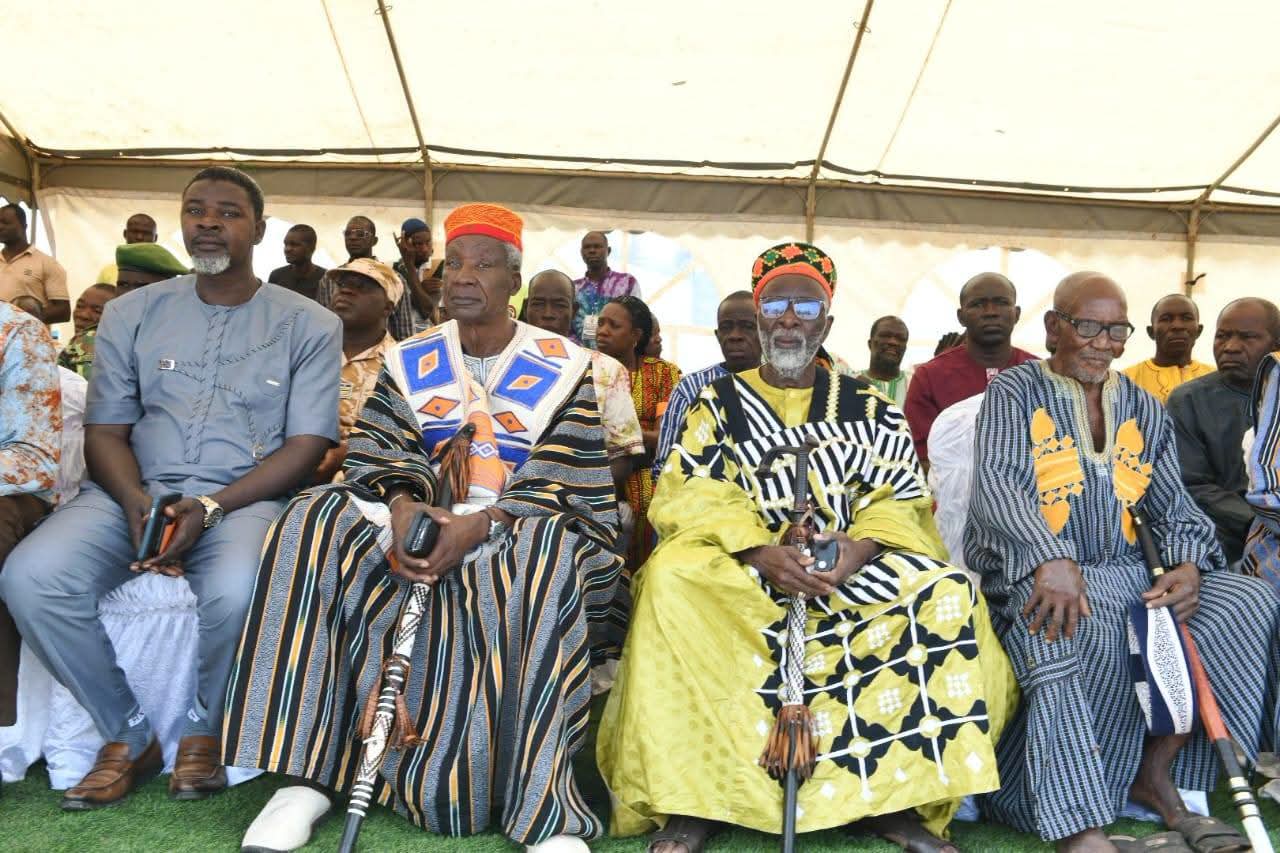
« Ce chantier n'est pas un simple alignement de voies et de caniveaux ; il est le symbole d'une ambition nationale : transformer durablement nos villes, améliorer substantiellement les conditions de vie de nos populations et inscrire chaque réalisation dans la marche irréversible vers un Burkina Faso souverain et prospère. Sous le leadership éclairé du camarade président du Faso, le capitaine Ibrahim Traoré, notre nation s'est engagée dans la dynamique de la Révolution progressiste populaire. Cette révolution place au cœur de l'action publique la souveraineté nationale, l'intérêt supérieur du peuple burkinabè et la responsabilité collective. Elle nous rappelle que le développement ne se décrète pas : il se planifie, il se construit, il se vit au quotidien à travers ses infrastructures utiles, durables et porteuses de progrès. (…). Cette première phase prioritaire constitue une étape déterminante dans la mise en œuvre progressive du projet global qui prévoit à terme 10,4 kilomètres de voiries modernes et 33,8 kilomètres d'ouvrages d'assainissement pluvial. (…). Le chantier que nous ouvrons aujourd'hui est le symbole d'un Burkina Faso qui avance, malgré les défis, d'un État qui planifie et agit, d'un peuple qui croit en ses propres forces et refuse la résignation », a déclaré le ministre de la construction de la patrie, à travers son message livré par son chargé de mission, Hamadé Bagaya.
Le représentant du ministre, Hamadé Bagaya, a traduit la détermination du gouvernement à offrir un cadre de vie propice aux populations.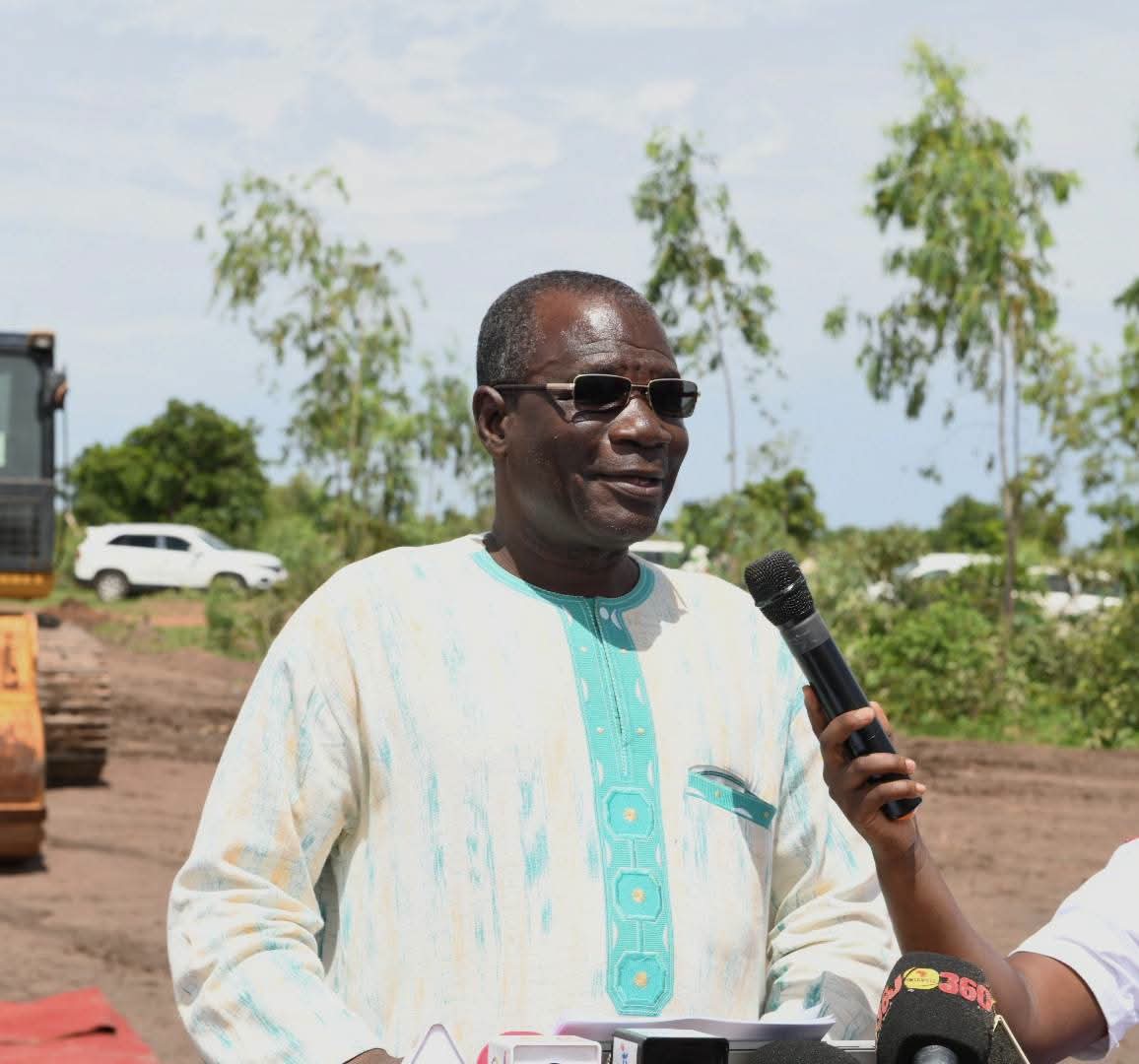
Les travaux, prévus pour tenir dans une échéance de dix mois, s'élèvent à 6,1 milliards de FCFA.
À terme, le relais-cité de Komsilga comprendra, entre autres commodités, un centre commercial et hôtelier, un marché moderne, une gare routière, un espace culturel.
Ici, de gauche vers la droite : le représentant du ministre, le président de la délégation spéciale de Komsilga et le directeur général de l'Urbanisme, de la viabilisation et de la topographie, S. Hamed Ouattara.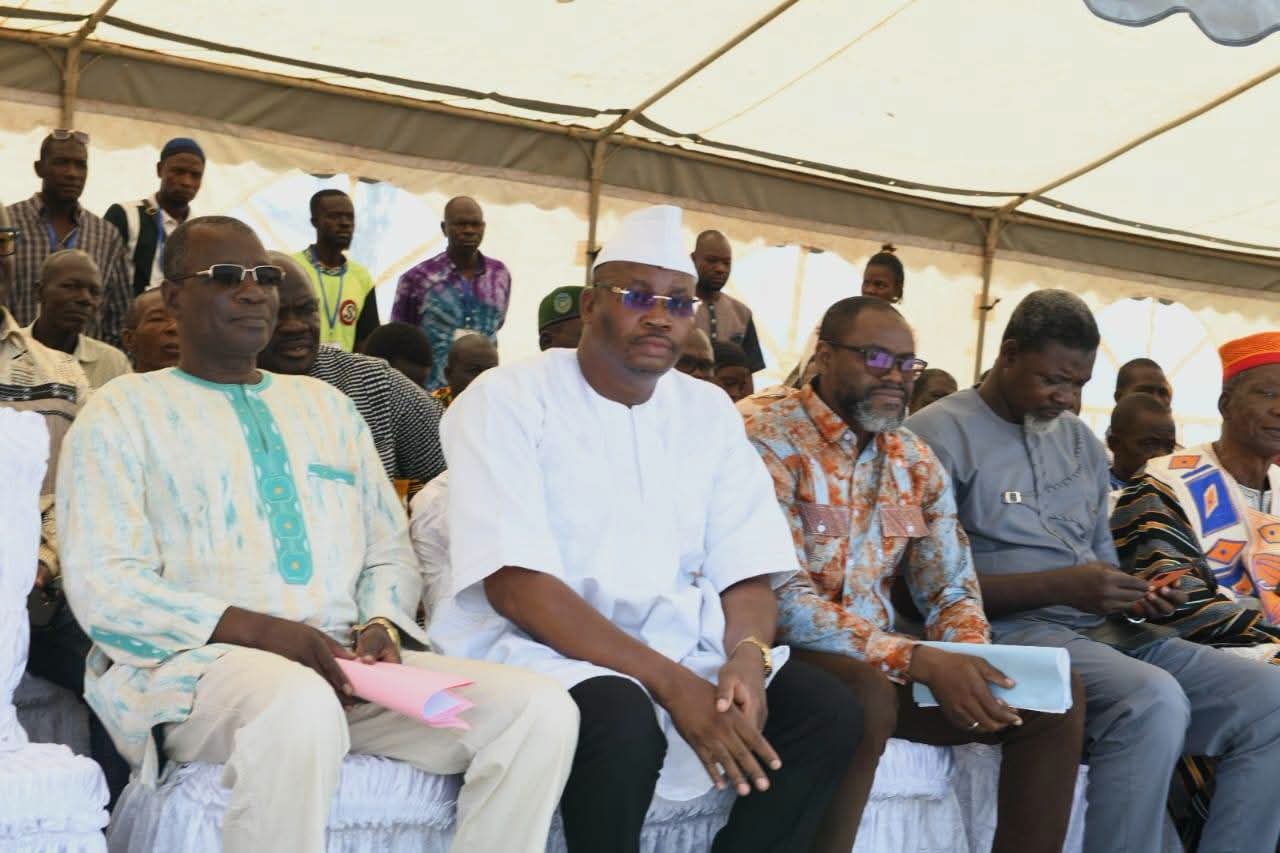
Selon le ministre, par ce chantier, il ne s'agit pas de poser seulement du bitume et du béton ; c'est aussi créer les conditions d'un développement urbain mieux maîtrisé. « Nous améliorons la mobilité, renforçons la sécurité, soutenons l'économie locale et préparons l'avenir. Car aménager une ville, c'est engager la responsabilité de plusieurs générations. La Révolution progressiste populaire nous commande de rompre avec les improvisations et les ouvrages éphémères. Elle nous impose le devoir de résultat et la redevabilité envers le peuple. C'est dans cet esprit que le ministère de la Construction de la patrie conduit ses missions : bâtir des villes planifiées, inclusives et résilientes, où l'urbanisation devient un levier de développement et non une source de vulnérabilité », présente le ministre, invitant les entreprises et les acteurs chargés de l'exécution des travaux au respect de ce qui est attendu par le gouvernement, notamment la rigueur, le professionnalisme et le patriotisme. « Chaque franc investi est une ressource de la nation et doit produire des ouvrages conformes aux normes de qualité, capables de servir durablement les populations », a-t-il insisté avant d'encourager les populations bénéficiaires à faire de ces infrastructures leur patrimoine collectif.
Les explications du projet avec Toudo Emmanuel Toni, ingénieur de conception en génie civil/ministère de la Construction de la Patrie.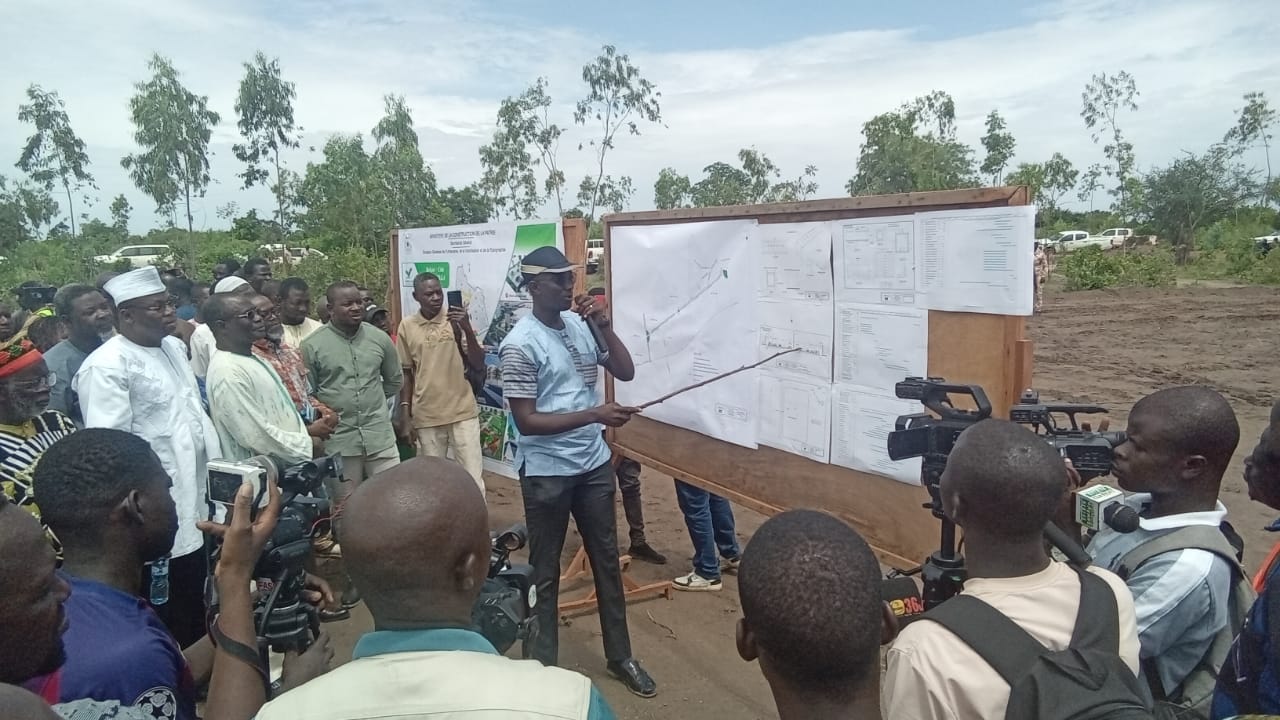
Le président de la Délégation spéciale de Komsilga, Antarest Batiana, estime que ce lancement « traduit l'attention particulière que le gouvernement accorde au développement harmonieux du territoire et à la modernisation durable du cadre de vie des populations ».
Il a saisi l'instant pour témoigner de la reconnaissance de la commune au président du Faso, le capitaine Ibrahim Traoré, dont la vision de développement, relève-t-il, continue de se traduire par des réalisations concrètes au profit des populations. M. Batiana a également salué le leadership, l'engagement et la détermination du ministre de la construction de la patrie à impulser une nouvelle dynamique à la politique nationale de l'habitat, de l'urbanisme et de la construction.
Le représentant du ministre, Hamadé Bagaya, a traduit la détermination du gouvernement à offrir un cadre de vie propice aux populations.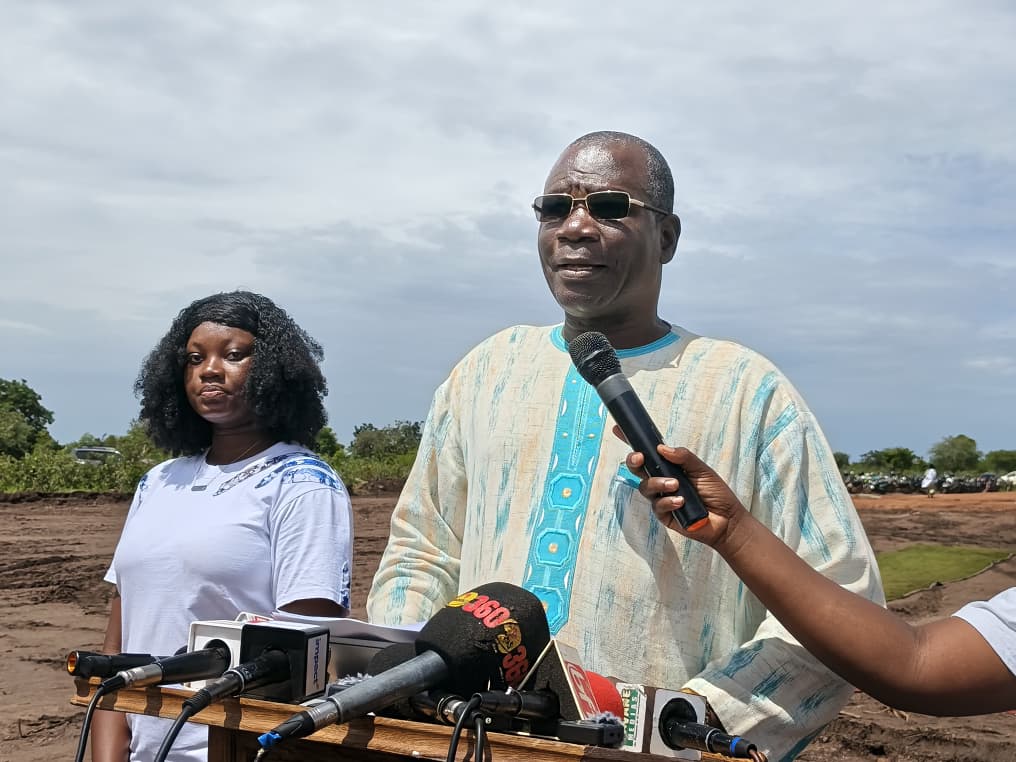
Pour le président de la Délégation spéciale, ce site va changer le visage de la commune et contribuer à faire de Komsilga une ville moderne, mieux structurée et impliquée dans la dynamique de développement du grand Ouaga. « La Délégation spéciale prendra toutes les dispositions relevant de sa compétence pour faciliter la conduite des opérations et favoriser un climat de dialogue en faveur du projet », a exprimé Antarest Batiana, exhortant l'ensemble des franges sociales de Komsilga à accompagner la mise en œuvre.
O.L. et Dominique Ouédraogo
Lefaso.net
Catégories: Afrique
Keeper Bihina stars as Cameroon upset Morocco to make Wafcon final
Cameroon's Michaely Bihina saves an extra-time penalty and three more spot kicks in a shootout to send her side though to the 2026 Wafcon final at the expense of host nation Morocco.
Catégories: Africa
Inculturation liturgique en Afrique : Les liturgistes plaident pour l'ouverture d'un institut continental de liturgie
Réunis à Dar es-Salaam en Tanzanie du 3 au 8 août 2026, lors du deuxième Congrès des liturgistes africains, 120 experts venus de 11 pays ont réfléchi sur le thème « inculturation liturgique en Afrique : pratique et perspectives ». À l'issue des travaux, ils ont souligné que l'inculturation demeure un défi majeur pour l'Église en Afrique, rapporte Vatican News.
Les participants ont défini l'inculturation liturgique comme l'intégration harmonieuse des expressions culturelles africaines dans la célébration des mystères chrétiens, dans le respect de l'Évangile et des normes de l'Église. Ils ont particulièrement insisté sur trois domaines : le chant, la danse et l'architecture. Concernant la musique liturgique, les congressistes ont appelé à recentrer les compositions sur le message évangélique tout en valorisant les instruments traditionnels africains. Ils estiment que la danse, expression culturelle indissociable du chant en Afrique, peut trouver sa place dans la liturgie à condition de préserver le caractère sacré des célébrations.
Pour garantir la qualité de ces pratiques, ils recommandent une formation doctrinale, liturgique, technique et musicale des acteurs pastoraux, ainsi que la redynamisation des centres de musique sacrée. Sur le plan architectural, les liturgistes souhaitent que les églises reflètent davantage la rencontre entre foi chrétienne et cultures africaines. Ils plaident pour le développement de la recherche en architecture liturgique et en art sacré.
L'une des principales recommandations du congrès est la création d'un institut africain de liturgie, sous l'impulsion du Symposium des Conférences épiscopales d'Afrique et de Madagascar. Cet institut servirait de centre de recherche et de formation pour approfondir la liturgie catholique à partir des richesses culturelles du continent.
Pour les participants, notamment Mgr Henri Chiza et le père Alain Pierre Yao, l'Afrique doit davantage contribuer à la réflexion théologique et liturgique de l'Église universelle. Si des avancées ont été réalisées, ils estiment que beaucoup reste à faire pour permettre aux fidèles africains de vivre pleinement leur foi à travers leurs cultures.
Lefaso.net
Source : Vatican News
Catégories: Afrique
Nayala : Le ministre de la santé Robert Kargougou au contact des agents de terrain à Toma et Koin
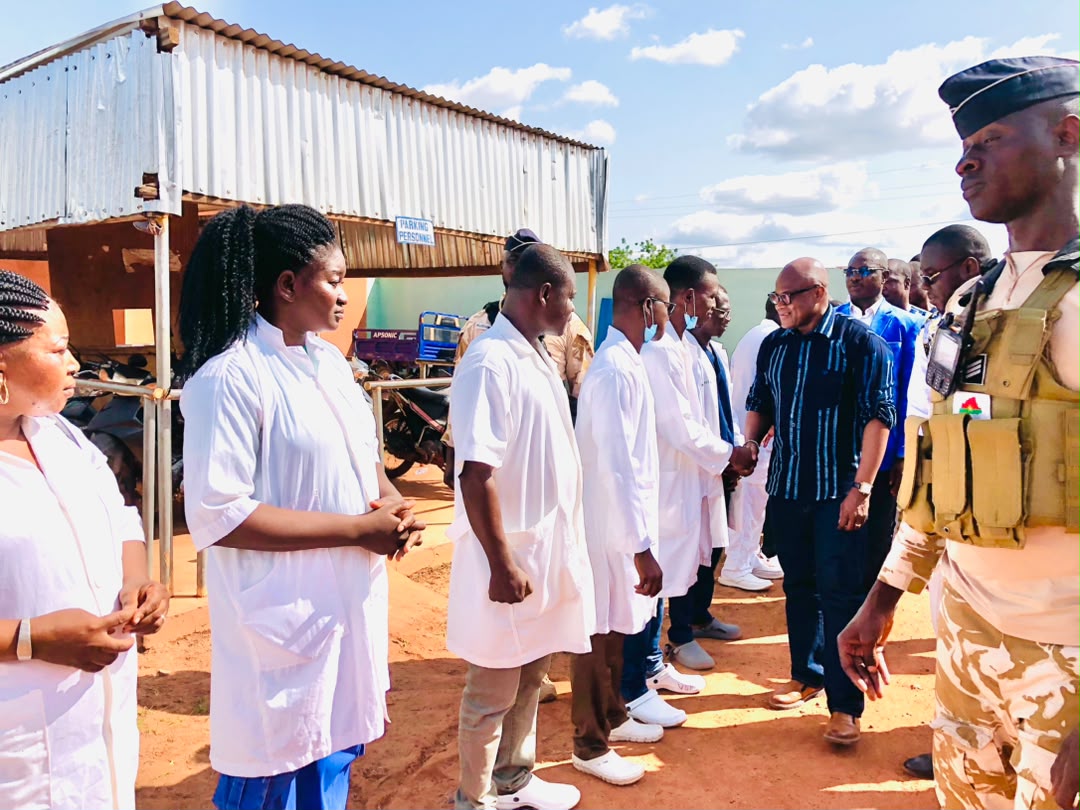
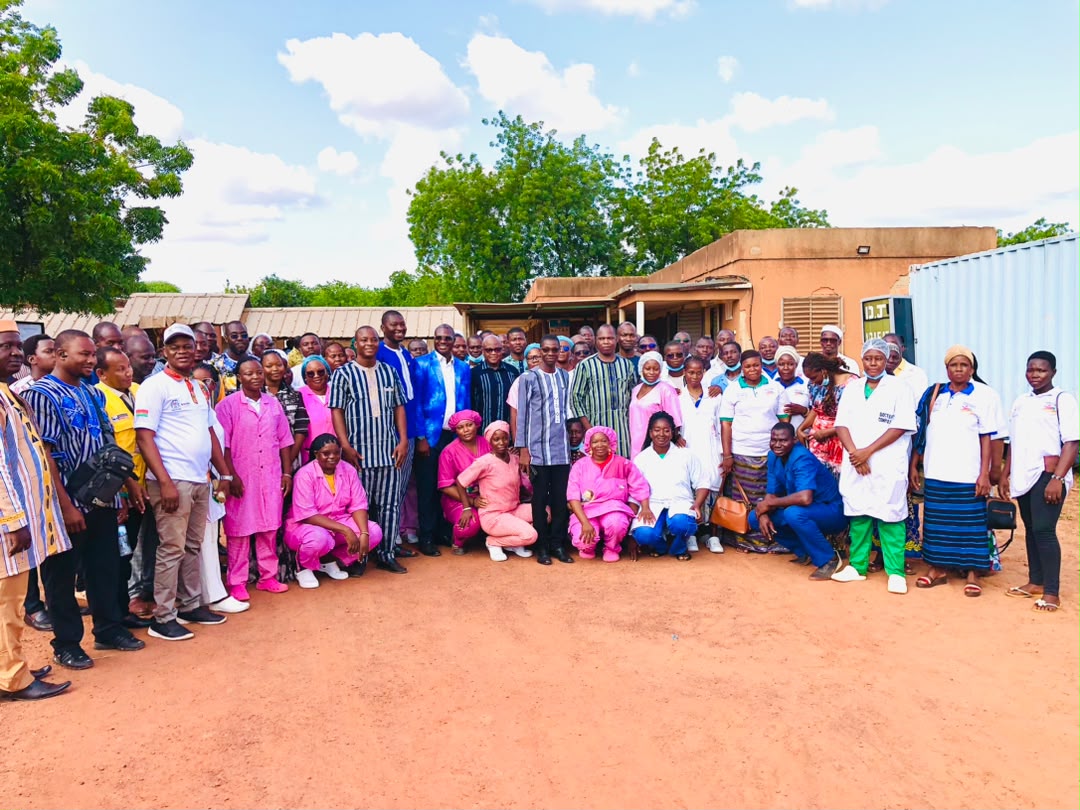
Après Tougan, le ministre de la santé, Dr Robert Lucien Jean-Claude Kargougou, a poursuivi sa tournée de terrain dans la région du Sourou. Accompagné du gouverneur de la région et de plusieurs responsables administratifs et sanitaires, il s'est rendu successivement au Centre médical avec antenne chirurgicale (CMA) de Toma et au Centre de santé et de promotion sociale (CSPS) de Koin, dans la commune de Toma.
À son arrivée à Toma, le ministre a été accueilli à l'entrée de la ville par une mobilisation de la population. Cette étape a été l'occasion pour les populations et les acteurs locaux de saluer sa présence sur le terrain et de lui témoigner leur soutien.
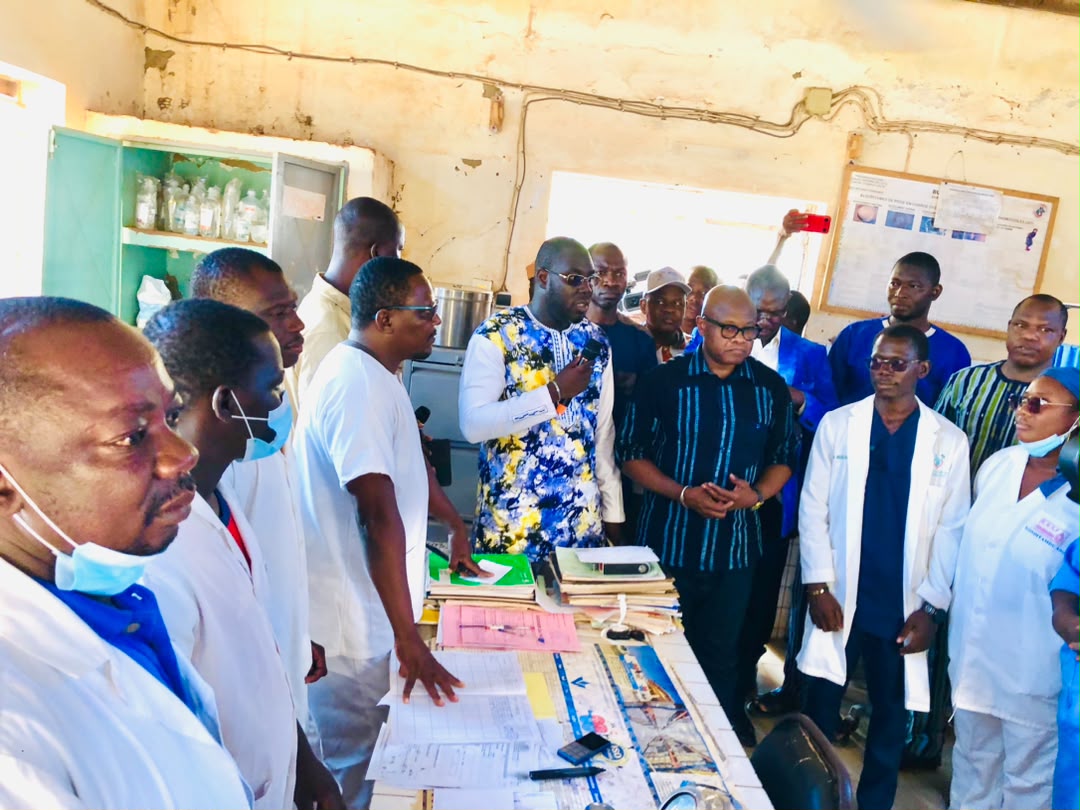
Première étape de la visite, le CMA de Toma. Le Dr Robert Kargougou y a parcouru plusieurs services et échangé directement avec le personnel de santé sur les conditions de travail, les prestations offertes aux populations et les difficultés rencontrées au quotidien.
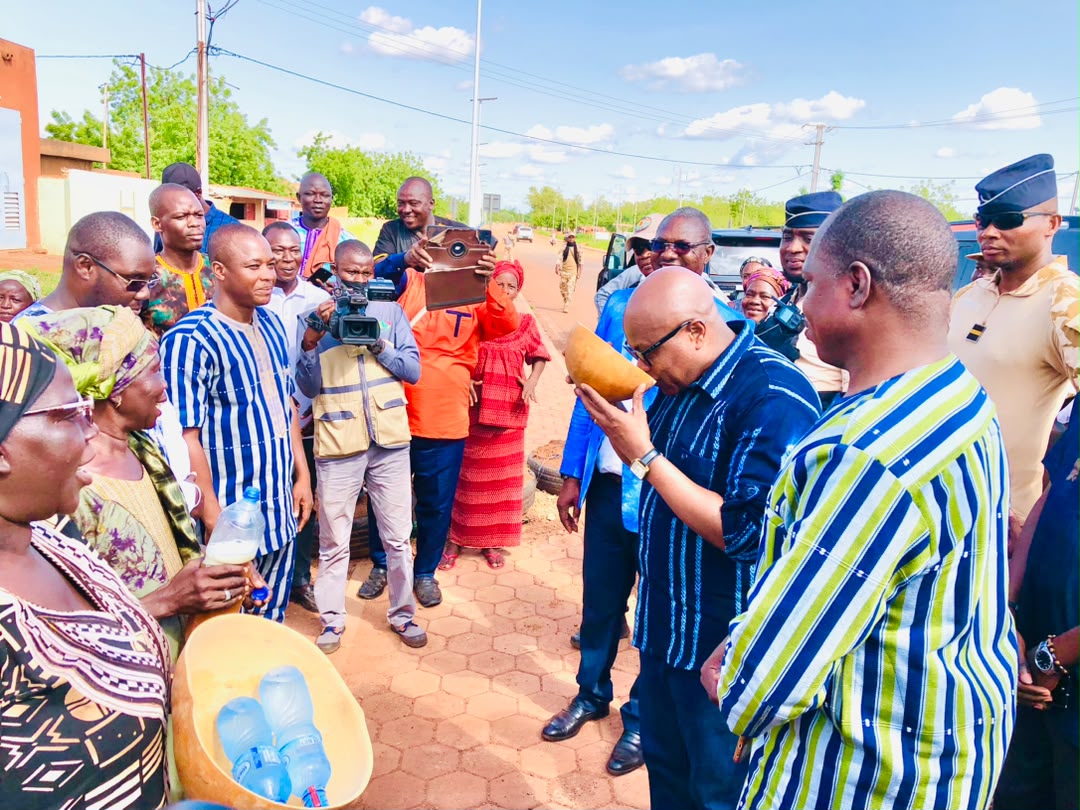
Les préoccupations soulevées par les agents ont notamment porté sur les ressources humaines, les équipements médico-techniques et le passif social des travailleurs.
Sur ce dernier point, le ministre a annoncé des mesures visant à accélérer le règlement des dossiers en instance. Selon lui, une situation doit être établie avec précision par les responsables sanitaires afin que les actes nécessaires soient pris et que les effets financiers puissent être constatés d'ici la fin du mois de septembre 2026. « Nous ne voulons pas qu'un seul agent du CMA n'ait pas son passif social apuré », a-t-il insisté tout en appelant les responsables concernés à accélérer les démarches.
Au-delà des préoccupations materielles et administratives, le ministre a salué l'engagement des agents qui, malgré les difficultés, continuent d'assurer la prise en charge des populations.
Face aux professionnels de santé, le Dr Robert Kargougou a également lancé un appel à la responsabilité, au professionnalisme et au patriotisme.
Il a exhorté les agents à rester engagés dans leurs missions, même dans les moments difficiles, en rappelant les sacrifices consentis par les acteurs qui œuvrent au service de la nation.
Pour le ministre, les agents de santé doivent également préserver la dignité et les valeurs attachées à leur profession, au-delà des appartenances et des divergences. « Vous devez véritablement donner le reflet de ce que la noblesse de ce métier est », a-t-il souligné, tout en réaffirmant son engagement à œuvrer pour l'apurement du passif social.
En quittant Toma pour poursuivre sa tournée à Koin, la délégation ministérielle a marqué une halte au camp du BIR 23.
Cette escale a permis au ministre de saluer les Forces de défense et de sécurité (FDS), de leur témoigner sa reconnaissance et de les encourager dans leur mission de sécurisation du territoire.
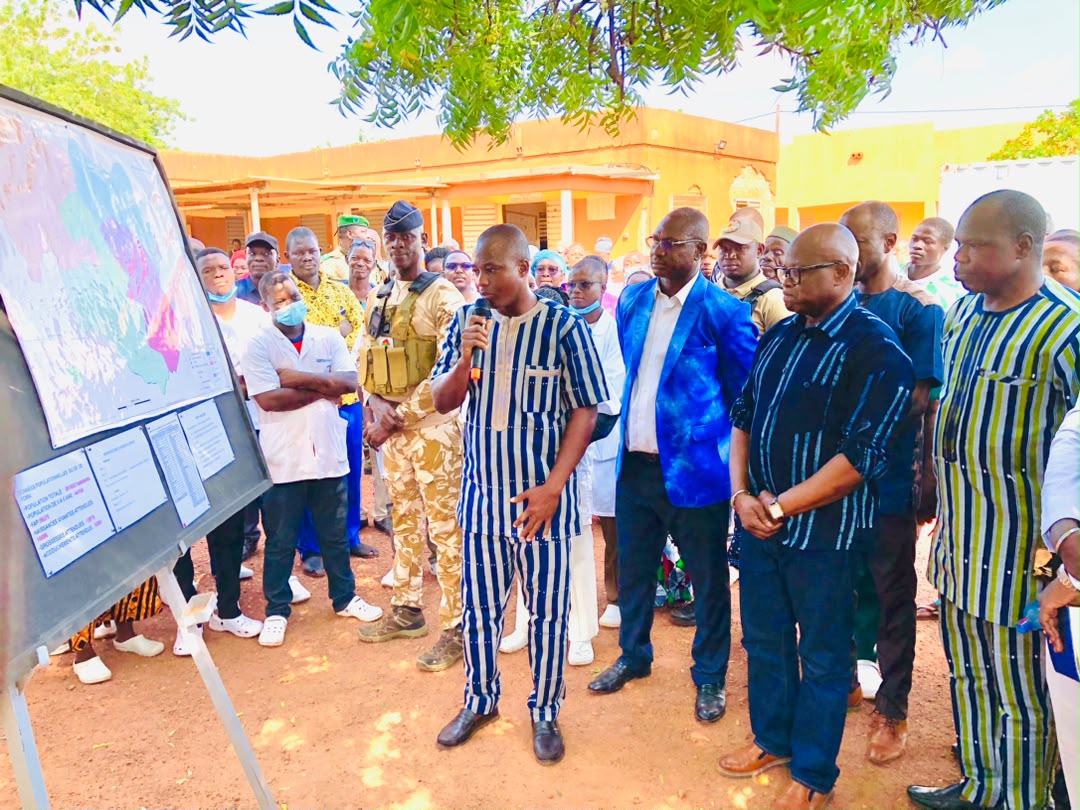
Dr Kargougou a rappelé que la présence des autorités et des services publics dans certaines zones est rendue possible grâce à l'engagement et au sacrifice des FDS. Il leur a ainsi exprimé la fierté et la reconnaissance du secteur de la santé pour leur contribution à la sécurisation des populations et à la continuité des services essentiels.
La tournée s'est poursuivie au CSPS de Koin où le ministre a visité les infrastructures et échangé avec les agents de santé ainsi qu'avec les représentants de la communauté.
Cette étape a particulièrement retenu l'attention du ministre en raison de l'implication de la population dans le développement de la formation sanitaire.
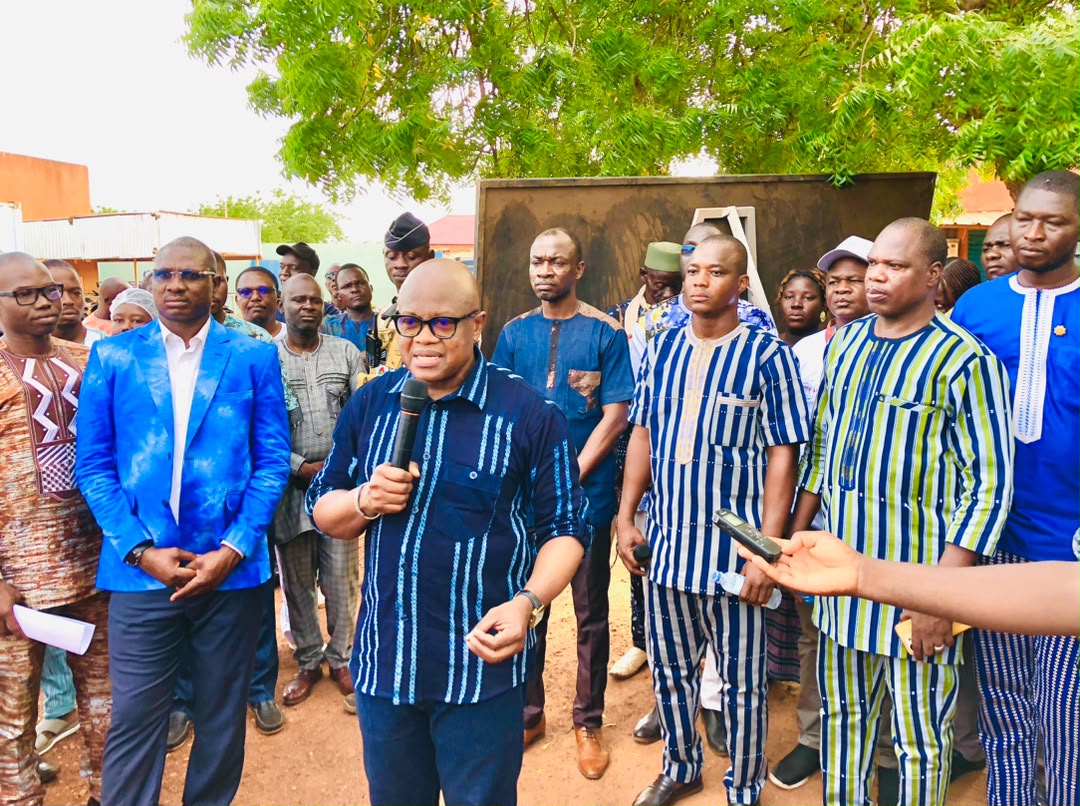
Il a salué les efforts de la communauté de Koin, notamment à travers l'association « Construire Koin », qui a contribué au développement du CSPS. « N'attendez pas seulement que ce soit l'État qui mette chaque fois de l'argent, mais il faut aussi que les populations elles-mêmes mettent la main à la pâte », a déclaré le ministre.
Pour Dr Kargougou, l'engagement communautaire constitue un exemple à encourager dans les autres localités. Il a estimé que lorsque les populations prennent elles-mêmes des initiatives, cela renforce la capacité de l'État à les accompagner dans les domaines où leurs moyens restent limités.
Au CSPS de Koin, les responsables ont également exposé des difficultés liées notamment aux inondations et à l'écoulement des eaux de pluie, qui affectent le fonctionnement de la formation sanitaire et son environnement. Le ministre a indiqué qu'il ne souhaitait pas faire de promesses précipitées, mais a assuré que la situation serait examinée avec les services compétents afin d'identifier les solutions réalisables.
Il a par ailleurs relevé avec satisfaction la disponibilité des médicaments observée au niveau du dépôt du CSPS, estimant qu'il s'agissait d'un élément important pour assurer la continuité des soins.
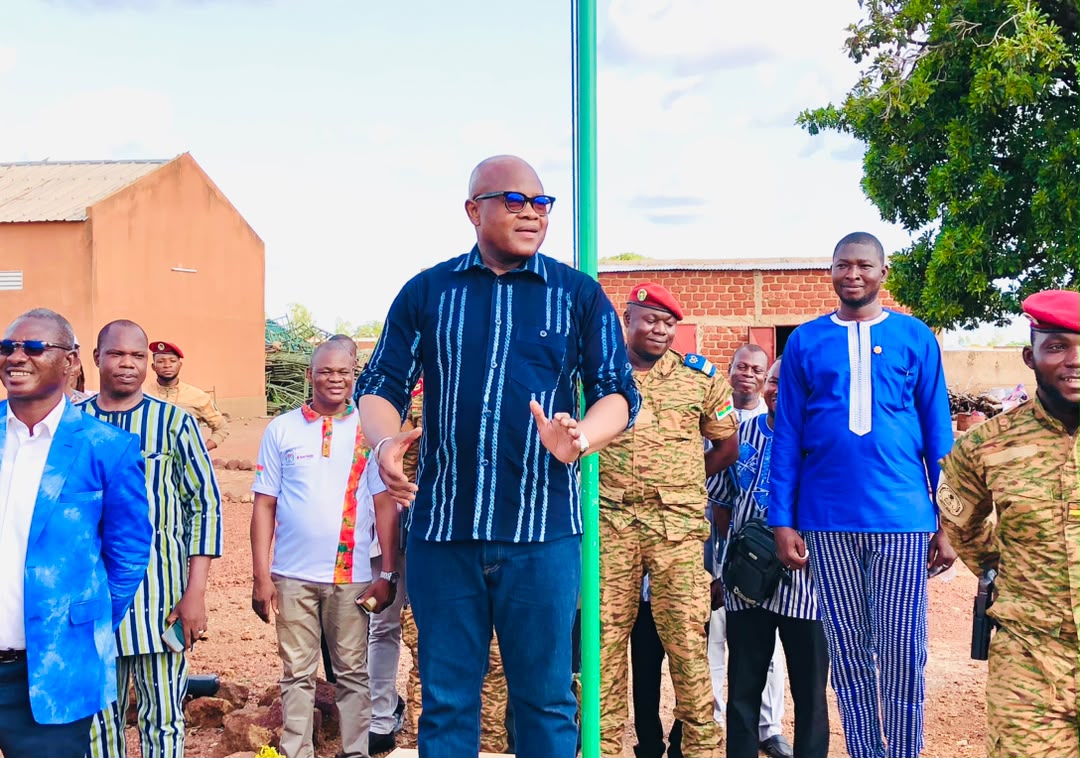
Cette visite s'inscrit dans le cadre de la volonté des autorités de renforcer la présence des membres du gouvernement sur le terrain et de les rapprocher des populations et des agents publics. Le ministre a rappelé que cette démarche répond à une orientation du président du Faso, le capitaine Ibrahim Traoré, invitant les membres du gouvernement à quitter les bureaux de Ouagadougou pour aller à la rencontre des populations et constater directement les réalités vécues sur le terrain.
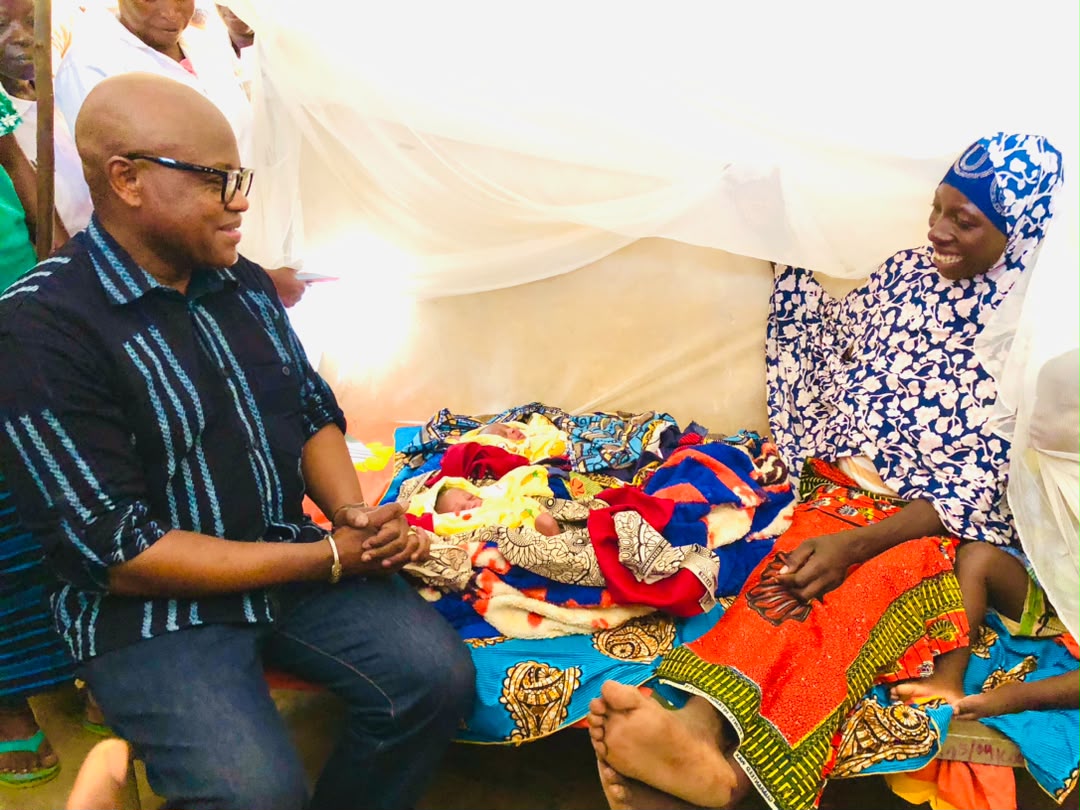
De Tougan à Toma en passant par le BIR 23 et Koin, la tournée du ministre de la santé aura ainsi permis de recueillir les préoccupations des professionnels de santé, de saluer l'engagement des FDS et de mettre en lumière les initiatives communautaires en faveur de la santé.
Y.I K-Z
Lefaso.net
Catégories: Afrique
Chawinga sisters fire Malawi into Wafcon final
Malawi's fairy tale run at the 2026 Women's Africa Cup of Nations goes on as sisters Tabitha and Temwa Chawinga share three goals in a 3-1 semi-final win over Algeria.
Catégories: Africa
Hivernage : Quand nos engins refusent de coopérer après une pluie
L'hivernage est une bénédiction pour l'agriculture. Mais pour de nombreux usagers de la route, il est aussi la saison des mauvaises surprises. À Ouagadougou, après une bonne pluie, il n'est pas rare de voir des motos qui refusent de démarrer le matin, des véhicules immobilisés en pleine circulation, des batteries qui rendent l'âme ou encore des engins qui prennent l'eau après le passage dans une rue inondée.
Quand on ne dispose que d'une moto ou d'une voiture pour aller au service, faire ses courses ou assurer ses activités quotidiennes, une panne peut rapidement transformer une matinée ordinaire en véritable parcours du combattant. Le retard au travail, le rendez-vous qu'il faut reporter, la course urgente qui tombe à l'eau… et surtout, cette dépense imprévue qui vient s'ajouter aux nombreuses autres. C'est souvent à ce moment que le numéro du mécanicien devient l'un des plus importants du téléphone.
Ce matin, sur une grande artère de Ouagadougou, une scène assez familière a retenu notre attention. Un homme, les bras croisés, observait son garagiste penché sous le capot de sa Mercedes. Le véhicule venait visiblement de le lâcher en pleine circulation. À voir son visage, il y avait sans doute plus que de l'impatience. Peut-être l'inquiétude de savoir combien la réparation allait coûter, peut-être le retard qui commençait déjà à se faire sentir ou simplement la frustration de voir sa journée prendre une autre tournure.
Cette scène est loin d'être exceptionnelle. En cette période de pluies, elle se répète presque quotidiennement. Soit, c'est une moto qui s'éteint après avoir traversé une flaque d'eau, soit c'est une voiture qui refuse de redémarrer après avoir passé la nuit sous une forte pluie. Au pire des cas, c'est un conducteur qui se retrouve à pousser son engin sur le bord de la route, sous le regard compatissant des autres usagers.
Chacun a certainement déjà connu, à son échelle, ce genre de mésaventure. Et quand cela arrive au mauvais moment, la panne peut facilement gâcher toute une journée. Difficile de garder son sourire lorsqu'on doit appeler son supérieur pour annoncer qu'on sera en retard au service ou lorsqu'on commence déjà à imaginer la facture du mécanicien. Pour certains, la réparation peut même représenter une bonne partie du salaire.
Pour autant, faut-il y voir un acharnement du destin ? Certainement pas ! L'hivernage ne crée pas toujours les pannes. Il met simplement à nu les faiblesses de nos engins. Une batterie déjà fatiguée, des bougies usées, un problème électrique, des pneus en mauvais état que la chaussée fait patiner ou un moteur qui n'a pas bénéficié d'un entretien régulier peuvent difficilement résister aux fortes pluies et aux rues parfois transformées en mares.
La saison des pluies devrait donc aussi être une période de vigilance pour les usagers. Vérifier sa batterie, ses freins, ses pneus, son système électrique ou faire contrôler son moteur peut éviter bien des désagréments. Certes, l'entretien a un coût et tout le monde ne peut pas toujours faire face à toutes les dépenses. Mais prévenir une panne peut parfois coûter moins cher que de devoir réparer un engin immobilisé en pleine circulation.
En attendant, dans les quartiers (surtout périphériques), les scènes se ressemblent après chaque forte pluie : des motocyclistes qui poussent leurs engins, des automobilistes sous leurs capots et des « mécanos » sollicités de tous côtés. Et pendant que certains cherchent la panne, d'autres regardent leurs montres en se demandant comment ils vont expliquer leur retard au service.
Quoique la pluie, elle, finira bien par s'arrêter. Mais pour nos engins, mieux vaut ne pas attendre qu'ils nous lâchent au bord de la route pour se souvenir qu'eux aussi ont besoin d'un peu d'attention.
Farida Thiombiano
Lefaso.net
Catégories: Afrique
Tierische Ferien: Ski-Star schwimmt mit Schweinen und kuschelt mit Kätzchen
Nach der anstrengenden Saison ist die Zeit gekommen für Ferien und Erholung. Die Ski-Stars ziehts dabei oft in die Wärme. Auf Social Media lassen sie ihre Fans daran teilhaben.
Catégories: Swiss News
Ayra Starr on her secret relationship and teasing Stevie Wonder
The musician shares the personal stories behind her third album, and the time she teased a legend.
Catégories: Africa, Oroszország és FÁK
Pages



© 2012-2018 Europa Varietas Foundation © 2015-2018 Europa Varietas Association
www.europavarietas.org | info(@)europavarietas(dot)org | Switzerland




We are looking for sponsors for the English translation of these books, please contact turkeandras(at)gmail(dot)com