
You are here
Feed aggregator
Le règlement intérieur du Sénat déclaré conforme à la Constitution
La Cour constitutionnelle a validé, lundi 3 août 2026, le règlement intérieur du Sénat. La séance plénière s'est déroulée sous la présidence du Professeur Cossi Dorothé Sossa, président de la Cour constitutionnelle.
Par décision DCC 26-006 du 03 août 2026, la Cour constitutionnelle valide le règlement intérieur du Sénat adopté par la nouvelle institution le 30 juillet 2026. À l'issue de l'examen, la haute juridiction elle a estimé que l'ensemble des dispositions du texte respecte les exigences constitutionnelles.
La décision sera notifiée à la doyenne d'âge en second du Sénat et publiée au Journal officiel. Cette validation permet au Sénat de disposer d'un cadre juridique désormais exécutoire pour son fonctionnement et constitue une nouvelle étape dans le fonctionnement de cette institution prévue par la révision constitutionnelle.
Le Sénat est composé de membres de droit, notamment d'anciens hauts responsables de l'État, ainsi que de personnalités désignées par les présidents de la République et de l'Assemblée nationale.
Cette institution a pour mission de contribuer à la régulation de la vie politique, au renforcement de l'unité nationale et d'examiner certaines lois adoptées par le parlement en demandant, le cas échéant, une seconde lecture, à l'exception des lois de finances.
Categories: Afrique
Ju-jitsu : le Congolais Christophe Mputu décroche un deuxième titre de champion du monde
L'athlète congolais Christophe Mputu a été sacré champion du monde de ju-jitsu 2026 après sa victoire, le 1er août 2026 à Abu Dhabi, aux Émirats arabes unis, face à l'Irakien Albu-Mohammed Mohanad dans la catégorie des moins de 94 kg. Grâce à ce nouveau sacre, le sportif congolais décroche son deuxième titre mondial dans cette discipline.
Categories: Afrique
2 présumés voleurs de moto arrêtés à Lokossa
La Police républicaine a interpellé, samedi 1er août 2026 à Lokossa, deux individus soupçonnés d'avoir volé une motocyclette à Comè.
Deux présumés voleurs sont dans les mailles de la police républicaine. Une équipe de la police s'est rendue dans le quartier Fongba, à Lokossa, le 1er août après une tentative de vente d'une motocyclette suspecte. Un premier suspect a été interpellé sur les lieux. Selon la Police Républicaine, la fouille de son domicile a conduit à la découverte de l'engin dissimulé dans sa chambre.
Au cours de son audition, le mis en cause a indiqué que la motocyclette avait été volée à Comè avec l'aide d'un complice. Les deux hommes se seraient rendus dans cette ville le 31 juillet dans le but de dérober une moto. Après avoir repéré un engin stationné devant un portail aux environs de 19 heures, ils se sont emparés de celui-ci avant de le transporter à Lokossa pour le revendre. Les investigations menées avec l'appui des unités de police des localités environnantes ont permis d'identifier le propriétaire de la motocyclette. Les deux suspects ont été placés en garde à vue.
Categories: Afrique
U.S.-Iran War Escalates Amid Growing Fears of Regional Instability and Rises In Arbitrary Executions
IInternational experts have reported a uptick of human rights violations committed in Iran, notably arbitrary executions of protestors since January 2026. Credit: Amir Sarabadani/Wikimedia Commons
By Oritro Karim
UNITED NATIONS, Aug 3 2026 (IPS)
Over the past several weeks, the humanitarian landscape in the Middle East has deteriorated significantly, exacerbated by escalating security concerns and serious human rights violations. In late July, the United Nations (UN) highlighted a sharp uptick in hostilities between the United States and Iran, alongside growing concerns over wider regional instability.
On July 30, the Office for the Coordination of Humanitarian Affairs (OCHA) warned that the “humanitarian consequences of the Middle East escalation are worsening by the day.” The conflict between the United States and Iran has grown increasingly volatile over recent months, with both parties intermittently resuming bombardment following the breakdown of the April ceasefire.
On July 28, Iranian forces attempted a series of ballistic missile attacks targeting U.S. bases in Jordan and vessels in the Strait of Hormuz. This prompted an immediate military response from the U.S. military, with defense officials confirming that it had completed a “heavy wave” of airstrikes targeting numerous bases affiliated with Iran’s Islamic Revolutionary Guard Corps (IRGC).
This recent wave of airstrikes in Iran affected numerous provinces—including Hormozgan, Bushehr, Fars, and Khuzestan—notably impacting the country’s primary oil-producing region. According to the Iranian Ministry of Health, at least 60 civilian deaths and 670 injuries have been recorded over the past month alone. On July 30, a strike in Qeshm in Hormozgan province hit a residential building, killing three civilians, including a two-year-old child.
This conflict has severely disrupted global shipping and oil production, driving a considerable increase in domestic gasoline prices in the U.S. and compounding Iran’s economic collapse. On July 29, United Nations Secretary-General António Guterres expressed concern about the risk of a broader regional conflict if effective diplomacy is not established soon.
Deputy Spokesperson for the Secretary-General, Farhan Haq, told reporters that current developments are “not positive”, noting that Guterres is hoping for an immediate cessation of hostilities. “The Secretary-General has been worried for some time that if the parties do not return to negotiations, you could have a widening of the conflict, and that seems to be what has been happening in recent hours,” said Haq at a press briefing at the UN Headquarters.
“These are not positive developments, and he wants to make sure that the parties can cease fighting and again return to the diplomatic efforts, including the mediation efforts being pressed forward by Pakistan, Qatar and others…Having more parties involved in the fighting, having the fighting spread to a larger number of countries, all of these are adverse developments and could get us into a much worse situation even than before.”
Following discussions with regional allies, U.S. President Donald Trump told reporters on August 1 that he had halted planned military strikes against Iran as negotiations toward a de-escalation of hostilities are scheduled to pick up on August 3. Contingent on both sides “rapidly” securing a deal, Trump told reporters that these plans include frameworks for the reopening of the Strait of Hormuz, which would allow for the immediate decongestion of stalled global cargo traffic and the resumption of commercial oil shipments.
In response, Iranian officials confirmed that Tehran did not ask the U.S. to halt these strikes, stating that Iran remains “on high alert and ready for any eventuality.” As of August 3, no new negotiations were held between the U.S. and Iran. Esmail Baghaie, the spokesperson for Iran’s foreign ministry, has said that there are no plans to send an Iranian delegation, nor to receive any delegations, however diplomatic engagement is ongoing.
Although the Strait of Hormuz is currently closed, Jordan and Egypt remain critical lifelines for humanitarian aid deliveries and medical evacuations for struggling Iranian communities.
Furthermore, Iran continues to grapple with a sharp rise in human rights violations recorded over the course of 2026. Since March 19, the Center for Human Rights in Iran recorded the executions of at least 46 civilians on politically motivated charges. Reflecting a considerable surge in the use of the death penalty to repress civilian dissent, at least 23 of those convicted were protestors arrested during the protests in January.
On July 23, the UN Independent International Fact-Finding Mission on Iran urged Iranian authorities to halt all executions and establish frameworks on the use of the death penalty in accordance with international humanitarian law. The Mission condemned the arbitrary executions of two young protestors, 18-year-old Erfan Esfandiari and 23-year-old Mohammad Mohammadi on July 19.
In the wake of these executions, Iranian authorities proceeded to publicly execute protestors Amir Hossein Safari and Abolfazl Sepahi following what Amnesty International described as a “grossly unfair mass trail involving dozens of defendants.” Ten additional Iranian men now face an imminent threat of arbitrary execution over their involvement in the January demonstrations, with the Mission calling for an immediate halt to these executions.
“The Iranian authorities are unleashing a horrifying wave of executions and death sentences to punish and suppress dissent and project an image of strength and absolute control in the wake of the January popular uprising and amid ongoing attacks by US and Israeli forces,” said Heba Morayef, Regional Director for the Middle East and North Africa at Amnesty International.
“The muted response from the international community emboldens the Iranian authorities to continue their deadly rampage. UN member states must take urgent coordinated diplomatic action to press the Iranian authorities to halt further executions. They must place Iran’s human rights and impunity crisis high on their agenda, support the creation of an independent international justice mechanism for Iran and urge the UN Security Council to refer the situation in Iran to the International Criminal Court.”
IPS UN Bureau Report
Follow @IPSNewsUNBureau
!function(d,s,id){var js,fjs=d.getElementsByTagName(s)[0],p=/^http:/.test(d.location)?'http':'https';if(!d.getElementById(id)){js=d.createElement(s);js.id=id;js.src=p+'://platform.twitter.com/widgets.js';fjs.parentNode.insertBefore(js,fjs);}}(document, 'script', 'twitter-wjs');
Categories: Africa
Le Groupe ISM Dakar a réuni sa communauté d'Alumni du Bénin et Togo et célébré les diplômés d'ISM Online à Cotonou
Le Groupe ISM Dakar, pionnier et leader de l'enseignement supérieur privé en Afrique subsaharienne depuis 1992 et membre du réseau international Galileo Global Education, a organisé avec succès la Convention ISM Alumni Cotonou 2026, couplée à la cérémonie de Graduation des apprenants d'ISM Online.
Accueilli au Golden Tulip Hôtel Le Diplomate de Cotonou, l'événement a rassemblé les anciens étudiants béninois et togolais du Groupe ISM, les diplômés d'ISM Online, des partenaires institutionnels, des entreprises et plusieurs personnalités, en présence de M. Amadou Diaw, Président Fondateur du Groupe ISM, et de M. Abdou Diouf, Président du Groupe ISM.
Cette rencontre a illustré les liens forts que le Groupe ISM entretient depuis de nombreuses années avec le Bénin et le Togo. Bien que l'institution ne dispose pas de campus dans ces deux pays, de nombreux étudiants béninois et togolais choisissent chaque année de rejoindre le campus du Groupe ISM à Dakar, ou de suivre leurs études à distance grâce à ISM Online (des programmes diplômants et certifiants 100% en ligne), avant d'intégrer un réseau de diplômés présent dans toute l'Afrique.

La Convention Alumni a permis à cette communauté de se retrouver, de partager leurs expériences, de développer leur réseau professionnel et d'échanger avec les dirigeants du Groupe ISM venus de Dakar, sur les perspectives de développement de l'enseignement supérieur africain, de l'employabilité des jeunes et de l'innovation pédagogique.
L'un des moments les plus marquants de la soirée a été la Graduation des apprenants d'ISM Online, venus recevoir leur diplôme de Licence ou de Master. Cette cérémonie a récompensé des professionnels et étudiants ayant choisi un parcours de formation flexible, leur permettant de concilier études, carrière et vie personnelle, tout en bénéficiant des mêmes exigences académiques et de la même reconnaissance que les formations dispensées sur le campus de Dakar.
À travers cette double célébration, le Groupe ISM a réaffirmé sa volonté d'accompagner ses étudiants bien au-delà de leur diplomation. Le réseau ISM Alumni constitue aujourd'hui une véritable communauté de professionnels présents dans de nombreux pays africains, favorisant les opportunités d'emploi, d'entrepreneuriat, de mentorat et de coopération entre diplômés.
Un nouveau campus emblématique à Dakar
Cette rencontre a également été l'occasion de présenter les dernières évolutions du Groupe ISM, notamment l'inauguration, en mai 2026, du nouveau Campus Baobab à Dakar. Véritable vitrine de l'ambition du Groupe, ce campus nouvelle génération offre un environnement d'apprentissage moderne, connecté et ouvert sur le monde. Pensé pour favoriser l'innovation, la collaboration et l'expérience étudiante, il accueille les étudiants sénégalais et internationaux dans des infrastructures répondant aux standards internationaux de l'enseignement supérieur.
En réunissant sa communauté béninoise autour de ses dirigeants, le Groupe ISM confirme sa volonté de renforcer durablement ses liens avec le Bénin et le Togo et de poursuivre sa mission : Former les futurs dirigeants africains à travers une formation de qualité qui répond aux standards nationaux et internationaux.
Plus d'infos sur le Groupe ISM, contactez-nous au +221 33 869 76 77 , sur WhatsApp au +221 76 224 19 40, par mail sur info@ism.edu.sn ou sur www.groupeism.sn
Today ISM, Tomorrow the World !
À propos du Groupe ISM
Pionnier et leader de l'enseignement supérieur privé en Afrique subsaharienne depuis 1992, le Groupe ISM a pour mission de former les futurs dirigeants et leaders africains par une éducation d'excellence répondant aux standards nationaux et internationaux. Depuis 2017, 25 ans après sa création, il rejoint le réseau mondial de Galileo Global Education, 1er opérateur de l'enseignement supérieur privé en Europe et 2e au niveau mondial. Distingué par les classements internationaux pour ses enseignements d'excellence, le Groupe ISM propose des formations de la Licence au Doctorat et regroupe aujourd'hui une école de management, une école de droit, une école d'ingénieurs, un Digital Campus, le Madiba Leadership Institute (un institut de science politique, relations internationales, communication), un programme 100% en ligne (ISM Online), ainsi qu'un réseau de lycées d'excellence et d'espaces élémentaires. Le Groupe ISM compte aujourd'hui +18 000 apprenants issus de +30 pays, +50 000 Alumni partout dans le monde et 11 Campus dont 10 au Sénégal et 1 à Abidjan.
Categories: Afrique
Paralysie des activités économiques à Mambasa pour dénoncer les massacres attribués aux ADF
Les activités socio-économiques ont été fortement perturbées ce lundi 3 aout dans plusieurs localités de la chefferie de Babila Babombi, dans le territoire de Mambasa (Ituri).
Categories: Afrique
“Kingston’s Disappointment Should Not Extinguish Our Hope for the Deep Ocean”
Credit: Joseph Barrientos on Unsplash
By James Alix Michel
VICTORIA, Seychelles, Aug 3 2026 (IPS)
Earlier this year, I called publicly for a precautionary pause on deep-sea mining, arguing that it is not a rejection of progress, but a commitment to sound science.
I made that appeal because I believed governments meeting this year at the International Seabed Authority (ISA) would finally choose caution over haste. Watching the results emerge from Kingston, Jamaica, over these past weeks, I must admit to real disappointment.
But I want to be equally clear: disappointment is not defeat, and there is still every reason for hope.
The 31st session of the ISA concluded its work in Kingston with the Council ending two weeks of negotiations on 24 July without adopting the long-debated Mining Code. Unresolved issues, ranging from environmental safeguards and liability to inspection, compliance and benefit-sharing, remain exactly that: unresolved.
Governments including France, Costa Rica, South Africa, Mexico, Germany, Palau and Brazil rightly insisted these gaps must be closed before any commercial mining is contemplated. That the Authority could not bridge them after fifteen years of negotiation tells its own story about how far science and governance still lag behind commercial ambition.
James Alix Michel
What troubles me more is what happened alongside those talks. In the same fortnight, the Council extended by five years the exploration contract of Nauru Ocean Resources Inc., a subsidiary of The Metals Company, even as an inquiry into the contractor’s possible non-compliance with its obligations under the UN Convention on the Law of the Sea remained open. This came days after the Seabed Disputes Chamber of the International Tribunal for the Law of the Sea, in Hamburg, ordered the ISA to guarantee the company due process. The optics were unfortunate: an institution meant to safeguard the common heritage of humankind appeared to bend under commercial pressure at the very moment its credibility needed reinforcing.That pressure has an external source too. The United States, which is not a party to the Law of the Sea Convention and sits outside the ISA altogether, has continued to advance its own unilateral licensing process for the Clarion-Clipperton Zone, the vast Pacific seabed that holds the largest concentration of exploration contracts on Earth. Five applications are already on record, with reports suggesting more may follow. When a single state can simply step outside a multilateral framework and issue permits for a shared global commons, it does not just threaten the ocean floor; it threatens the very idea that humanity can govern anything collectively. That, to me, is Kingston’s deeper failure: not that a code went unfinished, but that the multilateral system protecting our common heritage was tested, and did not hold as firmly as it should.
And yet.
I have spent much of my life in rooms where the odds seemed stacked against the ocean, and I have learned that setbacks in these negotiations are rarely the last word. There is real cause for hope in what else happened in Kingston.
When four deep-sea mining companies sought observer status at the Assembly, dozens of governments pushed back, and the decision was postponed rather than rushed through. Vanuatu brought forward an agenda item on “Ensuring Adequate Scientific Understanding to Support Informed Decision-Making,” precisely the argument I have been making since earlier this year: that we cannot regulate what we do not yet understand. And crucially, the Council did not simply walk away. It agreed a roadmap for further work, inviting states and observers to submit written proposals on the outstanding issues by 1 October 2026. The door to a properly safeguarded process remains open. It has not been slammed shut.
Most encouraging of all is the growing number of nations refusing to be rushed. When I first raised this call earlier this year, more than 40 countries had already backed a moratorium or precautionary pause. Today that number stands at 45, including seven Pacific nations, alongside outright bans by France and by Palau and New Caledonia within their own waters. They are joined by more than 70 companies, 82 financial institutions representing some €24 trillion in assets, and over 900 scientists from more than 70 countries, all saying the same thing: we do not yet know enough to proceed safely.
This is not an anti-mining movement. It is a pro-science movement. Nobody serious is arguing that the world will never need these minerals, or that the seabed must remain untouched forever. What I am arguing, and what the evidence increasingly supports, is that decisions with potentially irreversible consequences for ecosystems we have barely begun to map should not be made under commercial or geopolitical pressure. Scientists directly observed less than a tenth of the size of Belgium’s worth of deep seafloor before these negotiations began. This year’s IUCN Red List found that 62 percent of molluscs known only from hydrothermal vents are now at risk of extinction, many of them identified within the last decade. We are still discovering what we might destroy, and we are only beginning to understand the deep seabed’s role in storing carbon and regulating ocean chemistry.
I say this as someone who has governed a small island nation whose entire future is tied to the health of its ocean. Seychelles did not treat marine protection and economic progress as opposing forces. Through marine spatial planning protecting thirty percent of our waters, and the world’s first sovereign blue bond, we showed precaution can be financed and delivered without halting development. That experience is precisely why I believe a precautionary pause on deep-sea mining is a down payment on progress, not a brake on it.
Small island developing states cannot afford to gamble with the ocean systems that feed us and anchor our economies. I say this with humility: Seychelles has banned deep-sea mining in its own waters under our Marine Spatial Plan, yet is not among the 45 nations formally backing the international moratorium. That gap between what we protect at home and what we champion abroad is one I hope Seychelles, and others like it, will now close.
So my message to fellow leaders, particularly across Africa and the small island states that depend most on healthy oceans, is this:
Kingston’s disappointment is real, but it is not the end of the story. Forty-five nations have already shown that caution and ambition can coexist. I urge every government that has not yet done so, especially those still weighing their position ahead of the October deadline for written proposals, to add its voice to that growing coalition. This is not about obstructing progress; it is about demanding the evidence that ensures whatever progress we make does no lasting harm to the seabed we all share. I also urge regional bodies, from the African Union to Pacific and Caribbean groupings, to adopt common positions, so no single small state stands alone against powerful commercial interests.
The common heritage of humankind deserves patience as much as ambition. Kingston reminded us how much work remains. It also reminded us how many are still willing to do it.
James Alix Michel is the former President of Seychelles (2004-2016), Founder of the James Michel Foundation and the University of Seychelles, and a global advocate for the blue economy, ocean conservation and climate resilience.
IPS UN Bureau
Follow @IPSNewsUNBureau
!function(d,s,id){var js,fjs=d.getElementsByTagName(s)[0],p=/^http:/.test(d.location)?'http':'https';if(!d.getElementById(id)){js=d.createElement(s);js.id=id;js.src=p+'://platform.twitter.com/widgets.js';fjs.parentNode.insertBefore(js,fjs);}}(document, 'script', 'twitter-wjs');
Categories: Africa
Redéfinissez votre façon de rouler grâce à un design audacieux, un confort absolu avec la JETOUR X70 V3
Offre promotionnelle jusqu'au 14 août !
Prix promo : 17.999.999 FCFA TTC
Garantie : 5 ans ou 150 000 km
Ne laissez pas passer cette opportunité !
Showroom situé à Ouaga 2000
Contacts : 25503737 / 25503838
Visiter la page Facebook https://web.facebook.com/JETOURBURKINAFASOSPBI
#JetourX70V3
#Promo
#Spbinternational
Categories: Afrique
Traduite en plusieurs langues, une intox visant Léa Salamé et Raphaël Glucksmann manque sa cible ?
Des internautes de différents pays ont relayé une fausse vidéo du média français Blast : la journaliste Léa Salamé y est accusée de corruption pour le compte de son compagnon Raphaël Glucksmann, candidat possible à la présidentielle française. Il s’agit d’une intox reprenant des modes opératoires de désinformation utilisés par la Russie mais dont la portée a été assez limitée pour le public français.
Categories: France
Présidentielle 2027 : David Lisnard accuse Gabriel Attal de plagiat sur son projet institutionnel
Le maire de Cannes a publié hier sur son compte X un message critique directement adressé au candidat du parti Renaissance.
Categories: France
L’allemand Rheinmetall dévoile le concept d’une frégate ayant la puissance de feu d’un destroyer
Ayant repris Naval Vessels Lürssen [NVL], Rheinmetall s’attendait à se voir confier la maîtrise d’œuvre de l’ambitieux programme de frégates de type F126 que le ministère allemand de la Défense comptait retirer au néerlandais Damen à cause d’importants retards et d’une explosion des coûts. Mais ses espoirs furent déçus, Berlin ayant finalement décidé d’arrêter les...
Cet article L’allemand Rheinmetall dévoile le concept d’une frégate ayant la puissance de feu d’un destroyer est apparu en premier sur Zone Militaire.
Categories: Défense
Au Mali, l’ancien premier ministre Moussa Mara est sorti de prison
Chef du gouvernement malien pendant huit mois, en 2014-2015, l’opposant avait été arrêté en août 2025 après avoir rendu visite à des prisonniers politiques.
Categories: Afrique
Japan’s 2026 Defense White Paper Warns of China’s Expanding Military Reach in the Pacific
This year’s white paper places particular emphasis on Beijing’s growing ability to project military power beyond the First Island Chain.
Categories: Diplomacy & Crisis News
Saudi Arabia Forms Multinational Red Sea Defence Alliance as U.S.-Iran War Threatens Global Shipping
Galala city, Egypt, the southern exit to the Suez Canal. Credit: Unsplash/M abnodey
By Maximilian Malawista
UNITED NATIONS, Aug 3 2026 (IPS)
As the United States and Iran continue to escalate with military strikes across both fronts, the conflict took a new turn with Saudi Arabia becoming militarily involved on July 29, following coordinated airstrikes with U.S. Central Command according to the Saudi Ministry of Defence.
These strikes were carried out under what the Kingdom says was its right to self-defense, recognized under Article 51 of the Charter of the United Nations, with the Saudi armed forces coordinating with U.S. Central Command to target Iranian-backed proxies operating from Iraqi territory, after interception of several UAVs which were attempting to target oil facilities in Eastern and Riyadh regions. The Kingdom reiterated that it does not seek escalation but will respond decisively to any aggression directed against it, according to the Saudi Press Agency (SPA).
On Saturday, August 1, U.S. President Donald Trump announced on his platform, Truth Social, that Iran and other Middle Eastern Countries have asked the U.S. to “hold off any attack in that the perimeters of a deal has been agreed to.” Trump added that “This would include the Immediate, Complete, and Total OPENING OF THE HORMUZ STRAIT, and an end to Iran’s nuclear threat.” Following this, the U.S. has canceled a planned attack on Iran, but Tehran still has not claimed that these talks are ongoing, let alone any measure of mediation. The cancellation of the planned attack, however, does not mean U.S. military operations have ceased.
On Sunday, August 2, The Saudi Press Agency reported that HRH Crown Prince Mohammad bin Salman spoke by phone with U.S. President Trump and “stressed the need to prioritize dialogue to reduce escalation and the importance of making every possible effort to achieve calm that paves the way for diplomatic solutions” in order to preserve both regional and international security. Prior to these latest updates, Washington has maintained that the U.S. and Iran were already engaged in what was described as “very friendly negotiations” following a pause in military strikes. However, Tehran had publicly denied holding direct talks with Washington. According to Axios, Oman is leading the mediation effort, with Qatar, Pakistan and Egypt involved alongside Washington envoys.
Last week on July 30, Saudi Arabia announced a multinational Red Sea maritime defense alliance, seeking the support of over 50 countries and organizations. Thirteen countries other than Saudi Arabia have already signed on, including Türkiye, Pakistan, Egypt, Qatar, Kuwait, Bahrain, Nigeria, Jordan, Bangladesh, Yemen, Djibouti and Somalia. Other participating countries have also expressed support and are in the process of completing their internal procedures and approvals to join the declaration.
The declaration remains open to other interested parties. The Gulf states of the United Arab Emirates and Oman have not yet signed, despite having similar security objectives. Representatives from 43 of the 51 countries and organizations invited to join the alliance attended a meeting on Thursday in Riyadh, the headquarters of the operation.
The initiative effectively places Saudi Arabia at the center of multinational maritime security in the Red Sea at a time when U.S. naval resources are increasingly divided between deterring Iran in the Gulf and protecting commercial shipping.
The Saudi Defence Ministry noted that the EU already has a naval protection mission in the Red Sea, with a delegation from the European Union being present at the meeting. Saudi Defence Minister Prince Khalid bin Salman also held a meeting with President Trump and Vice President JD Vance on Wednesday, however he reportedly told Washington that the Kingdom was opposed to further escalation of the wider U.S.-Israel war, and its objective is to “defend itself”.
The Kingdom reportedly told Washington that it can manage the situation with the Houthis in Yemen itself, and does not need the U.S. to get involved.
Why is the Red Sea so crucial?
The Red Sea forms part of the maritime corridor leading to the Suez Canal, through which around 15 percent of global maritime trade moves. When security in the Strait cannot be guaranteed, shipping carriers are rerouted around the Cape of Good Hope to avoid sailing through an active military zone, where cargo is at risk and war-risk insurance premiums can increase significantly.
Beginning in 2023, Houthi attacks on commercial vessels similarly targeted carriers in the Red Sea, which reduced container tonnage moving through the Suez Canal by 82 percent, and increased booking a voyage on short notice from Shanghai to Europe by 256 percent.
The Houthis demonstrated in that conflict that they did not need to strike every ship in order to create an incentive to avoid the Strait. However, when carriers chose to avoid the Strait, major consequences arose, significantly increasing the cost of every ton of cargo.
Rerouting around the Cape of Good Hope can add roughly 3,000 to 3,500 nautical miles, approximately seven to 10 days in additional sailing time, for a Europe to Singapore voyage. For some routes, consequences are substantially greater. A tanker carrying Saudi crude from Yanbu to Taiwan that avoids the Bab el-Mandeb Strait could extend the voyage from 19 to 48 days, adding roughly USD 2.5 million in cost, according to a Reuters analysis based on Kpler and LSEG data.
All of this is compounded by the severe disruption of the Strait of Hormuz, where on Aug 2, only 19 ships transited in 24 hours, representing only 31 percent of pre-conflict traffic, which has limited deadweight tonnage throughput (DWT) to 3.2 million of the 10.3 million pre-conflict average. However, this is an increase from Friday, August 1, where only 10 transits were recorded in 24 hours, marking only 11.4 percent of transits and 1.2 million DWT compared to pre-conflict levels.
Before the conflict, 25 percent of global seaborne oil trade moved through the Strait, alongside 29 percent of global liquefied natural gas trade, 38 percent of liquefied petroleum gas trade, 19 percent of crude oil trade, 19 percent of refined petroleum products trade, and 13 percent of chemical trade. Together, severe disruption of the Strait of Hormuz and Bab el-Mandeb would simultaneously constrain Gulf energy exports and render the shortest maritime route connecting Asia and Europe increasingly untenable for commercial shipping.
IPS UN Bureau Report
Follow @IPSNewsUNBureau
!function(d,s,id){var js,fjs=d.getElementsByTagName(s)[0],p=/^http:/.test(d.location)?'http':'https';if(!d.getElementById(id)){js=d.createElement(s);js.id=id;js.src=p+'://platform.twitter.com/widgets.js';fjs.parentNode.insertBefore(js,fjs);}}(document, 'script', 'twitter-wjs');
Categories: Africa
Guinée-Bissau : les médiations de la CEDEAO ont-elles échoué à sortir le pays de l'impasse politique ?
Des voix s'élèvent pour demander à la CEDEAO de prendre ses responsabilités face à la situation qui prévaut dans le pays depuis le coup d'État du 26 novembre 2025.
Categories: Afrique
It’s Time for the East Asia Summit to Tackle Nuclear Proliferation
As more countries consider acquiring nuclear weapons, the EAS should take the lead in addressing the growing challenges of proliferation.
Categories: Diplomacy & Crisis News
Burkina/Santé : Le projet Integrated Health Services dresse le bilan après cinq années de mise en œuvre
Débuté en août 2021, le projet Integrated Health Services (IHS) est arrivé à son terme ce 3 aout 2026. Pour marquer la clôture du projet, un atelier bilan présidé par le ministre de la santé a été organisé ce jour. Il a réuni les acteurs de mise en œuvre ainsi que les différents partenaires. Porté par JHPIEGO en consortium avec d'autres organisations et financé par le gouvernement des États-unis, le projet IHS a été implanté dans les régions du Nando, du Nakambé et du Djôrô. Ses activités ont touché environ 4,8 millions de personnes.
Le projet IHS avait pour principal objectif d'accompagner le gouvernement dans l'amélioration de l'équité d'accès et de l'utilisation de services intégrés de qualité pour la lutte contre le paludisme ainsi que pour la santé maternelle, néonatale, infantile et la nutrition. Il a été déployé dans 600 formations sanitaires de 19 districts.
Dr Ousmane Badolo, coordonnateur du projet IHS a présenté les acquis engrangésÀ l'heure du bilan, c'est une satisfaction générale qui se dégage de part et d'autres, au regard des acquis engrangés. Selon le coordonnateur du projet, Dr Ousmane Badolo, IHS a permis d'éviter plus de 8 526 496 événements sanitaires graves ou potentiellement mortels chez les femmes, les nouveaux nés et les enfants. Il ajoute qu'en ce qui concerne la lutte contre le paludisme, l'initiative a contribué à réduire de 27% l'incidence du paludisme dans la population générale entre 2022 et 2025, de 45% l'incidence du paludisme chez les enfants de moins de 5 ans et de 34% les cas graves de paludisme.
Pour ce qui est de la santé maternelle, le projet a permis de déployer dans 200 formations sanitaires l'approche innovante de soins prénatals de groupe à travers lequel 20 506 femmes ont été accompagnées et d'instaurer des outils numériques pour le suivi des femmes enceintes. 190 000 accouchements ont été assistés chaque année par le projet durant sa mise en œuvre.
Des certificats de reconnaissance ont été attribués aux partenaires de mise en œuvre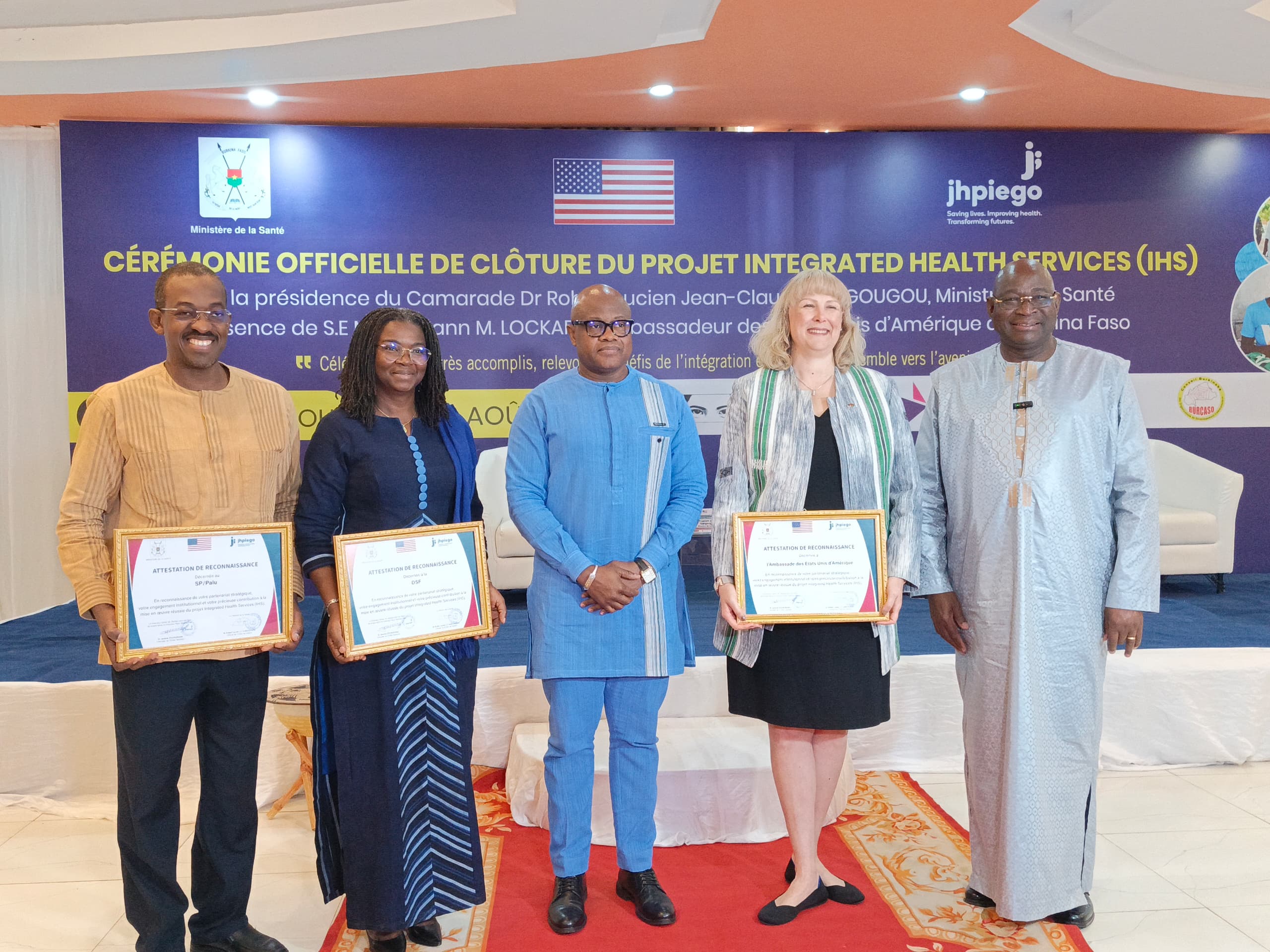
Les agents de santé ont aussi vu leurs capacités renforcées par IHS. En effet, 3 193 prestataires de santé ont été renforcés dans la lutte contre le paludisme, plus de 4 800 agents de santé à base communautaire renforcés (formation, équipement, supervision, paiement), 558 prestataires formés aux soins obstétricaux et néonataux d'urgence et plus de 1100 coachings cliniques réalisés directement sur les sites de prestation.
Le ministre de la santé, Dr Lucien Kargougou s'est réjoui du fait que le projet IHS était en parfaite adéquation avec les priorités du Burkina Faso en matière de santé. " A travers son approche intégrée, il a contribué à renforcer la lutte contre le paludisme, à améliorer la santé maternelle et infantile, à développer les capacités des acteurs de santé et à rapprocher davantage les services des populations", a-t-il salué.
Le ministre de la santé, Dr Lucien Kargougou a indiqué que le projet IHS était en adéquation avec les priorités sanitaires du Burkina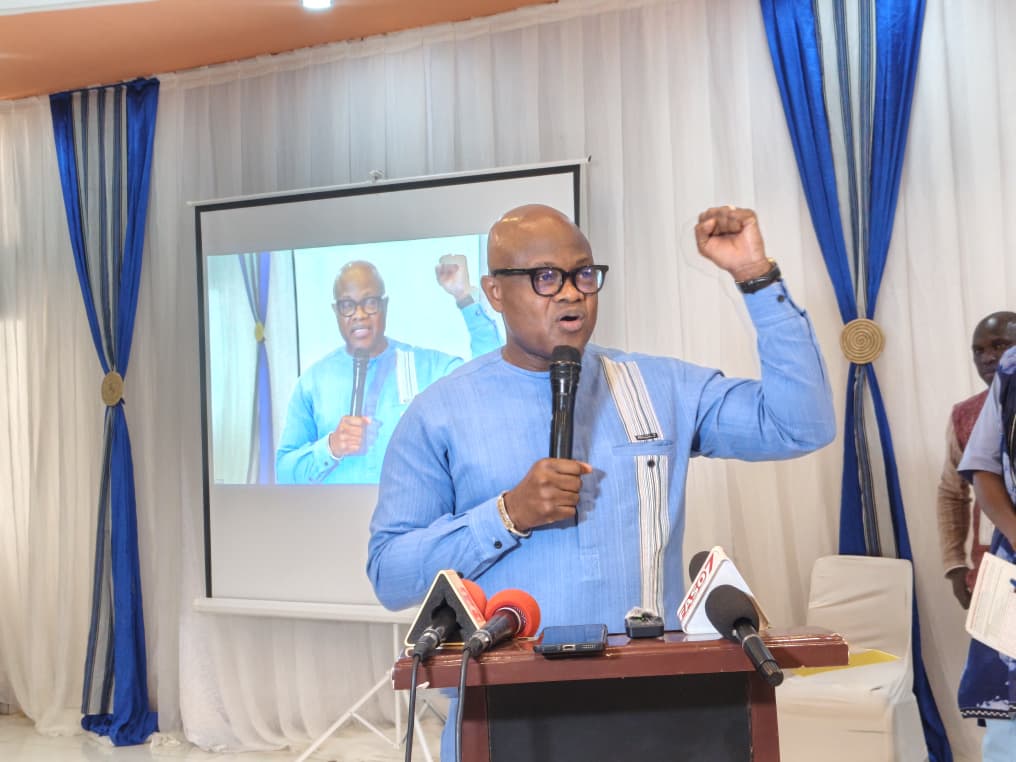
Aux acteurs de mise en œuvre, il a fait comprendre que la fin du projet marque le début d'une nouvelle phase : celle de la préservation des acquis, de la transmission des bonnes pratiques et de la poursuite de l'effort engagé. " Notre ambition demeure claire : bâtir un système de santé plus résilient, plus performant et plus proche des populations, un système capable de répondre efficacement aux besoins des femmes, des enfants, des jeunes et de toutes les communautés, y compris dans les zones les plus difficiles d'accès", a-t-il indiqué.
Un panel sur la pérennisation des acquis du projet a aussi eu lieu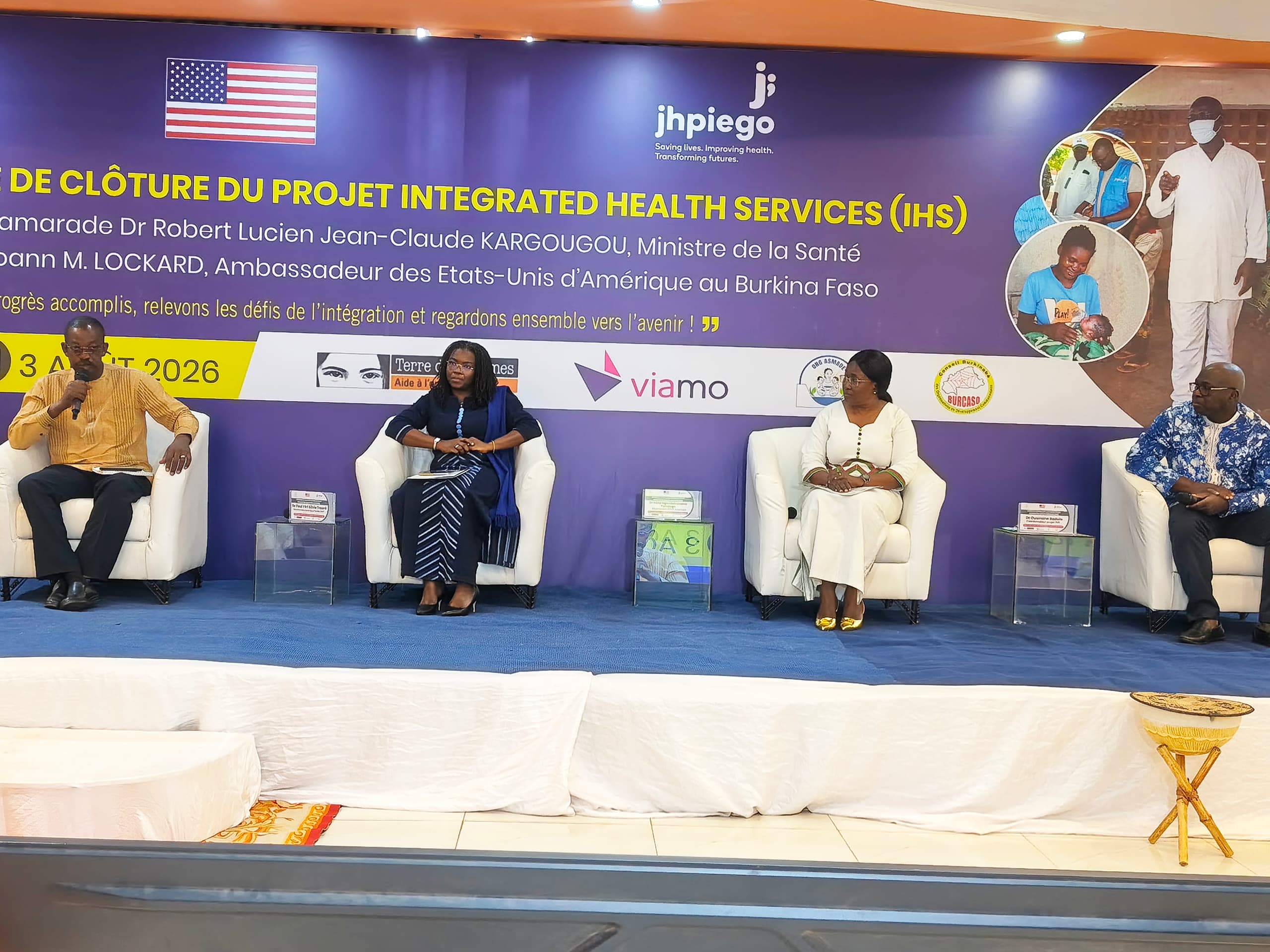
Le directeur pays de JHPIEGO, Dr Jérémie Zoungrana, a exprimé sa reconnaissance aux gouvernement burkinabè et américain, dont l'accompagnement a permis d'atteindre les résultats présentés ce jour. Il a affirmé que mis à part ces résultats, c'est le système de santé d'une manière générale qui s'est amélioré grâce au projet. " Nous manifestons une satisfaction générale, non seulement pour la confiance qui nous a été accordée pour réaliser ce programme, mais également pour les résultats obtenus ", a-t-il indiqué.
Dr Jérémie Zoungrana, directeur pays de JHPIEGO, a affirmé que le projet a permis d'améliorer le système de santé de manière générale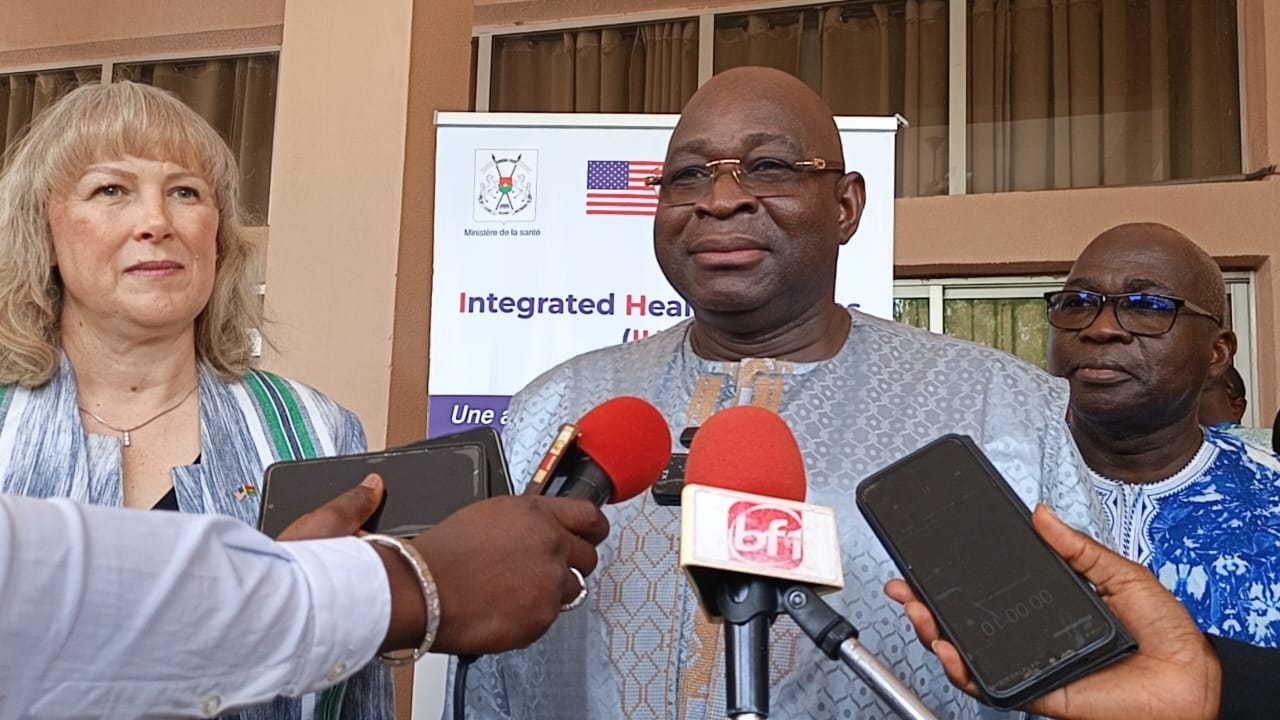
Le projet a été financé à environ 39 millions de dollars US par le gouvernement américain. Joann M. Lockard, ambassadeur des États-Unis d'Amérique, a réaffirmé l'engagement de son pays à accompagner le gouvernement du Burkina Faso dans le domaine de la santé, tout en s'alignant sur les priorités gouvernementales.
Au cours de l'atelier, la réflexion a aussi été menée à travers un panel avec pour thème "Les acquis de IHS : quelles perspectives pour la pérennisation et la mise à l'échelle". Il a été animé par des acteurs et partenaires du projet. Des certificats de reconnaissance ont aussi été décernés aux partenaires qui ont soutenu le déploiement du projet. Des véhicules ont aussi été remis à des districts sanitaires.
Joann M. Lockard, ambassadeur des États-Unis d'Amérique, a réaffirmé l'engagement de son pays à accompagner le gouvernement du Burkina Faso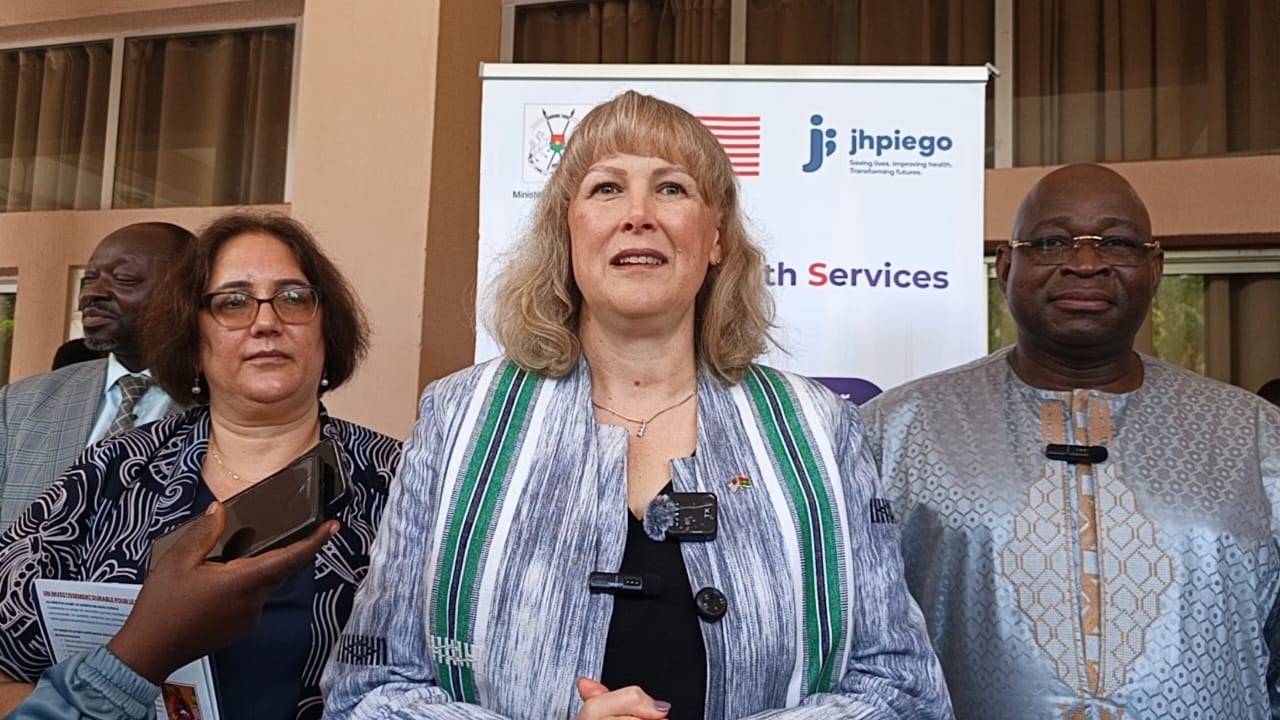
En rappel, JHPIEGO est une organisation internationale de santé, affiliée à l'université Johns Hopkins basée aux États-Unis, qui œuvre depuis plus de cinquante ans à travers le monde pour améliorer la santé des femmes, des nouveau-nés, des enfants et des familles. Au Burkina Faso, l'année 2026 marque ses 30 ans de présence continue aux côtés du gouvernement et des populations burkinabè.
photo de famille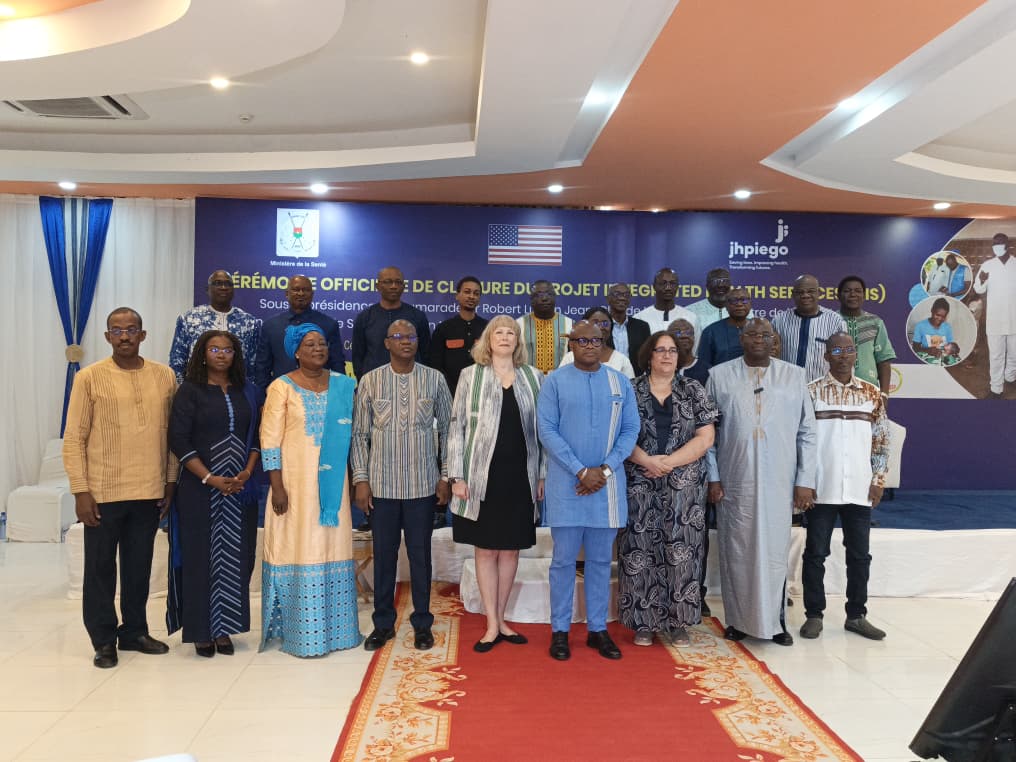
Armelle Ouédraogo/Muriel Dominique Ouédraogo
Lefaso.net
Categories: Afrique
Burkina/Don de sang : À Bank of Africa la solidarité se conjugue au présent pour sauver des vies
À Bank of Africa (BOA), la solidarité n'est pas qu'un principe affiché. Elle s'exprime par des actions concrètes, durables et profondément humaines. À l'occasion de la 8ᵉ édition de la collecte de sang organisée par l'Amicale des femmes de BOA au Burkina Faso (AFBOA-BF), collaborateurs, bénévoles et donneurs, se sont une nouvelle fois mobilisés ce lundi 3 août 2026, à Ouagadougou.
Dans un contexte d'hivernage marqué par des cas de paludisme fréquents, les réserves de sang ont tendance à s'épuiser face à une demande persistante. L'objectif de cette collecte de sang initiée par l'AFBOA-BF, en collaboration avec le Centre national de transfusion sanguine (CNTS), est de répondre à un besoin vital, celui d'offrir une chance de vivre à des personnes qu'ils ne rencontreront peut-être jamais.
La présidente par intérim de l'Amicale des femmes de BOA, Aminata Tarnaguida, a rappelé toute la portée de cet engagement collectif.
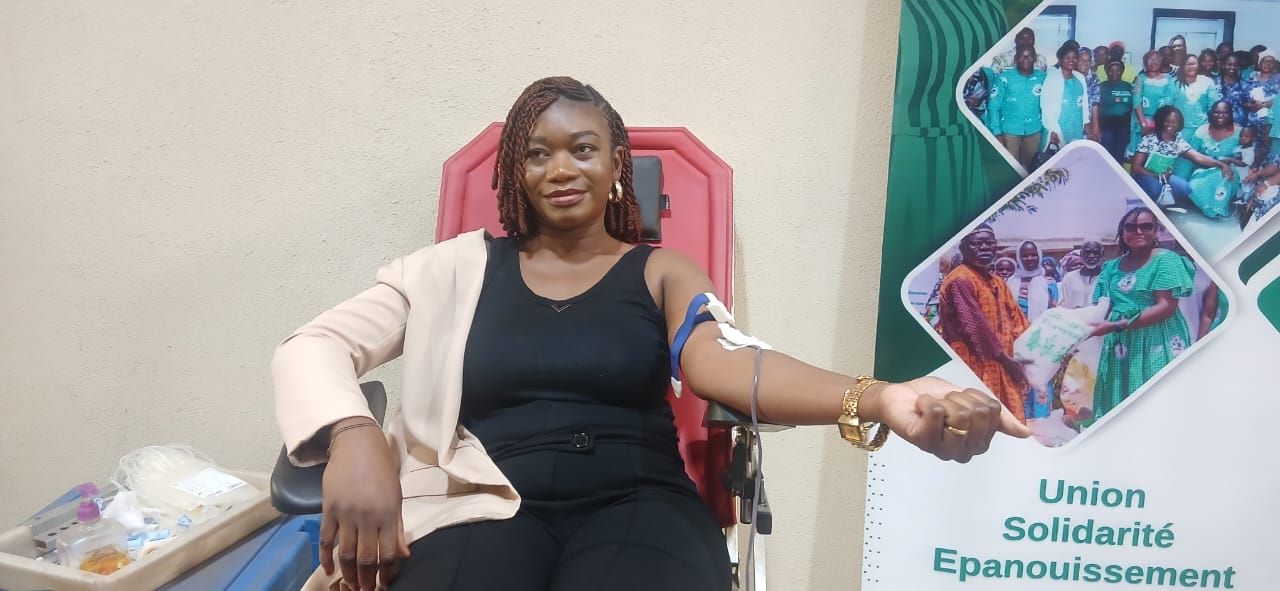
Pour la médecin hémobiologiste du Centre national de transfusion sanguine (CNTS), Safiatou Neya/Sango, cette initiative de collecte de sang arrive à point nommé dans un contexte où les besoins restent particulièrement élevés. Elle indique que le centre enregistre quotidiennement au moins 300 demandes de produits sanguins, une pression accentuée en cette période de forte prévalence du paludisme, qui entraîne de nombreux cas d'anémie sévère nécessitant des transfusions. À cela s'ajoutent les besoins des femmes victimes d'hémorragies lors des accouchements, dont la survie dépend souvent d'une prise en charge rapide en produits sanguins. « Cette collecte de sang est la bienvenue, parce qu'elle va nous permettre d'avoir des poches pour sauver des vies », souligne-t-elle.
« Venus avec un objectif de 80 poches de sang, notre équipe espère le dépasser grâce à la mobilisation des donneurs volontaires », Safiatou Neya/Sango, médecin hémobiologiste du CNTS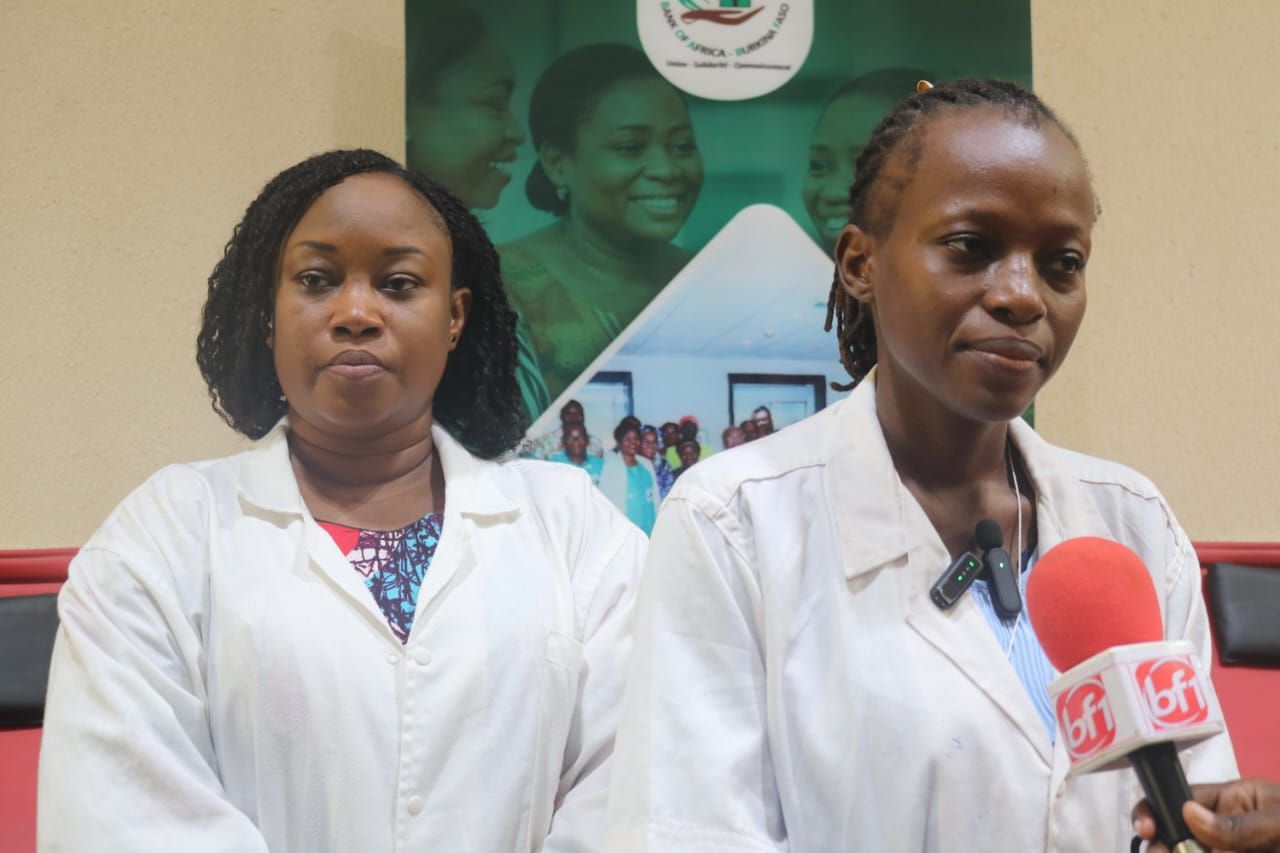
Membre de l'AFBOA-BF, Aguerata Touré/Ouédraogo, estime que le don de sang est avant tout un acte de solidarité et de compassion envers les personnes en détresse. Consciente de l'importance des besoins en produits sanguins, particulièrement en cette période où les demandes ne cessent d'augmenter, elle n'a pas hésité à répondre à l'appel de la collecte. Son engagement est d'autant plus personnel qu'elle est elle-même confrontée à cette réalité, ayant un proche actuellement dans le besoin de sang. « Dès que j'ai entendu l'initiative, je me suis même précipitée pour venir donner mon sang », confie-t-elle, convaincue que chaque poche collectée peut contribuer à sauver une vie.
Habituée à donner son sang depuis son intégration à la BOA, Aguerata Touré/Ouédraogo lance un appel à l'ensemble des Burkinabè à emboîter le pas aux donneurs volontaires. Elle invite chacun à dépasser ses appréhensions et à faire de ce geste un réflexe citoyen, rappelant que nul n'est à l'abri de voir un proche avoir un jour besoin d'une transfusion sanguine.
« J'exhorte mes frères et sœurs burkinabè à se mobiliser massivement afin de contribuer chacun à sa manière, à préserver des vies humaines », Aguerata Touré/Ouédraogo, membre de l'AFBOA-BF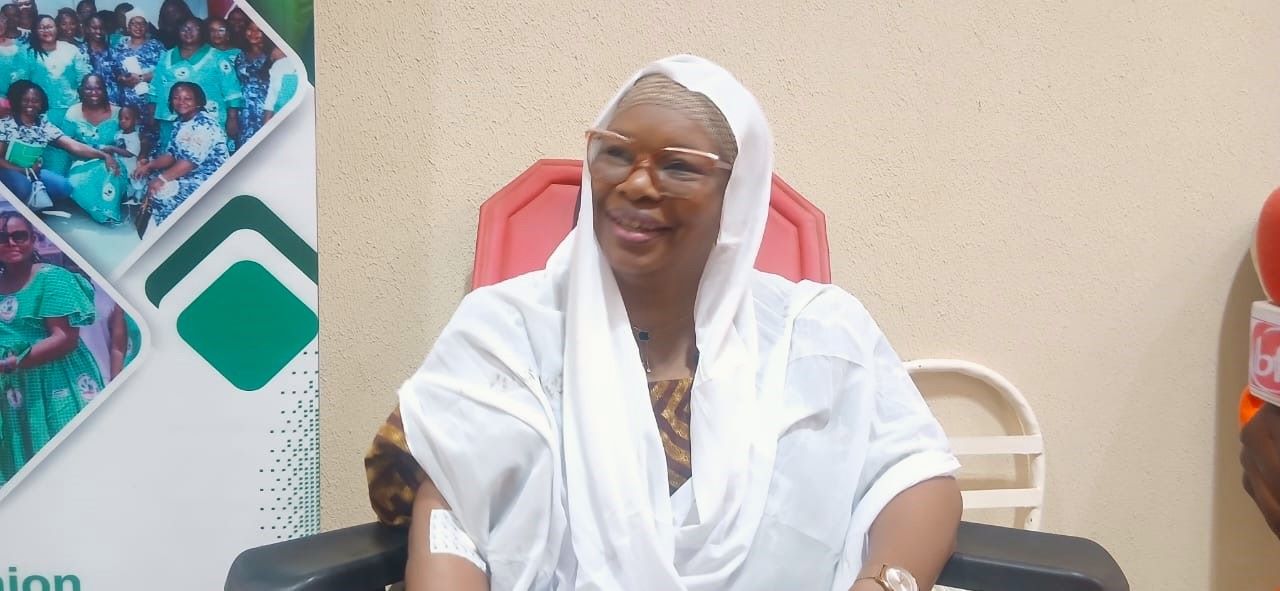
Au-delà d'un simple événement annuel, cette campagne de don de sang incarne la volonté de l'Amicale de faire de la solidarité une valeur vivante. Créée pour renforcer les liens entre ses membres, l'association a progressivement élargi son action vers la communauté, convaincue que la véritable fraternité se mesure aussi à la capacité d'aider ceux que l'on ne connaît pas.
« Nous avons voulu que notre amicale ne soit pas seulement un espace de convivialité entre nous, mais aussi un lieu où cette solidarité s'ouvre vers autrui. Vers ces inconnus dont le visage nous échappe, mais dont la vie, un jour peut-être, tiendra grâce à notre geste », a souligné la présidente par intérim.
« Chaque fois qu'il y a un incident, je viens donner mon sang pour sauver des vies », Abdoulaye Dionou, agent de sécurité à BOA Burkina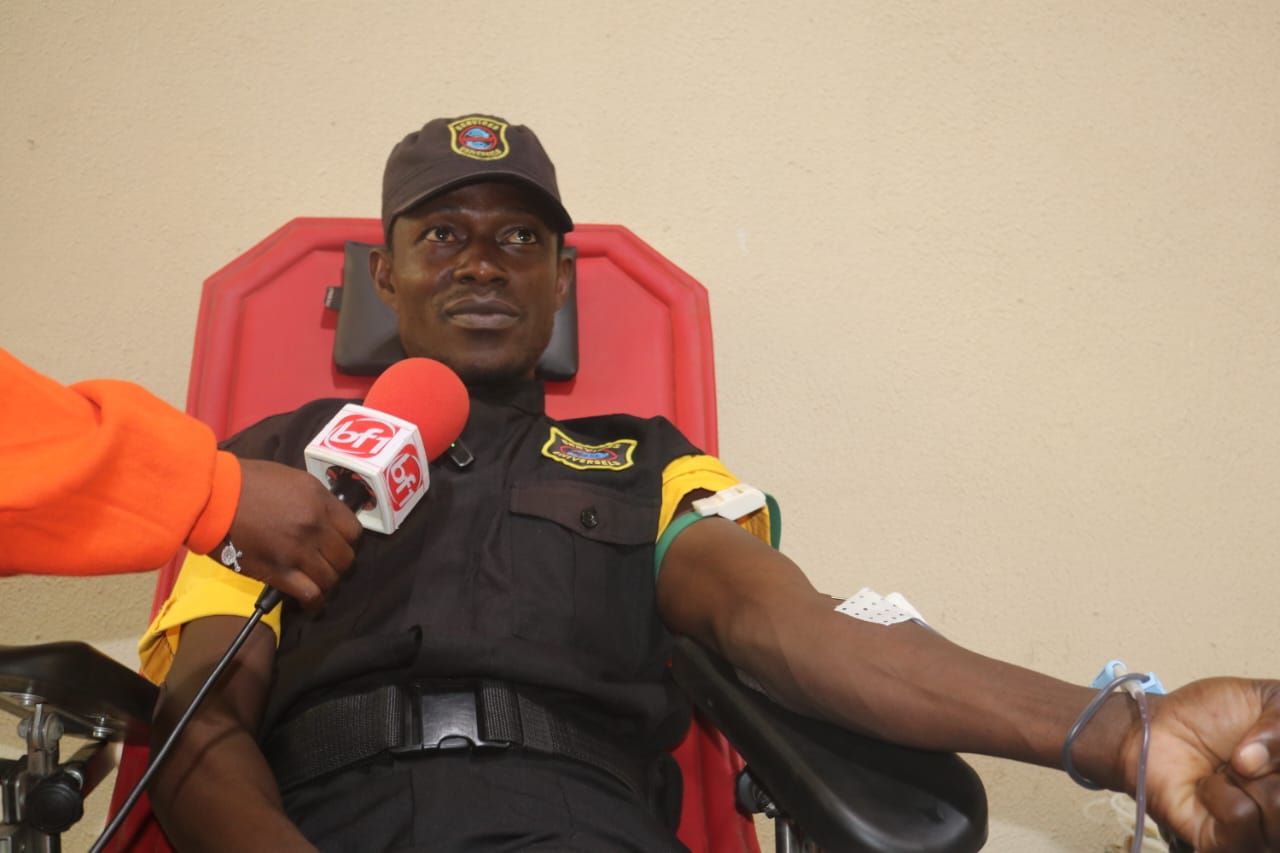
Selon la directrice générale adjointe en charge du support de BOA Burkina et membre de l'Amicale des femmes, Aïssata Sondo/Ouédraogo, cette opération de collecte entend contribuer à la prise en charge des malades, des accidentés et des blessés. Elle souligne également les besoins des forces engagées sur le front, dont certains reviennent blessés et nécessitent des transfusions pour être sauvés. Rappelant que le sang ne s'achète pas, quelle que soit la capacité financière d'une personne, elle insiste sur le fait que seule la générosité des donneurs volontaires permet de constituer des réserves suffisantes.
Après huit éditions, cette initiative est devenue un véritable symbole de continuité. Elle témoigne d'un engagement qui s'inscrit dans la durée et qui refuse de céder à l'essoufflement. « La générosité, pour être utile, doit être constante. Les besoins des hôpitaux ne prennent jamais de pause ; alors notre réponse non plus », a insisté la responsable de l'Amicale.
Saluant l'initiative, Aïssata Sondo/Ouédraogo, directrice générale adjointe en charge du support de BOA Burkina, membre de l'AFBOA-BF, adresse également ses félicitations à toutes celles et ceux qui par leurs dons réguliers, contribuent chaque jour à sauver des vies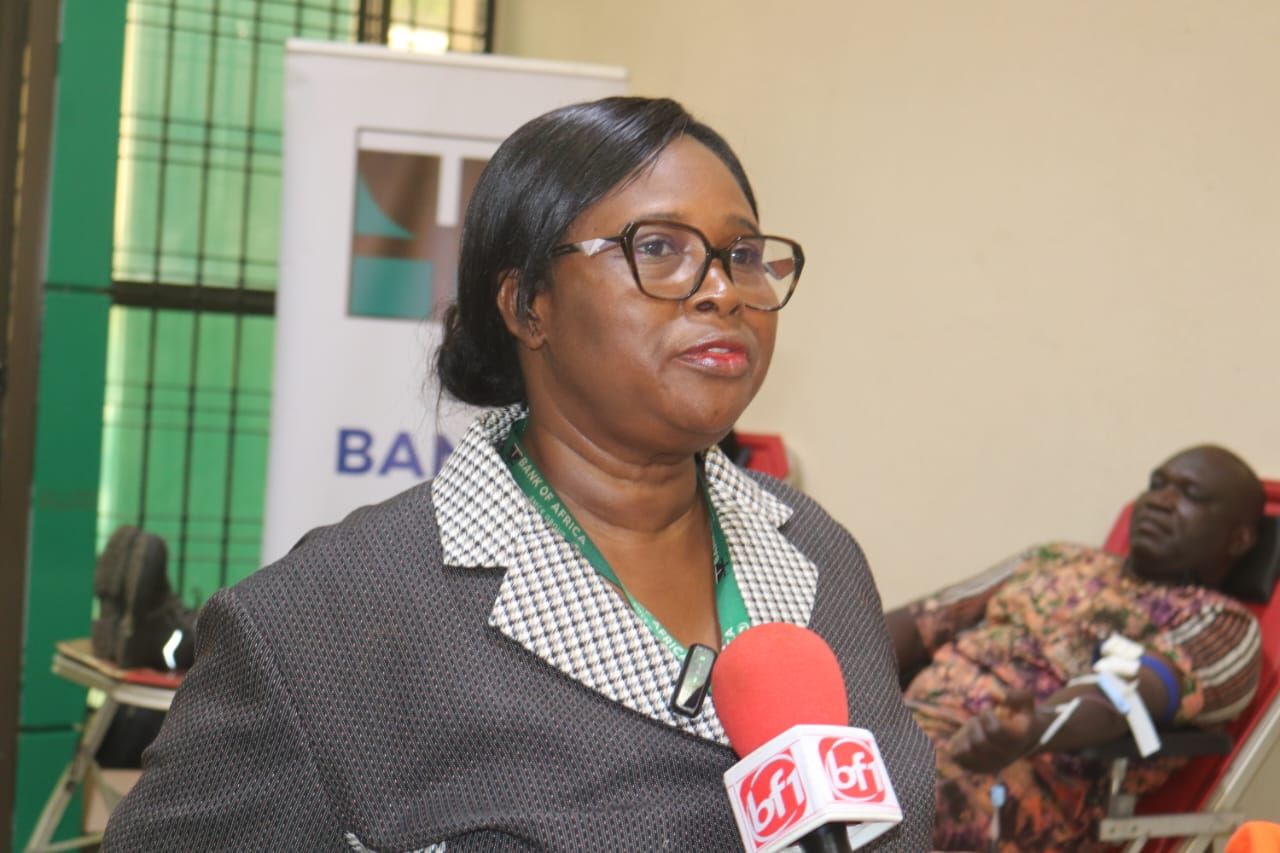
La réussite de cette mobilisation repose également sur l'implication discrète mais essentielle des nombreux bénévoles et donneurs qui répondent présents année après année. À leur endroit, la présidente par intérim a exprimé toute sa reconnaissance, rappelant que chaque poche de sang collectée représente bien plus qu'un geste médical : elle peut devenir l'espoir et la survie d'un patient. « C'est votre bras tendu aujourd'hui qui écrira peut-être demain l'histoire de quelqu'un d'autre », a-t-elle lancé avec émotion.
Par cette huitième édition, l'Amicale des femmes de Bank of Africa confirme que la responsabilité sociale se construit avant tout par des actes. En faisant du don de sang un rendez-vous de conviction, elle rappelle qu'un simple geste, accompli librement et avec générosité, peut sauver des vies et renforcer les valeurs de solidarité qui unissent une communauté. Une belle démonstration qu'être ensemble est une force, mais qu'être utiles ensemble est une mission qui donne tout son sens à l'engagement citoyen.
Hamed Nanéma
Dalilha Ky (stagiaire)
Lefaso.net
Categories: Afrique
Le CHU-YO : Les associations des usagers informées et prêtes à soutenir
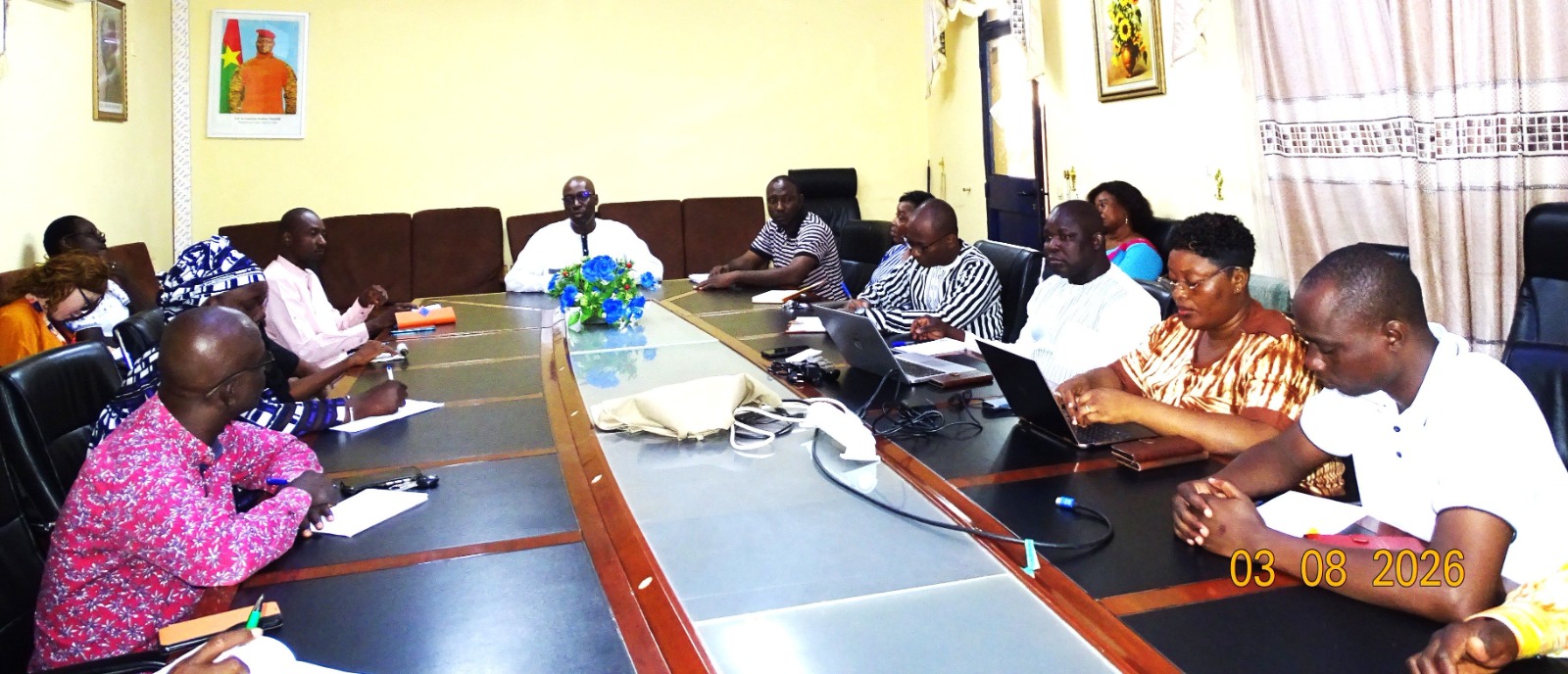
(Ouagadougou, le lundi 03 août 2026/CHU-YO) Le CHU Yalagdo Ouédraogo a tenu une session d'information et d'échanges avec une dizaine d'associations des usagers, représentées par deux membres par association. L'objectif de cette rencontre entre dans le cadre des actions de « redevabilité car vous êtes des partenaires importants pour l'hôpital. Il est impératif que vous soyez informés à la bonne source et que vos avis et suggestions sont entendus. Et surtout que vous soyez nos porte-voix sur certaines préoccupations. Aussi, l'hôpital n'existe que parce qu'il y a des usagers qui le fréquentent et lui fait confiance », a déclaré le camarade Directeur général du CHU-YO, Ousmane Néré.
Les reformes et transformation opérées par le CHU-YO ainsi que les résultats engrangés étaient au cœur des échanges. On relève que le CHU-YO a enregistré 140.157 consultations et 543.325 examens biologiques en 2025. Aussi 34 325 examens d'imagerie médicale ont été réalisés dont 11 725 scanners. L'Etat ayant réduit le coût des scanners, cette réduction a soulagé les ménages à hauteur de 586 250 000 FCFA.
Plusieurs sujets ont été évoqués au cours de la rencontre. L'on retient entre autres que ce qui suit.
– Tous les examens d'urgence sont désormais centralisés dans une seule salle de laboratoire pour éviter aux usagers de faire le tour des différentes unités et de gagner ainsi en temps. La possibilité de réaliser désormais les examens 24h/24 et 7h/7 est effective depuis 2024.
– On note l'effectivité de l'implémentation et l'extension de la dispensation individuelle nominative (DIN) des médicaments au lits des patients dans tous les services d'urgences ;
– Le projet de renforcement de la confidentialité des résultats d'examens qui seront sous plis fermés ainsi que l'élargissement progressif de la gamme des examens réalisables au laboratoire ;
– Le projet de construction d'un parking autos à proximité du CHU-YO pour désengorger la cour et permettre aux usagers de stationner facilement.
– On note une diminution de l'insécurité grâce aux efforts soutenus des autorités policières ;
– Le renforcement de la lutte contre les vendeurs ambulants est engagée ;
– Le projet de formation des vigiles pour leur permettre de jouer leurs missions est envisagé ;
– Le renforcement des mesures de lutte contre l'insalubrité (ce point a fait l'objet de plusieurs propositions) sera intensifié.
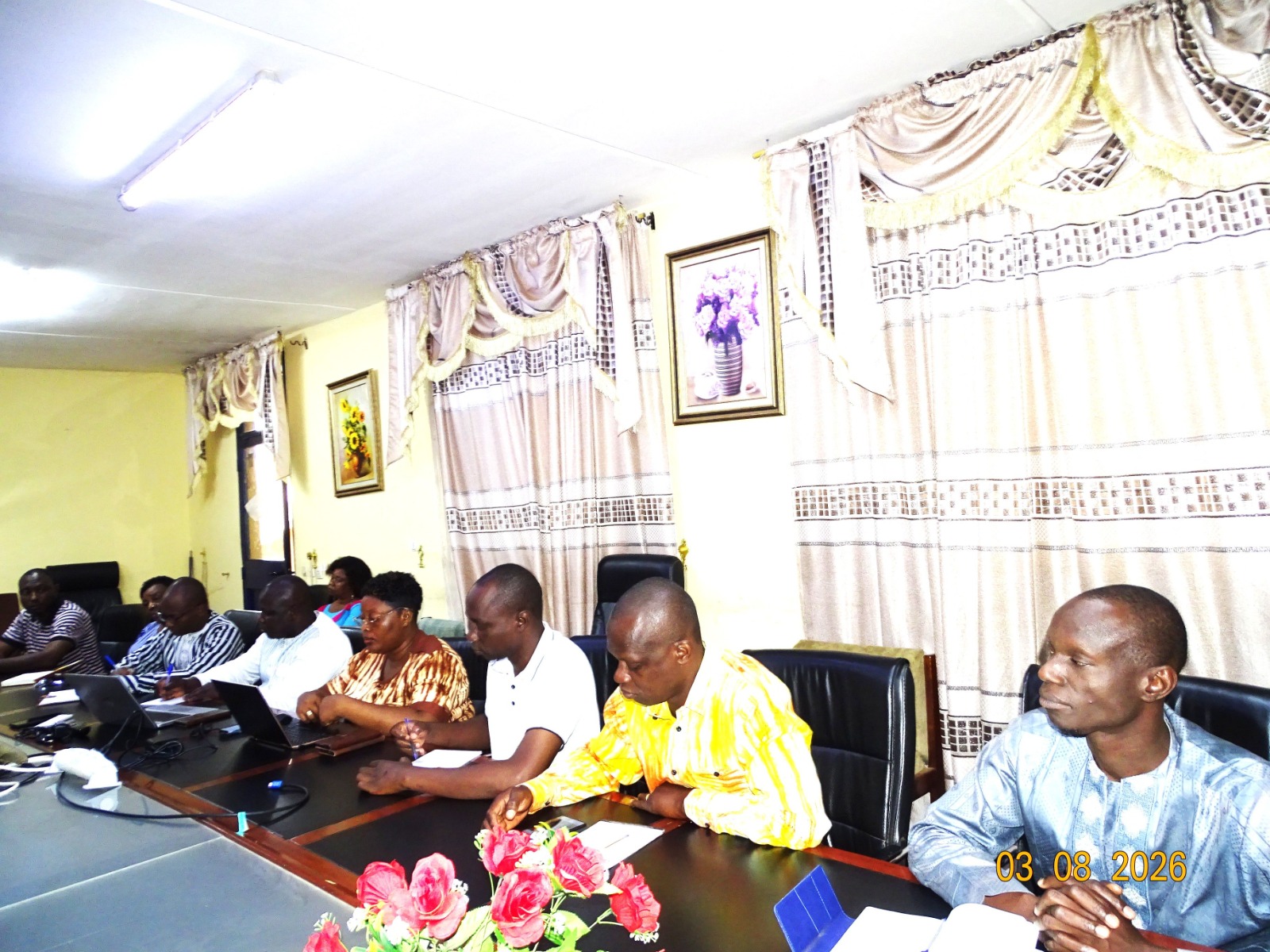
Les représentants des associations ont salué cette initiative qui constitue une première du genre. Ils ont fait plusieurs propositions en matière de sensibilisation des usagers sur plusieurs préoccupations relatives à l'hygiène, la sécurité, le surnombre des accompagnateurs et le respect des heures de visite. Ils ont pris l'engagement après avoir compris les défis du CHU-YO et surtout son fonctionnement, de passer le message aux autres membres ou associations sœurs.
Un système de communication sera mis en place qui permettra d'informer ces associations partenaires en temps réel à travers des articles concernant la vie du CHU-YO.
Le directeur général a rendu hommage aux travailleurs pour les gros efforts consentis au quotidien. Il a remercié le Conseil d'administration pour son accompagnement.
Service Communication
Categories: Afrique
Avis de recrutement d'un prestataire chargé de la conception, de la production et de la diffusion d'un spot audio de sensibilisation
Dans le cadre de la mise en œuvre du projet ECDD-GIRE, WWn Burkina (World Waternet) lance un appel à candidatures pour le recrutement d'un prestataire chargé de la conception, de la production et de la diffusion d'un spot audio de sensibilisation et d'appel à participation à un concours vidéo sur les initiatives de Gestion Intégrée des Ressources en Eau (GIRE) portées par les femmes et les jeunes.
Vous disposez d'une expertise en production de spots radio ou de communication audiovisuelle ? Cette opportunité vous concerne !
Les Termes de Référence (TDR), les conditions de participation et les modalités de soumission sont disponibles ici
Date limite de soumission : 12 août 2026
Nous vous invitons à partager largement cette annonce auprès des structures et professionnels intéressés.
WWn Burkina – Projet ECDD-GIRE
Categories: Afrique, Oroszország és FÁK
Pages



© 2012-2018 Europa Varietas Foundation © 2015-2018 Europa Varietas Association
www.europavarietas.org | info(@)europavarietas(dot)org | Switzerland




We are looking for sponsors for the English translation of these books, please contact turkeandras(at)gmail(dot)com