
You are here
Feed aggregator
Manifestation du 15 septembre à Kinshasa : accord entre l’opposition et l’Hôtel de ville sur l’itinéraire
Un accord a été trouvé entre la coalition C64 et l’hôtel de ville de Kinshasa sur l’itinéraire de la manifestation annoncée ce mardi 15 septembre contre le changement de la Constitution. Le parcours initialement envisagé a été légèrement modifié afin de respecter l’inviolabilité du Parlement, selon le gouvernement provincial.
Categories: Afrique
« Ils vont souffler le chaud et le froid pendant des semaines » : au Parlement, le début d’une bataille à suspense sur le budget
DÉCRYPTAGE - Alors que le Rassemblement national envoie des signaux positifs au gouvernement, beaucoup se méfient d’un budget « très contraint » dans lequel l’exécutif n’aura « aucune marge de manœuvre ».
Categories: France
Budget 2027, dialogue politique et référendum, trois enjeux de la session parlementaire de septembre
Les députés nationaux et les sénateurs reprennent ce mardi les travaux de la session ordinaire de septembre au Palais du Peuple. Traditionnellement consacrée à l’examen du budget de l’État, cette session s’ouvre dans un contexte marqué par de nombreux enjeux politiques, sécuritaires et sociaux.
Categories: Afrique
« Plutôt mourir que d’être renvoyé en Libye » : l’odyssée infernale des migrants en Méditerranée centrale
« Le Monde » a embarqué en juillet à bord de l’« Ocean Viking », le navire de sauvetage affrété par SOS Méditerranée. Secourus en haute mer par l’ONG française, des rescapés témoignent d’un cycle de violences sans fin depuis leurs pays d’origine jusqu’à la Méditerranée.
Categories: Afrique
The United States Must Prepare for More Than One Russian Future
Managing the Ukraine conflict is just the beginning of negotiations.
Categories: Diplomacy & Crisis News
United Kingdom : Louise Sandher-Jones grapples with British military intelligence's US dependence
The adorable doodle Nugget had got used to the quiet life, punctuated by the occasional selfie for the social media accounts of her owner, Louise Sandher-Jones, the dapper, thirty-something Labour MP for North East Derbyshire and parliamentary under-secretary for veterans, [...]
Categories: Defence`s Feeds
China/UAE : Chinese defence industry cashes in on Gulf crisis
Aetheron Innovation Security Systems & Equipment Trading is expanding its presence in the Middle Eastern defence markets. The company was [...]
Categories: Defence`s Feeds
France : Officer from French army general staff struck off for Nazi sympathies
A lieutenant-colonel who had been dismissed from the French army as a disciplinary measure and struck off the officers' register [...]
Categories: Defence`s Feeds
China/North Korea : Xi Jinping's four contigency plans for a Kim–Trump summit
Officially, the Chinese Communist Party (CCP) has no specific information on potential contacts between the US and North Korea, its [...]
Categories: Defence`s Feeds
United States : NSA recruits psychologists in bid to boost its appeal to new blood
Faced with the tricky problem of how to boost its appeal to potential recruits, the National Security Agency (NSA) is [...]
Categories: Defence`s Feeds
The New Chinese Way of Cyberwar
How Beijing will weaponize digital chokepoints.
Categories: Diplomacy & Crisis News
The Crumbling Defense of Europe
Trump has already undermined NATO and allied deterrence.
Categories: Diplomacy & Crisis News
«Chaoten stoppen!» Luzern stimmt über schweizweit schärfstes Hooligan-Gesetz ab
Der Zentralschweizer Kanton wird zum Testfeld für den Schweizer Sport. Mit der Abstimmung über eine verpflichtende ID-Kontrolle beim Stadioneinlass erprobt Luzern die landesweit schärfste Massnahme gegen Fangewalt.
Categories: Swiss News
India-hosted BRICS Summit Steers Clear of Contentious Moves
The Delhi Declaration made no mention of de-dollarization. But it did back trade in national currencies.
Categories: Diplomacy & Crisis News
Fighters Without Borders: Mercenaries, Adventurers, and Volunteers in Myanmar’s Civil War
The country's civil wars have long attracted foreign nationals seeking adventure or driven by a mission. Are Russians the latest to join the fight?
Categories: Diplomacy & Crisis News
Indonesia Replaces Finance Minister Amid Growing Investor Skepticism
The appointment of Suahasil Nazara, who has served as deputy finance minister since 2019, is intended to calm investors worried about Jakarta's fiscal profligacy.
Categories: Diplomacy & Crisis News
Bonne gouvernance : Le Burkina veut accélérer la transformation de son administration
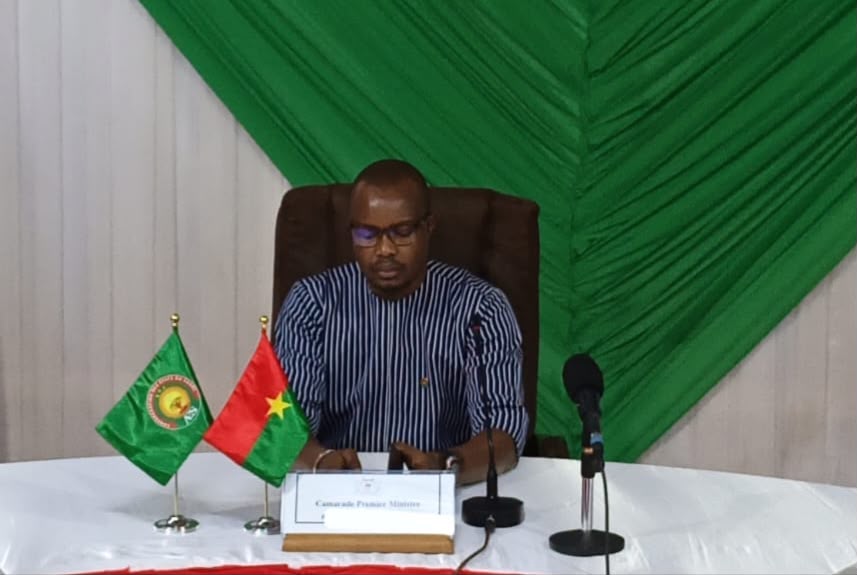
Le Conseil national de la Modernisation de l'administration et de la bonne gouvernance (CN-MABG) a tenu, ce lundi 14 septembre 2026 à Ouagadougou, sa session ordinaire annuelle, sous la présidence du Premier ministre, Rimtalba Jean Emmanuel Ouédraogo. Cette rencontre a permis aux membres du conseil d'examiner les performances de l'administration publique au titre de l'année 2025, de faire le point sur les réformes engagées et de dégager les principales orientations pour 2027.
Au cœur des échanges figuraient une ambition, celle de poursuivre et d'accélérer la transformation de l'administration publique burkinabè afin de la rendre plus efficace, plus accessible et davantage orientée vers les résultats et la satisfaction des citoyens.
Institué par le décret nᵒ 2025-0927/PF/PRIM/MFPTPS/MEF du 15 juillet 2025 portant création, attributions, composition, organisation et fonctionnement du dispositif de pilotage de la modernisation de l'administration et de la bonne gouvernance, le CN-MABG constitue l'organe national d'orientation des actions relatives à la modernisation de l'administration et à la promotion de la bonne gouvernance.
Il a notamment pour missions d'assurer la cohérence nationale des actions engagées dans ces domaines, d'adopter le système de planification et de suivi-évaluation des stratégies concernées et de veiller à leur mise en œuvre au sein des ministères et institutions.
Pour cette session ordinaire 2026, les travaux ont essentiellement porté sur trois rapports : celui relatif à la mise en œuvre de la Stratégie nationale de modernisation de l'administration publique (SNMAP) au titre de 2025, celui portant sur l'état de la gouvernance au Burkina Faso pour la même année et le rapport global sur la performance de l'administration publique.
La session ordinaire 2026 du CN-MABG ouvre une nouvelle étape dans la transformation de l'administration publique burkinabè.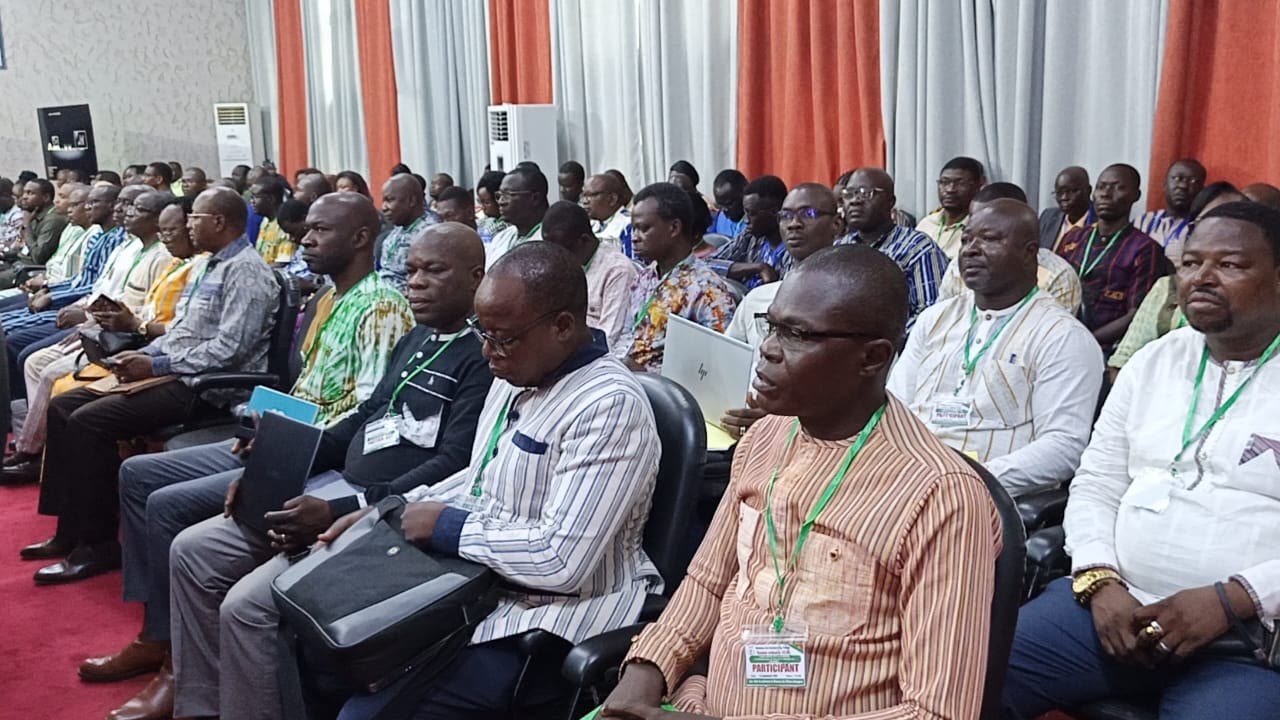
Selon le secrétaire permanent de la modernisation de l'administration et de la bonne gouvernance, Francis Paré, le taux global d'exécution des actions examinées s'établit à 85,38 %.
Un niveau de performance jugé satisfaisant, mais qui ne doit pas conduire à l'autosatisfaction. Le Premier ministre a, au contraire, appelé les acteurs de l'administration à dépasser la seule lecture des chiffres pour s'intéresser aux effets réels des réformes sur la vie des citoyens.
« Nous devons savoir saluer les performances chiffrées sans jamais perdre de vue les améliorations concrètes qu'elles doivent produire dans le quotidien du peuple », a souligné Rimtalba Jean Emmanuel Ouédraogo.
Pour le chef du gouvernement, l'enjeu est désormais de transformer les recommandations issues de la session en actions concrètes, avec des responsabilités clairement définies et un mécanisme de suivi permettant d'en mesurer les effets.
Au titre des actions réalisées dans le cadre de la modernisation de l'administration, plusieurs avancées ont été relevées, notamment dans le domaine du capital humain et de la transformation numérique.
Francis Paré a indiqué que plus de 10 000 recrutements ont été effectués au cours de la période considérée, contribuant au renforcement des ressources humaines de l'administration publique.
La digitalisation des services constitue également l'un des principaux axes de la réforme. Plusieurs centaines de procédures administratives ont été dématérialisées et simplifiées, permettant aux usagers d'effectuer certaines démarches sans avoir à se déplacer systématiquement dans les services publics.
Des plateformes numériques ont notamment été développées au sein de différents ministères et institutions. Parmi les services concernés figurent, entre autres, certaines démarches administratives, la délivrance de documents et le paiement de taxes en ligne.
Pour Francis Paré, cette transformation numérique doit se poursuivre afin de rapprocher davantage l'administration des citoyens et de réduire les délais et les lourdeurs administratives.
Plus de 200 organigrammes revus pour alléger l'appareil administratif
La modernisation concerne également l'organisation même de l'administration publique. Selon Francis Paré, plus de 200 structures administratives ont vu leur organigramme révisé. L'objectif affiché est de rationaliser les structures, de réduire les lourdeurs organisationnelles et d'améliorer l'efficacité de l'action publique.
Cette rationalisation vise notamment à éviter la multiplication de structures coûteuses et à concentrer les ressources sur les missions essentielles de l'État. « Au lieu d'avoir un dispositif lourd, on simplifie, de sorte que la structure puisse être efficace », a expliqué le secrétaire permanent. Cette dynamique s'inscrit dans une volonté plus large de faire évoluer l'administration d'une logique essentiellement procédurale vers une culture davantage tournée vers la performance, les résultats et l'impact.
Malgré les avancées enregistrées, la session a également mis en évidence plusieurs difficultés qui continuent d'affecter le fonctionnement de l'administration publique. Le Premier ministre a notamment évoqué l'appropriation encore insuffisante de certains outils de gouvernance et d'évaluation, les difficultés liées aux ressources humaines et aux infrastructures, les problèmes rencontrés au niveau des systèmes d'information ainsi que certaines insuffisances dans la commande publique.
L'appropriation des plateformes numériques par les citoyens constitue également un défi. La dématérialisation des procédures ne suffit pas à elle seule. Encore faut-il que les usagers connaissent les plateformes disponibles, puissent y accéder facilement et soient en mesure de les utiliser. Ces difficultés constituent, selon le chef du gouvernement, autant de défis prioritaires auxquels l'administration devra apporter des réponses concrètes.
Parmi les orientations retenues figure également le renforcement de la gestion des ressources humaines. Le Premier ministre a recommandé la poursuite des travaux en vue de la mise en place d'une inspection générale des ressources humaines. Cette structure devrait contribuer à mieux identifier et corriger les dysfonctionnements liés à la gestion du personnel de l'État.
Francis Paré, secrétaire permanent de la modernisation de l'administration et de la bonne gouvernance, détaille les résultats enregistrés en 2025.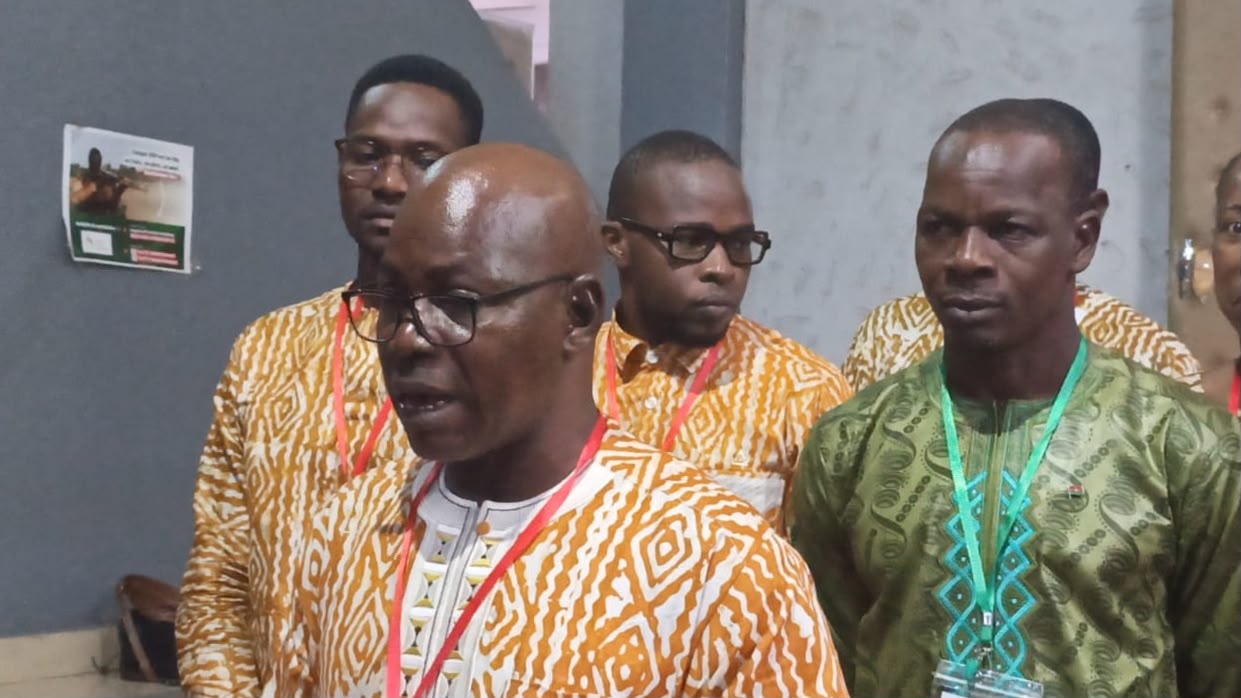
Pour Francis Paré, cette question est particulièrement importante, dans la mesure où de nombreux dysfonctionnements constatés dans l'administration sont liés à la gestion des ressources humaines. L'utilisation d'outils modernes de management et de gestion des ressources humaines devra également être renforcée afin d'améliorer le fonctionnement des services publics. La modernisation de l'administration ne se limite pas aux réformes institutionnelles ou à la digitalisation. Elle concerne également l'environnement dans lequel les agents publics et les usagers sont appelés à évoluer.
Dans ce sens, le Premier ministre a insisté sur la nécessité d'améliorer les conditions d'accueil et de travail dans les services publics, notamment à travers la mise à niveau des infrastructures sanitaires. Les toilettes et autres installations sanitaires des bâtiments administratifs devront ainsi faire l'objet d'une attention particulière afin de garantir un environnement propre et digne aussi bien pour les travailleurs que pour les usagers.
Cette orientation traduit la volonté de faire de la qualité du cadre de travail un élément à part entière de la modernisation du service public.
La session de 2026 intervient dans un contexte particulier, marqué par l'arrivée à échéance de certaines stratégies nationales. La Stratégie nationale de déconcentration administrative (SNDA) 2014-2023 et la Stratégie nationale de modernisation de l'administration publique (SNMAP) 2021-2025 sont désormais arrivées à terme. La Stratégie nationale de promotion de la bonne gouvernance (SNPG) 2018-2027, quant à elle, arrive à échéance en 2027. Cette situation ouvre la voie à une nouvelle étape dans la planification des réformes administratives.
Le ministre des serviteurs du peuple, Mathias Traoré, a annoncé l'orientation vers une stratégie unique de modernisation de l'administration publique, qui devrait intégrer les questions de bonne gouvernance et de déconcentration administrative. L'objectif est de mettre en cohérence les différentes dimensions de la réforme administrative au sein d'un même cadre stratégique.
Au-delà des réformes techniques, les autorités souhaitent opérer un changement de paradigme dans la manière de concevoir et de conduire l'action publique. Selon Francis Paré, les orientations issues de la session mettent l'accent sur la nécessité de passer d'une administration centrée sur les procédures à une administration davantage. Cette évolution doit notamment contribuer à réduire la bureaucratie et à améliorer l'efficacité des services publics.
La question de la bonne gouvernance reste, elle aussi, au cœur de cette transformation. Les autorités entendent renforcer les mécanismes permettant d'assurer une meilleure gestion des ressources publiques et de prévenir les doublons et les pratiques susceptibles de favoriser les dysfonctionnements.
Pour le Premier ministre, la modernisation de l'administration doit également accompagner les efforts de reconquête du territoire et de consolidation de l'autorité de l'État.
Dans les zones où la sécurité est progressivement restaurée, le retour de l'État ne saurait se limiter à la présence des forces combattantes. Il doit également se traduire par le retour effectif des services publics. « Là où nos populations retrouvent la sécurité, elles doivent retrouver des services publics adaptés à leurs besoins légitimes », a déclaré Rimtalba Jean Emmanuel Ouédraogo.
Cette vision place donc l'administration au cœur de la consolidation de la présence de l'État sur l'ensemble du territoire national.
2027, une année de consolidation et d'accélération
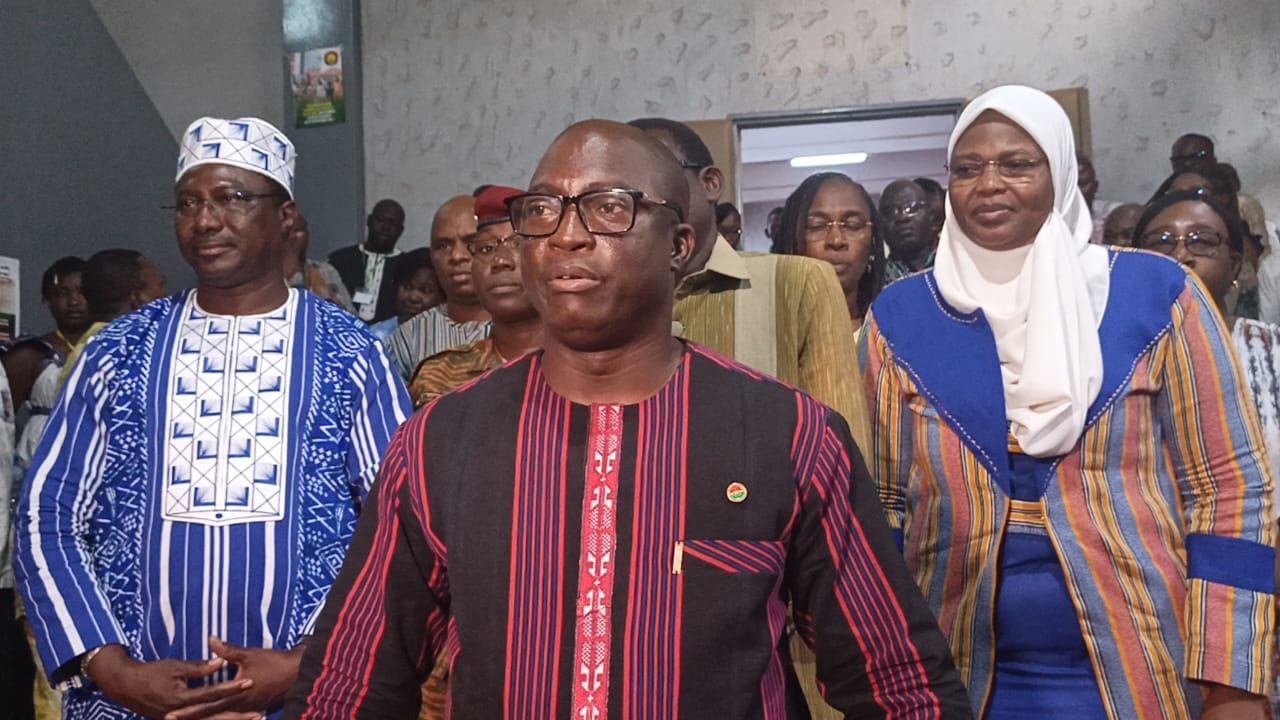
À l'issue des travaux, les orientations pour 2027 ont été définies autour de la poursuite des réformes engagées et de l'accélération de leur traduction en résultats concrets. Le Premier ministre a invité chaque ministère, chaque institution, chaque structure et chaque agent public à prendre sa part dans cette transformation. L'objectif est de faire de 2027 une année de consolidation des réformes, d'accélération des résultats et d'amélioration de leur impact sur les populations.
La clôture de la session ne doit donc pas être considérée comme la fin d'un simple exercice annuel de suivi-évaluation. Elle doit, selon le chef du gouvernement, constituer le point de départ d'une nouvelle étape de transformation de l'administration publique. « Je vous invite à considérer la conclusion de cette session non comme l'aboutissement d'un exercice annuel, mais comme le bon départ d'une nouvelle étape », a-t-il lancé aux participants.
Cette nouvelle étape devra se traduire dans les bureaux, les services déconcentrés, les collectivités territoriales, les écoles, les centres de santé, les juridictions et, plus largement, dans tous les espaces où l'administration est en contact avec les citoyens.
À travers le CN-MABG, le Burkina Faso entend poursuivre la refondation de son administration autour d'une exigence centrale : faire du service public un véritable instrument au service de l'intérêt général, de la souveraineté nationale et des aspirations des populations.
Anita Mireille Zongo
Lefaso.net
Categories: Afrique
Les 100 Visages du Burkina Digital : Dr Moïse Convolbo, du cloud à l'IA, un Burkinabè aux frontières de l'innovation mondiale
À 33 jours de l'ouverture de Le Faso Digital 2026, nous poursuivons notre série consacrée aux femmes et aux hommes qui construisent le Burkina numérique. Cent personnalités, cent parcours. Aujourd'hui, zoom sur le Dr Wendkuuni Moïse Convolbo, dirigeant Data & Intelligence artificielle, chercheur et inventeur de brevets en IA. Du Burkina Faso à Taïwan puis au Japon, son parcours illustre la capacité des talents burkinabè à prendre place au cœur de l'innovation technologique mondiale, sans jamais perdre de vue leur pays et le continent africain.
Tout commence par un désaccord. Nous sommes en 2008. Le cloud computing n'a pas encore envahi le vocabulaire des entreprises. Les grandes plateformes qui structurent aujourd'hui une partie de l'économie numérique mondiale sont encore balbutiantes.
À l'époque, Larry Ellison, cofondateur d'Oracle, tourne publiquement en dérision le concept même de « cloud computing », qu'il considère essentiellement comme un nouveau mot pour désigner des technologies déjà existantes. Au Burkina Faso, un jeune informaticien suit le débat. Il s'appelle Wendkuuni Moïse Convolbo. Et là où le patron d'un géant technologique voit surtout un effet de mode, lui entrevoit une révolution. Il décide d'en faire son domaine de spécialisation. Cette intuition va l'emmener à plus de 13 000 kilomètres de Ouagadougou et orienter une bonne partie de sa carrière.
Taïwan : faire le pari du cloud
En 2009, Moïse Convolbo quitte le Burkina Faso pour Taïwan. Il rejoint l'Université nationale Tsing Hua, où il obtient en 2011 un Master en informatique avant de poursuivre en doctorat.
Son sujet pourrait sembler abstrait au non-spécialiste : la gestion des ressources Cloud dans des data centers géographiquement distribués. En réalité, la question est au cœur du fonctionnement de l'Internet moderne.
Lorsqu'un service numérique compte des millions d'utilisateurs répartis dans plusieurs pays, ses données et ses calculs ne reposent pas nécessairement sur une seule machine ni dans un seul data center. Il faut déterminer où exécuter les tâches. Comment répartir les ressources. Comment rapprocher les traitements des données. Comment réduire les coûts sans dégrader les performances. Autrement dit : comment organiser intelligemment une gigantesque usine informatique répartie sur plusieurs régions du monde ? C'est sur ces problématiques que travaille le jeune chercheur burkinabè.
Le 20 juillet 2017, il soutient sa thèse avec la mention très honorable. Selon sa biographie et son CV, il devient alors le premier Burkinabè et le premier Africain à obtenir un doctorat en informatique de l'Université nationale Tsing Hua. Mais l'université n'est déjà plus son seul terrain.
De la recherche aux algorithmes qui rapportent
Un an avant même la soutenance de sa thèse de doctorat, Moïse Convolbo est repéré et recruté par Rakuten, géant japonais du commerce électronique et des services numériques. Il rejoint l'entreprise en janvier 2017 et travaille au sein du bureau du Chief Technology Officer. Là encore, il s'intéresse à une question qui peut être formulée simplement : peut-on utiliser les données pour anticiper le comportement d'un client ?
Il crée un bureau d'analytique consacré aux interfaces et à l'expérience utilisateur et développe notamment Pathfinder, un modèle prédictif destiné à détecter les signes annonciateurs du désengagement d'un client. Le modèle est breveté et déployé en production. Selon son CV, Pathfinder réduit de trois points le taux d'abandon des clients sur un site e-Commerce et contribue à environ 300 millions de yens de revenus annuels supplémentaires.
La trajectoire scientifique prend alors une nouvelle dimension. Il ne s'agit plus seulement de publier des travaux de recherche. L'algorithme doit fonctionner. À grande échelle. Avec de vraies données. Pour de vrais utilisateurs. Et produire un résultat mesurable.
Quand l'IA apprend à anticiper
Cette capacité à anticiper le comportement humain va devenir l'un des fils rouges de ses travaux. Pathfinder sera suivi par une autre invention au nom singulier : BangreNaaba.
Le terme vient du mooré et signifie, selon sa biographie, « le chef de la connaissance ».
Le choix du nom est révélateur. Car voilà un chercheur installé en Asie, évoluant dans des entreprises mondiales et déposant des inventions à l'international, qui choisit de donner à l'une d'elles un nom puisé dans sa langue et sa culture d'origine. Une manière, peut-être, de rappeler que l'innovation peut être mondiale sans devenir culturellement anonyme. BangreNaaba repose sur une technologie IA multimodale de prédiction du comportement humain en temps réel, avec des applications envisagées notamment dans la FinTech, le commerce et la sécurité.
Du modèle d'IA aux pétaoctets de données
En 2020, changement d'échelle. Dr Convolbo rejoint Treasure Data, entre Tokyo et San Francisco, comme Senior Manager, Engineering & Data Platforms. Il y travaille sur des infrastructures de données multi-cloud couvrant l'Asie-Pacifique et les Amériques.
Cette fois, les volumes se mesurent à l'échelle du pétaoctet. Il dirige la modernisation de pipelines de données et d'analytique, participe à la standardisation de l'intégration des données clients et à la constitution d'équipes d'ingénierie réparties dans plusieurs régions.
Son CV fait état d'une réduction de 14 % des coûts d'infrastructure, tout en maintenant un niveau de disponibilité de service de 99,99 %. Le chercheur en cloud computing des années 2010 se retrouve ainsi, une décennie plus tard, à gérer industriellement les problématiques qu'il étudiait à l'université.
Quand l'intelligence artificielle rencontre le luxe
Puis vient une rencontre moins évidente. Celle de l'intelligence artificielle et du luxe. En décembre 2022, Moïse Convolbo rejoint Parfums Christian Dior, au sein du groupe LVMH au Japon, comme Senior Manager en charge de la Data, de l'IA et du CRM.
Que peut faire l'intelligence artificielle pour une maison de luxe ?
Beaucoup de choses : comprendre les comportements, segmenter les clients, prédire leur propension à acheter, anticiper l'attrition, automatiser certaines campagnes, personnaliser davantage l'expérience, aider les responsables à prendre des décisions fondées sur les données.
Mais le défi est aussi culturel. Car l'intelligence artificielle ne doit pas simplement être performante. Dans un univers comme celui du luxe, elle doit aussi respecter l'identité de la marque.
Moïse Convolbo pilote notamment la mise en œuvre technique d'un produit d'IA générative conversationnelle destiné aux clients, avec des garde-fous intégrant le ton de Dior et l'esprit japonais de l'Omotenashi, cette conception particulièrement exigeante de l'hospitalité.
La technologie doit apprendre non seulement à répondre, mais à répondre juste, dans tous les sens du terme.
Et pendant ce temps, le Burkina
On pourrait raconter le parcours de Dr Moïse Convolbo comme celui d'une réussite internationale : Taïwan, Tokyo, San Francisco, Rakuten, Treasure Data, Dior, MIT. Mais ce serait oublier une autre partie de l'histoire.
Au moment d'obtenir son doctorat en 2017, il formule le souhait de faire profiter le Burkina Faso et l'Afrique de son expertise. Quelques années plus tard, cette intention prend une forme concrète. Il contribue techniquement au chantier de digitalisation des concours de la Fonction publique burkinabè, notamment à travers la plateforme de composition en ligne avec délibération assistée par ordinateur et correction automatique des copies sur table. Avec la même rigueur qu'il s'impose en Asie, tout doit être testé et validé avant qu'une solution ne soit mise en production et devant les utilisateurs. C'est ainsi qu'en mai 2020, alors qu'il se trouve au Japon, il intervient par visioconférence lors d'une session de test de la plateforme organisée avec des journalistes et les responsables de l'administration burkinabè. Sa biographie fait état d'une contribution continue au dispositif entre 2020 et 2022, chaque année il était sur place au Burkina pour superviser les concours pendant le déroulement. L'image résume assez bien le personnage. Physiquement en Asie ou aux États-Unis, mais connecté à un chantier numérique à Ouagadougou.
Transmettre, aussi
Le lien avec le Burkina passe également par la transmission. Sa biographie indique qu'il intervient à temps partiel dans des institutions universitaires burkinabè et encadre des étudiants en Master. Il prend également la parole dans des conférences et publie des tribunes consacrées aux transformations technologiques.
En mars 2025, invité à l'African Learning Circle du MIT, il intervient autour d'une question volontairement provocatrice : « L'IA va-t-elle sauver ou détruire l'Afrique ? » Sa réponse, telle que la restitue sa biographie, refuse le fatalisme. L'IA ne sauvera pas l'Afrique par elle-même. Elle ne la condamnera pas davantage. Elle deviendra ce que les États, les entreprises, les chercheurs et les jeunes Africains décideront d'en faire. Une position qui déplace finalement la question. L'enjeu n'est peut-être pas de savoir ce que l'intelligence artificielle fera à l'Afrique, mais ce que l'Afrique décidera de faire avec elle.
Toujours apprendre
Une autre constante traverse le parcours de Dr Convolbo : continuer à se former.
Après son doctorat, il suit en 2021 une formation en transformation digitale à UC Berkeley Executive Education. Entre 2024 et 2025, il complète le programme Chief Technology Officer & AI Strategy du MIT Professional Education. Et tandis que l'intelligence artificielle générative concentre aujourd'hui une grande partie de l'attention, sa biographie indique qu'il s'intéresse déjà à une autre frontière : l'IA physique, la robotique, les drones et l'autonomie d'action des machines. Comme en 2008 avec le cloud, il s'agit encore de regarder vers ce qui vient.
Construire des ponts plutôt que choisir un monde
Le parcours du Dr Wendkuuni Moïse Convolbo pourrait donner l'impression d'une succession de mondes éloignés les uns des autres. Le Burkina Faso et le Japon, la recherche fondamentale et le commerce, les data centers et le parfum, le Cloud computing et l'intelligence artificielle, l'Omotenashi Japonais et le mooré et le tout avec des brevets internationaux.
Pourtant, son parcours consiste précisément à faire dialoguer ces mondes. Il y a quelque chose de symbolique à voir un chercheur burkinabè donner le nom de BangreNaaba à une invention d'intelligence artificielle. Comme si l'entrée dans les technologies les plus avancées n'exigeait pas de laisser son identité derrière soi. Et comme si l'une des formes possibles de la souveraineté numérique africaine consistait aussi à faire émerger des chercheurs, ingénieurs et dirigeants capables d'être présents là où se conçoivent les technologies du futur.
En 2019, Dr Convolbo est fait Chevalier de l'Ordre national du Burkina Faso. En 2024, il est reconnu « Meilleur Expert en Intelligence Artificielle d'Afrique de l'Ouest », attribuée par Les Observateurs des Médias. Il parle mooré, français, anglais, mandarin et japonais.
Cinq langues qui racontent à leur manière la géographie de son parcours : Afrique de l'Ouest, Asie de l'Est et monde technologique international.
Pourquoi fait-il partie des 100 Visages du Burkina Digital ?
Parce que le Dr Moïse Convolbo a fait très tôt le pari du cloud computing, avant de consacrer son doctorat aux infrastructures qui sont devenues essentielles au fonctionnement du numérique contemporain.
Parce qu'il a transformé cette expertise scientifique en innovations industrielles, avec plusieurs brevets en intelligence artificielle et des modèles effectivement déployés en production.
Parce qu'il a occupé des responsabilités dans des entreprises internationales de premier plan, de Rakuten à Treasure Data, avant de diriger aujourd'hui des activités Data, IA et CRM chez Parfums Christian Dior au Japon.
Parce qu'au-delà de sa carrière internationale, il a aussi mis son expertise au service de la transformation numérique du Burkina Faso, notamment à travers sa contribution à la plateforme de concours en ligne de l'administration publique.
Parce qu'il transmet, encadre et prend publiquement position sur la place que l'Afrique doit occuper dans les transformations technologiques en cours.
Et surtout parce que son parcours porte un message qui rejoint pleinement l'esprit des 100 Visages du Burkina Digital : un talent formé au Burkina peut partir à la rencontre du monde, contribuer à l'innovation technologique au plus haut niveau et, depuis Tokyo, Taipei, San Francisco ou Cambridge, continuer à construire un pont vers son pays.
Categories: Afrique
Burkina Faso : La SAMAO 2026 s'ouvre sous le signe des ressources minières et énergétiques de l'AES
La 8ᵉ édition de la Semaine des activités minières d'Afrique de l'Ouest (SAMAO), couplée à la première édition de la Semaine de l'énergie, des mines et des hydrocarbures de la confédération de l'Alliance des États du Sahel (SEMH-AES), s'est ouverte ce lundi 14 septembre 2026 au SIAO et à l'université Joseph-Ki-Zerbo de Ouagadougou. Pendant cinq jours, du 14 au 19 septembre, les acteurs des secteurs minier et énergétique du Burkina Faso, du Mali et du Niger échangeront sur les potentialités et les perspectives de développement de l'espace de l'Alliance des États du Sahel (AES).
Placées sous le thème « Ressources énergétiques, minières et des hydrocarbures de l'AES », ces rencontres visent à favoriser une meilleure connaissance des potentialités de l'espace confédéral et à réfléchir aux moyens de leur valorisation au service du développement et de la souveraineté des États membres. Au programme de ces cinq jours figurent notamment des panels, des conférences et diverses autres activités.
Le ministre burkinabè de l'énergie, des mines et des carrières, Yacouba Zabré Gouba, et ses homologues du Mali et du Niger, ont insisté sur l'importance stratégique de ces secteurs pour les trois pays de l'AES.
Cet évènement connaît des participants venus de l'AES et au-delà.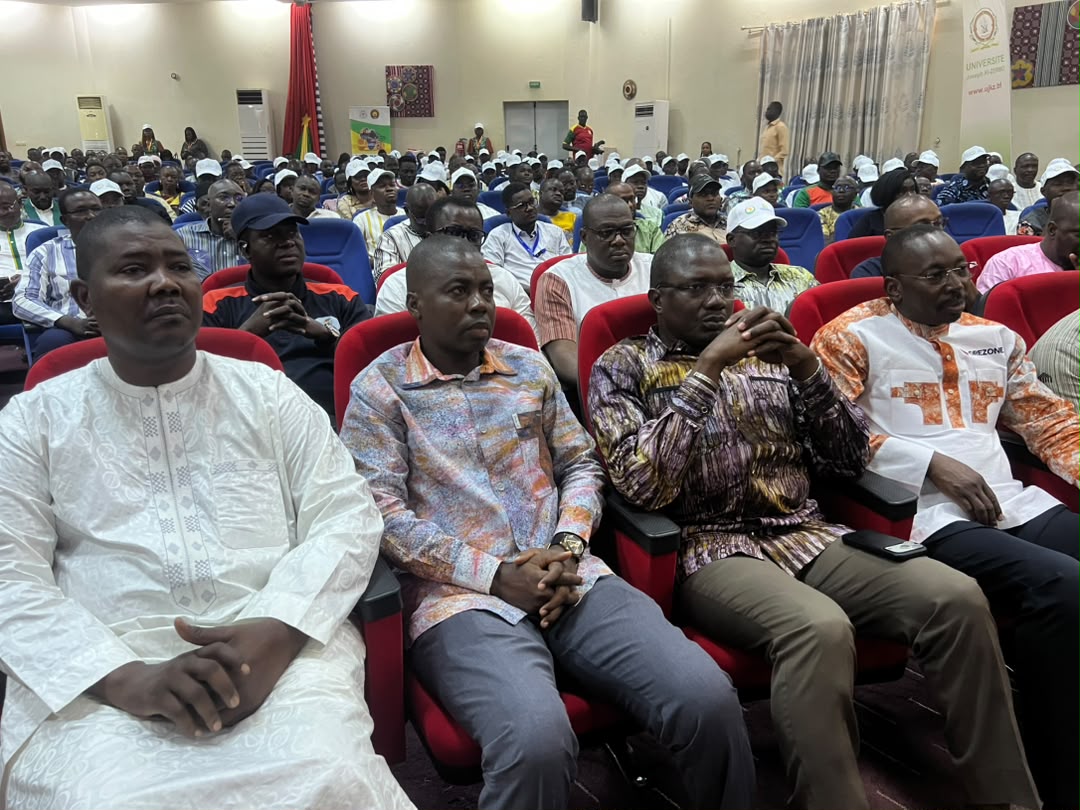
Pour le ministre Yacouba Zabré Gouba, l'énergie, les mines et les hydrocarbures constituent des secteurs stratégiques pour les économies des pays de l'AES. Selon lui, la tenue conjointe de la première édition de la Semaine de l'énergie, des mines et des hydrocarbures et de la 8ᵉ édition de la SAMAO constitue une étape importante dans la connaissance et la valorisation des potentialités de l'espace confédéral. « Cette conférence, qui se tient à l'occasion de la première édition de la Semaine de l'énergie, des mines et des hydrocarbures, couplée à la huitième édition de la SAMAO, constitue ainsi le premier acte consacré à la connaissance et à la valorisation des potentialités minières, énergétiques et des hydrocarbures de notre espace confédéral », a-t-il expliqué.
Le ministre burkinabè de l'énergie, des mines et des carrières, Yacouba Zabré Gouba, a salué la vision des chefs d'État de l'AES sur la gestion des problématiques des ressources naturelles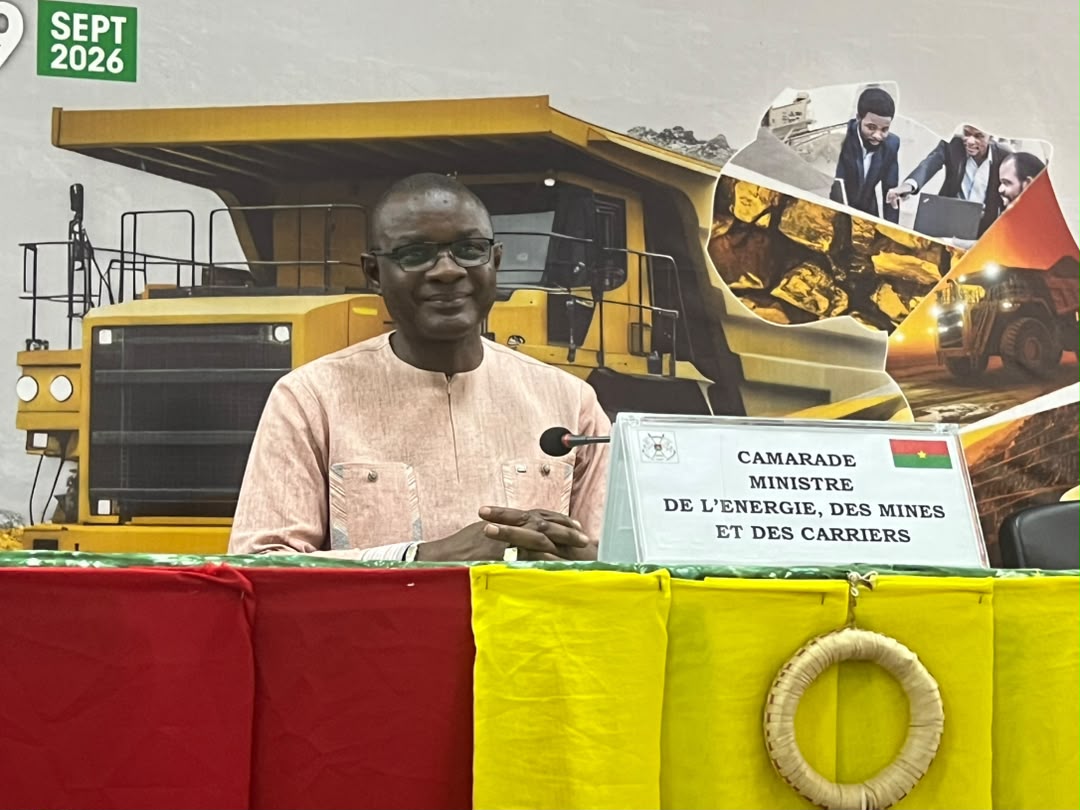
Cette initiative traduit, à l'en croire, la volonté des trois États de disposer d'un espace commun pour promouvoir les secteurs de l'énergie, des mines et des hydrocarbures. « Elle traduit notre ferme volonté de disposer d'un espace commun pour la promotion des secteurs de l'énergie, des mines et des hydrocarbures de l'AES », a indiqué le ministre.
Mieux connaître les ressources pour mieux les valoriser
Le ministre a toutefois souligné qu'une valorisation efficace des ressources passe d'abord par une meilleure connaissance de leur potentiel. L'ambition, confie-t-il, est d'établir un état actualisé des potentialités minières, énergétiques et en hydrocarbures de l'espace de l'AES, afin de mieux mesurer les opportunités qu'elles représentent pour les économies des trois pays et de définir des orientations communes.
Yacouba Zabré Gouba a rappelé l'importance des ressources naturelles dont dispose l'espace confédéral. « Il est historiquement établi que le continent africain, et plus particulièrement notre espace confédéral, dispose d'un important potentiel énergétique, minier et en hydrocarbures. »
Le ministre nigérien en charge du pétrole, Hamadou Tini, a salué le couplage des deux évènements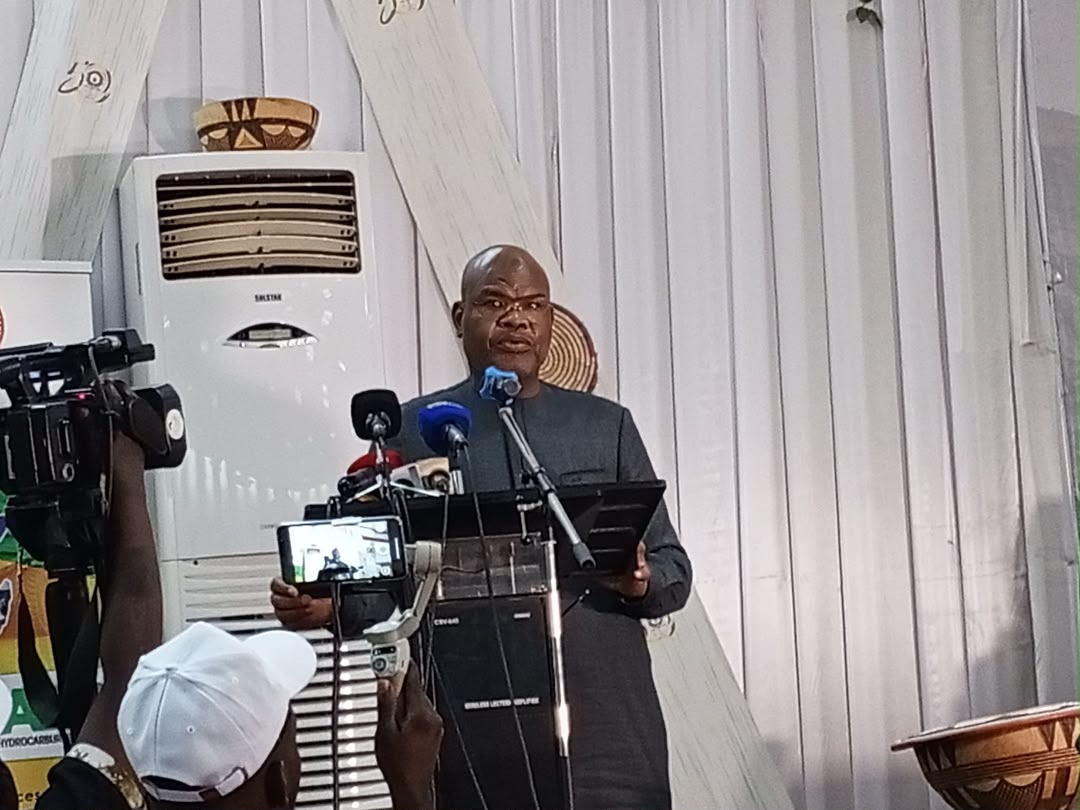
Le ministre a notamment évoqué la place du Burkina Faso et du Mali parmi les principaux producteurs d'or en Afrique. Il a également souligné le potentiel du Niger, qui dispose d'importantes réserves d'uranium ainsi que de ressources pétrolières et gazières.
Malgré cette richesse, le ministre estime que les ressources naturelles des États de l'AES restent encore insuffisamment valorisées. D'où l'organisation de cette conférence pour permettre aux participants de réfléchir aux stratégies de valorisation des ressources et aux perspectives de développement qu'elles offrent aux populations des trois pays. Pour Yacouba Zabré Gouba, l'enjeu dépasse donc la seule exploitation des ressources naturelles. Il s'agit de faire en sorte que celles-ci contribuent directement au développement et à l'autonomie des États de l'AES. « Nos ressources ne doivent plus être une malédiction ou le sujet de convoitises extérieures, mais le carburant de notre émergence », a-t-il argué.
Le Pr Amadou Keïta, ministre en charge des mines du Mali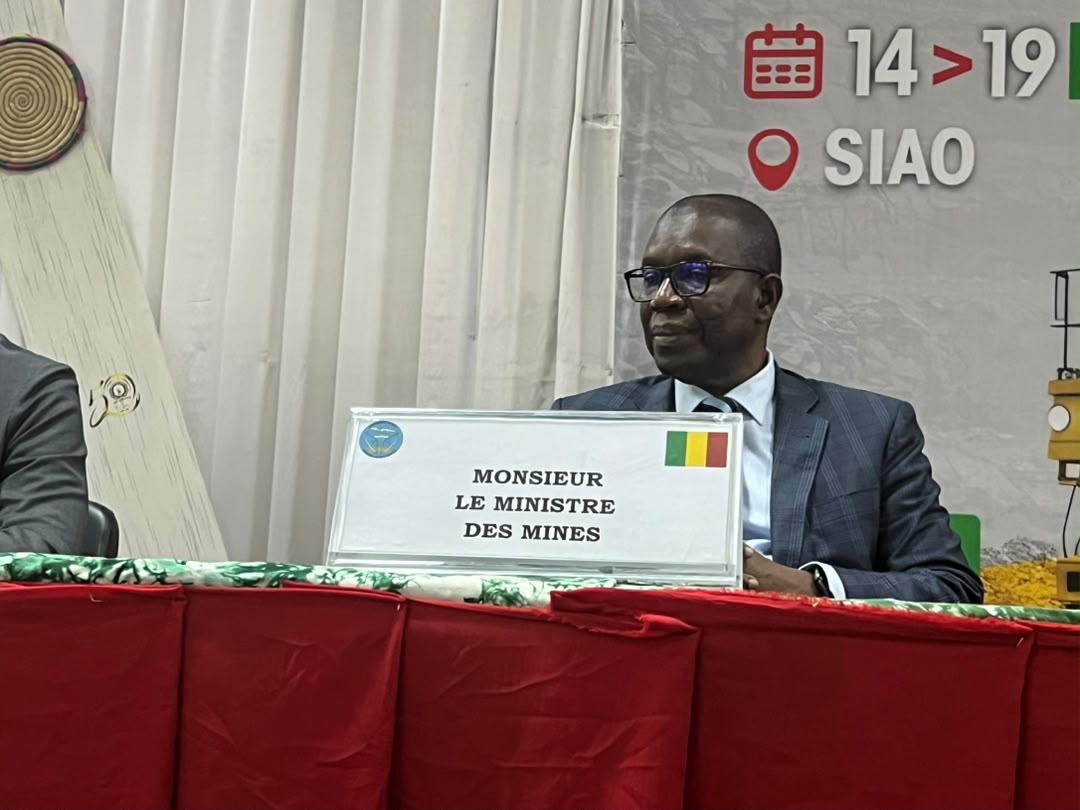
Le ministre nigérien en charge du pétrole, Hamadou Tini, a abondé dans le même sens que son homologue du Burkina Faso en insistant sur la valorisation des ressources pour renforcer la dynamique souverainiste de l'AES. Il a également rappelé que les ressources naturelles constituent un instrument de puissance.
Le Pr. Amadou Keïta, ministre en charge des mines du Mali, a indiqué que les ressources énergétiques, minières et l'hydrocarbure doivent profiter au peuple de l'AES.
Serge Ika Ki
Lefaso.net
Categories: Afrique
Tourisme interne : Le personnel de Lefaso.net plonge dans l'histoire de Dioulassoba
Dans le cadre de sa team building, le personnel des Éditions Lefaso a effectué, le vendredi 11 septembre 2026, une sortie touristique à Bobo-Dioulasso. Sur place, il a visité la vieille ville de Dioulassoba, une immersion qui lui a permis de mieux découvrir le patrimoine historique et culturel de la cité de Sya.
À Dioulassoba, chaque ruelle semble raconter une histoire. Derrière les murs de banco, dans les espaces sacrés ou encore sous le regard silencieux des lieux de mémoire, le passé côtoie le présent. C'est dans cette atmosphère que le personnel des Éditions Lefaso a entamé sa découverte de la vieille ville.
L'activité s'inscrit dans une volonté de contribuer à la promotion du tourisme interne et à la valorisation du patrimoine burkinabè. Elle a bénéficié de l'accompagnement de Faso Tourisme, de la Délégation consulaire spéciale de la Chambre de commerce et d'industrie du Burkina Faso, du Centre international d'évangélisation/Mission intérieure africaine (CIE/MIA) et du Réseau des caisses populaires du Burkina (RCPB).
La vieille mosquée de Dioulassoba.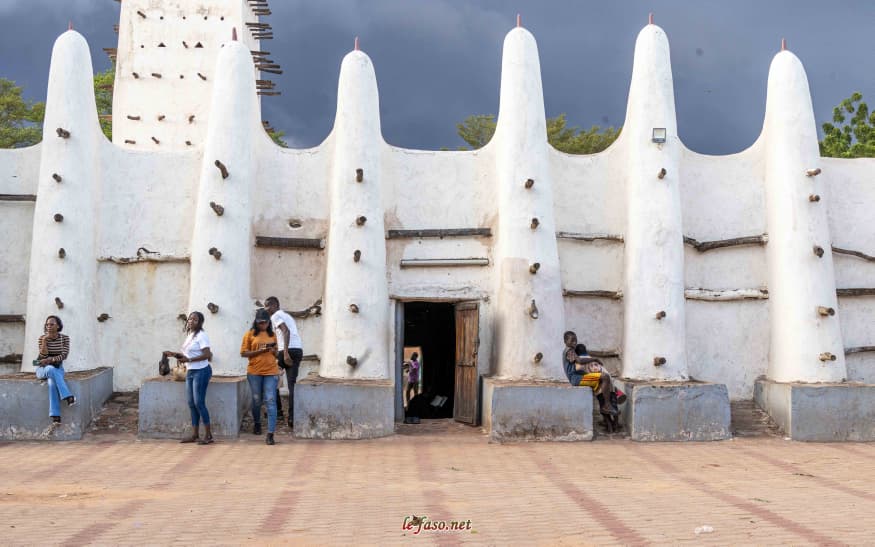
Conduite par le guide Simon Sanon, la visite a été l'occasion de découvrir plusieurs sites emblématiques de Dioulassoba. La plus ancienne maison de Bobo, la case à palabres, les fétiches, les lieux sacrés et la rivière aux silures ont notamment constitué les principales étapes de cette immersion culturelle.
La rivière aux silures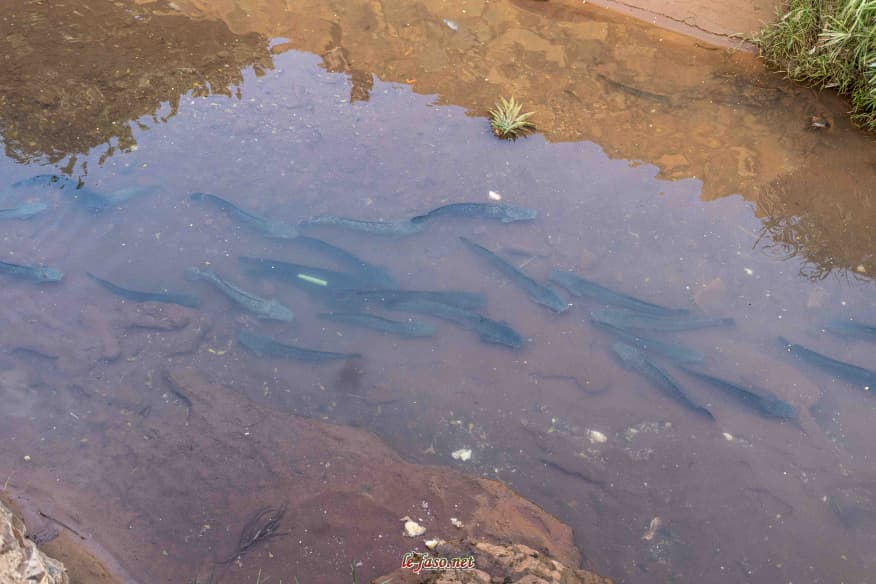
Selon le guide, la case à palabres demeure un espace important dans la vie de la communauté. Lorsqu'un problème survient, les griots sont chargés d'informer les habitants, qui se retrouvent ensuite en ce lieu pour écouter et participer aux échanges, quelle que soit leur confession.
Pendant la visite, le personnel de Lefaso.net a découvert l'architecture de la vieille ville de Dioulassoba, notamment la plus vieille maison de la ville de Bobo, qui date du XIᵉ siècle.
Les visiteurs ont également constaté une organisation sociale traditionnelle structurée autour de différentes composantes, notamment les animistes, les catholiques et les musulmans.
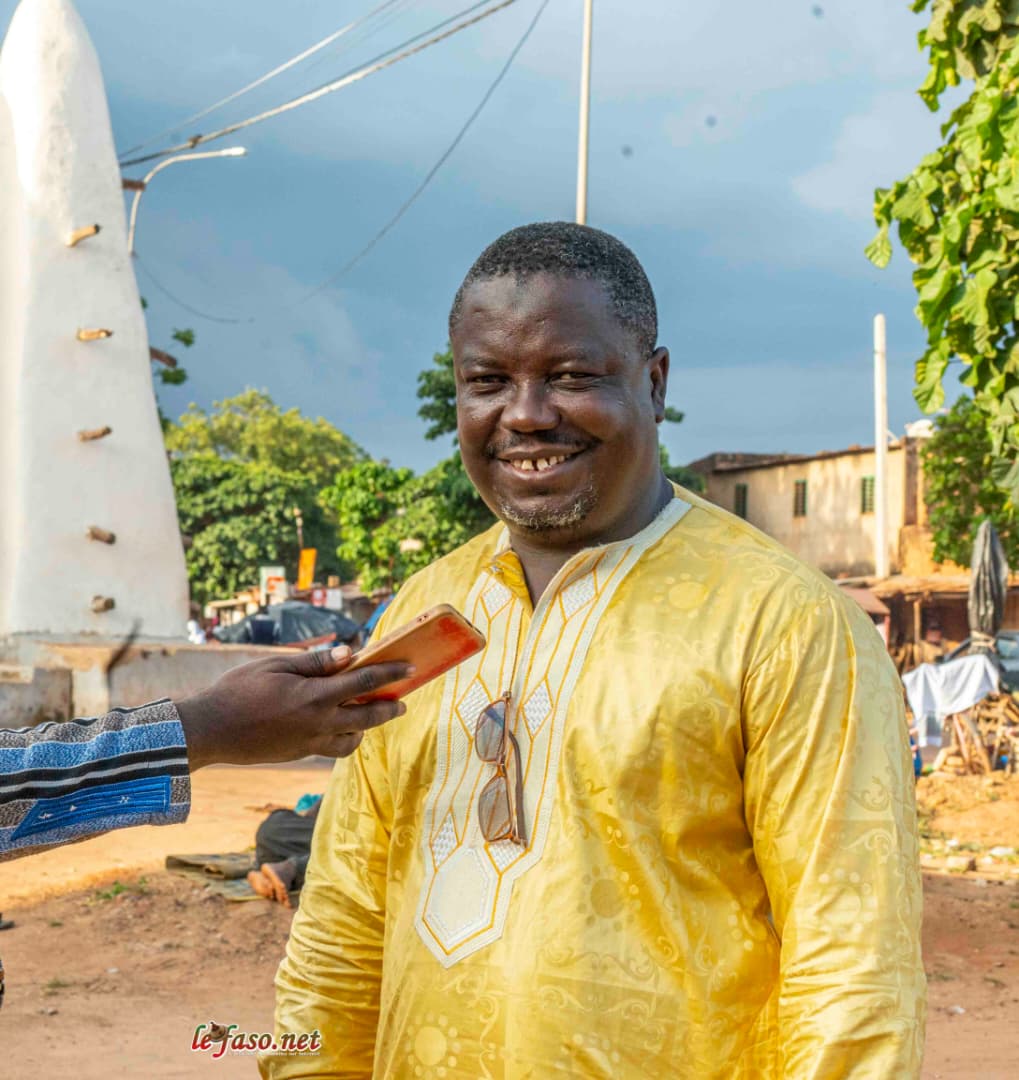
Au terme de la visite, le guide Simon Sanon a lancé un appel invitant ainsi les Burkinabè à venir à la découverte de leur patrimoine.
« Nous devons sortir pour connaître nos sites touristiques », plaide-t-il, regrettant que certains habitants de Bobo-Dioulasso passent régulièrement devant la vieille ville sans jamais prendre le temps de la visiter.
« Notre sentiment quand on voit des visiteurs ou des médias qui viennent comme vous l'avez fait, c'est bien pour nous. C'est une occasion pour parler de notre histoire, de notre culture », a indiqué Simon Sanon à l'issue de la visite.
La première maison de l'ancêtre Bobo, fondateur de Sya, construite au XIᵉ siècle.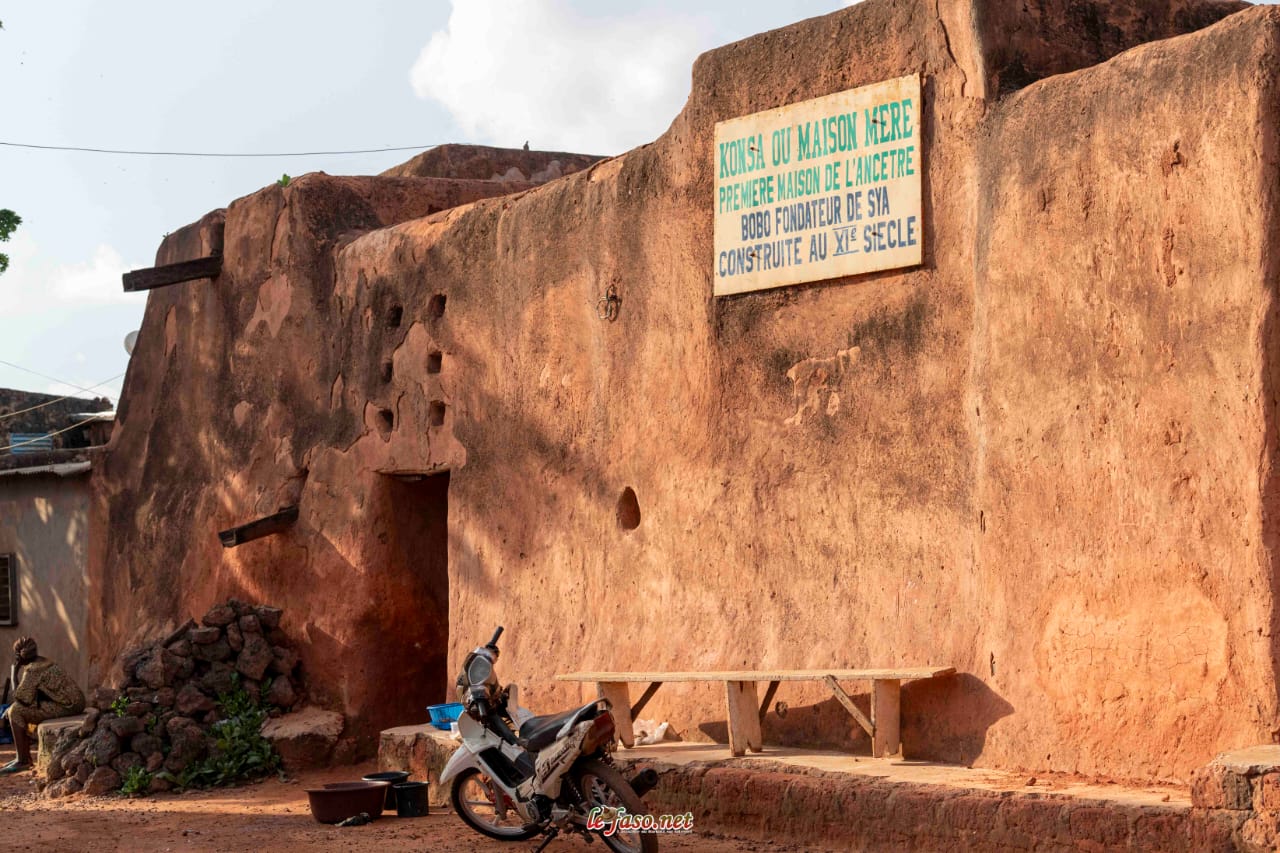
Le directeur de publication du média en ligne Lefaso.net, Dr Cyriaque Paré, a expliqué que l'objectif est de contribuer à la promotion du tourisme interne. « Cette visite a été organisée à la suite d'autres dans les années passées, avec l'accent qui a été mis particulièrement sur la promotion du tourisme intérieur. C'est pourquoi nous sommes venus jusqu'à Bobo pour visiter quelques sites, notamment Dioulassoba et la grande mosquée », a-t-il laissé entendre.
Le directeur de publication du média en ligne Lefaso.net, Dr Cyriaque Paré, a indiqué que l'objectif de ces visites est de contribuer à la promotion du tourisme interne.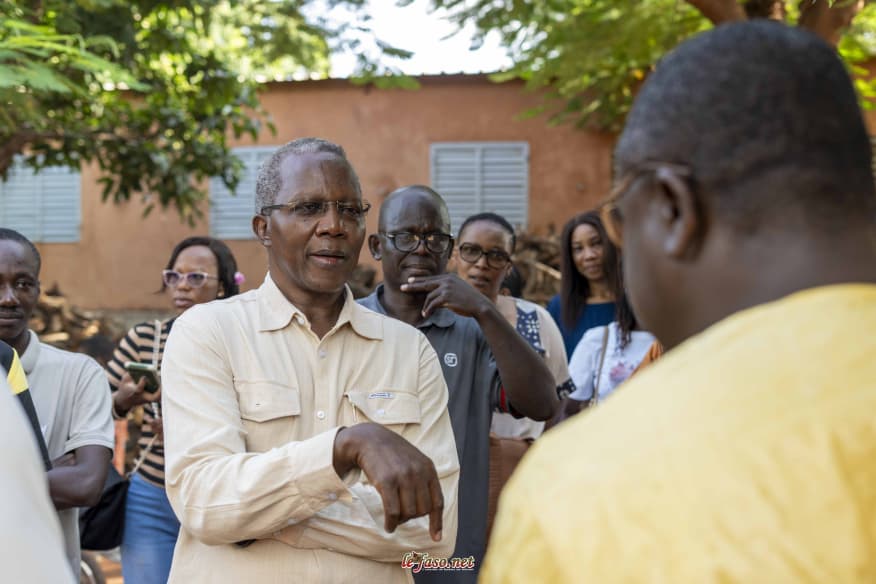
Il a souligné que le Burkina Faso dispose de richesses touristiques qui méritent d'être mises en valeur.
« Cette sortie a été vraiment enrichissante pour moi. J'ai particulièrement apprécié le fait qu'on ne soit pas simplement dans une visite touristique, mais dans une véritable découverte de notre patrimoine et de notre histoire », a confié Anita Mireille Zongo, journaliste à Lefaso.net.
Pour Anita Mireille Zongo, journaliste à Lefaso.net, cette visite est une autre manière de raconter le patrimoine burkinabè avec plus de proximité.
Pour elle, cette visite donne une autre manière de raconter le patrimoine burkinabè avec plus de proximité.
Jean Élysée Nikiéma
Lefaso.net
Categories: Afrique
Pages



© 2012-2018 Europa Varietas Foundation © 2015-2018 Europa Varietas Association
www.europavarietas.org | info(@)europavarietas(dot)org | Switzerland




We are looking for sponsors for the English translation of these books, please contact turkeandras(at)gmail(dot)com