
You are here
Feed aggregator
Debate: Syria: death sentence against Assad with no consequences?
A court in Damascus has sentenced Syria's former president, Bashar al-Assad, to death in absentia. He was charged with premeditated murder of multiple people, torture, arbitrary imprisonment, crimes against humanity and war crimes. Assad and his brother Mahir, who was also sentenced to death, fled to Russia in December 2024. At present there is no indication that they will be extradited.
Categories: European Union
War crimes eventually catch up with you | The Daily Telegraph - United Kingdom
Categories: European Union
Debate: Can Europe adapt to the new climate?
Countries across Europe are reporting record-breaking temperatures this summer. Many are experiencing extreme droughts, water levels in rivers and lakes are at lower than ever before, and wildfires are causing mass evacuations.
Categories: European Union
Stupeur à Alger : un jeune de 19 ans tué lors d’une rixe entre supporters de deux clubs rivaux
Un conflit autour de fresques liées à deux clubs rivaux a dégénéré en affrontement à El Madania, à Alger. Dans la nuit de lundi à […]
L’article Stupeur à Alger : un jeune de 19 ans tué lors d’une rixe entre supporters de deux clubs rivaux est apparu en premier sur .
Categories: Afrique
Tournoi UFOA-B U20 2026 : Les Étalons accueillis en héros à l'aéroport international de Ouagadougou
Les Étalons U20 ont été accueillis chaleureusement à Ouagadougou, le mardi 11 août 2026, après avoir remporté le tournoi UFOA-B en Côte d'Ivoire. Cette performance leur assure également une place pour la Coupe d'Afrique des Nations (CAN) de leur catégorie, qui aura lieu en 2027 au Ghana.
Vainqueurs du tournoi UFOA-B en Côte d'Ivoire et qualifiés pour la Coupe d'Afrique des nations de leur catégorie, prévue en 2027 au Ghana, les Étalons U20 ont été accueillis en héros.
À leur arrivée à l'aéroport international de Ouagadougou, la délégation burkinabè a été reçue dans une ambiance chaleureuse et festive, avec des animations offertes par l'Union nationale des supporters des Étalons.
« Nous sommes venus leur dire que nous sommes tous fiers de leur performance à cette compétition. Nous leur avons traduit également la reconnaissance de toutes les autorités de notre pays », a indiqué la secrétaire générale du ministère des Sports, Colette Ouédraogo.
Elle a également souhaité que les Étalons U20 puissent continuer dans cette dynamique afin de pouvoir revenir de la prochaine CAN avec des résultats similaires.
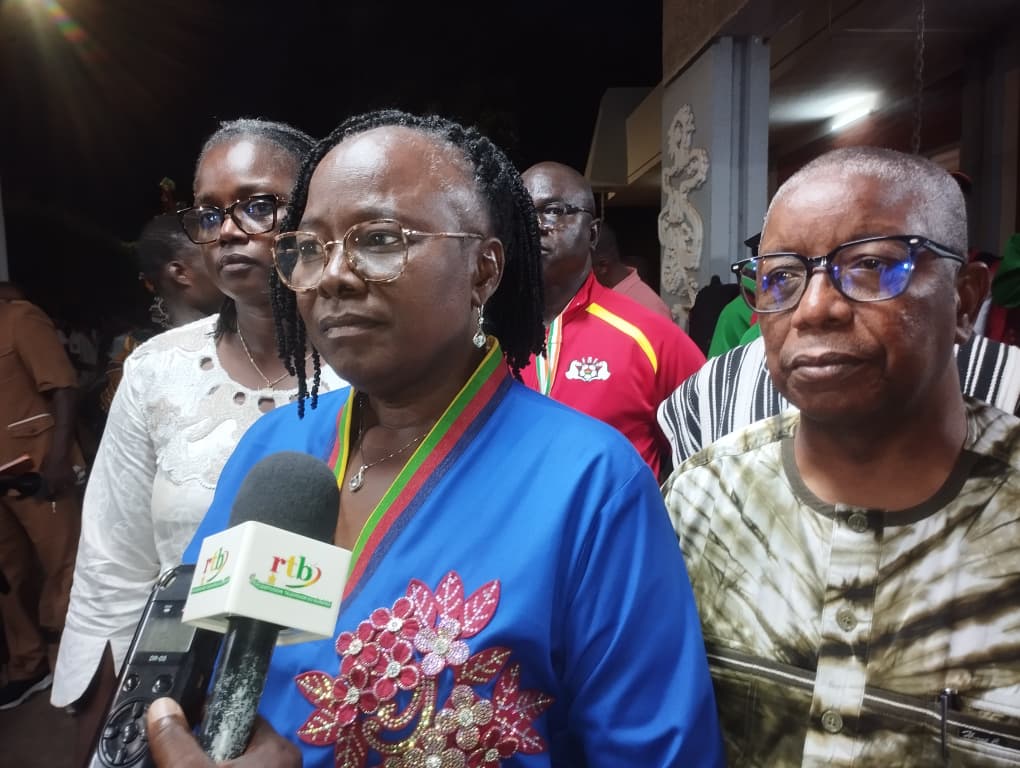
Le président de la Fédération burkinabè de football, le colonel-major Oumarou Sawadogo, a félicité les Étalons U20 pour leur qualification pour la CAN. Au nom de l'équipe, il a dédié le trophée au président du Faso, le capitaine Ibrahim Traoré, pour son accompagnement qui a facilité la participation de l'équipe à la compétition.
« Être qualifié, comme je l'ai dit, c'est la première étape qui a été franchie. Après avoir raté deux éditions, nous nous sommes qualifiés pour la prochaine. C'est dans un pays voisin, au Ghana. Il faudra qu'on se donne les moyens pour mieux préparer cette compétition et aller de l'avant », a déclaré le colonel-major Oumarou Sawadogo.
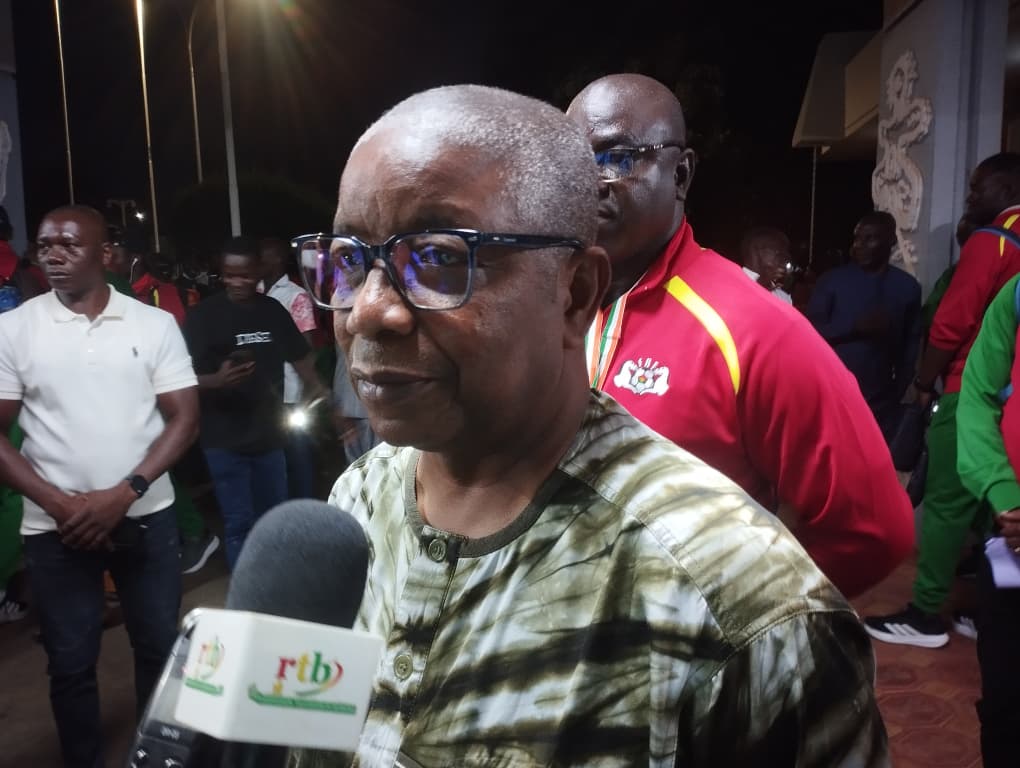
Le premier responsable de la Fédération burkinabè de football a aussi dévoilé quelques ambitions des Étalons U20, au titre desquelles figure une qualification pour le Mondial de leur catégorie.
« Je crois que cette génération, si on la conserve et l'entretient comme il le faut, avec beaucoup de compétitions et de matchs amicaux, elle peut quand même nous permettre d'aller plus loin », a expliqué le président de la FBF.
Fier du parcours de son équipe, qui a remporté le tournoi, le sélectionneur des Étalons U20, Oscar Barro, s'est réjoui de l'accueil chaleureux qui lui a été réservé. Il a profité de l'occasion pour remercier les premières autorités du pays, grâce auxquelles la participation à la compétition a été possible.
« C'est le lieu de remercier toutes ces structures qui nous ont permis d'aller à cette compétition et de revenir avec la qualification », a-t-il soutenu.
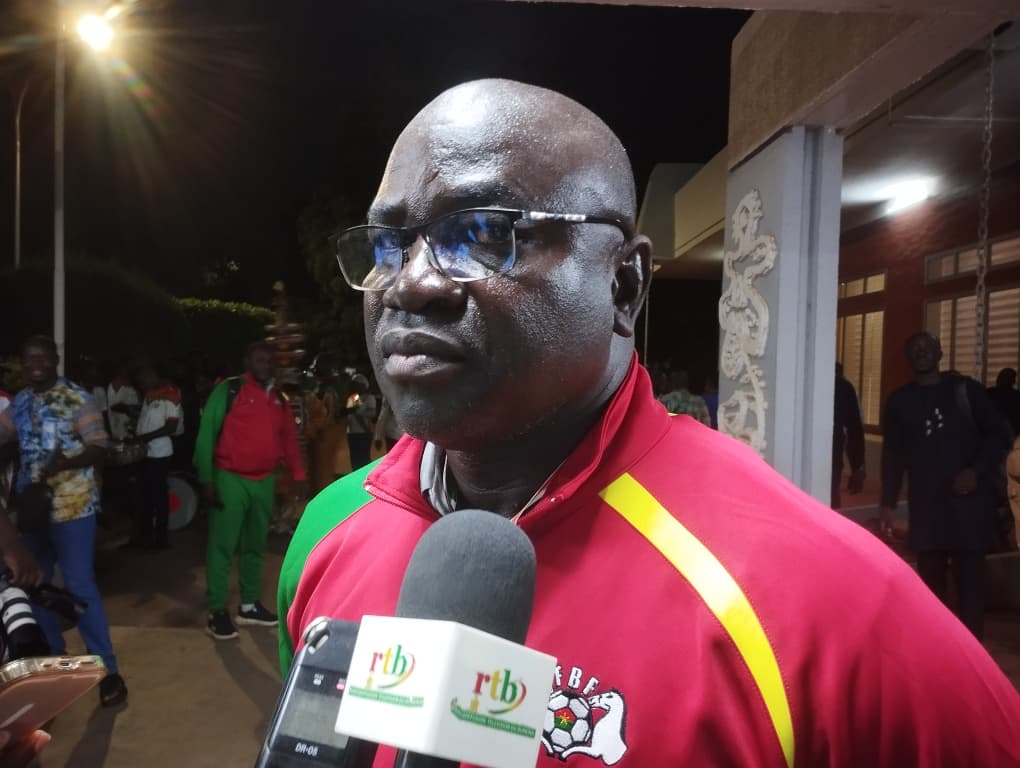
En rappel, Oscar Barro avait déjà remporté le tournoi UFOA-B U17 avant de remporter à nouveau la compétition, cette fois-ci avec une sélection U20. Interrogé sur le secret de ces performances, il les a expliquées par le travail et la discipline.
La tête pensante des Étalons U20 s'est, par ailleurs, voulue rassurante quant à la disponibilité de la majorité de l'effectif ayant pris part au tournoi UFOA-B pour la prochaine CAN.
« Tous ceux qui sont là sont dans la limite d'âge. C'est ce que j'ai regardé avant d'appeler certains joueurs. Pratiquement tous seront en mesure d'aller à la CAN U20 prévue au Ghana en 2027. Ils sont tous dans la fourchette », a rassuré Oscar Barro quant à la possibilité de repartir à la CAN au Ghana avec le même effectif.
Jean Élysée Nikiéma
Lefaso.net
Categories: Afrique
Burkina/ Électrification : Kaya dispose d'une nouvelle centrale thermique de 25 MW
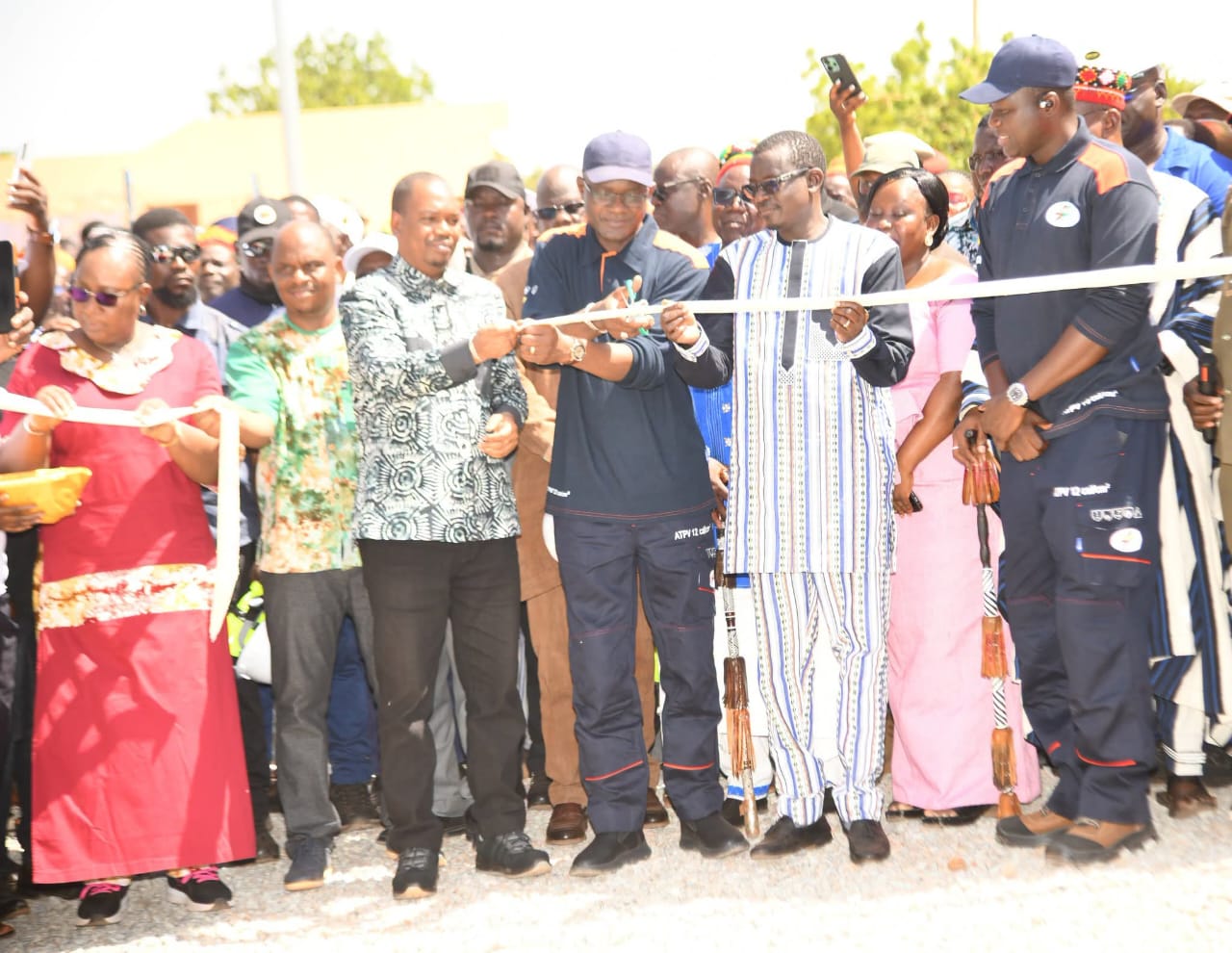
Après la fermeture de sa centrale thermique de 2,5 MW en 2006, la ville de Kaya dispose à nouveau d'une infrastructure électrique dont la mise en production a été effectuée ce 11 août 2026 par le ministre de l'énergie, des mines et des carrières, Yacouba Zabré Gouba, rapporte la direction de la communication du ministère de l'énergie, des mines et des carrières.
D'une capacité de 25 MW, la centrale est dotée de 28 moteurs dont la puissance unitaire est de 1000 kWm. Le coût total de cette réalisation est d'environ 15 milliards FCFA.
Le lancement officiel de la production de cette centrale de Kaya vient refermer une série d'inaugurations débutée le 21 juillet 2026 par la mise en service de la centrale thermique de Pabré par le Premier Ministre Rimtalba Jean-Emmanuel Ouédraogo. L'ensemble des centrales de Pabré, Bobo-Dioulasso, Koudougou et Kaya donne une puissance totale de 126,4 MW.
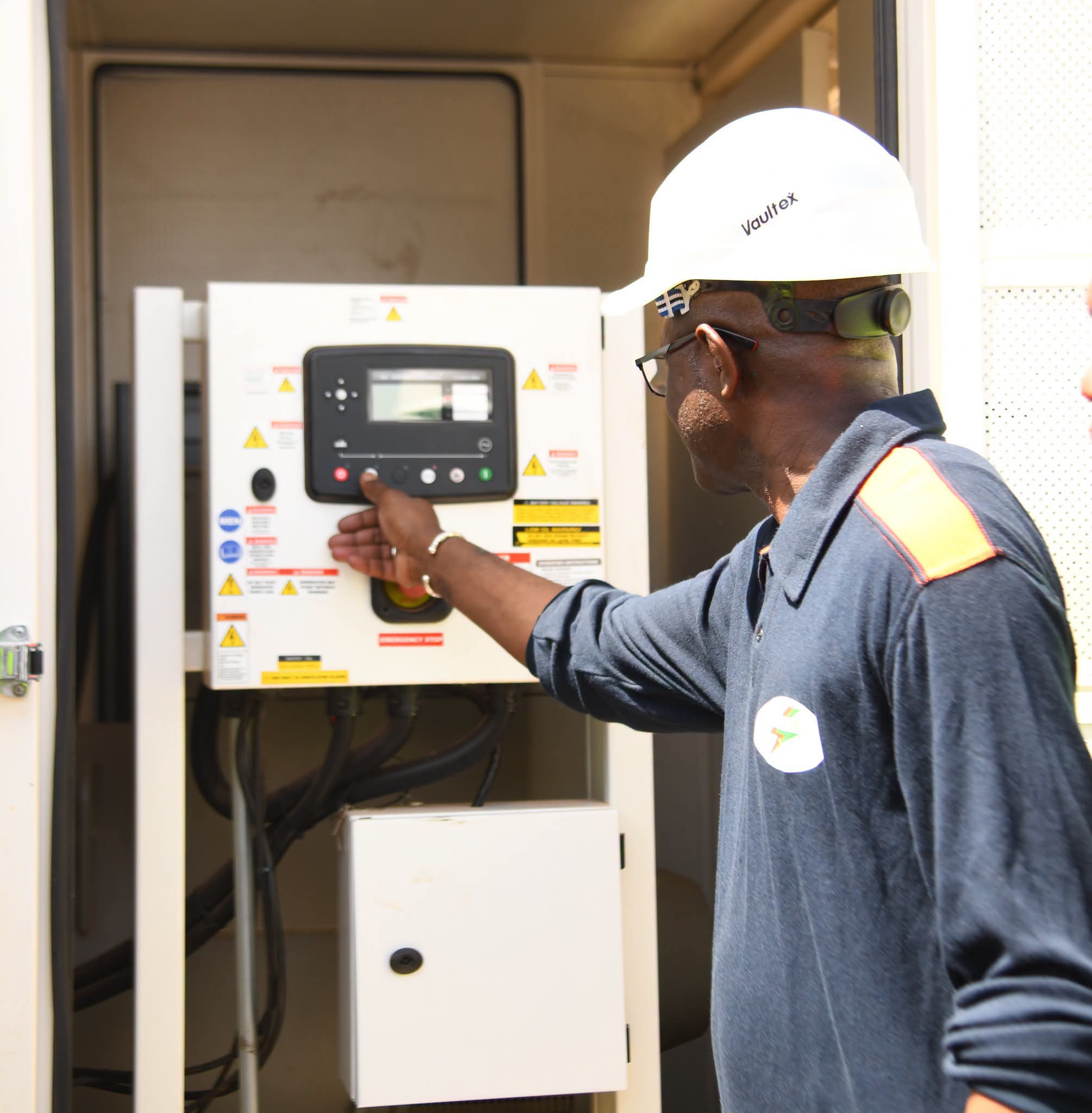
Le ministre en charge de l'énergie a indiqué que la réalisation de ces infrastructures prouve que le Burkina Faso peut réduire progressivement sa vulnérabilité énergétique, accroître ses capacités nationales de production et bâtir ensemble un système plus résilient.
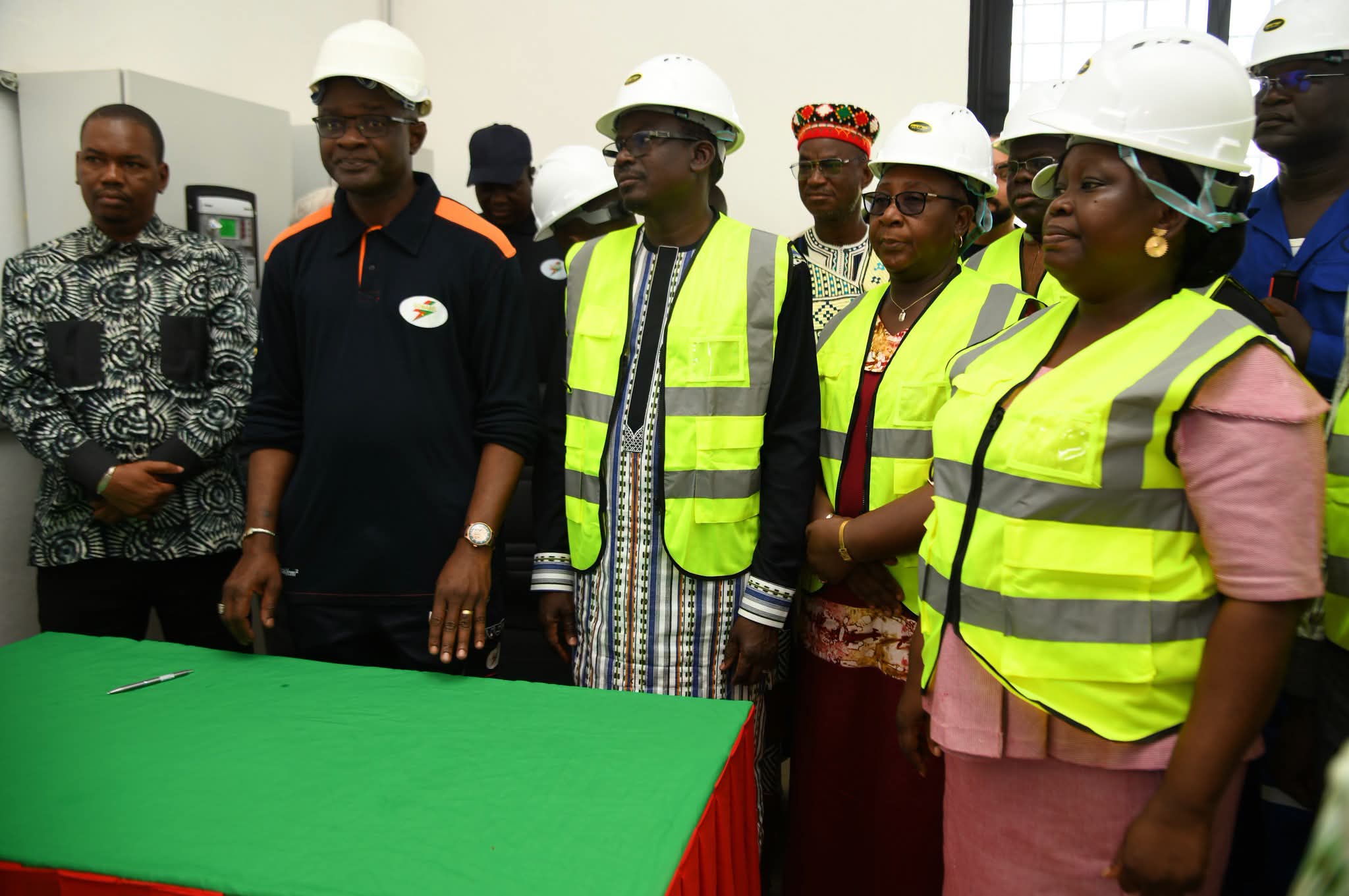
Selon lui, toutes ces réalisations sont l'expression concrète d'une volonté politique : faire de l'énergie, un levier majeur de la souveraineté, de la résilience et surtout du développement endogène du Burkina Faso.
La centrale de Kaya ambitionne d'augmenter la capacité nationale de production, réduire les interruptions de fourniture, offrir une énergie plus stable aux unités industrielles et marchandes de la région des Koulsé, a-ajouté Yacouba Zabré Gouba. Il a annoncé la mise en service prochaine de trois autres nouvelles centrales. L'ensemble de toutes ces infrastructures énergétiques va coûter environ 200 milliards FCFA.
Lefaso.net
Source : Direction de la Communication et des Relations Presse
Categories: Afrique
AirPowerNews 161. (2026 aug.)
Ezúttal a napokban Pápán és Kenyeri(be)n zajló Wild Hunt 2026 USAFE-AFAFRICA kutató-mentő ejtőernyős gyakorlat képével indul az augusztusi hírbejegyzés.
Zord
Categories: Biztonságpolitika
L'Éclipse solaire «est une expérience unique» et crée «une magie entre les personnes» présentes
Quand la lune fait de l'ombre au soleil : la dernière fois, c'était en 1999 que ce phénomène était perceptible, notamment depuis la France. Mercredi 12 août au soir, une éclipse solaire est à observer, évidemment, avec des lunettes de protection. Cette éclipse sera même totale à certains endroits. Milan Maksimovic, astrophysicien, directeur de recherche au CNRS, directeur du laboratoire d'instrumentation et de recherche en astrophysique (Lira) à l'Observatoire de Paris, est l'invité de RFI.
Categories: Union européenne
La gratuité de la scolarité pour les filles généralisée dès la rentrée 2026-27
Les filles sont exonérées des frais scolaires dans tous les collèges et lycées publics au Bénin. La mesure, jusque-là appliquée progressivement, est désormais étendue à l'ensemble du pays.
Le gouvernement béninois élargit le dispositif de soutien à la scolarisation des filles. Un arrêté interministériel signé à Cotonou le 30 juillet 2026 par les ministres de l'Enseignement secondaire et de l'Économie et des Finances prévoit la généralisation de l'exonération des frais de contribution scolaire au profit des filles fréquentant les établissements publics de l'enseignement secondaire général.
Selon le texte, sont éligibles les filles de nationalité béninoise « régulièrement inscrites dans les établissements publics de l'Enseignement Secondaire Général » au Bénin.
Une mesure étendue à tous les niveaux du secondaire
L'arrêté met fin au caractère progressif de la mesure. Celle-ci était déjà en vigueur au premier cycle et avait été étendue, à titre expérimental, au second cycle dans vingt communes.
Désormais, cette exonération est « généralisée dans les établissements publics de l'enseignement secondaire général » à compter de l'année scolaire 2026-2027.
Le nouveau dispositif couvre ainsi les différentes classes du secondaire, avec pour objectif de lever l'un des obstacles financiers pouvant peser sur la scolarisation et le maintien des filles à l'école.
L'Etat prendra en charge la compensation
La gratuité ne signifie pas une absence de financement pour les établissements concernés. L'arrêté prévoit un mécanisme de compensation au profit des structures publiques.
Le montant sera calculé notamment à partir « des effectifs validés des filles bénéficiaires » et des « taux de contribution scolaire en vigueur ». La dépense correspondante sera imputée au budget du ministère de l'Enseignement secondaire.
Pour éviter des difficultés de trésorerie au démarrage de l'année scolaire, le texte prévoit également qu'« une avance de trésorerie est accordée dès la rentrée scolaire ». Cette avance devra ensuite être régularisée sur le budget du ministère au titre de l'exercice suivant.
L'arrêté abroge les dispositions antérieures qui lui sont contraires, notamment celles de 2023 qui avaient permis l'extension expérimentale de l'exonération aux élèves filles de la sixième à la terminale.
M. M.
Categories: Afrique
États-Unis : plus de 100 visas révoqués au Maghreb, voici pourquoi
Le département d’État américain a confirmé lundi 10 août la révocation de plus d’une centaine de visas en Afrique du Nord. Dans le collimateur de […]
L’article États-Unis : plus de 100 visas révoqués au Maghreb, voici pourquoi est apparu en premier sur .
Categories: Afrique
La Gendarmerie avertit : 10 000 DA d’amende pour cette infraction routière
S’arrêter sur le terre-plein central d’une autoroute ou d’une voie rapide est une infraction trop souvent banalisée. Pourtant, la Gendarmerie nationale est claire. Cet espace […]
L’article La Gendarmerie avertit : 10 000 DA d’amende pour cette infraction routière est apparu en premier sur .
Categories: Afrique
Trump confirme avoir changé d'avion après le sommet de l'OTAN en raison d'une menace potentielle.
Les journalistes et les membres du personnel de la Maison Blanche qui se trouvaient à bord de l'avion ignoraient que le président était parti.
Categories: Afrique
Pages



© 2012-2018 Europa Varietas Foundation © 2015-2018 Europa Varietas Association
www.europavarietas.org | info(@)europavarietas(dot)org | Switzerland




We are looking for sponsors for the English translation of these books, please contact turkeandras(at)gmail(dot)com