
You are here
Feed aggregator
Burkina : Le projet de contrat-type de concession, de production et de distribution d'énergie électrique en cours de validation
Un atelier de validation du projet de contrat-type de concession, de production et de distribution d'énergie électrique se tient ce mardi 8 septembre 2026 à Ouagadougou. L'atelier est organisé par l'Autorité de régulation du secteur de l'énergie (ARSE). Il va servir de cadre pour présenter aux participants la version consolidée du projet de contrat et recueillir les contributions finales en vue de la validation du document.
Le contrat-type de concession, de production et de distribution vise à régir les activités de production et de distribution d'énergie électrique. En effet, dans le secteur de l'énergie, les opérateurs publics et privés exercent des activités de production, de transport, de distribution et de commercialisation d'énergie électrique. Pour pouvoir exercer ces activités, les opérateurs doivent conclure un contrat de concession avec l'autorité publique qui est le ministère de l'Énergie.
Il faut noter qu'en plus de la Société nationale d'électricité (SONABEL), il existe des acteurs privés qui exercent également des activités de production et de distribution d'énergie électrique. Le contrat-type vient donc organiser le fonctionnement de ces opérateurs et réglementer leurs relations avec l'autorité publique.
Valentin Zoungrana, directeur des affaires juridiques de l'ARSE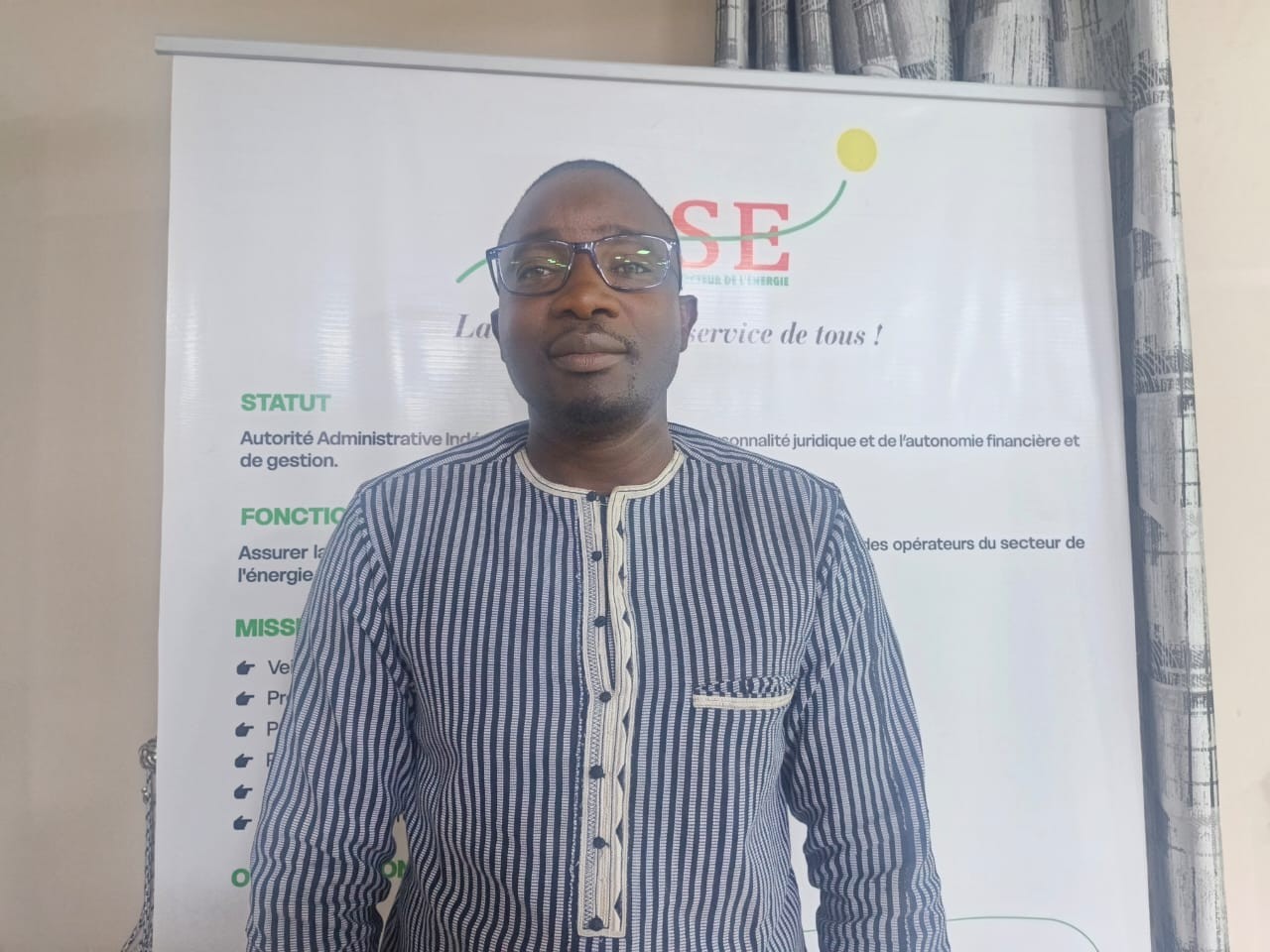
À en croire Valentin Zoungrana, directeur des affaires juridiques et du contentieux de l'ARSE, la législation en vigueur confère à l'institution l'attribution d'élaborer un projet de contrat-type. C'est ce à quoi elle s'est attelée du 11 au 13 mai 2026, au cours d'un atelier d'élaboration qui a réuni l'ensemble des opérateurs. Les échanges issus de cette rencontre ont permis de recueillir les contributions des participants et d'enrichir le projet de contrat type en vue de le consolider.
Yaya Soura, représentant du Président de l'ARSE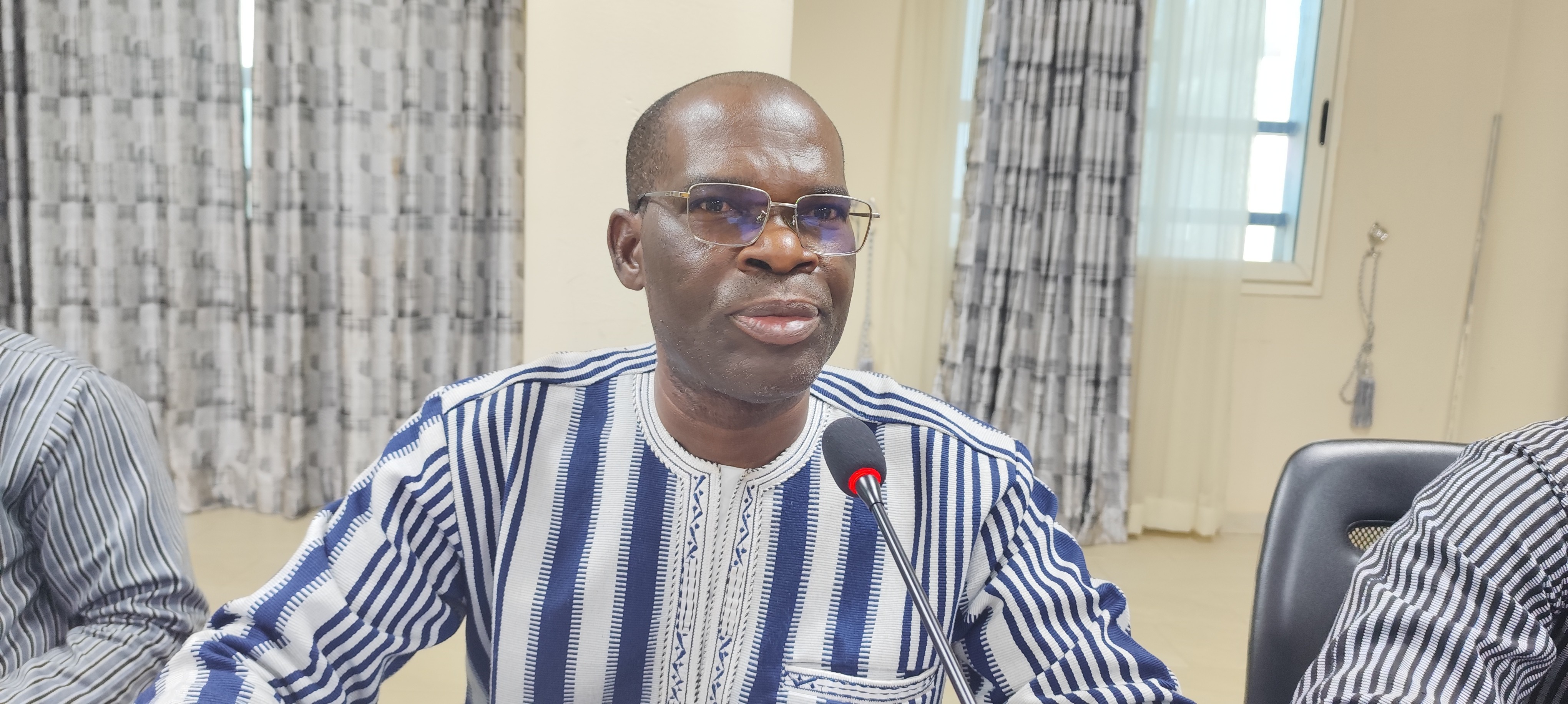
L'atelier du jour, qui réunit tous les acteurs du secteur de l'énergie, va permettre de procéder à l'examen et à la validation de ce document important pour le secteur de l'énergie. Venu représenter le président de l'ARSE, le conseiller technique Yaya Soura a rappelé l'importance du document en examen. « Le contrat type de concession est un instrument essentiel de régulation. Il contribue à clarifier les droits et obligations des parties, à présenter les conditions d'exercice des activités réglementées et à renforcer la sécurité juridique des relations entre l'autorité publique et les opérateurs », a-t-il souligné. Il a donc invité les participants à prendre activement part aux débats pour un document final de qualité en adéquation avec les attentes des différentes parties.
Armelle Ouédraogo/Dalilha Ky (stagiaire)
Lefaso.net
Categories: Afrique
Ouagadougou : Au quartier Karpala, des femmes font du sport une priorité pour leur santé
Deux fois par semaine, elles troquent les contraintes du quotidien contre des baskets, des maillots et quelques tours de terrain. Au terrain de l'AS Douanes, à Karpala, le club féminin Béog Néré rassemble des femmes de tous âges et de tous horizons. Elles sont convaincues que prendre soin de son corps, c'est aussi prendre soin de soi. Ici, l'effort physique se conjugue avec la bonne humeur, les rencontres et une solidarité qui dépasse largement les limites du terrain.
Il est un peu plus de 16h, au terrain de l'AS Douanes, à Karpala. Le soleil commence doucement à perdre de sa vigueur, mais sur le terrain, l'activité ne fait que commencer. Une femme arrive, puis deux, puis trois. Les maillots violets apparaissent progressivement dans le paysage poussiéreux. Quelques minutes plus tard, le terrain prend des allures de salle de sport à ciel ouvert. C'est un jour spécial pour les femmes du club Béog Néré. Elles se réunissent spécialement pour célébrer six années d'endurance et de régularité dans le sport. Pour l'occasion, elles sont environ une trentaine.
Les sportives discutent, plaisantent et se mettent en place. Certaines ont déjà commencé à marcher. D'autres prennent encore quelques instants pour souffler avant de se lancer puis le mouvement devient collectif. Les pas s'accélèrent. Les unes suivent les autres. Sur la terre rouge, les baskets soulèvent légèrement la poussière. Chacune avance selon ses capacités, avec cette petite dose d'encouragement qui vient du groupe. Dans ce décor simple, ces femmes arrivent à rendre l'environnement énergique.
Quand le terrain devient un rendez-vous de bien-être
À l'origine du club Béog Néré, il y a une préoccupation toute simple : le bien-être. L'initiatrice du club, Dr Gisèle Nongana Yaméogo, raconte que l'aventure a commencé par la marche, avant de prendre progressivement la forme d'un véritable regroupement féminin. « L'idée est née suite à un souci de bien-être qui nous a amenées à pratiquer une activité physique régulière à travers la marche. Nous avons eu un coach volontaire qui nous a accompagnées dans cette activité. Et dans le souci de faire profiter le maximum de femmes et de promouvoir l'activité physique, nous avons pensé à créer un club de sport avec les femmes », explique-t-elle.
Dr Gisèle Nongana Yaméogo est l'initiatrice de cette activité sportive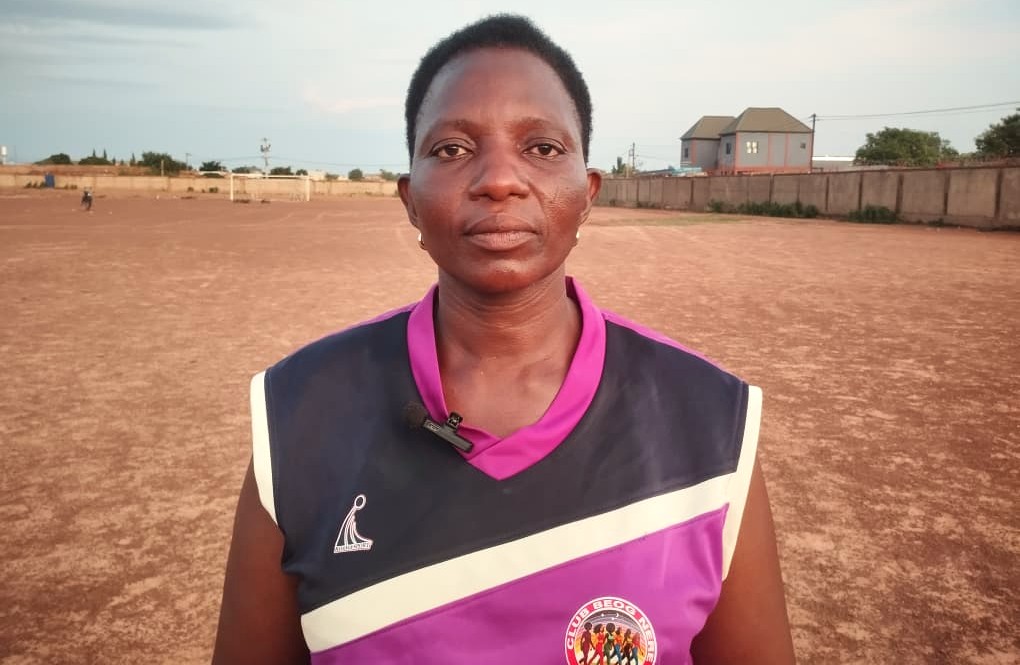
Depuis septembre 2020, les rendez-vous sont devenus une habitude. Les membres se retrouvent normalement les mercredis et vendredis, de 18h à 20h. Pendant les vacances, lorsque les femmes disposent de davantage de temps, une troisième séance est ajoutée le lundi. À 18h, le programme commence généralement par la marche. Trois tours de terrain constituent le minimum annoncé. Mais certaines vont beaucoup plus loin. « Il y en a qui arrivent à faire 20 tours de terrain en marche rapide », souligne l'initiatrice. Lorsque le coach arrive, place aux exercices. Les corps se mettent en mouvement, les bras montent, les jambes travaillent. Les anciennes connaissent déjà certains enchaînements, tandis que les nouvelles observent et reproduisent les mouvements. La séance se termine généralement par 15 à 30 minutes d'abdominaux.
Et dans cet exercice collectif, chacune semble avoir trouvé sa propre motivation. Pour Yvette Ki/Ouédraogo, membre du club, la première raison est directement liée à la santé. Avec les années, dit-elle, il devient nécessaire de prendre davantage soin de son corps. Elle a surtout découvert que son organisme lui-même pouvait lui rappeler l'importance de la régularité.
« Dans la semaine, quand je rate une séance, je sens des courbatures et je ne suis pas bien dans ma peau. Pour ma propre santé, cela m'oblige à revenir faire du sport. Depuis que j'ai commencé le sport au club Béog Néré, le changement est énorme et je me sens très bien », confie-t-elle. La marche est d'ailleurs son moment préféré. Même en dehors des séances du club, elle poursuit cette activité dans son quartier. Pour elle, le sport est devenu une affaire d'organisation. Il faut lui réserver une place dans son emploi du temps, au même titre que les autres obligations. Son entourage a également appris à composer avec cette nouvelle habitude. Sa petite-fille l'accompagne régulièrement au terrain et son mari n'hésite pas à lui rappeler l'heure de la séance.
Pour Aïcha Sana, chargée de l'organisation du club, le sport répond aussi à une logique d'accessibilité. « Pour moi, le sport est un moyen formidable et moins cher de m'investir dans sa santé. Avec la motivation du groupe, on arrive à beaucoup se donner. Ici, j'ai fait de nouvelles rencontres. Ce club est plus qu'un lieu d'entraînement, c'est un lieu de partage et d'épanouissement », témoigne-t-elle. Aïcha Sana apprécie particulièrement les exercices au sol. Mais au-delà de l'activité physique, elle insiste sur l'atmosphère qui règne entre les participantes. Pas de compétition entre anciennes et nouvelles, pas de jugement sur les performances de chacune. Le coach accompagne tout le monde et chacune évolue progressivement.
« Pour moi le sport c'est un moyen formidable et moins cher de m'investir dans sa santé », indique Aïcha Sana, chargée de l'organisation au niveau du club Béog Néré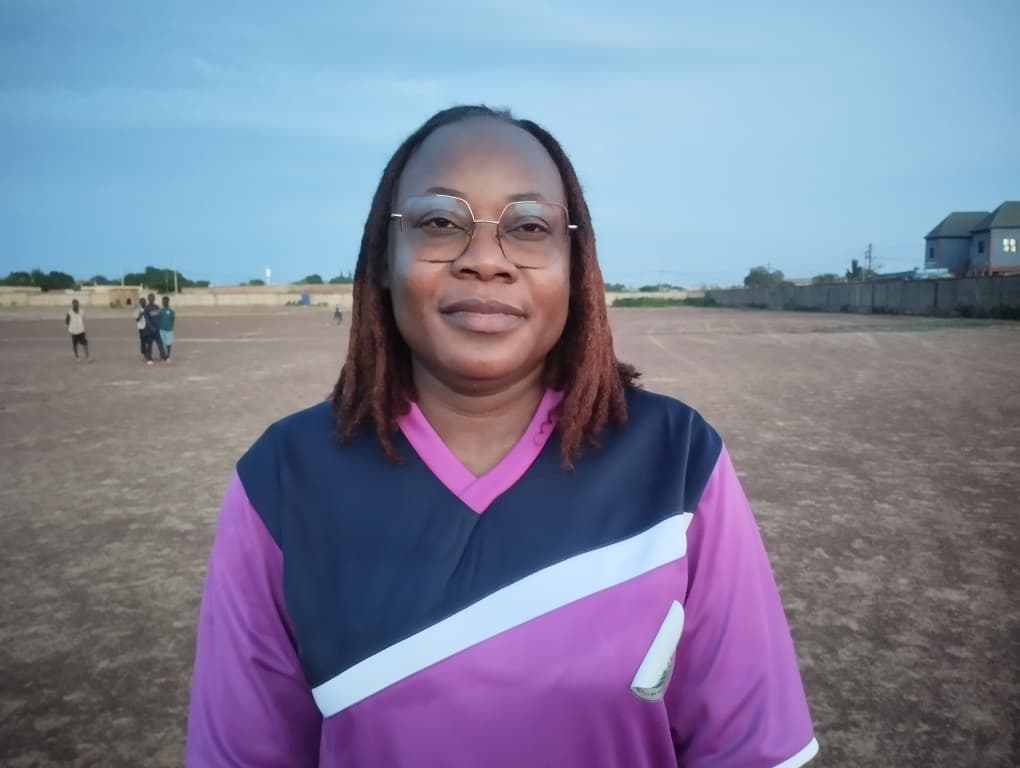
Béatrice Balkoulga/Soalla partage cette perception. Pour elle, le sport permet de « rester jeune », aussi bien physiquement que mentalement. Le fait de voir des femmes de plus de 40, 50 ou 60 ans participer aux séances constitue, à ses yeux, une source supplémentaire de motivation. Mais intégrer le sport dans une vie déjà chargée n'est pas toujours évident. Travail, famille, tâches domestiques : les journées sont parfois longues. Il faut donc apprendre à faire une place à cette activité. « Après le service, il faut rapidement gérer les activités de la maison avant de venir sur le terrain, donc il faut s'organiser », reconnaît-elle. Et quand une membre manque à l'appel, son absence ne passe pas toujours inaperçue.
De l'exercice physique à une véritable famille
Au fil des années, Béog Néré a progressivement dépassé le simple cadre d'un club de sport. Les participantes sont venues avec leurs corps à entretenir et sont finalement reparties avec des relations humaines à construire. La plupart habitent Karpala. D'autres viennent de quartiers plus éloignés.
Avant Béog Néré, certaines se croisaient à l'école des enfants, à l'église, à la mosquée ou dans le voisinage, sans véritablement se fréquenter. Le sport leur a offert un espace pour apprendre à se connaître. « Nous nous voyions dans le quartier, à l'école des enfants, à l'église, à la mosquée, on se saluait sans se côtoyer. Mais avec ce club, on se fréquente et on se rend mutuellement service. C'est un élan de solidarité qui est né », raconte l'initiatrice, Dr Gisèle Nongana/Yaméogo. Cette solidarité n'est pas seulement un discours. Elle s'est manifestée dans des moments difficiles, notamment lorsqu'un membre tombe malade ou traverse une situation sociale compliquée.
Mariam Bara Zèba en a fait l'expérience. Elle avait découvert le club presque par hasard, alors qu'elle faisait de la marche avec une belle-sœur. Les femmes réunies avec leur coach l'ont invitée à participer. Elle a accepté et, progressivement, le terrain est devenu un rendez-vous important. « J'avais des courbatures, des maux de genoux et l'articulation de la main gauche qui me faisait mal, mais avec le sport, ces maux ont disparu sans que je m'en rende compte. Notre coach aime dire que le sport est gratuit et que si on ne s'y met pas, cela coûtera cher d'aller voir un médecin », témoigne-t-elle.
Son attachement au club s'est surtout renforcé lorsqu'elle est tombée malade l'année dernière. Incapable d'enseigner pendant une grande partie de l'année, elle a reçu le soutien des autres membres. Elles ont pris de ses nouvelles, effectué une collecte, cherché des solutions et lui ont rendu visite. « J'avais les larmes aux yeux et tout le monde était content dans ma famille. Donc, il y a une bonne solidarité qui règne entre nous », confie-t-elle avec émotion. Cette histoire résume peut-être à elle seule ce qu'est devenu le club Béog Néré au fil des ans. Un endroit où l'on vient d'abord pour marcher, transpirer et travailler ses muscles, mais où l'on finit aussi par trouver des personnes sur lesquelles compter.
Yvette Ki Ouédraogo (à droite de l'image) et Mariam Bara Zèba (à gauche de l'image) apprécient l'ambiance et la solidarité du club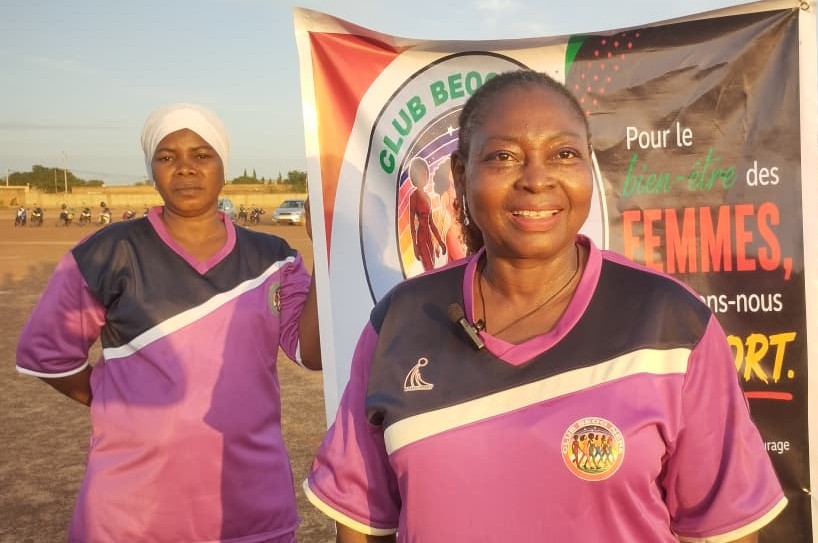
Adélaïde Emma Paré Ki, qui a intégré le club il y a deux ans parle, elle aussi, d'une « famille » créée au fil des séances. Les contraintes professionnelles et familiales l'empêchent parfois d'être présente, mais l'envie de retrouver le groupe finit souvent par prendre le dessus. « Ce n'est pas évident de trouver du temps entre le travail et la famille, mais tout dépend de la place que l'on accorde au sport dans sa vie. On se dit donc que rien ne peut être au-delà de son bien-être à travers le sport », estime-t-elle.
Béog Néré accueille ainsi des femmes aux profils très différents. Des femmes au foyer, enseignantes, juristes, médecins, infirmières et bien d'autres. L'absence de distinction participe à la convivialité du groupe. Une fois les tenues de sport enfilées, toutes se retrouvent avec le même objectif de bouger. Le club compte généralement entre une douzaine et une trentaine de participantes par séance. L'adhésion est fixée à 2 000 francs CFA, avec une contribution mensuelle de 1 000 francs CFA par personne. Une participation qui permet au groupe de fonctionner tout en maintenant l'activité accessible.
Béatrice Balkoulga Soalla, (à gauche de l'image) a décidé de faire du sport avant qu'un médecin ne lui conseille cela. Adélaïde Emma Paré Ki (à droite de l'image) a intégré le club il y a deux ans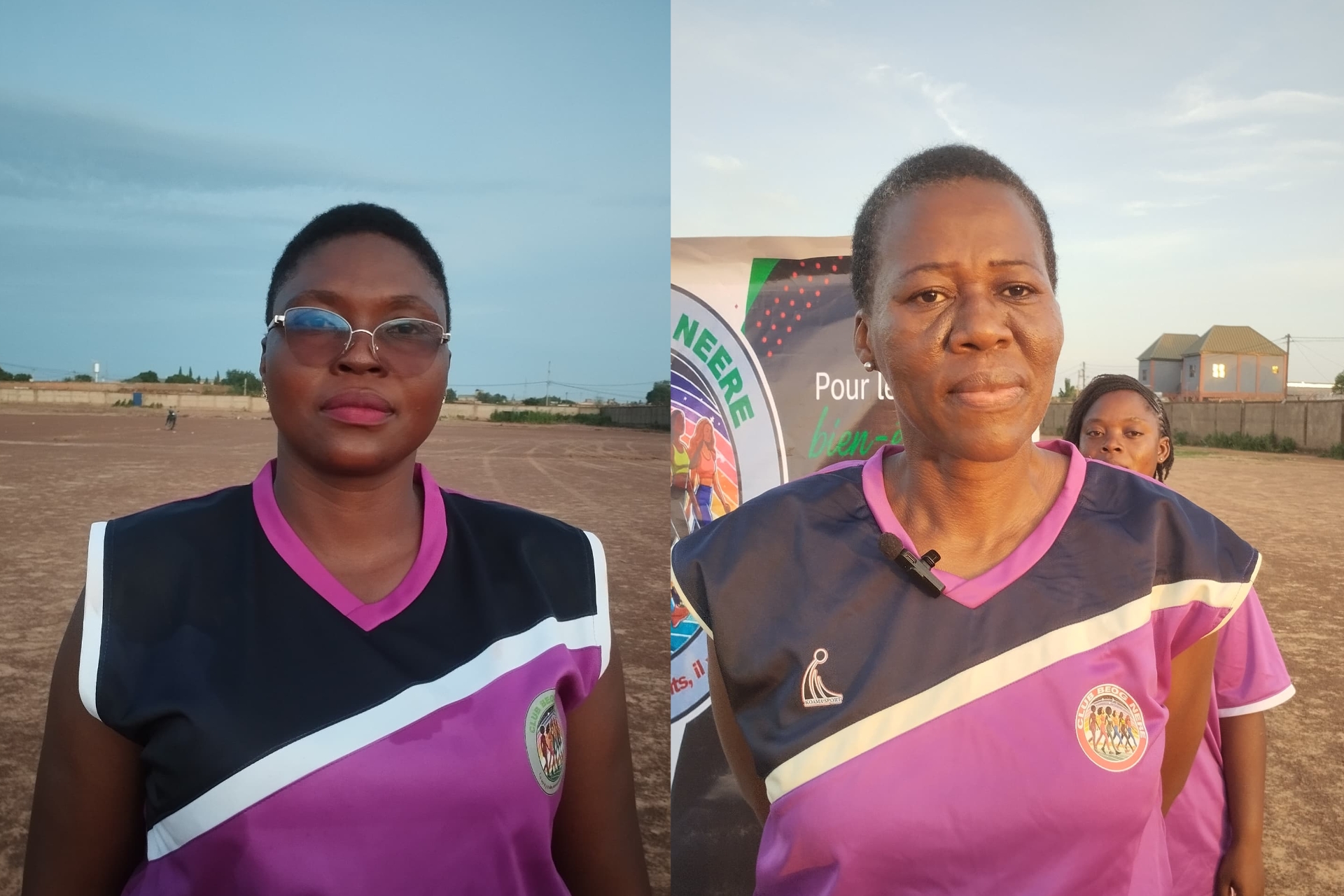
Pour Dr Gisèle Nongana Yaméogo, l'enjeu est désormais d'amener davantage de femmes à franchir le pas. La mobilisation reste parfois difficile. Certaines viennent une fois puis disparaissent, d'autres ont besoin d'être régulièrement relancées. Mais le groupe poursuit son travail de sensibilisation, notamment à travers les réseaux sociaux.
Son message aux femmes qui estiment ne pas avoir le temps ou les moyens de faire du sport est sans détour : il faut considérer l'activité physique comme une nécessité quotidienne. « À une femme qui dit qu'elle n'a pas le temps ou les moyens de faire du sport, je lui dis de considérer le sport comme la nourriture ou les nutriments bénéfiques au corps. Cela doit faire partie de notre quotidien et il faut faire l'effort de sortir bouger deux ou trois fois dans la semaine », plaide-t-elle.
Sur le terrain de l'AS Douanes, les femmes courent, marchent, rient, transpirent et recommencent les mouvements. Certaines arrivent fatiguées par leur journée de travail, mais repartent le visage détendu. Les difficultés du quotidien ne disparaissent évidemment pas au terme des deux heures de séance mais semblent toutefois plus légères à porter. Et lorsque le corps s'habitue au mouvement, son absence finit même par se faire sentir. « Là où il y a le mouvement, il y a la vie », aime rappeler l'initiatrice du club.
Ce 6 septembre 2026, le club Béog Néré a marqué ses six années d'existence durant lesquelles des femmes ont fait du terrain de sport un espace de bien-être, mais aussi un lieu de rencontres, d'entraide et de solidarité. Six années à marcher, courir, transpirer et surtout à avancer ensemble en toute positivité.
Farida Thiombiano
Lefaso.net
Categories: Afrique
Génération pressée : Le piège de la réussite à tout prix
Il fut un temps où l'on disait qu'il fallait semer avant de récolter. Aujourd'hui, beaucoup veulent surtout récolter avant même d'avoir acheté les semences. On veut réussir vite, très vite, immédiatement. On ne veut plus développer une entreprise, on veut devenir millionnaire avant même d'avoir trouvé ses premiers clients.
Les réseaux sociaux n'arrangent rien. Chaque jour, nous défilons devant des images de réussite de personnes qui exhibent voitures de luxe, voyages, villas, montres coûteuses et liasses de billets. Ce que nous voyons rarement, ce sont les années de travail, les sacrifices et les nuits blanches qui ont précédé ces succès. Beaucoup comparent donc leur premier chapitre au vingtième chapitre de quelqu'un d'autre.
Des jeunes diplômés rêvent de devenir directeurs après quelques mois de travail et certains entrepreneurs veulent des bénéfices avant même d'avoir compris leur marché. D'autres changent constamment de projet parce qu'ils estiment que le précédent ne produit pas de résultats assez vite.
Les grands sportifs et les artistes passent des années à s'entraîner et y ravaillent longtemps avant de devenir célèbres. Les entreprises solides mettent parfois plusieurs années avant d'atteindre leur vitesse de croisière. Même le baobab, symbole de force et de longévité, ne pousse pas en une saison des pluies.
C'est bien de vouloir réussir. C'est même une ambition légitime. Le problème est de croire qu'aller vite est souvent la meilleure chose à faire. Comme dirait l'autre, le temps n'est pas l'ennemi du succès ; il en est l'un des principaux ingrédients.
À vouloir aller trop vite, certains prennent des raccourcis dangereux. Personnellement, je me méfie des raccourcis. Que ce soit en circulation et dans la vie professionnelle. Arnaques, corruption ou enrichissement douteux prospèrent souvent sur cette obsession du résultat immédiat.
Paradoxalement, ceux qui finissent souvent par réussir durablement sont justement ceux qui acceptent la lenteur du processus. Ils comprennent qu'une réputation se construit et qu'une carrière se développe étape par étape.
Nous voulons tous réussir mais sommes-nous prêts à payer le prix du temps nécessaire à une réussite durable ?
Car après tout, si l'on peut préparer des omelettes en trois minutes, personne n'a encore trouvé le moyen de faire pousser un manguier en trois semaines. Et heureusement. Sinon, même les mangues auraient fini par perdre leur goût.
HFB
Lefaso.net
Categories: Afrique
Why Is China’s Officer Corps So Sprawling?
Not every People’s Liberation Army general commands troops.
Categories: Diplomacy & Crisis News
Lutte contre les fake news : La BCLCC se dote d'un studio pour renforcer la sensibilisation des internautes
La Brigade centrale de lutte contre la cybercriminalité (BCLCC) renforce son dispositif de prévention face aux menaces liées à l'utilisation du numérique. Un studio multimédia dédié à la production de contenus de sensibilisation a été inauguré, dans l'après-midi du mardi 8 septembre 2026, par le ministre de la Sécurité, Mahamadou Sana.
Cette nouvelle infrastructure se veut un outil de proximité pour mieux informer les populations sur les risques liés au numérique. Équipé de matériels audiovisuels modernes, le studio permettra notamment à la BCLCC de produire et de diffuser des contenus pédagogiques destinés à sensibiliser les citoyens.
La lutte contre les fausses informations figure au cœur des missions assignées à cette nouvelle plateforme. Des capsules audiovisuelles seront ainsi consacrées à la déconstruction des fake news et à la vérification de l'information, dans le but d'aider les internautes à développer de meilleurs réflexes face aux contenus qui circulent sur les réseaux sociaux.
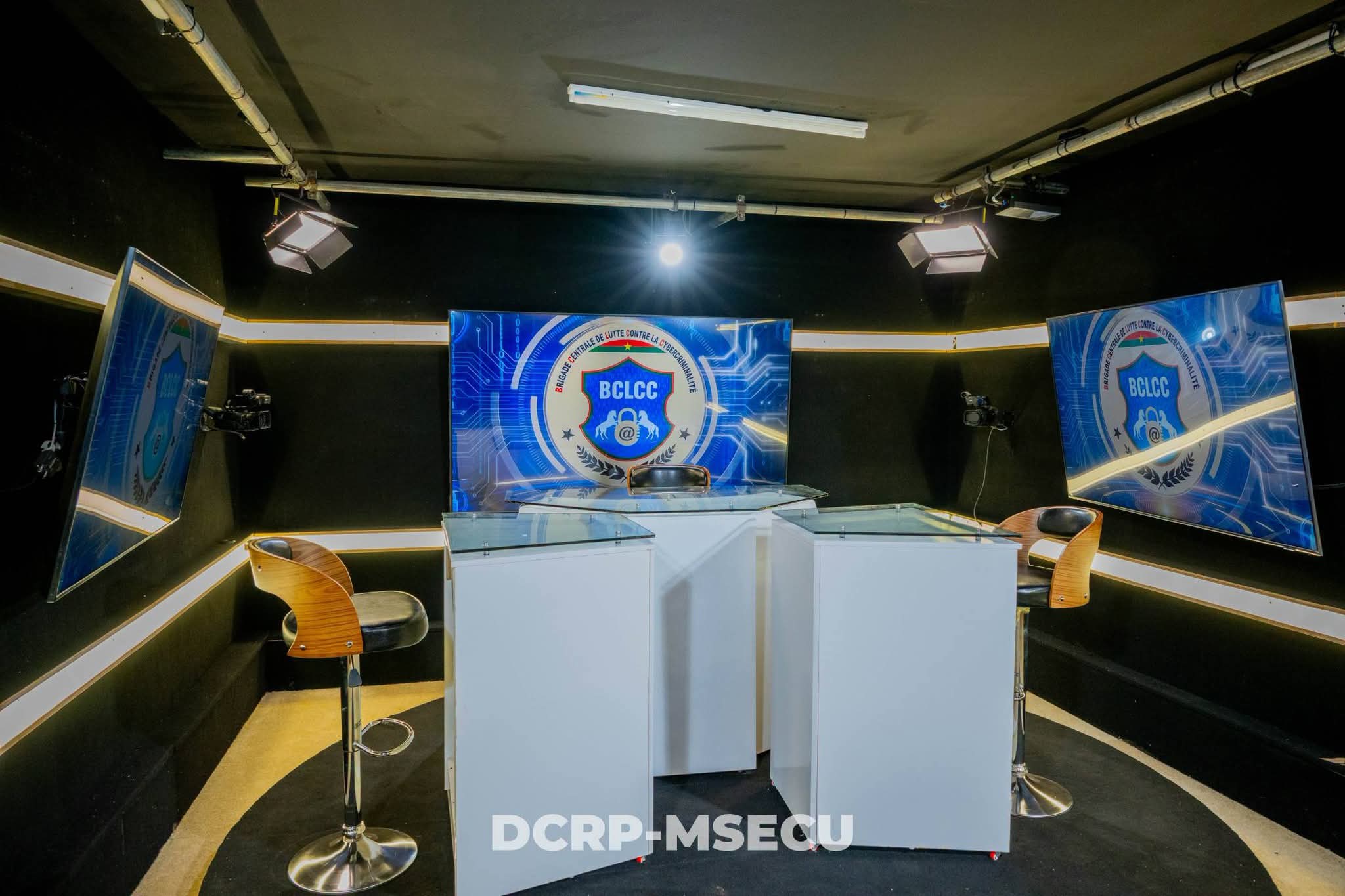
Au-delà de la désinformation, le studio servira également à aborder différentes problématiques liées à la cybersécurité. Les populations pourront être sensibilisées aux risques auxquels elles s'exposent dans leur utilisation quotidienne des outils numériques, mais aussi aux comportements à adopter pour mieux protéger leurs données et leurs comptes.
Pour la BCLCC, cette initiative répond à la nécessité d'adapter la lutte contre la cybercriminalité à l'évolution rapide des usages numériques. La prévention et l'éducation apparaissent ainsi comme des moyens essentiels pour réduire la vulnérabilité des citoyens face aux différentes menaces en ligne.
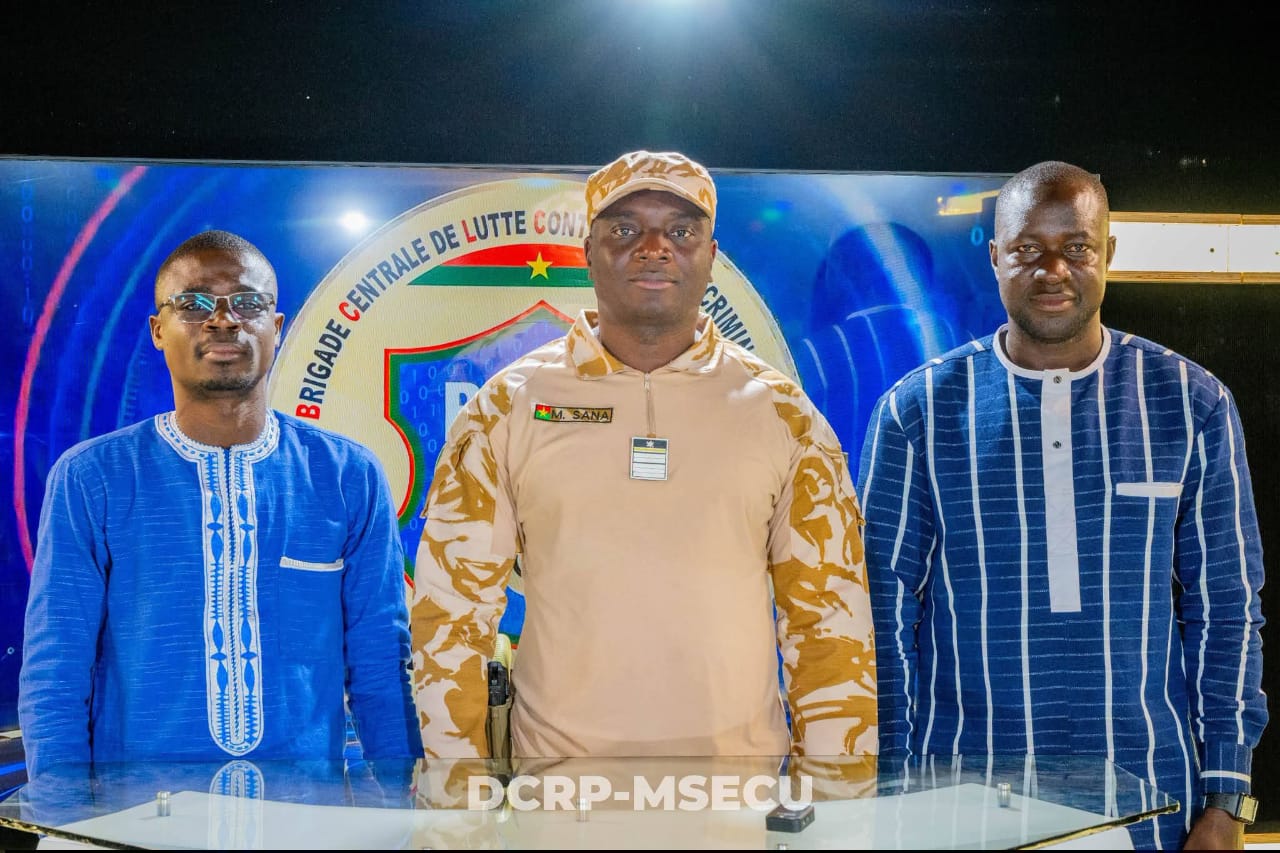
À travers des contenus accessibles et adaptés aux réalités des populations, la brigade entend également promouvoir une utilisation plus responsable des technologies de l'information et de la communication.
L'objectif est de favoriser l'émergence d'une véritable culture de cybersécurité et de renforcer la vigilance collective.
Lefaso.net
Source : Page facebook du ministère de la Sécurité
Categories: Afrique
Ouagadougou : La mairie appelle au respect des règles encadrant la formation des cortèges
Le Président de la délégation spéciale de la commune de Ouagadougou, Maurice Konaté appelle les citoyens au strict respect de la réglementation relative à la formation des cortèges. Dans un communiqué, il dit constater que certaines personnes, pourtant bénéficiaires d'une autorisation, ne respectent pas les dispositions prévues à cet effet.
La mairie de Ouagadougou rappelle que la formation et la circulation des cortèges dans la commune sont encadrées par l'arrêté N°2024-270/CO/M/CAB/DAJC du 12 décembre 2024, portant réglementation des cortèges dans la commune de Ouagadougou.
L'arrêté .limite les cortèges de mariage à un maximum de dix véhicules. Dans ce contexte, le président de la délégation spéciale invite l'ensemble de la population à observer scrupuleusement les termes de l'arrêté en vigueur.
Cet appel intervient alors que les autorités nationales et locales multiplient les initiatives visant à renforcer la sécurité des populations.
La mairie insiste ainsi sur la responsabilité de chaque citoyen dans le respect des règles encadrant les cortèges. Pour les autorités municipales, le respect de ces dispositions participe à la préservation de l'ordre et de la sécurité dans la capitale.
Le Président de la délégation spéciale dit compter sur « le sens élevé de responsabilité de tous » pour assurer une meilleure application de la réglementation.
Lefaso.net
Categories: Afrique
Berlin Is Shedding Light on the Gray Zone
Are European countries finally ready to publicly call out Russian sabotage?
Categories: Diplomacy & Crisis News
Burkina Faso : BELLUNIC, la marketplace qui connecte vendeurs et consommateurs
BELLUNIC est une marketplace mobile qui met en relation les vendeurs locaux et les consommateurs au Burkina Faso. La plateforme propose une interface simple, des solutions de paiement adaptées au contexte local et un système de suivi des livraisons en temps réel. Dans cet entretien accordé à Lefaso.net, découvrez le fonctionnement de cette solution et la vision pour le développement du commerce en ligne au Burkina Faso.
Categories: Afrique
Are Yemen and Saudi Arabia Returning to All-Out War?
Houthi strikes risk adding a new front to the Iran conflict.
Categories: Diplomacy & Crisis News
Burkina : Ibrahim Traoré à Bobo-Dioulasso pour inaugurer deux infrastructures stratégiques
Le président du Faso, le capitaine Ibrahim Traoré, est arrivé à Bobo-Dioulasso ce mardi 8 septembre 2026. Ce, pour l'inauguration de deux infrastructures majeures. Il s'agit notamment du complexe industriel Textile des forces du Burkina Faso (TEXFORCES-BF) et d'un nouvel amphithéâtre de 1 200 places à l'Université Nazi-Boni.
La première étape de ce séjour sera consacrée à l'inauguration du complexe industriel de textile des Forces du Burkina Faso, TEXFORCES-BF. Selon la direction de la communication de la présidence du Faso, cette infrastructure est présentée comme une installation stratégique et unique en Afrique de l'Ouest. Le complexe aura notamment pour vocation de produire des effets d'habillement destinés aux Forces de défense et de sécurité (FDS), mais également aux populations civiles. Sa mise en service s'inscrit ainsi dans une dynamique de développement de la production locale et de renforcement des capacités industrielles nationales.
Outre le volet industriel, le séjour présidentiel sera également marqué par un passage dans le domaine de l'éducation. Le président inaugurera un nouvel amphithéâtre de 1 200 places à l'Université Nazi-Boni.
Cette infrastructure a été construite dans le cadre de l'Initiative présidentielle pour une Éducation de qualité pour tous (IPEQ). Elle a, par ailleurs, été équipée par des artisans locaux, mettant ainsi en avant la contribution du savoir-faire national à la réalisation des infrastructures publiques.
Lefaso.net
Categories: Afrique
Wefafa : la super-app « made in Burkina » qui connecte clients, commerçants et livreurs, jusque sur WhatsApp
Commander un repas, ouvrir une boutique en ligne ou gagner sa vie comme livreur : à Ouagadougou et à Bobo-Dioulasso, Wefafa s'impose progressivement comme un acteur incontournable du commerce et de la livraison digitale. Lancée en mars 2026, la plateforme imaginée, conçue et développée au Burkina Faso par trois jeunes Burkinabè compte déjà plus de 1 100 boutiques, 900 livreurs et 2 500 livraisons. Elle est téléchargeable gratuitement sur l'App Store et sur Google Play.
Livraison express, marketplace, paiement sécurisé : Wefafa (www.wefafa.app) réunit sur une seule interface les quatre maillons du commerce de proximité : l'expéditeur, le commerçant, le client et le livreur. Mais sa première particularité n'est pas technique. Elle est d'ici. Derrière la plateforme, pas de multinationale ni de solution importée : trois jeunes Burkinabè qui ont fait le pari de construire, depuis Ouagadougou, l'outil numérique dont le commerce du pays avait besoin. Officiellement lancée en mars 2026, Wefafa n'a mis que quelques mois à trouver son public.
Une réponse burkinabè à des réalités burkinabè
Ce choix n'est pas anodin. Les grandes plateformes internationales arrivent avec des modèles pensés ailleurs, pour d'autres villes, d'autres habitudes de paiement, d'autres façons de commander. Wefafa, elle, a été construite à partir du terrain : les quartiers de Ouagadougou et de Bobo-Dioulasso, le Mobile Money comme moyen de paiement naturel, WhatsApp comme outil de travail quotidien, et des milliers de commerçants sans vitrine numérique. Résultat, en à peine six mois d'existence : plus de 4 000 produits référencés, 1 100 boutiques actives et 900 livreurs mobilisés pour plus de 2 500 livraisons réalisées.
Deuxième particularité : point besoin d'installer une application. Wefafa mise sur Fafa IA, un assistant intelligent conçu localement et directement accessible sur WhatsApp. Il comprend une demande formulée en langage naturel, à l'écrit comme à l'oral, et oriente l'utilisateur vers le bon service : envoi d'un colis, commande d'un repas ou suivi d'une livraison en temps réel. La preuve que l'intelligence artificielle peut aussi se concevoir au Burkina Faso, par des Burkinabè, pour les Burkinabè.
Pour les expéditeurs : un colis envoyé en une phrase
Envoyer un colis se résume désormais à une conversation. Il suffit de décrire son besoin à Fafa IA, par exemple « je veux envoyer un colis à Tampouy », de partager le point de retrait, et un coursier du quartier est aussitôt mobilisé, tarif annoncé immédiatement. La plateforme propose aussi la livraison groupée, pour expédier plusieurs colis en une seule course et réduire les coûts, et la réception groupée, qui rassemble les achats faits auprès de plusieurs boutiques en une livraison unique. Chaque envoi est suivi en temps réel, avec la géolocalisation du livreur.
Pour les commerçants : les outils des grandes enseignes, entre les mains de nos boutiquiers
C'est le cœur du projet : donner aux commerçants burkinabè, de l'artisan à la boutique de prêtà-porter, les moyens numériques jusqu'ici réservés aux grandes marques. En quelques minutes, chaque marchand ouvre sa boutique en ligne, disponible 24h/24, sans compétence technique particulière. S'y ajoutent plusieurs leviers commerciaux :
• le live shopping, pour vendre en direct, présenter ses produits et interagir avec son audience ;
• les ventes flash, pour créer l'urgence et écouler rapidement ses stocks ;
• les stories, pour publier ses nouveautés au quotidien, à la manière d'un statut WhatsApp ;
• la livraison intégrée, qui décharge le commerçant de toute la logistique : un livreur récupère et livre la commande à sa place ;
• le paiement sécurisé, avec encaissement par Mobile Money.
Awa T., qui tient une boutique de prêt-à-porter à Ouagadougou, a ouvert la sienne en dix minutes et reçoit désormais des commandes même lorsque son magasin physique est fermé. Une illustration concrète de la promesse de Wefafa : la technologie au service de tous les commerçants du pays, pas seulement des grandes enseignes.
Pour les clients : acheter, suivre, recevoir, sans complications
Côté acheteurs, l'expérience se veut simple et rassurante : parcourir les boutiques, suivre les nouveautés publiées près de chez soi, participer aux sessions de live shopping en commentant en direct, et payer en toute sécurité via Mobile Money. Le suivi de la livraison en temps réel, avec géolocalisation du coursier, répond à une frustration bien connue en Afrique de l'Ouest : devoir relancer plusieurs fois pour savoir où en est sa commande. Un problème que Boukary S., client à Bobo-Dioulasso, dit ne plus connaître. Et chaque achat sur Wefafa a une vertu supplémentaire : l'argent reste dans l'économie burkinabè, chez un commerçant d'ici, livré par un jeune d'ici.
Pour la diaspora : faire plaisir au pays, depuis n'importe où
Les Burkinabè de l'extérieur ne sont pas oubliés. Wefafa est pensée pour les grandes villes où la diaspora est la plus présente : Abidjan, Moscou, New York, Paris, Rome. Depuis l'une de ces villes ou d'ailleurs, un membre de la diaspora peut parcourir les boutiques sur www.wefafa.app, commander un pagne, un panier de vivres ou un cadeau d'anniversaire, et le faire livrer directement chez sa mère à Ouagadougou ou chez un frère à Bobo-Dioulasso. Le paiement se règle directement depuis l'étranger par PayPal, ou par Mobile Money pour ceux qui ont gardé un compte au pays, et la livraison se suit en temps réel, à des milliers de kilomètres.
Les sessions de live shopping sont ouvertes à tous, et Fafa IA répond sur WhatsApp quel que soit le pays d'où l'on écrit.
Fini l'argent envoyé « pour faire les courses » sans savoir ce qu'il devient : la diaspora choisit elle-même ce qu'elle offre, achète chez un commerçant burkinabè et fait travailler un livreur du quartier. Une manière concrète de rester connecté au pays et de soutenir son économie, même à distance.
Pour les livreurs : un revenu flexible, dans son propre quartier
Wefafa mobilise chaque jour des centaines de courses à Ouagadougou et à Bobo-Dioulasso, ouvertes à des livreurs qui choisissent librement leurs horaires. Pour ce vivier de plus de 900 coursiers, trois arguments : des revenus garantis, des horaires flexibles et une communauté soudée entre livreurs. Idrissa O., livreur à Ouagadougou, résume l'intérêt du modèle : la liberté de choisir ses courses et un paiement fiable, pour un revenu complémentaire bienvenu dans un pays où l'emploi des jeunes reste un enjeu majeur. À sa manière, Wefafa transforme le numérique en emplois concrets pour la jeunesse burkinabè.
Un savoir-faire numérique aussi mis au service des entreprises
Au-delà de la plateforme elle-même, l'équipe qui a conçu et développé Wefafa met son expertise technique à la disposition d'autres structures. Entreprises, ONG, institutions ou administrations qui souhaitent se doter de leur propre système informatique, application mobile ou site internet peuvent s'appuyer sur ce même savoir-faire, éprouvé à l'échelle d'une plateforme qui traite aujourd'hui des milliers de commandes. Une preuve supplémentaire qu'une expertise numérique de haut niveau peut se construire, se garder et se louer depuis le Burkina Faso.
Une ambition : une économie locale dynamisée par un numérique local
Au-delà des chiffres, Wefafa porte une conviction : le Burkina Faso peut concevoir ses propres outils numériques plutôt que de dépendre de plateformes venues d'ailleurs. Chaque commande passée irrigue le commerce local, chaque livraison crée un revenu pour un jeune du quartier, et chaque boutique ouverte en ligne offre à un commerçant une visibilité qu'il n'aurait pas eue seul.
La plateforme elle-même a été conçue et développée ici, par des Burkinabè, pour des Burkinabè. C'est le pari de ses trois fondateurs : mettre l'intelligence artificielle et le digital, longtemps réservés aux grandes entreprises, entre les mains de chaque commerçant, chaque client et chaque livreur du pays. Six mois après son lancement, le pari est en bonne voie. Consommer local, c'est aussi choisir des outils numériques locaux.
Et l'ambition ne s'arrête pas à la frontière. Conçue par des Burkinabè, pour des Burkinabè, Wefafa se pense déjà comme un outil plus large : un numérique pensé pour l'Afrique, par des Africains, à mesure que la plateforme s'ouvrira aux pays voisins.
Wefafa est accessible via l'application mobile, le site www.wefafa.app, ou directement par message WhatsApp à l'assistant Fafa IA au +226 04 78 04 11. Informations et support : +226 04 68 59 59. Paiement par Mobile Money ou PayPal. La plateforme est actuellement déployée à Ouagadougou et à Bobo-Dioulasso.
Téléchargement direct : wefafa.app/telecharger
Wefafa
Fafa IA sur WhatsApp : +226 04 78 04 11 · Informations et support : +226 04 68 59 59 Source : Wefafa, www.wefafa.app
Categories: Afrique
Football : La Ligue des champions est de retour
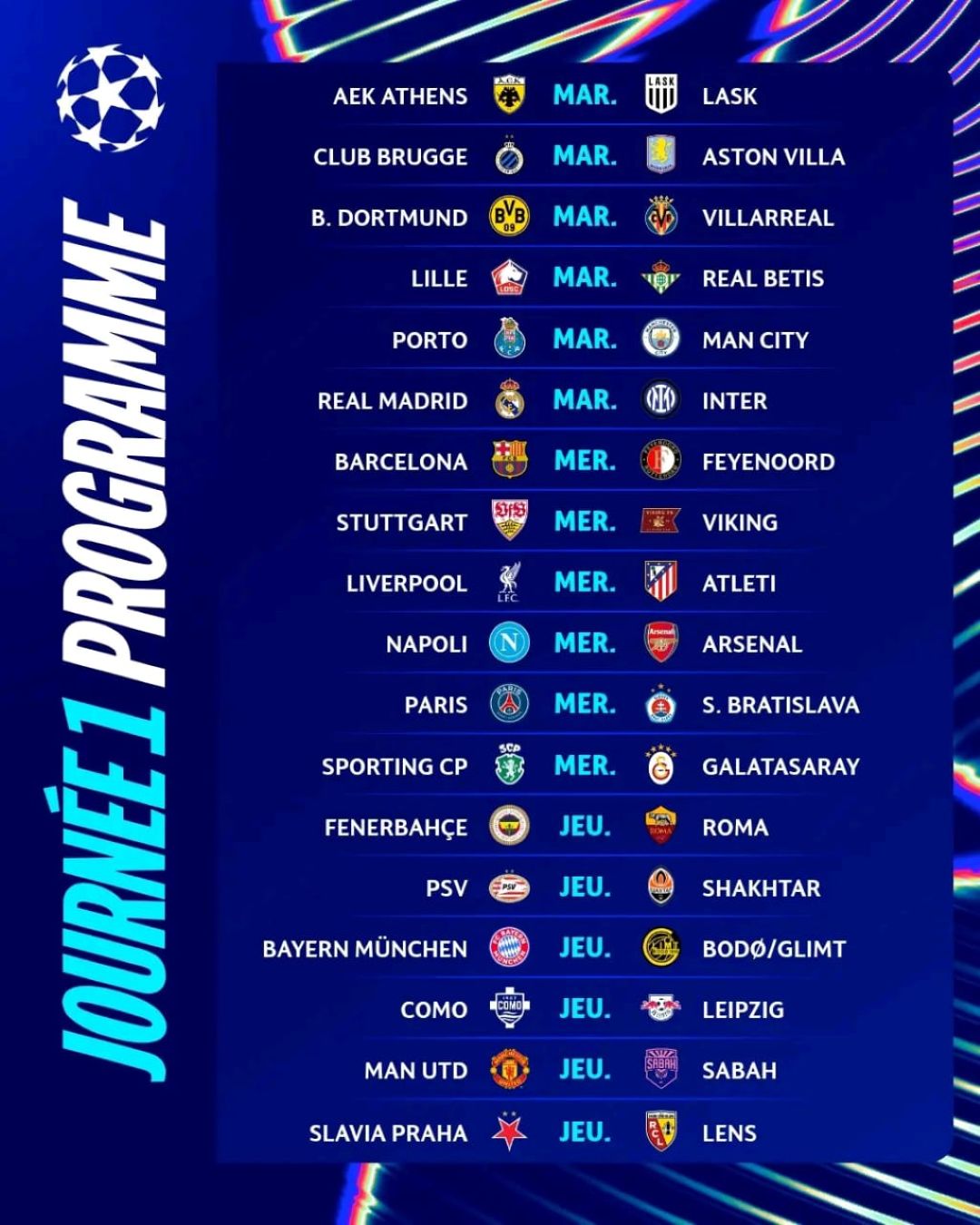
Cette semaine débute l'une des plus grandes compétitions de football au monde. C'est parti pour une nouvelle saison de fortes émotions, de suspense et de désillusion. Les 36 équipes en lice connaissent chacune leurs huit adversaires pour la première partie de la compétition, qui s'achèvera le 27 janvier 2027.
Dès ce mardi 8 au jeudi 10 septembre 2026, le football européen retient son souffle. Les meilleures équipes du continent vont retrouver les pelouses de la Ligue des champions de l'UEFA pour une nouvelle campagne qui s'annonce particulièrement palpitante. Après une première saison sous sa nouvelle formule, la Ligue des champions poursuit son aventure à 36 équipes. Finis les traditionnels groupes de quatre équipes. Désormais, toutes les formations sont réunies dans un classement unique.
Chaque équipe dispute huit rencontres durant la phase de ligue, quatre à domicile et quatre à l'extérieur, face à huit adversaires différents. À l'issue de cette phase, les huit premiers du classement obtiennent directement leur billet pour les huitièmes de finale.
Les équipes classées de la 9ᵉ à la 24ᵉ place devront quant à elles passer par les barrages pour espérer poursuivre leur parcours européen. Pour les formations classées au-delà de la 24ᵉ place, l'aventure prend fin. Cette nouvelle formule promet donc une bataille acharnée dès les premières journées. Chaque point pourrait compter au moment de faire les comptes.
Les cadors européens à l'assaut du trophée
Comme chaque saison, plusieurs grandes équipes européennes figurent parmi les prétendants naturels au sacre. Le FC Barcelone, le Real Madrid, le Bayern ou encore le Paris Saint-Germain sont notamment les clubs habitués aux grands rendez-vous continentaux, avec leurs effectifs riches en stars et leur expérience des soirées européennes. Le Real Madrid, l'incontournable et véritable habitué de la compétition, est très attendu par des milliers de fans à travers le monde.
Avec son histoire exceptionnelle en Ligue des champions, le club espagnol vient cette année avec une grande ambition ; celle du 16ᵉ titre. Mais cette compétition réserve souvent des surprises. Une équipe moins attendue peut rapidement bousculer les pronostics grâce à une série de bons résultats. C'est aussi ce qui fait le charme de cette compétition. En Ligue des champions, le statut de favori ne garantit jamais la victoire.
Des stars et des affiches très attendues
Cette nouvelle édition sera également l'occasion de suivre de près les performances des grandes stars du football mondial. Lamine Yamal et Raphael Dias Belloli, dit Raphinha du FC Barcelone, Kylian Mbappé du Real Madrid ou encore Ousmane Dembélé du Paris Saint-Germain, qui sont les attaquants les plus attendus, les milieux de terrain et les défenseurs les plus talentueux du continent européen, seront appelés à répondre présents dans les moments décisifs.
Les supporters, eux, attendent surtout les grandes affiches. Ces rencontres entre clubs historiques constituent souvent les moments les plus marquants de la compétition. Dans des stades remplis sous une pression maximale, chaque erreur peut coûter cher et chaque exploit peut entrer dans l'histoire. Pour les joueurs, la Ligue des champions représente également une vitrine exceptionnelle. Une bonne campagne européenne peut permettre à certains de confirmer leur statut, tandis que de jeunes talents peuvent profiter de cette scène pour se révéler aux yeux du monde.
Qui succédera aux Parisiens ?
Avant d'arriver au rendez-vous ultime, prévu le 5 juin 2027 au Metropolitano de Madrid, les prétendants devront franchir plusieurs obstacles. De la phase de ligue aux huitièmes de finale, puis aux quarts et aux demi-finales, le chemin vers le sacre sera long et semé d'embûches. Une chose est certaine. Entre ambitions, rivalités, surprises et pression, la Ligue des champions s'annonce une nouvelle fois comme un spectacle à ne pas manquer. Les projecteurs sont allumés, les stades sont prêts et les supporters sont impatients. La musique de la Ligue des champions va de nouveau résonner.
Ismael Ouédraogo (stagiaire)
Lefaso.net
Categories: Afrique
Gestion de ressources publiques en Afrique : Au Gabon, la Cour des comptes à la traque de 1 700 milliards de FCFA auprès de 600 personnes
Affirmer, sans une étude consacrée, que la gabegie dans la gestion des ressources publiques est l'un des principaux maux qui minent l'aspiration au développement en Afrique, n'est pas un crime de lèse-majesté. Tout porte à croire que l'administration et les ressources de l'Etat sont des biens dont il faut profiter et se servir à volonté, à proportion que l'occasion se présente. L'actualité au Gabon depuis ce lundi 7 septembre 2026 relance le débat sur le sujet, un véritable serpent de mer. Dans un rapport qu'il a rendu public, la Cour des comptes lance le recouvrement de 1 700 milliards de FCFA auprès de 600 personnes et entreprises et ce, dans un délai d'un mois.
A son arrivée au pouvoir, en août 2023, le président gabonais, Brice Clotaire Oligui Nguema, a fait le ‘'serment'' d'une gouvernance de rupture, appuyée surtout par la répression contre les pratiques de corruption et assimilés, l'indiscipline, le laxisme, etc. À l'occasion de l'inauguration du Palais des conférences, en mai 2026, le président Oligui Nguema réitérait la « tolérance zéro » comme un point fondamental de sa gouvernance. Descentes sur le terrain, visites inopinées, instructions fermes, discours axés sur la souveraineté et le panafricanisme…caractérisent la gouvernance. Elle s'illustre encore par cette « vaste offensive judiciaire » contre les figures emblématiques de l'ancien régime, dont Sylvia Bongo et Noureddin Bongo, épouse et fils de l'ancien président Ali Bongo, inculpés pour détournement de fonds publics, blanchiment et corruption. A cela, et entre autres, s'ajoute l'annonce en octobre 2025, de l'ouverture d'enquêtes et d'audits au sein de toutes les régies financières du pays dans le cadre de la « lutte contre l'impunité au sein de l'administration publique ».
C'est dans ce contexte que le premier président de la Cour des comptes du Gabon a d'abord révélé, lundi, 7 septembre 2026, que 1 700 milliards de FCFA de débets et d'amendes courent dans la nature avant d'annoncer qu'un délai de grâce d'un mois est accordé à toutes les personnes ou entreprises impliquées dans les fonds « détournés durant les 20 dernières années » et qui n'ont jamais été recouvrés par l'État, malgré la mise en débet des intéressés, indique gabonactu.com.
« Lors d'un plateau spécial sur la chaîne publique Gabon 24, Alex Euv Moutsiangou s'est montré intraitable : le délai court à partir de ce lundi 7 septembre et s'épuise le 7 octobre prochain. Passé ce délai, le dossier sera transmis à un juge répressif qui traduira les intéressés devant la Cour criminelle spéciale. Selon le premier président de la Cour des comptes, les détournements ont été effectués par des comptables publics et des ordonnateurs de crédits, c'est-à-dire des ministres, des maires et des présidents d'assemblées départementales. S'y ajoutent des entreprises privées qui ont été payées sans avoir réalisé le travail pour lequel elles ont encaissé l'argent public. Les détournements ne se sont pas produits en une seule année : certains remontent à vingt ans, a-t-on appris », relaie le média.
Environ 600 dossiers de personnes physiques et d'entreprises sont concernés et après des contrôles, les intéressés avaient été mis en débet. Une autre source a, selon le média, confié qu'un seul débiteur doit à l'État 800 milliards de FCFA, soit près de la moitié des 1 700 milliards non recouvrés.
Selon la loi gabonaise, précise gabonactu.com, il n'y a pas de prescription en matière de mise en débet. En cas de décès de la personne principale, le débet passe à sa succession jusqu'à la quatrième génération. Pour les entreprises en faillite, la procédure est également très longue. Le liquidateur porte une responsabilité importante dans ses actes. Si la faillite totale est constatée par le tribunal, la procédure peut s'éteindre par un passage aux écritures en pertes et profits, renseigne le confrère gabonais sur ce sujet qui est partagé par de nombreux Etats africains.
O.L
Lefaso.net
Categories: Afrique
Burkina : La Douane saisit plus de 23 tonnes de riz avarié et un important lot de matériels sensibles à Bobo-Dioulasso
Ce mardi 8 septembre 2026, le drapeau national s'est élevé dans le ciel du Bureau principal des douanes de Bobo-Gare, au rythme solennel du Ditanyè. Face aux couleurs, une conviction s'est imposée : dans un Burkina Faso engagé dans la reconquête de son territoire et l'affirmation de sa souveraineté, chaque institution a une part de la Patrie à défendre.
Présidée par le directeur général des Douanes, l'inspecteur divisionnaire des douanes Yves Kafando, la cérémonie de montée des couleurs a ouvert une journée placée sous le signe de la vigilance douanière, de la protection des populations et de la contribution de la Douane à l'effort national de sécurité.
À l'issue de la cérémonie, plus de 23 tonnes de riz avarié, saisies par le Bureau principal des douanes de Bobo-Gare, ont été présentées à la presse. Derrière ces milliers de kilogrammes de denrées impropres à la consommation se cachait une menace silencieuse. Ce riz aurait pu se retrouver dans les assiettes de milliers de familles, d'enfants et de personnes vulnérables, exposant ainsi leur santé à de graves risques. En retirant ces produits du circuit commercial, les agents des Douanes n'ont donc pas seulement intercepté une marchandise irrégulière : ils ont prévenu un risque sanitaire majeur et protégé des vies.
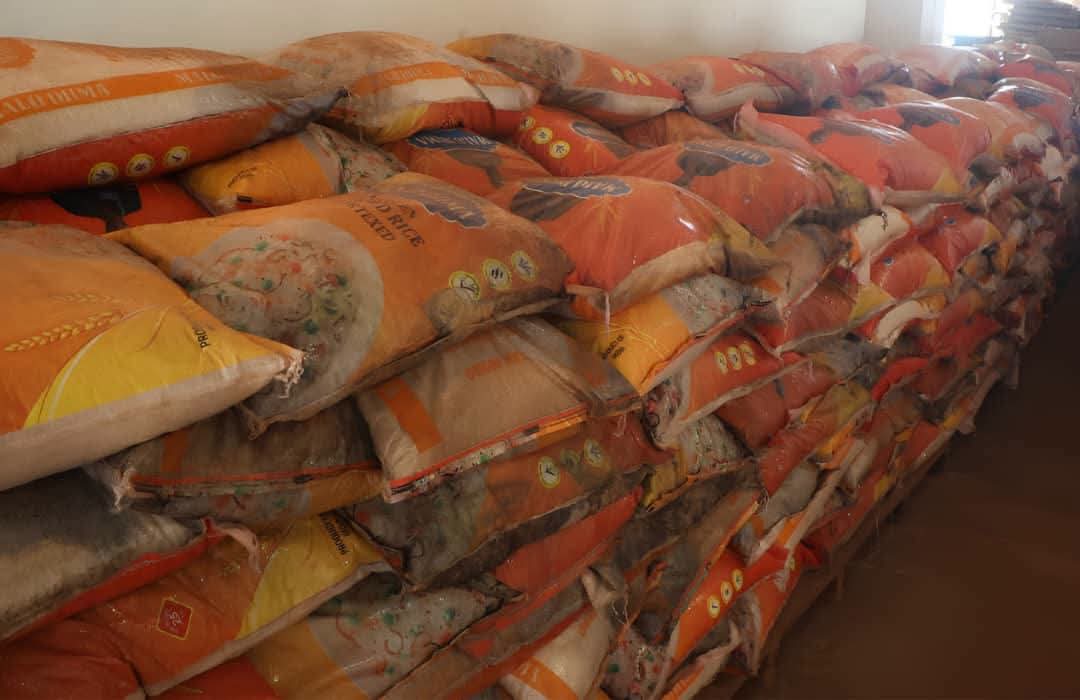
Cette saisie rappelle que la fraude ne prive pas uniquement l'État de recettes indispensables. Elle peut aussi porter directement atteinte à la santé, à la dignité et à la sécurité des citoyens.
Dans un contexte national déjà éprouvé, empêcher la circulation de denrées avariées, c'est éviter qu'une menace sanitaire ne vienne s'ajouter aux défis sécuritaires que notre pays s'emploie résolument à surmonter.
Après Bobo-Gare, cap a été mis sur la Brigade mobile des douanes de Bobo, où s'est déroulée la remise officielle à l'armée d'un important lot de matériels sensibles saisis par cette unité.
Le ministre de l'Économie et des Finances, Dr Aboubacar Nacanabo, a remis au ministre d'État, ministre de la Guerre et de la Défense patriotique, le général de division Célestin Simpore, 2 013 bâtons d'explosifs, 47 rouleaux de cordons détonants, 3 284 détonateurs électriques, 107 équipements de connexion satellitaire Starlink, quatre boîtiers de fibre optique, un rouleau de câble de connexion, 172 paires de chaussures de sécurité et 7 500 litres d'essence. La nature et l'importance de ces saisies donnent toute la mesure de l'enjeu. Entre de mauvaises mains, les explosifs et leurs accessoires peuvent devenir des instruments de destruction, tandis que les équipements de communication peuvent être détournés au profit de réseaux criminels organisés. Leur interception constitue ainsi bien plus qu'une performance douanière : elle représente des capacités dangereuses retirées des circuits illicites et des menaces potentielles neutralisées.
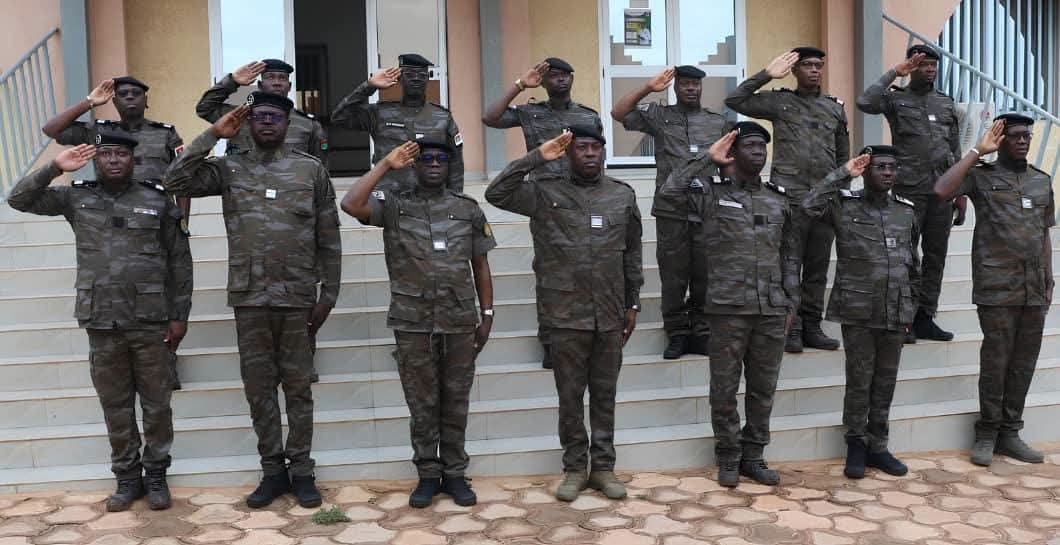
Cette remise symbolise l'union d'action des institutions de l'État autour d'une même mission : protéger la Nation. Chaque explosif intercepté est une menace de moins contre la Patrie. Chaque produit avarié retiré du marché est un danger écarté pour les populations. Chaque saisie réussie renforce la ligne de défense du Burkina Faso.
Derrière ces résultats se trouvent des agents qui observent, contrôlent, enquêtent et interviennent, parfois dans des conditions difficiles et au péril de leur vie.
Pour le directeur général des douanes, sa présence aux côtés de ces agents traduit la reconnaissance de l'Administration pour le travail accompli. Elle vise également à les féliciter et à les encourager à redoubler d'engagement afin de servir toujours mieux le Peuple intègre qui leur a confié cette noble mission.
Il a rappelé que la douane n'est pas seulement une administration chargée de mobiliser les recettes publiques. Elle est aussi une sentinelle de la santé publique, un rempart contre les trafics et un acteur déterminant de la défense nationale.
Lefaso.net
Source : Page facebook des douanes
Categories: Afrique
Avis de recrutement de deux (02) Responsables d'Unités Techniques (UT).
L'Alliance pour le Biodigesteur en Afrique de l'Ouest et du Centre (AB.AOC) dont le siège est basé à Ouagadougou (Burkina Faso), est un établissement public international issu de la coopération inter Etats pour renforcer la lutte contre le changement climatique grâce à la diffusion à grande échelle de la technologie du biodigesteur, qu'il soit domestique, semi-industriel et industriel.
Le Cabinet Compétence Recrutement Intérim (C.R.I) a été mandaté pour accompagner le Secrétariat Exécutif dans le processus de recrutement de deux (02) Responsables d'Unités Techniques (UT).
Intitulé des postes
Responsable de l'Unité Technique : Développements Scientifiques, Socio-économiques et Institutionnels
Nbre
01
Responsabilités, qualifications, compétences et aptitudes
FORMATION :
– Être titulaire d'un diplôme de niveau BAC+5 en ingénierie (énergie, sciences appliquées ou disciplines connexes).
EXPERIENCE PROFESSIONNELLE :
– Être un(e) expert(e) senior disposant d'au moins cinq années d'expérience professionnelle ;
– Avoir une expérience confirmée en ingénierie commerciale, démontrant des aptitudes avérées à concevoir, piloter et diriger des projets de recherche-action et de R&D appliquée.
Intitulé des postes
Responsable de l'Unité Technique :
Gestion Administrative, Financière et Comptable
Nbre
01
Responsabilités, qualifications, compétences et aptitudes
FORMATION :
– Être titulaire d'un diplôme de niveau BAC+5 (Master 2) en Comptabilité, Finances ou disciplines connexes.
EXPERIENCE PROFESSIONNELLE :
– Être un(e) expert(e) senior, justifiant d'au moins cinq (5) années d'expérience avérée dans des fonctions similaires ;
– Avoir une expérience professionnelle démontrant l'exercice de responsabilités significatives dans une ou plusieurs organisations opérant au niveau international ou régional.
CONDITIONS GENERALES :
• Lieu d'affectation : Ouagadougou (Burkina Faso) ;
• Nature du contrat : Contrat de travail à durée indéterminée avec une période d'essai de trois mois ;
• Nationalité : Les postulants doivent être ressortissants des pays membres de l'AB.AOC ;
• Autre : Salaire attractif et autres avantages.
• Les candidatures féminines sont encouragées.
COMPOSITION DU DOSSIER :
Les candidats intéressés doivent joindre la version PDF des documents ou la copie scannée des documents légalisés :
Une lettre de motivation, datée et signée adressée au Secrétaire Exécutif ;
Un curriculum vitae sincère avec le contact de trois (03) références professionnelles ;
Une copie légalisée du diplôme exigé ;
Un certificat de nationalité ;
Une copie non légalisée des certificats ou attestations de travail relative aux postes de travail mentionnés dans le CV.
COMMENT POSTULER : Les candidats (es) intéressés(es) sont priés(es) de créer leur compte candidat et postuler via la plateforme www.criburkina.com en cliquant sur le poste concerné et joindre tous les documents exigés en version PDF. Les documents autres que le CV, le diplôme, le certificat de nationalité et la lettre de motivation doivent être scannés en un seul fichier.
PROCEDURE DE SELECTION : Présélection sur dossier et phase de sélection
DATE LIMITE DE DEPOT : Jeudi 08 Octobre 2026
Pour toute information complémentaire, contacter le cabinet C.R.I au +226 25 47 64 01 / +226 51 22 46 39 aux heures d'ouverture des bureaux 7h30 à 12h30 et 15h30 à 17h30 (GMT).
Categories: Afrique
Nouveauté ! Le Faso Loto 5/90, c'est désormais tous les jours du lundi au dimanche
Categories: Afrique
Europäische Zentralbank Aufgaben: Ein Überblick
Mit der Europäischen Zentralbank Aufgaben den Überblick zu behalten, ist für das Verständnis des Finanzsystems im Euroraum entscheidend. Als Schlüsselinstitution der Eurozone hat die EZB zentrale Verantwortlichkeiten, welche die Stabilität und Funktionalität der gemeinsamen Währung gewährleisten. Zu den Kernaufgaben zählen unter anderem die Sicherstellung der Preisstabilität, die Kontrolle von Inflationsraten sowie die Festlegung und Anpassung von Zinssätzen.
Darüber hinaus spielt Sie eine wesentliche Rolle bei der Verwaltung der Währungsreserven und bietet wertvolle Analysen wirtschaftlicher und währungsrelevanter Entwicklungen an. Durch die sorgfältige Überwachung der Bankenaufsicht und des Risikomanagements trägt die EZB maßgeblich zur Stabilisierung des europäischen Bankensystems bei.
Das Wichtigste in Kürze- Die EZB sichert Preisstabilität mit einer Inflationsrate unter 2%.
- Zinssatzfestlegungen der EZB beeinflussen den Geldfluss und wirtschaftliche Stabilität.
- Durch Analysen überwacht die EZB Wirtschafts- und Währungsentwicklungen.
- Die EZB kontrolliert die Bankenaufsicht und Risikomanagement.
- Stabile Zahlungssysteme und finanzielle Integration im Euroraum sind EZB-Ziele.
Eine der Hauptaufgaben der Europäischen Zentralbank (EZB) ist es, die Preisstabilität zu sichern und die Inflation unter Kontrolle zu halten. Um dies zu erreichen, verfolgt die EZB das Ziel, die jährliche Inflationsrate im Euroraum bei knapp unter 2% zu halten. Dies hilft, das Vertrauen in die Währung zu bewahren und fördert ein stabiles wirtschaftliches Umfeld.
Dazu mehr: Allianz Vermögensbildung Europa: Ihre Optionen
Zinssätze festlegen und Währungsreserven verwalten Europäische Zentralbank Aufgaben: Ein ÜberblickDie Europäische Zentralbank hat die wichtige Aufgabe, Zinssätze festzulegen, um wirtschaftliche Stabilität zu gewährleisten. Durch die Steuerung der Zinssätze kann die EZB den Geldfluss im Euroraum beeinflussen und somit auf Inflationsentwicklungen reagieren.
Ein weiterer zentraler Aspekt ist das Verwalten der Währungsreserven des Eurosystems. Dies beinhaltet den Kauf und Verkauf von Fremdwährungen sowie Gold, um den Wechselkurs des Euro zu stabilisieren und Vertrauen in die Währung zu stärken.
Die Europäische Zentralbank spielt eine entscheidende Rolle bei der Sicherstellung der Preisstabilität im Euroraum, was für das Vertrauen in unsere gemeinsame Währung unerlässlich ist. – Mario Draghi
Analyse der Wirtschafts- und WährungsentwicklungenDie Europäische Zentralbank ist dafür verantwortlich, die Wirtschafts- und Währungsentwicklungen im Euroraum zu analysieren. Dies beinhaltet eine detaillierte Beobachtung von Indikatoren wie Wachstum, Beschäftigung und Inflation. Durch regelmäßige Analysen kann die EZB sicherstellen, dass Sie auf Veränderungen in der Wirtschaft zeitnah reagieren kann. Besonders die Ermittlung möglicher Risiken spielt eine zentrale Rolle. Diese Informationen sind entscheidend, um fundierte finanzpolitische Entscheidungen zu treffen und so langfristig Preisstabilität zu garantieren.
Bankenaufsicht und Risikomanagement überwachenDie Europäische Zentralbank trägt eine erhebliche Verantwortung im Bereich der Bankenaufsicht. Ihre Aufgabe besteht darin, sicherzustellen, dass die europäischen Banken solide und widerstandsfähig sind. Dies geschieht durch strenge Überprüfungen und Kontrollen. Ein wichtiger Bestandteil dieser Arbeit ist die Überwachung des Risikomanagements. Banken müssen über effektive Mechanismen verfügen, um Risiken zu identifizieren, zu bewerten und entsprechend zu steuern. Die EZB achtet darauf, dass diese Prozesse ordnungsgemäß funktionieren und greift ein, wenn Schwachstellen entdeckt werden. Durch diese Maßnahmen wird das Vertrauen in das Finanzsystem gestärkt.
Zum Weiterlesen: Inseln in Europa: Paradiese entdecken
.table-responsiv {width: 100%;padding: 0px;margin-bottom: 0px;overflow-y: hidden;border: 1px solid #DDD;overflow-x: auto;min-height: 0.01%;} Aufgabe Beschreibung Bedeutung Preisstabilität sichern Die jährliche Inflationsrate im Euroraum knapp unter 2% halten. Erhält das Vertrauen in die Währung und fördert ein stabiles wirtschaftliches Umfeld. Zinssätze festlegen Festlegung und Steuerung der Zinssätze im Euroraum. Beeinflusst den Geldfluss und reagiert auf Inflationsentwicklungen. Bankenaufsicht Überwachung der Banken und deren Risikomanagementsysteme. Stellt sicher, dass Banken solide und widerstandsfähig sind und stärkt das Vertrauen in das Finanzsystem. Finanzsystemstabilität gewährleisten Finanzsystemstabilität gewährleisten – Europäische Zentralbank Aufgaben: Ein ÜberblickDie Europäische Zentralbank (EZB) spielt eine entscheidende Rolle bei der Gewährleistung der Finanzsystemstabilität. Durch die kontinuierliche Überwachung und Analyse finanzieller Risiken kann Sie vorbeugend Maßnahmen ergreifen, um Systemausfälle zu verhindern. Ihre Fähigkeit, schnell auf finanzielle Turbulenzen zu reagieren, trägt dazu bei, dass das Vertrauen in das Finanzsystem erhalten bleibt.
Zum Weiterlesen: Der größte Campingplatz Europas: Ein Abenteuer
Effiziente Abwicklung von ZahlungssystemenDie effiziente Abwicklung von Zahlungssystemen spielt eine zentrale Rolle in der Funktionsweise moderner Volkswirtschaften. Die Europäische Zentralbank ist dafür verantwortlich, dass Transaktionen innerhalb des Euro-Währungsgebiets reibungslos und sicher durchgeführt werden können. Hierzu zählt die Verwaltung und Weiterentwicklung verschiedener Zahlungssysteme, damit Banken sowie Privatpersonen Zahlungen zeitnah und zuverlässig abwickeln können.
Finanzielle Integration im Euroraum fördernUm die finanzielle Integration im Euroraum zu fördern, arbeitet die Europäische Zentralbank daran, Hindernisse abzubauen und eine nahtlose Verbindung der Finanzmärkte in den Mitgliedstaaten sicherzustellen. Dies ermöglicht nicht nur einen freien Kapitalfluss und verstärkt die Stabilität des Finanzsystems, sondern auch ein wirtschaftliches Wachstum innerhalb Europas. Die Harmonisierung von Regulierungen und Standards spielt hierbei eine zentrale Rolle.
Nationale Zentralbanken koordinieren und unterstützenDie Europäische Zentralbank hat die Aufgabe, nationale Zentralbanken zu koordinieren und zu unterstützen. Dies bedeutet, dass Sie sicherstellt, dass alle beteiligten Banken Ihre Funktionen in Einklang mit den gemeinsamen Zielen der Eurozone erfüllen. Die EZB arbeitet eng mit diesen Institutionen zusammen, um eine reibungslose Umsetzung der geldpolitischen Maßnahmen zu gewährleisten. Zudem führt Sie regelmäßige Konsultationen und Informationsaustausche durch, um eine einheitliche Vorgehensweise zu fördern. Dabei spielt die „i“wichtige Rolle„/i“ des Kommunikationsflusses zwischen den nationalen Zentralbanken eine „b“besondere Bedeutung„/b“.
FAQ: Antworten auf häufig gestellte Fragen Wie unabhängig ist die Europäische Zentralbank in ihren Entscheidungen? Die Europäische Zentralbank ist in ihren Entscheidungen völlig unabhängig und lässt sich von keinen Regierungen der Mitgliedstaaten oder anderen Institutionen beeinflussen. Diese Unabhängigkeit ist in den EU-Verträgen festgeschrieben und soll sicherstellen, dass die EZB Ihre geldpolitischen Ziele unvoreingenommen verfolgt. Welche Instrumente nutzt die EZB, um Preisstabilität zu gewährleisten? Die EZB nutzt verschiedene geldpolitische Instrumente, um Preisstabilität zu gewährleisten. Zu den wichtigsten zählen die Festlegung der Leitzinsen, Offenmarktgeschäfte, Mindestreserveanforderungen und gezielte längerfristige Refinanzierungsgeschäfte (TLTROs). Wie wird die Arbeit der EZB überwacht? Die Arbeit der Europäischen Zentralbank wird sowohl intern als auch extern überwacht. Intern gibt es verschiedene Kontrollmechanismen und Ausschüsse, die sicherstellen, dass alle Prozesse ordnungsgemäß ablaufen. Extern überprüft der Europäische Rechnungshof die Haushaltsführung der EZB, und das Europäische Parlament hat ein Aufsichtsrecht. Was ist das Eurosystem und wie unterscheidet es sich von der EZB? Das Eurosystem besteht aus der Europäischen Zentralbank und den nationalen Zentralbanken der EU-Mitgliedstaaten, die den Euro eingeführt haben. Die EZB ist die zentrale Institution dieses Systems. Das Eurosystem setzt die gemeinsame Geldpolitik der Eurozone um, während die EZB die Koordination und zentrale Leitung übernimmt. Bietet die EZB Unterstützung für Mitgliedsländer in finanziellen Schwierigkeiten? Ja, die EZB kann in Zusammenarbeit mit anderen europäischen Institutionen, wie dem Europäischen Stabilitätsmechanismus (ESM), Maßnahmen zur Unterstützung von Mitgliedsländern in finanziellen Schwierigkeiten ergreifen. Dazu gehören zum Beispiel Finanzhilfen und Programme zur Stabilisierung der nationalen Wirtschaft. Welche Rolle spielt die EZB bei der Bekämpfung von Finanzkrisen? Die EZB spielt eine zentrale Rolle bei der Bekämpfung von Finanzkrisen durch die Bereitstellung von Liquidität, die Senkung von Zinssätzen und die Durchführung von Notfallmaßnahmen. Zudem koordiniert Sie mit anderen internationalen Finanzinstitutionen, um die Stabilität des globalen Finanzsystems zu sichern. Wie wird der Präsident der Europäischen Zentralbank gewählt? Der Präsident der Europäischen Zentralbank wird vom Europäischen Rat ernannt, der aus den Staats- und Regierungschefs der EU-Mitgliedstaaten besteht. Die Amtszeit beträgt acht Jahre und kann nicht verlängert werden. Der Kandidat oder die Kandidatin muss zuvor auch vom Europäischen Parlament und dem Rat der Wirtschafts- und Finanzminister (ECOFIN) gehört werden. Wie fördert die EZB den Umweltschutz und die Nachhaltigkeit? Die EZB fördert den Umweltschutz und die Nachhaltigkeit durch die Einbindung klimabezogener Risiken in Ihre geldpolitischen Analysen und die Prüfung umweltfreundlicher Investitionen. Zudem setzt Sie sich für die Entwicklung von Finanzinstrumenten ein, die auf ökologische Nachhaltigkeit ausgerichtet sind, wie z.B. grüne Anleihen.Der Beitrag Europäische Zentralbank Aufgaben: Ein Überblick erschien zuerst auf Neurope.eu - News aus Europa.
Categories: European Union
Décès de Kafando/Zagré Cécile : Remerciements
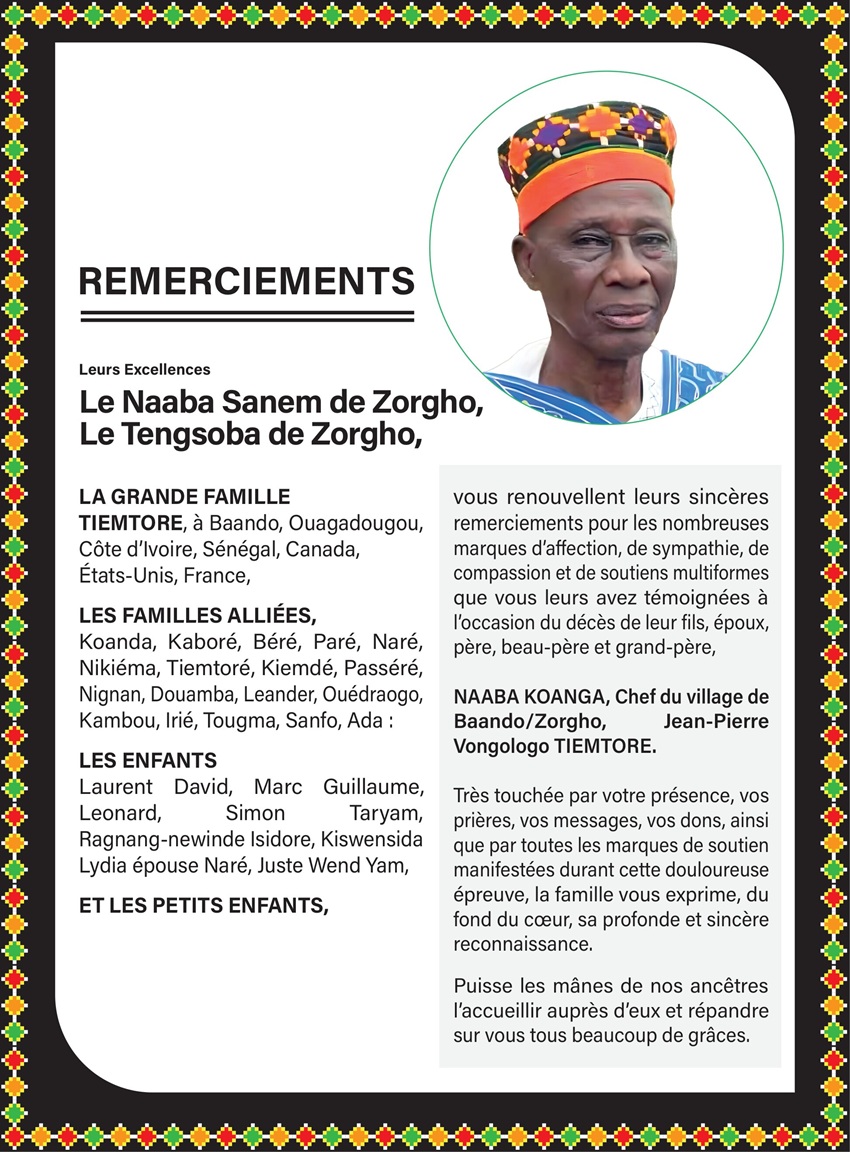
Les grandes familles Kafando, Zagré, Ouedraogo, Congo, Sawadogo.
Les familles alliées : Namoano, Semdé , Roux, Neya, konvolbo, Kan, Kaboré, Ouédraogo, Diénderé,
Les enfants : Dieudonné, Ludovic, Roch Reine, Placide, Angelina, Carine, Josiane, Hermann , Elodia,
Les petits enfants, arrières petits enfants ,
très touchés par les nombreuses marques de sympathie, de solidarité, de soutien moral, matériel, spirituel et financier, lors du rappel à Dieu de leur épouse, mère, grand mère , arrière grand mère,
Mme Kafando/Zagré Cécile.
Vous adressent leurs sincéres remerciements et disent merci à tous ceux qui, de près ou de loin, ont pris part aux obsèques qui se sont déroulés les 2 et 3 septembre à Somgandé et à Toudoubweogo.
Elles vous prient de trouver ici l'expression de leur profonde reconnaissance.
Que le tout puissant vous le rende au centuple.
Merci infiniment. Union de priére et d'espérance pour le repos de son âme.
Categories: Afrique
Fraude à l’importation de voitures : la Gendarmerie lance un avis de recherche
Un simple numéro WhatsApp doté d’un indicatif étranger est au cœur d’une nouvelle affaire de fraude. La Gendarmerie nationale de Tizi Ouzou vient de rendre […]
L’article Fraude à l’importation de voitures : la Gendarmerie lance un avis de recherche est apparu en premier sur .
Categories: Afrique
Pages



© 2012-2018 Europa Varietas Foundation © 2015-2018 Europa Varietas Association
www.europavarietas.org | info(@)europavarietas(dot)org | Switzerland




We are looking for sponsors for the English translation of these books, please contact turkeandras(at)gmail(dot)com