
Vous êtes ici
Agrégateur de flux
„Schulter an Schulter“ gegen China?
Die Allianz zwischen den Philippinen und den USA im Indopazifik
Catégories: Diplomacy & Defense Think Tank News
Slovaquie : le parlement adopte un amendement anti-LGBT à la constitution
Malgré de vives critiques de l’opposition et d’institutions internationales, le parlement slovaque a adopté une modification de la Constitution défavorable aux personnes LGBT et faisant primer le droit national sur le droit européen.
The post Slovaquie : le parlement adopte un amendement anti-LGBT à la constitution appeared first on Euractiv FR.
Catégories: Union européenne
OSCE Mission delivers advanced criminal analysis training for Kosovo Police
598120
Maid Konjhodžić
Edita Buçaj
Prishtinë / Priština, 26 September 2025
As part of its efforts to strengthen the analytical and operational capacity of the Kosovo Police, from 23 to 25 September, the OSCE Mission in Kosovo delivered an advanced training on criminal analysis to 20 analysts from the Department of Intelligence and Analysis and other analytical units within the Kosovo Police. The course aimed to enhance their ability to identify, assess, and respond to complex criminal activity by applying the advanced techniques in criminal behaviour analysis.
Participants explored a range of specialized topics, including competing hypotheses, crime pattern analysis, financial analysis, psychological profiling, and intelligence gathering and dissemination. The training emphasized a multidisciplinary approach, incorporating modern technology and innovative methodologies to strengthen crime prevention and investigative outcomes.
Delivered through expert-led lectures, practical exercises, case studies, and group discussions, the training offered hands-on experience in applying analytical tools to real-world criminal scenarios. Participants learned to develop and test hypotheses, detect crime patterns, and gain a deeper understanding of criminal motivations.
“Enhancing the analytical capabilities of the Kosovo Police is a key to advancing intelligence-led policing,” said Ambassador Gerard McGurk, Head of the OSCE Mission in Kosovo.
“This training contributes to more effective investigations, supports public safety, and underscores our strong partnership and shared commitment to building a modern, responsive, and professional police service,” he added.
The skills gained will support enhanced operational decision-making, improved investigative accuracy, and more effective crime prevention strategies.
This initiative reflects the OSCE Mission’s continued commitment to supporting Kosovo’s law enforcement institutions in building professional, accountable, and community-oriented policing services.
Catégories: Central Europe
Le Premier ministre belge opposé à l’utilisation des avoirs russes gelés pour aider Kiev
Le Premier ministre belge a rejeté la proposition visant à utiliser les avoirs de la Banque centrale de Russie immobilisés dans l’UE afin de financer le « prêt de réparation » récemment annoncé par la Commission pour aider l’Ukraine.
The post Le Premier ministre belge opposé à l’utilisation des avoirs russes gelés pour aider Kiev appeared first on Euractiv FR.
Catégories: Union européenne
United States : Director of CIA's OSINT centre set to depart
Intelligence Online understands that Randy Nixon will leave his post as Director of Open Source Enterprise (OSE), the CIA's open [...]
Catégories: Defence`s Feeds
L’accord entre l’UE et l’Inde sur les aliments traditionnels n’est pas à l’ordre du jour pour 2025
Dans le cadre de l'accord sur les indications géographiques, qui a été séparé de l'accord commercial plus large en 2022, l'UE devrait également protéger les produits traditionnels indiens, notamment le riz basmati.
The post L’accord entre l’UE et l’Inde sur les aliments traditionnels n’est pas à l’ordre du jour pour 2025 appeared first on Euractiv FR.
Catégories: Union européenne
Laboratorios urbanos más allá de Europa: conformación y contextualización de la gobernanza climática experimental en cinco ciudades latinoamericanas
El laboratorio urbano (LU) es un enfoque de gobernanza experimental para la creación conjunta de soluciones innovadoras a los desafíos urbanos como el cambio climático. Los estudios sobre los laboratorios urbanos han pasado por alto la conformación de laboratorios como un proceso diferenciado y han basado su análisis casi exclusivamente en los casos europeos. Por ello, se sabe poco acerca de la influencia que las condiciones del contexto ejercen en la conformación de los laboratorios en general y fuera de Europa en particular. Para abordar este vacío, el presente estudio analiza en forma inductiva la conformación de LU en cinco ciudades situadas en Argentina, Brasil y México, desarrolla un marco para el análisis comparativo, y plantea la siguiente pregunta: ¿Qué nos dicen los desafíos encontrados y las soluciones desarrolladas durante la conformación de los LU en estas ciudades acerca de la dependencia del contexto; qué consecuencias y limitaciones genera esa dependencia con respecto a su potencial desarrollo fuera de Europa? Comparando las experiencias europeas con las conclusiones alcanzadas respecto de América Latina, el estudio responde a estos interrogantes e identifica preguntas para investigaciones futuras.
Catégories: Diplomacy & Defense Think Tank News
Laboratorios urbanos más allá de Europa: conformación y contextualización de la gobernanza climática experimental en cinco ciudades latinoamericanas
El laboratorio urbano (LU) es un enfoque de gobernanza experimental para la creación conjunta de soluciones innovadoras a los desafíos urbanos como el cambio climático. Los estudios sobre los laboratorios urbanos han pasado por alto la conformación de laboratorios como un proceso diferenciado y han basado su análisis casi exclusivamente en los casos europeos. Por ello, se sabe poco acerca de la influencia que las condiciones del contexto ejercen en la conformación de los laboratorios en general y fuera de Europa en particular. Para abordar este vacío, el presente estudio analiza en forma inductiva la conformación de LU en cinco ciudades situadas en Argentina, Brasil y México, desarrolla un marco para el análisis comparativo, y plantea la siguiente pregunta: ¿Qué nos dicen los desafíos encontrados y las soluciones desarrolladas durante la conformación de los LU en estas ciudades acerca de la dependencia del contexto; qué consecuencias y limitaciones genera esa dependencia con respecto a su potencial desarrollo fuera de Europa? Comparando las experiencias europeas con las conclusiones alcanzadas respecto de América Latina, el estudio responde a estos interrogantes e identifica preguntas para investigaciones futuras.
Catégories: Diplomacy & Defense Think Tank News
Laboratorios urbanos más allá de Europa: conformación y contextualización de la gobernanza climática experimental en cinco ciudades latinoamericanas
El laboratorio urbano (LU) es un enfoque de gobernanza experimental para la creación conjunta de soluciones innovadoras a los desafíos urbanos como el cambio climático. Los estudios sobre los laboratorios urbanos han pasado por alto la conformación de laboratorios como un proceso diferenciado y han basado su análisis casi exclusivamente en los casos europeos. Por ello, se sabe poco acerca de la influencia que las condiciones del contexto ejercen en la conformación de los laboratorios en general y fuera de Europa en particular. Para abordar este vacío, el presente estudio analiza en forma inductiva la conformación de LU en cinco ciudades situadas en Argentina, Brasil y México, desarrolla un marco para el análisis comparativo, y plantea la siguiente pregunta: ¿Qué nos dicen los desafíos encontrados y las soluciones desarrolladas durante la conformación de los LU en estas ciudades acerca de la dependencia del contexto; qué consecuencias y limitaciones genera esa dependencia con respecto a su potencial desarrollo fuera de Europa? Comparando las experiencias europeas con las conclusiones alcanzadas respecto de América Latina, el estudio responde a estos interrogantes e identifica preguntas para investigaciones futuras.
Catégories: Diplomacy & Defense Think Tank News
Retrait de la CPI, attaque de drone au Soudan, victoire du "oui" en Guinée : l'hebdo Afrique
Catégories: Afrique
The European Union and OSCE concluded a “Tactical Field Capacity Building” course for Tajikistan’s Border Troops in GBAO
598114
Munira Shoinbekova, OSCE Programme Office in Dushanbe
The four-week training, held from 25 August to 19 September 2025 at the Border Troops Detachment in Khorog region, is part of the third phase of the EU-funded project “Stabilization of Tajikistan’s Southern Border Region with Afghanistan.”
Led by experienced national instructors, the course covered a wide range of operational topics, including topography, first aid related to battlefield injuries, tactical patrolling, national border regulations, gender awareness, risk assessment, and patrol report writing.
The curriculum also included specialized modules on international human rights commitments, focusing on the rights and treatment of detainees and refugees. In partnership with UNICEF and UNHCR trainers, participants received practical insights into working with adult and child migrants, as well as exposure to international best practices in border security.
This initiative demonstrates the continued commitment of the European Union and the OSCE to strengthen Tajikistan’s border security and institutional capacity through comprehensive, locally driven training programmes.
Catégories: Central Europe
Les eurodéputés interpellent la Commission sur la coordination de la lutte antifraude
Les eurodéputés ont interpellé le commissaire au Budget, Piotr Serafin, sur la réorganisation proposée du budget pluriannuel de l’UE et sur la coordination entre les deux principaux organismes chargés de la lutte anti-fraude et la corruption. Si la Commission affirme vouloir améliorer l’efficacité et la transparence, plusieurs élus pointent des risques d’affaiblissement du contrôle et demandent plus de clarté sur la répartition des responsabilités.
The post Les eurodéputés interpellent la Commission sur la coordination de la lutte antifraude appeared first on Euractiv FR.
Catégories: Union européenne
Donald Trump annonce une nouvelle série de droits de douane sur les médicaments et brouille l’accord commercial UE-États-Unis
Plusieurs grands fabricants de médicaments européens ont déjà annoncé leur intention d'investir aux États-Unis et pourront ainsi bénéficier d'exemptions sur les droits de douane.
The post Donald Trump annonce une nouvelle série de droits de douane sur les médicaments et brouille l’accord commercial UE-États-Unis appeared first on Euractiv FR.
Catégories: Union européenne
The European Union and OSCE conclude “Organization of Border Security” course for the Border Troops of the Republic of Tajikistan
598102
Munira Shoinbekova, OSCE Programme Office in Dushanbe
The three-week course took place from 1 to 19 September 2025 in Khorog, Gorno-Badakhshan Autonomous Region (GBAO) under the framework of the EU-funded project “Stabilization of Tajikistan’s Southern Border Region with Afghanistan.”
Facilitated by experienced national instructors, the training enhanced participants’ skills in problem solving, command and control, briefing techniques, information and risk management, gender awareness, mission and exercise planning, as well as the control, execution, and understanding of decision-making processes in border security operations.
In addition, participants took part in interactive sessions delivered by UNHCR and UNICEF experts, focusing on international protection standards, child-sensitive approaches, and best practices in working with migrants and refugees.
This activity reflects the joint commitment of the European Union and the OSCE to strengthening Tajikistan’s border management capacities and supporting sustainable, locally led approaches to security and institutional development.
Catégories: Central Europe
Justice in Action: Beyond Promises to Progress
Event Video
Photos
Photos

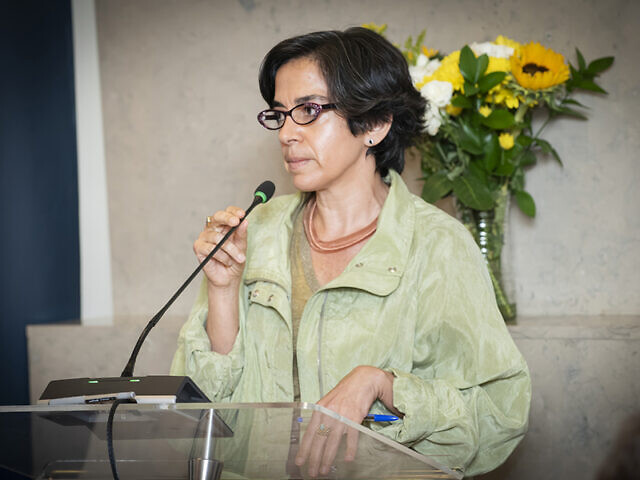
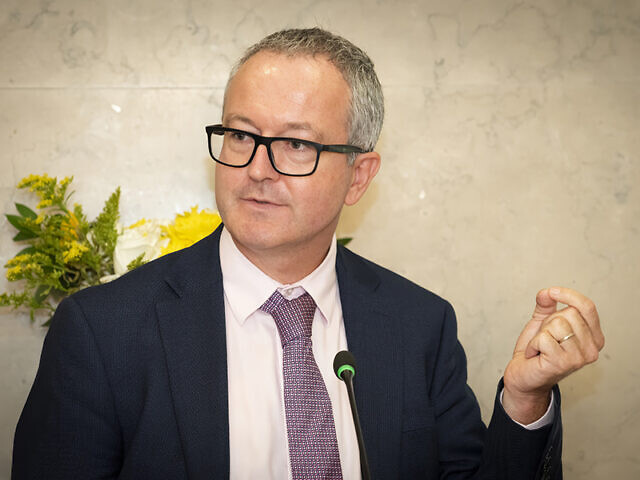
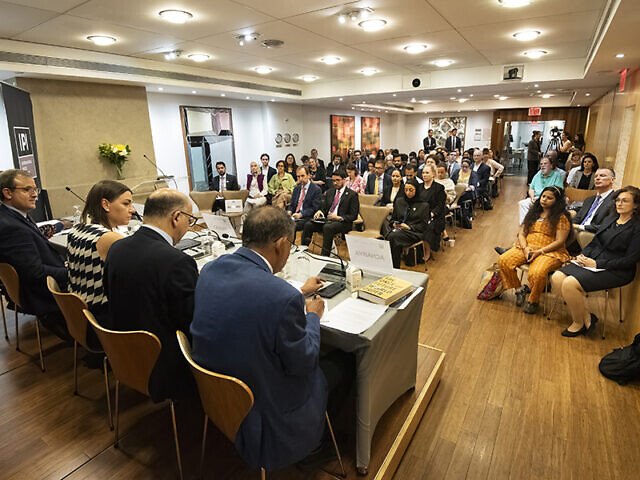
jQuery(document).ready(function($){$("#isloaderfor-ostqkw").fadeOut(300, function () { $(".pagwrap-ostqkw").fadeIn(300);});});
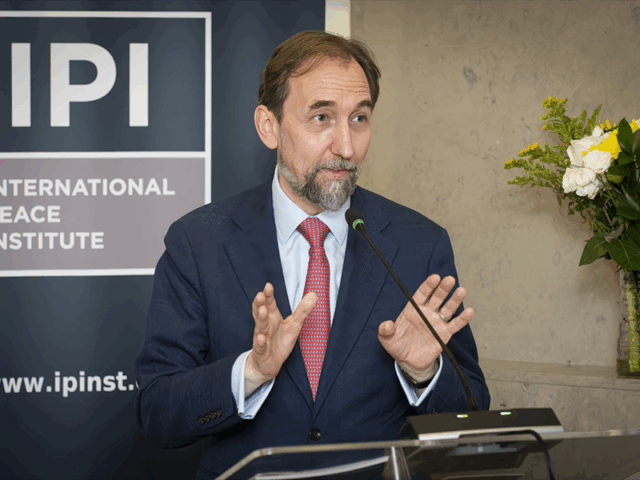
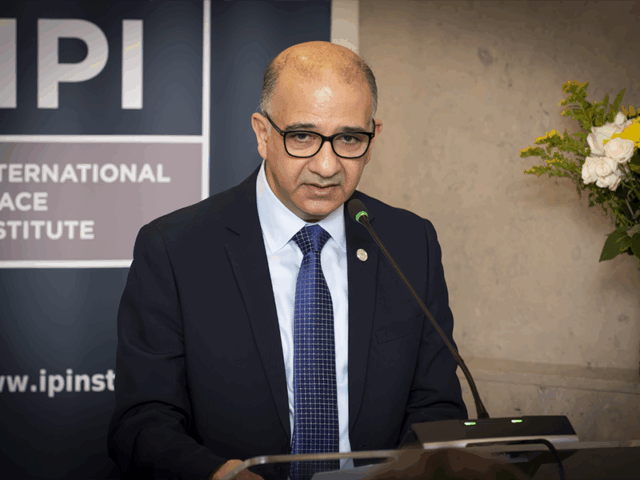
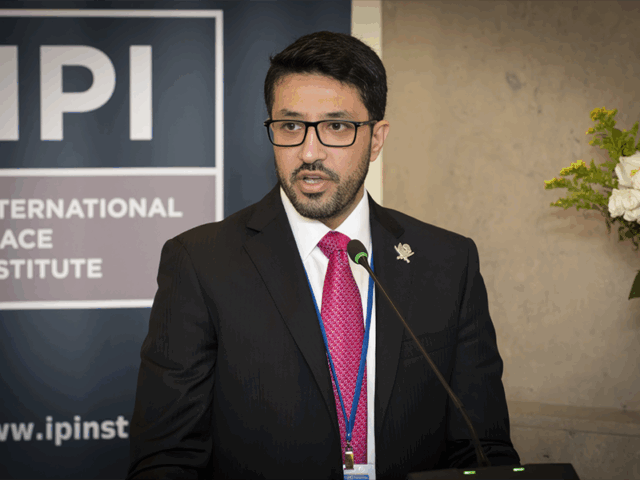
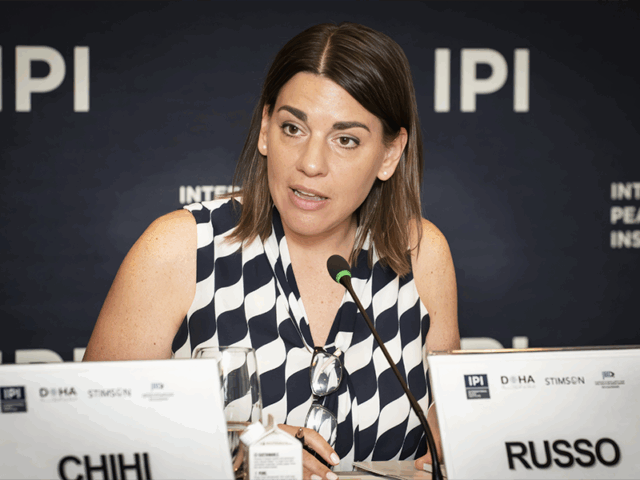
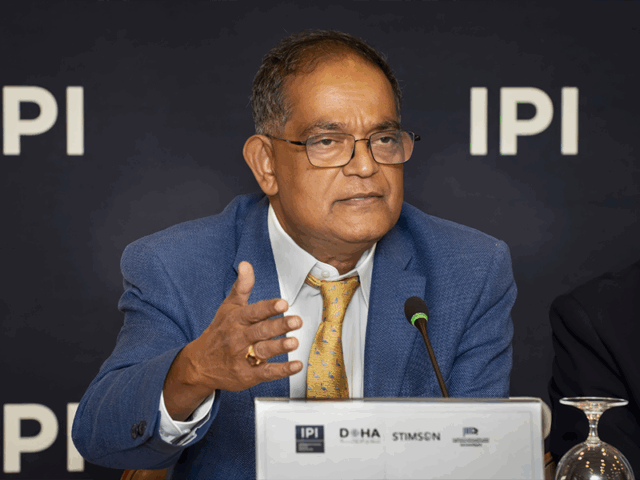
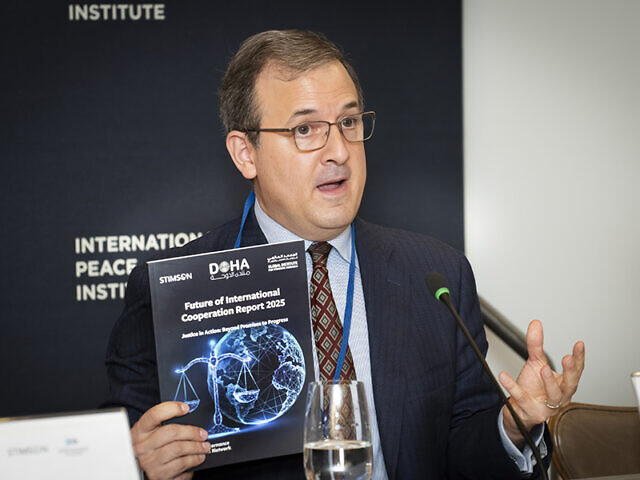
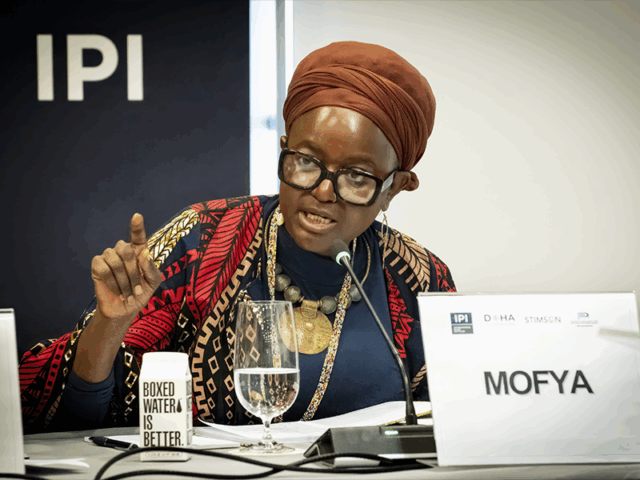
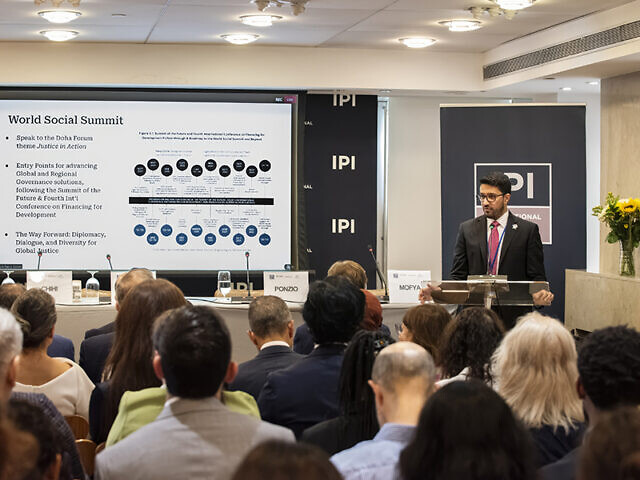
IPI in partnership with the Doha Forum, the Stimson Center, and the Global Institute for Strategic Research, cohosted a policy forum on September 26th on Justice in Action: Beyond Promises to Progress.
This UNGA@80 side event featured the launch of the Future of International Cooperation Report 2025 (FIC’25), focusing on advancing justice beyond promises to concrete progress. It explores collective global and regional action to close justice gaps within and between countries and highlights bold policy and institutional reforms aimed at reducing inequality, underdevelopment, and injustice. The dialogue will contribute directly to preparations for the Second World Summit for Social Development (November 4–6, 2025, in Doha) and enrich debates at the Doha Forum 2025 (December 6–7).
Speaking directly to the World Social Summit’s focus on poverty eradication, full and productive employment and decent work for all, and social inclusion—as well as follow-through to the recently convened Summit of the Future and Fourth International Conference on Financing for Development—FIC’25 examines the multiple dimensions of justice across distinct regions worldwide, including its political-judicial, socioeconomic, and environmental characteristics. At the same time, the report gives ample attention to creative and bold policy and institutional reform proposals—particularly at global and regional levels of governance—for reducing high and avoidable levels of injustice (and associated levels of inequality and underdevelopment) within and between countries. A just and sustainable future in line with the outcomes of the World Social Summit requires rethinking governance, fostering inclusive societies, and leveraging innovation to bridge these divides.
Welcoming Remarks:
Zeid Al Hussein, President and CEO, International Peace Institute
Opening Remarks:
Mubarak Al-Kuwari, Executive Director, Doha Forum
Speakers:
H.E. Mohamed Chihi, Executive Director, Global Institute for Strategic Research, Hamad Bin Khalifa University
Amitav Acharya, UNESCO Chair in Transnational Challenges and Governance and Distinguished Professor, School of International Service, American University
Richard Ponzio, Director, Global Governance, Justice & Security Program, Stimson Center, and Co-Director, Global Governance Innovation Network
Brenda Mofya, Director, Oxfam International United Nations Office
Moderator:
Jenna Russo, Director of Research and Head of the Brian Urquhart Center for Peace Operations, International Peace Institute
The post Justice in Action: Beyond Promises to Progress appeared first on International Peace Institute.
Catégories: Diplomacy & Defense Think Tank News
If this ICE Agent is Israeli Style Carry then he's gassed & holding a brick
Y'all want to see absolutely horrible & unsafe gun handling? Of course y'all do!
Here you go ⬇️#CityLife #ICE #safety #OSHA #fail #nogo #retraining #urban #illegals pic.twitter.com/F0RK9A8Gu0
Catégories: Defence`s Feeds
Melonimania: Frankreich schaut auf Italiens rechtes Experiment
Die politische Stabilität von Melonis Regierungskoalition ist in Paris nicht unbemerkt geblieben, wo sie von einem stets gespaltenen französischen Parlament genau beobachtet wird
Catégories: Europäische Union
US-EU Handelsabkommen getrübt: Trump kündigt neue Arzneimittelzölle an
Mehrere große europäische Arzneimittelhersteller haben bereits Pläne angekündigt, in den USA zu investieren
Catégories: Europäische Union
UN at 80: Civil Society Must Have a Say in the Struggle for Renewal
A view of the podium and the United Nations emblem in the General Assembly Hall. Credit: UN Photo/Loey Felipe
By Andrew Firmin
LONDON, Sep 26 2025 (IPS)
As the high-level opening week of the UN General Assembly unfolds, with heads of states delivering often self-serving speeches from the UN’s podium, the organisation is undergoing one of its worst set of crises since its founding 80 years ago. This year’s General Assembly – ostensibly focused on development, human rights and peace – comes as wars are raging across multiple continents, climate targets are dangerously being missed and the institution designed to address these global challenges is being hollowed out by funding cuts and political withdrawals.
A UN Commission has just determined that Israel is committing genocide in Gaza, while the Israeli state recently escalated its campaign of violence by bombing Qatar. Meanwhile, Russia’s war on Ukraine threatens to spill over with its recent launch of drones against Poland and incursion into Estonia’s airspace. Conflicts continue in Myanmar, Sudan and many other countries, despite the UN’s foundational hopes of ensuring peace, security and respect for human rights.
The Trump administration has abandoned multilateralism in favour of transactional bilateral dealmaking while spearheading a donor funding withdrawal that is hitting both the UN and civil society hard. The US government has also repudiated the Sustainable Development Goals, the ambitious and progressive targets all states agreed in 2015, but which are now badly off track.
Today’s multiple and growing crises demand an effective and powerful UN – but at the same time they make this less likely to happen.
Cutbacks loom large
As state leaders meet, one of the items on the agenda is the UN80 initiative. Launched in March, this is presented as a reform process to mark the UN’s 80th anniversary. But reflecting the impacts of the funding crisis, it’s first and foremost a cost-cutting drive. The slashing of donor aid – not only by the USA, but also by other established donor states such as France, Germany and the UK, often in favour of military spending – is having a global impact. The UN is being hit both by states failing to pay their mandatory assessed contributions, or delaying them for long spells, and by underfunding of initiatives that rely on additional voluntary support.
When it comes to mandatory contributions, the most powerful states are those that owe the most, with the USA in the lead with a circa US$1.5 billion debt, followed by China on close to US$600 million. Meanwhile voluntary funding shortfalls are particularly hitting human rights work, always the most underfunded part of the UN’s work. In June, UN human rights chief Volker Türk announced that 18 activities mandated by Human Rights Council resolutions wouldn’t be implemented because of resource constraints. In a world riven by sickening conflicts, human rights investigations on Palestine, Sudan and Ukraine aren’t able to operate at anywhere near full capacity.
Funding shortfalls, intensified by the Trump administration pulling out of key UN bodies and agreements, have forced the UN to plan for a 20 per cent budget cut in 2026. That may involve shedding some 7,000 jobs from its 35,000-person workforce, merging some agencies, shutting offices and relocating functions to cheaper locations.
The UN is undoubtedly an unwieldy and over-bureaucratic set of institutions, and it would be surprising if there weren’t some efficiency savings to be made. If staff are relocated from expensive global north hubs to cheaper global south locations, it could help UN bodies and staff better understand global south realities and improve access for civil society groups that struggle to travel to the key locations of Geneva and New York, particularly given the Trump administration’s new travel restrictions – although that wouldn’t be the rationale behind relocation.
But the proposed cuts mean the UN is effectively planning to do less than it has done before, at a time when the problems are bigger than they’ve been in decades. Given this, decisions about UN priorities mustn’t be left to its officials or states alone. Civil society must be enabled to have a say.
Civil society already has far too little access to UN processes. At the high-level week, even civil society organisations normally accredited for UN access are locked out of events. Reform processes such as last year’s Summit of the Future have also fallen far short of the access needed. Civil society’s proposals to improve the situation – starting with the creation of a civil society envoy, a low-cost innovation to help coordinate civil society participation across the UN – haven’t been taken up.
Now even civil society’s limited access could be further curtailed. Already the Human Rights Council is shortening sessions, reducing the opportunities available for civil society. The proposed cuts would impact disproportionately on the UN’s human rights work. In the name of efficiency, the UN could end up becoming less effective, if it grows even more state-centric and less prepared to uphold international human rights law. States that systematically violate human rights can only benefit from the ensuing lower levels of scrutiny.
Civil society is an essential voice in any conversation about what kind of UN the world needs and how to make it fit for purpose. It urgently must be included if the UN is to have any hope of fulfilling its founding promise to serve ‘we the peoples’.
Andrew Firmin is CIVICUS Editor-in-Chief, co-director and writer for CIVICUS Lens and co-author of the State of Civil Society Report.
For interviews or more information, please contact research@civicus.org
Follow @IPSNewsUNBureau
!function(d,s,id){var js,fjs=d.getElementsByTagName(s)[0],p=/^http:/.test(d.location)?'http':'https';if(!d.getElementById(id)){js=d.createElement(s);js.id=id;js.src=p+'://platform.twitter.com/widgets.js';fjs.parentNode.insertBefore(js,fjs);}}(document, 'script', 'twitter-wjs');
Catégories: Africa
Pages



© 2012-2018 Europa Varietas Foundation © 2015-2018 Europa Varietas Association
www.europavarietas.org | info(@)europavarietas(dot)org | Switzerland




We are looking for sponsors for the English translation of these books, please contact turkeandras(at)gmail(dot)com