
Vous êtes ici
Agrégateur de flux
A NEGYEDIK NYERŐSZÁM A 69-ES
A NATO-hoz 2004-ben csatlakozott balti államok - Litvánia, Észtország és Lettország - nem rendelkeznek vadászgépekkel, légterük védelmét a kollektív védelem jegyében a szövetség biztosítja. A Magyar Honvédség szerepvállalása a Baltic Air Policing (BAP) néven ismert misszióban immár tíz éves múltra tekint vissza. A kecskeméti, szolnoki, pápai és veszprémi katonák négy Gripen vadászgéppel jelenleg a negyedik rotációt teljesítik, megbízatásuk a vége felé jár. Mindennapjaikba egy médianap keretében kaptunk betekintést.
Catégories: Biztonságpolitika, Diplomacy & Defense Think Tank News
Une armée en marche
Dans un contexte de « chasse aux milliards », au gouvernement comme au sein des assemblées parlementaires, comment la faramineuse augmentation du budget de la défense — plus 6,7 milliards d'euros, alors que presque tous, sauf la justice et l'intérieur, connaissent au minimum « une légère baisse en valeur », comme dit le premier ministre Sébastien Lecornu — a -t-elle pu passer pratiquement inaperçue ? Et ne sera sans doute pas débattue… faute de combattants !
- Défense en ligne
Catégories: Défense, Európai Unió : hírek magyarul
Mutation militaire : comment bien organiser son déménagement en toute sérénité ?
Une mutation est souvent synonyme de nouvelle affectation, de nouveau logement et donc d’un déménagement à gérer parfois dans des délais très courts. Pour les militaires et leurs familles, cela implique d’anticiper à la fois les démarches administratives, la logistique et le choix d’un déménageur fiable. Ce guide vous donne les clés pour préparer sereinement […]
Catégories: Défense, European Union
Boualem Sansal libéré, se pose maintenant la question des frontières de l’Algérie
Boualem Sansal a été embastillé à Alger pour
avoir déclaré : « Quand la France a colonisé
l’Algérie, toute la partie ouest de l’Algérie faisait partie du Maroc ».
En disant cela, Boualem Sansal donna une immense visibilité à ce que, hormis Benjamin Stora et son école, tous les historiens sérieux ne cessent d’écrire depuis des décennies, à savoir que l’Algérie, création coloniale a été formée de bric et de broc par le rattachement de pans entiers du Maroc, de la Tunisie et de la Libye. Selon Benjamin Stora, dire cela « blesse le sentiment national algérien ». Sans doute. Mais l’Histoire est l’Histoire, ce que, ayant les « yeux de Chimène » pour l’Algérie « révolutionnaire » , l’ancien militant trotskiste semble avoir oublié.
Le paradoxe est que l’Algérie qui demande un insolite référendum d’autodétermination pour un inexistant « peuple saharaoui », a, en revanche, toujours et avec constance, refusé qu’une telle consultation soit proposée aux populations originellement marocaines du Touat, du Tidikelt, du Gourara, de la Saoura, de Tindouf, de Béchar et de Tabelbala au sujet de leur volonté de rattachement national. Et que dire du refus opposé par Alger à toute demande de référendum d’autodétermination en Kabylie ?
Affaiblie diplomatiquement après son échec cuisant devant le Conseil de sécurité de l’ONU au sujet du Sahara « occidental », l’Algérie est régionalement brouillée avec ses voisins - hormis la malheureuse Tunisie devenue une quasi willaya algérienne -, elle est en froid avec la Russie pourtant son allié historique, et elle vit un chaotique climat de fin de règne. Dans ces conditions, comment va-t-elle être en mesure de justifier aux yeux de ceux qui en sont les victimes, les acquis territoriaux hérités d’une colonisation française qu’elle voue aux gémonies et à laquelle elle doit tout, jusqu’à son nom et ses frontières ?
Pour en savoir plus sur l’artificialité territoriale de l’Algérie voir :
Algérie l’histoire à l’endroit
Histoire des Algéries, des origines à nos jours

En disant cela, Boualem Sansal donna une immense visibilité à ce que, hormis Benjamin Stora et son école, tous les historiens sérieux ne cessent d’écrire depuis des décennies, à savoir que l’Algérie, création coloniale a été formée de bric et de broc par le rattachement de pans entiers du Maroc, de la Tunisie et de la Libye. Selon Benjamin Stora, dire cela « blesse le sentiment national algérien ». Sans doute. Mais l’Histoire est l’Histoire, ce que, ayant les « yeux de Chimène » pour l’Algérie « révolutionnaire » , l’ancien militant trotskiste semble avoir oublié.
Le paradoxe est que l’Algérie qui demande un insolite référendum d’autodétermination pour un inexistant « peuple saharaoui », a, en revanche, toujours et avec constance, refusé qu’une telle consultation soit proposée aux populations originellement marocaines du Touat, du Tidikelt, du Gourara, de la Saoura, de Tindouf, de Béchar et de Tabelbala au sujet de leur volonté de rattachement national. Et que dire du refus opposé par Alger à toute demande de référendum d’autodétermination en Kabylie ?
Affaiblie diplomatiquement après son échec cuisant devant le Conseil de sécurité de l’ONU au sujet du Sahara « occidental », l’Algérie est régionalement brouillée avec ses voisins - hormis la malheureuse Tunisie devenue une quasi willaya algérienne -, elle est en froid avec la Russie pourtant son allié historique, et elle vit un chaotique climat de fin de règne. Dans ces conditions, comment va-t-elle être en mesure de justifier aux yeux de ceux qui en sont les victimes, les acquis territoriaux hérités d’une colonisation française qu’elle voue aux gémonies et à laquelle elle doit tout, jusqu’à son nom et ses frontières ?
Pour en savoir plus sur l’artificialité territoriale de l’Algérie voir :
Algérie l’histoire à l’endroit
Histoire des Algéries, des origines à nos jours
Catégories: Afrique
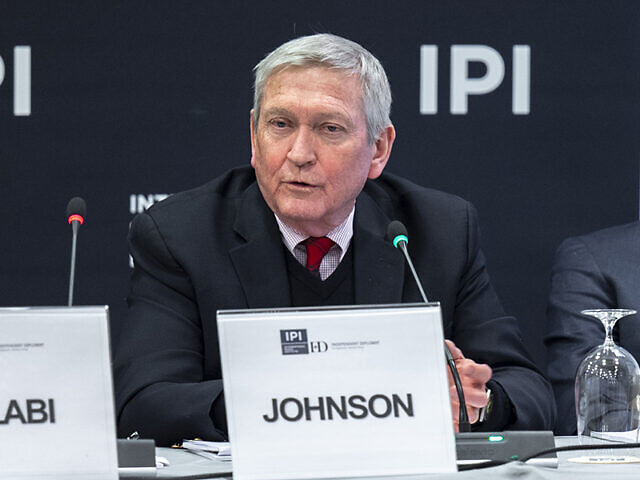
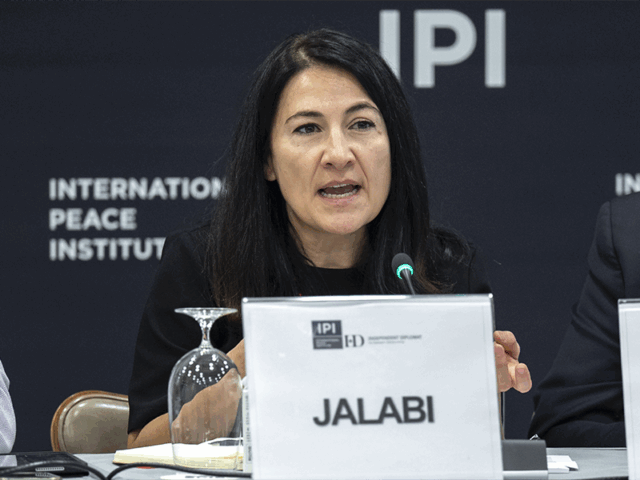
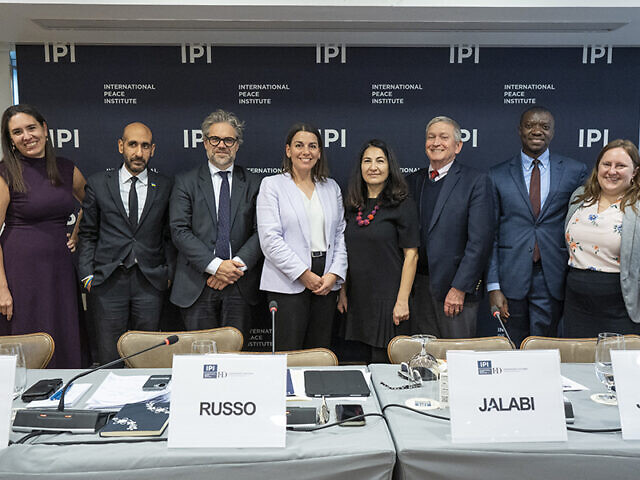
Meet the Parties: Strengthening Multilateral Diplomacy through Inclusive Engagement with Non-state Actors
Event Video
Photos
Photos

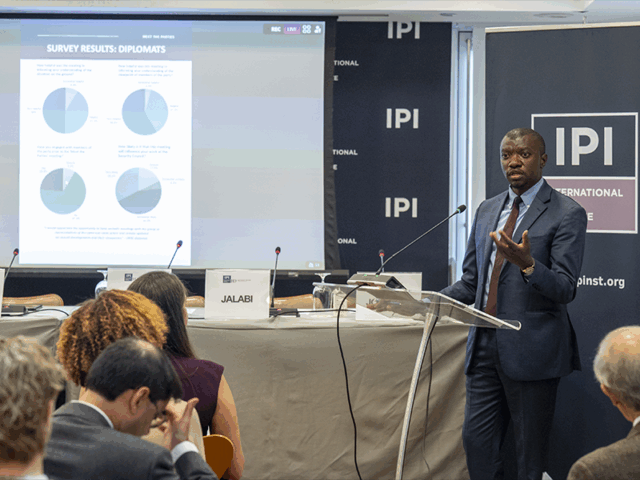
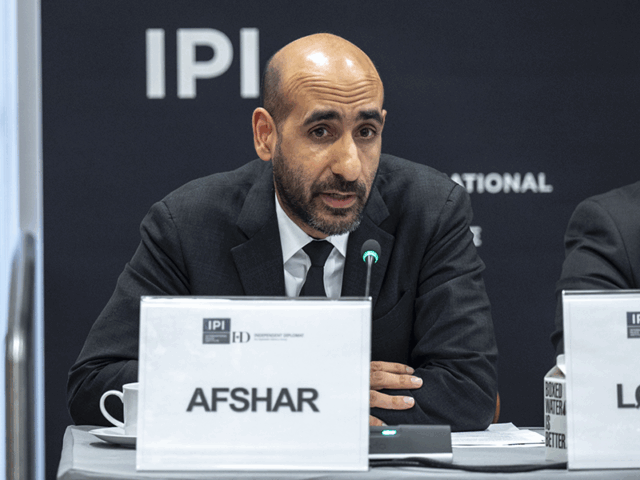
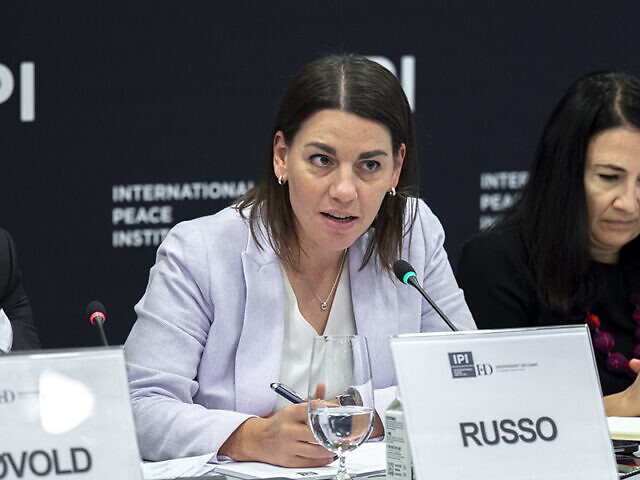
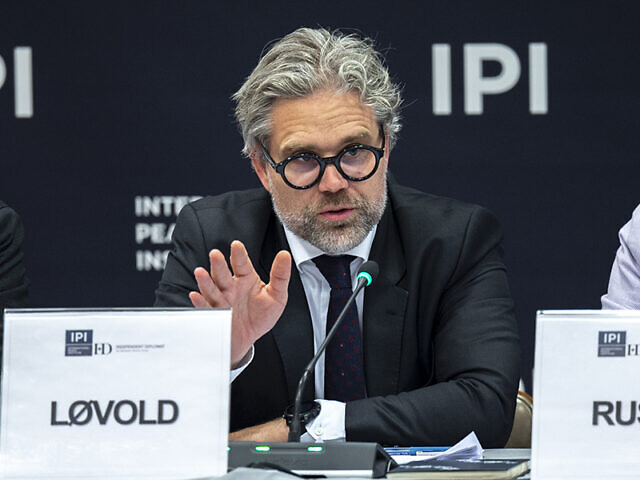
jQuery(document).ready(function($){$("#isloaderfor-deojkh").fadeOut(300, function () { $(".pagwrap-deojkh").fadeIn(300);});});
Download ReportIPI, together with Independent Diplomat cohosted a discussion on November 13th on innovative means to engage non-state actors in multilateral conflict resolution and prevention.
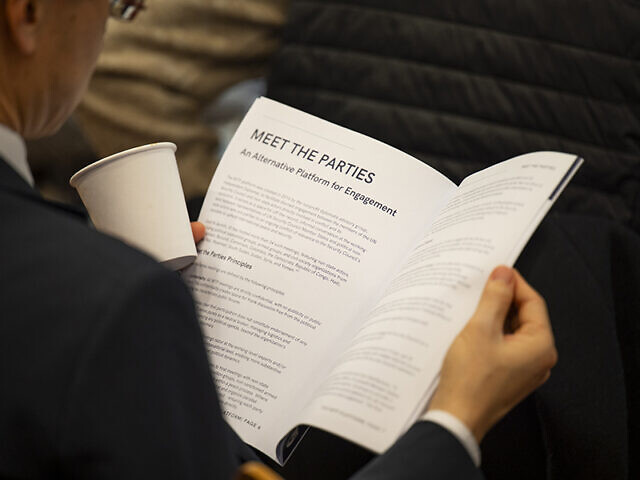
As armed conflicts reach their highest level in decades and the UN Security Council faces mounting criticism for its inability to prevent or resolve contemporary crises, there is an urgent need for more effective approaches to international peacemaking. One gap in current approaches is the lack of meaningful engagement with non-state actors, including armed groups, political opposition parties, and civil society movements—particularly within the Security Council. To fill this gap, the nonprofit diplomatic advisory group Independent Diplomat (ID) launched the “Meet the Parties” (MTP) platform.
MTP offers an impartial, confidential platform for UN Security Council members to engage multilaterally with non-state stakeholders—many of them politically contested. Over the past two years, ID has facilitated dozens of discreet MTP meetings between Security Council members and non-state actors from Afghanistan, Cameroon, South Sudan, Syria, and Sudan. MTP demonstrates that informal, unconventional approaches to diplomacy can positively influence both affected parties and international stakeholders.
This event presented a new policy report with findings from the first comprehensive assessment of the MTP initiative. The report spotlights practical methods to strengthen the inclusion of non-state actors in Security Council consultations. It also explores the transferability of these lessons beyond the Security Council, including to the UN Peacebuilding Commission, the African Union, and other multilateral forums.
Speakers:
Marlene Spoerri, Director of US and UN, Independent Diplomat
Reza Afshar, OBE, Executive Director, Independent Diplomat
Andreas Løvold, Deputy Permanent Representative of Norway to the UN
Larry Johnson, Former UN Assistant Secretary-General for Legal Affairs
Kevin Irakoze, Assistant Professor, University of North Carolina at Chapel Hill
Mariam Jalabi, Co-founder, Syrian Women’s Political Movement
Moderator:
Jenna Russo, Director of Research, Head of the Brian Urquhart Center for Peace Operations, International Peace Institute
The post Meet the Parties: Strengthening Multilateral Diplomacy through Inclusive Engagement with Non-state Actors appeared first on International Peace Institute.
Coronel és Falkland 02.
Mint mindenki mást, a Kelet-ázsiai Hajórajt is teljesen váratlanul érte a háború kitörése. 1914 júniusában a hajóraj még békésen készülődött a német kézen levő Csendes-óceáni szigetek közötti szokásos nyári körútjára. A két páncéloscirkálón esedékes javításokat ezúttal is a japán Nagasaki kikötőjében végezték el, ahonnan a két hajó június 28-án futott ki első úti célja, a Carolina-szigeteken fekvő Truk felé. Ide július hetedikén érkeztek meg, és 15-én indultak tovább Ponapéra. Innen néhány nap múlva tovább kellett volna hajózniuk a Bismarck-szigetek és Új-Guinea felé, azonban Spee ekkor már érezte a puskaporszagot a levegőben.
Catégories: Biztonságpolitika, Európai Unió : hírek magyarul
KatPol Kávéház CXXVII. - A tatár iga
Tájékozatlanabb honfitársaink számára talán meglepően hangzik, de a magyar és orosz népek történelmi tapasztalatában legalább egy átfedés is akad. A tatárjárást a Kijevi Rusz fejedelemségei is ugyanúgy elszenvedték, de ráadásul megkapták a nyakukba a közmondásos tatár igát is, ami érthető módon az egyesített Oroszország nemzeti emlékezetében fontos helyet foglal el azóta is. Örökségét alapvetően elhúzódónak és károsnak szokás beállítani, és az erre irányuló külföldi figyelem újjáéledését ill. felélénkülését is meg lehet figyelni az ukrajnai háború kirobbanása óta, ami magától értetődő táptalaja lett a nagyorosz sovinizmus és birodalmi küldetéstudat egyfajta sajnálatos patológiaként, a mongol despotizmusból, bizánci normákból és muszka hazugságokból szárba szökkent elfajzásként való értelmezésének, akár atlantista-liberális, akár kelet-európai nacionalista szemszögből.
Catégories: Afrique, Biztonságpolitika
Ventilation en Espace Confiné : Systèmes et Stratégies pour Abris et Pièces Sûres
Dans les opérations militaires comme dans la préparation survivaliste, la capacité à maintenir un air respirable dans des espaces confinés représente souvent la différence entre la survie et l’échec. Que ce soit dans un abri anti-atomique, une pièce sécurisée ou un bunker de fortune, les principes de ventilation restent les mêmes : évacuer le CO2, […]
Catégories: Défense, European Union
Hatvankilencesek a Baltikumban
A BAP 69 gépei - az MS20 Block II korszerűsítési csomagnak és a realizált 2021-es rakétabeszerzésnek köszönhetően - már az új rövid hatótávolságú fegyvert, az AIM-2000 IRIS-T-t is hordozzák. Tegyük hozzá, hogy részben, a továbbra is használt AIM-9L/I-1 Sidewinder mellett, például eltérő függesztésű géppár keretében.
Legyenek a célok keletiek (itt kalinyingrádi éleslövészetre áttelepülő, R-73-assal függesztett Szuhojok és MiG-ek)...
...vagy nyugatiak (itt Bomber Task Force kísérés dyessi B-1-esekkel)...
...esetleg "embertelenek" (itt a térségbe települt kanadai erők Blackjack drónja :-)...
...a nagy távolságú VID és az objektív kontroll tekintetében kulcsfontosságú a Litening konténer a magyar Gripenek számára. Nem beszélve a BAP idején kint is repülhető CAS gyakorló feladatokról, ahol a precíziós levegő-föld képességek a berendezés nélkül nem lehetségesek.
Keszi Gripen a médiadelegációt szállító 604-esről fotózva, az őszi balti felhőrétegeken át erőlködő Nappal "kötelékben".
Visszatéréskor csak a Mátra ~900 méter fölötti részei és a Gagarin hőerőmű mikroklimatikus zónáját jelölő mesterséges gomoly dudorodik ki a ma két honvédségi repülőgépet is kitérőre kényszerítő felhőtakaróból.
Zord
Catégories: Biztonságpolitika, European Union
KatPol Kávéház CXXVI. - Szerb film
A háborús népességpusztulás és nemzethalál kategóriájában a világrekord minden bizonnyal a XIX. századi Paraguayhoz köthető, melynek férfilakossága szinte felfoghatatlan arányban, minimum 70 százalékban veszett oda a napóleoni ambícióihoz ragaszkodó elnökük szolgálatában. (Egy későbbi, 1886-os népszámlálás adatai szerint a 30 évnél idősebb felnőttek között három nő jutott egy férfira.) A latin-amerikai országot letarolták és teljesen megszállták az ellenséges seregek; mint az ismert, ugyanez történt Szerbiával is az első világháborúban – azzal a fontos különbséggel, hogy a végső vereséget sikerült elkerülnie (ami magyar szemszögből mondjuk azért nem volt kifejezetten szerencsés). Ezzel magyarázható, hogy az említett gyászos dobogón is „csak” a második hely jutott számára – öt szerb férfiból átlagosan kettő élte meg a háború végét.
Catégories: Afrique, Biztonságpolitika
Újra indul a Demján Sándor 1+1 KKV Beruházás-élénkítő Támogatási Program!
Decemberben ismét elindul a Demján Sándor 1+1 KKV Beruházás-élénkítő Támogatási Program, amelynek keretében 20 milliárd forint keret támogatás áll a hazai vállalkozások rendelkezésére akár 50% vissza nem térítendő támogatással.
Catégories: Pályázatok, Russia & CIS
A MOLOTOV KOKTÉLTÓL AZ F-4 PHANTOM II-IG
2018 májusában egy tengerészgyalogos hamvaival és hagyatékával egy amerikai üzletember érkezett Budapestre. Utazásával a tengerészgyalogos kívánságát teljesítette, akit gyerekkora óta barátjának mondhatott, és akinek kérése az volt, hogy a végső nyughelye szülőföldjén legyen.
Az 1956-os forradalom és szabadságharc leverése után külföldre emigráló magyarok a legkülönbözőbb életutat futották be. A többség beilleszkedett az új környezetbe, voltak, akik visszatérhettek eredeti mesterségükhöz, mások új szakmát tanultak, és abban igyekeztek boldogulni, néhányan pedig a befogadó ország fegyveres erőinél találtak megélhetést. Utóbbiak közé tartozott Szabolcs István is, aki az Egyesült Államok tengerészgyalogságának (US Marine Corps) légierejénél szolgált. Hosszú út vezetett Budapestről egy F-4 Phantom II-es vadászbombázó hátsó üléséig. Mivel a személyes találkozó és beszélgetés már nem jöhet létre, a Szabolcs István – vagy, ahogy Amerikában nevezték, Steven Szabolcs - által bejárt útnak csak egy-egy szakaszát ismerhetjük meg visszaemlékezések, fotók és dokumentumok segítségével.
Catégories: Biztonságpolitika, Diplomacy & Defense Think Tank News
Russia Urgently Prepares for Possible Nuclear Tests in Response to U.S. Actions
Preparations for potential nuclear testing can be completed swiftly, as the test site on the Novaya Zemlya archipelago in Arkhangelsk Region is fully ready, Russian Defense Minister Andrei Belousov told President Vladimir Putin during a Security Council meeting, according to the Kremlin press service.
Defense Ministry Calls for Swift Readiness
Belousov proposed initiating preparations for nuclear testing in response to U.S. actions.
“The readiness of the Central Test Range on the Novaya Zemlya archipelago allows us to carry it out in a short time,” he said. The test site’s commander, Andrei Sinitsyn, had already declared its operational readiness for renewed nuclear testing a year earlier.
Catégories: Nyugat-Balkán, Russia & CIS
KOMMENTAR - Beim Stromabkommen sind zu viele Fragen offen – der Bundesrat sollte das EU-Paket aufschnüren
Die Skepsis gegenüber dem neuen Abkommen zum Strom kommt von fast überall. Das ist aber kein Grund, den Entscheid über den Hauptteil des EU-Pakets zu verzögern. Wird er angenommen, steigen auch die Chancen des Stromabkommens.
Catégories: Pályázatok, Swiss News
Stablecoins, Euro digital : quelle monnaie pour la finance de demain ?
Quels sont les rôles que peuvent jouer les banques européennes dans un écosystème financier en plein essor – et les leviers à activer dès aujourd’hui ? L’Institut Choiseul et Sopra Steria publient un nouveau Livre Blanc : Stablecoins, euro digital : quelle monnaie pour la finance de demain ? Les systèmes de paiement sont à […]
Catégories: Afrique, Diplomacy & Defense Think Tank News
Marius : "Tchéky Karyo faisait preuve d'une humilité impressionnante"
J'ai demandé à Marius de nous parler de son complice Tchéky Karyo, qui était son GCOS dans Forces
Plus d'infos »Comment intégrer l’esprit tactique militaire pour optimiser votre vie quotidienne ?
La réalité du monde militaire s’articule autour de trois concepts : engagement, discipline et efficacité. En-dehors des théâtres d’opérations, l’approche tactique est excellente pour quiconque souhaite améliorer sa résilience et son organisation personnelle dans le civil. Que ce soit pour préparer un déménagement sans stress, mieux gérer son épargne ou réussir une reconversion professionnelle, l’anticipation et l’équipement adapté […]
Catégories: Défense, European Union
L'Afrique Réelle n°191 - Novembre 2025
Sommaire
Actualité :
- Quand l’ambassadeur turc rappelle que l’actuelle Algérie fut une colonie ottomane
- La Russie et la Chine enferment l’Afrique dans la dépendance
- C’est au Rwanda et au Zaïre (RDC) que la France a perdu l’Afrique
Dossier : Afrocentrisme et décolonialisme ou l’histoire revanche
- Afrocentrisme ou négro-centrisme ?- La découverte de l’Amérique par des Noirs ou la magie du syllogisme
- Pour les décoloniaux et les afrocentristes, l’homme blanc est coupable
Conseil de lecture :
Reportages de guerre de Jean-Louis Tremblais
Editorial de Bernard Lugan
Si les nombreux conflits africains d’aujourd’hui sont souvent la résurgence de ceux d’avant la colonisation, leur aggravation découle quant à elle du tracé des frontières coloniales acceptées durant la période post-coloniale par les Etats indépendants. Le principe de leur intangibilité date en effet du 21 juillet 1964, donc après les indépendances, date à partir de laquelle il constitua un des fondements de l’Organisation de l’unité africaine (OUA), l’ancêtre de l’Union africaine (UA).Ce fut en effet ce jour-là, lors de la deuxième Conférence des Chefs d’États et de Gouvernements de l’OUA, réunie au Caire, en Égypte, que fut acté ce principe crisogène, les États membres s’engageant à respecter les frontières existant au moment où ils accédèrent à l’indépendance.Alors qu’en 1961, donc avant l’indépendance, le GPRA (Gouvernement provisoire de la république algérienne), avait adhéré au « Groupe dit de Casablanca » qui était pour, au cas par cas, la refonte frontalière des nouveaux États, l’Algérie d’après 1962 se rangea tout au contraire à l’option du statu quo colonial. La position de l’Algérie s’expliquait car, ayant outrancièrement bénéficié des « largesses » territoriales faites par son ancien colonisateur, à savoir tout le Maroc oriental (Tindouf, Béchar, le Gourara, le Tndikelt, la Saoura, Tabelbala), ainsi qu’une partie de la Tunisie et de la Libye, et sans parler du nord de l’ancienne AOF, le «_phare » de l’anticolonialisme que fut l’Algérie a donc défendu « bec et ongles » l’héritage territorial colonial qui l’avait fait naître… Or, le principe de l’intangibilité des frontières a quatre défauts principaux :1) Il entérine les amputations-charcutages opérés par les colonisateurs.2) Il sépare des peuples parents.3) Il force à vivre dans les mêmes Etats, des peuples historiquement en conflit.4) Grâce à l’ethno-mathématique électorale du « one man, one vote », il donne automatiquement le pouvoir à ceux des peuples dont les femmes sont les plus fécondes.Après 1960, la parenthèse coloniale ayant été refermée et cela, sans affrontements majeurs, sans ces combats de grande intensité qui ravagèrent l’Indochine, l’Afrique fut ravagée par de multiples confits ethniques nés pour la plupart de la question des frontières et qui firent des millions de morts et des dizaines de millions de déplacés. La « guerre froide » terminée, l’Afrique s’embrasa ensuite autour de la question avouée ou non des délimitations frontalières. Durant la décennie 2000-2010, 70% des décisions de l’ONU et 45% des séances du Conseil de Sécurité furent ainsi consacrées aux conflits africains. Aujourd’hui, plus de 50 conflits armés sont actifs en Afrique. Et si nous en faisons l’analyse objective, force est de constater qu’ils sont le plus souvent, directement ou indirectement la conséquence de l’un ou l’autre des quatre points négatifs mis en évidence plus haut.
Actualité :
- Quand l’ambassadeur turc rappelle que l’actuelle Algérie fut une colonie ottomane
- La Russie et la Chine enferment l’Afrique dans la dépendance
- C’est au Rwanda et au Zaïre (RDC) que la France a perdu l’Afrique
Dossier : Afrocentrisme et décolonialisme ou l’histoire revanche
- Afrocentrisme ou négro-centrisme ?- La découverte de l’Amérique par des Noirs ou la magie du syllogisme
- Pour les décoloniaux et les afrocentristes, l’homme blanc est coupable
Conseil de lecture :
Reportages de guerre de Jean-Louis Tremblais
Editorial de Bernard Lugan
Si les nombreux conflits africains d’aujourd’hui sont souvent la résurgence de ceux d’avant la colonisation, leur aggravation découle quant à elle du tracé des frontières coloniales acceptées durant la période post-coloniale par les Etats indépendants. Le principe de leur intangibilité date en effet du 21 juillet 1964, donc après les indépendances, date à partir de laquelle il constitua un des fondements de l’Organisation de l’unité africaine (OUA), l’ancêtre de l’Union africaine (UA).Ce fut en effet ce jour-là, lors de la deuxième Conférence des Chefs d’États et de Gouvernements de l’OUA, réunie au Caire, en Égypte, que fut acté ce principe crisogène, les États membres s’engageant à respecter les frontières existant au moment où ils accédèrent à l’indépendance.Alors qu’en 1961, donc avant l’indépendance, le GPRA (Gouvernement provisoire de la république algérienne), avait adhéré au « Groupe dit de Casablanca » qui était pour, au cas par cas, la refonte frontalière des nouveaux États, l’Algérie d’après 1962 se rangea tout au contraire à l’option du statu quo colonial. La position de l’Algérie s’expliquait car, ayant outrancièrement bénéficié des « largesses » territoriales faites par son ancien colonisateur, à savoir tout le Maroc oriental (Tindouf, Béchar, le Gourara, le Tndikelt, la Saoura, Tabelbala), ainsi qu’une partie de la Tunisie et de la Libye, et sans parler du nord de l’ancienne AOF, le «_phare » de l’anticolonialisme que fut l’Algérie a donc défendu « bec et ongles » l’héritage territorial colonial qui l’avait fait naître… Or, le principe de l’intangibilité des frontières a quatre défauts principaux :1) Il entérine les amputations-charcutages opérés par les colonisateurs.2) Il sépare des peuples parents.3) Il force à vivre dans les mêmes Etats, des peuples historiquement en conflit.4) Grâce à l’ethno-mathématique électorale du « one man, one vote », il donne automatiquement le pouvoir à ceux des peuples dont les femmes sont les plus fécondes.Après 1960, la parenthèse coloniale ayant été refermée et cela, sans affrontements majeurs, sans ces combats de grande intensité qui ravagèrent l’Indochine, l’Afrique fut ravagée par de multiples confits ethniques nés pour la plupart de la question des frontières et qui firent des millions de morts et des dizaines de millions de déplacés. La « guerre froide » terminée, l’Afrique s’embrasa ensuite autour de la question avouée ou non des délimitations frontalières. Durant la décennie 2000-2010, 70% des décisions de l’ONU et 45% des séances du Conseil de Sécurité furent ainsi consacrées aux conflits africains. Aujourd’hui, plus de 50 conflits armés sont actifs en Afrique. Et si nous en faisons l’analyse objective, force est de constater qu’ils sont le plus souvent, directement ou indirectement la conséquence de l’un ou l’autre des quatre points négatifs mis en évidence plus haut.
Catégories: Afrique
Coronel és Falkland 01.
A XVII. század végére egyértelművé vált, hogy a tengerek ura Nagy-Britannia maradt. Uralkodó pozíciójukat az angolok Gibraltár 1704-es, majd Málta 1798-as megszállásával tették vitathatatlanná és megtámadhatatlanná. A britek ezzel gyakorlatilag bekerítették Európát. Erről a három pontról – hazai kikötőikből, Gibraltárról és Máltáról – az angolok lényegében Európa tengeri kereskedelmének valamennyi útvonalát ellenőrzésük alatt tudták tartani. Ettől kezdve a tengereken, és közvetve egész Európában csak az történhetett, amit a britek akartak, illetve amit megengedtek.
Catégories: Biztonságpolitika, Európai Unió : hírek magyarul
Pages



© 2012-2018 Europa Varietas Foundation © 2015-2018 Europa Varietas Association
www.europavarietas.org | info(@)europavarietas(dot)org | Switzerland




We are looking for sponsors for the English translation of these books, please contact turkeandras(at)gmail(dot)com