
Vous êtes ici
Agrégateur de flux
Trump Is Facing a Very Different North Korea
Donald Trump has Pyongyang on his mind. In recent months, the U.S. president has made comments to the media suggesting he is in communication with North Korean leader Kim Jong Un. In an August 17 Truth Social post, for instance, Trump announced that the United States would scale back joint military drills with South Korea. The decision, he wrote, was “based on my very good relationship with Kim Jong Un,” describing the dictator as “unthreatening and respectful.”
Catégories: Diplomacy & Crisis News
Emmanuel Macron préside un dernier 11-Novembre marqué par une polémique
À l'occasion du 108e anniversaire de l’Armistice de 1918, le président Emmanuel Macron s'est rendu mercredi sur les Champs-Élysées et à l'Arc de Triomphe pour raviver la flamme du soldat inconnu. Les célébrations du 11-Novembre ont donné lieu cette année à des débats sur les commémorations organisées dans les écoles.
Catégories: France
International aid in transitional Syria: traps donors must avoid
The collapse of the Assad regime in December 2024 transformed the operating environment for international aid in Syria. Frontlines disappeared, previously inaccessible areas became accessible and donors began shifting from humanitarian relief towards early recovery, reconstruction and support for refugee return. Yet greater access has not produced a corresponding increase in aid volume. Instead, the transition has coincided with shrinking humanitarian funding, persistent banking constraints, institutional re-centralisation and pressure to redirect resources across the country. The experience of north-west Syria (NWS) offers lessons for navigating this transition. This policy brief connects that experience to national challenges relating to funding, the geographical redistribution of aid and institutional capacity. For more than a decade, the UN- and NGO-led humanitarian response across the Türkiye–Syria border developed localised systems for service delivery, procurement, financial transfers and remote accountability under exceptionally difficult conditions, operating alongside de facto governance structures dominated by Hayat Tahrir al-Sham (HTS) and its Syrian Salvation Government. The rapid integration of this system into a Damascus-centred “Whole of Syria” response risks dismantling capacities that remain essential to effective aid delivery. This policy brief identifies four traps that donors should avoid in Syria:
- A premature transition that combines shrinking humanitarian funding with a rapid shift towards early recovery, reconstruction and support for refugee return before basic needs are met and essential services have improved.
- Sanctions relief on paper without functioning financial channels: removing formal restrictions while the correspondent banking system and the domestic financial system remain unable to transmit aid and investment reliably.
- Zero-sum geographical redistribution: extending aid to newly accessible areas by reducing support to still-vulnerable communities, particularly in NWS.
- Re-centralisation and de-localisation: relocating international operations to Damascus while weakening Syrian non-governmental organisations (NGOs) and subnational institutions and eroding the expertise developed through the cross-border response.
Donors should support humanitarian relief, early recovery and reconstruction simultaneously according to conditions on the ground. Donors and their partners should protect essential humanitarian services; establish functional financial channels; strengthen local and subnational delivery capacity; allocate scarce resources transparently according to need across all governorates; and support the return of refugees and internally displaced people only where independent protection and technical assessments confirm that conditions are suitable for return. The central challenge is to ensure that international engagement strengthens rather than dismantles the institutions and operational capacities on which effective recovery depends.
Fateh Shaban is a Research Fellow in the Geopolitics of the Middle East at the School of Economics, Politics and International Relations, University of Kent, United Kingdom.
Catégories: Diplomacy & Defense Think Tank News
Press release - Press briefing on this week’s plenary session
The European Parliament spokesperson will hold a last-minute briefing on the 11 – 12 November plenary session today at 13.30.
Source : © European Union, 2026 - EP
Source : © European Union, 2026 - EP
Catégories: Union européenne
Press release - Press briefing on this week’s plenary session
The European Parliament spokesperson will hold a last-minute briefing on the 11 – 12 November plenary session today at 13.30.
Source : © European Union, 2026 - EP
Source : © European Union, 2026 - EP
Catégories: Europäische Union
Press release - Press briefing on this week’s plenary session
The European Parliament spokesperson will hold a last-minute briefing on the 11 – 12 November plenary session today at 13.30.
Source : © European Union, 2026 - EP
Source : © European Union, 2026 - EP
Catégories: Európai Unió : hírek magyarul
Press release - Press briefing on this week’s plenary session
The European Parliament spokesperson will hold a last-minute briefing on the 11 – 12 November plenary session today at 13.30.
Source : © European Union, 2026 - EP
Source : © European Union, 2026 - EP
Catégories: European Union
Press release - Press briefing on this week’s plenary session
The European Parliament spokesperson will hold a last-minute briefing on the 11 – 12 November plenary session today at 13.30.
Source : © European Union, 2026 - EP
Source : © European Union, 2026 - EP
Catégories: European Union
COP31 : Félix Tshisekedi plaide pour un meilleur accès de la RDC aux financements climatiques
Le président de la République, Félix-Antoine Tshisekedi Tshilombo, participe ce mercredi 11 novembre au Sommet des chefs d’État et de gouvernement organisé dans le cadre de la 31ᵉ Conférence des Parties à la Convention-cadre des Nations unies sur les changements climatiques (COP31), qui se tient à Antalya, en Turquie.
Catégories: Afrique
DIGITAL 08 H : les numéros gagnants
DIGITAL 08H : Avez-vous tenté votre chance ?
Le tirage DIGITAL 08H N°349 a livré son verdict !
Mercredi 11 Novembre 2026
Avez-vous joué ?
Avez-vous misé sur vos numéros porte-bonheur ?
RÉSULTAT : 36 • 09 • 79 • 35 • 89
Félicitations aux heureux gagnants !
Pas encore gagné ? Gardez le sourire !
Rendez-vous au prochain tirage de 11H pour une nouvelle chance.
Jouez dans nos centres de jeux ou en ligne : Tapez 590# ou lnbloto.bj
Jouez avec modération et responsabilité. Le jeu doit rester un plaisir.
A TOI DE JOUER #Akaxòa
#LNBSA #XòGbɔnAlɔkpaVo #JeuResponsable #LaChanceAvecModération
LA CROIX DU JOUR

Catégories: Afrique
Kétes kilátások
Február óta először ültek újból tárgyalóasztalhoz amerikai közvetítéssel az orosz meg az ukrán fél képviselői Abu-Dzabiban. A kétnapos megbeszélésre az európai szereplők is megérkeztek, bár előzetesen ez kétséges volt. Ugyanúgy nem biztos, hogy ez lesz a tárgyalássorozat döntő pillanata. Milyen Fekete-tengeri vonatkozásokra lehet számítani, és a humanitárius kérdéseken kívül a többi tételnél lesz-e előrelépés? Ady […]
Articolul Kétes kilátások apare prima dată în Kolozsvári Rádió Románia.
Catégories: Határon túli magyar portálok összesített hírei
Voici ce que révèlent des images satellites sur les bases de missiles iraniennes
Des traces de travaux d'excavation et de nouvelles constructions sont visibles sur les images satellites prises en novembre, selon ces mêmes images.
Catégories: Afrique
Nicuşor Dan az AUR-ról, a hitelminősítőkről, Ilie Bolojanról
Nicușor Dan államfő akkor nevez ki új vezetőket a titkosszolgálatok élére, amikor meglesz az ehhez szükséges parlamenti többség – jelentette ki az este tartott sajtájékoztatón. Az államelnök úgy értékelte, hogy Románia biztonságpolitikai együttműködése az Egyesült Államokkal és európai partnereivel egyaránt jelentősen erősödött, ezért Bukarest külpolitikája sikeresnek mondható. Hozzátette, hogy Románia lojális tagja az EU-nak, és […]
Articolul Nicuşor Dan az AUR-ról, a hitelminősítőkről, Ilie Bolojanról apare prima dată în Kolozsvári Rádió Románia.
Catégories: Határon túli magyar portálok összesített hírei
Wasserknappheit: DIW Berlin schlägt Auktionen für Vergabe von gewerblichen Wasserentnahmerechten vor
Knappe Grundwasserressourcen könnten durch Auktionen gewerblicher Entnahmerechte ökonomisch effizienter genutzt werden – Statt bisher administrativ und häufig nach „First come, first served“-Prinzip würde Wasser marktbasiert zugeteilt – Wasserentnahmemenge könnte regelmäßig an Wasserknappheit ...
Catégories: Diplomacy & Defense Think Tank News
From Jersey to Somalia... via Liverpool & Man City
BBC Sport charts Jarma Mohamed's surprising football journey from Premier League academies to the Somalia national team, via an app and Jersey Bulls.
Catégories: Africa
Can Critical Minerals Reshape Pakistan’s Economic Trajectory?
Converting investor interest into multi-decade capital deployment requires political stability and deep institutional predictability.
Catégories: Diplomacy & Crisis News
ÄNDERUNGSANTRÄGE 881 - 1147 - Entwurf eines Berichts Umsetzung der Gemeinsamen Außen- und Sicherheitspolitik – Jahresbericht 2026 - PE796.521v01-00
ÄNDERUNGSANTRÄGE 881 - 1147 - Entwurf eines Berichts Umsetzung der Gemeinsamen Außen- und Sicherheitspolitik – Jahresbericht 2026
Ausschuss für auswärtige Angelegenheiten
David McAllister
Quelle : © Europäische Union, 2026 - EP
Ausschuss für auswärtige Angelegenheiten
David McAllister
Quelle : © Europäische Union, 2026 - EP
Catégories: Europäische Union
Before We Declare Gender Bias Dead, Read the Footnotes
By Stephanie Hodge
NEW YORK, Nov 11 2026 (IPS)
The United Nations knows how to announce a milestone. What interests me, after a career that has included working inside UNICEF and UNDP and evaluating institutions from outside them, is what happens between the announcement and the working day.
Thalif Deen’s IPS article of 3 November 2026 asks whether gender bias at the UN is approaching an “inglorious end.” It is a question, not a declaration, and the reporting gives considerable space to continuing inequalities. Alongside achievements in representation, staff representatives describe barriers to advancement, weaknesses in accountability and fears about reporting discrimination. The article itself supplies reasons to resist a premature obituary for institutional bias.[1]
I bring a perspective to this question, certainly. But the discipline of evaluation requires me to challenge my own expectations as carefully as an institution’s claims. If the evidence demonstrates progress, acknowledge it. If it supports a narrower conclusion than the public celebration, say so.
The UN’s published figures demonstrate substantial progress towards numerical gender parity. They do not, on their own, establish whether discrimination in recruitment, advancement, treatment or access to authority has diminished.
UN Women reports that women’s share of Professional and higher categories across the UN system rose from 47 per cent in 2021 to 48.8 per cent in 2023, reaching 50.4 per cent in 2025. It also reports that parity among the Senior Management Group and resident coordinators has been maintained since 2018. These are meaningful achievements, and dismissing them would weaken any serious critique.[2]
The dates matter. The Secretary-General’s 2025 report principally covers January 2022 to December 2023, with developments through mid-2025. Its figures should not be presented as a fresh assessment of the workforce in November 2026.[2]
But an institutional average is an exceptionally comfortable place to hide an uncomfortable distribution.
UN Women’s accompanying infographic presents the following figures for 2025, citing the system-wide dashboard in June of that year:[3]
These figures appear in the same published presentation. They show how an overall majority can coexist with women’s underrepresentation at director levels. Under the UN’s operational definition, parity falls within a range of 47 to 53 per cent; the D-1 and D-2 figures above remain below that range.[3] [5]
That distribution does not, by itself, prove discrimination in individual appointments. Nor does a snapshot establish that women progress more slowly than men. It establishes why an aggregate percentage cannot answer the question of equal advancement. For that, we need to follow careers: who applies, who is shortlisted, who is selected, who progresses, how long progression takes, and who leaves.
There is another question beneath the celebration: which UN are we measuring?
The Secretariat dashboard cited in the article explicitly covers a defined population of international staff. Its explanatory notes say General Service and national staff are not shown and are intended for a subsequent phase. It also specifies appointment types and excludes entities with ten or fewer people. These are legitimate statistical boundaries, but they are boundaries all the same.[4]
This does not mean the UN collects no information about those groups elsewhere. It means this particular dashboard cannot establish what is happening across the whole workforce.
The Secretariat and the wider UN system are not interchangeable reporting populations. Neither are international professionals, national personnel and consultants. Every claim should tell the reader whose working lives it describes.
The Secretariat’s own human resources strategy also identifies a measure that reaches beyond headcounts. In A/80/550, the gap between women and men in the employee-empowerment dimension of the staff engagement survey is recorded as eight percentage points in 2021 and nine in 2024. Closing that gap is an explicit objective.[5]
The table does not explain the causes, establish whether the change is statistically significant, or identify which group scored higher. It should not be used as proof that discrimination worsened. It does, however, identify a workplace-experience gap that representation figures alone cannot resolve.
Nor should scepticism escape scrutiny. Shihana Mohamed, quoted in the IPS article, argues that reductions in male-dominated parts of the workforce helped produce the improved percentages. That is an explanation requiring examination, rather than a demonstrated finding we can simply adopt. The article does not provide the underlying analysis needed to establish how much of the change resulted from workforce reductions.[1]
An illustrative example shows why the question matters. An organisation employing 400 women and 600 men has 40 per cent female representation. Remove 200 men, recruit nobody, and it reaches 50 per cent. The calculation is correct; the explanation determines what achievement can reasonably be claimed. This is a hypothetical example, not a description of what happened at the UN.
Conversely, that possibility cannot justify assuming that the UN’s gains are merely arithmetic. We need comparable data on recruitment, promotion, retirement, separation and post abolition, using consistent dates and staff populations. Scrutiny must work in both directions.
What would persuade me that institutional bias was diminishing? Evidence of fairer career progression across grades, nationalities and contract types; greater confidence in raising concerns; credible protection against retaliation; and demonstrable consequences for discriminatory management. These are proposed tests of institutional change, not findings that the representation statistics have already established.
I would also ask whose experience disappears inside the category “women.” An international director, a national officer and a consultant awaiting renewal may share a gender while having profoundly different access to security and influence. An assessment of equality should examine those differences, rather than assume that one aggregate can represent them all.
The UN deserves credit for its documented gains in women’s representation. It should welcome equally rigorous examination of what those gains mean for working lives.
Count the women, certainly. Then examine who advances, who has authority, who can challenge a decision safely, and whose expertise changes the decision. Numerical parity is a meaningful achievement. Establishing that institutional bias is diminishing requires further evidence.
References
1. Deen, Thalif. “Is Gender Bias at the UN Coming to an Inglorious End?” Inter Press Service, 3 November 2026. Syndicated version.
2. UN Women. “Improvement in the status of women in the United Nations system: Report of the Secretary-General (2025).” Publication summary accompanying report A/80/260, 25 July 2025.
3. UN Women. “Representation of Women in the UN System.” Infographic accompanying the 2025 Secretary-General’s report, p. 1; 2025 figures attributed to the UN System-wide Dashboard on Gender Parity, June 2025.
4. United Nations. “UN Secretariat Gender Parity Dashboard.” Coverage and methodological notes. Accessed 3 November 2026.
5. United Nations, Secretary-General. “Implementation of human resources management reforms: outlook for 2026–2029.” A/80/550, 28 November 2025, p. 13: gender-parity definition, employee-empowerment indicators and targets.
Stephanie Hodge, MPA Harvard (2006), is an international evaluator and former UN advisor who has worked across 140 countries. She is a former staffer of UNDP (1994-1996 & 1999- 2004) and UNICEF (2008-2014). She writes on governance, multilateral reform, and climate equity.
IPS UN Bureau
Catégories: Africa
Pages


© 2012-2018 Europa Varietas Foundation © 2015-2018 Europa Varietas Association
www.europavarietas.org | info(@)europavarietas(dot)org | Switzerland
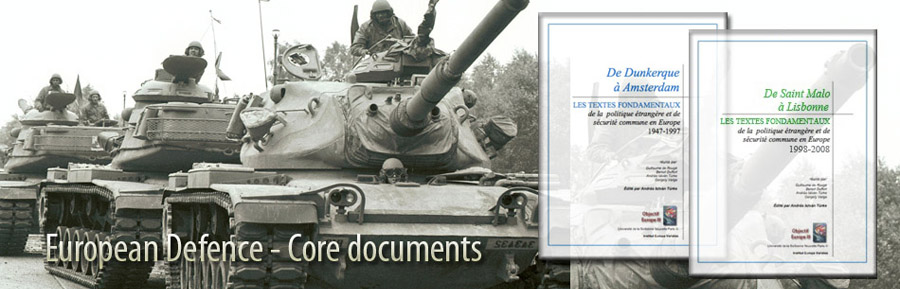
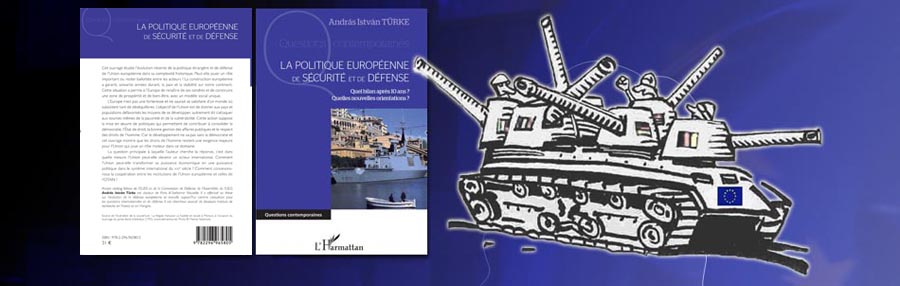
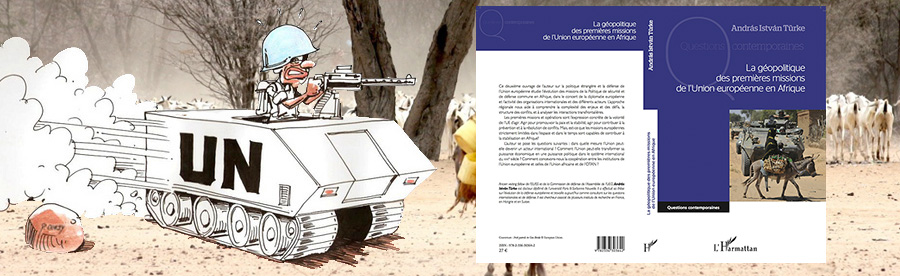
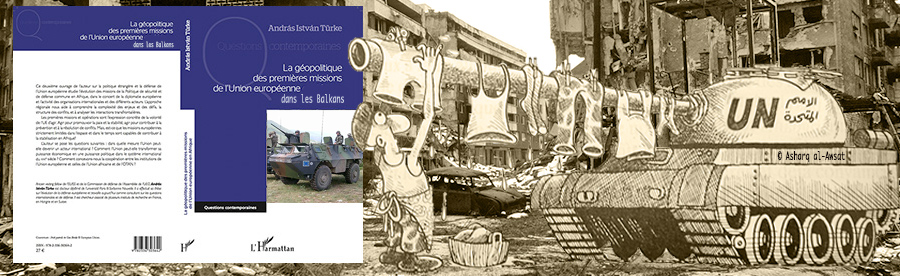
We are looking for sponsors for the English translation of these books, please contact turkeandras(at)gmail(dot)com