
You are here
Feed aggregator
Burkina/Tourisme interne : Et si vous mettiez le cap sur le Sanctuaire animalier de Ziniaré ?
Et si, ces vacances, vous choisissiez de re-découvrir le Burkina ? À quelques kilomètres de Ouagadougou, le Sanctuaire animalier de Ziniaré est une destination idéale pour une escapade en famille, entre amis ou simplement pour s'offrir un moment au contact de la nature.
Dans un contexte où le tourisme interne est fortement encouragé, visiter nos sites touristiques est aussi une manière de mieux connaître, valoriser et faire vivre les richesses de notre pays.
Le Sanctuaire animalier de Ziniaré offre aux visiteurs l'occasion de sortir du cadre habituel, de découvrir la faune avec les lionnes, les élands du Cap des waterbucks, des hyènes, des singes, des autruches, des hippopotames, etc., et de profiter d'un environnement propice à la détente.
Alors, pourquoi chercher loin ce que le Burkina nous offre à portée de route ? Prenons le temps de visiter nos sites, de consommer local et de faire du tourisme au Burkina.
Cette saison, faisons du tourisme interne une véritable aventure ! Découvrez dans cette vidéo les merveilles du sanctuaire animalier de Ziniaré.
Fredo Bassolé
Lefaso.net
Categories: Afrique
CAN féminine 2026 : Une préparation des Etalons perturbée par les primes, selon le sélectionneur Pascal Sawadogo
Après l'élimination du Burkina Faso dès la phase de groupe de la CAN féminine qui se tient actuellement au Maroc, le sélectionneur Pascal Sawadogo a livré, sur le plateau de l'émission « Intégral Foot » de la RTB du 10 août 2026, des révélations sur les difficultés rencontrées par son équipe avant son départ pour le Maroc. Au cœur de ses confidences : des désaccords autour des primes, un voyage manqué et une préparation perturbée.
Le parcours des Étalons dames s'est arrêté en phase de poules lors de la CAN féminine. Battues par la Côte d'Ivoire (4-1) lors de leur entrée en lice, les joueuses de Pascal Sawadogo avaient ensuite battu la Tanzanie (2-1) pour leur deuxième rencontre avant de s'incliner face à l'Afrique du Sud (1-0). Avec trois points, elles ont été éliminées à l'issue de la phase de groupes.
Au-delà des résultats sportifs, le coach des Étalons dames, invité à l'émission « Intégrale Foot » de la RTB, le sélectionneur Pascal Sawadogo a évoqué des difficultés liées aux primes qui, selon lui, ont profondément perturbé la préparation de son groupe.
Le coach de la sélection féminine du Burkina Faso a expliqué que le voyage de son équipe a été retardé d'une semaine à cause d'un désaccord lié aux primes avant le départ pour la CAN.
« Les filles ne voulaient pas car elles estimaient que les 500 000 francs CFA étaient insuffisants. Nous avons même raté notre vol, le dimanche, pour le Maroc à cause de cela. Donc, nous avons continué les négociations liées aux primes et c'est finalement dans la nuit du 15 au 16 que nous avons voyagé pour le Maroc », a laissé entendre le coach lors de son passage à l'émission sur la RTB.
Pascal Sawadogo a également confié que son équipe n'avait pas pu bénéficier de la préparation souhaitée. En raison de la situation liée aux primes, les joueuses seraient restées près d'une semaine sans entraînement.
« Quand nous sommes partis, nous n'avons même pas eu une équipe nationale contre qui jouer un match amical parce que tout le monde avait déjà fini son programme », a-t-il détaillé.
Au-delà de l'aspect financier, Pascal Sawadogo a insisté surtout sur l'impact psychologique de ces difficultés.
Pour lui, une joueuse qui entre sur le terrain avec des préoccupations liées à ses conditions de préparation ou à ses primes ne peut pas être pleinement concentrée sur sa mission sportive. « Le football n'est pas seulement physique, technique ou tactique. Si les filles jouent et que, dans leurs têtes, elles ne sont pas heureuses, c'est compliqué », a-t-il souligné.
Jean Élysée Nikiéma
Lefaso.net
Source : RTB
Categories: Afrique
Pétanque : Les Étalons médaillés à Abidjan célébrés par la Fédération
La Fédération burkinabè de pétanque (FBP) a organisé, le 8 août 2026 à Yagma, une cérémonie de célébration en l'honneur des Étalons boulistes ayant pris part à la compétition de la Zone 2 Afrique de l'Ouest de la Confédération africaine de sport pétanque, à Abidjan. La délégation burkinabè, conduite par l'entraîneur national Djibril Ouédraogo, est rentrée au pays avec deux médailles, dont une en or et une en bronze, ainsi que deux trophées. La Fédération a également associé à cette célébration les boulistes ayant participé à l'immersion patriotique.
La Fédération burkinabè de pétanque (FBP), avec à sa tête son président, Isidore Kientéga, et l'ensemble de son staff, a organisé, le 8 août 2026 à Yagma, une cérémonie de célébration des Étalons boulistes ayant pris part à la compétition de la Zone 2 Afrique de l'Ouest de la Confédération africaine de sport pétanque, à Abidjan.
Les Étalons Patrice Tiemtoré, Aziz Ouédraogo, Nestor Zoromé et Madi Tapsoba, conduits par l'entraîneur national Djibril Ouédraogo, ont regagné le pays avec deux médailles, dont une en or et une en bronze, ainsi que deux trophées. À cette occasion, la Fédération a associé à la célébration les boulistes qui sont allés accomplir l'immersion patriotique.
Le quatuor d'Étalons boulistes, de gauche à droite : Djibril Ouédraogo, l'entraîneur national, Patrice Tiemtoré, Madi Tapsoba, Aziz Ouédraogo et Nestor Zoromé.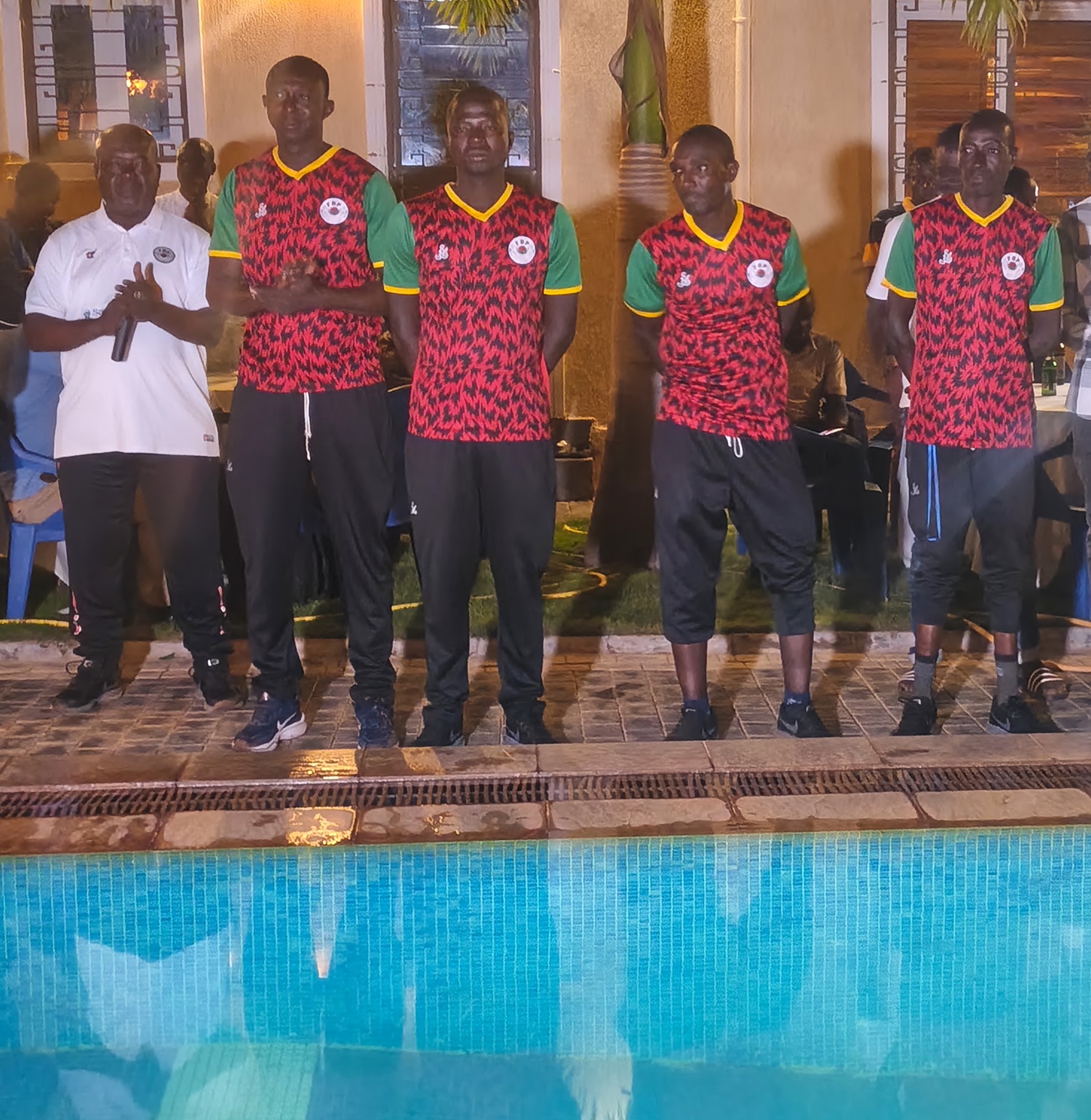
Pour cette cérémonie, la grande famille bouliste a été conviée. On notait notamment la présence du président de la Ligue du Centre de pétanque, Adolphe Bamogo, du président de la Zone 2 Afrique de l'Ouest, Arsène Macaire Kaboré, des présidents de clubs et de districts, ainsi que des autorités coutumières et administratives.
Plusieurs interventions ont ponctué le cérémonial. Le Naaba Kougri de Cella, par ailleurs secrétaire chargé des relations de la FBP, a souhaité la bienvenue à tous ceux qui ont effectué le déplacement pour soutenir la Fédération dans cette initiative qu'il a qualifiée de louable. Selon lui, celle-ci vise à magnifier les athlètes et à dire bravo aux boulistes ainsi qu'aux membres de la FBP ayant accepté d'aller à l'immersion patriotique.
À ce sujet, le représentant des immergés patriotes, Adama Kagoné, du club Arc-en-ciel, a fait savoir que l'immersion s'est déroulée en deux phases : théorique et pratique. Elle a porté sur l'éveil et l'affermissement du sentiment patriotique, ainsi que sur les comportements de défense à adopter dans le contexte sécuritaire que vit le pays.
Les officiels à la cérémonie de célébration.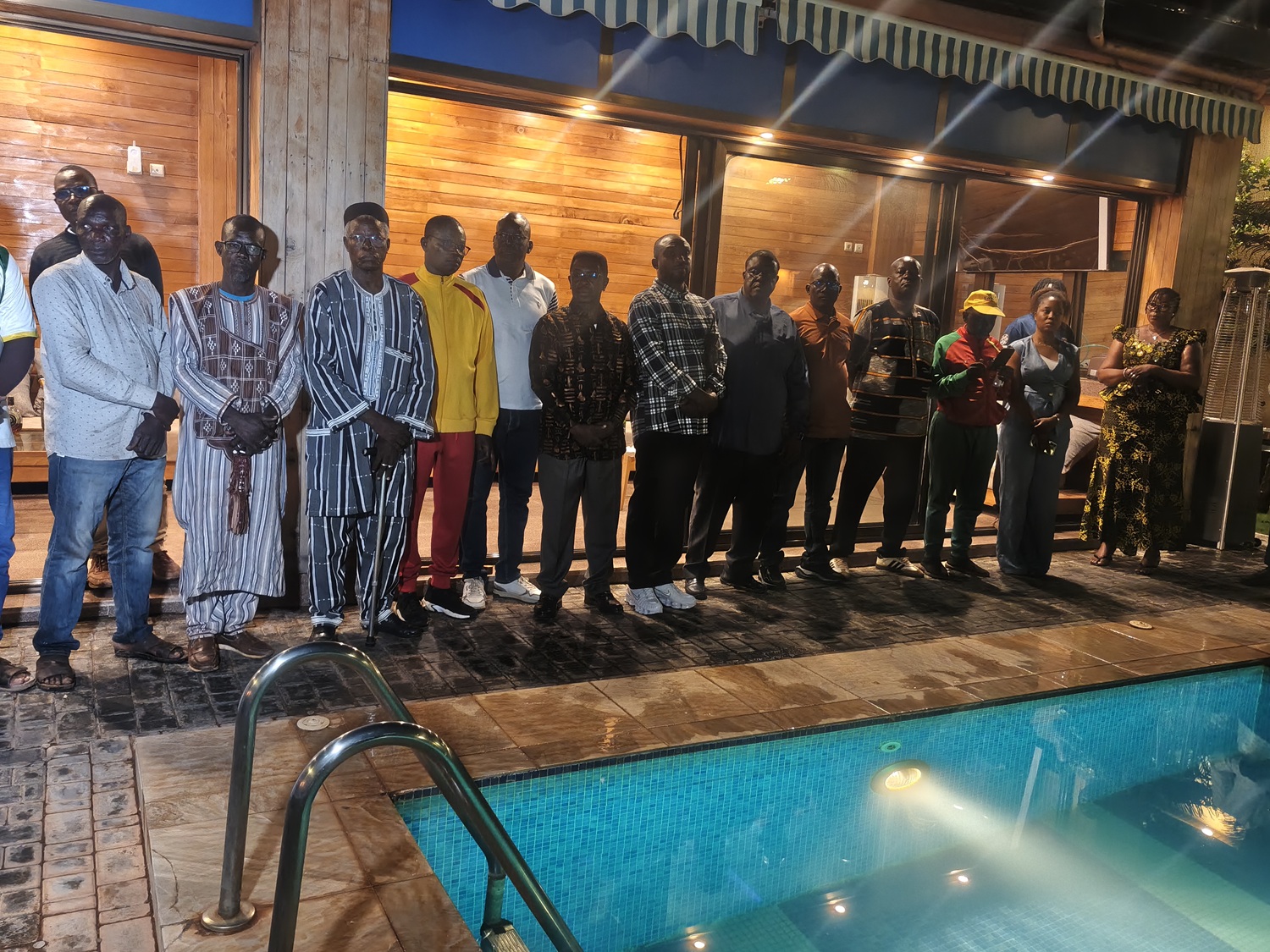
La compétition de pétanque d'Abidjan, elle, a concerné quatre spécialités : la doublette, la triplette, le tir de précision et le tête-à-tête masculin. Le Burkina Faso, par l'entremise d'Aziz Ouédraogo, s'est adjugé la médaille d'or en tir de précision et la médaille de bronze avec Madi Tapsoba en tête-à-tête masculin.
En rappel, le tournoi, qui s'est déroulé du 21 au 24 mai 2026, a regroupé le Bénin, le Burkina Faso, le pays hôte, la Côte d'Ivoire, le Niger, la Guinée et le Mali, avec environ une trentaine de joueurs.
La cérémonie de célébration avait connu deux reports pour des cas de force majeure. À l'occasion de cette rencontre, les Étalons ont solennellement présenté leurs trophées et leurs médailles à la FBP ainsi qu'à l'assistance.
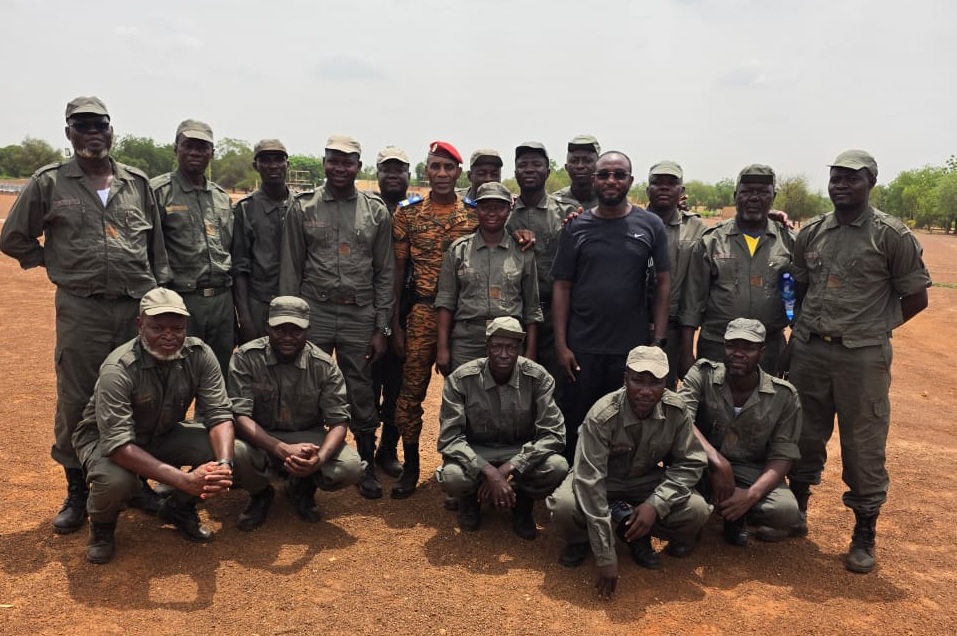
« Tout l'honneur revient à la Fédération burkinabè de pétanque, parce que nous sommes les premiers gagnants, et les plus grands gagnants. Étalons boulistes, soyez fiers de ce que vous avez accompli comme mission à Abidjan, chers immergés patriotes, soyez fiers d'avoir répondu à l'appel de la patrie pour accomplir un acte hautement citoyen », a salué le président de la FBP, Isidore Kientéga, à l'endroit des Étalons boulistes et des immergés patriotes.
Il a poursuivi en exhortant les boulistes à toujours viser l'excellence dans tout ce qu'ils font. Selon lui, ils ne le font pour personne, mais pour porter haut les couleurs de la nation.
En guise de récompense, la FBP a promis de faire un geste pour eux. Le cérémonial a pris fin autour d'un repas convivial.
Barthélemy Kaboré
(Collaborateur)
Categories: Afrique
Burkina : L'association LYDIE vole au secours des pensionnaires de la Cour de solidarité de Paspanga avec des équipements d'une valeur d'environ 8,5 millions de FCFA
L'association LYDIE, bras social du Centre international d'évangélisation, a manifesté ce jour 11 août 2026, sa compassion envers les pensionnaires de la Cour de solidarité sise à Paspanga. Elle a remis du matériel d'une valeur d'environ 8,5 millions de FCFA, qui devrait permettre d'améliorer les conditions de vie de la soixantaine de femmes victimes d'allégations de sorcellerie qui y résident. Dr Hortense Karambiri, présidente de l'association LYDIE, a indiqué que ce geste vient saluer la résilience et la dignité de ces femmes qui malgré les épreuves qu'elles ont traversées ont su rester debout.
C'est à la faveur d'une visite à la Cour de solidarité en juin 2026 pour un apport en vivres et non vivres et après des échanges avec les pensionnaires qui ont permis de cerner leurs besoins, que Dr Hortense Karambiri a pris l'initiative de faire le présent don. Avec l'appui de personnes de bonne volonté, elle a au nom de l'association LYDIE offert ce jour du matériel qui va permettre d'améliorer considérablément les conditions de vie et le confort des pensionnaires de la cour. Le don se compose de 2 extracteurs d'air pour la salle de garde, 44 ventilateurs, deux climatiseurs, trois télévisions, 44 étagères métalliques de rangement, 62 matelas, des intrants pour la fabrication du soumbala, des cartons de savons ainsi que des plats et matériels divers. Les foyers qui servent pour la préparation des repas ont aussi été refaits.
Le don est composé de ventilateurs, de matelas, de télévisions, d'étagères de rangement, etc.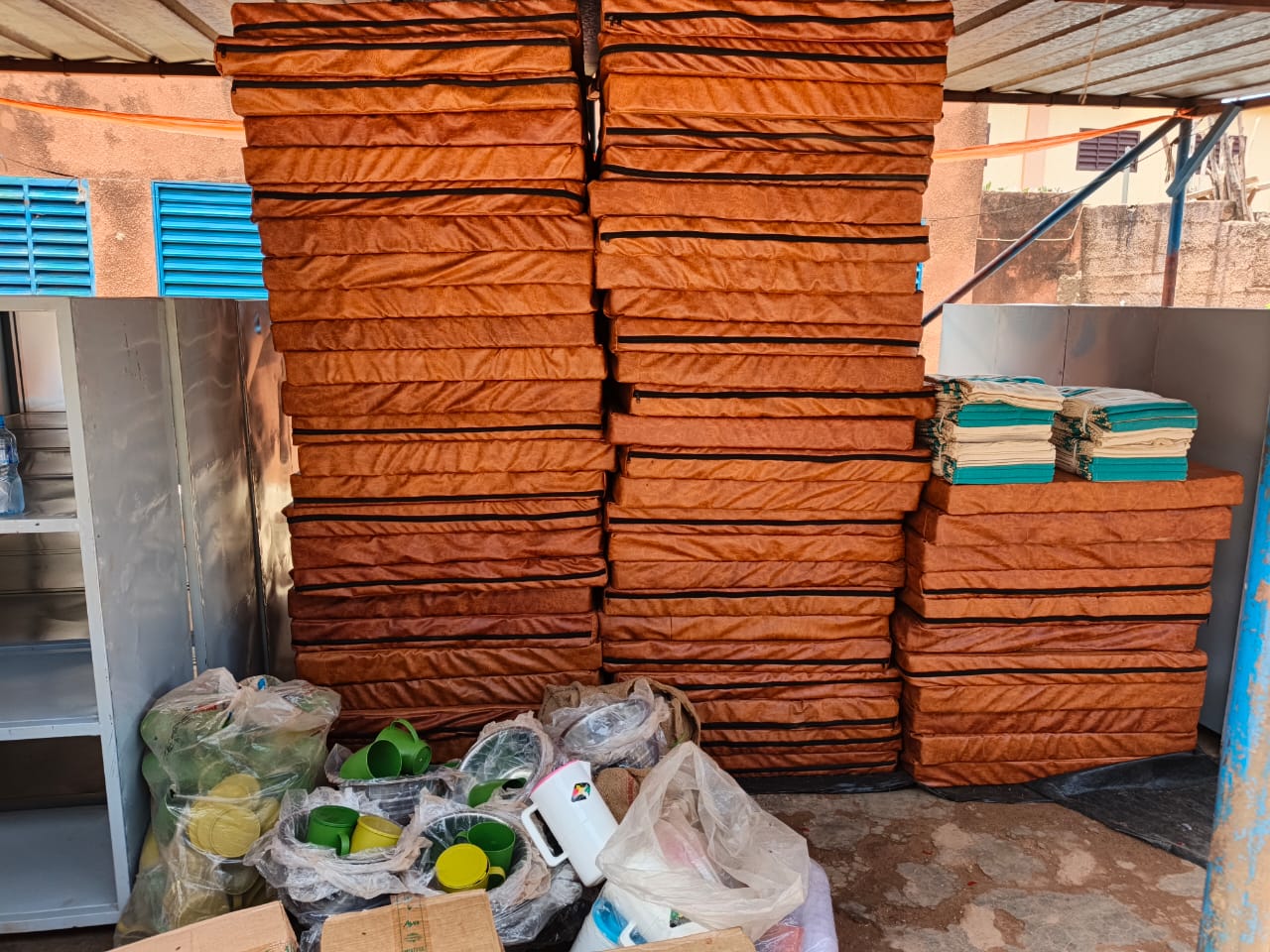
Permettre aux 57 femmes logées à la cour de vivre dignement, tel est l'objectif de l'association LYDIE. “Nous voulons à travers ce geste dire à ces mamans qu'elles ont de la valeur. Leur vie est une expression de résilience, de courage. Nous avons vu des dizaines de mamans qui ont passé des années difficiles mais qui nous enseignent aussi une leçon de vie, celle de tenir ferme quelle que soit la situation. Nous voulons leur dire aussi que Dieu ne les a pas oubliées et Il passe par des individus et des structures pour les assister ”, a laissé entendre Dr Hortense Karambiri. Pour elle, le matériel remis représente' une dignité retrouvée, des outils d'autonomie et d'espérance. Dr Karambiri n'a pas manqué d'inviter les citoyens ainsi que les structures, à apporter assistance et soutien aux personnes vulnérables.
Dr Hortense Karambiri, présidente de l'association LYDIE a indiqué que ce don vise à améliorer les conditions de vie des pensionnaires de la Cour de solidarité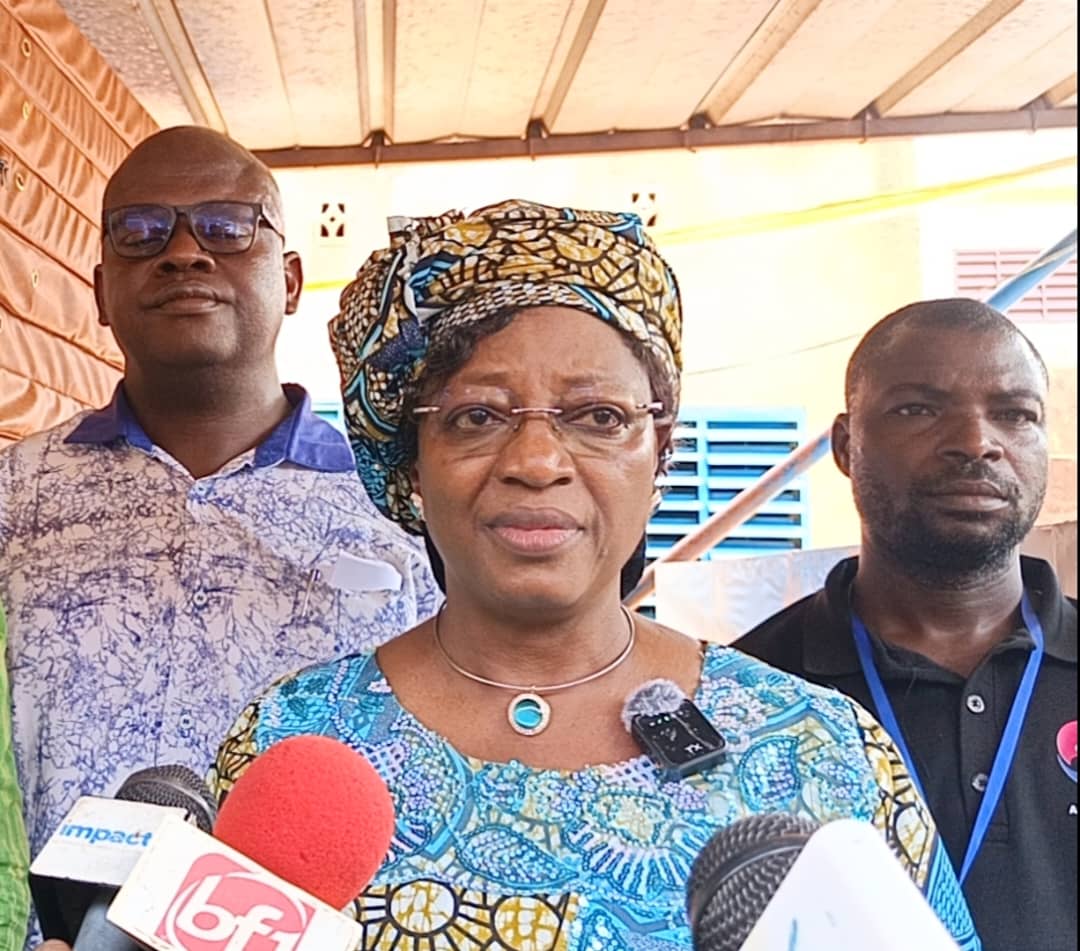
Le don a été réceptionné par le secrétaire général du ministère de la Famille et de la solidarité, Emile Zabsonré. Il a traduit la reconnaissance des bénéficiaires à l'association LYDIE pour ce geste de générosité. “Cet appui traduit un engagement concret en faveur de la dignité humaine, de l'inclusion sociale et de la solidarité envers les personnes les plus vulnérables. Il contribue également à renforcer les conditions d'accueil et d'accompagnement des pensionnaires et à consolider les initiatives visant leur autonomisation”, a-t-il relevé. Emile Zabsonré a émis le vœu que la collaboration entre l'association LYDIE et la Cour de solidarité se poursuive pour le grand bonheur des pensionnaires.
Emile Zabsonré, secrétaire général du ministère de la Famille qui a réceptionné le don, s'est réjoui du geste de l'association LYDIE.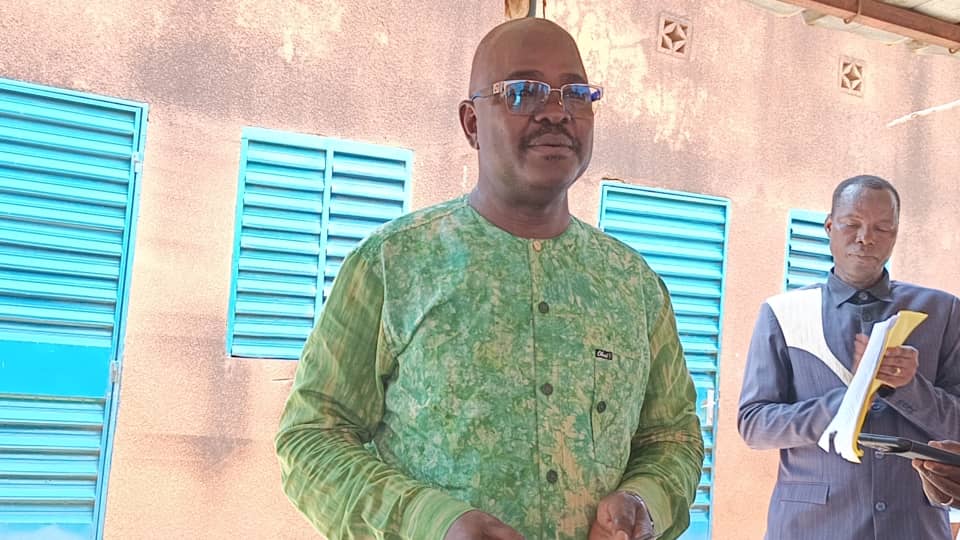
Créee en 1985 sous la révolution, la Cour de solidarité de Paspanga est un cadre de protection et de solidarité pour les personnes en situation de vulnérabilité et d'exclusion sociale. En plus de l'hébergement, les pensionnaires bénéficient d'accompagnement psychosocial, de médiation pour le retour dans leurs familles d'origine et d'initiation à des activités génératrices de revenus. Ce sont actuellement 57 femmes qui y sont accueillies.
Les foyers qui servent pour la préparation des repas ont aussi été refaits.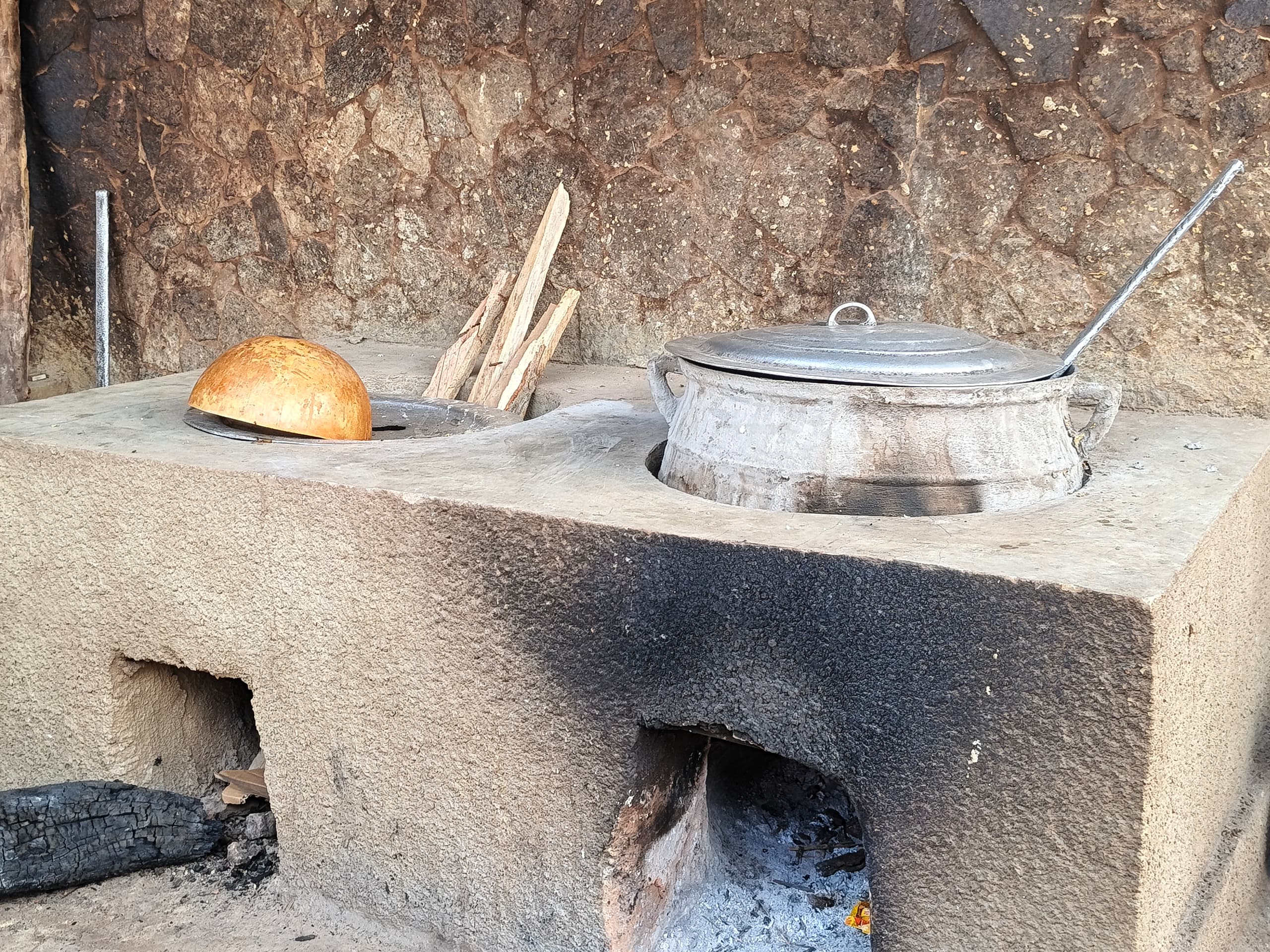
Armelle Ouédraogo/Dominique Ouédraogo
Lefaso.net
Categories: Afrique
Étalons U20 : Une génération à accompagner vers le haut niveau
En remportant le tournoi UFOA-B U20 le dimanche 9 août 2026, les jeunes Étalons ont franchi un cap important et offrent une nouvelle source de satisfaction au football burkinabè. Au-delà de ce sacre, cette génération ambitieuse mérite une attention particulière. Car si ces jeunes ont réussi leur examen sur le terrain, le football burkinabè doit désormais tout mettre en œuvre pour accompagner leur progression et leur permettre de confirmer au plus haut niveau.
Il y a des victoires qui font plaisir. Et puis il y a celles qui écrivent l'histoire d'un peuple résilient depuis des décennies. Qualifiée d'office pour la CAN U20, cette équipe d'Oscar Barro a remporté le tournoi avec cette particularité que les Burkinabè connaissent bien : vivre de fortes émotions pendant 90 minutes avant de nous offrir, peut-être, le sourire. Stress, espoir, inquiétude et, finalement, la récompense.
Mais derrière ce bonheur historique, une question mérite d'être posée : que va-t-on faire de cette génération ? Car le football des jeunes ne doit pas être une simple conquête de trophées. Il doit constituer une étape dans la construction d'une équipe nationale compétitive.
- Lire aussi : Tournoi UFOA-B U20 2026 : les Étalons remportent la compétition et se qualifient pour la CAN
Ces jeunes viennent de franchir un cap très important dans l'histoire du football burkinabè. Ils ont défendu les couleurs nationales, joué sous pression et géré les exigences d'une compétition internationale. Oscar Barro et ses poulains ont surtout démontré que, malgré les menaces, le Faso reste toujours debout et qu'il existe, au pays des Hommes intègres, des talents capables de porter demain les ambitions des Étalons.
Parce qu'après le trophée, les félicitations et les belles photos, il faudra revenir au quotidien : l'encadrement individuel, les entraînements, les championnats et surtout le temps de jeu. Le football est incroyable et a parfois une drôle de manière de traiter ses jeunes talents. On les présente le dimanche comme les futurs Messi ou Ronaldo, puis on les oublie presque, ou carrément, le lundi matin.
Ils n'ont pas seulement gagné un match : ils ont corrigé une équipe nigériane et déchiré une page du mauvais souvenir de la CAN 2013. Cette génération envoie un message fort aux Étalons A et mérite un véritable suivi, bien au-delà d'un titre de champion de l'UFOA-B. Les meilleurs méritent la récompense, mais doivent progresser dans des conditions optimales et intégrer progressivement le haut niveau.
Dans le football moderne, le sacre des U20 n'est pas une fin. C'est le début d'une histoire. Le Burkina Faso dispose aujourd'hui d'une génération combattante qui a déjà goûté à la victoire. À présent, il faut lui apprendre à durer et à aller plus loin.
Devons-nous célébrer ce titre ? Bien sûr que oui. La jeunesse a gagné et elle mérite des tonnes d'applaudissements. Mais pendant que les Burkinabè sont heureux et que les joueurs soulèvent le trophée, les responsables du football devraient, eux, commencer à réfléchir à la prochaine étape.
Un trophée peut remplir une armoire. Mais une génération bien formée peut remplir toute une histoire.
Ismaël Ouédraogo (stagiaire)
Lefaso.net
Categories: Afrique
Afrique du Sud : L'activiste panafricain Kémi Seba voit sa comparution repoussée au 23 septembre 2026
Alors que sa comparution devant le Tribunal était attendue pour ce mardi 11 août 2026 en Afrique du Sud où il est dans des liens de détention depuis avril 2026, l'activiste panafricain, Kémi Seba, voit son audience repoussée au 23 septembre 2026. Ce renvoi, qui intervient après plusieurs autres s'explique, selon plusieurs confrères internationaux, par une panne d'électricité survenue dans la prison où il est détenu, empêchant ainsi son transfert au Tribunal.
L'activiste béninois Kemi Seba n'a donc pas comparu ce mardi 11 août 2026 devant le tribunal sud-africain ; une panne d'électricité dans son lieu de détention pénitentiaire due à de mauvaises conditions météorologiques a, selon des médias, empêché son transfert au Tribunal (des publications indiquent, depuis quelques heures, qu'un froid intense frappe une grande partie du pays). Conséquence, l'audience consacrée notamment à la demande de son extradition du Bénin, son pays d'origine, a été reportée au 23 septembre 2026.
En rappel, l'activiste béninois, Kemi Seba (à l'état civil, Stellio Gilles Robert Capo Chichi alias) a été arrêté en Afrique du Sud, le 13 avril 2026, en compagnie de deux autres personnes, dont son fils, pour des « faits présumés de facilitation d'entrée illégale au Zimbabwe via le fleuve Limpopo ». Le 15 avril, à la suite d'une comparution, il est placé en détention provisoire, en attendant la suite de la procédure.
En Afrique du Sud, il est donc poursuivi pour des faits liés à une tentative présumée de sortie illégale du territoire en direction du Zimbabwe, avec des documents considérés comme irréguliers. Au même moment, son pays d'origine (né franco-béninois, Kémi Seba a été déchu de sa nationalité française en juillet 2024), le Bénin, a formulé une requête d'extradition suite à un mandat d'arrêt international lancé contre lui en décembre 2025 dans le cadre du coup d'Etat manqué du 5 décembre 2025 (https://lefaso.net/spip.php?article142879), pour « apologie de crimes contre la sûreté de l'État » et « incitation à la rébellion ».
L'audience du 23 septembre 2026 devrait donc situer le panafricaniste sur les charges et la demande de son extradition vers le Bénin.
Considéré par certains comme un révolutionnaire, un leader panafricain, le président de l'ONG Urgences panafricanistes est connu pour ses mobilisations dans des capitales africaines, dont Ouagadougou, où son dernier séjour remonte à juin 2024 (https://lefaso.net/spip.php?article130919).
Lire aussi : Bénin : Le célèbre activiste panafricain, Kémi Seba, arrêté en Afrique du Sud
O.L.
Lefaso.net
Categories: Afrique
Footballeurs africains en Europe : la nouvelle hiérarchie 2025-26
Qui domine réellement le football africain en Europe cette saison, et pourquoi ce classement évolue vite.
Les footballeurs africains les plus performants de ces dernières années dans les principaux championnats européens
Un continent, cinq championnats, une évidence qui s'impose match après match. Le football africain ne se résume plus à quelques noms isolés dispersés dans les grandes équipes ; il forme un bloc régulier de performeurs, capable de peser sur un titre de champion comme sur une bataille de milieu de tableau. La CAN 2025, remportée par le Maroc pour la première fois en cinquante ans, a servi de révélateur collectif avant le retour en club. Repérer ces trajectoires en amont, comme le fait sur Foot-Africa.com le suivi éditorial spécialisé, éclaire pourquoi certains transferts explosent.
Des trajectoires individuelles qui redéfinissent les standards
Achraf Hakimi incarne ce basculement. Sacré meilleur joueur africain de l'année par la CAF fin 2025, le latéral marocain a ouvert le score en finale de UCL, gagnée avec un score de 5-0 contre l'Inter Milan, a été remportée par le PSG. son premier sacre européen. Il rejoint un cercle restreint de double vainqueurs avec deux clubs différents, aux côtés de Seydou Keita et Samuel Eto'o.
Mohamed Salah ignore les pronostics sur sa fin de cycle et reste l'un des générateurs d'occasions les plus constants du Big 5. Sadio Mané, souvent annoncé sur le déclin, a démenti ce récit en menant le Sénégal vers un nouveau titre continental, distingué meilleur joueur du tournoi.
Une nouvelle génération qui prend le relais
Derrière ces figures installées, une vague plus jeune redistribue les cartes chaque week-end. Yan Diomande, ailier ivoirien du RB Leipzig, termine la première partie de saison en tête des notes africaines du Big 5. Antoine Semenyo, révélé à Bournemouth, rivalise en tête des buteurs avec le Camerounais Karl Etta Eyong, tandis que Bryan Mbeumo s'est vite adapté au poste d'avant-centre à Manchester United.
Cette montée en puissance se lit aussi dans les données avancées : le nombre de joueurs africains dépassant la moyenne de leur poste en actions progressives a presque doublé depuis 2022. Quelques repères :
● Hakimi, double vainqueur de la Ligue des champions
● Mané, meilleur joueur de la CAN 2025
● Diomande, meilleure note moyenne africaine du Big 5
● Semenyo, parmi les meilleurs buteurs de Premier League
Ce que cette dynamique change pour les clubs européens
Les recruteurs ne cherchent plus un profil ponctuel mais une filière entière, du Nigeria au Sénégal en passant par le Maroc, avec des transferts dépassant régulièrement soixante-dix millions d'euros. Ce rééquilibrage touche aussi les postes défensifs, longtemps délaissés au profit de l'attaque.
Cette accélération s'explique par cinq facteurs :
● Formation locale renforcée dans plusieurs fédérations
● Passerelles nord-européennes via des clubs intermédiaires
● Visibilité accrue de la CAN auprès des recruteurs
● Diversification des postes occupés en club
● Confirmation statistique par les données avancées
En résumé
La saison 2025-26 confirme une bascule plus qu'elle ne l'annonce : les footballeurs africains occupent des rôles décisifs, du sacre en Ligue des champions aux classements de buteurs. Entre Hakimi, Salah et la génération montante emmenée par Diomande ou Semenyo, le continent aligne une profondeur de talents rarement observée.
Categories: Afrique
Météo Algérie : pluies, orages et fortes chaleurs attendus ce mercredi 12 août
Les conditions météorologiques resteront contrastées en Algérie ce mercredi 12 août. Les services de l’Office national de la météorologie (ONM) annoncent des pluies et des […]
L’article Météo Algérie : pluies, orages et fortes chaleurs attendus ce mercredi 12 août est apparu en premier sur .
Categories: Afrique
Camp vacances Faso Mêbo 2026 : 514 jeunes campeurs réunis dans la 5e région militaire
La deuxième édition du Camp vacances Faso Mêbo a été officiellement lancée ce mardi 11 août 2026 sous le patronage régional du gouverneur Babo Pierre Bassinga, et sous le parrainage régional du Commandant de la 5e Région militaire, le Lieutenant-colonel Sosthène Coulibaly, et la bénédiction du Chef de canton de Dédougou.
L'initiative réunit 514 enfants, âgés de 10 à 15 ans, et sous le slogan : « Je m'instruis et je participe à la construction de ma Nation. La Patrie ou la Mort, nous Vaincrons ! ».
Selon le Coordonnateur régional de l'Agence Faso Mêbo dans les régions de Bankui et du Sourou, représentant le directeur général de l'Agence Faso Mêbo, le Lieutenant Oumarou Ouédraogo, les 514 campeurs sont composés de 490 inscrits sur la liste générale et 24 issus des pupilles de la Nation.
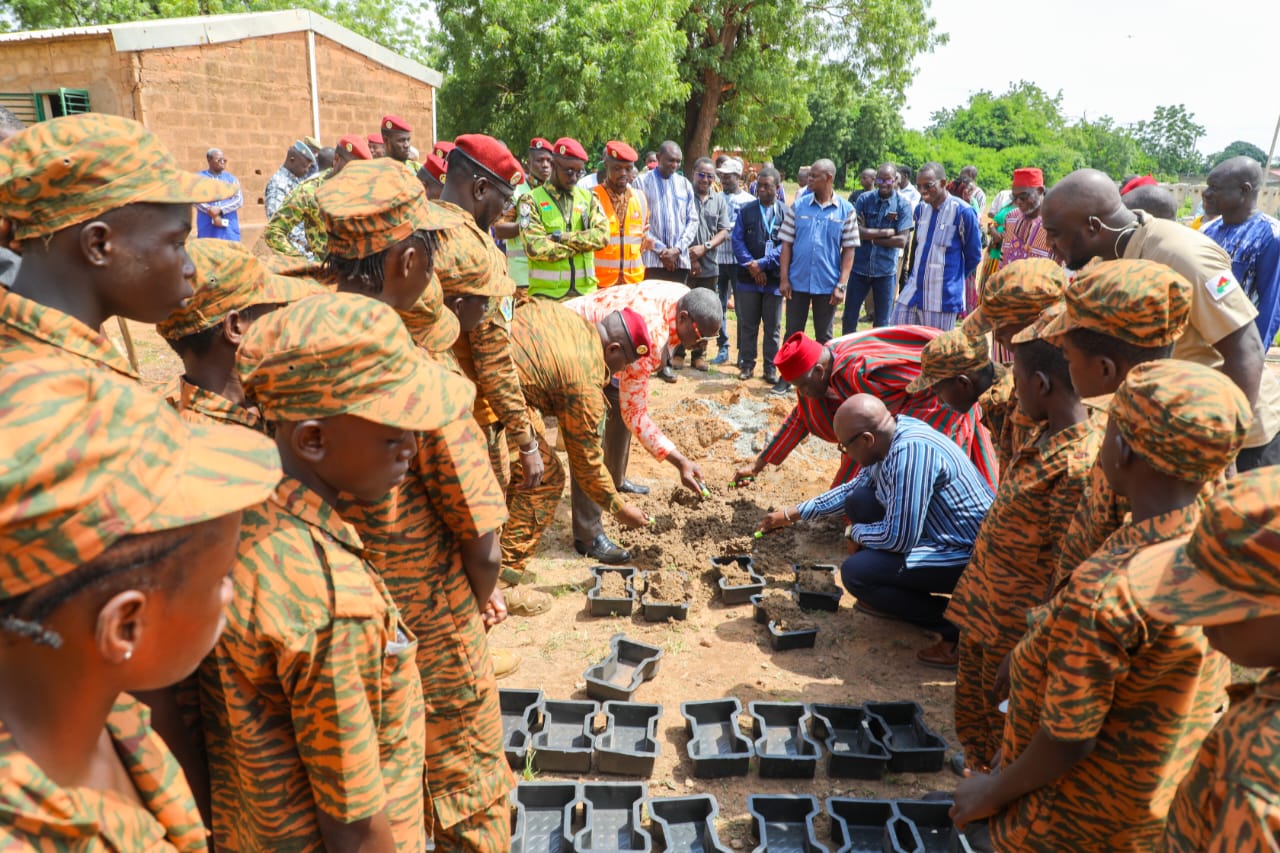
Pour le gouverneur Babo Pierre Bassinga, cette initiative contribue à former des jeunes capables de participer au développement du Burkina Faso, en leur transmettant le savoir, le savoir-faire et le savoir-être.
Le parrain régional, le Lieutenant-Colonel Sosthène Coulibaly a, pour sa part, expliqué que l'encadrement mettra l'accent sur le civisme, le patriotisme et la connaissance du pays, afin de préparer ces jeunes à devenir des acteurs de développement.
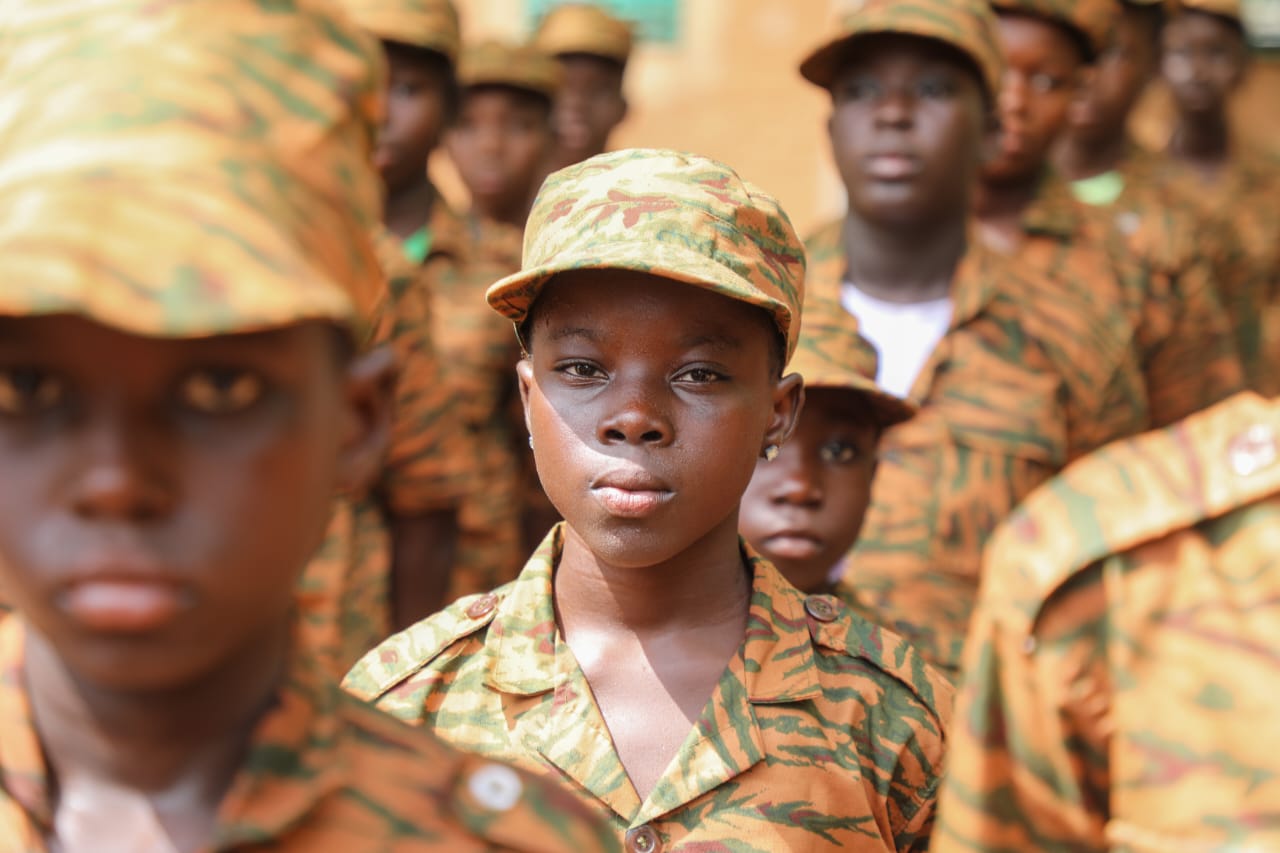
Prévu du 11 au 20 août 2026, le camp vacances vise à inculquer aux jeunes campeurs des valeurs de patriotisme, de civisme, de discipline, de rigueur et de travail prônées par la Révolution progressiste populaire. Pendant ces dix jours, les campeurs seront appelés à vivre, apprendre et travailler ensemble, dans un esprit de discipline, de solidarité et de patriotisme, avec pour ambition de faire d'eux des citoyens engagés dans la construction du Burkina Faso.
Lefaso.net
Source : DAJC/AFM
Categories: Afrique
Why Is AI So Popular in China?
The technology is far less divisive than in the United States.
Categories: Diplomacy & Crisis News
Le week-end, c'est à l'Oasis Saint Michel de Tintilou
Besoin de changer d'air, de vous détendre et de passer un bon moment ? Faites vos valises et venez profiter d'un week-end de détente, de loisirs et de beaux moments à partager
Categories: Afrique
Tragédie d’Ouled Djellal : Le père de l’enfant survivant livre le témoignage de son fils
Le drame survenu dans la wilaya d’Ouled Djellal, où trois jeunes garçons ont été retrouvés piégés dans le coffre d’un véhicule, continue de susciter une […]
L’article Tragédie d’Ouled Djellal : Le père de l’enfant survivant livre le témoignage de son fils est apparu en premier sur .
Categories: Afrique
Douane béninoise et Niger Brique unies pour contrôler le marché du tabac
La lutte contre les pratiques frauduleuses dans le commerce du tabac prend une nouvelle orientation au Bénin. Un protocole d'accord destiné à mieux encadrer le marché du tabac a été signé dans ce cadre.
La Direction générale des Douanes et la société Niger Brique ont conclu, lundi 10 août 2026, un protocole d'accord pour renforcer le suivi des produits commercialisés sur le marché.

L'entente doit permettre à l'administration douanière de disposer d'un meilleur cadre de contrôle, notamment grâce à une traçabilité accrue des marchandises.
Elle entend également contribuer à réduire les importations irrégulières et à protéger les recettes fiscales liées au secteur.

Pour les opérateurs qui respectent les règles, le partenariat devrait aussi favoriser un environnement commercial plus équilibré.
L'objectif affiché est de mieux distinguer les activités conformes à la réglementation des circuits qui échappent au contrôle de l'administration.
L'initiative touche également aux enjeux de santé publique et de sécurité liés à la circulation des produits du tabac. Elle traduit ainsi la volonté des deux parties de renforcer la régulation d'un secteur particulièrement exposé à la fraude.
M. M.

Categories: Afrique
Résultats du tirage Digital 20H
Résultats du tirage "DIGITAL 20H" N°223 du Mardi 11 Août 2026
JEU DIGITAL Loto5/90
Les numéros tirés :
48 • 36 • 78 • 60 • 57
A jouer dans les centres jeux, les points de validation et sur mobile en composant *590# ou lnbloto.bj
Categories: Afrique
Relance de la natalité : en Europe, beaucoup de mesures, peu d'effets
Hongrie, Allemagne, France, Turquie : chaque pays a sa stratégie pour inciter à la procréation mais le désir d'enfants ne suit pas. Reportage en Lituanie et analyse de Thibault Prébay. Également dans cette émission, l'espoir des Kurdes pour la reconnaissance de leur langue en Turquie, et les difficultés de la Silésie à faire accepter la sienne en Pologne.
Categories: Union européenne
L’OMS mise sur l’engagement communautaire pour stopper l’épidémie en Ituri
L’Organisation mondiale de la Santé (OMS) appelle à renforcer l’implication directe des populations locales dans la riposte contre la maladie à virus Ebola. Lors d’une conférence de presse tenue lundi 10 aout 2026 à Bunia, en présence du directeur régional de l'OMS pour l’Afrique et de l’équipe nationale de riposte, l’agence onusienne a rappelé que la victoire contre l'épidémie repose sur une responsabilité collective.
Categories: Afrique
Colombia’s New President Faces His First Major Test
President Abelardo de la Espriella took office mere days before a major earthquake struck the country.
Categories: Diplomacy & Crisis News
Félix Tshisekedi lance les travaux du boulevard Docteur Étienne Tshisekedi wa Mulumba à Kinshasa
Le président de la République, Félix-Antoine Tshisekedi Tshilombo, a officiellement lancé, mardi 11 août 2026, les travaux de construction du boulevard Docteur Étienne Tshisekedi wa Mulumba à Kinshasa. Ce projet d’infrastructure, porté par le gouvernement provincial, vise à améliorer durablement la mobilité urbaine dans la capitale congolaise, confrontée à une circulation de plus en plus dense.
Categories: Afrique
Haut-Katanga : le bilan de l’accident sur l’axe Likasi-Lubumbashi passe de 5 à 22 morts
Le bilan de l’accident de la circulation survenu lundi 10 août sur l’axe routier Lubumbashi-Likasi, à une cinquantaine de kilomètres de Lubumbashi, s’est considérablement alourdi. Initialement estimé à cinq morts, il est désormais de 22 décès, selon les dernières informations communiquées par la Commission nationale de prévention routière (CNPR).
Categories: Afrique
L'UEMOA réunit à Cotonou experts et professionnels pour vulgariser le droit communautaire
La Commission de l'UEMOA en collaboration avec le Programme d'Appui à la Concurrence et à la Sécurité des produits de consommation (PACoSPro)/volet Afrique de l'Ouest, organise depuis le lundi 10 août 2026, un séminaire national d'information et de sensibilisation sur le droit et la politique de la concurrence en Afrique de l'Ouest. Pendant 3 jours, experts, entreprises et associations planchent sur les règles pour un marché ouest-africain plus sain
Cotonou, la capitale économique du Bénin accueille depuis ce lundi 10 août 2026, un séminaire national d'information et de sensibilisation sur le droit et la politique de la concurrence en Afrique de l'Ouest. Des cadres des structures en charge de la concurrence, des professionnels des secteurs des assurances, de la pharmacie et des représentants des journalistes économiques ainsi que des associations de consommateurs du Togo prennent part aux travaux prévus pour durer trois jours.
L'objectif visé est d'améliorer le niveau de maîtrise de la législation communautaire de la concurrence par les acteurs du secteur privé et les cadres des administrations chargés de sa mise en œuvre, en vue d'un meilleur fonctionnement du marché commun et d'un développement de la culture de concurrence au sein de l'UEMOA.
Pour Filiga M. Sawadogo, Commissaire chargé du marché régional et de la coopération, le contexte n'accepte plus de demi-mesure.
« Dans un monde marqué par l'ouverture des marchés, les mutations technologiques et l'émergence d'acteurs de plus en plus puissants, garantir une concurrence saine n'est plus un choix : c'est une nécessité stratégique pour tout État moderne », a-t-il déclaré.
Il a rappelé que la concurrence n'est « ni une idéologie, ni une abstraction juridique ». Elle pousse les entreprises à innover, à proposer des prix justes et à améliorer la qualité de leurs produits et services. « C'est le souffle qui anime l'économie de marché, l'un des piliers du développement durable et un levier puissant pour attirer les investissements ».
Le séminaire est aussi l'occasion pour la Commission de l'UEMOA de vulgariser ses règles : règles matérielles, procédures d'application, pouvoirs de la Commission, partage de compétences avec les États membres et modalités de collaboration.
Au programme : ententes anticoncurrentielles, abus de position dominante, aides d'État, pratiques anticoncurrentielles, rôle des organisations professionnelles et protection des consommateurs. Les mécanismes de coopération entre structures nationales de concurrence seront également abordés.
Rendre les entreprises ouest-africaines plus compétitives
Selon Mélaine Cohou Tchokponhoué, directeur de la concurrence à la Commission de l'UEMOA, la concurrence doit d'abord « dynamiser les échanges entre États membres » pour que les entreprises locales deviennent assez solides pour affronter la compétition internationale.
« Il s'agit de partager les règles pour que les entreprises les maîtrisent, les respectent et puissent compétir entre elles », explique-t-il. L'atelier insiste donc sur la surveillance du marché et la dénonciation des infractions afin de développer durablement la culture de la concurrence en Afrique de l'Ouest.
Le Bénin met en avant ses réformes
Pour Bernard Ehoun, directeur de la concurrence au ministère du Commerce, ce séminaire tombe à point nommé. Depuis 2016, le Bénin a créé son Autorité nationale de la concurrence. Mais son opérationnalisation passe par la formation de tous les acteurs.
« C'est un honneur pour le Bénin d'accueillir cette rencontre qui vient donner l'information à nos opérateurs et les rendre plus aptes à aider les autorités dans leurs missions », a-t-il souligné.
Les travaux ont également permis de faire le point sur la mise en œuvre du dispositif communautaire et de présenter PACoSPro, ses objectifs et les perspectives qu'il offre pour renforcer la politique de concurrence dans l'espace UEMOA.
Categories: Afrique
Pages



© 2012-2018 Europa Varietas Foundation © 2015-2018 Europa Varietas Association
www.europavarietas.org | info(@)europavarietas(dot)org | Switzerland




We are looking for sponsors for the English translation of these books, please contact turkeandras(at)gmail(dot)com