
You are here
Feed aggregator
How China Found Its Most Potent Weapon
The real history of Beijing’s rare-earth dominance.
Categories: Diplomacy & Crisis News
“The Strategy of Terrorism”
A quarter century before 9/11, an upsurge in global terrorism prompted the historian David Fromkin to examine its purpose and method. Terrorism was a strategy of the weak, Fromkin wrote in these pages, but modern technology had enabled it “to enter the political arena on a new scale.” And its surprising success seemed to be due, in large part, “to a miscomprehension of the strategy by its opponents.”
Categories: Diplomacy & Crisis News
Democracies Need Creative Destruction
How to make government work again.
Categories: Diplomacy & Crisis News
Cambodia: From Scam Empire to Security State
War with Thailand pushed Cambodia to enact a sweeping scam crackdown. Now the ruling elite is leveraging the same crackdown to consolidate its political control.
Categories: Diplomacy & Crisis News
How Southeast Asia and the Gulf Can Shape the Future of AI
Neither region can compete directly with China and the United States, but together they have the potential to show how middle powers can shape the AI economy.
Categories: Diplomacy & Crisis News
Myanmar’s President Min Aung Hlaing Set For Possible State Visit to Cambodia
The trip would be the former general's sixth, and third to an ASEAN member state, since his appointment as president in April.
Categories: Diplomacy & Crisis News
«Sachons tirer les leçons apprises à l’épreuve du feu» : dans le Var, Emmanuel Macron célèbre le courage des soldats du feu
Le président de la République Emmanuel Macron était à Bormes-les-Mimosas pour le 82e anniversaire de la libération de la ville. Une dernière en tant que chef de l’État, où il a loué le courage des pompiers qui ont lutté contre les flammes tout l’été.
Categories: France
Russie: onze ans de bagne pour Lev Schlosberg, un haut responsable du parti antiguerre Iabloko
En Russie, les autorités ne laissent aucun espace à ceux qui s’opposent au conflit en Ukraine. Lev Schlosberg, le vice-président du parti Iabloko (le Parti démocratique russe unifié) a été condamné à onze ans et un mois de colonie pénitentiaire pour avoir « diffusé de fausses informations et opéré des actions publiques visant à discréditer l’armée russe », dans le contexte du conflit en Ukraine.
Categories: Union européenne
The goat is now a celebrity - how this Nigerian graduation gift went viral
Described as a calm character, Promise Okoro's goat loves fried rice and has become celebrated locally.
Categories: Africa, Oroszország és FÁK
Espagne: le président de Ceuta menace Pedro Sanchez de faire appel à la justice face à la crise migratoire
Un peu plus de quinze jours après l’entrée massive de 70 000 migrants dans l’enclave espagnole de Ceuta, dans le nord du Maroc, son président, le conservateur Juan Jesus Vivas, hausse le ton contre Madrid et menace de saisir la justice si la situation sur place ne se résout pas dans les 30 jours.
Categories: Union européenne
Burkina/Concours directs 2026 : Dans le Kadiogo, cinq présumés fraudeurs à la MACO, une candidate expulsée pour refus d'enlever son voile
Le secrétaire général du ministère des Serviteurs du peuple a, avec ses collaborateurs, animé, ce lundi 17 août 2026 à Ouagadougou, une conférence de presse sur le bilan de l'administration des épreuves sur table des concours directs de la fonction publique et la suite du processus, session 2026.
Il s'est agi pour les organisateurs d'informer l'opinion publique, en particulier les candidats, du déroulement des compositions qui se sont tenues du 15 au 22 juillet 2026 sur l'ensemble du territoire national, des incidents relevés ainsi que des différentes étapes qui conduiront à la publication des résultats.
L'administration des épreuves écrites sur table des concours directs a été lancée officiellement le mercredi 15 juillet 2026 à Djibo, qui accueillait pour la première fois un centre secondaire de composition, rappelle le secrétaire général du ministère des Serviteurs du peuple, Rodrigue Oboulbiga, président du comité de pilotage des concours, principal intervenant à la conférence.
L'administration des épreuves s'est donc déroulée du 15 au 22 juillet dans les treize centres de composition, à savoir Ouagadougou, Bobo-Dioulasso, Banfora, Dédougou, Dori, Fada N'Gourma, Gaoua, Kaya, Ouahigouya, Manga, Koudougou, Ziniaré et Tenkodogo.
Ce sont 108 concours qui ont été, conformément au calendrier officiel, effectivement administrés, « dans des conditions globalement satisfaisantes », indique-t-il.
L'opération a mobilisé environ 3 300 jurys (dont 949 dans la seule ville de Ouagadougou), 92 997 surveillants, 21 507 membres de jurys (dont 7 408 personnels de soutien), 9 645 personnels de sécurité.
Le scannage des copies a, lui, pris fin le 1ᵉʳ août 2026 et la correction électronique des copies, qui a débuté le 29 juillet, se poursuit jusqu'à épuisement de toutes les copies de tous les concours. La délibération se fait au fur et à mesure de la correction, de même que la publication des listes d'admissibilité par ordre de mérite suivant les notes obtenues par les candidats.
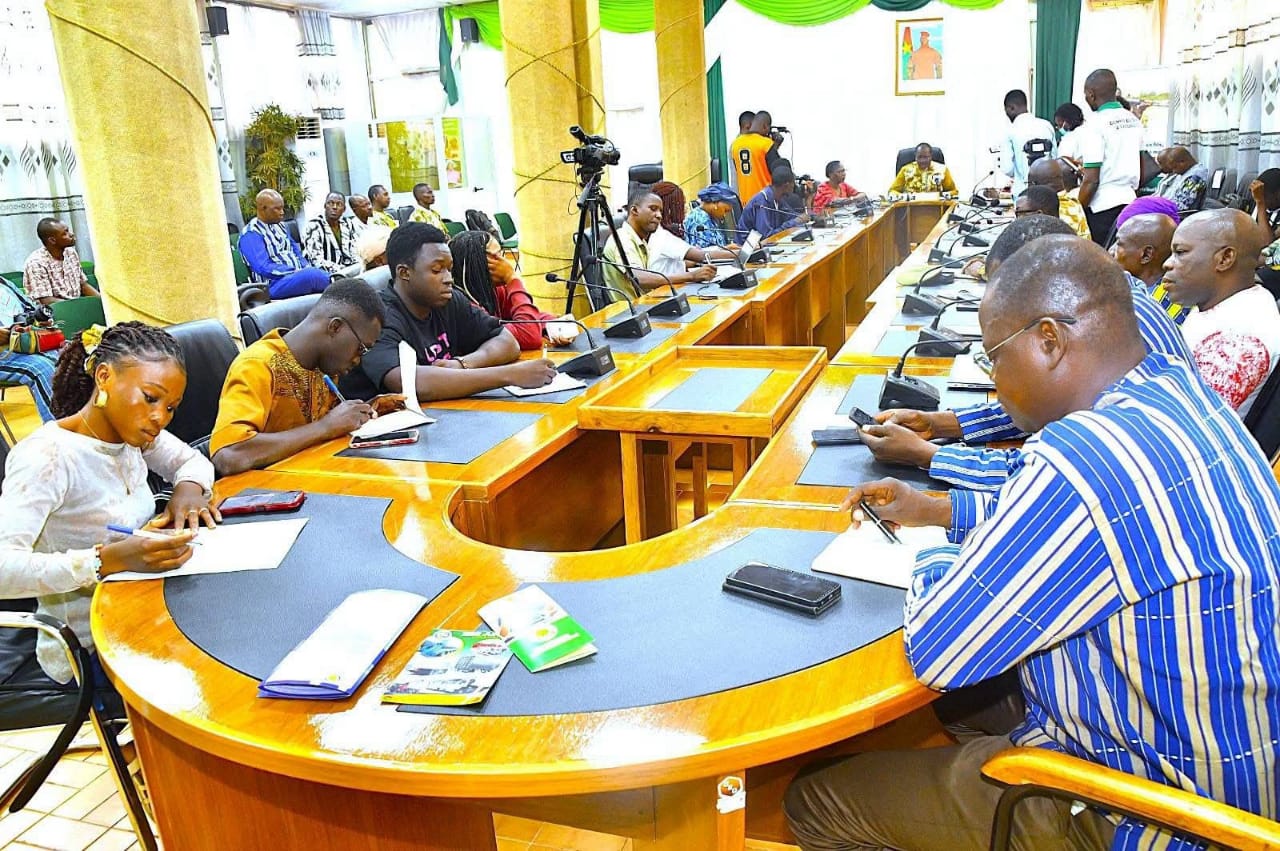
« À titre d'information sur l'avancement actuel du traitement des copies et de la délibération, il importe de souligner que nous disposons de 155 concours administrés sur table, intégrant les concours avec options au niveau de l'enseignement secondaire et les concours à quota réservé. Le bilan de progression suivant peut être communiqué : 62 concours ont d'ores et déjà été intégralement corrigés, tandis que 93 concours sont actuellement en cours de correction. S'agissant de la phase de délibération et de publication, 40 concours ont eu leurs résultats d'admissibilité publiés et 22 concours sont actuellement en cours de délibération ou en phase de vérification des données avant publication des listes d'admissibilité », a détaillé le conférencier, précisant qu'après la publication des admissibilités, les candidats déclarés admissibles seront invités à déposer leurs dossiers physiques de candidature, conformément aux communiqués d'ouverture du concours.
À l'issue de cette phase de dépôt, les jurys se réuniront de nouveau pour le traitement des admissions, sur la base des admissibilités et des communiqués d'ouverture des concours.
Mention à la mobilisation exemplaire des différents acteurs
Les organisateurs invitent les candidats à la plus grande vigilance dans la constitution de leurs dossiers physiques et à se référer exclusivement aux communiqués d'ouverture, car tout dossier jugé incomplet ou non conforme entraînera l'écartement du candidat concerné. « Il peut s'agir d'un diplôme ne correspondant pas au profil exigé, de l'absence de la CNIB (Carte nationale d'identité burkinabè : Ndlr), de l'absence de l'extrait d'acte de naissance ou de toute autre pièce manquante ou non conforme », détaille M. Oboulbiga avant d'évoquer des cas antérieurs où le candidat a fourni par erreur l'extrait d'acte de naissance de son père ou le diplôme de son grand-frère.
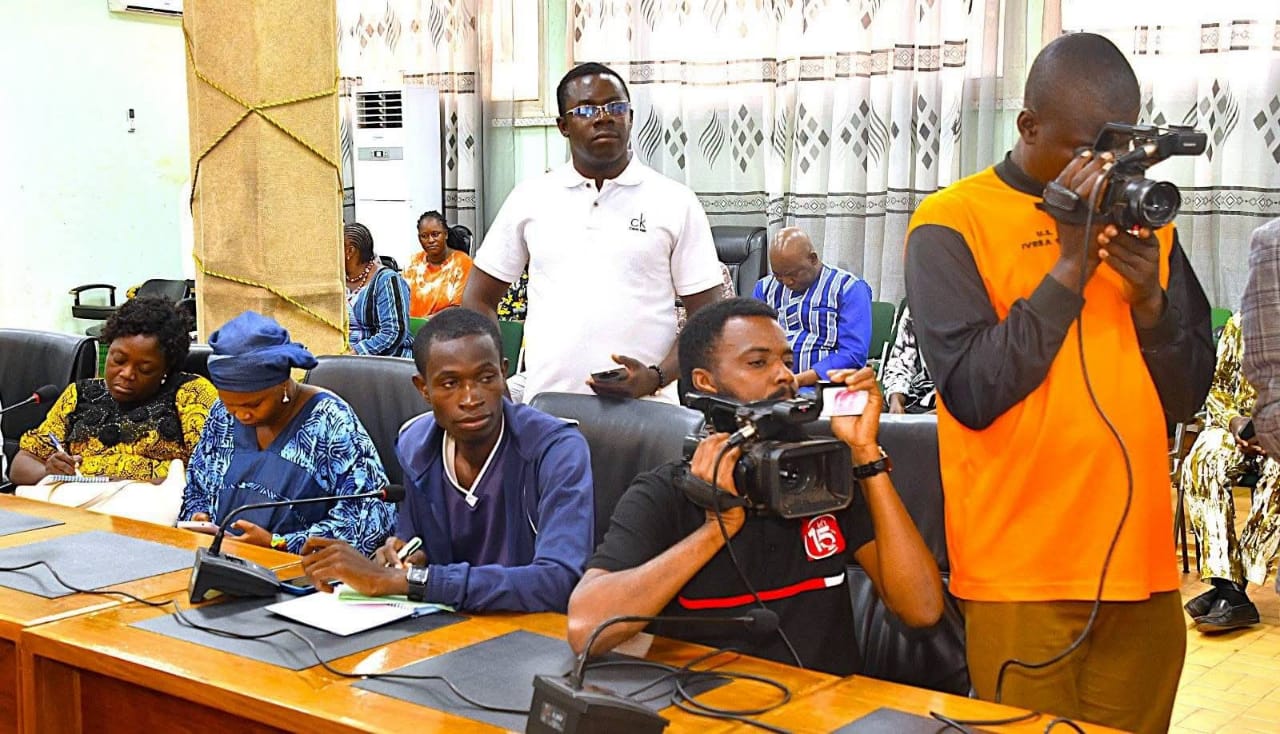
« Dans ce cas de figure, le dossier est déclaré non conforme, et pour des raisons d'équité, le jury n'est pas autorisé à rappeler un candidat pour compléter ou corriger son dossier », souligne le secrétaire général du ministère des Serviteurs du peuple, président du comité de pilotage des concours de la fonction publique.
Le secrétaire général salue la mobilisation exemplaire des différents acteurs qui a ainsi permis un bon déroulement de l'opération.
Cependant, relève le président du comité de pilotage, en dépit du rappel formel des consignes avant le début de chaque épreuve, quelques incidents ont été recensés au cours des compositions. Il s'agit notamment de tentatives par certains candidats d'emporter des épreuves après la composition ; de tentatives d'utilisation de téléphones portables par des candidats durant la composition de certaines épreuves (les présumés coupables ont été arrêtés et la police poursuit les investigations pour démasquer d'éventuels réseaux) ; de tentatives de non-respect de la consigne relative au non-port de voile, foulard, bonnet, casquette, etc.
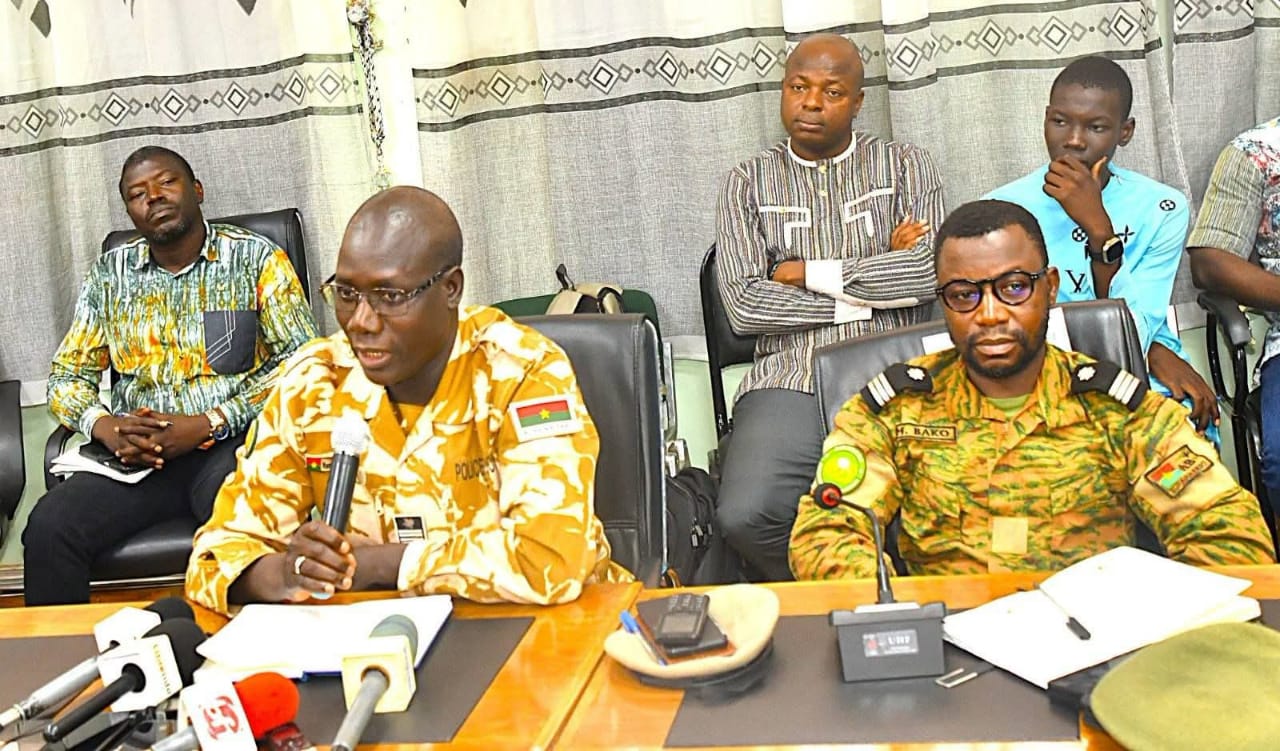
Sur ces incidents, le commissaire principal Hamadou Tassembédo, commissaire central de police de la ville de Ouagadougou, membre du comité de pilotage, a présenté la situation de la région du Kadiogo (capitale). Ils concernent cinq cas de fraude et une expulsion.
Les cas de fraudes sont relatifs à l'usage de téléphone, faux et usage de faux en écritures publiques (des candidats pris avec des récépissés qui ne sont pas reconnus) et détention frauduleuse de copie (un candidat qui sort à la fin avec sa copie). « Les investigations se poursuivent pour les cinq cas et les intéressés ont été tous déférés à la Maison d'arrêt et de correction de Ouagadougou (MACO) », renseigne le commissaire Tassembédo.
Le seul cas d'expulsion, poursuit-il, concerne une dame, « qui a carrément refusé de soulever le voile » pour que les surveillants puissent clairement l'identifier. La dame a tenu mordicus, s'opposant à ce qu'on lève le voile pour l'identifier, rapporte le commissaire de police, précisant qu'elle n'a simplement pas composé (elle n'a pas été déférée, comme les cinq autres).
O.L. et Elysée Nikiéma
Lefaso.net
Categories: Afrique
Le Faso Digital 2026 lance son Concours d'innovation digitale : faire émerger les solutions d'un Burkina digital pour tous
Ouagadougou, [17 août 2026] – Après une première édition placée sous le signe de la résilience, Le Faso Digital franchit une nouvelle étape. Dans le cadre de sa deuxième édition, le comité d'organisation annonce le lancement de l'appel à candidatures pour le Concours d'innovation digitale 2026, l'un des rendez-vous majeurs de la Foire virtuelle.
Organisée cette année autour du thème « Inclusion, souveraineté, innovation : Vers un Burkina digital pour tous », l'édition 2026 porte une ambition claire : faire du numérique un levier de développement accessible à tous, capable de réduire les fractures, de renforcer notre autonomie technologique et de faire émerger des solutions conçues à partir des réalités et des besoins du Burkina Faso.
Le Concours national d'innovation digitale constitue l'une des traductions concrètes de cette ambition. Il part d'une conviction : les talents, les idées et les solutions capables de contribuer à la transformation du Burkina Faso existent. Il faut les identifier, les révéler, les connecter aux opportunités et leur donner les moyens de grandir.
Inclusion, souveraineté, innovation : trois ambitions au cœur du concours
Partout au Burkina Faso, dans les startups, les universités, les laboratoires, les entreprises, les administrations et parfois autour d'un simple ordinateur, des femmes et des hommes imaginent des solutions numériques pour répondre aux défis de leur environnement. Le Concours national d'innovation digitale Le Faso Digital 2026 veut aller à leur rencontre.
Cette année, les innovations seront notamment appréciées à travers les trois grandes ambitions qui structurent Le Faso Digital 2026.
1. INCLUSION : Faire du numérique une opportunité pour tous
L'innovation doit contribuer à réduire les fractures plutôt qu'à en créer de nouvelles. Le concours accordera ainsi une attention particulière aux solutions qui facilitent l'accès au numérique des populations, des territoires ou des catégories sociales encore insuffisamment desservis.
Solutions accessibles aux populations rurales, services adaptés aux personnes vivant avec un handicap, technologies utilisant les langues nationales, outils d'éducation et de formation, services numériques destinés aux femmes et aux jeunes, innovations permettant l'accès aux services essentiels : le numérique doit pouvoir profiter à tous.
2. SOUVERAINETÉ : Concevoir et maîtriser nos propres solutions
La transformation digitale pose également une question stratégique : celle de notre capacité à maîtriser nos outils, nos infrastructures, nos données et notre avenir technologique. Le concours souhaite ainsi mettre en lumière les innovations qui renforcent les capacités technologiques nationales, valorisent les compétences locales et proposent des réponses adaptées aux réalités burkinabè.
Cybersécurité, intelligence artificielle, solutions de paiement, cloud, plateformes numériques, logiciels métiers, valorisation des données, technologies éducatives ou agricoles : la souveraineté numérique passe aussi par notre capacité à concevoir et développer localement les solutions dont nous avons besoin.
3. INNOVATION : Transformer les défis en solutions
Innover, ce n'est pas nécessairement inventer une technologie spectaculaire. C'est d'abord apporter une réponse nouvelle, pertinente et efficace à un problème concret. Le Faso Digital 2026 souhaite donc révéler des solutions capables d'améliorer les services publics, de créer des emplois, de renforcer la compétitivité des entreprises, d'accroître la productivité, d'améliorer les conditions de vie des populations ou de transformer durablement un secteur d'activité. L'innovation recherchée est une innovation utile, accessible et porteuse d'impact.
Quels sont les objectifs du concours ?
À travers cette deuxième édition, le Concours national d'innovation digitale ambitionne de :
– identifier et récompenser les innovations numériques qui répondent concrètement aux besoins du Burkina Faso ;
– stimuler la créativité technologique, la recherche et l'entrepreneuriat numérique ;
– promouvoir les solutions locales et les compétences burkinabè ;
– encourager le développement d'innovations inclusives et accessibles au plus grand nombre ;
– favoriser l'émergence de solutions contribuant à la souveraineté numérique nationale ;
– rapprocher les innovateurs des administrations, entreprises, investisseurs, incubateurs et partenaires techniques et financiers ;
– offrir une visibilité nationale et internationale aux projets les plus prometteurs ;
– contribuer à la construction d'un écosystème numérique national plus dynamique, compétitif et souverain.
Toutes les innovations numériques peuvent trouver leur place
Le concours est ouvert aux solutions numériques innovantes apportant une réponse concrète à un besoin économique ou social. Les projets peuvent notamment concerner : l'intelligence artificielle, l'agriculture et l'élevage, la santé, l'éducation et la formation, la fintech et les services financiers numériques, l'administration électronique, la cybersécurité, le commerce électronique, les industries culturelles et créatives, les transports et la mobilité, l'environnement, l'énergie, l'emploi, l'inclusion numérique, les technologies destinées aux personnes vulnérables, ainsi que tout autre domaine dans lequel le numérique peut contribuer au développement.
Au-delà de la sophistication technologique, une attention particulière sera accordée à l'utilité de la solution, son caractère innovant, son accessibilité, son impact potentiel, son adaptation au contexte burkinabè et ses possibilités de passage à l'échelle.
Qui peut participer ?
Le concours est ouvert notamment aux :
– startups et entreprises technologiques ;
– développeurs, ingénieurs et designers ;
– étudiants et jeunes diplômés ;
– chercheurs et enseignants-chercheurs ;
– porteurs de projets innovants ;
– équipes issues d'universités, de laboratoires ou d'incubateurs ;
– organisations de la société civile ;
– structures publiques et privées développant une innovation numérique.
Une attention particulière sera accordée aux candidatures portées par les jeunes, les femmes et les innovateurs proposant des solutions favorisant l'inclusion numérique.
Plus qu'un concours : une vitrine pour les innovateurs
Le Faso Digital veut aller au-delà d'une compétition ponctuelle. Les projets sélectionnés bénéficieront de la visibilité offerte par la Foire virtuelle Le Faso Digital 2026 et son écosystème médiatique. Ils pourront présenter leurs solutions, leurs usages et leur potentiel à un public composé de citoyens, de décideurs publics, de chefs d'entreprise, d'investisseurs, de chercheurs, de partenaires techniques et financiers ainsi que de membres de la diaspora.
Un jury composé de professionnels du numérique, d'entrepreneurs, d'experts et de représentants d'institutions partenaires évaluera les projets soumis.
Le concours veut ainsi devenir un pont entre l'innovation et l'opportunité : permettre à une bonne idée de rencontrer un partenaire, à un prototype de trouver un marché, à une startup d'accéder à de nouveaux réseaux et à une solution locale de changer d'échelle.
Des récompenses, mais surtout des opportunités
À l'issue du processus de sélection, les meilleures innovations seront distinguées lors de Le Faso Digital 2026. Au-delà des récompenses, les organisateurs souhaitent favoriser la mise en relation des lauréats avec les institutions publiques, les entreprises, les investisseurs, les incubateurs et les partenaires susceptibles d'accompagner le développement, l'expérimentation ou le déploiement de leurs solutions.
Comment participer ?
Les innovateurs intéressés sont invités à soumettre leur candidature à travers la plateforme officielle de Le Faso Digital.
Ouverture des candidatures : [18 août 2026]
Date limite de candidature : [30 septembre 2026]
Lien d'inscription : [https://lefasodigital.net/prix/]
Vous avez développé une application, une plateforme, un service ou une technologie qui facilite la vie des populations ?
Votre innovation contribue à rendre le numérique plus accessible ?
Elle permet de mieux maîtriser nos données, nos technologies ou nos infrastructures ?
Elle apporte une réponse originale à un problème concret du Burkina Faso ?
Ce concours est le vôtre.
Innovez. Candidatez. Faites connaître votre solution.
Et ensemble, faisons de l'innovation un moteur de l'inclusion, de la souveraineté et de la transformation du Burkina Faso.
………………………….
À propos de Le Faso Digital
Initiée par Lefaso.net, média pionnier de la presse en ligne professionnelle au Burkina Faso, Le Faso Digital est une plateforme de valorisation des solutions, des entreprises, des institutions, des talents et des initiatives qui participent à la transformation numérique du Burkina Faso.
Après une première édition consacrée au rôle du numérique dans la résilience nationale, Le Faso Digital 2026 est placé sous le thème : « Inclusion, souveraineté, innovation : Vers un Burkina digital pour tous »
À travers sa Foire virtuelle, ses conférences et panels, son Concours national d'innovation digitale, ses rencontres professionnelles, ses contenus éditoriaux et la série « Les 100 Visages du Burkina Digital », l'initiative veut contribuer à bâtir un écosystème numérique burkinabè dynamique, inclusif et souverain, capable de mobiliser les intelligences, de connecter les talents et de créer des opportunités durables pour tous.
Contacts presse et informations
Le Faso Digital 2026
E-mail : contact@lefasodigital.net
Téléphone : (+226) 70 74 07 51
Site web : lefasodigital.net
Categories: Afrique
Les 100 Visages du Burkina Digital : Émile Yaogo, aux sources de l'Internet burkinabè
À 60 jours de l'ouverture de Le Faso Digital 2026, nous poursuivons notre série consacrée aux femmes et aux hommes qui ont contribué à écrire l'histoire du Burkina numérique. Aujourd'hui, nous remontons aux premières heures de l'Internet au Burkina Faso avec Émile Yaogo, ingénieur réseaux et télécommunications, entrepreneur et expert DNS, dont le parcours relie les débuts de la connexion du pays aux grands enjeux actuels de résilience et de souveraineté numériques.
Pour toute une génération, Internet semble avoir toujours existé. Pourtant, il y a moins de trente ans, se connecter au réseau mondial depuis le Burkina Faso relevait encore de la nouveauté. Il fallait construire les infrastructures, proposer les premiers abonnements, créer des messageries électroniques, héberger les premiers sites et familiariser les utilisateurs avec un univers alors largement inconnu.
Émile Yaogo appartient à la génération de techniciens et d'entrepreneurs qui ont participé à cette aventure.
1997, aux premières heures de l'Internet burkinabè
L'année 1997 constitue un tournant dans son parcours. Émile Yaogo crée River Telecom, fournisseur d'accès Internet qui figure parmi les premiers opérateurs du secteur au Burkina Faso aux côtés de l'ONATEL et du Cenatrin.
River Telecom propose alors des services qui paraissent aujourd'hui ordinaires mais qui, à l'époque, ouvrent une nouvelle fenêtre sur le monde : abonnements d'accès à Internet, messagerie électronique, noms de domaine et hébergement de sites web. Dans un Burkina Faso où le numérique en est encore à ses balbutiements, cette initiative contribue à installer les premières briques d'un écosystème Internet national.
Émile Yaogo participe également à un important projet de construction d'artères numériques interurbaines de transmission pour l'acheminement des images de télévision et du téléphone. Pour le compte de l'équipementier américain Lucent Technologies, il supervise notamment l'installation des multiplexeurs de trafic et la télésurveillance des équipements.
Quinze ans au service des infrastructures Internet nationales
Son rôle dans le développement de l'Internet burkinabè ne s'arrête pas à l'entrepreneuriat. Pendant quinze ans, Émile Yaogo assure le support technique des services Internet de l'ONATEL. Ses missions touchent à plusieurs composantes essentielles du fonctionnement du réseau : gestion du domaine national .bf, messagerie électronique des abonnés, hébergement de sites web ou encore lutte contre le spam. Des activités peu visibles du grand public, mais indispensables au fonctionnement quotidien d'Internet.
Son parcours rappelle ainsi une réalité souvent oubliée : derrière les sites web, les applications et les services numériques se trouve toute une infrastructure technique qu'il faut administrer, sécuriser et faire évoluer en permanence.
Vingt-sept années au cœur de France Télécom et Orange
L'expérience d'Émile Yaogo prend ensuite une dimension internationale. Pendant vingt-sept ans, il évolue au sein de France Télécom/Orange France, où il exerce notamment comme architecte technique dans une équipe chargée de l'architecture des projets complexes. Son métier consiste alors à traduire les besoins des organisations en solutions techniques capables d'accompagner leurs projets de transformation.
Il développe également une expertise approfondie du DNS, ce système essentiel qui permet notamment de traduire les noms de domaine utilisés par les internautes en adresses compréhensibles par les machines. Au sein du département DNS d'Orange France, il travaille sur l'analyse en temps réel des flux afin d'identifier les comportements anormaux, d'améliorer la qualité de service et de détecter des abonnés dont les équipements sont infectés par des logiciels malveillants.
Une expertise qui dépasse les frontières
Cette longue carrière lui permet d'intervenir dans différents environnements technologiques et industriels. Il effectue des missions de formation et de transfert de compétences à New Delhi auprès d'Orange India et intervient également chez Airbus à Hambourg.
Son parcours professionnel révèle par ailleurs une polyvalence assez singulière. Au sein de France Télécom Recherche et Développement, il participe à la conception d'outils de calcul de charge, de performance et de supervision des réseaux. Il intervient aussi comme consultant chez Renault dans le domaine du calcul de structures automobiles et chez le constructeur informatique Bull pour le développement d'un système expert destiné au pilotage de hauts-fourneaux dans l'industrie sidérurgique. Derrière l'expert télécom apparaît ainsi un ingénieur habitué à faire dialoguer informatique, réseaux, mathématiques et problématiques industrielles complexes.
Le retour au Burkina, près de trente ans plus tard
En juillet 2024, Émile Yaogo revient s'installer au Burkina Faso. Ce retour ouvre un nouveau chapitre de son parcours. Près de trois décennies après la création de River Telecom, les enjeux ont profondément changé. Il ne s'agit plus seulement de connecter le Burkina à Internet. Il faut désormais rendre cet Internet plus robuste, plus sécurisé et davantage maîtrisé localement. Il crée alors Standards Libres, une entreprise destinée à promouvoir l'utilisation des logiciels et standards libres au Burkina Faso, avec un intérêt particulier pour le DNS, IPv6 et les mécanismes d'authentification forte. Le pionnier des premiers accès Internet revient ainsi sur un terrain qu'il connaît bien, mais avec les problématiques d'une nouvelle époque.
DNSSEC, IPv6 : préparer l'Internet burkinabè de demain
Cette nouvelle étape de sa carrière est fortement orientée vers le transfert de compétences. Expert DNS, Émile Yaogo assure notamment des formations sur le DNS, DNSSEC et la cryptographie pour le compte de l'Alliance Burkinabè des Domaines Internet (ABDI), dont Standards Libres est membre. Son engagement dans ce domaine est salué le 5 décembre 2025 par une attestation de reconnaissance de l'Autorité de régulation des communications électroniques et des postes (ARCEP), à l'occasion du lancement de DNSSEC au Burkina Faso.
Derrière ces acronymes techniques se jouent pourtant des questions stratégiques. DNSSEC contribue à renforcer la sécurité du système des noms de domaine, tandis qu'IPv6 prépare Internet à la multiplication continue des équipements et services connectés. Former des compétences nationales dans ces domaines revient donc à préparer les infrastructures sur lesquelles reposera une partie du Burkina numérique de demain.
Un parcours entre deux âges de l'Internet
Le parcours d'Émile Yaogo possède une particularité rare. Il a connu l'époque où l'enjeu était de faire arriver Internet et il participe aujourd'hui à celle où il faut mieux le sécuriser, le maîtriser et préparer son avenir. Entre les deux, près de trois décennies d'expérience dans les réseaux et télécommunications, dont vingt-sept années au sein de France Télécom/Orange France.
Sa formation reflète d'ailleurs cette double culture. Émile Yaogo est titulaire d'un diplôme d'ingénieur Réseaux Télécom de l'Université Paris 6-Jussieu et d'un diplôme de statisticien-économiste de niveau master de l'Institut Technique de Prévision Économique et Sociale de Paris. Une combinaison entre ingénierie et analyse qui accompagne un parcours consacré aux infrastructures invisibles sans lesquelles aucune transformation numérique n'est possible.
Pourquoi fait-il partie des 100 Visages du Burkina Digital ?
Parce qu'il appartient à la génération des pionniers qui ont contribué à introduire et développer l'Internet au Burkina Faso.
Parce qu'en créant River Telecom dès 1997, il a participé à l'émergence des premiers fournisseurs d'accès Internet du pays et à la diffusion de services alors nouveaux : connexion Internet, courrier électronique, noms de domaine et hébergement web.
Parce qu'il a consacré quinze années au support technique des services Internet de l'ONATEL et vingt-sept années à France Télécom/Orange France, développant une expertise pointue des réseaux et du DNS.
Parce qu'après une longue carrière internationale, il a choisi de revenir au Burkina Faso pour transmettre son expertise et contribuer aux nouveaux chantiers que sont DNSSEC, IPv6, l'authentification forte et les standards logiciels libres.
Et parce que son parcours dessine, à lui seul, une boucle remarquable de l'histoire numérique du pays : avoir contribué hier à connecter le Burkina à Internet et travailler aujourd'hui à rendre cet Internet plus sûr, plus résilient et mieux maîtrisé.
Categories: Afrique
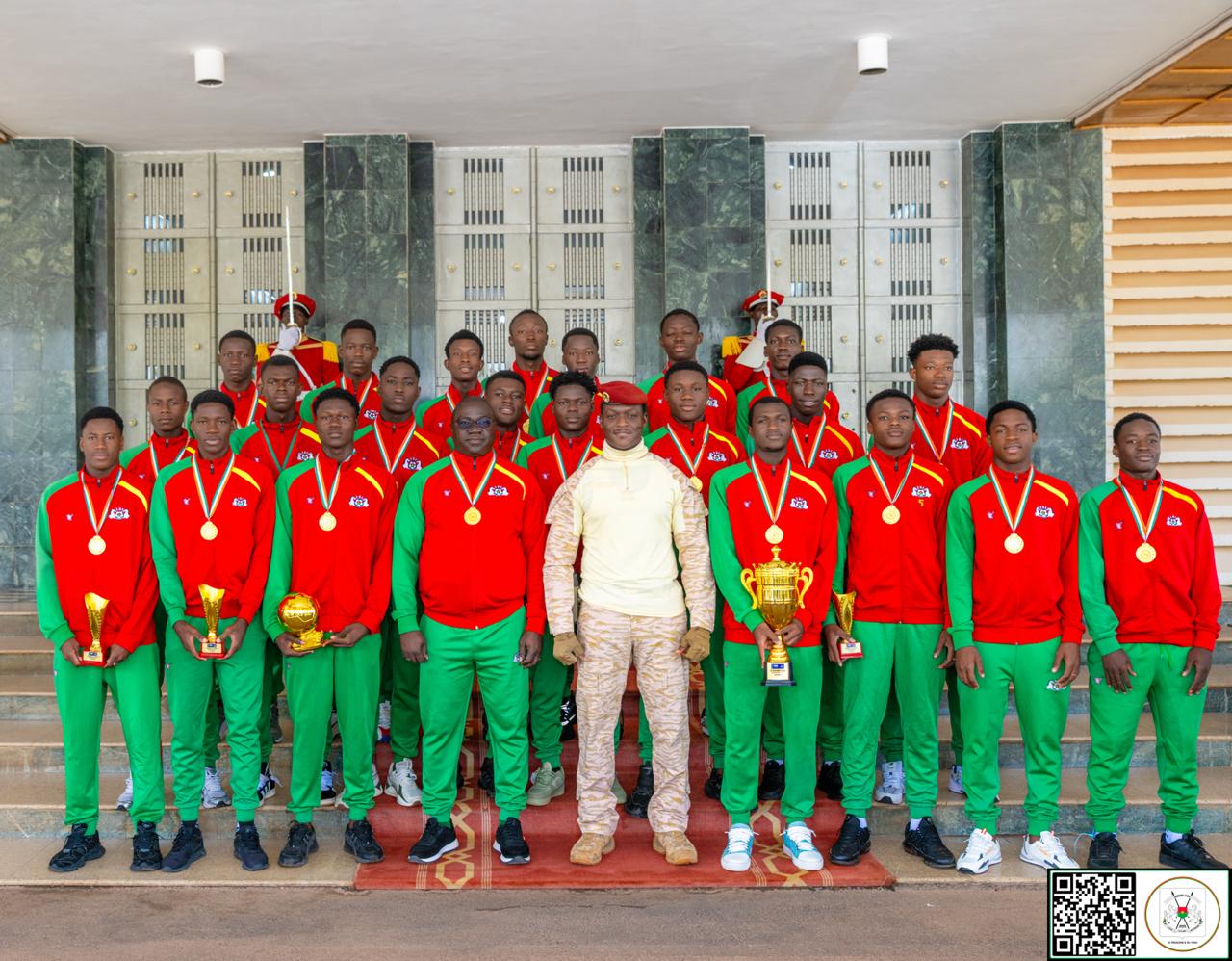
Sport : Le président du Faso félicite les Étalons U20 pour leur Victoire au Tournoi UFOA-B et promet une nouvelle dynamique
Le Président du Faso, le capitaine Ibrahim Traoré, a reçu en audience ce lundi 17 août 2026 à Ouagadougou les Étalons U20, sacrés champions du tournoi UFOA-B le 9 août dernier à Yamoussoukro. Il a félicité les jeunes joueurs pour leur performance et annoncé une nouvelle approche dans l'accompagnement des sélections nationales, en vue notamment de la CAN U20 2027 au Ghana.
Le chef de l'État a salué la brillante prestation des jeunes joueurs ainsi que le travail remarquable du staff technique, soulignant que cette victoire fait la fierté de toute la Nation.
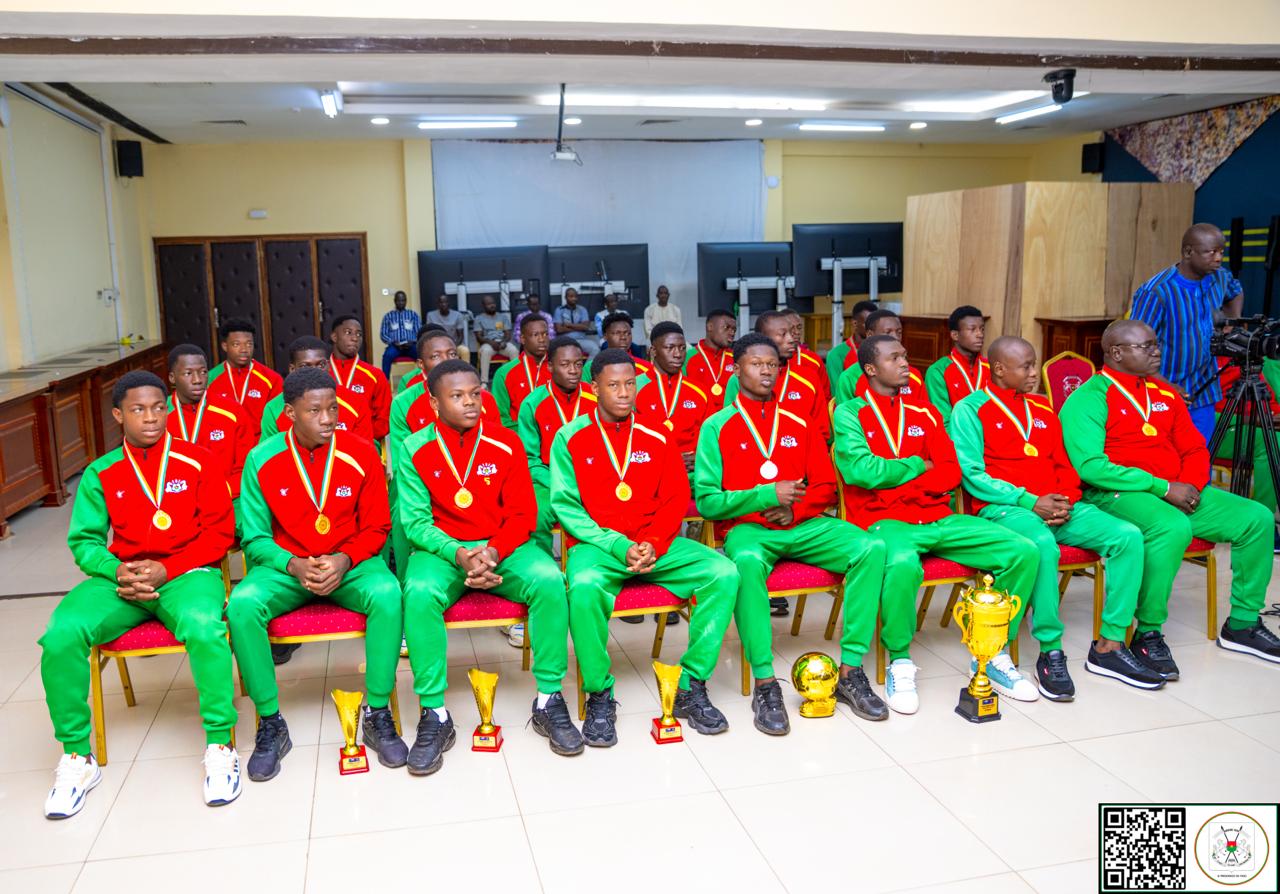
« Soyez salués, soyez félicités pour le travail qui a été abattu, vous, les joueurs sur le terrain, l'encadrement technique et tous les soutiens. Le peuple est fier de vous. Quand les étalons jouent, c'est la patrie ; tout le monde suit et attend des résultats », a déclaré le président du Faso.
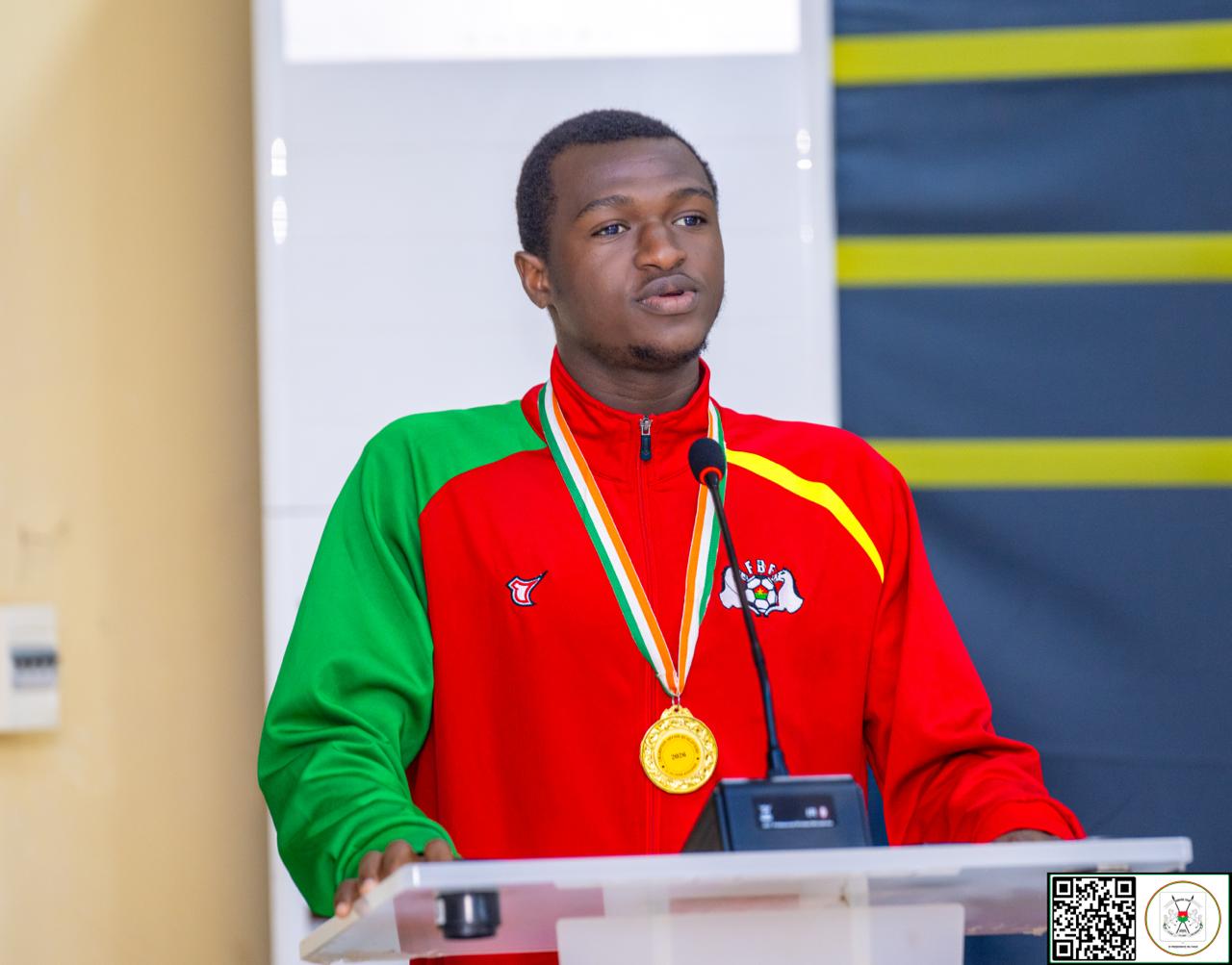
Tout en les exhortant à maintenir la discipline et à « rester concentrés » pour les échéances futures, le capitaine Ibrahim Traoré s'est montré attentif aux conditions de travail de l'équipe en les rassurant d'y apporter les améliorations adéquates.
Bien décidé à soutenir cette cuvée prometteuse, le président du Faso a annoncé une réorganisation dans le suivi des sélections nationales : « Je peux vous assurer qu'à partir de maintenant, nous allons tout faire pour changer la méthode afin de mieux accompagner cette nouvelle génération ».
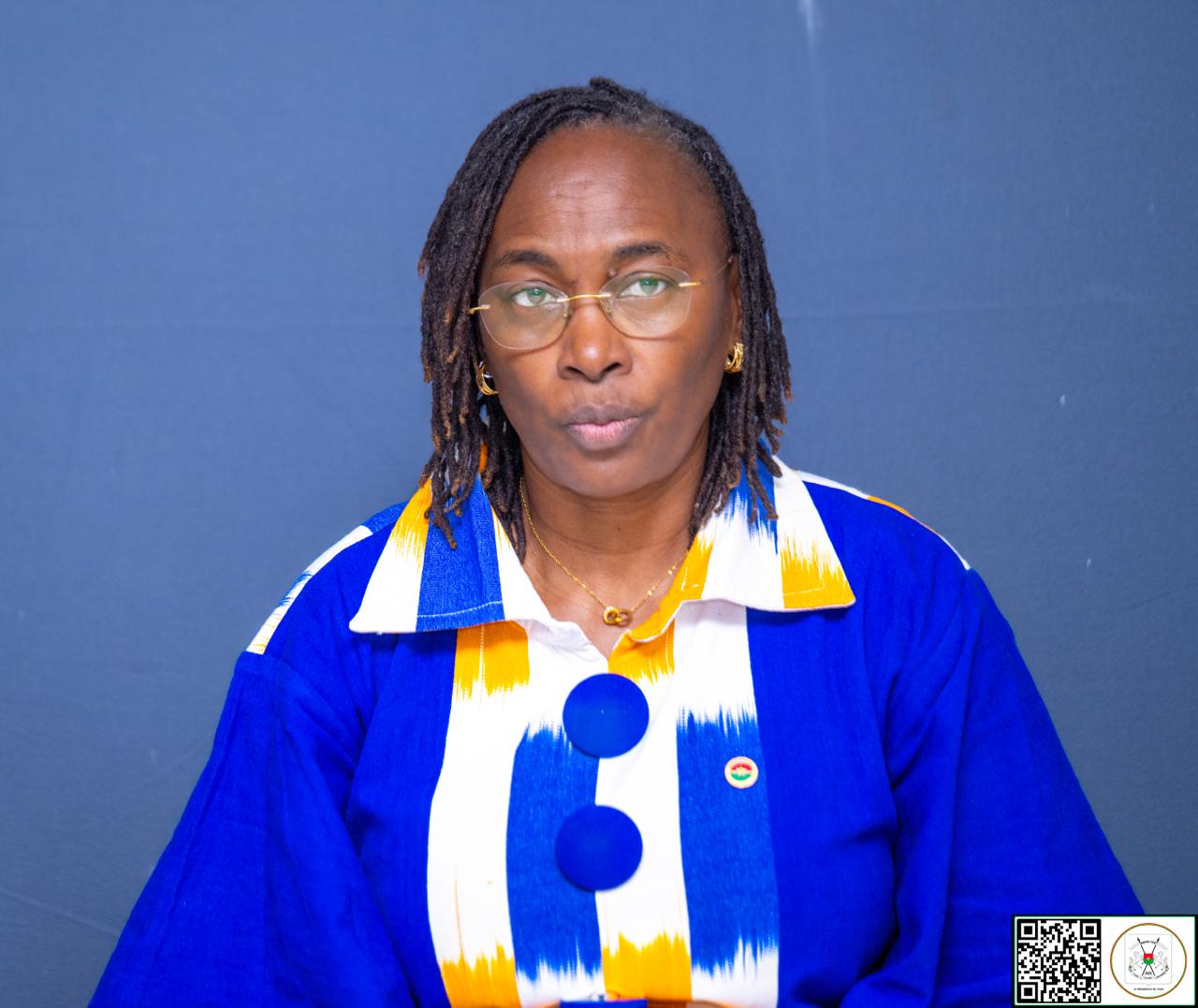
Pour la ministre des Sports, de la Jeunesse et de l'Emploi, la camarade Annick Pikbougoum/Zingue Ouattara, les jeunes Étalons ont fait une participation honorable à cette compétition à Yamoussoukro.
Quatre victoires, un match nul, quatre fois le titre d'homme de match, la palme du meilleur gardien de la compétition et une qualification à la prochaine CAN de leur catégorie en 2027 sont, entre autres, les résultats engrangés par les étalons U20 à ce Tournoi UFOA-B.
Au nom du groupe, le capitaine des étalons U20, Chérif Badra Ali Barro, a exprimé sa profonde gratitude au Chef de l'État pour son soutien constant et réaffirmé l'engagement de l'équipe à se battre au Ghana pour porter haut les couleurs du Burkina Faso.
Lefaso.net
Sourc : DCRP Présidence du Faso
Categories: Afrique
Burkina/Cybersécurité : Une nouvelle certification pour Younoussa Sanfo et son centre HorusLabs
Après plusieurs années d'engagement dans la promotion des compétences numériques, l'expert en cybersécurité et en investigation numérique Younoussa Sanfo franchit une nouvelle étape. Désormais instructeur certifié EC-Council, il voit également son centre HorusLabs intégrer le réseau des centres de formation agréés de l'organisation. Une consécration qui témoigne d'un parcours marqué par la rigueur et la volonté de renforcer l'expertise en cybersécurité au Burkina Faso. Dans cet entretien accordé à notre rédaction ce lundi 17 août 2026 à Ouagadougou, il revient sur cette distinction et ses implications pour l'écosystème numérique burkinabè.
Lefaso.net : Cela fait un moment que nous n'avons pas eu de vos nouvelles. Que devient M. Younoussa Sanfo ?
Y.S. : Je suis là, bien là ! C'est vrai que depuis environ un an, j'ai disparu de l'espace public. Et pour une bonne raison : j'ai décidé de repasser tous mes examens et toutes mes certifications, dont certaines datent de plus de 25 ans.
Pourquoi me suis-je imposé cela ? Parce que dans notre métier, la cybersécurité et les investigations numériques, une certification vit rarement plus de trois à cinq ans. Au-delà, certaines entreprises ne la considèrent même plus comme valable : on vous demandera une certification plus récente.
Et la raison est simple : en cybersécurité, tout évolue à une vitesse grand V. Il y a vingt ans, quand j'évaluais la sécurité d'une entreprise, personne ne me demandait ce qu'elle avait prévu face aux inondations, aux vents violents ou aux autres phénomènes climatiques. Aujourd'hui, le changement climatique est devenu un domaine à part entière des certifications en cybersécurité. Et il faut y ajouter l'intelligence artificielle, devenue le cinquième grand domaine de la discipline : les hackers l'utilisent pour attaquer les entreprises et les individus, et les spécialistes l'utilisent pour mieux les protéger.
J'ai donc tout repassé. Et à l'issue de ce marathon, je peux le dire sereinement : je suis à la page, prêt à servir les entreprises et les administrations qui en auront besoin.
Vous venez d'obtenir la certification d'instructeur EC-Council, tandis que HorusLabs a été reconnu comme centre de formation agréé par cette organisation internationale de référence en cybersécurité et en investigation numérique. Que représente cette double distinction pour vous et pour le Burkina Faso ?
Pour nous, c'est une étape majeure. HorusLabs veut désormais mettre son expérience et ses compétences au service de la formation des jeunes et des spécialistes, en cybersécurité, en investigation numérique et en intelligence artificielle.
Être un centre agréé nous autorise à dispenser des formations reconnues par EC-Council, donc reconnues à l'international. EC-Council est l'un des leaders mondiaux de la formation en cybersécurité : l'armée américaine, Boeing et de très grandes structures utilisent ses programmes pour former leurs experts.
Cette reconnaissance s'inscrit dans la droite ligne de ce que nous avons toujours défendu : former les compétences locales ici même, au Burkina Faso. Avant, pour suivre ce type de formations et décrocher ces certifications, il fallait prendre l'avion. Aujourd'hui, tout cela s'obtient ici, au même prix qu'ailleurs, sans le billet d'avion ni les frais de séjour.
Et voici ce que je voudrais que chacun retienne : désormais, au Burkina Faso, tout le monde peut se former à la cybersécurité, à l'intelligence artificielle et aux investigations numériques, quel que soit son niveau, dès la classe de 3ᵉ, et obtenir des connaissances et un certificat reconnus dans le monde entier.
Nous comptons d'ailleurs collaborer avec les autorités. Le ministère en charge de la Jeunesse, par exemple, pourrait s'appuyer sur notre expertise pour former des jeunes. La cybersécurité comporte plusieurs niveaux de compétences, et le premier est accessible dès le BEPC. Ces jeunes formés aux compétences de base pourront accompagner les entreprises, notamment à travers des actions de sensibilisation. Ensuite viennent tous les autres niveaux, en cybersécurité comme en investigation numérique et en intelligence artificielle.
Sur l'IA, notre approche est particulière. Il ne s'agit pas d'apprendre à utiliser l'intelligence artificielle : il s'agit de comprendre comment elle fonctionne, comment l'intégrer dans une entreprise, et d'acquérir les connaissances nécessaires pour participer à une équipe qui conçoit une intelligence artificielle. Voilà le type de formations que nous allons proposer.
Le centre est prêt. Nous pourrions commencer demain si nous avions des inscriptions ! Mais nous avons choisi de lancer officiellement les activités le 14 septembre, pour finaliser tranquillement notre préparation. Deux formations ouvriront ce jour-là : la première est ouverte à tout public ; la seconde s'adresse aux spécialistes, aux informaticiens et à ceux qui sont déjà engagés dans la cybersécurité. Elle porte sur le CEH (Certified Ethical Hacker), la certification qui donne les compétences d'un hacker éthique, cette personne capable d'identifier les vulnérabilités d'un système pour prévenir les failles de sécurité.
La certification ouvre de nouveaux horizons à l'Académie HorusLabsPour ma part, les deux distinctions sont arrivées en même temps. J'ai été nommé EC-Council Certified Instructor : je suis donc autorisé à former et à faire passer des certifications à des ingénieurs comme à des jeunes, dans n'importe quel centre EC-Council du monde. Mais je commencerai, naturellement, par notre centre au Burkina Faso. Et ce n'est pas tout. EcCouncil nous a incités à passer le test pour avoir les compétences qui allient Sécurité Offensive et intelligence artificielle. Le combo parfait pour faire face aux récentes attaques qui secouent le monde.
Et la grande nouvelle en plus, c'est que je ne suis pas seulement instructeur certifié : je suis également EC-Council Senior Instructor. Cela signifie que je peux former des personnes qui deviendront à leur tour instructeurs certifiés EC-Council. Nous en sommes particulièrement honorés : dans tout l'espace francophone africain, nous sommes les premiers à atteindre ce niveau. Des centres comparables existent au Kenya ou au Nigeria, mais aucun centre francophone africain n'avait encore obtenu ce niveau de reconnaissance. Oui, nous en sommes fiers.
Comment s'est déroulé votre parcours jusqu'à cette distinction internationale ? Était-ce difficile ?
Oui, très difficile. Et je vais vous faire une confidence : j'ai échoué à l'un des examens, et j'ai dû le reprendre. La cause ? Justement ce volet sur le changement climatique, que je n'avais pas suffisamment travaillé. J'y ai perdu des points, et j'ai repassé l'examen pour décrocher la certification.
En pleine série de certifications, EC-Council m'a contacté. Ils voulaient comprendre comment j'avais pu obtenir sept certifications en seulement huit mois ! Je leur ai expliqué que je les possédais déjà et que je les repassais simplement pour me prouver que j'étais toujours d'actualité. J'ai d'ailleurs mesuré, à cette occasion, l'ampleur des évolutions depuis mes dernières certifications.
Au fil des échanges, ils m'ont suggéré de devenir instructeur. J'étais intéressé, mais il n'existait pas de centre au Burkina Faso. Ils m'ont encouragé à déposer un dossier, et nous remplissions les critères. Il fallait notamment des sponsors : des institutions reconnues, capables d'attester de votre expertise en cybersécurité et de votre expérience de formateur.
Cela fait sept ans que j'enseigne à l'Université Thomas Sankara, dans deux masters : Droit pénal et sciences criminelles, et Sciences politiques et juridiques. L'université a accepté de me sponsoriser et a signé le jour même. Les Nations unies m'ont également soutenu : elles me recrutent régulièrement pour former des unités de police dans plusieurs pays d'Afrique francophone, et elles ont validé mes compétences ainsi que mon expertise en matière d'enquêtes sur la fraude et les biens mal acquis. Tout cela a accéléré le traitement de mon dossier.
Restait l'épreuve finale : un examen de seize heures, réparties sur deux jours, entièrement en anglais. Trois jours plus tard, je reçois un courriel d'une seule phrase : « Congratulations ». J'ai compris immédiatement. Ce simple mot valait toutes les nuits de travail.
Il n'a donc pas été facile de concilier cette préparation avec vos activités professionnelles ?
Ah oui, absolument. J'enchaînais des journées de quatorze à quinze heures de travail. Je commençais souvent à 6 heures du matin, et il m'arrivait d'être encore dans mon bureau à 1 heure. J'ai passé de nombreuses nuits blanches. Mais quand on sait pourquoi on le fait, on tient.
Peut-on dire que ces certifications vous font entrer dans une nouvelle dimension ?
Oui. Aujourd'hui, nous pouvons rivaliser avec des sociétés occidentales dans le domaine de la cybersécurité. Il y a les certifications que j'ai obtenues, mais aussi celles de plusieurs membres de mon équipe. En les additionnant, nous atteignons le niveau des grandes sociétés spécialisées.
Quel regard portez-vous sur le niveau actuel de préparation des entreprises et des administrations face aux cybermenaces ?
Peut mieux faire. Très clairement, nous pouvons faire mieux, dans les entreprises privées comme dans les administrations publiques.
Younoussa Sanfo espère former au moins 5000 personnes en cybersécurité d'ici dix ans
Quels sont aujourd'hui les profils les plus recherchés dans les métiers de la cybersécurité en Afrique ?
Tous secteurs confondus, la cybersécurité figure parmi les cinq métiers les plus en vue et les plus prometteurs. Viennent ensuite les spécialistes de l'intelligence artificielle, de l'analyse prédictive et de plusieurs métiers liés à la gestion et à l'exploitation des données. Aujourd'hui, les pays sont évalués en fonction du nombre de spécialistes en cybersécurité qu'ils possèdent, et de leurs capacités à contenir les cybermenaces. Nous pouvons contribuer à réduire notre déficit dans ce domaine et à en être les leaders en Afrique de l'Ouest.
Car le monde entier manque de spécialistes, et le Burkina Faso accuse lui aussi un déficit important de compétences réelles. On voit beaucoup de CV affichant le titre d'expert en cybersécurité, mais c'est souvent très trompeur. Notre objectif est de former de véritables compétences. Et nous invitons ceux qui se présentent déjà comme experts à venir obtenir des certifications reconnues, qui confirmeront officiellement leur niveau.
Est-ce que vous avez l'impression que les jeunes Burkinabè s'intéressent de plus en plus à la cybersécurité ?
Oui, de plus en plus. Le principal blocage aujourd'hui, c'est l'accès aux certifications de pointe. C'est précisément pour cela que nous nous sommes battus : pour les rendre disponibles au Burkina Faso. Je pense que le lancement de nos formations va susciter beaucoup d'intérêt chez les jeunes, surtout que le gouvernement indique clairement son intention de booster le secteur des technologies émergentes. Cela passe par la formation de vraies compétences.
L'autre obstacle pourrait être le coût. Alors nous avons décidé de faire un effort considérable : le tout premier niveau, qui coûte normalement autour de 600 000 F CFA, nous le proposons à 125 000 F CFA, formation et certification comprises. C'est imbattable. La même formation en France, c'est environ 1 000 euros, soit près de 650 000 F CFA, sans compter le voyage.
Quel conseil donneriez-vous à un étudiant qui souhaiterait se lancer dans la cybersécurité ou l'investigation numérique ?
Venez ! Nous avons mis en place tout un parcours de progression. Une personne qui suit nos formations pendant une année complète peut atteindre un très bon niveau en cybersécurité, surtout si elle possède déjà deux années de formation en informatique. Quelqu'un qui a étudié le développement informatique, ou les réseaux, ou les bases de données devrait absolument ajouter la brique cybersécurité à son profil. C'est un appel que je lance à tous les informaticiens.
Mais il n'y a pas que les informaticiens ! Tous les travailleurs, tous ceux qui utilisent un téléphone ou des outils numériques, devraient suivre le premier niveau, le CSCU (Certified Secure Computer User). La formation dure 20 heures ; à l'issue, vous passez un examen et obtenez un certificat reconnu dans le monde entier. Pour 125 000 F CFA, formation et certification comprises.
Nous ouvrons également cette certification aux adolescents à partir de 14 ans, c'est-à-dire dès la classe de 3ᵉ. Que vous soyez élève, secrétaire, comptable, enseignant, mécanicien, gendarme, policier, militaire ou de tout autre métier, vous pouvez passer le CSCU. Vous y apprenez à protéger votre téléphone, à gérer votre présence sur les réseaux sociaux et tout votre environnement numérique. Vous comprendrez le contenu de toutes nos sensibilisations habituelles, mais avec une validation officielle qui atteste que vous maîtrisez ces notions.
Et croyez-moi : quand un candidat ajoute une certification CSCU à son dossier d'embauche, le regard des recruteurs change immédiatement. Les entreprises apprécient les personnes déjà sensibilisées aux enjeux de cybersécurité.
La certification de HorusLabs désormais Centre de formation agréé EC-Council
Où voyez-vous HorusLabs dans dix ans ?
Dans dix ans, nous aimerions avoir formé au moins 5 000 jeunes en cybersécurité, et avoir formé des instructeurs un peu partout dans le pays : il faudrait qu'au moins chaque ville du Burkina Faso dispose d'un instructeur qualifié. Notre ambition, c'est aussi que chaque entreprise burkinabè, sans exception, même celle qui n'emploie que cinq personnes, dispose d'un spécialiste ou d'un ingénieur en cybersécurité.
Peut-on envisager à terme que le Burkina Faso devienne un pôle régional de formation en cybersécurité ?
Le Burkina Faso peut devenir un leader de la formation en cybersécurité. Il suffit que nous obtenions l'approbation et l'accompagnement des autorités. Nous pouvons commencer dès le 14 septembre et, grâce aux formations en ligne, le nombre de participants n'est pas un problème : mille personnes peuvent suivre simultanément une même formation et passer la même certification.
Nous pouvons organiser des sessions de 200, 300 personnes ou davantage. Certains examens comportent une partie pratique, pour laquelle les participants viennent dans notre laboratoire installer et configurer un serveur ou réaliser d'autres manipulations techniques. Mais cela ne concerne qu'une partie des certifications : la majorité des formations et des examens peuvent être suivis à distance.
Vous faites partie de ceux qui croient au potentiel de la jeunesse. Depuis le mois de juin, vous avez entamé une série de formations à l'endroit des enfants dans le domaine de la robotique et du codage, de l'intelligence artificielle et du pilotage de drone. Comment cela se passe-t-il sur le terrain ?
En réalité, cela fait déjà douze ans que nous formons non seulement des jeunes, mais aussi des enfants, dès l'âge de sept ans.
Actuellement, à l'Institut supérieur de Technologies (IST), nous proposons aux enfants une formation à l'intelligence artificielle. Nous leur apprenons à utiliser l'IA pour réviser leurs leçons, comprendre les notions mal assimilées en classe et approfondir leurs connaissances. Et nous insistons énormément sur l'utilisation responsable : pas de copier-coller, pas de triche aux examens et aux évaluations.
Cette approche, nous y croyons profondément, et les résultats parlent. Les enfants qui avaient dix ans il y a douze ans en ont aujourd'hui vingt-deux. Ils sont à l'université, et nous continuons à les suivre. Ils sont nombreux. La plupart poursuivent leurs études en Chine, au Japon, au Canada ou aux États-Unis, dans des spécialités comme la robotique ou la cybersécurité, des disciplines encore trop peu développées chez nous.
Certains reviennent même effectuer leurs stages chez nous. En ce moment, j'ai quatre stagiaires, dont deux ont suivi nos formations lorsqu'ils étaient enfants : l'un avait huit ans, l'autre onze ans quand ils ont commencé. Aujourd'hui, ils sont de retour, en stage dans notre laboratoire. Les formateurs sont pour la plupart des anciens pensionnaires de l'académie de création et d'éveil scientifique (ACES). C'est l'une de mes plus grandes fiertés.
La certification de l'expert Younoussa Sanfo qui fait de lui un instructeur sénior certifié EC-Council
Pour la session 2026, constatez-vous un engouement particulier ?
Oui, un véritable engouement, alors même que nous n'avons pas beaucoup communiqué. Et cela dépasse l'IST. Le lycée Martin Luther King de Ziniaré, l'une des meilleures écoles du Burkina Faso, qui affiche chaque année 100 % de réussite au BEPC et au baccalauréat depuis sa création, souhaite désormais intégrer nos formations dans son programme.
Notre équipe y dispense actuellement des formations pendant les vacances, et les salles sont pleines : une trentaine d'enfants suivent les cours de robotique actuellement à Ziniaré. Les enseignants que nous avons envoyés sur place sont pris en charge par l'établissement et y résident pendant toute la durée de la formation.
Quel type d'accompagnement attendez-vous de l'État ?
Honnêtement, la plus grande aide que nous pourrions recevoir viendrait de l'État. Nous souhaiterions que les autorités nous orientent davantage de jeunes à former, et que les entreprises nous envoient leurs informaticiens. L'avantage, c'est que toutes ces formations se suivent ici, au Burkina Faso : ceux qui manquent de temps peuvent suivre les cours en ligne et venir au laboratoire pour les travaux pratiques.
Je rêve de voir émerger des équipes spécialisées dans toutes les administrations stratégiques du pays. Mon rêve, c'est de créer une Red-Team au sein de la police, une autre dans l'armée, dans les douanes, dans les universités et dans les entreprises sensibles comme la SONABHY, la SONABEL ou la SOFITEX. Ces Red-Teams auraient pour mission de rechercher et d'exploiter les failles afin d'identifier les vulnérabilités des systèmes. Et à leurs côtés, il faudrait des Blue-Teams, chargées de corriger les failles détectées et de renforcer les dispositifs de protection. J'ai déjà fait ce type de formation d'unités spécialisées déjà dans plusieurs pays africains et au Burkina Faso, ça a donné une équipe très efficace qui s'appelle la BCLCC.
Un message de fin à l'endroit des jeunes qui sont fascinés par la technologie, les drones, l'intelligence artificielle ou la cybersécurité ?
Désormais, il existe un centre de formation au Burkina Faso. Nos portes sont ouvertes, venez nous voir. Ceux qui ne sont disponibles que les week-ends trouveront des sessions adaptées ; nous organiserons aussi des formations en soirée, à partir de 18 heures, pour les travailleurs.
Une personne en reconversion professionnelle peut acquérir des compétences en cybersécurité ou en investigation numérique. Un journaliste peut se former à l'investigation numérique. Un comptable aussi. Et sur l'intelligence artificielle, je ne parle pas de la simple utilisation quotidienne, mais d'une compréhension approfondie de son fonctionnement et de la capacité à influencer efficacement le comportement d'une IA.
Ce que je veux que vos lecteurs retiennent, c'est ceci : désormais, au Burkina Faso, tout le monde peut se faire former en cybersécurité, en intelligence artificielle et en investigations numériques, quel que soit son niveau, à partir de la classe de 3ᵉ, et obtenir des connaissances et un certificat reconnus dans le monde entier. Il n'y a plus de barrière. La porte est ouverte : il ne reste qu'à la franchir.
Entretien réalisé par Fredo Bassolé
Lefaso.net
Contacts utiles : Téléphones : 07 00 07 00 et 03 13 13 13
https://horuslabs.tech/inscriptions
Categories: Afrique
Dialogue inclusif en RDC : Martin Fayulu exige la présence de Kabila et Nangaa
Joseph Kabila et Corneille Nangaa « sont parties prenantes du dialogue » national inclusif initié par le Président Félix Tshisekedi, insiste l’opposant Martin Fayulu. Le leader de la coalition Lamuka s’est exprimé depuis Paris où il séjourne depuis le week-end dernier.
Categories: Afrique
Burkina : Le ministère de la Transition digitale réfléchit à sa contribution pour la mise en œuvre du plan RELANCE 2026-2030
Le ministère de la Transition digitale, des postes et des communications électroniques tient ce lundi 17 août 2026 une session extraordinaire de son Conseil d'administration du secteur ministériel (CASEM). La rencontre réunit autour du ministre Aminata Zerbo/Sabané, présidente du CASEM, les premiers responsables des structures centrales et rattachées du ministère. Elle va constituer un cadre de réflexion sur la contribution du département ministériel à la mise en œuvre du plan RELANCE adopté en janvier 2026.
Le CASEM extraordinaire du ministère de la Transition digitale qui se tient ce jour va permettre d'examiner le rapport d'exécution des activités du plan de travail annuel au 30 juin 2026 ; d'examiner et d'adopter la version révisée du plan de travail annuel 2026 et aussi de débattre de diverses problématiques stratégiques pour le secteur du numérique. La mise en œuvre du plan de travail annuel permet d'enregistrer plusieurs acquis au 30 juin 2026. En ce qui concerne le développement d'infrastructures de communications électroniques, on note à ce niveau l'inauguration des deux datacenters modulaires et la préparation du processus de migration des données et plateformes hébergées à l'extérieur ou dans des datacenters privés, la poursuite des travaux pour la couverture des 750 localités, la finalisation de l'architecture du nouveau réseau national souverain de l'administration.
Pour ce qui est de la transformation numérique, les acquis portent essentiellement sur la refonte totale du Système intégré de gestion des courriers et documents (SIGED) ; le lancement de plusieurs plateformes dont Burkina en marche, eDimaakia, eServices publics, ePetition citoyenne et le portail des régions ; la poursuite du déploiement des plateformes transversales de l'administration CIM et CIMEXT dans 32 structures publiques ainsi que la validation de la feuille de route de l'intelligence artificielle.
Pour la ministre Aminata Zerbo/Sabané, les résultats enregistrés sont le fruit d'un engagement collectif et d'une action menée en synergie.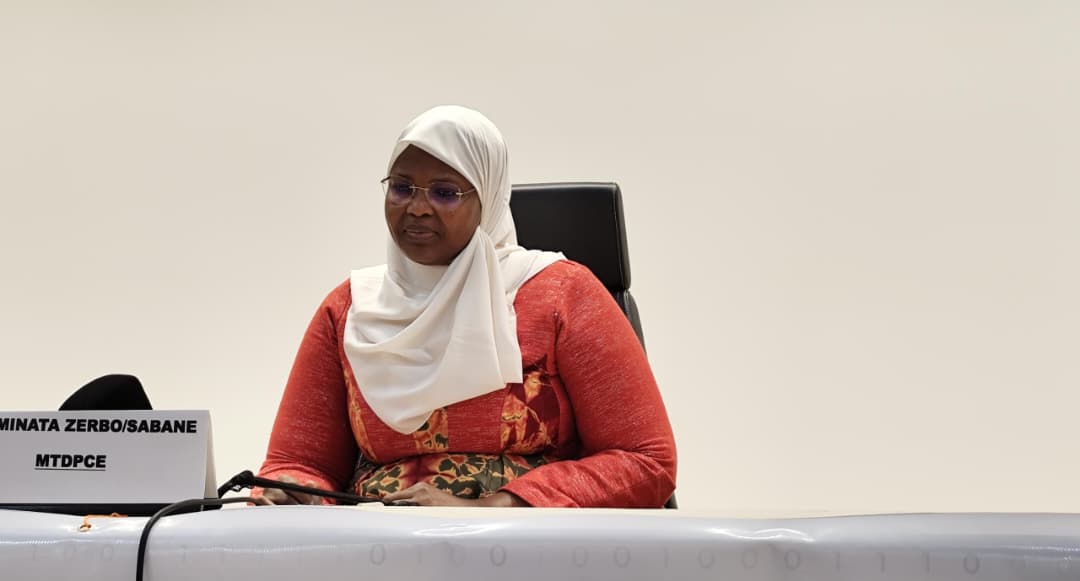
Au titre de l'extension et de la modernisation du réseau postal, les gros œuvres des deux "Zama Tchè" pilotes (maisons du citoyen) qui seront construits à Ouaga et à Kaya ont été lancés. Les études architecturales témoins des autres Zama Tchè à construire dans les zones rurales et urbaines ont aussi été menées. Un atelier a également été organisé sur la diffusion de la norme d'adressage postal.
Tout en félicitant ses collaborateurs pour les différents résultats enregistrés, Aminata Zerbo/Sabané a souligné qu'ils sont la résultante d'une synergie d'action. « Ces résultats dont nous pouvons légitimement être fiers sont avant tout le fruit de notre engagement, de notre persévérance et de notre capacité à agir collectivement. Ils témoignent de ce que nous sommes capables d'accomplir lorsque nous avançons unis autour d'une même ambition », a-t-elle laissé entendre.
Elle a invité les acteurs de l'écosystème du numérique à redoubler d'efforts dans le but de consolider les acquis tout en apportant des solutions novatrices face aux attentes grandissantes des populations et des acteurs économiques.
La contribution au Plan RELANCE au cœur des réflexions
Le thème retenu pour cette session extraordinaire du CASEM est « Contribution du secteur du numérique et des postes au plan RELANCE ». Il s'agit de mener la réflexion pour une contribution remarquable du secteur du numérique au Plan RELANCE sur la période 2026-2030. Moussa Badiel, directeur général des études et des statistiques sectorielles, qui a livré une communication sur la thématique, a laissé entendre que le secteur du numérique et des postes contribue à la mise en œuvre de trois piliers stratégiques du Plan RELANCE à travers trois programmes, cinq effets attendus, quinze indicateurs d'effets et 22 extrants.
Moussa Badiel, directeur général des études et des statistiques sectorielles, a présenté la contribution du secteur du numérique aux trois piliers stratégiques du plan RELANCE.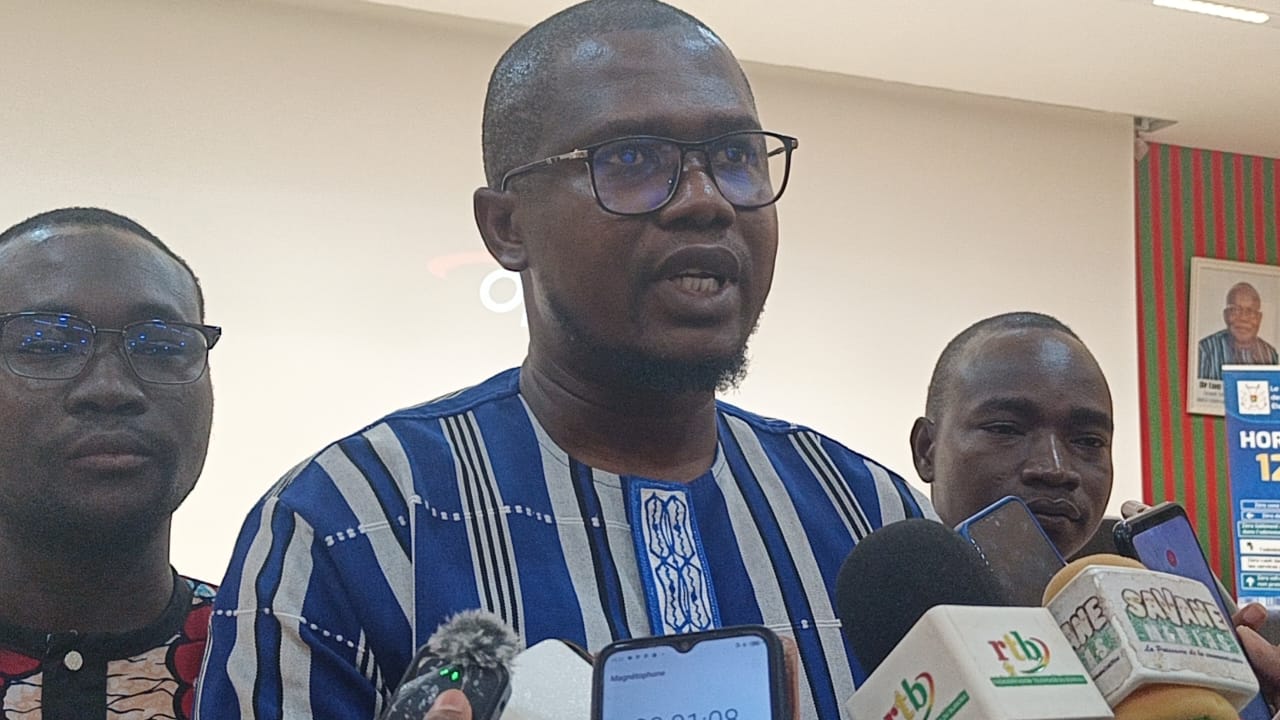
Les trois programmes portent sur le renforcement de l'accès aux infrastructures numériques, l'amélioration de la qualité des services numériques et la modernisation des services postaux. En ce qui concerne le renforcement des infrastructures numériques, l'objectif est d'améliorer la couverture numérique du territoire à travers l'augmentation du taux de pénétration de l'internet à 94 % d'ici 2030 ; l'extension du réseau de fibre optique ; l'interconnexion des administrations publiques ; le renforcement des capacités nationales de stockage et de traitement des données.
Pour ce qui est du développement des services numériques sécurisés et de qualité, l'ambition affichée est de moderniser l'administration et les services publics. Cela par la dématérialisation des procédures administratives ; la généralisation de l'identifiant unique électronique ; l'amélioration de la satisfaction des usagers.
Photo de famille des participants à la session extraordinaire du CASEM du ministère de la Transition digitale, des postes et des télécommunications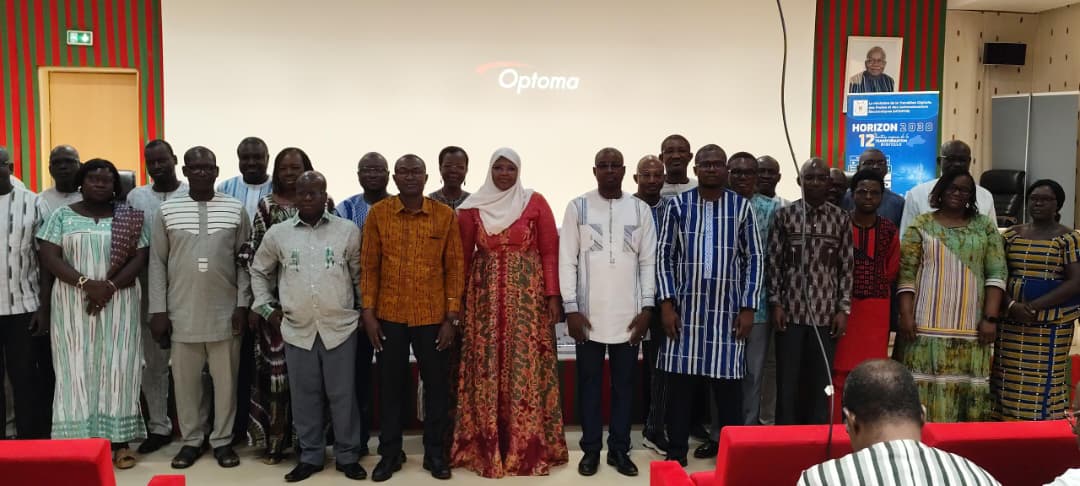
Pour l'année 2026, les principales actions prévues sont la mise en place du système d'interopérabilité des bases de données ; l'enrôlement de plus de 7,4 millions de personnes dans le système d'identification unique ; la dématérialisation de 100 procédures administratives et le déploiement d'infrastructures numériques mutualisées.
Pour ce qui est de la modernisation des services postaux, il s'agit de les rendre plus accessibles et plus performants sur l'ensemble du territoire. Les objectifs à l'horizon 2030 comprennent un taux de couverture géographique des agences postales de 42,7 % ; 295 points de contact postaux fonctionnels et une croissance annuelle minimale de 6 % des comptes financiers postaux.
Armelle Ouédraogo
Dalilha Ky (stagiaire)
Lefaso.net
Categories: Afrique
Route dégradée à Saaba : Les populations passent à l'action tout en sollicitant l'aide des autorités
À Saaba, dans la région du Kadiogo, les populations ont décidé de ne plus attendre face à la dégradation avancée de la voie reliant le marché principal au rond-point en direction de la zone 1, appelée communément Guinkouma. La Fédération des associations des cités Saaba 2, Saaba 3 et Dakouré a lancé, le dimanche 16 août 2026, une opération de réhabilitation communautaire. L'opération est dénommée « Ramener le bus SOTRACO à la mairie de Saaba ». Cette action répond à l'appel du président du Faso, le capitaine Ibrahim Traoré, qui est que les populations se mobilisent pour la construction du Burkina Faso.
Pioches, pelles, brouettes et sacs de latérite en main, enfants, jeunes, adultes et personnes âgées ont pris part aux travaux. L'objectif affiché est clair : améliorer rapidement l'état de la voie afin de permettre notamment le retour du bus de la Société de transport en commun (SOTRACO) jusqu'à la mairie de Saaba. Depuis plusieurs années, l'état de cette route constitue une difficulté pour les habitants. Les nombreux nids-de-poule, les zones fortement dégradées et les bourbiers rendent les déplacements particulièrement pénibles, surtout pendant la saison des pluies.
Une partie de la route en question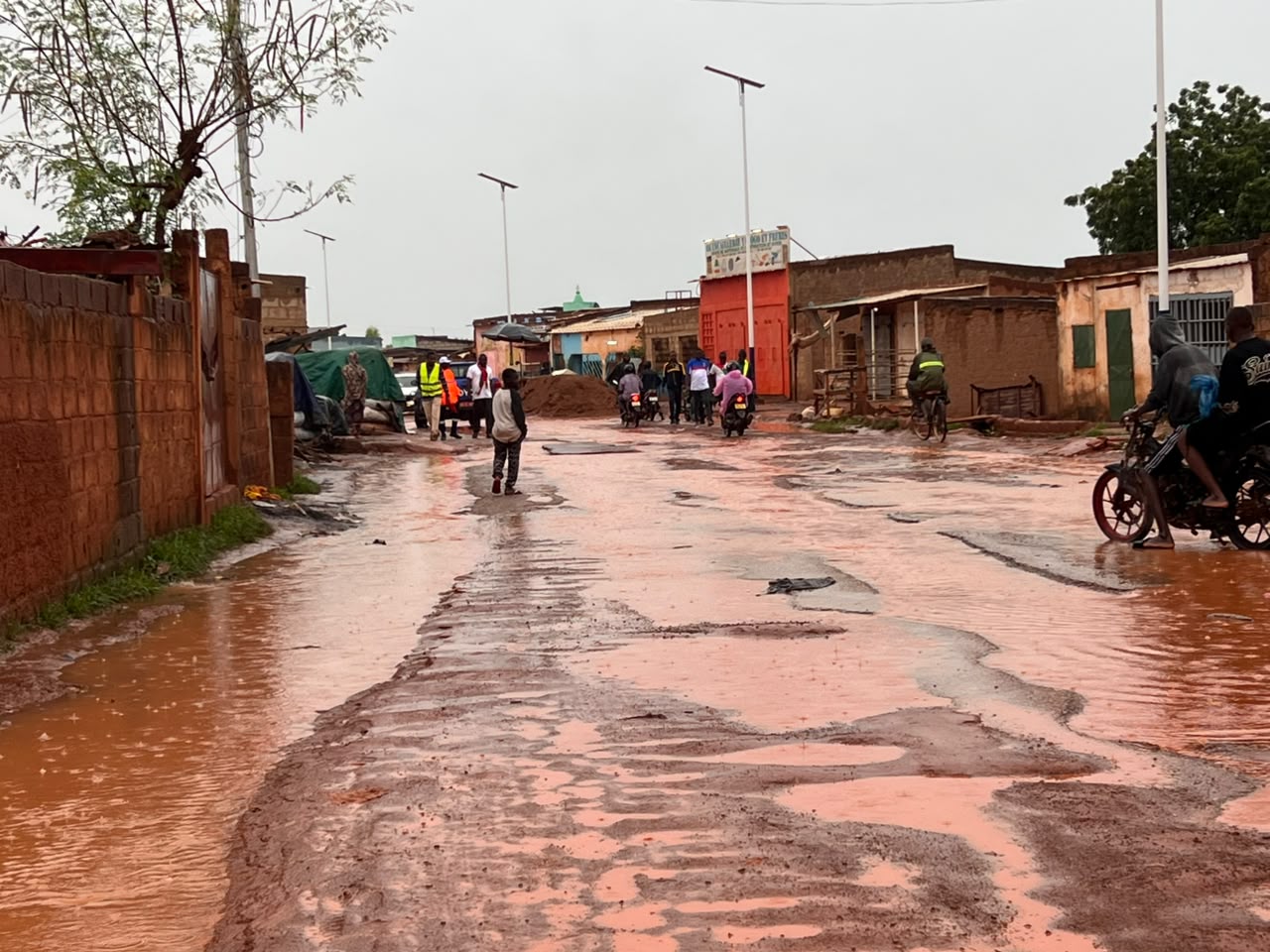
Face à cette situation, le bus SOTRACO avait dû déplacer son terminus de plus de deux kilomètres. Ce qui contraint les usagers à parcourir une distance supplémentaire pour rejoindre leurs destinations. « Actuellement, c'est comme si la commune de Saaba n'avait qu'un seul arrêt de bus. Parce que l'arrêt qui se trouve là où il y a la majorité de la population n'est plus accessible à cause de l'état de la voie. Le bus n'arrive plus à la mairie de Saaba. Les populations sont obligées de parcourir environ 2,5 km pour avoir un arrêt de bus. De nombreuses personnes ne peuvent plus se rendre facilement à la mairie et au tout premier CSPS de la commune pour les actes administratifs et les soins de santé. Cette situation est très pénible pour les riverains », a expliqué le porte-parole de la fédération, Mady Sawadogo.
Le porte-parole de la fédération, Mady Sawadogo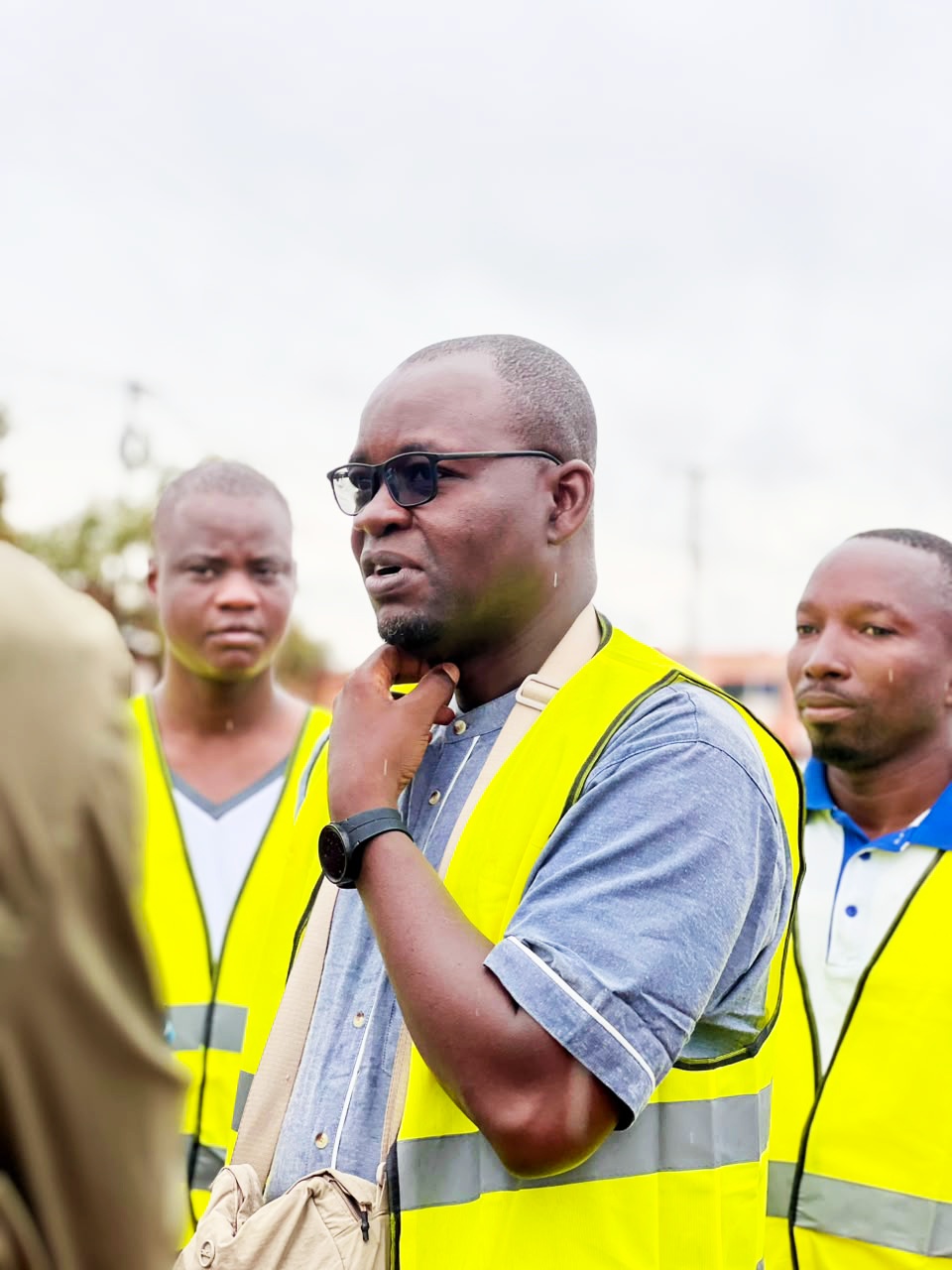
Pour réhabiliter les parties les plus endommagées, les populations ont recours à la technique japonaise Do-Nou. Cette méthode consiste à remplir des sacs avec de la terre ou de la latérite, à les compacter puis à les disposer dans les zones dégradées afin de stabiliser la chaussée.
Des riverains en train de mettre des cailloux et de terre dans les nids de poules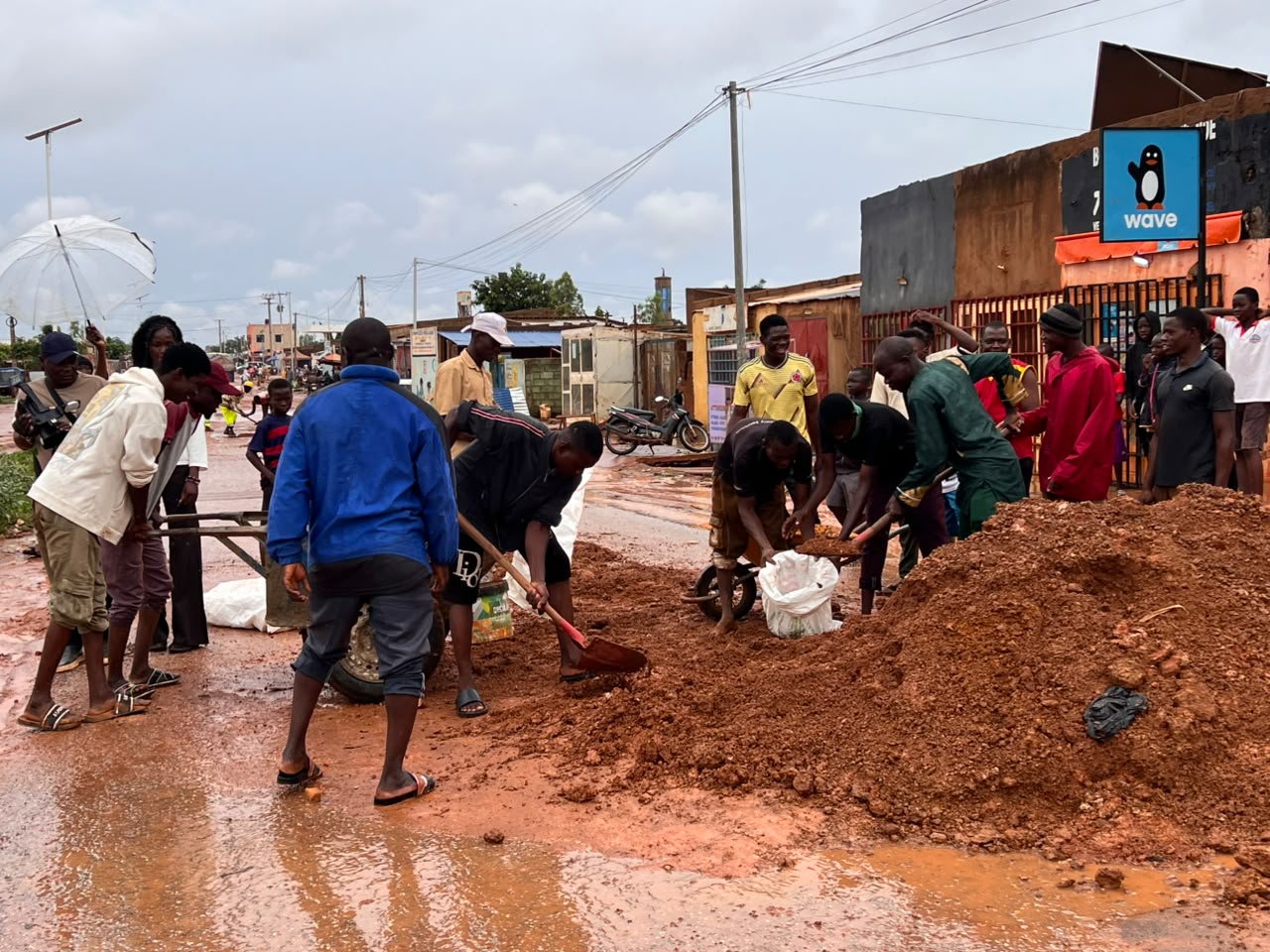
Cette solution, peu coûteuse et réalisable avec des moyens locaux, permet aux habitants de traiter rapidement les points les plus difficiles de la voie. Elle ne constitue toutefois qu'une réponse d'urgence, en attendant une réhabilitation plus durable de l'axe. Sur le terrain, la mobilisation est importante. Les habitants travaillent côte à côte pour combler les trous et améliorer les passages les plus difficiles.
Une autre partie de la route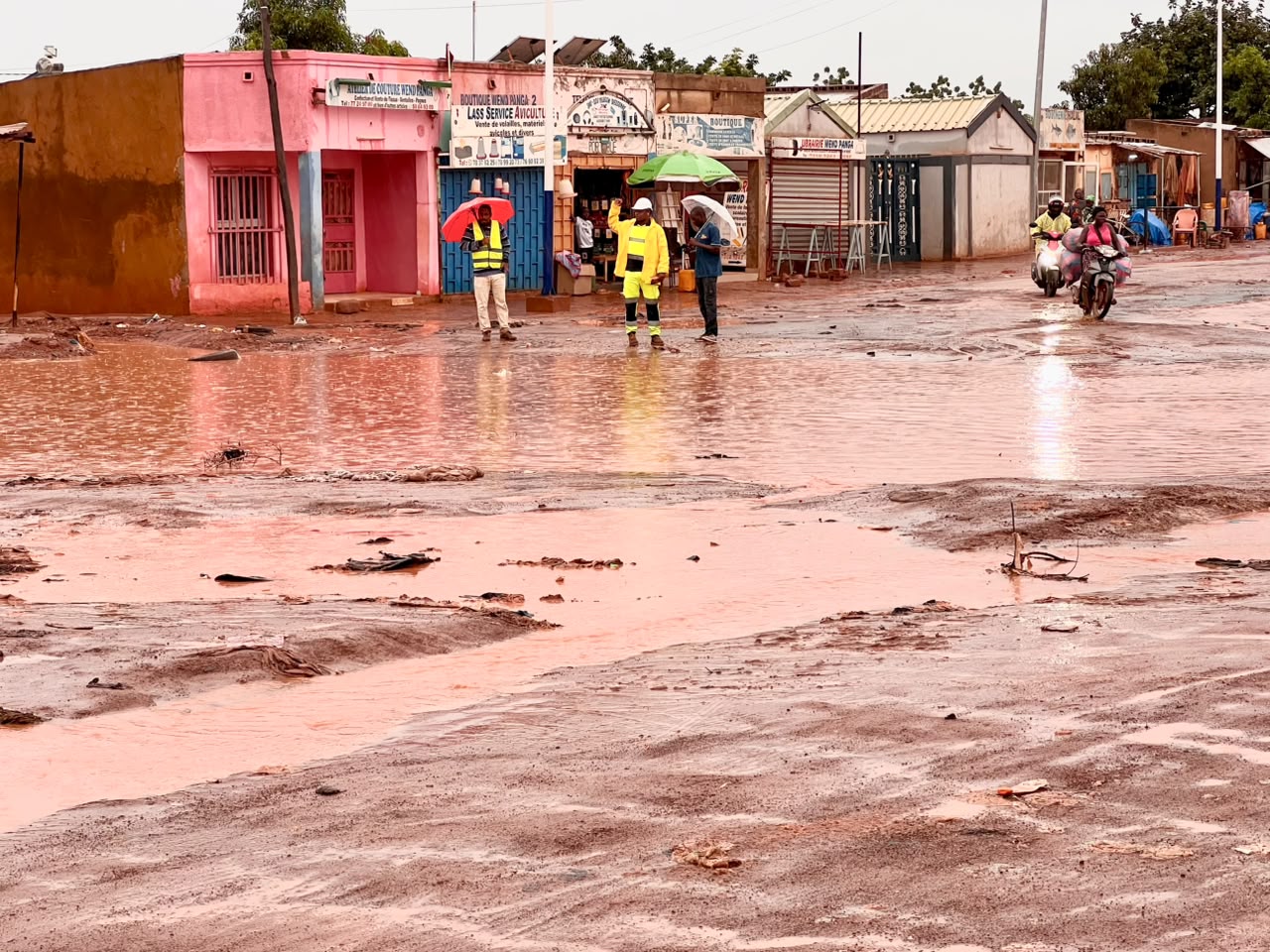
En octobre, c'est la rentrée scolaire au Burkina Faso, le secrétaire général craint que cette situation n'affecte le processus scolaire normal des élèves. « Bientôt ça sera la rentrée. Si rien n'est fait, les élèves iront en retard à l'école à cause du non-accès au bus. Imaginez-vous si les élèves doivent parcourir environ 2,5 km pour accéder à un arrêt de bus. Ça sera difficile pour eux. Nous sollicitons l'aide de nos autorités compétentes pour la réhabilitation de cette route. Notre action ne pourra pas résoudre définitivement le problème. C'est juste une solution temporaire », a souligné M. Sawadogo.
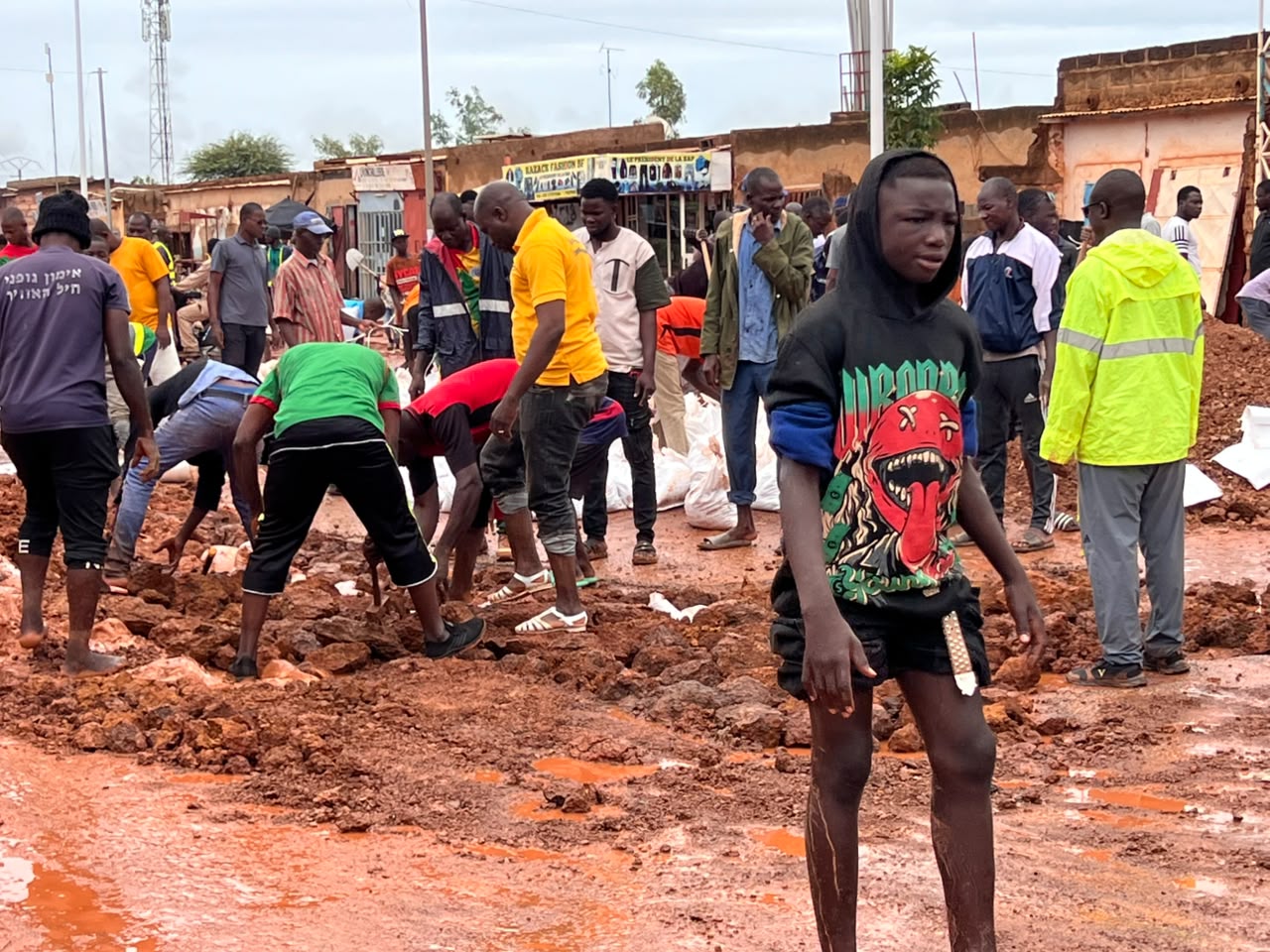
À travers cette action, la fédération apporte sa contribution au développement local pour le bien-être des populations. L'association des résidents de la cité Saaba 2 avait mobilisé la somme de 10 millions de francs pour le reprofilage d'environ 10 km des voies de la cité. Elle mène régulièrement des activités de développement communautaire. Grâce à ses actions, l'initiative présidentielle lui a apporté son soutien en envoyant une équipe pour effectuer des travaux durant deux semaines.
Le porte-parole Mady Sawadogo en chemise bleu et des résidents des cités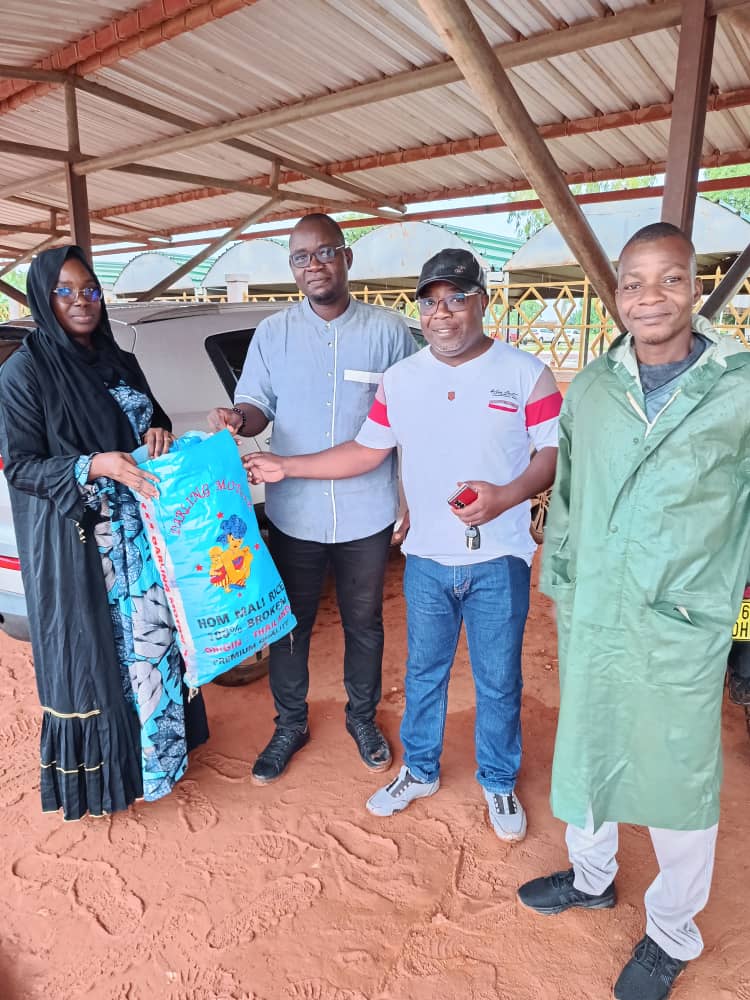
Rama Diallo
Lefaso.net
Categories: Afrique
Tchad : Désormais dans une liberté au goût d'inachevé, l'opposant Succès Masra aménage sa résilience politique
Après une année de prison, alors qu'il avait écopé d'une peine de 20 ans ferme, l'opposant tchadien, Succès Masra, a recouvré la liberté et retrouvé les siens dans la nuit de vendredi à samedi 15 août 2026. C'est la résultante d'une grâce présidentielle accordée par le président de la République Mahamat Idriss Déby Itno, dont il avait également été, pour quelques mois, le Premier ministre. Si le leader de l'opposition politique au Tchad n'est pas le seul à bénéficier de cette largesse, il attire cependant les projecteurs, et à juste titre.
Trivialement, on dira que la trajectoire n'a pas été ‘'trahie'' par le leader de l'opposition politique tchadienne, Succès Masra, tant en Afrique, opposition rime avec percussions et séjour en prison. Signalons au passage qu'il a également connu l'exil en octobre 2022, suite à une manifestation qui a fait plusieurs. Le cas Masra est d'autant plus édifiant que, quelques mois seulement avant son déboire, il était le chef du gouvernement, Premier ministre du même président de la République, de janvier à mai 2024.
À cette brève transition qui a été assortie de l'élection présidentielle, Succès Masra s'est présenté candidat contre son président sortant, Mahamat Idriss Déby Itno, candidat à sa propre succession. Ce dernier est élu par 61 % des suffrages contre 18,54 % pour Succès Masra, remplacé quelques jours après à la Primature.
Les semaines qui vont suivre ramènent à la surface un audio de 2023, dit « affaire Mandakao », un village, théâtre, en début mai 2025, d'affrontements inter-communautaires sanglants, qui ont causé la mort d'au moins 40 personnes. Succès Masra est poursuivi pour incitation à la violence, sur la base de ce message vocal émis en 2023. L'ancien allié est, au bout d'un procès, condamné le 9 août 2025 à 20 ans de prison pour « diffusion de message à caractère haineux et xénophobe » et « complicité de meurtre ». Ses partisans dénoncent des pratiques politiques ‘'malsaines'' de la part du pouvoir.
Une année après le verdict, l'opposant bénéficie (avec huit autres du même bord politique, la plateforme d'opposition Groupe de concertation des acteurs politiques, GCAP) d'une grâce présidentielle du Maréchal du Tchad Mahamat Idriss Déby Itno. L'acte, signé le 14 août, intervient quatre jours après l'annonce à la nation par le chef de l'État de gracier des Tchadiens condamnés. Le décret gracie donc des responsables politiques « en porte-à-faux avec la justice », dont Succès Masra, leader de l'opposition. « Ils sont pardonnés par le chef de l'État. Mais la grâce ne supprime pas les peines civiles qui restent poursuivables », précise la présidence de la République.
Si l'opposant recouvre donc la liberté, sa carrière politique reste subordonnée à la suite, en ce sens que la grâce présidentielle « met seulement fin à l'exécution de la peine, mais n'efface pas la condamnation, l'amende, les conséquences juridiques ». C'est dire qu'à ce stade, le jeune leader politique de l'opposition reste inéligible. Pour espérer briguer la magistrature suprême, il faut que suive une amnistie qui, elle, aura pour conséquence d'effacer la condamnation, l'amende, les conséquences juridiques. Cela est une autre paire de manches à intégrer désormais dans la donne. Et l'homme semble avoir aussitôt pris la mesure de cet enjeu. En effet, quelques heures seulement après sa sortie de cellule, Succès Masra s'est d'abord montré reconnaissant à celui que nombreux de ses partisans considèrent comme un « bourreau » avant de prendre les devants en avançant ses pions. « Je retrouve la liberté, plein d'espérance et tourné vers l'avenir. C'est dans cet esprit que je suis avec vous. C'est un jour de grâce et j'espère que ça va être transformé en des décennies de grâce pour le peuple tchadien. (…). Le président Mahamat sait que ma place n'était pas en prison, mais il aurait pu m'y laisser. Il a choisi de me libérer. Il sait que je serai très utile à ce pays en dehors de là où on m'a envoyé, et donc ma préoccupation, c'est l'avenir », a déclaré Succès Masra.
L'ancien Premier ministre envisage l'avenir sous plusieurs angles. De ce fait, il ne crache pas sur une co-gestion du pouvoir, notamment par le biais d'un gouvernement d'union. « Le président m'a répondu qu'il a accepté, lui-même, l'idée d'une commission paritaire pour le dialogue, mais il faut aller plus loin. Nous sommes un pays de régime présidentiel, donc le véritable pouvoir est au niveau de l'exécutif. En tant que chef de l'État, il peut décider de mettre en place un gouvernement d'union et de changement dans lequel l'ensemble des Tchadiens pourront se retrouver », avance l'opposant.
Il s'érige en rassembleur, plaidant la cause de tous les Tchadiens. « Devant nous, il y a cinq ans où nous pouvons avoir une sorte de trêve politique et nous pouvons, en cinq ans, avec tous les Tchadiens, pas le président de la République, lui seul, et moi, mais avec tous les autres, ceux qui viennent de sortir de prison, ceux qui sont à la diaspora et les autres, nous pouvons bâtir quelque chose de solide, en hommes d'État capables d'apporter des solutions pour l'avenir. » Il faut faire en sorte que nous puissions aller vers ce chemin-là. Vous voyez la joie que les Tchadiens ressentent, rien que de ces libérations ! Imaginez que nous allions un peu plus loin… Je suis un homme d'espérance. Je pousse les portes pour faire en sorte que les incompréhensions cessent et que, finalement, nous ouvrions les portes et que nous libérions les énergies du Tchad », a-t-il soutenu.
Cette ‘'offre'' sortie de l'opposant a obligé le pouvoir à communiquer. Alors, dès le 16 août, le président de la République Mahamat Idriss Déby Itno déclare, sur Facebook, « renouveler sa confiance au Premier ministre, ainsi qu'à l'ensemble de son équipe ». Puis, la réaction du parti présidentiel, le Mouvement patriotique du Salut (MPS), à travers son porte-parole, Abdel Nasser Garboa, qui exclut l'hypothèse de la formation d'un gouvernement d'union nationale, tout en laissant cependant ouverte la porte de son intégration au gouvernement. « Au niveau du MPS, nous ne voyons pas l'utilité d'un gouvernement d'union nationale. Nous ne sommes pas actuellement dans une situation de transition. Il y a un chef d'État qui a été élu sur la base d'un programme politique, et le programme politique est en exécution. Nous sommes pratiquement à mi-mandat, donc nous préparons les prochaines échéances électorales. Et donc, je ne vois ni l'opportunité ni l'intérêt d'un gouvernement d'union nationale en ce moment. Mais le chef de l'État est souverain, il a des pouvoirs discrétionnaires. Il peut faire appel à tout Tchadien pour l'accompagner dans la mise en œuvre de son programme politique. Dans ce cas, d'autres Tchadiens de son choix peuvent venir rejoindre le gouvernement. D'ailleurs, actuellement, au sein du gouvernement, une dizaine de partis politiques sont représentés. En plus de cela, les ex-politico-militaires sont représentés dans ce gouvernement. Donc, je ne vois pas pourquoi il faudrait ouvrir pour tel ou tel ou fermer pour tel ou tel. Tous les Tchadiens se valent », s'est étalé le porte-parole du parti au pouvoir, dont les propos ont été relayés par les médias internationaux.
Le parti au pouvoir trouve, en outre, en l'opposant, un « personnage bipolaire », avec d'une part, des propos élogieux envers le président de la République « pour revenir dans le gouvernement » et d'autre part, « un langage assez belliqueux et destiné à ses militants les plus radicaux ». Ce qui rendrait Succès Masra « un peu infréquentable », selon le porte-parole du MPS.
À 42 ans, Succès Masra, celui-là même qui a quitté en 2018 le poste d'économiste en chef à la Banque africaine de développement (BAD) pour entrer dans son pays, réorganise donc, au sortir de cette épreuve de prison, sa résilience politique. Il faut donc attendre de voir et le juger à l'acte, car, comme lui-même l'a confié dans une interview accordée à Lefaso.net lors de son passage à Ouagadougou en mai 2022 : « Plus jamais, les impossibilités ne feront partie de notre vocabulaire ».
O.L.
Lefaso.net
Categories: Afrique
Pages



© 2012-2018 Europa Varietas Foundation © 2015-2018 Europa Varietas Association
www.europavarietas.org | info(@)europavarietas(dot)org | Switzerland




We are looking for sponsors for the English translation of these books, please contact turkeandras(at)gmail(dot)com