
Vous êtes ici
Agrégateur de flux
Press release - European Parliament press kit for the European Council of 15 – 16 October 2026
This press kit includes a selection of European Parliament press releases outlining MEPs’ key priorities regarding the issues on the summit agenda.
Source : © European Union, 2026 - EP
Source : © European Union, 2026 - EP
Catégories: Europäische Union
Press release - European Parliament press kit for the European Council of 15 – 16 October 2026
This press kit includes a selection of European Parliament press releases outlining MEPs’ key priorities regarding the issues on the summit agenda.
Source : © European Union, 2026 - EP
Source : © European Union, 2026 - EP
Catégories: Európai Unió : hírek magyarul
Press release - European Parliament press kit for the European Council of 15 – 16 October 2026
This press kit includes a selection of European Parliament press releases outlining MEPs’ key priorities regarding the issues on the summit agenda.
Source : © European Union, 2026 - EP
Source : © European Union, 2026 - EP
Catégories: European Union
Tiefer Pegel macht Zürichsee-Spaziergänger fassungslos
Der Obersee hat derzeit einen historisch tiefen Wasserstand erreicht. Wo sonst Wasser ist, liegt plötzlich Ufer frei. Besonders gut sichtbar ist der Tiefstand beim Rapperswiler Holzsteg. Die Spaziergänger können es kaum glauben.
Catégories: Swiss News
40 heures au lieu de 44, un jour de repos en plus… Le Brésil approuve la réduction du temps de travail promise par Lula
La réforme du temps de travail proposée par le gouvernement de Lula a été votée par le Parlement brésilien le 14 octobre, réduisant de quatre heures la durée légale de travail par semaine.
Catégories: France
«Auswirkungen sind extrem» – jetzt gehts der Schweiz an die Reserven
Die Situation in der Rheinschifffahrt spitzt sich zu: Die Transportkapazitäten von Schiffen sind wegen Tiefpegel massiv eingeschränkt. Die Schweiz greift auf Pflichtlager zu. Im Winter droht gar noch Schlimmeres.
Catégories: Swiss News
Mali : les FAMa rappellent les consignes de sécurité après un incident meurtrier en zone d’opérations
Mali Actu - maliactu.net - Mali Actualités, Les Actus et Informations sur le Mali
Mali Actu
Mali : les FAMa rappellent les consignes de sécurité après un incident meurtrier en zone d’opérations
Face aux risques liés à l’environnement opérationnel, l’État-major général des Armées appelle les populations à respecter strictement les restrictions de circulation des motos de 125…
Mali : les FAMa rappellent les consignes de sécurité après un incident meurtrier en zone d’opérations
Mali Actu :
Mali : les FAMa rappellent les consignes de sécurité après un incident meurtrier en zone d’opérations
Catégories: Afrique
So viele Tore fielen in der Champions League noch nie
Torrekord in der Champions League! Noch nie fielen so viele Treffer in einer Runde: unglaubliche 78 Tore in 18 Spielen. Mit Highlights wie PSGs 4:2-Sieg gegen ManCity ist der Wettbewerb damit so torreich wie nie zuvor.
Catégories: Swiss News
Le chef du renseignement de Côte d’Ivoire attendu au Mali
Le chef du renseignement ivoirien est attendu ce 15 octobre 2026 à Bamako. Vassiriki Traoré a été invité par son homologue malien Modibo Koné, Directeur général de l’Agence nationale de la sécurité d’État (Anse). Les discussions devraient principalement porter sur les questions de lutte contre le terrorisme. Après plusieurs années de tensions politiques entre les deux pays, cette venue pourrait ouvrir la voie à une relance de la coopération.
Catégories: Afrique
Zelenszkij szerint nagy hiba a Starlink korlátozása
Volodimir Zelenszkij ukrán elnök szerint súlyos hiba az Elon Musk érdekeltségébe tartozó SpaceX döntése, amely korlátozza a Starlink műholdas internetszolgáltatás működését az ukrán katonai drónokon. Az államfő arra kérte a vállalat vezetőjét, hogy állítsa vissza a rendszer működését, mivel a korlátozások emberéletekbe kerülhetnek.
Zelenszkij a Piers Morgan brit újságírónak adott interjúban beszélt a történtekről. Arra a kérdésre, mit üzenne Musknak, az ukrán elnök úgy fogalmazott: „Ez nagy hiba.”
A Space-X korlátozta a Starlink működését UkrajnábanAz államfő hangsúlyozta, hogy a korlátozásoknak súlyos következményei lehetnek a harctéren.
– Sok emberéletet követel. Természetesen emberek fognak meghalni, ha a támadások folytatódnak, és a Starlink nem működik. Azt remélem, hogy ez csak hiba. Talán egy hatalmas műszaki probléma, nem tudom, de arra kérem, kapcsolja be a rendszert. Úgy gondolom, ez lenne a tisztességes lépés – mondta Zelenszkij.
Az ukrán elnök a korlátozásokat „igazán furcsának” nevezte, és a történteket „teljesen őrült lépéseknek” minősítette. Arra a kérdésre, hogy szerinte a Starlink működésének korlátozásával személyesen neki akartak-e ártani, úgy válaszolt: a döntéshozók pontosan tudták, mit tesznek.
Javult a kapcsolat minősége, de a korlátozások maradtak
Az Ukrán Védelmi Minisztérium tájékoztatása szerint a nap végére javult a Starlink katonai szolgáltatásának minősége az ukrán drónokon, amelyek akár 160 kilométer/órás sebességgel is haladhatnak. A korlátozásokat azonban nem oldották fel teljesen.
A minisztérium közlése szerint a SpaceX továbbra is fenntartja a 161 kilométer/órás sebességhatárt. A nap folyamán a tényleges korlátozások ennél jóval szigorúbbak voltak, később azonban javulást tapasztaltak a legfeljebb 160 kilométer/órás sebességgel haladó drónok kapcsolatának minőségében.
A tárca hozzátette: folytatódnak az egyeztetések a partnerekkel és a SpaceX képviselőivel annak érdekében, hogy a szolgáltatás feltételei stabilak maradjanak, és a jövőben ne lépjenek életbe váratlan korlátozások.
The post Zelenszkij szerint nagy hiba a Starlink korlátozása appeared first on Kárpátalja.ma.
Catégories: Határon túli magyar portálok összesített hírei
És lészen kormány
A szociáldemokraták vettek egy nagy levegőt és – minden jel szerint – bevállalják a Victoria-palotába való visszatérést. Több mint 160 napja tartó patthelyzet látszik feloldódni, igaz, újabb függőségi viszonyok árán. Ezúttal az úgynevezett szakértői-PSD hibrid képlet tűnik nyerőnek; szavatossági ideje hat hónap. Mihez kezdünk az amorf állapotból a továbbra is képlékeny, korlátozott mozgásterű helyzetbe való […]
Articolul És lészen kormány apare prima dată în Kolozsvári Rádió Románia.
Catégories: Határon túli magyar portálok összesített hírei
De l’hypocrisie de la plainte pour « mise en danger de la vie d’autrui » du syndicat de police Alliance
Une génération se mobilise, manifeste et encaisse les coups et les blessures. Et que fait la place Beauvau ? Elle s’invente des martyrs. Le syndicat de police Alliance vient d’annoncer le dépôt d’une plainte contre l’État pour « mise en danger de la vie d’autrui ». Alors que la jeunesse subit de plein fouet la violence pour avoir réclamé…
Catégories: France
Présidentielle 2027 : Marine Le Pen coupera l'aide à l'Ukraine au bout de six mois si elle est élue
La candidate du Rassemblement national Marine Le Pen a déclaré mercredi qu'elle "maintiendrait durant six mois" l'aide à l'Ukraine si elle était élue présidente en 2027, mais qu'au-delà, elle "cesserait" ce soutien financier car la France n'en a, selon elle, "plus les moyens".
Catégories: France
Real-Star motzt über Sperre und redet über die Pfiffe
Vinicius Junior steht erneut in der Kritik. Der Brasilianer wehrt sich, zeigt sich selbstkritisch und macht den Real-Fans ein Versprechen.
Catégories: Swiss News
Magic System FC, le nouveau tube du football ivoirien
Un nouveau club fait son apparition dans le microcosme footballistique de la Côte d’Ivoire. Nouveau sur la scène sportive, porté par un président encore néophyte, il affiche pourtant un nom déjà mythique : Magic System Football Club, du nom du célèbre groupe musical. Né il y a moins d’un mois du rachat du Racing Club de Koumassi par A’Salfo, leader de Magic System, le club s’apprête à faire ses débuts dans le championnat de troisième division qui démarre ce vendredi 16 octobre.
Catégories: Afrique
Major Global disruptions and food security links: how the Iran War and chokepoint tensions may affect Global hunger
The escalation of conflict in the Middle East in 2026 and the disruptions affecting major maritime chokepoints, particularly the Strait of Hormuz and the Bab el-Mandeb/Red Sea corridor, threaten global food security through higher energy, fertilizer, and shipping costs. We argue that the shock is more structural than previous crises because it simultaneously affects core agricultural inputs and trade routes, unlike the 2022 price spike in the wake of the Russian invasion of Ukraine, which primarily caused temporary supply shortages. This has specially severe consequences for import-dependent economies in the Gulf area, Africa, and other low- and middle-income countries (LMICs). While energy price shocks can be transmitted relatively quickly to food markets through immediate changes in production and transportation costs, shipping cost and fertilizer price shocks tend to operate with longer adjustment lags because they propagate through physical supply chains and agricultural production processes. Prolonged energy market disruptions stemming from conflict around the Strait of Hormuz, together with tensions affecting Bab el-Mandeb, or future disruptions from (geo)political conflicts, entail the risk of trade policy responses and further market disturbances that could exacerbate the ongoing crisis. We highlight that rising prices for energy, shipping, and food are placing an immense strain on LMICs already burdened by heavy debt, limited access to finance, and inflationary pressure, with implications for food security and hunger.
Catégories: Diplomacy & Defense Think Tank News
«Wurde davon abgeraten, eine natürliche Geburt zu versuchen»
Amira Alys Tochter kommt bald – und per Kaiserschnitt. Die Moderatorin ist im neunten Schwangerschaftsmonat; nach früheren Geburten raten ihr Ärztinnen und Ärzte von einer natürlichen Geburt ab.
Catégories: Swiss News
Pages



© 2012-2018 Europa Varietas Foundation © 2015-2018 Europa Varietas Association
www.europavarietas.org | info(@)europavarietas(dot)org | Switzerland


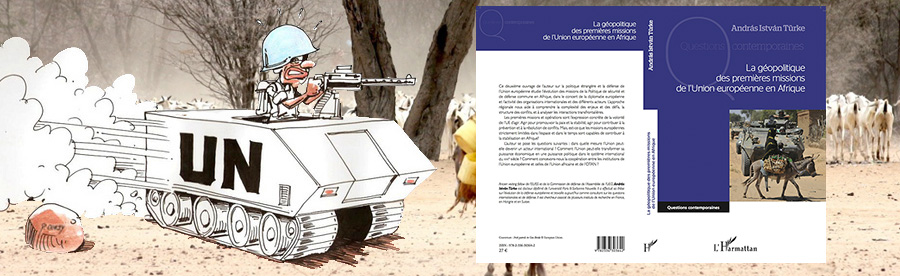

We are looking for sponsors for the English translation of these books, please contact turkeandras(at)gmail(dot)com