
Vous êtes ici
Afrique
La MONUSCO dote l'hôpital général de Beni d’un bâtiment pour les détenus malades
L’Hôpital général de référence de Beni, au Nord-Kivu, dispose désormais d’un bâtiment équipé pour la prise en charge des détenus malades.
Catégories: Afrique, European Union
Lancement de la revue pédagogique de promotion de l’enseignement préscolaire en RDC
La ministre d’État en charge de l’Éducation nationale et de la Nouvelle citoyenneté, Raïssa Malu, a lancé mardi 26 mai à Kinshasa une revue pédagogique destinée à promouvoir et professionnaliser l’enseignement préscolaire en RDC.
Catégories: Afrique, European Union
Ebola : Jean-Jacques Muyembe rassure sur la disponibilité des intrants en Ituri
Le gouvernement congolais et ses partenaires intensifient leurs efforts pour contenir la propagation de la maladie à virus Ebola en Ituri. Le directeur de l’Institut national de recherche biomédicale (INRB), Jean-Jacques Muyembe, a fait cette affirmation mardi 26 mai depuis la ville de Mbuji-Mayi, au Kasaï-Oriental.
Catégories: Afrique, European Union
Pourquoi la tour de Pise et d'autres bâtiments emblématiques penchent-ils sans s'effondrer ?
La tour de Pise est célèbre pour son inclinaison, mais ce n'est pas le seul monument à vaciller. Pourquoi certains bâtiments penchent-ils et comment peut-on les redresser ?
Catégories: Afrique
Aïd El-Adha : ne jetez plus vos peaux de mouton, elles valent de l’or pour l’économie
Chaque année lors de l’Aïd El-Adha, des millions de peaux de moutons finissaient à la poubelle, un immense gâchis pour l’économie algérienne. Mais la tendance […]
L’article Aïd El-Adha : ne jetez plus vos peaux de mouton, elles valent de l’or pour l’économie est apparu en premier sur .
Catégories: Afrique, European Union
Signature de l’appel d'offres du Projet Pont Route-Rail entre Kinshasa et Brazzaville
Le projet de pont route-rail entre Kinshasa et Brazzaville connaît une avancée significative avec la signature, mardi 26 mai de l’appel à propositions entre les deux Congo.
Catégories: Afrique, European Union
Des hommes blessés et des femmes violées dans une attaque armée à Ngaliema, à Kinshasa
Des hommes ont été blessés et des femmes violées lors d’une attaque perpétrée par des bandits armés dans la nuit de lundi à mardi 26 mai, dans une parcelle située dans la commune de Ngaliema, aux environs de l’arrêt Brikin et du collège REKA.
Selon des témoins joints par Radio Okapi, le drame s’est déroulé entre 3 h et 4 h du matin. Les assaillants, lourdement armés, ont également emporté de l’argent et des biens de valeur.
Catégories: Afrique, European Union
Debate: Attack on Kyiv: what are Putin's objectives?
After Russia issued a warning to foreign diplomats, telling them to leave the Ukrainian capital Kyiv, the Ukrainian Minister of Foreign Affairs Andrii Sybiha has urged the Western partners not to yield to "Russian threats". Late on Saturday night Russia launched a massive missile and drone attack on the greater Kyiv area. Commentators, however, see the strikes as a sign of the Kremlin's weakness.
Catégories: Afrique, European Union
The West no longer believes the threats | Victor Taran - Ukraine
Catégories: Afrique, European Union
Debate: Cuba's existential crisis: will Trump have his way?
Cuba faces a "humanitarian catastrophe", its Minister of Foreign Affairs Bruno Rodríguez Parrilla told the UN Security Council on Tuesday. The Communist Caribbean state has been struggling under a US oil blockade for months. President Trump has threatened to "take" Cuba and charges have also been brought in the US against the 94-year-old former president, Raúl Castro. The media discuss how this crisis could unfold.
Catégories: Afrique, European Union
Rethinking Arctic governance: a case for the EU’s revised Arctic policy
This policy brief analyses how the EU may strengthen its role and advance its legitimacy in the Arctic when redesigning its priorities and partnerships, and how, in the process, it may contribute to the redesigning of established institutions and policies to fill the vacuum left by the Arctic Council. We will first provide a brief overview of the tensions inherent in different
types of cooperation approaches, the role that the EU wishes to play in the Arctic and external expectations that concern the EU’s priorities in the Arctic. Second, we discuss how these tensions affect the EU’s legitimacy as a cooperation partner and assess factors that strengthen and weaken the EU’s perception as an actor that needs to engage in the Arctic to avoid being excluded from policy negotiations of great relevance for the EU’s short-term, mid-term and long-term priorities. Third, we conclude with how EU ambitions have
changed and how it can strengthen its legitimacy as a cooperation partner by emphasizing the human dimension of security in the Arctic.
Catégories: Afrique, Diplomacy & Defense Think Tank News
Qu'est-ce que l'uranium et comment est-il utilisé pour fabriquer des armes nucléaires et produire de l'énergie ?
Les relations entre les États-Unis, Israël et l'Iran ont une nouvelle fois remis sur le tapis la question des armes nucléaires et le risque d'un recours à ces armes.
Catégories: Afrique
Pages


© 2012-2018 Europa Varietas Foundation © 2015-2018 Europa Varietas Association
www.europavarietas.org | info(@)europavarietas(dot)org | Switzerland
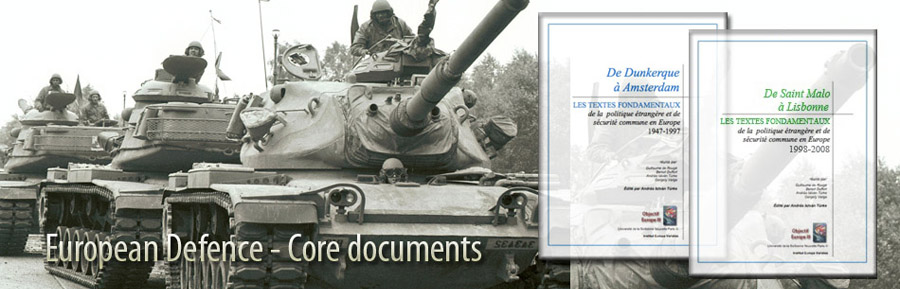
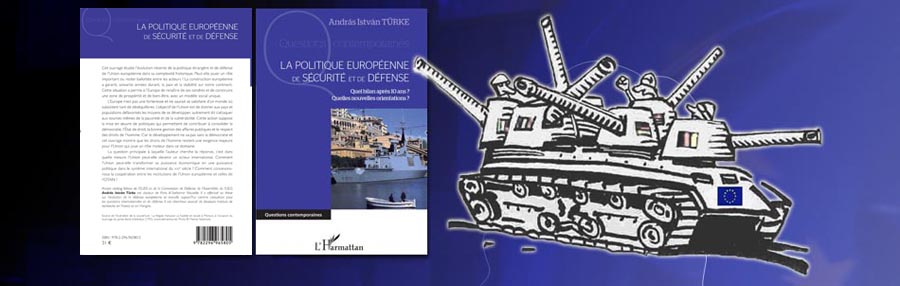
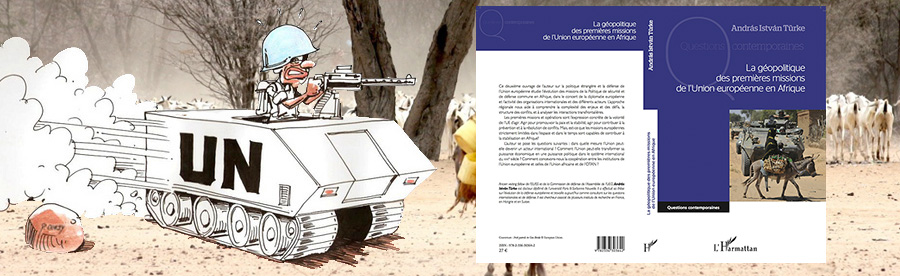
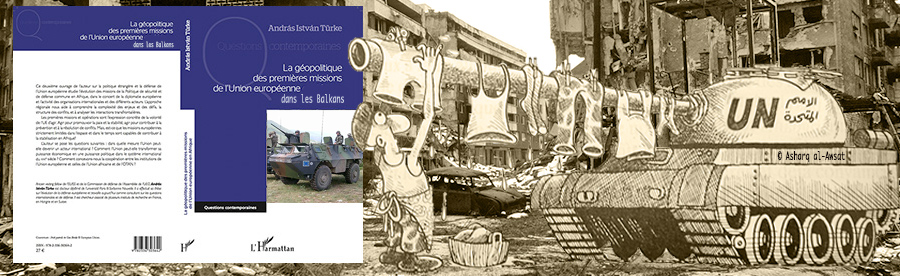
We are looking for sponsors for the English translation of these books, please contact turkeandras(at)gmail(dot)com