
You are here
Feed aggregator
Ebola : six membres de la Croix-Rouge blessés la semaine dernière dans des attaques en République démocratique du Congo
Les organisations impliquées dans la riposte à l’épidémie évoluent dans une région particulièrement troublée, où une myriade de groupes armés sont actifs et commettent des massacres en toute impunité.
Categories: Afrique
Germany’s Firewall Has Completely Failed
Attempts to ostracize the AfD have fueled both the rise and radicalization of Germany’s far-right party.
Categories: Diplomacy & Crisis News
4 individus spécialisés dans les vols de moto interpellés à Pahou
Quatre individus ont été interpellés, vendredi 21 août 2026, par la Police républicaine, pour leur implication présumée dans des cas de vol de motos avec violence.
Spécialisés sans les vols de motos, quatre (04) individus sont désormais dans les mains de la Police républicaine.
Selon la Police, les faits remontent au jeudi 13 août 2026. Un conducteur de taxi-moto avait transporté deux clients depuis le carrefour du marché de Pahou en direction de Ouidah. Arrivés près de Vassého, après l'usine de tracteurs, les deux passagers l'auraient menacé avec une machette avant de lui arracher sa moto de marque Bajaj.
Saisie de l'affaire, la Police a ouvert une enquête. Les investigations ont permis d'identifier et d'interpeller deux suspects vendredi 21 août. Une machette a été retrouvée dans leur bagage.
Interrogés, les deux suspects ont reconnu leur implication dans le vol de la moto et déclaré avoir commis d'autres vols dans plusieurs localités, notamment à Pahou, Tori et Allada.
Les enquêteurs se sont ensuite rendus à Cotonou où deux autres individus, soupçonnés d'être impliqués dans l'achat et la revente des motos volées, ont été interpellés. Ils seront présentés au Procureur de la République près le tribunal de première instance de deuxième classe de Ouidah.
Categories: Afrique
Ending the Cycle of Flight for the Rohingya Requires a Political Reckoning
The international community keeps treating the symptoms without touching the underlying cause: our political exclusion within Myanmar.
Categories: Diplomacy & Crisis News
Coopération : Le Premier ministre malien Abdoulaye Maïga à Alger pour relancer la coopération bilatérale
Le Premier ministre malien, le général de division Abdoulaye Maïga, effectue une visite de travail en Algérie, à l'invitation de son homologue Sifi Ghrieb, dans le cadre d'une volonté affichée de Bamako et d'Alger de renouer le dialogue et de consolider leur coopération.
L'information est rapportée ce lundi 24 août 2026, par nos confères de Maliweb. Porteur d'un message du président de la Transition, le général Assimi Goïta, le chef du gouvernement malien doit notamment être reçu par le président algérien Abdelmadjid Tebboune.
Cette visite intervient après un entretien téléphonique entre les autorités des deux pays, le 9 août 2026, à l'initiative de la partie algérienne. Les deux États affichent désormais leur volonté de privilégier le dialogue, la concertation et la coopération pour renforcer leurs relations bilatérales.
À Alger, le général de division Abdoulaye Maïga aura également des séances de travail avec son homologue Sifi Ghrieb. Les discussions doivent porter sur les moyens de consolider la coopération dans plusieurs domaines d'intérêt commun et de renforcer les relations de bon voisinage entre les deux pays.
La démarche intervient alors que Bamako et Alger ont récemment annoncé plusieurs mesures de rapprochement. Les deux pays ont notamment engagé le retour de leurs ambassadeurs respectifs à Bamako et à Alger et annoncé la réouverture de leurs espaces aériens aux aéronefs en provenance ou à destination des deux États.
Les autorités maliennes présentent cette dynamique comme une volonté de renouer avec un dialogue direct, régulier et constructif, fondé notamment sur le respect mutuel, la confiance, la non-ingérence et la préservation des intérêts de chaque pays.
Les relations entre le Mali et l'Algérie reposent par ailleurs sur des liens historiques, géographiques et humains anciens. Bamako rappelle notamment le soutien apporté par le Mali à la lutte de libération du peuple algérien, présenté comme l'un des fondements de la fraternité entre les deux pays.
Lefaso.net
Source : Maliweb
Categories: Afrique
What Is Life Really Like Under the Taliban? We Asked Afghan Women.
Online influencers are framing Afghanistan as a a beautiful, welcoming “hidden gem.” That may be true for tourists – but what about the women who live there?
Categories: Diplomacy & Crisis News
Severe Flooding Bares Garbage and Corruption Problems in the Philippines
Lawmakers and contractors used the climate crisis to push forward flood-control projects. But those have turned out to be defective and in some cases even non-existent.
Categories: Diplomacy & Crisis News
Décès de ZOMBRE AIME : Remerciements
Sa majesté Naaba SANEM RIIMA de Ouargaye ; les Grandes familles ZOMBRE et TOUGMA à Ouargaye , Gounghin , Tenkodogo , Koudougou , Cinkansé , Ouagadougou et à l'étranger ;
Les familles alliées , amis et connaissances très touchées par les nombreuses marques de compassion de solidarité et de soutien multiformes manifestées à la suite du rappel à Dieu de leur frère , époux , père , oncle , neveu et parent :
Monsieur ZOMBRE AIME précédement Administrateur des affaires sociales à la retraite, le Jeudi 13 Août 2026 au Centre Hospitalier Universitaire de Bogodogo,
expriment leur profonde gratitude à tous ceux qui, de près ou de loin leur ont apporté soutien et réconfort.
Nous ne saurons citer de noms de peur d'en omettre.
Que Dieu dans son infinie bonté vous le rende au centuple.
Que par la miséricorde de Dieu, l'âme de notre cher regretté repose en Paix.
Categories: Afrique
AES : Le Parlement burkinabè participe à la première session confédérale des Parlements à Niamey
Le président de l'Assemblée législative du peuple (ALP), Dr Ousmane Bougouma, conduit une délégation de parlementaires burkinabè à Niamey. C'est ce qu'annonce le communiqué de presse de l'ALP.
L'objectif est de prendre part à la session inaugurale et à la première session ordinaire des sessions confédérales des Parlements de l'Alliance des États du Sahel (AES). Cette rencontre prévue du 23 au 29 août 2026, marque une étape majeure dans la mise en place des institutions parlementaires de la Confédération.
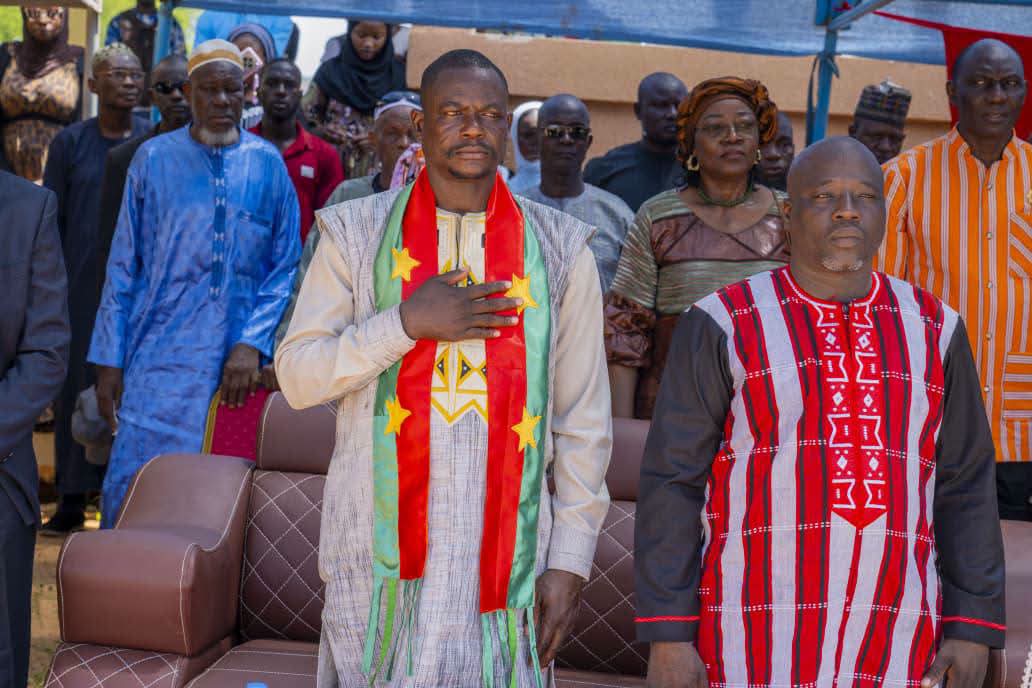
Les travaux s'ouvrent ce lundi 24 août 2026 avec la session inaugurale des sessions confédérales des Parlements de l'AES.
En sa qualité de président des sessions confédérales, le Dr Ousmane Bougouma présidera la cérémonie d'ouverture et procédera à l'installation des députés confédéraux issus des Parlements du Burkina Faso, du Mali et du Niger. Cette première phase des travaux se déroulera jusqu'au 25 août. Elle sera consacrée notamment à l'adoption du programme de la session ainsi qu'aux travaux en commission.
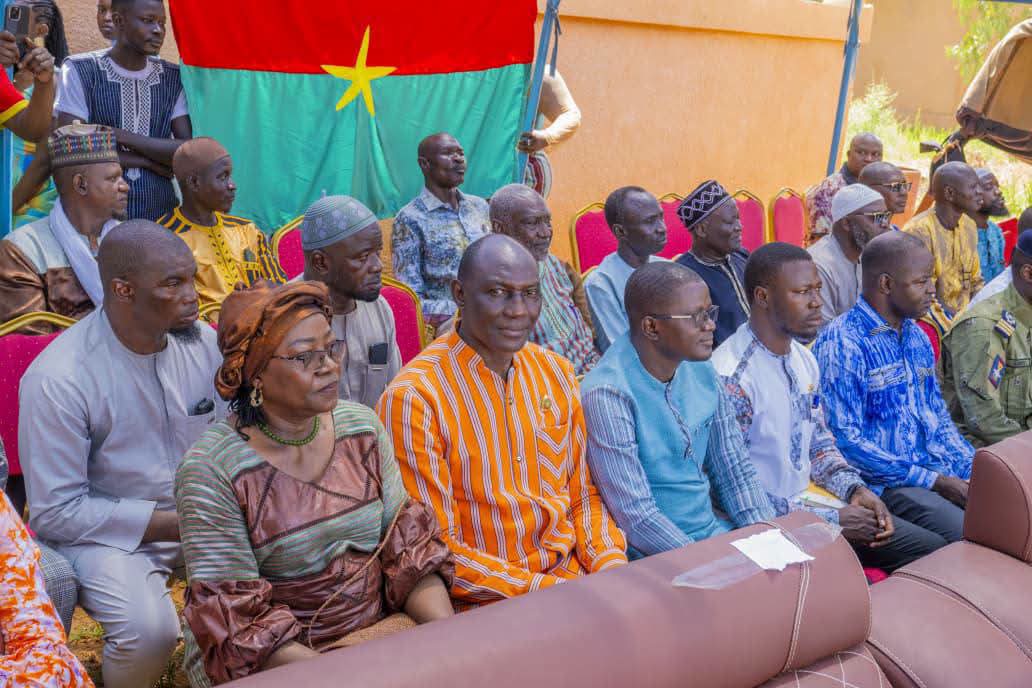
La première session confédérale ordinaire débutera, quant à elle, le 26 août 2026 au Centre international de conférences Mahatma Gandhi de Niamey. Les travaux seront placés sous la présidence du général Abdourahamane Tiani, président de la République du Niger.
Au-delà de son caractère inaugural, cette rencontre vise à intégrer pleinement les institutions parlementaires dans le processus de construction de la Confédération des États du Sahel.
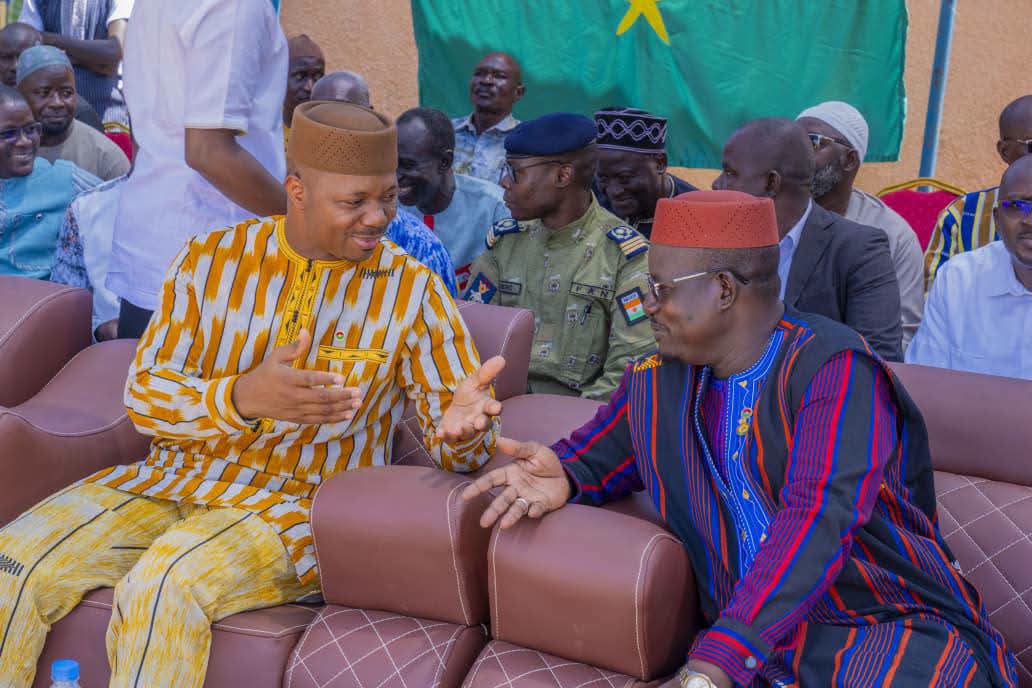
Elle doit permettre de mettre en place un cadre permanent de représentation, de coopération, de délibération et de diplomatie parlementaires entre les trois États membres.
Lefaso.net
Source : Assemblée législative du peuple
Categories: Afrique
Mali : L'Armée frappe des positions terroristes au sud-ouest de San
Les Forces armées maliennes (FAMa), appuyées par leurs partenaires, ont annoncé avoir frappé le dimanche 23 août 2026, plusieurs positions de groupes armés terroristes au sud-ouest de San, dans le cadre de l'opération Dougoukoloko.
Les frappes précisent-elles, ont ciblé des regroupements abritant notamment des motos, des véhicules armés et des stocks logistiques.
L'État-Major Général des Armées indique que cette opération s'inscrit dans les missions permanentes de surveillance, de contrôle et de sécurisation du territoire national menées par les FAMa.
Les forces maliennes disent avoir localisé les différentes positions grâce à des renseignements précis. Les regroupements identifiés abritaient, selon elles, d'importants moyens matériels susceptibles d'être utilisés dans les activités des groupes armés terroristes.
L'Armée souligne que les frappes ont permis de traiter avec succès ces différentes positions. Si aucune information sur le bilan n'est pour l'instant disponible, elle affirme que les opérations de surveillance et de reconnaissance se poursuivent dans la zone, afin d'évaluer les effets des frappes et d'établir un bilan consolidé.
Lefaso.net
Source : Forces armées maliennes
Categories: Afrique
Comment l'Algérie reconquiert son influence au Sahel
Longtemps médiatrice incontournable de la crise malienne, l'Algérie a vu son influence régionale sérieusement ébranlée après la rupture de l'Accord de paix par Bamako. Deux ans plus tard, Alger resserre ses liens avec le Niger et lui offre quatre hélicoptères militaires. Une opération qui illustre sa volonté de reprendre pied dans un Sahel profondément recomposé.
Le symbole est puissant. Le 9 août 2026, deux hélicoptères d'attaque Mi-24V et deux Mi-171 de transport quittent la base militaire d'In Guezzam, dans l'extrême sud algérien, à destination de Niamey. Il ne s'agit pas d'une vente : Alger offre les quatre appareils à l'armée nigérienne. Le ministère algérien de la Défense précise que la livraison comprend également des munitions, des pièces de rechange ainsi que du matériel de maintenance et de soutien logistique. L'opération, décidée sur instruction du président Abdelmadjid Tebboune, est présentée par Alger comme un renforcement de la coopération stratégique, militaire et sécuritaire avec le Niger. Le lendemain, les quatre appareils sont officiellement réceptionnés à Niamey par le chef d'état-major de l'armée de l'air nigérienne, le général Salifou Maïnassara.
Quand Alger était au centre du jeu malien
Pour mesurer la portée de cette livraison, il faut revenir une dizaine d'années en arrière.En 2014, alors que le Mali tente toujours de sortir de la crise ouverte par la rébellion de 2012, Alger accueille les négociations entre Bamako et plusieurs mouvements armés du Nord. L'Algérie n'est pas un simple pays hôte. Elle prend la tête de la médiation internationale. L'Accord pour la paix et la réconciliation au Mali issu du processus d'Alger, approuvé à Alger le 1er mars 2015, la désigne explicitement comme « chef de file de la Médiation », aux côtés notamment de la CEDEAO, de l'Union africaine, des Nations unies et de l'Union européenne. Après une première signature à Bamako le 15 mai, l'ensemble des parties adhère finalement à l'accord le 20 juin 2015. Pendant plusieurs années, Alger conserve ainsi une position privilégiée : elle dialogue avec Bamako, entretient des canaux avec les acteurs du Nord et se trouve au centre du mécanisme international chargé du suivi du processus de paix. Encore en 2022, le Comité de suivi de l'accord est présidé par le chef de la diplomatie algérienne, Ramtane Lamamra, au titre du rôle de chef de file de la médiation internationale. L'Accord d'Alger est alors bien plus qu'un texte diplomatique : il constitue l'un des principaux instruments d'influence régionale de l'Algérie.
La rupture avec Bamako
Cet édifice finit pourtant par s'effondrer.Fin 2023, les relations entre Alger et Bamako se tendent fortement. La réception en Algérie de l'imam Mahmoud Dicko, figure religieuse influente devenue critique du pouvoir militaire malien, provoque la colère des autorités de transition. Bamako reproche parallèlement à Alger d'entretenir des contacts avec certains responsables des mouvements armés du Nord. Les deux pays rappellent leurs ambassadeurs.Le 25 janvier 2024, le gouvernement malien franchit un cap en annonçant la fin, « avec effet immédiat », de l'Accord issu du processus d'Alger. Pour l'Algérie, la rupture dépasse l'échec d'un texte de paix. Elle signifie la disparition de l'un de ses principaux leviers politiques au Mali.Dans le même temps, un autre acteur occupe de plus en plus le terrain sécuritaire : la Russie. Après la rupture avec Paris, le retrait de Barkhane puis le départ de la Minusma, Bamako approfondit son partenariat militaire avec Moscou. Wagner, puis l'Africa Corps, deviennent des acteurs importants de la stratégie sécuritaire malienne.Le centre de gravité se déplace. Et Alger n'en est plus le pivot.
Le Niger, nouveau levier d'influence
C'est dans ce contexte que le rapprochement entre Alger et Niamey prend tout son sens. Le Niger est un voisin stratégique pour l'Algérie. Les deux pays partagent près d'un millier de kilomètres de frontière, dans une région traversée par les trafics, les mouvements de groupes armés et les routes migratoires.Leurs relations avaient elles aussi connu des tensions après le coup d'État nigérien de juillet 2023. Depuis, Alger et Niamey ont entrepris de reconstruire leur relation, sur les plans diplomatique, économique et sécuritaire.La livraison des quatre hélicoptères marque toutefois un changement d'échelle.L'Algérie ne se contente plus de proposer ses bons offices ou de défendre une approche diplomatique des crises sahéliennes : elle fournit directement des capacités opérationnelles à une armée de la région.Son ministère de la Défense présente d'ailleurs cette opération comme une contribution à la « sécurité et à la stabilité » régionales. Un vocabulaire qui rappelle le rôle que l'Algérie revendiquait autrefois par la médiation politique, mais auquel s'ajoute désormais un outil militaire.
De la médiation aux hélicoptères
C'est probablement là que réside l'évolution la plus significative.Dans les années 2010, l'influence algérienne au Sahel reposait avant tout sur la diplomatie : négociations, médiations et gestion des équilibres entre Bamako et les mouvements du Nord.En 2026, la livraison au Niger révèle un instrument supplémentaire : la coopération militaire directe.Les Mi-24V peuvent renforcer les capacités d'appui-feu de l'armée nigérienne. Les Mi-171, eux, peuvent assurer le transport de troupes, le ravitaillement ou les évacuations dans des zones où les distances constituent un défi opérationnel majeur.Surtout, Alger ne livre pas uniquement quatre aéronefs. Munitions, pièces détachées et équipements de maintenance accompagnent les appareils.Le détail est loin d'être secondaire : dans les armées sahéliennes, la disponibilité réelle d'une flotte dépend autant des capacités de maintenance et de l'accès aux pièces que du nombre d'appareils officiellement en service.
Le paradoxe russe
La livraison algérienne comporte néanmoins un paradoxe.Les Mi-24 et Mi-171 appartiennent eux-mêmes à des familles d'appareils conçues en Union soviétique puis produites et modernisées dans l'écosystème russe.Alger ne propose donc pas au Niger une rupture technologique avec Moscou. Elle lui offre en revanche un autre canal pour accéder à ces capacités.L'Algérie exploite depuis des décennies du matériel d'origine soviétique et russe et dispose de compétences propres en matière d'utilisation et de maintenance de ces équipements.Pour Niamey, recevoir ces appareils d'Alger permet donc de renforcer rapidement sa flotte sans passer exclusivement par une nouvelle acquisition directe auprès de la Russie.Pour l'Algérie, les mêmes hélicoptères deviennent un instrument d'influence.
Une doctrine du voisinage
Cette stratégie s'inscrit dans une approche beaucoup plus ancienne de la politique étrangère algérienne.Alger considère le Sahel comme une profondeur stratégique directement liée à sa propre sécurité nationale. L'instabilité au Mali ou au Niger a des conséquences immédiates sur les immenses régions méridionales du pays.Pendant longtemps, l'Algérie a également cherché à éviter qu'une puissance extérieure ne devienne l'acteur dominant de son environnement sahélien.Or cet espace est aujourd'hui beaucoup plus concurrentiel.La Russie y a considérablement renforcé sa présence. La Turquie développe ses positions militaires et économiques. La Chine et les pays du Golfe y accroissent également leur influence, tandis que la présence occidentale s'est fortement contractée.L'Algérie doit donc désormais défendre sa place dans un Sahel où elle n'est plus seule à vouloir peser.La livraison des Mi-24 au Niger peut ainsi être lue comme un message adressé à Niamey, mais aussi à l'ensemble de la région : Alger conserve les moyens diplomatiques, militaires et logistiques de participer aux nouveaux équilibres sahéliens.
Une reconquête encore fragile
Il serait toutefois prématuré de parler de basculement géopolitique.Le Mali demeure étroitement lié à Moscou. Le Niger entretient lui aussi des relations avec la Russie. Et les trois pays de l'Alliance des États du Sahel ont construit, depuis leur rupture avec la CEDEAO, leur propre architecture politique et sécuritaire.L'Algérie ne remplace donc ni la Russie ni l'AES.Elle cherche plutôt à redevenir incontournable.En 2015, son influence reposait largement sur sa capacité à réunir autour d'une table Bamako, les mouvements du Nord et la communauté internationale.En 2026, quatre hélicoptères posés sur le tarmac de Niamey racontent une autre méthode.Des Accords d'Alger aux Mi-24, les instruments ont changé. L'ambition demeure : rester une puissance régionale avec laquelle le Sahel doit compter.
Categories: Afrique
Kinshasa dénonce plus de 300 morts entre juin et juillet dans les zones occupées par l’AFC-M23
Le Gouvernement de la République démocratique du Congo dénonce de graves violations des droits humains dans les zones occupées par l’AFC/M23. Dans un communiqué publié ce lundi 24 août 2026, Kinshasa accuse les Forces de défense rwandaises (RDF) et leurs supplétifs de l’AFC/M23 d’être responsables d’exécutions sommaires, de violences sexuelles, de tortures et d’enlèvements.
Categories: Afrique
Décès de KAFANDO/TONTOROGBO MARIAM CÉCILE : Remerciements
« Je ne meurs pas, j'entre dans la vie » Sainte Thérèse de Lisieux
Sa Majesté le Naaba Saaga de Zitenga dans la province du Bassitenga ;
Sa Majesté le Naaba Ligdi de Wemtenga à Ouagadougou ;
Les grandes familles : KAFANDO, COMPAORE et OUEDRAOGO à Zitenga, Kombissiri, Ouagadougou ;
Les familles alliées : TONTOROGOBO, OUEDRAOGO, SAWADOGO, DA, SAVADOGO, ZARE, SANGARE, ADDO, TROIVAUX, SIMPORE, NANA, KABORE et YAMEOGO à Kaya, Ouagadougou, Bobo-Dioulasso, États Unis, France ;
Les filles et petits enfants de la défunte ;
très touchés par vos nombreuses marques de solidarité et de compassion manifestées lors de la période de maladie et de rappel à DIEU de leur mère, belle-mère, grand-mère KAFANDO/TONTOROGBO MARIAM CÉCILE,
décès survenu le 15 août 2026, suivi des obsèques tenant lieu de funérailles chrétiennes le 21 aout 2026 à Ouagadougou ;
vous expriment leurs sincères remerciements. La famille se garde de citer des noms de peur d'en oublier.
Que DIEU dans son infinie bonté vous rende au centuple vos bienfaits.
Que Dieu dans sa divine miséricorde accorde le repos éternel à notre très chère mère KAFANDO/TONTOROGBO MARIAM CÉCILE.
Categories: Afrique
Produits de grande consommation à Ouagadougou et Bobo-Dioulasso : Le ministère du Commerce rappelle les prix plafonds de vente
Le ministère en charge du Commerce a rappelé les prix plafonds de vente au détail de plusieurs produits de grande consommation applicables à Ouagadougou et à Bobo-Dioulasso, ce lundi 24 août 2026. L'objectif est de renforcer le respect de la réglementation sur les marchés.
Parmi les prix rappelés, le bidon de 5 litres d'huile Savor est vendu à 5 250 FCFA, tandis que le paquet de 1 kg de sucre SN-SOSUCO en morceaux est vendu à 800 FCFA, et le sachet de 1 kg de sucre SOSUCO granulé à 650 FCFA.
Le communiqué fixe également à 3 000 FCFA le prix du plateau de 30 œufs, soit 100 FCFA l'unité, et invite les acteurs concernés à respecter les prix réglementaires.
Les détails dans le communiqué ci-après.
Lefaso.net
Source : Ministère de l'Industrie, du commerce et de l'artisanat
Categories: Afrique
Zelenskyy Turns To Coalition Of The Willing In Push To Bolster Ukraine's Defenses
Ukrainian President Volodymyr Zelenskyy's push to bolster international support and receive additional air defenses continues on August 24 as the so-called Coalition of the Willing meets to discuss ways to pressure Russia to halt its invasion months ahead of another likely brutal winter.
Categories: Defence`s Feeds
Commission approves €6.1 billion for Ukraine's defence
On Ukraine Independence Day, the European Commission has approved €6.1 billion in new defence procurement for Ukraine. This funding covers air and missile defence systems, missiles, ammunitions and radars, reaffirming Europe's commitment to supporting Ukraine's defence and resilience against Russia's ongoing aggression.
Categories: Defence`s Feeds
Iran President Admits Woes As US Treasury Chief Set To Speak On Sanctions Plan
Iranian President Masud Pezeshkian acknowledged the country was facing societal difficulties in the face of its conflict with the US and as Washington appears set to unveil plans to intensify sanctions on Tehran.
Categories: Defence`s Feeds
Albanese and Cook Governments select site of the Henderson Defence Precinct
The Albanese and Cook Governments are today announcing the selection of the site for the new Defence Precinct at Henderson - supporting thousands of well-paid, highly skilled jobs, and delivering continuous naval shipbuilding and sustainment in Western Australia for generations to come.
Categories: Defence`s Feeds
'Keel laying' for Australia's first Hunter class frigate
The Albanese Government has marked a significant milestone in delivering Australia's future surface combatant fleet today, with the laying of the keel for the first Hunter class frigate at South Australia's Osborne Naval Shipyard.
Categories: Defence`s Feeds
Pages



© 2012-2018 Europa Varietas Foundation © 2015-2018 Europa Varietas Association
www.europavarietas.org | info(@)europavarietas(dot)org | Switzerland




We are looking for sponsors for the English translation of these books, please contact turkeandras(at)gmail(dot)com