
Vous êtes ici
Agrégateur de flux
Situation des déplacés internes : Entre précarité, adaptation et espoir de lendemains meilleurs
Au Burkina Faso, la crise sécuritaire a bouleversé les vies de millions de personnes. Forcées de fuir leurs zones d'origine, les Personnes déplacées internes (PDI) vivent aujourd'hui entre précarité, adaptation et espoir de lendemains meilleurs, aux côtés de communautés hôtes elles-mêmes fragilisées. Une étude quantitative menée en 2024 dans six régions du sud du pays apporte un éclairage sur leurs conditions de vie, leurs vulnérabilités et leurs capacités de résilience.
Réalisée par l'Institut national de la statistique et de la démographie (INSD), en partenariat avec le Haut-commissariat des nations unies pour les réfugiés (HCR), cette enquête socioéconomique et de protection s'inscrit parmi les premières études quantitatives conduites auprès des PDI au Burkina Faso selon une méthodologie d'échantillonnage probabiliste. Menée au quatrième trimestre de 2024, elle a couvert les ex-régions de l'Est, du Centre-est, du Centre-sud, du Centre-ouest, du Sud-ouest et des Cascades, auprès de 2 156 ménages issus des communautés déplacées internes et hôtes.
Les résultats ont été présentés le jeudi 22 janvier 2026 à Ouagadougou lors de la cérémonie officielle de diffusion des résultats de l'enquête socio-économique et de protection des personnes déplacées internes et des communautés hôtes.
Et ces résultats, analysés à travers des statistiques descriptives et un indice de pauvreté multidimensionnelle (IPM), mettent en lumière trois grandes thématiques à savoir la pauvreté multidimensionnelle, l'insécurité alimentaire et les intentions de retour.
De prime abord, l'étude révèle une forte prévalence de la pauvreté multidimensionnelle au sein des ménages enquêtés, touchant particulièrement les personnes déplacées internes. Selon les données, 92,6 % des ménages PDI vivent dans une situation de pauvreté multidimensionnelle, avec une intensité estimée à 60,7 %. Autrement dit, les ménages PDI pauvres subissent en moyenne des privations correspondant aux trois cinquièmes des indicateurs pris en compte dans la mesure de la pauvreté.
Ces privations concernent notamment l'éducation, la santé, la sécurité alimentaire, le cadre de vie, l'emploi et la protection sociale, y compris celle de l'enfant. Près de 70 % des PDI âgés de trois ans et plus n'ont jamais fréquenté une école formelle, malgré une accessibilité jugée relativement acceptable des infrastructures scolaires dans les zones d'accueil.
Si l'intensité de la pauvreté varie peu selon le genre de la personne à la tête du ménage, des disparités notables apparaissent entre les milieux urbain et rural, ainsi qu'entre ménages déplacés et ménages hôtes. La pauvreté agit ainsi comme un facteur ambivalent. Elle peut inciter au retour, faute de perspectives dans les zones d'accueil, tout en constituant un frein en raison du manque de ressources nécessaires à la reconstruction dans les zones d'origine.
Une insécurité alimentaire persistante
L'insécurité alimentaire demeure une réalité préoccupante. Plus d'un tiers de la population enquêtée se trouve en situation d'insécurité alimentaire modérée ou sévère. Cette proportion grimpe de manière significative chez les ménages PDI, dont 75 % sont affectés, contre 22,5 % au sein des ménages hôtes.
Pour faire face à cette situation, les ménages développent diverses stratégies de survie, parmi lesquelles l'emprunt d'argent, l'utilisation de l'épargne disponible, la vente d'animaux ou encore la réduction des dépenses essentielles, notamment celles consacrées à la santé et à l'éducation. Si des mécanismes de protection sociale existent, tels que la gratuité des soins pour les enfants et les femmes enceintes ou les cantines scolaires, l'étude souligne la nécessité de renforcer et d'adapter les réponses programmatiques afin d'éviter une érosion durable des capacités de résilience des ménages.
Protection et intégration : Un sentiment globalement positif
Malgré les conditions de vie difficiles, le sentiment de protection exprimé par les ménages PDI reste relativement élevé. Selon l'enquête, 95,4 % des ménages déplacés déclarent se sentir en sécurité dans leurs zones d'accueil, tandis que seulement 3 % rapportent avoir subi une atteinte à leurs droits.
Ce sentiment de sécurité contribue à expliquer la faible propension à la migration transfrontalière. Seuls 0,4 % des ménages interrogés ont déclaré avoir tenté de franchir une frontière au cours du mois précédant l'enquête. Par ailleurs, la quasi-totalité des personnes déplacées affirment se sentir intégrées au sein de leurs communautés d'accueil, malgré la pression croissante exercée sur les ressources locales.
Le retour, une option encore incertaine
Au moment de l'enquête, les intentions de retour vers les zones d'origine demeuraient globalement faibles. Seuls 25 % des ménages PDI considèrent le retour comme envisageable et parmi eux, 11 % estiment qu'il est tout à fait réalisable. L'intention de retour apparaît comme le résultat d'un cumul de vulnérabilités socioéconomiques et sécuritaires.
Lorsqu'elle se manifeste, cette intention est principalement motivée par l'amélioration de la situation sécuritaire, la possibilité de récupérer les terres et les biens, le désir de renouer avec un mode de vie agricole, ainsi que les pressions économiques rencontrées dans les zones d'accueil, notamment le coût du logement et de la vie quotidienne.
Réponse humanitaire et résilience face à la crise
Face à la persistance de la crise, la réponse humanitaire demeure essentielle. Elle s'articule autour de trois piliers tels que les stratégies de résilience développées par les populations elles-mêmes, les actions des autorités nationales et celles des acteurs humanitaires. Le renforcement des filets sociaux constitue l'une des principales contributions des acteurs étatiques et non étatiques, en appui aux mécanismes d'adaptation des ménages.
Hanifa Koussoubé/ Muriel Dominique Ouédraogo
Lefaso.net
Catégories: Afrique, Europäische Union
Kady Traoré, réalisatrice : « Le cinéma peut favoriser l'émancipation des femmes parce qu'il déconstruit des idées reçues »
À partir de mars 2026, les téléspectateurs pourront découvrir la série « Femmes au foyer ». Cette œuvre cinématographique met en lumière les contraintes sociales et culturelles auxquelles les femmes sont confrontées. Réalisée par Kady Traoré, la série s'inscrit dans une démarche engagée. Dans un entretien avec Lefaso.net, elle revient sur la place de la femme dans le septième art et sur les convictions qu'elle défend à travers ses créations.
Lefaso.net : De quoi parle la série « Femmes au foyer » ?
Kady Traoré : La série « Femmes au foyer » aborde la question de l'autonomisation des femmes, de leur insertion professionnelle ainsi que des difficultés qu'elles rencontrent dans leur carrière. Elle met en lumière le parcours de cinq femmes intellectuelles qui font le choix de poursuivre une carrière ambitieuse tout en aspirant à une vie de famille épanouie. À travers leurs expériences, la série explore les contraintes sociales et familiales qui freinent souvent l'ascension professionnelle des femmes et questionne les obstacles structurels qui entravent leur pleine réalisation.
N'avez-vous pas peur que les téléspectateurs critiquent la série parce qu'elle traite des questions de genre ?
Il est vrai que j'aborde des questions à forte portée féministe, et la critique me paraît légitime. Quoi que l'on fasse, les sujets liés aux femmes, leur indépendance, leur émancipation ou leur autonomisation suscitent inévitablement des réactions et des débats. Ces discussions existent également au sein même des femmes, car toutes ne partagent pas la même vision de l'autonomisation. Certaines préfèrent un modèle plus traditionnel et revendiquent d'autres choix de vie.
Il est donc normal que ces thématiques génèrent des points de vue divergents. Cependant, l'essentiel est qu'aujourd'hui des droits et des mécanismes existent pour favoriser le développement et l'épanouissement des femmes, tant sur le plan professionnel que familial. Pour ma part, je considère que mon rôle est précisément de susciter la réflexion et le débat. Si mon travail contribue à ouvrir des discussions sur la condition des femmes, alors j'en serai pleinement satisfaite.
- Lire aussi : Burkina/Cinéma : « Femmes au foyer », la série de Kady Traoré qui bouscule les tabous arrive à l'écran en mars 2026
En quoi le cinéma peut-il contribuer à l'égalité des sexes ?
Le cinéma peut contribuer de manière déterminante à l'égalité des sexes, car il repose sur la puissance de l'image. L'image façonne les mentalités et laisse des traces durables, notamment chez les enfants. C'est pour cette raison qu'il est important de faire attention à ce que l'on diffuse, car ce que l'on voit reste longtemps ancré dans l'esprit. Même lorsqu'un film se présente comme une simple fiction, il ne l'est jamais totalement.
Kady Traoré est également actrice, productrice et scénariste
Derrière chaque histoire, il y a toujours un message qui influence, consciemment ou non, le public. L'image possède donc un pouvoir réel et considérable. Si le cinéma peut favoriser l'émancipation des femmes, c'est parce qu'il permet de déconstruire des idées reçues transmises dès le plus jeune âge. Depuis l'enfance, on répète souvent que « la place de la femme est à la cuisine », que certains métiers ne sont pas faits pour les femmes et que certaines responsabilités sont réservées aux hommes. Or, à travers l'image, le cinéma peut montrer tout le contraire.
Il peut révéler aux femmes l'étendue de leurs capacités et mettre en avant des modèles féminins inspirants : des femmes qui réussissent, qui travaillent comme techniciennes, électroniciennes, scientifiques ou occupent des postes à responsabilité. En montrant à la petite fille qu'elle est capable et légitime dans tous les domaines, l'image participe progressivement au changement des mentalités. Le cinéma devient ainsi un véritable outil d'éducation et de transformation sociale, capable d'accompagner l'avancée vers une plus grande égalité entre les femmes et les hommes.
Certaines œuvres cinématographiques participent aux stéréotypes et à la dévalorisation des femmes. Comment y remédier ?
Je pense que nous avons également besoin, à notre niveau, d'une véritable formation au féminisme. Le terme est souvent mal compris. Lorsqu'on parle de féminisme, certains imaginent des femmes qui voudraient devenir des hommes, lutter contre eux ou prendre leur place. Or, ce n'est pas cela. Le féminisme consiste simplement à vouloir le bien-être et l'épanouissement des femmes. C'est souhaiter qu'elles évoluent professionnellement, qu'elles aient accès à des opportunités équitables, à des soins de santé de qualité, à un travail et à un salaire à la hauteur de leur travail.
C'est aussi vouloir le bien de sa mère, de sa sœur, dans une société où de nombreuses structures ont longtemps été pensées principalement en faveur des hommes. Par ailleurs, certaines œuvres exploitent les stéréotypes dans le seul but d'attirer l'audience. Mettre en scène une femme qui demande constamment de l'argent à un homme ou qui use de stratagèmes pour obtenir des avantages peut sembler efficace pour capter l'attention du public. Cependant, ce procédé est dangereux. Il renforce l'idée que les jeunes filles seraient légères, opportunistes ou prêtes à faire des avances pour obtenir un poste ou des privilèges.
Certes, de tels comportements peuvent exister, mais ils ne sont pas propres aux femmes. Des hommes adoptent également des attitudes similaires, notamment lorsqu'ils cherchent à tirer profit du statut ou de l'influence d'une femme. Ces réalités concernent les deux sexes. Exploiter ces représentations uniquement pour générer de l'audience contribue néanmoins à légitimer des modèles problématiques et à les présenter, implicitement, comme des voies possibles de réussite. En tant que producteurs et réalisateurs, nous avons donc la responsabilité de veiller au contenu que nous diffusons et aux messages que nous transmettons.
Quelles sont, selon vous, les difficultés rencontrées par les femmes cinéastes ?
Je ne dirais pas que les femmes cinéastes souffrent davantage que les hommes dans le milieu. Les difficultés sont globalement les mêmes, notamment en ce qui concerne l'accès au financement, qui demeure un obstacle majeur pour tous les professionnels du secteur. Toutefois, du côté des femmes, un effort particulier doit être fait en matière de formation. Il n'y a pas encore suffisamment de femmes formées aux métiers du cinéma.
Encourager les femmes à s'orienter vers des formations professionnelles, que ce soit dans le cinéma ou dans d'autres domaines, est essentiel. La formation reste le principal levier pour leur permettre de défendre leurs projets et de débattre d'égal à égal avec les hommes. Il faut également reconnaître une réalité : il y a davantage d'hommes réalisateurs et producteurs que de femmes. Les femmes sont encore sous-représentées dans ces fonctions.
Or, nous avons besoin de regards féminins dans les récits qui sont racontés. Le point de vue des femmes apporte une sensibilité et une lecture différentes, indispensables à la richesse et à la diversité des œuvres. Les difficultés spécifiques apparaissent surtout au niveau technique. Même lorsque des femmes disposent des mêmes qualifications que les hommes, elles ne sont pas toujours acceptées ou choisies. À compétences égales, par exemple entre une camerawoman et un cameraman formés de la même manière, le choix se porte souvent sur l'homme. Cette marginalisation dans les métiers techniques image, son, ingénierie, électricité et autres spécialités constitue un véritable frein.
Par ailleurs, les actrices sont fréquemment confrontées à d'autres formes de difficultés, notamment le harcèlement et les propositions indécentes liées à l'obtention de rôles. Ces pratiques représentent un problème sérieux qui doit être combattu. En définitive, si la présence des femmes semble davantage tolérée dans des fonctions visibles comme la réalisation ou le jeu d'actrice, elles restent fortement marginalisées dans plusieurs métiers techniques du cinéma. Il est donc nécessaire de renforcer leur formation, de promouvoir leur expertise et de lutter contre les discriminations persistantes afin de garantir une réelle égalité dans le secteur.
Quel est l'intérêt de l'implication des femmes dans le cinéma ?
L'intérêt d'avoir davantage de femmes dans le cinéma réside avant tout dans la diversité des récits et des points de vue. Une plus grande présence féminine permet de mettre en lumière des expériences et des vécus encore insuffisamment représentés à l'écran. Les femmes traversent de nombreuses épreuves et réalités spécifiques. Qu'il s'agisse de périodes de paix, de guerre ou de crise, elles en subissent souvent les répercussions de manière particulière.
Lors de crises économiques, par exemple, les femmes ressentent fortement les impacts, notamment parce qu'elles sont très impliquées dans la gestion du foyer et l'accompagnement des enfants. Avoir davantage de réalisatrices permettrait ainsi de proposer plus de récits portés par des regards féminins, ancrés dans des expériences vécues. Là où un homme peut raconter en imaginant certaines réalités, une femme peut, dans bien des cas, témoigner d'expériences qu'elle a elle-même traversées. Il est donc essentiel de favoriser la présence des femmes dans le cinéma afin d'enrichir les narrations, de diversifier les perspectives et de mieux refléter la pluralité des vécus.
- Lire aussi : Burkina/Cinéma : « Femmes au foyer », une nouvelle série qui reflète les réalités burkinabè
Que doivent faire leurs confrères pour les accompagner dans ce défi ?
Il est également essentiel d'éduquer les hommes à la cause féminine. Il faut cependant rester lucide : Les hommes ne vont pas céder leur place simplement parce que vous êtes des femmes. On ne leur dira pas automatiquement : « Vous êtes formées, voici la place qui vous revient ». La reconnaissance ne s'obtient pas sans effort. Se former est indispensable, mais cela ne suffit pas. Il faut aussi lutter, travailler avec rigueur et persévérance pour s'imposer dans des espaces encore largement dominés par les hommes. Parallèlement, il est crucial de sensibiliser ces derniers aux enjeux de l'égalité. On cite souvent l'idée selon laquelle « éduquer une fille, c'est éduquer une nation ».
Email de Kady Traoré : athena.filmsbf@yahoo.fr
Cela demeure vrai, mais aujourd'hui, cela ne suffit plus. Une fille instruite, consciente de ses droits et émancipée, risque de se retrouver confrontée à des hommes qui n'ont pas été sensibilisés à ces questions et qui ne partagent pas la même compréhension. Elle devra alors se battre en permanence pour se faire accepter, que ce soit dans son foyer ou dans son milieu professionnel. C'est pourquoi il faut éduquer à la fois les filles et les garçons. Il convient de développer chez les uns et les autres une conscience de l'égalité.
Cette égalité ne signifie pas une similitude physique ou physiologique. Il est évident que certaines différences existent. Mais l'égalité recherchée concerne les capacités intellectuelles, les opportunités et les droits. Les femmes et les hommes disposent des mêmes facultés intellectuelles ; encore faut-il leur offrir les mêmes conditions pour les développer.
Lorsque les filles sont davantage sollicitées pour les tâches domestiques pendant que les garçons consacrent ce temps au travail scolaire, on ne peut exiger les mêmes résultats. L'égalité passe donc aussi par une répartition équitable des responsabilités au sein de la famille. Dans le cinéma comme ailleurs, il est indispensable de sensibiliser les hommes à ces enjeux. Même s'ils ne cèdent pas facilement leur place, l'essentiel est qu'ils ne rendent pas le parcours des femmes plus difficile qu'il ne l'est déjà.
À une femme qui souhaite se lancer dans une carrière cinématographique, quel conseil lui donneriez-vous ?
Le conseil que je donne systématiquement aux femmes est celui de la formation. On ne peut pas espérer entrer dans un métier et voir les portes s'ouvrir immédiatement. Certes, il existe des parcours autodidactes, mais même dans ce cas, il est indispensable d'acquérir des bases solides. Aujourd'hui, de nombreuses opportunités de formation sont proposées aux femmes. Il est essentiel de les saisir afin de développer des compétences réelles, de maîtriser son sujet et de pouvoir défendre ses idées avec assurance. La formation permet d'atteindre un niveau professionnel qui autorise un échange d'égal à égal, notamment dans un milieu encore largement dominé par les hommes.
Pour se faire un nom et s'imposer durablement, il faut investir dans l'apprentissage et le perfectionnement. Par ailleurs, il est évident que la recherche de l'égalité ne peut se faire sans l'implication des hommes. Leur engagement est indispensable pour construire un environnement véritablement équitable et inclusif.
Samirah Bationo
Lefaso.net
Burkina/Santé : « Jusqu'à deux litres de liquide dans les testicules », le Dr Tibila Roland Zoungrana rassure sur cette maladie
Pathologie exclusivement masculine, l'hydrocèle reste encore méconnue du grand public, alors même qu'elle peut lourdement affecter la qualité de vie des patients. Le Dr Tibila Roland Zoungrana, chef de service de chirurgie générale, en décrit les contours avec pédagogie et franchise. C'était lors de la visite officielle du ministère de la Santé, à l'Hôpital du district de Boulmiougou, le vendredi 13 février 2026, dans le cadre de la commémoration de la journée mondiale de lutte contre les Maladies tropicales négligées (MTN).
« L'hydrocèle, c'est une accumulation de liquide autour du testicule », explique-t-il. Cette poche d'eau, plus ou moins volumineuse selon les cas, peut rapidement devenir invalidante. Nous avons déjà pris en charge une hydrocèle qui contenait près de deux litres de liquide. Cela représente environ deux kilos supplémentaires à supporter », précise-t-il. Au-delà du poids physique, le retentissement psychologique et social est considérable. Gêne dans l'intimité, difficultés dans les relations sociales, inconfort permanent ; la maladie pèse lourd, à tous les sens du terme.
Une maladie aux causes multiples
Contrairement à certaines idées reçues, l'hydrocèle n'a pas toujours une cause identifiable. Le Dr Zoungrana distingue deux grandes formes. La première est l'hydrocèle dite primitive, la plus fréquente. Elle survient sans cause évidente. « Elle résulte d'un déséquilibre entre la sécrétion et la réabsorption du liquide vaginal autour du testicule », explique-t-il. Son installation est progressive, parfois sur plusieurs mois, voire plusieurs années.
La seconde est l'hydrocèle secondaire, qui doit systématiquement faire rechercher une cause sous-jacente. Parmi les origines possibles figurent une infection (épididymite ou orchite) ; un traumatisme scrotal ; une tumeur testiculaire ; une chirurgie inguino-scrotale antérieure ; la filariose, particulièrement importante en Afrique subsaharienne. « En zone endémique, notamment en Afrique de l'Ouest, la filariose est une cause majeure d'hydrocèle. La lutte contre les maladies tropicales négligées est donc essentielle pour réduire les formes sévères », a insisté le spécialiste.
Des symptômes souvent discrets au départ
Selon le Dr Zoungrana, l'un des pièges de l'hydrocèle est sa discrétion initiale. Les premiers signes sont généralement une augmentation du volume d'un testicule ; une sensation de pesanteur ; l'absence de douleur dans la majorité des cas. « Beaucoup d'hommes ne consultent pas parce que ce n'est pas douloureux », observe le chirurgien.
L'hydrocèle n'est pas toujours immédiatement visible à l'œil nu. Une petite hydrocèle peut passer inaperçue, avec peu de déformation scrotale. Elle est parfois découverte fortuitement à l'échographie. Certains patients décrivent simplement une sensation de lourdeur. L'évolution peut être lente, progressive et silencieuse.
Le médecin chirurgien prévient que certains signes doivent toutefois alerter et pousser à consulter rapidement. Il s'agit notamment d'une augmentation rapide du volume scrotal, d'une douleur aiguë, de la présence d'une masse dure au niveau du testicule ou d'une gêne fonctionnelle au niveau des bourses.
Un impact réel sur la vie quotidienne
Si l'hydrocèle peut sembler bénigne sur le plan médical, son retentissement dans la vie quotidienne est loin d'être négligeable. Pour une petite hydrocèle, l'impact est souvent limité. En revanche, lorsqu'elle devient volumineuse, les conséquences sont évidentes : gêne à la marche, écartement des cuisses, frottements cutanés, difficulté à courir ou à s'accroupir. Dans les formes géantes, parfois observées en Afrique de l'Ouest, notamment au Burkina Faso, la marche peut devenir lente, pénible et fatigante.
Le sommeil peut également être perturbé. Certains patients ont du mal à trouver une position confortable. En position allongée, ils décrivent une sensation de traction ou de tension au niveau des bourses. Certains dorment jambes légèrement écartées ou utilisent un soutien improvisé pour soulager la pression.
Intimité et sexualité
Le retentissement sur la vie intime est souvent sous-estimé. Sur le plan physique, il peut exister une gêne mécanique lors des rapports, voire une douleur si la tension est importante. Sur le plan psychologique, l'asymétrie scrotale peut entraîner une gêne esthétique, une baisse de confiance en soi et un évitement des rapports. « La fertilité n'est généralement pas altérée », rassure le Dr Zoungrana. Toutefois, une compression chronique importante ou une pathologie associée peut parfois poser problème.
L'impact sur la vie professionnelle dépend largement du métier exercé. Les travailleurs manuels ou agricoles peuvent rencontrer de grandes difficultés lors de port de charges pénible, de station debout prolongée douloureuse, de frottements avec les vêtements. Même les professions sédentaires ne sont pas épargnées ; la position assise prolongée peut majorer l'inconfort.
Des conséquences psychologiques et sociales
L'hydrocèle touche une région intimement liée à l'identité masculine. Et les conséquences psychologiques peuvent être profondes : atteinte de l'image corporelle, sentiment de corps anormal et anxiété. « Cela peut se traduire par une peur d'un cancer testiculaire, une inquiétude sur la fertilité, et une crainte d'aggravation. Une hydrocèle réactionnelle peut entretenir cette angoisse », a expliqué le Dr Zoungrana.
Certains hommes évitent les vestiaires, les activités sportives ou encore les situations où leur corps pourrait être exposé. Sur le plan social, une hydrocèle volumineuse peut entraîner isolement et repli sur soi. « Dans certains contextes culturels, une tuméfaction scrotale importante peut être associée à des croyances traditionnelles, générer de la stigmatisation et retarder la consultation médicale », a-t-il souligné.
Les plus exposés sont les hommes d'âge moyens et les personnes âgées
Les hommes d'âge moyen et les personnes âgées sont les plus fréquemment concernés. Les populations vivant en zone endémique de filariose présentent également un risque accru. Enfin, les patients ayant une pathologie testiculaire préalable sont plus exposés aux formes secondaires.
Avant toute intervention, une échographie scrotale est indispensable. « C'est l'examen clé », insiste le chirurgien. Elle permet de confirmer la présence de liquide, visualiser le testicule, éliminer une tumeur, rechercher une épididymite associée, et détecter d'éventuelles complications. La ponction évacuatrice peut soulager temporairement le patient. Toutefois, la récidive est très fréquente et le risque infectieux réel. « Ce n'est pas un traitement de référence », précise le spécialiste. Le traitement définitif reste donc chirurgical.
Un patient bénéficiant d'une prise en charge chirurgicale de l'hydrocèle entièrement gratuite grâce au Programme national de lutte contre les Maladies tropicales négligées (PN-MTN)Une intervention simple mais un suivi crucial
Le Dr Tibila Roland Zoungrana explique que l'intervention peut être réalisée sous anesthésie locale avec sédation, rachianesthésie ou anesthésie générale selon le cas et le volume de l'hydrocèle. Le patient est installé en décubitus dorsal. Après désinfection, une petite incision est pratiquée sur le scrotum pour exposer la vaginale testiculaire contenant le liquide. Les tissus sont disséqués avec précaution afin de préserver les structures neurovasculaires. Le liquide est aspiré et son aspect est analysé. Sa couleur est claire dans les formes primitives, trouble ou sanglant en cas de pathologie associée.
Le chirurgien procède ensuite à la résection de la vaginale testiculaire, suivie d'une hémostase soigneuse. La fermeture se fait en plusieurs plans, avec parfois un drainage si l'hydrocèle était très volumineuse. L'intervention dure en moyenne entre 45 minutes et une heure pour les formes simples, et peut aller jusqu'à deux heures pour les hydrocèles volumineuses ou bilatérales. « En général, l'acte chirurgical est assez simple et le patient cicatrise bien », rassure le spécialiste. Toutefois, le véritable défi se situe souvent après l'opération.
Les risques de complications
Même pratiquée par un chirurgien expérimenté, la cure d'hydrocèle n'est jamais totalement dénuée de risques. Des complications précoces peuvent survenir dans les jours ou les semaines suivant l'intervention, notamment un hématome, une infection de la plaie opératoire, une douleur post-opératoire plus marquée que prévu ou encore un œdème scrotal parfois impressionnant mais le plus souvent transitoire.
À plus long terme, des complications tardives restent possibles, même si elles sont rares. La récidive de l'hydrocèle est estimée entre 5 et 10% des cas, atrophie testiculaire (moins de 1%), persistance d'un liquide résiduel, douleur chronique ou hypersensibilité, voire quelques troubles esthétiques liés à la cicatrice ou à une légère asymétrie. D'où l'importance capitale du suivi post-opératoire. « Si la plaie s'infecte, cela peut devenir une catastrophe », avertit le Dr Zoungrana, insistant sur le respect strict des consignes d'hygiène, des contrôles médicaux et du repos recommandé pour garantir une guérison complète et limiter les séquelles.
Les consignes post-opératoires
Les consignes post-opératoires sont précises et ne doivent souffrir d'aucune négligence. Le patient doit assurer une hygiène locale douce et régulière afin de prévenir toute infection, tout en évitant les bains prolongés durant les deux à trois premières semaines. Le port d'un suspensoir ou d'un slip de soutien est recommandé pendant une à deux semaines pour maintenir le scrotum et limiter les tensions sur la cicatrice. Un repos relatif est indispensable durant les 48 à 72 premières heures, suivi d'une reprise progressive des activités.
Les efforts physiques, le sport et le port de charges lourdes sont à proscrire pendant deux à quatre semaines. La reprise immédiate d'une vie normale n'est donc pas conseillée. Il faut généralement attendre trois à quatre semaines pour une cicatrisation satisfaisante. Quant à la récupération complète, elle intervient en moyenne entre quatre et six semaines, avec disparition progressive de l'œdème et retour à un confort scrotal optimal.
La prévention n'est pas toujours possible
Selon Dr Tibila Zoungrana, la prévention n'est pas toujours possible, notamment dans les formes primitives dont l'origine demeure souvent inexpliquée. En revanche, il est possible de réduire significativement le risque des formes secondaires grâce à certaines mesures simples mais essentielles. Il s'agit entre autres de la lutte contre la filariose par les traitements antiparasitaires et la protection contre les moustiques en zone endémique, le traitement rapide et approprié des infections génitales.
À cela s'ajoutent la prévention des infections sexuellement transmissibles, la protection contre les traumatismes scrotaux et un suivi médical rigoureux après toute chirurgie inguinale. Pour le Dr Zoungrana, le message est clair : l'hydrocèle se soigne efficacement, à condition d'oser consulter. « Ce n'est pas une fatalité. Plus on intervient tôt, plus la prise en charge est simple et les complications rares », insiste-t-il. Briser le silence autour de cette pathologie masculine constitue ainsi un véritable enjeu de santé publique, car derrière une apparente « poche d'eau » peut se dissimuler une souffrance physique, psychologique et sociale qu'il est aujourd'hui possible de soulager durablement grâce à une prise en charge adaptée.
Hamed Nanéma
Lefaso.net
34ᵉ anniversaire de la Marche des chrétiens : une commémoration marquée par des tensions à Kinshasa
La ville de Kinshasa a commémoré ce lundi 16 février le 34ᵉ anniversaire de la Marche des Chrétiens, un événement historique au cours duquel plusieurs fidèles avaient perdu la vie en 1992 pour avoir réclamé la réouverture de la Conférence nationale souveraine.
Catégories: Afrique
Burkina/ Accidents de la circulation : 123 décès enregistrés en janvier 2026
Le ministère de la sécurité a rendu public, ce 16 février 2026, le point de la situation des accidents de la circulation de décembre 2025 à janvier 2026.
Au total, 1945 accidents enregistrés en janvier 2026 contre 1930 en décembre 2025.
Au niveau des blessés, l'on a enregistré 1728 en janvier 2026 contre 1508 en décembre 2025.
Concernant les décès, il y a eu plus de morts en janvier 2026 qu'en décembre 2025 (janvier 2026 : 123 – décembre 2025 : 91).
Lefaso.net
Burkina Faso/Gouvernance des frontières : Une nouvelle Stratégie nationale et son plan d'action en préparation pour répondre aux défis sécuritaires et de développement
Le ministère de l'Administration territoriale et de la Mobilité à travers le Secrétariat permanent de la Commission nationale des frontières, en collaboration avec l'Organisation internationale pour les migrations (OIM), organise du 16 au 18 février 2026 à Bobo-Dioulasso un atelier consacré à l'élaboration du plan d'action triennal glissant de la nouvelle Stratégie nationale de gouvernance des frontières. La cérémonie d'ouverture des travaux est intervenue ce lundi 16 février 2026, « marquant une étape importante dans la refonte du dispositif national de gestion des espaces frontaliers dans un contexte sécuritaire et socio-économique en pleine mutation ».
Depuis la création en 2013 de la Commission nationale des frontières (CNF), le Burkina Faso a engagé plusieurs réformes visant à renforcer la gouvernance des zones frontalières. Ces efforts avaient conduit à l'adoption de la Stratégie nationale de gestion des frontières (SNGF) 2016-2025, dont l'ambition était de transformer les espaces frontaliers en zones dynamiques caractérisées par la paix, la sécurité et la prospérité. Arrivée à échéance en décembre 2025, cette stratégie nécessite désormais une actualisation afin de prendre en compte les nouvelles réalités marquées notamment par les défis sécuritaires, humanitaires, économiques et environnementaux.
Selon Fidèle Gouem, secrétaire permanent de la Commission nationale des frontières, l'élaboration de la nouvelle stratégie nationale de gouvernance des frontières 2026-2030 répond aux instructions des autorités nationales, notamment du ministre d'État en charge de l'administration territoriale. « Nous avons déjà formulé le document stratégique et nous sommes actuellement dans le processus d'élaboration du plan d'action triennal glissant 2026-2028 pour sa mise en œuvre », a-t-il expliqué. Après une première étape tenue à Manga, l'atelier de Bobo-Dioulasso vise à finaliser ce processus en associant l'ensemble des acteurs concernés.
Une vue des participants présents à l'atelier de Bobo-Dioulasso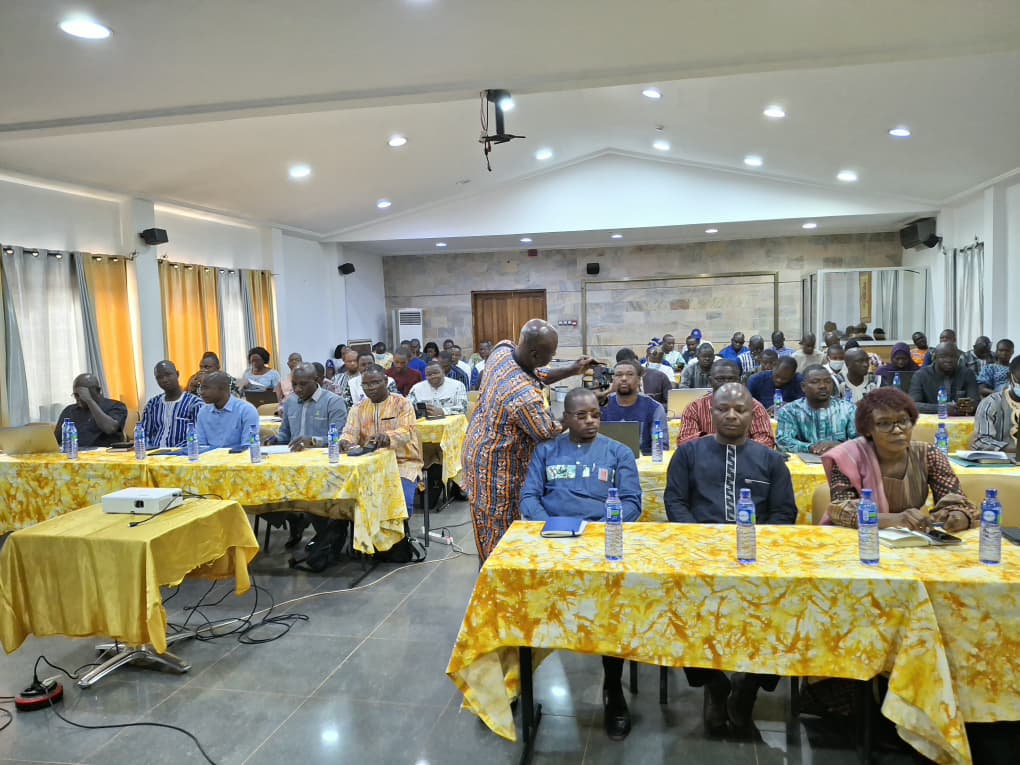
La nouvelle stratégie introduit plusieurs innovations majeures. Elle prend en compte les frontières terrestres et aériennes, intègre le contexte sécuritaire actuel et élargit le périmètre d'intervention à certaines communes situées dans une bande de 15 kilomètres autour des frontières, afin de mieux couvrir l'ensemble des dynamiques frontalières.
Un atelier pour traduire les orientations stratégiques en actions concrètes
L'objectif principal de cet atelier est de décliner ainsi les orientations stratégiques en actions opérationnelles prioritaires assorties d'indicateurs de performance et d'estimations budgétaires. Au cours des trois jours de travaux, les participants devront notamment définir les priorités d'intervention ; identifier les activités clés pour chaque axe stratégique ; clarifier les rôles et responsabilités des acteurs ; estimer les ressources nécessaires ; et valider un projet de plan d'action consensuel.
La méthodologie adoptée repose sur une approche participative, mobilisant les membres du comité de rédaction de la stratégie, les points focaux ministériels, les acteurs des frontières aériennes, les directeurs régionaux de l'économie et de la planification des régions frontalières ainsi que les présidents de délégation spéciale des communes concernées. Pour Fidèle Gouem, cette démarche vise à garantir la cohérence entre la stratégie nationale et les planifications sectorielles et communales. « La stratégie est nationale, mais sa réussite dépend de la capacité à intégrer les réalités locales et les priorités des différents acteurs », a-t-il insisté.
Fidèle Gouem, secrétaire permanent de la Commission nationale des frontières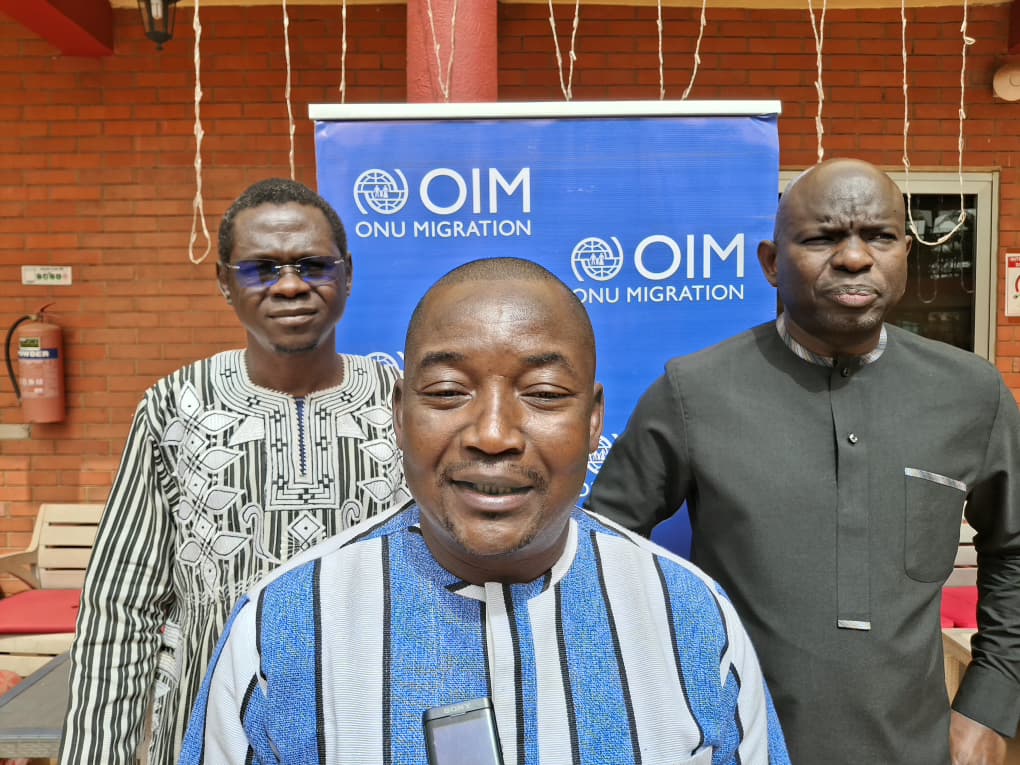
Les frontières, un enjeu stratégique pour la sécurité et le développement
Représentant le ministre d'État en charge de l'administration territoriale et de la mobilité, Mwin-Nog-Ti Luc Hien, chargé de mission, a rappelé que les régions concernées occupent une place stratégique dans la dynamique économique, commerciale et humaine du Burkina Faso. « Ces zones sont marquées par une forte mobilité transfrontalière et des échanges intenses, mais aussi par des défis sécuritaires et environnementaux qui exigent des réponses coordonnées et durables », a-t-il déclaré.
Selon lui, la nouvelle stratégie vise à transformer les espaces frontaliers en zones de paix, de sécurité et de prospérité partagée. Toutefois, il a souligné qu'une stratégie, aussi pertinente soit-elle, ne peut produire d'impact sans un plan d'action solide, réaliste et porté collectivement. Il a ainsi invité les participants à capitaliser sur leurs expériences de terrain, à privilégier la cohérence avec les politiques sectorielles et à intégrer des dimensions transversales telles que la cohésion sociale, la résilience des populations et le développement local.
Selon le chargé de mission Mwin-Nog-Ti Luc Hien, la nouvelle stratégie vise à transformer les espaces frontaliers en zones de paix, de sécurité et de prospérité partagée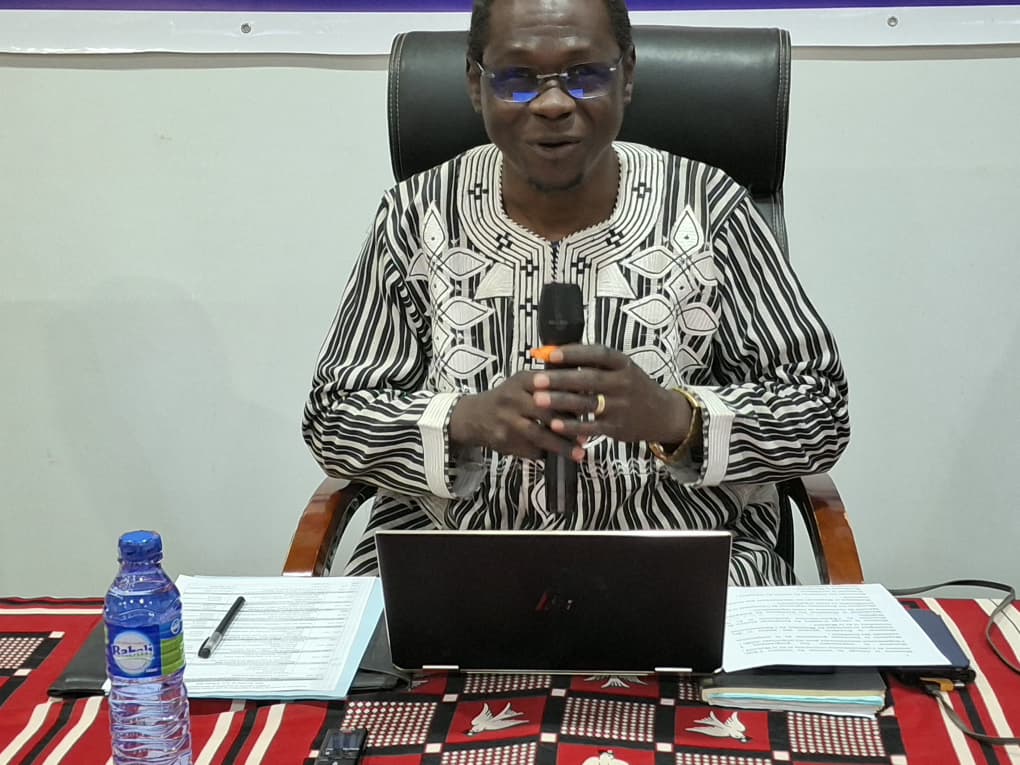
L'appui de l'OIM pour une gouvernance intégrée des frontières
L'Organisation internationale pour les migrations accompagne activement ce processus d'élaboration de la Stratégie nationale de gouvernance des frontières et de son Plan d'action dans le cadre de son engagement en faveur de la gestion intégrée des frontières. Pour Ousmane Niang, coordonnateur des programmes à l'OIM, représentant le chef de mission de l'OIM, il s'agit d'un partenariat stratégique avec le gouvernement burkinabè visant à élaborer un plan d'action concret et réaliste. « L'OIM vient en soutien et en accompagnement à cette initiative. L'objectif est de réfléchir ensemble aux orientations prioritaires et d'élaborer un plan opérationnel permettant la mise en œuvre effective des actions liées à la gouvernance, au développement et à la sécurité des espaces frontaliers au profit des populations et acteurs frontaliers », a-t-il indiqué.
Pour Ousmane Niang, coordonnateur des programmes à l'OIM, représentant le chef de mission de l'OIM, il s'agit d'un partenariat stratégique avec le gouvernement burkinabè visant à élaborer un plan d'action concret et réaliste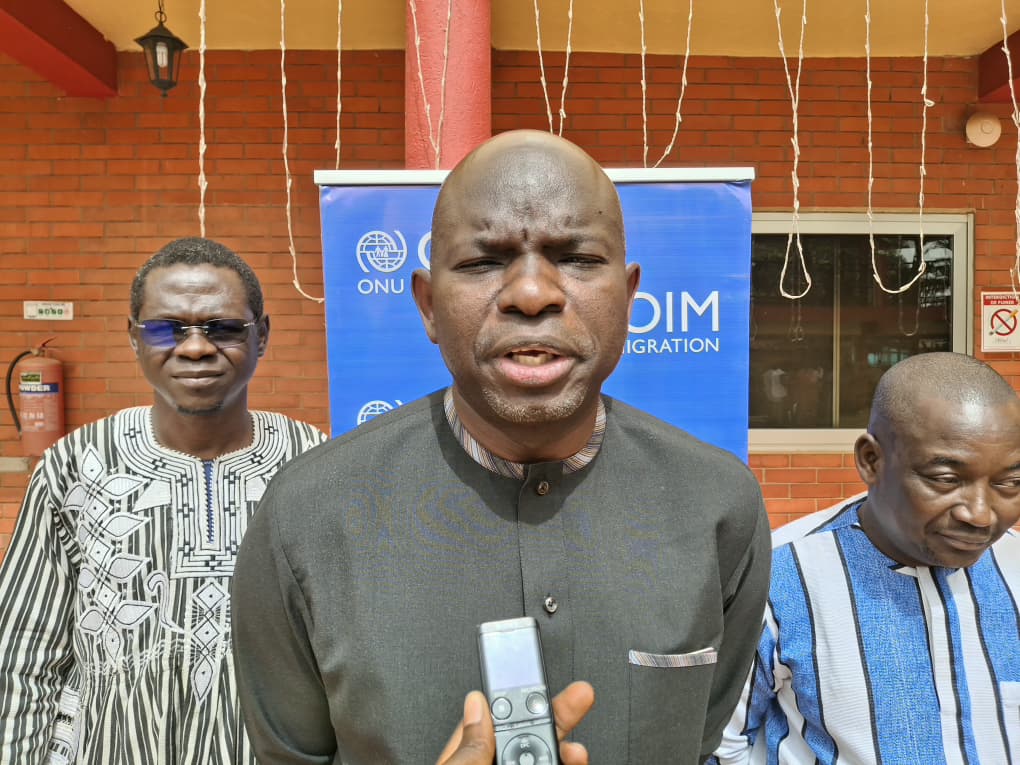
Cette collaboration s'inscrit dans le cadre de l'appui du Mécanisme intégré pour la stabilité des frontières (IBSM) en Afrique de l'Ouest, une initiative sous-régionale regroupant plusieurs pays et appuyée par un consortium de bailleurs, y compris la République fédérale d'Allemagne, et visant à renforcer la coopération transfrontalière, la facilitation des échanges commerciaux et la mobilité régionale. En effet, le projet « Renforcer la gouvernance, la sécurité et la stabilité des frontières par l'engagement des communautés et la coopération transfrontalière dans l'espace frontalière Sikasso-Korogho-Bobo-Dioulasso Wa », prévu pour 12 mois à compter de janvier 2026, est issu de ce mécanisme.
Selon Monsieur Niang, les frontières ne doivent pas être perçues uniquement sous l'angle sécuritaire, mais aussi comme des espaces d'opportunités économiques et de coopération entre les populations.
La photo de famille à l'issue de la cérémonie d'ouverture des travaux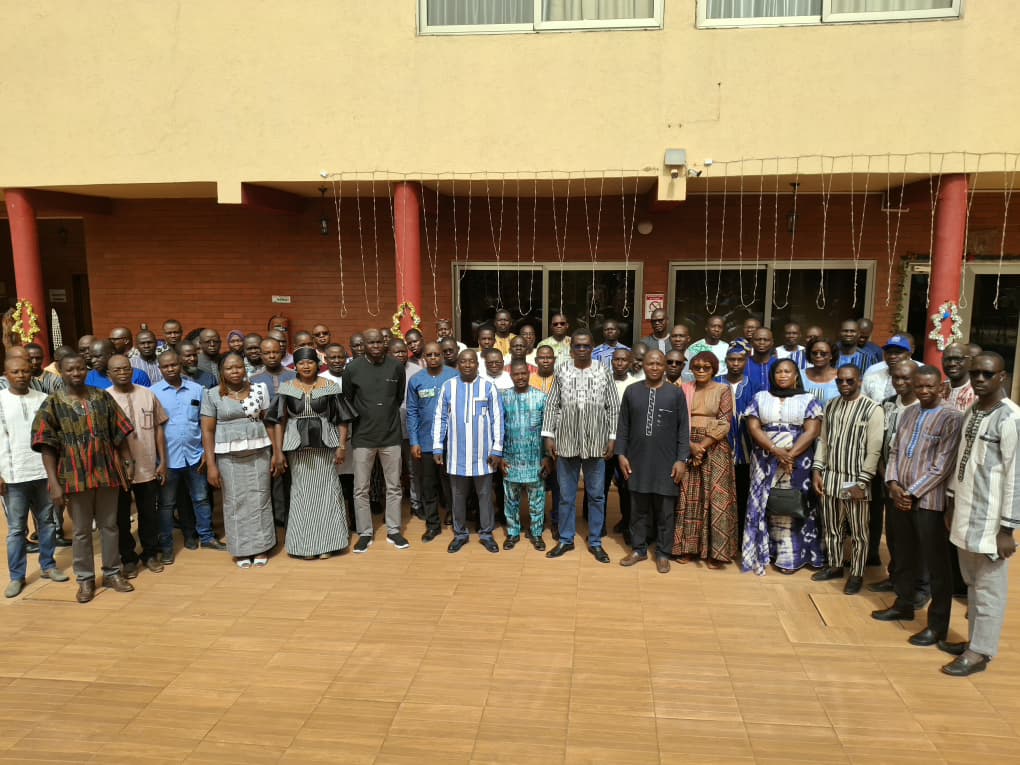
Vers des frontières résilientes et porteuses d'opportunités
Dans un contexte marqué par l'insécurité et la pression sur les territoires frontaliers, les autorités burkinabè entendent renforcer la présence de l'État et améliorer la gouvernance locale dans ces zones souvent considérées comme périphériques. Le futur plan d'action devra ainsi répondre à plusieurs exigences majeures, notamment la clarté des priorités, la faisabilité des interventions et la durabilité des actions. L'enjeu est également de renforcer la confiance des populations frontalières et de promouvoir une coopération transfrontalière renforcée. Au-delà des enjeux sécuritaires, la nouvelle stratégie ambitionne de faire des frontières des moteurs de développement économique et d'intégration régionale. La réussite de ce processus dépendra de l'engagement collectif des autorités nationales, des collectivités territoriales, des services techniques, des communautés locales et des partenaires internationaux.
Romuald Dofini
Lefaso.net
Faux visuels, fausses vidéos : attention aux intox suite à l’agression mortelle de Quentin Deranque
Sa mort a choqué les Français et provoqué un tollé dans la classe politique, unanime pour condamner le lynchage mortel qu’a subi Quentin Deranque jeudi dernier à Lyon par des "militants d’ultragauche", selon le gouvernement. Mais depuis, de nombreuses intox circulent, notamment concernant son image ou la prétendue explosion de violence que l’affaire a suscitée. Décryptage dans Info Intox avec Jules BOITEAU.
« La visibilité ne paie pas les factures », parole de photographe
On exige des images impeccables, livrées en urgence, retouchées avec soin, prêtes à conquérir les réseaux sociaux. Mais lorsqu'il s'agit de rémunérer correctement le professionnel qui les produit, les hésitations commencent. Il est temps de redonner à l'image sa juste valeur et au photographe le respect qui lui est dû.
Une entreprise de la place contacte un photographe professionnel pour couvrir le lancement d'un produit. Après avoir reçu le devis, le manager répond, sans sourciller, que c'est un peu cher pour juste appuyer sur un bouton pendant trois heures. Il balance au photographe : « On a 50 000 abonnés sur Instagram. Si tu le fais gratuitement, on te taguera sur chaque photo. C'est une opportunité en or pour ton portfolio ! » Quand le photographe demande si le traiteur et le maître de cérémonie travaillent aussi pour de la « visibilité », les nerfs s'échauffent.
Une société d'Etat organise un séminaire hors de Ouagadougou. Le devis initial prévoyait une ligne « Couverture photo ». À quelques jours de l'événement, le directeur de la communication annonce qu'il va réduire le budget photo vu que la location de la salle et la décoration ont déjà englouti une partie du budget. Le budget photo est ainsi raboté de moitié. On demande au photographe de livrer autant d'images, retouchées, en 24 heures, plus une vidéo courte pour les réseaux sociaux. « C'est pour la visibilité », lui dit-on. À la fin de l'activité, le paiement tarde. L'Etat est un bon payeur, semble-t-il.
Nous vivons à l'ère de l'image. Jamais nous n'avons autant photographié. Jamais nous n'avons autant partagé. Et pourtant, paradoxalement, jamais le métier de photographe n'a été autant banalisé. Et avec l'Intelligence artificielle générative qui monte en force, chacun se sent pousser des ailes.
L'on veut des photos qui claquent pour illustrer nos événements, nos communiqués, nos campagnes. Mais on hésite à payer correctement celui ou celle qui les produit. Le photographe est souvent perçu comme un simple prestataire qui appuie sur un simple bouton.
Promoteurs d'événements, l'image n'est pas une dépense, c'est un investissement.
Aux promoteurs d'événements qui préfèrent investir dans la décoration, la sonorisation, un écran LED plus grand ou un cocktail plus fourni plutôt que dans une couverture photo professionnelle, vous êtes-vous déjà posé la question sur ce qui restera de votre événement dans une semaine ?
La décoration est retirée après l'événement. Le buffet devient de l'engrais. Mais les images restent. Ce sont elles qui alimentent vos rapports d'activités, vos dossiers de sponsoring, vos publications sur les réseaux sociaux, vos archives. Raboter le budget communication n'a jamais été une solution pour la réussite d'un événement. Une image médiocre peut décrédibiliser votre événement. Une belle image peut, au contraire, lui donner une seconde vie.
Aux institutions publiques, rappelons que la photographie ne sert pas seulement à illustrer une page Facebook. Elle documente votre histoire. Les inaugurations, les signatures d'accords, les visites officielles sont des fragments de mémoire qu'il ne faut pas négliger. Lorsque vous négligez la qualité de l'image ou retardez les paiements des professionnels, vous montrez tout simplement que la mémoire n'est pas votre priorité. Or, un ministère, une société d'Etat qui ne documente pas correctement ses actions, laisse du vide dans son récit.
À ceux qui organisent leur mariage ou anniversaire… ne négligez pas votre photographe. Il est celui qui reste debout quand vous dansez, celui qui voit ce que personne d'autre ne remarque. Exiger l'excellence tout en traitant le prestataire comme un subalterne de seconde zone est un manque de politesse et de considération. C'est pourtant le minimum que vous devez à celui à qui vous confiez vos souvenirs.
A vous chers photographes, le respect que vous réclamez doit aussi commencer par votre propre image.
Lorsque vous acceptez des conditions floues, des contrats verbaux, des paiements incertains ou des demandes disproportionnées pour des budgets dérisoires, vous fragilisez non seulement votre travail, mais aussi toute la profession. Chaque fois que vous livrez des images sans crédit, chaque fois que vous cédez à la pression du « frère, on va se voir après », vous contribuez malgré vous à banaliser la précarité du métier.
On ne demande pas à un architecte de dessiner des plans pour de la visibilité. On ne demande pas à un avocat de plaider gratuitement pour le plaisir de l'exercice. Pourquoi le demanderait-on au photographe ?
Le talent ne suffit pas. Il faut, comme l'a dit le jeune photographe Charly Barro, des devis clairs, des contrats écrits, des délais définis, des droits d'auteur explicités. Le respect est aussi une posture.
A bon entendeur !
HFB
Lefaso.net
Crédit-photos : Depositphotos : Jeune homme photographe prend une photo de la ville et de ses bâtiments
Rwanda : Ce que révèle la facturation électronique sur la réforme fiscale
Plus de dix ans après l'introduction de la facturation électronique, le Rwanda apparaît comme un laboratoire instructif des réformes fiscales en Afrique. Mais si l'outil numérique a renforcé le contrôle de la TVA et amélioré la conformité déclarative, l'expérience rwandaise rappelle que l'efficacité d'une telle évolution dépend étroitement de l'environnement dans lequel elle est déployée, estime Joëlle Traoré, docteure en droit fiscal de l'Université Paris 1 Panthéon-Sorbonne.
Plus de dix ans après l'introduction de la facturation électronique, le Rwanda offre un enseignement précieux : même un outil technologique avancé ne garantit pas, à lui seul, le succès d'une réforme fiscale.
Une réforme inscrite dans une modernisation de long terme
En 2013, le Rwanda rend obligatoire la facturation électronique pour les transactions soumises à la taxe sur la valeur ajoutée (TVA). Cette réforme s'inscrit dans une transformation plus large engagée depuis le début des années 2010, visant à moderniser l'administration fiscale et à renforcer la capacité de l'État à mobiliser ses recettes.
Concrètement, l'introduction des machines de facturation électronique a permis d'enregistrer les transactions en temps réel et de transmettre automatiquement les données de vente à l'administration fiscale. Le contrôle ne repose plus uniquement sur des déclarations effectuées a posteriori, mais sur une information quasi immédiate de l'activité économique.
Ce que la réforme change réellement
Sur le plan juridique, pourtant, la réforme n'a rien d'exceptionnel. Le taux de TVA est fixé à 18 %, comme dans de nombreux pays africains. Les mécanismes sont classiques : déclaration, paiement, remboursement des crédits de TVA.
Ce qui change réellement n'est donc pas la loi elle-même, mais la capacité de l'administration à observer l'activité économique de manière plus fine. La facturation électronique ne crée pas une nouvelle obligation fiscale. Elle réduit l'écart entre ce qui est déclaré et ce qui est effectivement vendu. C'est en cela qu'elle est souvent présentée comme un levier majeur d'amélioration de la conformité fiscale au Rwanda.
Les limites d'une solution technologique
Mais cette technologie n'est pas une solution miracle. Son efficacité dépend étroitement de l'environnement dans lequel elle est déployée.
Au Rwanda, la réforme s'est accompagnée d'un renforcement progressif de l'administration fiscale, d'investissements dans les systèmes d'information, d'efforts de formalisation de l'économie et d'une volonté politique affichée de faire de la mobilisation des recettes un enjeu de crédibilité de l'État.
L'expérience rwandaise montre toutefois que la technologie, à elle seule, ne suffit pas. Lorsque l'économie reste partiellement informelle, les acteurs non identifiés échappent nécessairement au dispositif. La facturation électronique suppose en effet que les vendeurs et les acheteurs soient déjà visibles pour l'administration fiscale.
Quand les données ne suffisent pas
De même, la collecte de données en temps réel n'a d'impact que si l'administration dispose des moyens humains et organisationnels pour les exploiter. Sans capacités suffisantes d'analyse et de contrôle, les informations produites par les outils numériques restent sous-utilisées.
Enfin, l'application effective des règles fiscales peut se heurter à des résistances dans certains secteurs économiquement ou politiquement sensibles. Lorsque des arrangements informels persistent ou que la volonté politique d'application s'affaiblit, la technologie ne peut, à elle seule, imposer la conformité.
Les conditions d'une réforme fiscale efficace
Ce que montre le cas rwandais, ce n'est donc pas seulement qu'une réforme technique peut améliorer la collecte de la TVA. Il met surtout en lumière les conditions plus larges de réussite d'une réforme fiscale.
Une réforme fonctionne lorsqu'elle est cohérente avec les capacités administratives réelles, lorsqu'elle s'inscrit dans une stratégie crédible de formalisation de l'économie et lorsqu'elle repose sur un choix politique assumé. La loi n'est qu'un point de départ. La technologie n'est qu'un moyen. Ce qui fait la différence, c'est la capacité à rendre la règle effective sur le terrain.
*Joëlle Traoré est docteure en droit fiscal de l'Université Paris 1 Panthéon-Sorbonne. Elle est spécialisée en fiscalité internationale et africaine, avec une expertise sur les flux financiers illicites, les réformes fiscales mondiales et la mobilisation des ressources nationales. Elle a collaboré avec des institutions africaines et internationales sur les questions de gouvernance fiscale en Afrique.
Catégories: Afrique, European Union
Laurent Nuñez en Algérie pour renouer les liens diplomatiques entre Paris et Alger
Le ministre de l'Intérieur français Laurent Nuñez est arrivé lundi en Algérie pour tenter de renouer les liens entre les deux pays sur les questions de sécurité, dans un contexte de grave crise diplomatique entre Paris et Alger.
Affaire homicide volontaire sur le jeune de 22 ans : Le présumé auteur, Abdoul R. Guigma arrêté à Sabou, selon la police nationale
Abdoul R. Guigma était recherché pour un homicide volontaire commis à l'aide d'une arme blanche le 12 février 2026 sur un jeune de 22 ans. Un avis de recherche avait alors été lancé à son encontre depuis le 13 février 2026.
Grâce au concours de la brigade territoriale de gendarmerie de Sabou et à la mobilisation des citoyens, il a été arrêté à Sabou. C'est l'annonce que la police nationale a faite sur sa page Facebook ce lundi 16 février 2026.
Elle a saisi cette occasion pour saluer la promptitude des citoyens ayant permis l'arrestation du présumé auteur.
Pour rappel, Abdoul R. Guigma est un employé de commerce qui était domicilié au secteur n°19, précisément à Tang-Zougou, dans le quartier Toudoubwéogo, arrondissement n°04 de la ville de Ouagadougou.
Lefaso.net
Source : Page Facebook de la police nationale
Catégories: Afrique, European Union
UBA dévoile une plateforme dédiée à la diaspora pour connecter les Africains du monde entier aux opportunités d'investissement et de création de richesse
UBA lance une plateforme pour dynamiser le mode de vie des Africains à l'échelle mondiale
La banque africaine d'envergure mondiale, United Bank for Africa (UBA) Plc, a dévoilé une plateforme bancaire et d'investissement dédiée à la diaspora, conçue pour servir les Africains vivant et travaillant à travers le monde ainsi qu'au sein du continent.
La plateforme, lancée en collaboration avec des partenaires majeurs de l'écosystème, notamment United Capital, Africa Prudential, UBA Pensions, Afriland Properties, Heirs Insurance Group et Avon Healthcare Limited, représente une étape majeure dans la redéfinition des services bancaires destinés à la diaspora, en dépassant le simple cadre des transferts de fonds pour s'orienter vers la création de richesse structurée et l'investissement à long terme.
Lors du lancement, organisé au siège de UBA à Lagos sous le thème : « Au-delà des services bancaires : dynamiser le mode de vie des Africains du monde », tous les représentants des entreprises partenaires étaient présents pour présenter une plateforme intégrée allant au-delà des transferts d'argent, afin d'inclure la création de richesse, la protection et la prospérité à long terme.
S'exprimant à cette occasion, le Responsable de la Banque Diaspora de UBA, Anant Rao, a décrit l'initiative comme un changement stratégique dans la manière dont l'Afrique engage ses citoyens à l'échelle mondiale.
« Pendant des décennies, l'engagement de l'Afrique envers sa diaspora s'est largement concentré sur les transferts de fonds. Aujourd'hui, nous allons au-delà. Cette plateforme marque le passage de simples transferts d'argent à un écosystème financier où les Africains du monde entier peuvent effectuer leurs opérations bancaires, réaliser des paiements, investir, protéger leurs familles et bâtir un patrimoine à long terme de manière fluide », a-t-il déclaré.
M. Rao a souligné que les flux de transferts de la diaspora africaine dépassent 100 milliards de dollars par an, ce qui en fait l'une des sources de capitaux les plus résilientes et constantes pour le continent.
« Le capital de la diaspora n'est pas seulement un flux financier — c'est un partenaire stratégique de croissance pour l'Afrique.
Notre rôle est de fournir une plateforme de confiance qui transforme ce capital en investissements structurés et en prospérité partagée à travers le continent. »
L'objectif est de proposer une plateforme regroupant des offres répondant aux multiples besoins des Africains du monde, notamment les services bancaires et les paiements, les investissements, les services de titres, la gestion d'actifs, les assurances, les retraites et l'immobilier.
Grâce à cet écosystème coordonné, les clients de la diaspora peuvent accéder à des solutions financières multisectorielles via une plateforme unique et fiable, leur permettant de gérer leur vie financière et leurs engagements familiaux au-delà des frontières avec simplicité et transparence.
La Directrice Groupe Marketing et Communication Institutionnelle de UBA, Alero Ladipo, a insisté sur l'importance de la collaboration pour offrir une expérience diaspora fluide.
« L'Africain moderne est un citoyen du monde — mobile, ambitieux et profondément attaché à son pays d'origine. Qu'il vive en Afrique, en Europe, dans les Amériques ou au Moyen-Orient, il doit exister un lien financier structuré et sécurisé avec son pays d'origine. Cette plateforme garantit que les Africains, où qu'ils soient, restent économiquement connectés au continent avec confiance et transparence. »
Les partenaires de l'écosystème ont mis en avant la demande croissante des Africains de la diaspora pour des opportunités d'investissement structurées, un accès sécurisé à la propriété immobilière, des solutions d'assurance et une planification financière à long terme.
United Capital a présenté des produits d'investissement accessibles à l'échelle mondiale, conçus pour offrir des opportunités de création de richesse gérées de manière professionnelle et transparente.
Afriland Properties a mis l'accent sur des parcours d'investissement immobilier structurés et bien gouvernés pour les clients de la diaspora.
Heirs Insurance a souligné des solutions de protection pour la vie et les actifs, tandis qu'Avon Healthcare Limited a présenté des solutions d'accès aux soins et d'assurance santé pour les familles au-delà des frontières.
Africa Prudential et UBA Pension ont réaffirmé leur engagement en faveur de solutions numériques de gestion d'investissement et d'épargne-retraite à long terme, conçues pour soutenir la participation de la diaspora aux marchés de capitaux africains.
Ensemble, les partenaires ont souligné leur engagement commun à offrir aux Africains de la diaspora des parcours financiers crédibles, transparents et gérés de manière professionnelle.
M. Rao a également rappelé la philosophie directrice de l'Africapitalisme, promue par le fondateur et président du conseil d'administration de UBA, M. Tony O. Elumelu, CFR.
Il a expliqué que l'Africapitalisme repose sur la conviction que le secteur privé africain doit jouer un rôle de premier plan dans le développement du continent en réalisant des investissements à long terme générant à la fois des rendements économiques et un impact social.
Alors que l'Afrique continue de se positionner comme l'une des régions de croissance les plus dynamiques au monde, UBA estime que la mobilisation des capitaux de la diaspora par le biais d'institutions financières de confiance sera essentielle pour façonner la prochaine phase de développement du continent.
« L'Afrique sera de plus en plus financée par les Africains eux-mêmes, y compris ceux de la diaspora », a ajouté M. Rao.
« Notre responsabilité est de construire l'infrastructure financière de confiance qui rend cela possible. »
« Lorsque les citoyens africains du monde investissent en Afrique, la croissance devient inévitable », a-t-il conclu.
De gauche à droite : Responsable Stratégie, Recherche et Relations Investisseurs chez Africa Prudential, Joshua Omewah ; Directeur Groupe, Ventes, Fidélisation et Croissance chez AVON, Ajibola Bakare ; Directrice Générale de UBA Pension, Blessing Ogwu ; Responsable Banque Diaspora, Anant Rao ; Directrice Marketing du Heirs Insurance Group, Ifesinachi Okpagu ; Responsable du Développement Commercial chez United Capital, Onyinye Osunwoke ; et Directeur Exécutif d'Afriland Properties, Olukayode Odebiyi, lors du panel UBA intitulé « Au-delà des services bancaires : dynamiser le mode de vie de la diaspora », tenu à UBA House Marina, à Lagos, jeudi.
De gauche à droite : Responsable Stratégie, Recherche et Relations Investisseurs chez Africa Prudential, Joshua Omewah ; Directeur Groupe, Ventes, Fidélisation et Croissance chez AVON, Ajibola Bakare ; Directrice Générale de UBA Pension, Blessing Ogwu ; et Responsable Banque Diaspora, Anant Rao, lors du panel UBA intitulé « Au-delà des services bancaires : dynamiser le mode de vie de la diaspora », tenu à UBA House Marina, à Lagos, jeudi.
Catégories: Afrique, European Union
EU mulls strict ‘Made in EU’ rules for cars, aluminium
The rules aim to set detailed standards for procurement and subsidies to boost local industry
Catégories: Biztonságpolitika, European Union
Burkina/Fête des amoureux : Pari réussi pour le rendez-vous de la Saint-Valentin, acte 2 !
La Saint-Valentin a été vécue, le samedi 14 février 2026, avec Biz'Art Productions et Deko Internationale à travers une soirée somptueuse offerte aux couples et convives dans le cadre enchanteur de l'hôtel Lancaster Ouaga 2000. Pour l'occasion, les organisateurs ont mis les petits plats dans les grands, tant dans le contenant que dans le contenu. Au bord de la piscine parée des insignes de l'évènement, les invités ont raffermi leur amour en compagnie d'artistes-musiciens sélectionnés pour la circonstance : le couple ATT-Sissao du Burkina, Frost Olly et Monique Séka de la Côte d'Ivoire.
Dîner gastronomique, tombola & surprises, live shows, tests de complicité de couples, élection du couple le mieux habillé… le tout porté par des animateurs qui ont su ajouter leur touche à la partie.
Il est peu après 19h, lorsque les hôtesses ont commencé à accueillir couples et convives les bras chargés de bouquets de fleurs. Ils les dirigent ensuite vers l'espace photos conçu pour la cause avant de les inviter au cocktail d'accueil situé à l'entrée. Puis, ils sont installés au niveau des tables bien dressées en forme de U tout le long de l'imposante piscine, avec une ouverture sur le podium. En attendant le vif, les arrivées se poursuivent, l'ambiance est cordiale et accompagnée de sonorités minutieusement distillées par le disc-jockey.
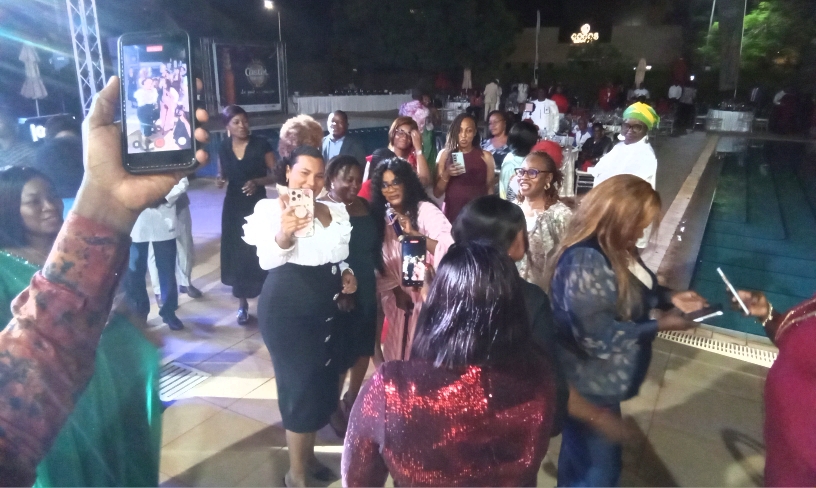
C'est dans ce décor que les animateurs déroulent le chronogramme, suivi de l'annonce de l'ouverture et de l'invite au buffet. L'un des moments les plus attendus était sans doute la prestation des artistes. Le moment est mis en exergue par les animateurs à travers des jeux qui ont d'ailleurs servi d'articulations tout le long de la soirée (tests de complicité de couples, poèmes, tirages au sort de numéros de ticket, élection du couple le mieux habillé…). Ce qui a permis de distribuer de nombreux cadeaux de partenaires à l'évènement (dont des téléphones portables par Orange Burkina Faso, des bons pour l'hôtel Lancaster, etc.).
La soirée, c'est aussi cet instant poèmes...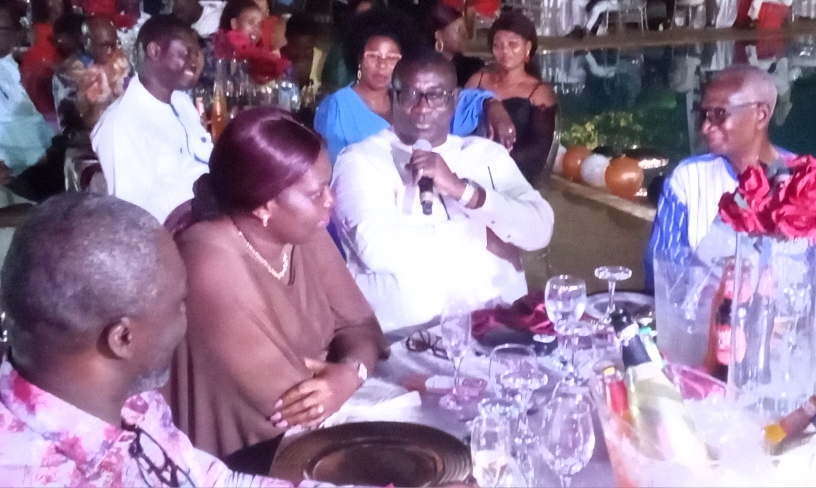
Le bal des prestations est ouvert par le couple ATT-Sissao. À travers les titres qu'ils ont chantés, ce couple de stars de la musique a su, par la complicité qu'il a également incarnée durant son passage, ajouter une touche particulière à ce rendez-vous d'expression d'amour. Le public qui n'en demandait plus s'est, lui également, laissé aller à des pas de danse, à des reprises de refrains, à des selfies, etc.
Après un intermède, l'artiste Frost Olly est annoncé sur la scène. Comme son prédécesseur, il enchaîne les chansons, des moins connues par le public aux plus populaires. Figure de proue de la musique romantique de la fin des années 90, ses titres ont bercé de nombreux contemporains, notamment la chanson intitulée « Fontaine en or ». C'est d'ailleurs par ce titre que l'artiste soulève le plus les invités de la soirée, entre pas de danse et fredonnements.

La boucle des prestations est bouclée avec Monique Séka. Durant plusieurs dizaines de minutes, la chanteuse ivoirienne emblématique, surnommée la « reine de la musique afro-zouk », a partagé la scène avec les nombreux fans et invités de ce rendez-vous de la Saint-Valentin, acte 2. Les différents titres sont repris en chœur. Plus qu'une prestation, l'artiste a véritablement communié avec le public.
Pari réussi donc pour Biz'Art Productions et Deko Internationale à travers cette fête de Saint-Valentin, acte 2. Le rendez-vous est pris pour l'acte 3.
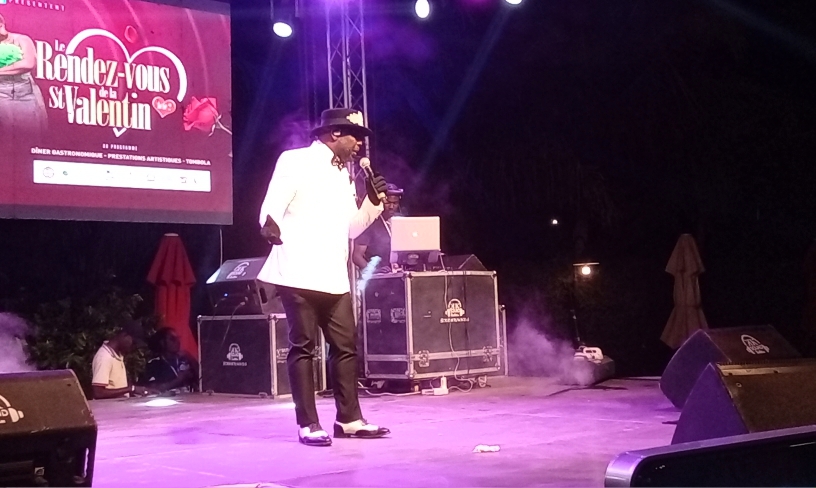
« Il est dit quelque part, par le camarade président Ibrahim Traoré, qu'il faut enlever la psychose dans les esprits, il faut aller à la résilience. C'est ainsi que nous créons des concepts, pour montrer aux gens que, quel que soit ce que certains disent, il y a la vie au Burkina Faso, et cette vie-là, elle est merveilleuse. Et ici, c'est pour montrer aux gens que les fake news ne nous intéressent pas, ce sont nos réalités qui nous intéressent. (...). Aujourd'hui, on veut ajouter les petits plats dans les grands pour que tout émerge : les artistes burkinabè, les artistes d'ailleurs, afin que les gens sentent qu'il y a une symbiose, musicalement parlant. Pour nous, c'est une fierté ; du jardin des saveurs à la piscine de Lancaster, il y a un pas, et nous allons toujours continuer. Grâce à Dieu, nous continuerons à travers acte 3, acte 4, acte 5… ainsi de suite », a exprimé Désiré Kodjo, soulignant la satisfaction des organisateurs.
...et Monique Séka...,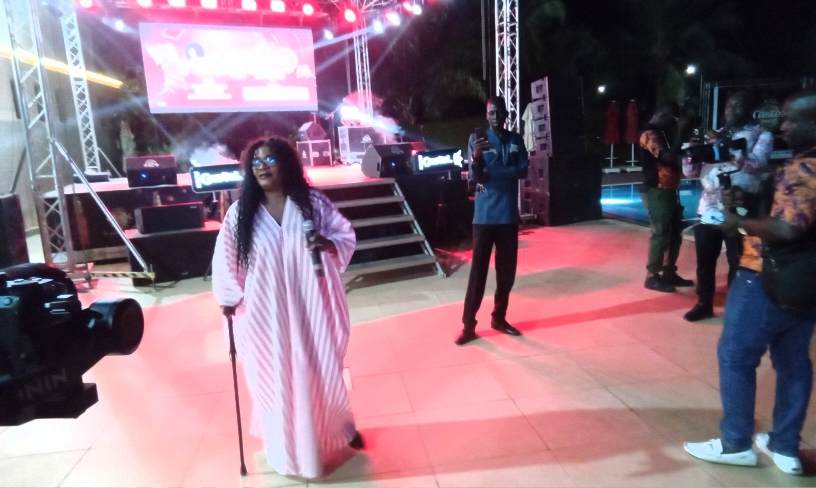
O.L.
Lefaso.net
Catégories: Afrique, European Union
Burkina/Projet Zéro zone blanche : Les acteurs sensibilisés sur la couverture de 750 zones blanches dans le Guiriko
Le lundi 16 février 2026, le secrétaire général de la région du Guiriko Souleymane Nacanabo, représentant le gouverneur, a présidé la cérémonie d'ouverture d'un atelier de sensibilisation sur la couverture de 750 zones blanches. Ledit atelier, qui a regroupé les autorités locales, les représentants de l'ARCEP, ceux des opérateurs économiques, des partenaires techniques et financiers et les responsables administratifs et techniques du ministère en charge de la transition digitale, a eu lieu à la Maison de la culture de Bobo-Dioulasso.
Initié par le ministère en charge de la transition digitale et financé par le Fonds pour l'accès et le service universel (FASU), le projet Zéro zone blanche vise, selon le directeur de la Règlementation au ministère de la Transition digitale, des postes et des communications électroniques, Abdoulaye Mamboné, à assurer la connectivité sur l'ensemble du territoire burkinabè et à faire en sorte que toutes les populations, où qu'elles se trouvent, puissent bénéficier des services de télécommunication. « En plus de pouvoir communiquer, ce projet doit permettre aux populations de bénéficier des services annexes à la disposition du réseau », a-t-il ajouté.
Le présidium à l'ouverture des l'atelier.C'est ce qui justifie selon lui la tenue de ces ateliers régionaux avec les autorités locales pour les informer de ce projet et solliciter leur accompagnement ainsi que celui de la population. « Le projet consiste à installer pour l'année 2025 750 sites, dont 132 prévus pour la région du Guiriko au titre de cette année 2026. D'autres sites seront prévus sans oublier les sites que les opérateurs ont déjà installés. Outre la présentation du projet, il y a d'autres sujets annexes qui méritent d'être discutés. Il s'agit notamment de ce qu'on appelle les rayonnements non ionisants, qui sont des sujets de préoccupation pour nos populations. Il s'agira de présenter les aspects techniques aux participants, mais aussi de les rassurer sur les dispositions qui sont prises au niveau du gouvernement pour protéger nos populations. Un autre sujet majeur, c'est de pouvoir discuter de l'acquisition des terrains », a précisé Abdoulaye Mamboné.
Abdoulaye Mamboné aux micros des journalistes.Représentant le gouverneur, le secrétaire général de la région du Guiriko, Souleymane Nacanabo, trouve que la tenue de cet atelier est une aubaine. Il souligne que ce projet est une vision du gouvernement qui consiste à réduire drastiquement la fracture numérique en connectant toutes les localités, y compris celles rurales du pays. « Dans ce projet, la région du Guiriko bénéficie de la construction de nouveaux sites de téléphonie mobile au nombre de 132, dont 107 ont déjà fait l'objet d'un contrat et seront mis en œuvre. Nous avons fait appel aux autorités locales pour non seulement leur donner l'information, mais aussi demander leur accompagnement dans l'aboutissement de ce projet combien important pour notre pays », a indiqué le représentant du gouverneur. La présence des autorités locales à cet atelier permettra selon lui de régler les questions d'acquisition, de gestion et de sécurisation de ces sites.
Les participants ont posé pour la postérité.À l'issue de cet atelier, il est attendu des participants qu'ils travaillent afin que l'acquisition des sites pour l'installation de ces infrastructures soit facilitée et sécurisée, explique le secrétaire général de la région du Guiriko. À en croire ses propos, le projet de la couverture de 750 zones blanches n'est pas seulement une réponse technique à un défi de réseau, il s'agit d'un levier stratégique pour renforcer la résilience des populations dans le contexte sécuritaire actuel, stimuler le développement économique et social des localités rurales et favoriser l'inclusion numérique en donnant à tous sans distinction la possibilité de communiquer, d'accéder à l'information et de participer pleinement à la transformation digitale du pays. « Cet atelier est une belle opportunité de concertation et de dialogue. Il permettra de partager les défis liés au déploiement des infrastructures, notamment les questions d'acquisition de sites et de sécurisation foncière, mais aussi de dégager ensemble des pistes de solutions réalistes et durables », pense-t-il.
Le SG du Guiriko invite les participants à s'approprier les travaux de cet atelier pour en tirer le meilleur partiAu nom du gouverneur du Guiriko, Souleymane Nacanabo saisit cette opportunité pour remercier le ministère en charge de la transition digitale ainsi que ses partenaires techniques et financiers pour les efforts constants déployés en vue de réduire la fracture numérique au Burkina Faso de façon générale et spécifiquement dans la région du Guiriko.
Par ailleurs, M. Nacanabo rassure de la disponibilité et de l'engagement de toute l'administration régionale à accompagner ce projet afin d'en faire une réussite. S'adressant aux participants, il les invite à s'approprier les travaux de cet atelier pour en tirer le meilleur parti. En sus, il formule le vœu que les résultats de cette réflexion aboutissent à des recommandations fortes et consensuelles, capables d'accélérer la mise en œuvre du chantier zéro zone blanche au bénéfice des populations.
Djaryigo Diarra
Lefaso.net
Catégories: Afrique, European Union
Burkina : L'USTA célèbre sa fête patronale sous le signe de la sagesse et de l'engagement
L'Université Saint Thomas d'Aquin (USTA) a célébré, le 14 février 2026, sa traditionnelle fête patronale dans une atmosphère de ferveur et de réflexion. À l'occasion de cette journée dédiée à son saint protecteur, une célébration eucharistique a rassemblé étudiants, enseignants et personnel administratif. La messe a été présidée par Monseigneur Théophile Naré, administrateur apostolique du diocèse de Dori et évêque de Kaya.
Dans son homélie, Monseigneur Théophile Naré a longuement insisté sur la figure de Thomas d'Aquin, présenté comme un modèle d'excellence intellectuelle et de profondeur spirituelle. Pour l'évêque, l'USTA a la chance d'avoir un tel saint patron. Il voit en Thomas d'Aquin un intercesseur puissant, mais surtout un repère pour la communauté universitaire. “Saint Thomas nous laisse une leçon d'amour de la vérité”, a-t-il déclaré, établissant un parallèle symbolique avec la date du 14 février, également marquée par la Saint-Valentin. Là où beaucoup célèbrent l'amour romantique, le saint dominicain, lui, aurait trouvé sa « valentine » dans la sagesse et la quête de Dieu à travers l'étude.
Selon Monseigneur Naré, la recherche scientifique ne saurait être dissociée d'une quête éthique. Citant l'idée selon laquelle “science sans conscience n'est que ruine de l'âme”, il a rappelé que Thomas d'Aquin avait su unir rigueur intellectuelle et profondeur spirituelle. La vérité, la sincérité et l'amour constituent, à ses yeux, des valeurs universelles qui dépassent les appartenances confessionnelles. Chercher Dieu, a-t-il précisé, ne signifie pas nécessairement adhérer à une religion particulière, mais cultiver ces valeurs fondamentales inscrites au cœur de l'humain.
“Et je souhaite qu'aussi bien les étudiants que leurs professeurs puissent emboîter les pas de ce grand Saint. Cela ferait briller encore davantage cette université Saint Thomas d'Aquin”, Monseigneur Théophile NaréUne université en mouvement
Au-delà de la dimension spirituelle, cette fête patronale a aussi été l'occasion de dresser un regard sur la vie institutionnelle de l'université. L'abbé Herman Ouédraogo, directeur général de l'USTA et enseignant permanent en sciences juridiques, a souligné que chaque année est nouvelle. Pour lui, la nouveauté réside dans les visages qui arrivent, les défis qui émergent et les perspectives qui se dessinent.
L'année en cours se distingue notamment par la nomination officielle du directeur général, répondant à des exigences du ministère de tutelle et du CAMES. Une évolution institutionnelle qui traduit, selon lui, la volonté de l'université de s'inscrire dans une dynamique d'excellence académique et de conformité aux standards régionaux.
Abbé Herman Ouédraogo, directeur général de l'université Saint Thomas d'Aquin, enseignant permanent en sciences juridiquesMais au-delà des réformes administratives, le message essentiel reste celui de l'engagement. Reprenant les propos de l'évêque, l'abbé Ouédraogo a insisté sur l'urgence d'agir. Thomas d'Aquin est mort relativement jeune, autour de 49 ans, a-t-il rappelé, soulignant qu'il n'a pas perdu de temps. Pour les étudiants, cela signifie éviter les parcours interminables et s'investir pleinement dans leur formation. “Dans les universités, il faut faire son temps, laisser sa bonne marque et poursuivre son chemin”, a-t-il exhorté.
Dans le contexte national actuel, marqué par de nombreux défis, l'université est appelée à jouer un rôle actif dans la construction du pays. “On ne peut pas parler de construction du pays si chacun, à son niveau, ne pose pas sa petite pierre”, a-t-il affirmé. Pour lui, la contribution commence au sein des familles, se poursuit dans les écoles et s'affermit dans les universités. L'USTA, en formant des cadres compétents et responsables, participe ainsi à l'édification nationale.
Un nouveau bureau béni d'étudiants
Un des moments fort de la célébration était la présentation et la bénédiction du nouveau bureau général des étudiants, élu le 15 janvier dernier. Cette reconnaissance publique, au cours de l'eucharistie, marque le début officiel de leur mandat sous le regard symbolique du saint patron. Wenceslas Koara, étudiant en troisième année de médecine et délégué général de l'USTA, a décliné les grandes orientations de son équipe. Le mandat sera placé sous le signe de la mobilisation. L'objectif est de renforcer la participation étudiante aux différentes activités académiques et communautaires. Parmi les projets annoncés figure “USTA Mêbo”, une initiative destinée à impliquer les étudiants dans l'amélioration concrète de leur cadre d'études. À travers ce projet, ils entendent contribuer activement au développement de l'université, dans un esprit de responsabilité et de solidarité. Pour le délégué général, la fête patronale constitue un moment privilégié pour raviver le sentiment d'appartenance. “Nous voulons vraiment vivre à l'image de notre saint patron”, a-t-il affirmé, évoquant la nécessité de conjuguer chaleur humaine, discipline et engagement pour une gestion harmonieuse de la vie universitaire.
La fête patronale de l'USTA ne se limite pas à une commémoration liturgique. Elle s'inscrit dans une tradition qui articule mémoire et projection. Mémoire d'un penseur dont l'œuvre continue d'influencer les réflexions contemporaines sur la foi et la raison ; projection d'une communauté universitaire appelée à relever les défis académiques et sociétaux.
Le bureau des étudiants avec à sa tête Wenceslas Koara est composé de 10 membresEn rappelant que “Dieu est amour” et que l'amour est la condition pour “faire un monde”, Monseigneur Naré a replacé la quête intellectuelle dans une perspective profondément humaniste. Une université, semble-t-il suggérer, ne peut se réduire à un espace de transmission de savoirs techniques. Elle doit être un lieu de formation intégrale, où la compétence s'accompagne d'éthique et de sens. Dans un environnement national et international en mutation, l'USTA entend ainsi consolider son identité : une institution d'enseignement supérieur enracinée dans une tradition catholique, mais ouverte à tous, attachée à la rigueur académique autant qu'à la formation morale.
Né vers 1225 ou 1226 au château de Roccasecca, près d'Aquino, dans l'actuelle Italie, et décédé en 1274 à l'abbaye de Fossanova, le religieux dominicain demeure l'une des figures majeures de la théologie et de la philosophie occidentales.
A l'issue de la messe d'action de grâce, les participants ont eu droit à une animation culturelle composée de théâtre, de danse et de chants. Elle a été assurée par la compagnie Gomtiugo et la chorale de l'USTA.
Farida Thiombiano
Lefaso.net
Catégories: Afrique, European Union
Franco-German-led ‘E6’ format will be ‘temporary’, says Eurogroup president
Pierrakakis says he is "positive" about the decision by France, Germany, Italy, the Netherlands, Poland, and Spain to accelerate market integration
Catégories: Biztonságpolitika, European Union
IRAN: ‘Sustainable Change Will Depend on Domestic Organisational Capacity, Not External Force’
By CIVICUS
Feb 16 2026 (IPS)
CIVICUS discusses the recent protests in Iran with Sohrab Razaghi, executive director of Volunteer Activists, a Netherlands-based diaspora organisation empowering Iranian civil society.
Sohrab Razaghi
Protests triggered by economic grievances erupted across Iran on 28 December, quickly evolving into broader anti-regime protests. The crackdown that followed resulted in what may be the largest massacre in modern Iranian history.What sparked the protests, and in what ways were they different from previous ones?
Rising prices and the collapse of the national currency initially sparked the protests, but these quickly expanded beyond economic grievances. At least in part, this is because the economy is no longer seen as a purely technical issue but as a measure of the state’s ability to govern. A central question among social groups now is whether the government can manage crises and provide sustainable solutions.
Anger has built up, reflecting broken promises and lost futures. Over the past three decades, four major protest waves – in 2009, 2017, 2019 and 2022 – were met with repression, denial or superficial reforms. This pattern has produced a strong sense of humiliation and political voicelessness.
But perhaps the most decisive factor in the latest wave of protests has been the role of Generation Z, a generation that did not experience the 1979 revolution or the war with Iraq and does not have the ideological attachments of earlier generations. The dividing line is not just age but also expectations, lifestyles and values. While previous generations used to hope for gradual reform within the system, now many young people see no viable future within the current framework. For them, the most rational responses to what they perceive as a structural dead end are disengagement, migration or radical protest.
Recent protests, particularly those of 8 and 9 January, also reflected shifts in protest dynamics, with higher levels of violence visible in both rhetoric and practice. This escalation likely reflects accumulated frustration and political deadlock, but doesn’t necessarily indicate that the state has weakened. Security forces so far appear cohesive and operationally effective, and there are no clear signs of fragmentation inside the coercive apparatus.
But the rise in violence is troubling for democratic forces and civil society. When violent tactics become prominent, organised civic initiatives are marginalised and security-driven narratives prevail, weakening sustained civic action.
Additionally, Israeli and US statements expressing support for protesters and threatening military action had contradictory and largely negative effects.
While such rhetoric initially generated hope among some protesters, the lack of follow-up produced disillusionment and scepticism. Most importantly, statements by foreign governments, including Israel and the USA, strengthened the regime’s narrative. They enabled the authorities to frame protests as the products of foreign interference and protesters as instruments of external powers, including claims of involvement by Mossad agents. This narrative was very useful to justify securitisation and repression.
How have civil society and the media documented human rights violations amid internet shutdowns?
During near-total internet blackouts, local and community-based groups played crucial roles. They recorded the time and location of incidents, collected testimonies from multiple sources and preserved legal, medical and visual documentation while observing basic digital security principles.
When limited internet access became available, information was shared securely with international partners and diaspora networks. These networks helped archive data, liaise with human rights organisations and media and reduce pressure on activists operating inside Iran. International human rights organisations then cross-checked and verified reports before incorporating them into official documentation. Because communication shutdowns, security risks and restricted access to evidence prevented full documentation, they typically presented casualty figures and details of repression conservatively. At the same time, fake news and baseless casualty figures are also prevalent in diaspora and international media reports. It is essential to interrogate such reporting to preserve the credibility of fact-checked, evidence-based reports.
Under severe restrictions, independent and evidence-based documentation has been essential to preserve truth, counter denial and lay the groundwork for future accountability.
What’s limiting sustained pressure for change?
Recent protests have not expanded into broader forms of social organisation. Participation by labour unions, local networks and professional associations has been limited, restricting the potential for sustained institutionalised pressure. Without stronger organisational structures, documentation of abuses won’t necessarily translate into coordinated civic action. Social media-based coordination and mobilisation are effective for the start and first phase of protests, but on-the-ground leadership, networks and organising capacity are instrumental for sustaining protests and increasing pressure for change.
At the discursive level, significant attention has focused on appeals for foreign pressure rather than on building internal coalitions among social groups. In some cases, rhetoric has centred on state collapse rather than democratic transition, a framework that risks instability and further social fragmentation. The use of profanity and violent language – both inside Iran and among the diaspora community – has also alienated families and moderate groups, narrowing rather than broadening support.
Ultimately, for protests to evolve into movements capable of exerting sustained pressure for change, what’s needed is inclusive organisation, coalition-building and a unifying narrative.
What should the international community do to strengthen Iranian civil society?
Sustainable change will depend on domestic organisational capacity, leadership and representation, not external force. So international leaders should avoid war rhetoric and avoid engaging in any form of military intervention. Historical experience suggests that even limited foreign military intervention is unlikely to weaken domestic repression. Instead, it may well increase regime cohesion, at least in the short term, intensify nationalist sentiment and raise the costs faced by civil society activists, who can be easily portrayed as collaborators and traitors.
When supporting Iranian civil society, international allies should prioritise independent, nonviolent civil society organisations rather than opposition groups advocating violence. Narratives of ‘collapse at any cost’ marginalise civic initiatives and undermine the prospects of democratisation.
Long-term investment in capacity strengthening is essential. This includes supporting civic organising skills, digital security, democratic advocacy, nonviolent action and secure communication tools. Over recent decades, resources and repertoires for change within civil society have been weakened. Sustained engagement is required to rebuild these capacities, with up-to-date resources, techniques and tools.
Monitoring, documentation and evidence-based reporting grounded in credible local sources are among the most effective forms of support. Accurate reporting strengthens prospects for accountability and limits the space for propaganda.
Ultimately, sustainable democratic change in Iran will depend on civil society acting independently, rooted in domestic capacities and supported by context-aware, non-interventionist international engagement.
CIVICUS interviews a wide range of civil society activists, experts and leaders to gather diverse perspectives on civil society action and current issues for publication on its CIVICUS Lens platform. The views expressed in interviews are the interviewees’ and do not necessarily reflect those of CIVICUS. Publication does not imply endorsement of interviewees or the organisations they represent.
GET IN TOUCH
Website
LinkedIn
Sohrab Razzaghi/LinkedIn
SEE ALSO
‘The unprecedented level of violence points to a deep crisis of legitimacy’ CIVICUS Lens | Interview with Feminists for Freedom 09.Feb.2026
‘When international attention decreases, state violence often intensifies’ CIVICUS Lens | Interview with Hengaw Organization for Human Rights 27.Jan.2026
Israel vs Iran: new war begins while Gaza suffering continues CIVICUS Lens 19.Jun.2025
Follow @IPSNewsUNBureau
!function(d,s,id){var js,fjs=d.getElementsByTagName(s)[0],p=/^http:/.test(d.location)?'http':'https';if(!d.getElementById(id)){js=d.createElement(s);js.id=id;js.src=p+'://platform.twitter.com/widgets.js';fjs.parentNode.insertBefore(js,fjs);}}(document, 'script', 'twitter-wjs');
Catégories: Africa, European Union
Le syndicat de l’UNIKAL dément tout appel à la grève à Kalemie
La délégation syndicale de l’Université de Kalemie (UNIKAL), dans la province du Tanganyika, appelle au calme le corps enseignant et la communauté estudiantine. Dans un communiqué, publié dimanche 15 février, le bureau syndical dément fermement un message circulant sur les réseaux sociaux et un tract appelant à la grève et à des manifestations.
Selon le syndicat, ces documents contiennent des « désinformations malveillantes » visant à discréditer l’image de l’institution.
Catégories: Afrique
Deux écoles modernes inaugurées à Luena dans le cadre du PDL-145
La commune de Luena, dans la province éducationnelle du Haut-Lomami 2, bénéficie désormais de deux écoles modernes construites par le Gouvernement. Ces infrastructures, inaugurées vendredi 13 février, ont été érigées dans le cadre du Projet de développement des 145 territoires (PDL-145), marquant une première historique pour cette entité.
Catégories: Afrique
Pages



© 2012-2018 Europa Varietas Foundation © 2015-2018 Europa Varietas Association
www.europavarietas.org | info(@)europavarietas(dot)org | Switzerland




We are looking for sponsors for the English translation of these books, please contact turkeandras(at)gmail(dot)com