
You are here
Feed aggregator
Ebola en Ituri : toujours pas de suite concernant l’enseignement à distance promis par la ministre de tutelle
La rentrée scolaire approche à grand pas mais les modalités pratiques de l'enseignement à distance annoncé par le ministère de l'Éducation nationale se font toujours attendre en Ituri, l’épicentre de l'épidémie d'Ebola.
Categories: Afrique
Spoliation des biens de l’Etat : le Gouvernement transmet 62 dossiers suspects à la justice
Le Gouvernement congolais passe à la vitesse supérieure contre la spoliation des biens de l’État à Kinshasa. Soixante-deux dossiers sont transmis à la justice, selon un communiqué du cabinet du ministre de la Justice daté du lundi 24 août. Il évoque un réseau présumé de faux-titres fonciers impliquant des officiers ministériels et des cadres de l’administration.
Categories: Afrique
Le premier âge du canal de Suez, à l’ombre des empires français et britannique
« Suez, canal historique » (3/6). De 1880 à 1914, l’Egypte a perçu moins de 1 % du chiffre d’affaires généré par la Compagnie universelle du canal maritime de Suez. Un revenu qui démontre la domination du Royaume-Uni et de la France sur la gestion de la voie d’eau au début du XXᵉ siècle.
Categories: Afrique
China/Spain : Revealed: discreet police cooperation with China now paying dividends for Spanish industry
According to Intelligence Online's sources in Beijing, Spain is proving an attractive country for Chinese investors mainly for security reasons, on top of political and economic considerations. Indeed, back in 2012 a very discreet channel was initiated in this area, [...]
Categories: Defence`s Feeds
Oman : Gulf-based fab entrepreneur said he could help Beijing evade US-Taiwanese controls
It is a window into history: a video-call, filmed sometime in early 2023. A group of senior officials from the [...]
Categories: Defence`s Feeds
France/Vietnam : Vietnamese strongman set to visit Paris in September
Intelligence Online understands that Vietnam's top leader, To Lam, the general secretary of the Communist Party of Vietnam (CPV) and [...]
Categories: Defence`s Feeds
France : Digital interceptions: ANTENJ looks to protect its data
France's ANTENJ digital legal investigations techniques agency is looking for a private-sector solution to protect the data collected and stored in the course of investigations conducted by judges, and civilian and military police officers.
Categories: Defence`s Feeds
America Doesn’t Need More Nuclear Weapons
Expanding the stockpile could weaken deterrence.
Categories: Diplomacy & Crisis News
The Future of Ukraine’s Drone Democracy
Transforming the military has changed the war—and upended politics.
Categories: Diplomacy & Crisis News
Liebesaffäre am Bundesgericht: Wagt das Parlament die Konfrontation?
Die Gerichtskommission muss prüfen, ob die Bundesrichter Beatrice van de Graaf und Yves Donzallaz trotz verheimlichter Liebschaft im Amt bestätigt werden sollen. Die Vorgeschichte zeigt: Am höchsten Gericht wird mit unzimperlichen Mitteln gekämpft.
Categories: Swiss News
INTERVIEW - «Befürworter einer starken Neutralität als Putin-Agenten abzustempeln, ist inakzeptabel»
Eine glaubwürdige Neutralität verlange Standfestigkeit, sagt der frühere Diplomat Paul Widmer. Ein Bundesrat dürfe nicht mit einer Kriegspartei fraternisieren.
Categories: Swiss News
Die Neutralitätsinitiative auf einen Blick
Am 27. September entscheidet das Stimmvolk über die Neutralitätsinitiative. Die Befürworter wollen die Neutralität in der Verfassung festschreiben. Die Gegner warnen, dies nehme der Schweiz jeden Spielraum.
Categories: Swiss News
Sénégal: le Conseil constitutionnel invalide la proposition de loi sur l'encadrement des fonds spéciaux
L'institution, qui avait été saisie par le gouvernement, estime que la gestion de ces crédits relève exclusivement du pouvoir exécutif et que le le législateur ne peut en aucun cas lui en imposer un contrôle. Adopté en commission par l'Assemblée, le texte était rapidement apparu comme un nouvel épisode de la confrontation entre Bassirou Diomaye Faye, le chef de l'État, et Ousmane Sonko, son ancien Premier ministre devenu président du Parlement après leur rupture en mai dernier.
Categories: Afrique
Faux billets : « La perte de confiance dans la monnaie peut avoir des conséquences économiques majeures », Batiana Nacro, économiste
La circulation des faux billets ne se limite pas aux pertes subies par les commerçants ou les particuliers. Elle peut aussi augmenter les coûts de transaction, perturber les échanges et, si le phénomène prend une ampleur importante, exercer une pression sur les prix. Pour l'économiste et entrepreneur Batiana Nacro, le risque le plus préoccupant reste toutefois celui d'une érosion de la confiance dans la monnaie nationale. Dans cet entretien accordé à Lefaso.net, le fondateur de Terra Invest décrypte les mécanismes économiques à l'œuvre et explique pourquoi les ménages à faibles revenus et les petits commerces sont particulièrement vulnérables.
Lefaso.net : Quel est, selon vous, le véritable impact de la circulation des faux billets sur l'économie d'un pays et sur la confiance des citoyens dans la monnaie nationale ?
Pour analyser l'impact des faux billets sur l'économie, je distinguerais 2 niveaux d'impacts, le niveau microéconomique, c'est-à-dire ménage, entreprise et consommateur, et le niveau macroéconomique. En effet, les faux billets représentent un risque important, car les entreprises peuvent enregistrer des pertes significatives qui peuvent se propager à d'autres acteurs. Car lorsqu'une banque est informée de la circulation de faux billets, ils sont détruits et les détenteurs ne peuvent pas se faire rembourser. Cela peut donc entraîner, dans des cas extrêmes, la faillite d'une entreprise, qui va se résulter en perte d'emploi, perte de recettes fiscales pour l'État ainsi que d'autres impacts négatifs en cascade.
Le deuxième impact micro est la confiance dans la monnaie. La monnaie a de la valeur uniquement parce que l'État et les régulateurs garantissent sa valeur. Si la population perd confiance, ils vont investir dans des moyens de vérifier l'authenticité de la monnaie, ce qui va avoir tendance à ralentir la vitesse des transactions, c'est ce qu'on appelle couramment en économie les coûts de transaction. Le dernier risque, et un des plus extrêmes, est que la population peut décider de boycotter la monnaie pour utiliser d'autres instruments qui sont plus difficilement falsifiables (monnaie étrangère, cryptomonnaie, or, etc.).
- Lire aussi : Burkina Faso : Terra Biga, la solution de financement participatif au service des communautés
D'un point de vue macroéconomique, il y a un impact possible sur l'augmentation générale du niveau des prix. En effet, il est bien connu en économie que la masse monétaire en circulation a un impact sur l'inflation, ça fait partie des indicateurs économiques que les régulateurs comme la BCEAO contrôlent. La quantité de monnaie en circulation est donc connue et peut être modifiée à tout moment par la BCEAO via des politiques monétaires. Les faux billets ne vont pas augmenter la masse monétaire vu qu'ils sont faux, mais ils vont avoir le même effet s'ils sont produits en quantité importante. Dans ce cas, ils peuvent avoir un impact sur l'inflation. Le mécanisme est simple : le fait que des faux billets soient en circulation confère un pouvoir d'achat fictif à certains individus, il y a donc plus de potentiels acheteurs pour une production de biens et services qui, elle, n'a pas changé, le principe de l'offre et de la demande va donc tirer les prix vers le haut.
En quoi la prolifération de la fausse monnaie peut-elle perturber les échanges commerciaux et fragiliser particulièrement les petits commerçants, les entreprises et les ménages ?
Comme énoncé précédemment, en cas de prolifération de fausse monnaie, les coûts de transaction risquent d'augmenter, ce qui va perturber les échanges et ralentir la vitesse des transactions en raison de contrôles plus importants (achat d'équipements de contrôle, formation des agents, temps de vérification). Ces éléments risquent donc de se répercuter sur le prix du bien ou service qui est vendu. Les ménages, entreprises et autres agents économiques vont donc être confrontés à une hausse des prix.
Il y a l'impact classique de perdre son argent qui est un risque pour les ménages et pour les entreprises, avec des conséquences qui peuvent être irréversibles, ce qui va donc nécessiter pour les entreprises un investissement accru dans le contrôle si elles en ont la possibilité. Il convient de rappeler que les plus exposés restent les petits commerces et les ménages à faible revenu, sans moyens de contrôle, qui peuvent perdre des jours de travail en raison d'un seul faux billet de 10 000 FCFA.
- Lire aussi : Crypto-actifs en Afrique : Entre rêves de réussite rapide et risques d'une révolution financière incontrôlée
Peut-on établir un lien entre la circulation massive de faux billets, l'inflation et la perte de valeur de la monnaie ? Si oui, comment ce mécanisme fonctionne-t-il ?
Le lien entre faux billet et inflation n'est pas direct, pour expliquer le lien de causalité entre monnaie et inflation. Partons de la Théorie quantitative de la monnaie, qui établit une relation entre la monnaie, la vitesse de circulation de la monnaie, le prix et la production réelle de biens et services MV = PQ (Masse monétaire × Vitesse de circulation = Niveau des prix × Production réelle). La masse monétaire à donc un effet sur le niveau de prix donc l'inflation.
C'est d'ailleur le rôle de la BCEAO de garantir de la stabilité monétaire, elle s'assure donc de réguler la masse monétaire en circulation, en injectant ou en retirant la monnaie de l'économie via des politiques monétaires.
Comme énoncé précédemment les faux billets ne vont pas augmenter la masse monétaire, car ils sont faux mais si ils sont introduit en très grande quantité et qu'ils ne sont pas détectés rapidement ils peuvent entraîner une pression inflationniste. En effet le fait que des faux billets soient introduits crée un pouvoir d'achat artificiel qui va augmenter la demande pour les biens et services, dans les cas où la production de biens et services n'a pas forcément augmenté. Par conséquent, la demande excède l'offre et les prix augmentent. Si le prix augmente, une même quantité de monnaie permet de payer moins de biens et services, il y a donc effectivement une perte de valeur de la monnaie. Néanmoins, le fait que des faux billets circulent ne va pas systématiquement augmenter l'inflation, parce qu'il faut une quantité très importante de faux billets.
Au-delà des pertes financières directes, quelles peuvent être les conséquences du faux monnayage sur le système bancaire, les institutions financières et plus largement, sur la stabilité économique du pays ?
Les institutions financières, lorsqu'elles sont confrontées à des faux billets, les détruisent purement et simplement. Un client qui fait un dépôt de faux billets représente un risque pour la banque, car ses billets seront détruits. Imaginons qu'il ait un crédit en banque et que cette somme devait servir à rembourser ledit crédit, il se retrouve en difficulté et cela peut se traduire par une perte pour la banque. Les banques doivent également investir de façon continue dans des mécanismes de détection des faux billets, ce qui représente un coût pour elles qu'elles vont répercuter sur les clients.
Un autre impact important sur l'économie est la perte de recettes pour l'État, car les États membres de l'UEMOA reçoivent des recettes issues de la production de la monnaie, qui représentent la différence entre le coût de production et la valeur réelle de la monnaie. Pour finir, un enjeu important de la zone UEMOA et particulièrement de l'AES est la question sécuritaire. Le faux-monnayage favorise le développement et le financement d'activités illicites et terroristes, qui passent sous les radars du système de contrôle bancaire classique.
Pourquoi certaines populations ou certains acteurs économiques sont-ils davantage exposés au risque de recevoir de faux billets, et quels sont les secteurs les plus vulnérables ?
Selon moi, ce sont les populations qui ont un accès limité aux services financiers, qui utilisent principalement le cash, qui évoluent dans le secteur informel avec un accès à l'information limité. On peut citer notamment les commerces de détail et les marchés. Par exemple, la vendeuse de légumes au marché Nabi Yaar est une personne très exposée. Par conséquent, les plus touchés sont généralement les personnes appartenant à la tranche la plus pauvre d'une population. Elles n'ont pas les moyens d'investir dans des équipements, elles n'ont pas les connaissances ou l'accès à l'information pour reconnaître un faux d'un vrai.
L'évolution des monnaies scripturales, électroniques et des moyens de paiement de type mobile money, transferts bancaires ou autres ont permis de réduire la prolifération de faux billets. Néanmoins, certaines économies fonctionnent en majorité avec l'argent liquide, ce qui est le cas du Burkina Faso, ce qui rend l'exposition très importante.
Quel rôle doivent jouer, selon vous, la banque centrale, les banques commerciales, les forces de sécurité et les autorités publiques dans la lutte contre la fausse monnaie ?
La banque centrale doit continuer de développer des billets de plus en plus sécurisés et de sensibiliser la population et les acteurs bancaires aux risques. La BCEAO a d'ailleurs publié un communiqué mettant en garde contre l'utilisation de techniques non officielles pour détecter des faux billets, le risque étant que des faux billets puissent être considérés comme vrais et vice versa. Les banques commerciales doivent détecter les faux billets aux guichets et sensibiliser leurs clients. Elles ont également pour rôle de saisir, détruire et informer la BCEAO lorsqu'elles procèdent à la saisie de faux billets.
Les forces de sécurité doivent démanteler les réseaux de faux billets, en coopérant avec les acteurs régionaux et internationaux. Et les pouvoirs publics doivent sensibiliser la population et coordonner les différentes parties prenantes, notamment en insufflant une coopération sous-régionale. Et promouvoir l'utilisation des paiements élétroniques.
Face au développement des paiements numériques et des transactions électroniques, peut-on espérer une réduction du phénomène du faux monnayage, ou de nouvelles formes de fraude risquent-elles simplement de remplacer les anciennes ?
Les paiements numériques et les transactions électroniques sont bien entendu des moyens de lutter contre le faux monnayage. S'il n'y a pas d'argent liquide, il ne peut pas y avoir de faux billets. Néanmoins, la fraude se déplace et peut donc toucher le vol ou l'interception de paiements numériques, l'usurpation d'identité. L'enjeu à venir est donc en train de se déplacer vers des questions de cybersécurité.
Interview réalisée par Hamed Nanéma
Lefaso.net
Categories: Afrique
Les 100 Visages du Burkina Digital : Lassané Ouédraogo, l'architecte des services numériques qui rapprochent l'État des citoyens
Le numérique prend tout son sens lorsqu'il simplifie la vie des citoyens, améliore les services publics et crée de nouvelles opportunités économiques. Cette conviction guide depuis plus de vingt-cinq ans le parcours de Lassané Ouédraogo, l'un des experts burkinabè les plus reconnus dans les domaines des télécommunications, de l'économie numérique et de l'innovation.
Ingénieur télécom, dirigeant de multinationales, entrepreneur, mentor et promoteur de solutions numériques à fort impact, il appartient à cette génération de professionnels qui ont accompagné l'évolution du secteur des télécommunications en Afrique tout en gardant un objectif constant : mettre la technologie au service du développement.
De Celtel à Ericsson, en passant par Airtel, puis à travers ses propres entreprises et initiatives, son parcours illustre la rencontre entre l'expertise internationale et l'engagement national. Aujourd'hui, son nom est notamment associé à Faso Arzeka, la plateforme nationale de paiements numériques qui contribue à moderniser les relations financières entre l'État et les citoyens.
Un ingénieur burkinabè au cœur de la révolution des télécommunications africaines
Formé à l'Institut National Supérieur de l'Enseignement Technique (INSET) de Yamoussoukro, en Côte d'Ivoire, où il obtient son diplôme d'ingénieur en électronique, Lassané Ouédraogo entre très tôt dans un secteur alors en pleine mutation. Il complète plus tard son parcours par un Executive MBA à HEC Paris (France) et au Babson College (USA), renforçant ainsi ses compétences en stratégie, management et innovation.
Sa carrière débute au Bénin en 1996 avant son retour au Burkina Faso en 1998, où il participe au lancement de la branche Internet de Liptinfor, à une époque où l'accès au réseau mondial en est encore à ses premiers développements dans le pays. Ce premier défi annonce déjà une carrière placée sous le signe de l'innovation.
Construire les réseaux qui connecteront l'Afrique
Très rapidement, son expertise le conduit à rejoindre Celtel Burkina Faso, puis à intervenir comme consultant international en déploiement de solutions télécoms en Afrique et au Moyen-Orient.
Pendant plusieurs années, il accompagne la mise en place d'infrastructures de télécommunications dans de nombreux pays, avant de rejoindre le groupe Celtel au niveau régional puis d'occuper les fonctions de Directeur informatique au Gabon et de Directeur informatique et services à valeur ajoutée au Nigeria. Ces responsabilités lui permettent de piloter des programmes stratégiques représentant plusieurs dizaines de millions de dollars et de contribuer à l'essor de la téléphonie mobile sur le continent.
L'innovation comme moteur de transformation
Après cette expérience dans les opérateurs télécoms, Lassané Ouédraogo rejoint Ericsson, l'un des leaders mondiaux des technologies de communication. Successivement consultant, directeur de programmes complexes puis responsable des solutions digitales pour l'Afrique subsaharienne, il accompagne plusieurs opérateurs dans leurs projets de transformation numérique, notamment en Côte d'Ivoire, au Rwanda, à Madagascar et au Botswana. Ces missions lui offrent une vision privilégiée des mutations du secteur : explosion des usages mobiles, émergence des services financiers numériques, dématérialisation des services et montée en puissance de l'économie digitale.
Cette expérience nourrit une conviction : l'Afrique ne doit pas seulement consommer les innovations numériques, elle doit également les concevoir.
Entreprendre pour créer des solutions africaines
Animé par cette ambition, il fonde en 2012 la société AvePLUS. L'objectif est clair : développer des services numériques capables de répondre aux besoins spécifiques des populations et des administrations africaines, tout en créant de la valeur et des emplois. De cette vision naîtront plusieurs plateformes innovantes, parmi lesquelles FasoWari et surtout Faso Arzeka, devenue l'une des réalisations numériques les plus emblématiques du Burkina Faso.
Faso Arzeka : une nouvelle relation entre l'État et le citoyen
Avec Faso Arzeka, Lassané Ouédraogo participe à une évolution majeure de l'administration burkinabè. Pensée comme une plateforme nationale de paiements numériques, cette solution permet aux citoyens et aux entreprises d'effectuer, via le web, une application mobile, le code USSD *700#, le mobile money, les cartes bancaires ou les virements, leurs paiements au profit de l'État, des collectivités territoriales, des établissements publics et des sociétés d'État.
Au-delà de la technologie, Faso Arzeka répond à plusieurs enjeux stratégiques : simplifier les démarches administratives, réduire les déplacements et les délais d'attente, améliorer la transparence des paiements publics, renforcer la mobilisation des recettes de l'État, promouvoir l'inclusion financière grâce à une plateforme accessible même sans connexion Internet.
Conçue et développée au Burkina Faso, la plateforme démontre que l'expertise locale est capable de produire des solutions de grande envergure répondant aux besoins de l'administration publique.
Former les talents qui construiront le Burkina numérique
Lassané Ouédraogo ne limite pas son engagement à l'entrepreneuriat. Convaincu que la transformation numérique repose d'abord sur les compétences humaines, il cofonde en 2016 KeoLID Innovation Hub, un centre de formation, d'incubation et d'accompagnement destiné à préparer une nouvelle génération de professionnels du numérique. À travers cette initiative, il encourage l'innovation, soutient les jeunes entrepreneurs et favorise l'émergence d'un écosystème capable de créer des solutions adaptées aux réalités du Burkina Faso.
Une vision portée par l'économie numérique
Le parcours de Lassané Ouédraogo dépasse largement les télécommunications.
Son action s'inscrit dans une vision globale de l'économie numérique, où les technologies deviennent un moteur de création de valeur, de modernisation des services publics et de compétitivité des entreprises.
Cette approche, nourrie par son expérience internationale, lui permet d'accompagner aussi bien les opérateurs télécoms que les administrations, les startups ou les grandes organisations dans leurs projets de transformation digitale.
Pourquoi fait-il partie des 100 Visages du Burkina Digital ?
Parce qu'il appartient aux pionniers qui ont accompagné l'essor des télécommunications en Afrique avant de mettre cette expertise au service de l'innovation burkinabè.
Parce qu'il a choisi de transformer une carrière internationale en levier de développement national, en créant des entreprises, des plateformes et des espaces d'innovation qui renforcent l'écosystème numérique du Burkina Faso.
Parce qu'à travers Faso Arzeka, il contribue à moderniser les services publics et à rapprocher l'administration des citoyens grâce à une solution de paiement numérique conçue localement.
Et parce qu'il démontre que les grandes innovations naissent souvent de la rencontre entre une vision stratégique, une solide expérience internationale et une volonté constante de servir son pays.
Categories: Afrique
En Autriche, la construction d’un supermarché Lidl sur un ancien camp de concentration nazi fait polémique
Le site d’un ancien camp de concentration qui devient terrain de construction, sous les yeux d’un maire qui s’est enrichi dans la transaction… Cela se passe, si l’on en croit les médias autrichiens, dans une petite ville de Basse-Autriche, à une trentaine de kilomètres de Vienne. L’affaire s’est envenimée début juillet, quand la presse a annoncé qu’un discounter Lidl serait construit sur le site. Le projet divise.
Categories: Union européenne
Nahouri : La police saisit près de 20 millions FCFA de produits de contrebande
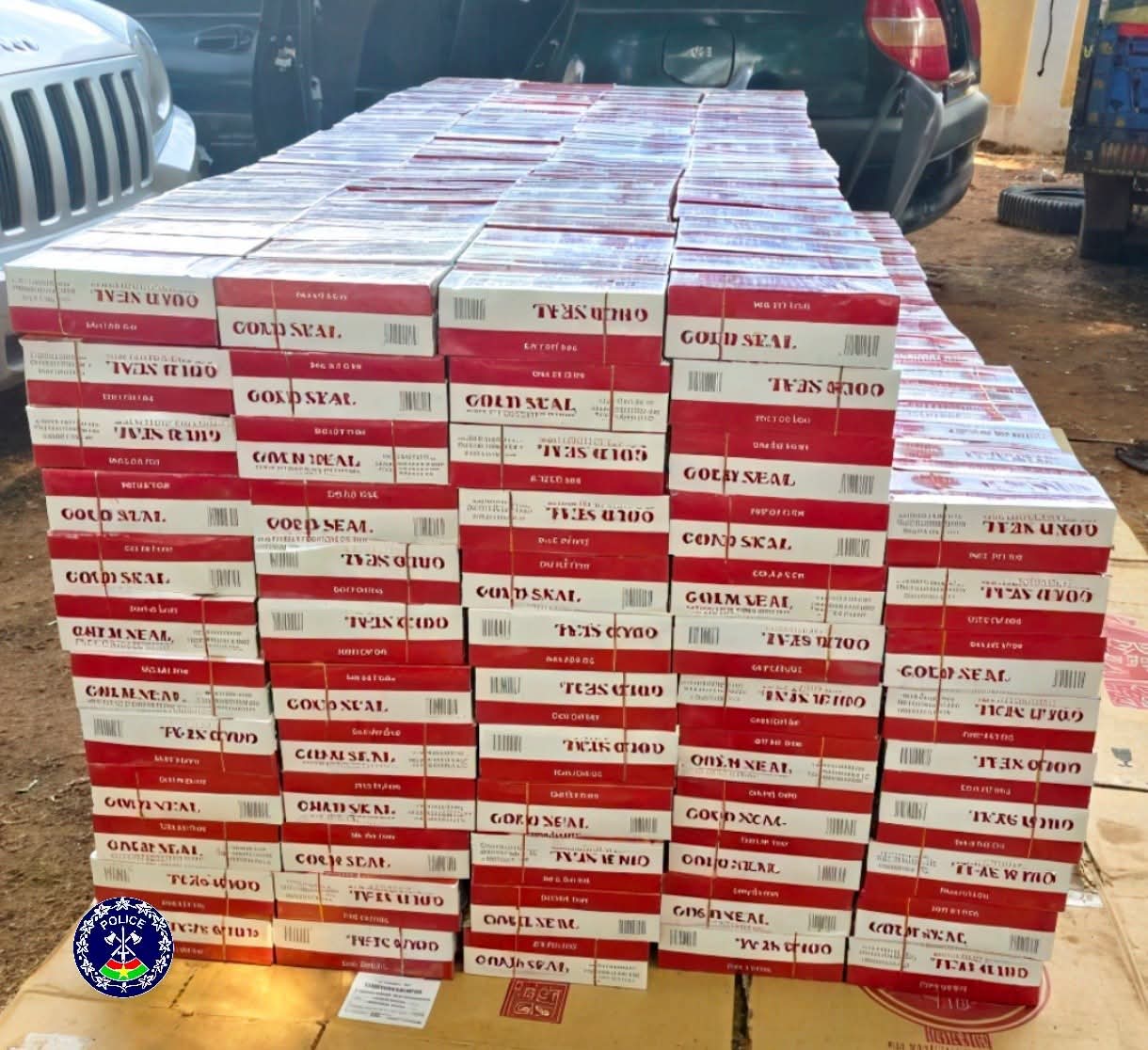
Dans le cadre de l'opération WIBGA III, les forces de police de Pô ont démantelé trois groupes présumés impliqués dans le trafic de produits de contrebande entre le Burkina Faso et un pays voisin. Les opérations ont permis de saisir notamment 1 350 cartouches de cigarettes, 600 sacs d'engrais, du carburant et des boissons frelatées, pour une valeur totale estimée à près de 20 millions de FCFA.
Grâce à la collaboration des populations, les équipes déployées ont réussi à intercepter un tricycle en provenance d'un pays voisin, transportant quatre bidons d'essence de 25 L, trois cartons de liqueur et douze cols de boissons frelatées de diverses marques.
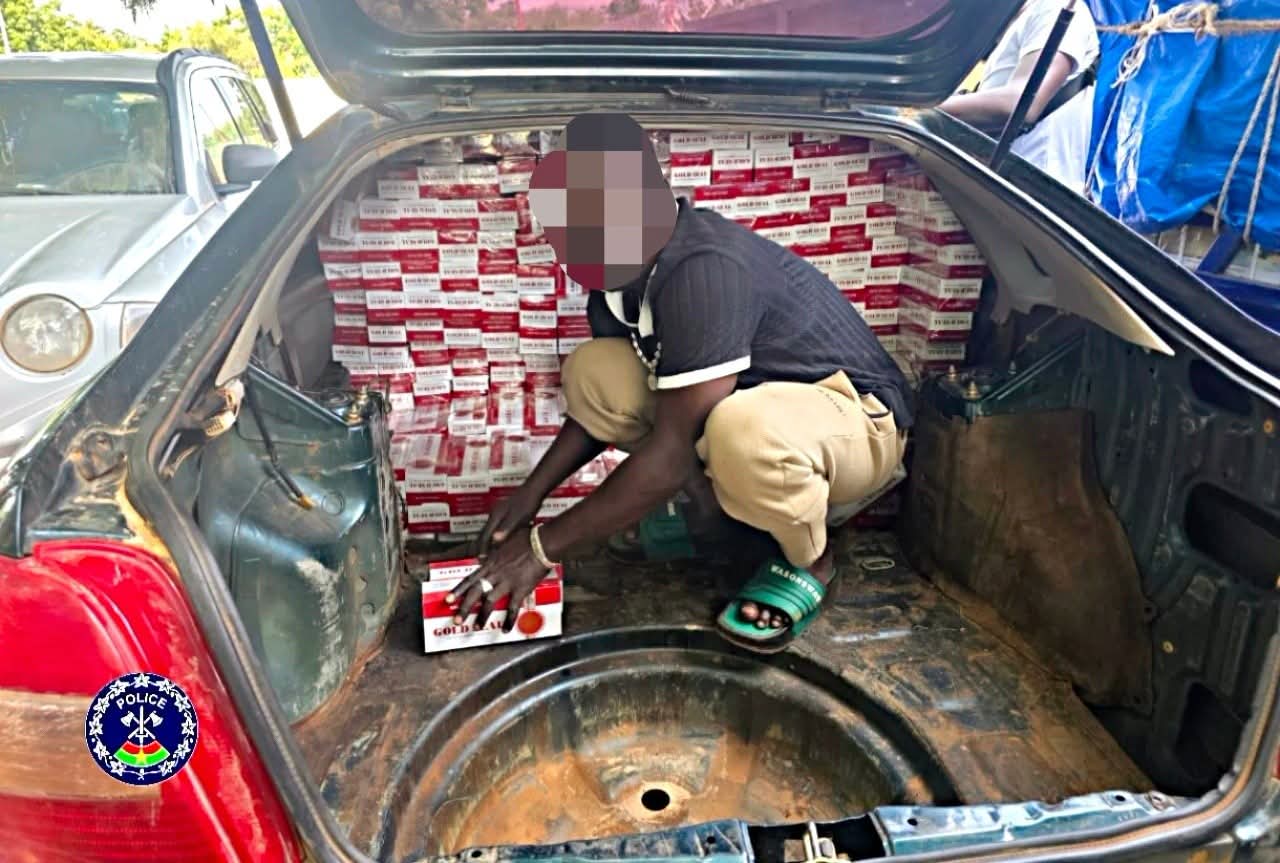
Ils ont également arrêté un véhicule contenant 1.350 cartouches de cigarettes de marque GOLD Searl et trois autres véhicules transportant chacun dix tonnes d'engrais chimique, soit un total de 600 sacs de 50 kg.

Il ressort des investigations menées que ces trois groupes de contrebande se rendaient dans un pays voisin pour s'y approvisionner en produits de contrebande (cartouches de cigarette, engrais, boisson frelatée, carburant) en quantité importante et les revendaient dans plusieurs villes du Burkina Faso telles que Dakola, Pô, Kombissiri, Ouagadougou et ses environnants.
La police nationale remercie encore une fois les citoyens grâce à qui, ces résultats ont été atteints. Elle les invite toujours à demeurer prudents et vigilants tout en continuant la dénonciation des cas suspects aux numéros verts mis à leur disposition, que sont les 17, 16 et 1010.
Lefaso.net
Categories: Afrique
Trafic de stupéfiants : La police saisit 5 000 plaquettes de tramadol dans le Oubri
La Police nationale a démantelé un réseau présumé de trafiquants de tramadol opérant dans le Oubri. L'opération, menée par l'antenne régionale de l'unité anti-drogue, a permis la saisie de 5 000 plaquettes de tramadol. Le montant du produit saisi est estimé à 8,5 millions de FCFA, ainsi qu'un véhicule et du numéraire. Les produits étaient destinés à être acheminés vers Ouagadougou pour y être revendus.
Les membres du groupe se sont spécialisés dans le trafic de produits prohibés, notamment le tramadol. En effet, ces derniers se ravitaillaient en tramadol dans une commune frontalière de la province du Ganzourgou qu'ils conditionnaient dans des sachets noirs.
Ils enveloppaient ensuite ces sachets conditionnés dans des effets d'habillement, les mettaient dans des sacs noirs et les déposaient sur les sièges arrière de leur véhicule. Ils empruntaient toujours les pistes rurales et roulaient à vive allure pour échapper aux contrôles des forces de sécurité. Ces produits sont transportés à Ouagadougou, revendus sur marché et approvisionnés pour la plupart par des jeunes.
Grâce à la collaboration de la population, les enquêteurs ont, au moment de l'interpellation des malfrats, réussi à saisir un véhicule de marque TOYOTA, deux sacs contenant 5000 plaquettes de tramadol d'une valeur estimée à 8.500.000 FCFA et du numéraire.
La police nationale réitère ses remerciements aux citoyens grâce à qui ce résultat a été atteint. Elle les exhorte par ailleurs à plus de vigilance et à poursuivre la dynamique de dénonciation des cas suspects aux numéros verts mis à leur disposition que sont les 17, 16 et 1010.
Lefaso.net
Categories: Afrique
Pages



© 2012-2018 Europa Varietas Foundation © 2015-2018 Europa Varietas Association
www.europavarietas.org | info(@)europavarietas(dot)org | Switzerland




We are looking for sponsors for the English translation of these books, please contact turkeandras(at)gmail(dot)com